

- 15 Rock Anthems That Defined a Generation and Still Sound Amazing Today - August 11, 2026
- 12 Unforgettable Movie Quotes You Can Still Use in Everyday Conversation. - August 11, 2026
- 10 Music Festivals That Changed the World - August 11, 2026
Adapting a novel to the screen demands tough choices. Directors must condense vast inner worlds into visual moments, often altering plots, characters, or themes to fit runtime and audience tastes. These shifts can profoundly change how viewers grasp the original story’s essence.
Sometimes, a faithful page turns horrific on film. Other times, bold inventions eclipse the source. Such decisions have long fueled arguments among fans, critics, and authors alike.[1][2]
The Shining: Stephen King vs. Stanley Kubrick
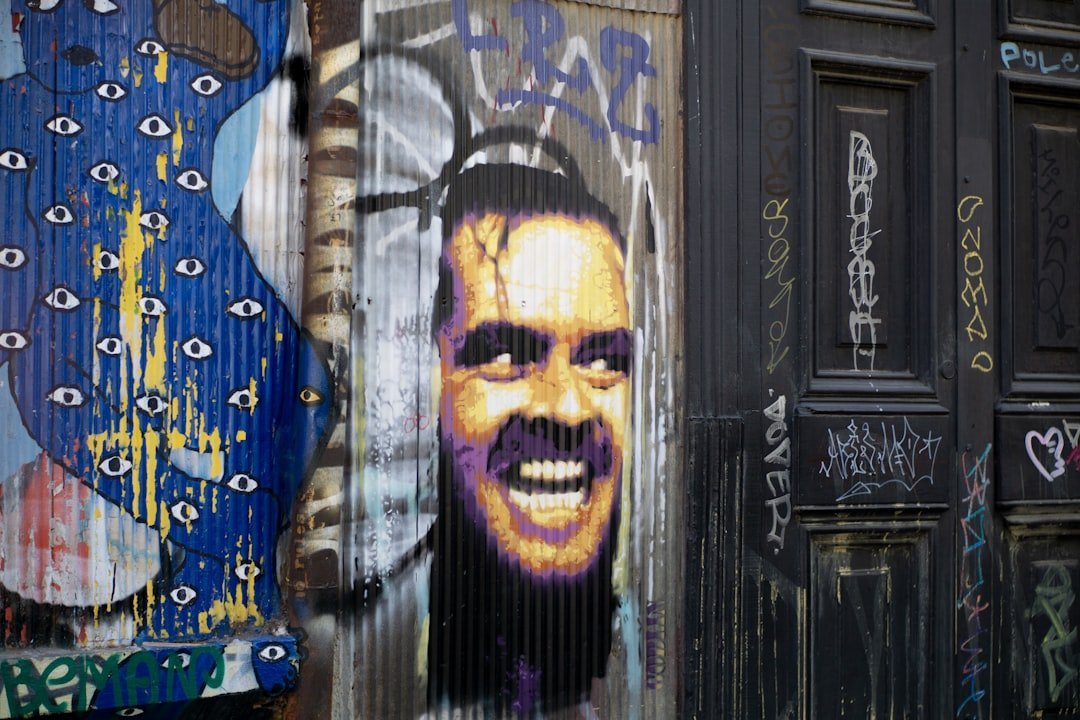
Stephen King’s 1977 novel portrays Jack Torrance as a flawed father who briefly fights the Overlook Hotel’s evil before succumbing. Kubrick’s 1980 film strips away this redemption arc, turning Jack into a relentless madman from the start. The movie swaps the book’s exploding boiler and animated topiary animals for a chilling hedge maze chase, heightening isolation over supernatural frenzy.[1][2]
King publicly despised the cold detachment, calling it a “big, beautiful Cadillac with no engine” and an insult to his characters’ warmth. Critics praised Kubrick’s atmospheric dread, though some echoed King’s view that it missed the novel’s heart. Fans remain split, with the film often hailed as a horror pinnacle despite the rift.[1]
A Clockwork Orange: Anthony Burgess’s Moral Dilemma

Anthony Burgess’s 1962 novel explores free will through Alex’s brutal violence and forced aversion therapy, ending on a mature note of natural redemption. Kubrick’s 1971 adaptation mirrors the ultraviolence but halts at Alex’s relapse into savagery, omitting the book’s hopeful coda. This choice amplifies the story’s bleakness, shifting focus from moral growth to societal critique.[1]
Burgess grew bitter, feeling Kubrick’s vision overshadowed his own and drew misplaced blame for real-world copycat crimes. The film ignited debates on censorship after UK withdrawals, with critics lauding its provocative style yet questioning its impact on violence glorification. Burgess later staged his own adaptation to reclaim the narrative.[1]
One Flew Over the Cuckoo’s Nest: Ken Kesey’s Perspective Shift
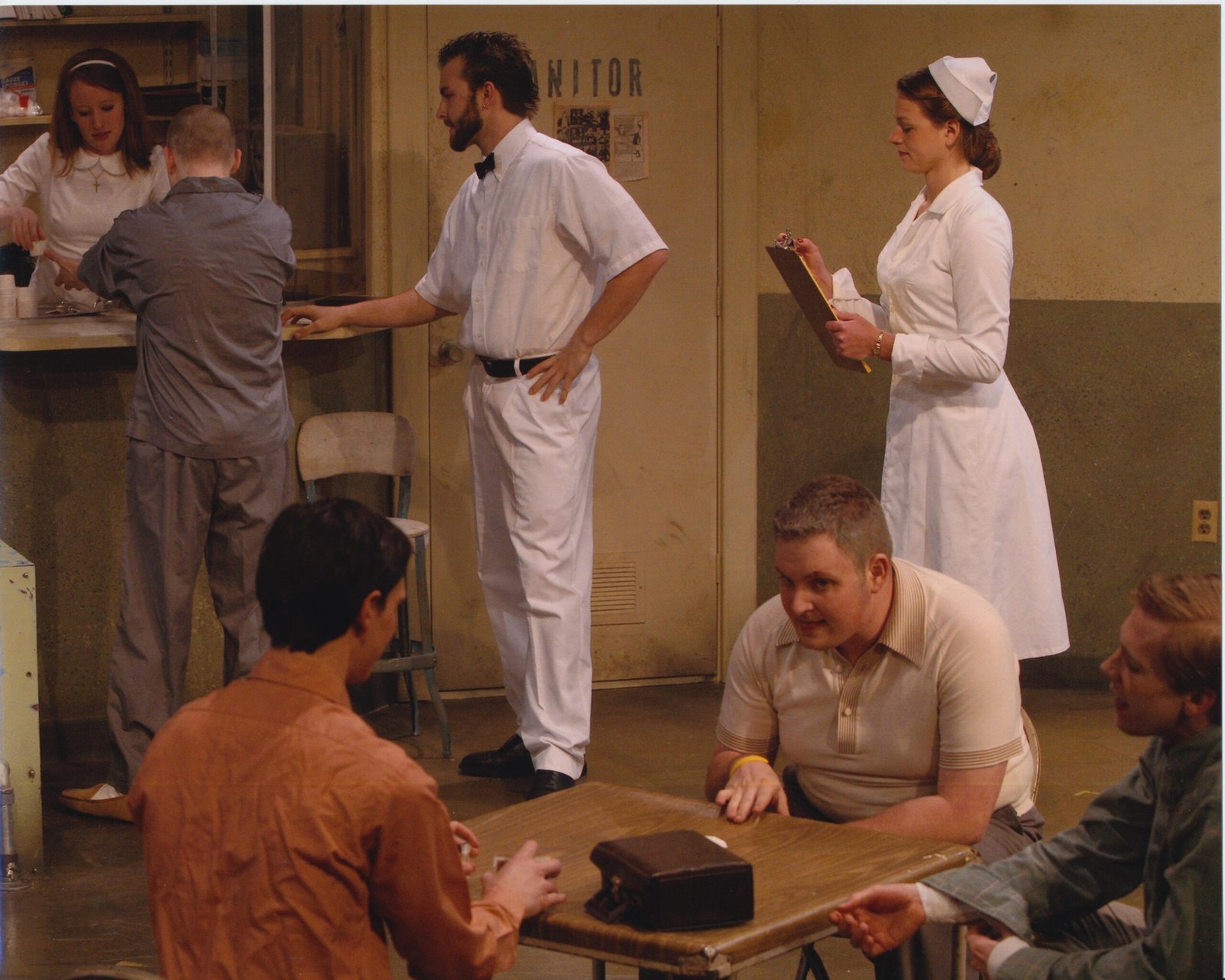
Ken Kesey’s 1962 novel unfolds through Chief Bromden’s eyes, revealing institutional horrors and Randle McMurphy’s rebellious spirit. Miloš Forman’s 1975 film centers McMurphy, sidelining Bromden until the end and softening some asylum brutality for broader appeal. Key events like group therapy gain cinematic punch but lose the hallucinatory depth of the prose.[1]
Kesey sued over financial disputes and narrative changes, boycotting the film entirely. It swept Oscars, earning acclaim for Jack Nicholson’s tour-de-force, though purists argued it diluted the anti-authority bite. The adaptation’s triumph intensified talks on whose story it truly tells.[1]
American Psycho: Bret Easton Ellis’s Unfilmable Mind
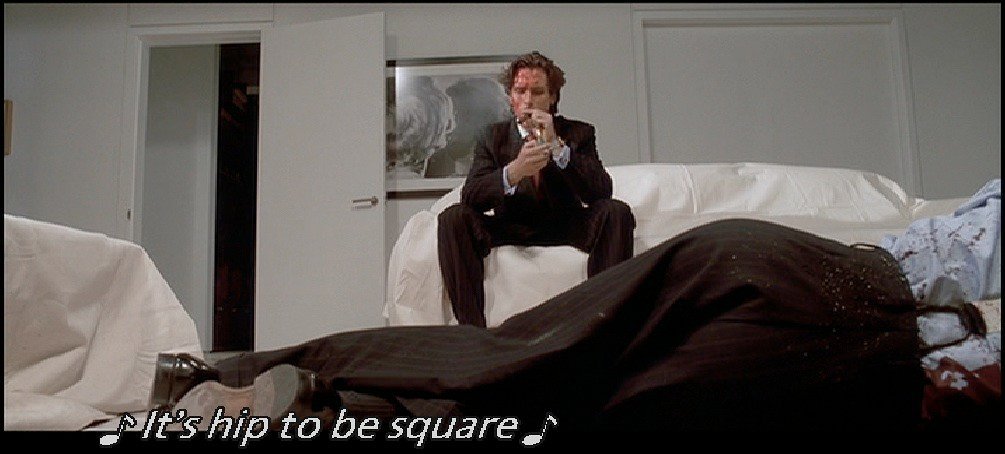
Bret Easton Ellis’s 1991 satire thrives on Patrick Bateman’s unreliable inner monologue, blurring murder reality amid 1980s excess. Mary Harron’s 2000 film externalizes the violence, confirming kills and toning down gore for satire over shock. Bateman’s monologues become voiceovers, losing some ambiguous horror.[1]
Ellis doubted its viability, criticizing the shift from consciousness-driven dread. Christian Bale’s magnetic performance won raves, sparking discourse on gender dynamics since Harron, a woman, directed the male gaze critique. Debates persist on whether the film sanitizes or sharpens the book’s edge.[1]
Watchmen: Alan Moore’s Superhero Deconstruction
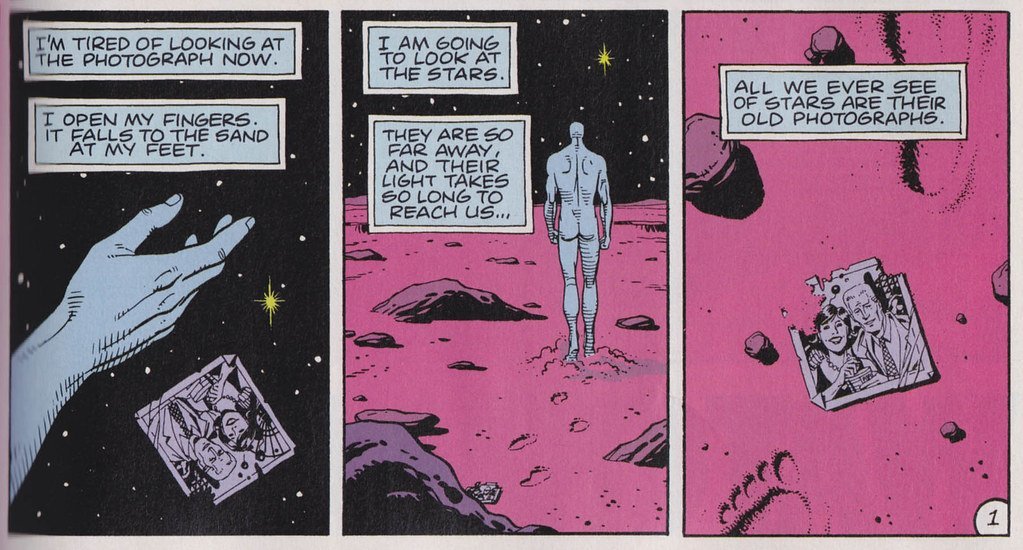
Alan Moore’s 1986-87 graphic novel dissects heroism with intricate nonlinear tales, culminating in a psychic squid attack uniting foes. Zack Snyder’s 2009 film streamlines timelines, replaces the squid with Dr. Manhattan’s energy blast, and adds a pirate comic nod. It emphasizes visuals over philosophy, altering Rorschach’s arc slightly.[2]
Moore disavowed it entirely, refusing credit amid broader Hollywood gripes. Fans debated fidelity versus spectacle, with critics praising action but lamenting lost nuance. The changes fueled endless online forums on adapting “unfilmable” comics.[1]
Forrest Gump: Winston Groom’s Cynical Everyman
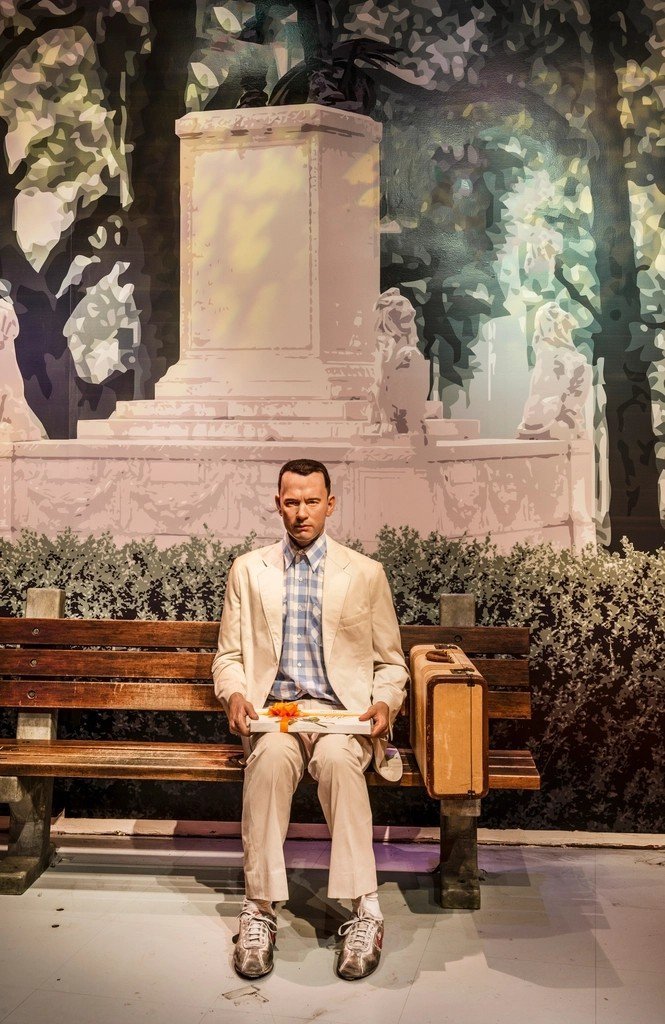
Winston Groom’s 1986 novel paints Forrest as intellectually disabled with wild, often dark adventures like shrimping disasters and space trips. Robert Zemeckis’s 1994 film softens him into a gentle savant, weaving historical events into a feel-good odyssey minus the book’s coarser edges. Jenny’s fate and Forrest’s child add emotional layers absent in print.[3]
Groom called it too sentimental, preferring his grittier version. The movie’s Oscars and box-office dominance overshadowed complaints, though some reviewers noted the glossy patriotism. It crystallized divides between literary grit and cinematic uplift.[3]
Mary Poppins: P.L. Travers’s Stern Nanny
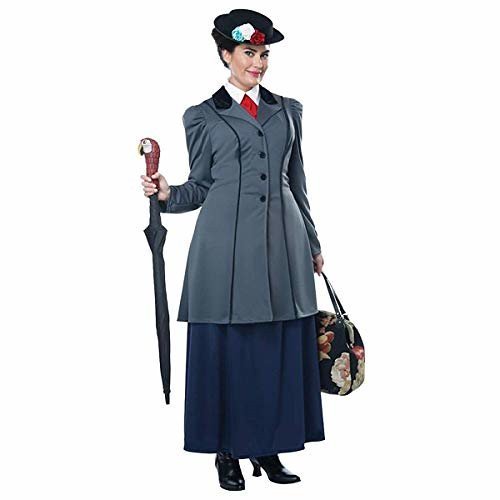
P.L. Travers’s 1934 book features a no-nonsense magical nanny with sharp lessons and minimal whimsy. Disney’s 1964 musical injects songs, romance via Bert, and jolly adventures, transforming stern guidance into family fantasy. Mr. Banks’s redemption gets a buoyant finale far from the book’s subtlety.[1]
Travers wept at the premiere, hating the cheerfulness that buried her magic. Julie Andrews’s charm earned Oscars, but biopic Saving Mr. Banks later exposed the clashes. Critics still weigh the film’s joy against the source’s austerity.[1]
Solaris: Stanisław Lem’s Philosophical Void

Stanisław Lem’s 1961 sci-fi probes guilt and alien incomprehensibility through Kelvin’s ocean-born visions. Tarkovsky’s 1972 film deepens emotional introspection, extending runtime to emphasize human frailty over cosmic mystery. Soderbergh’s 2002 remake further romanticizes it into a love story.[1]
Lem rejected both for diluting epistemology into sentiment. Tarkovsky’s version gained cult status for meditative pace, sparking sci-fi purist arguments. The adaptations highlight tensions between intellect and heart in genre tales.[1]
Cool Hand Luke: Donn Pearce’s Prison Grit
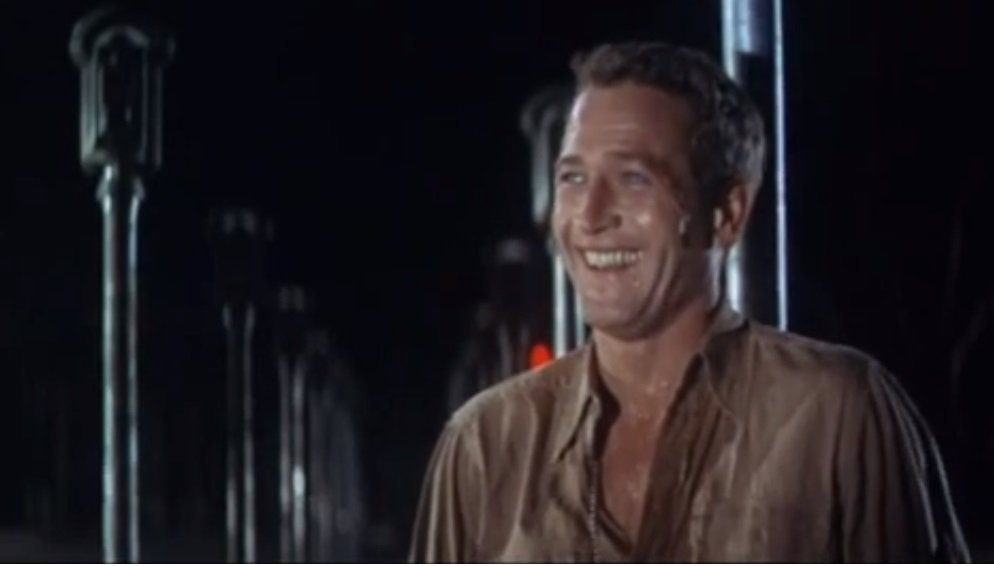
Donn Pearce’s 1965 novel draws from real chain-gang life, portraying Luke as a wiry rebel clashing coarsely with guards. Stuart Rosenberg’s 1966 film stars a bulkier Paul Newman, polishing dialogue and amplifying mythic defiance. Egg-eating and road-building scenes gain symbolic weight.[1]
Pearce scorned Newman’s physique and Hollywood gloss. The film’s “failure to communicate” line endures, with acclaim for its anti-establishment vibe. Debates linger on authenticity versus star power.[1]
The Neverending Story: Michael Ende’s Fantasy Warning
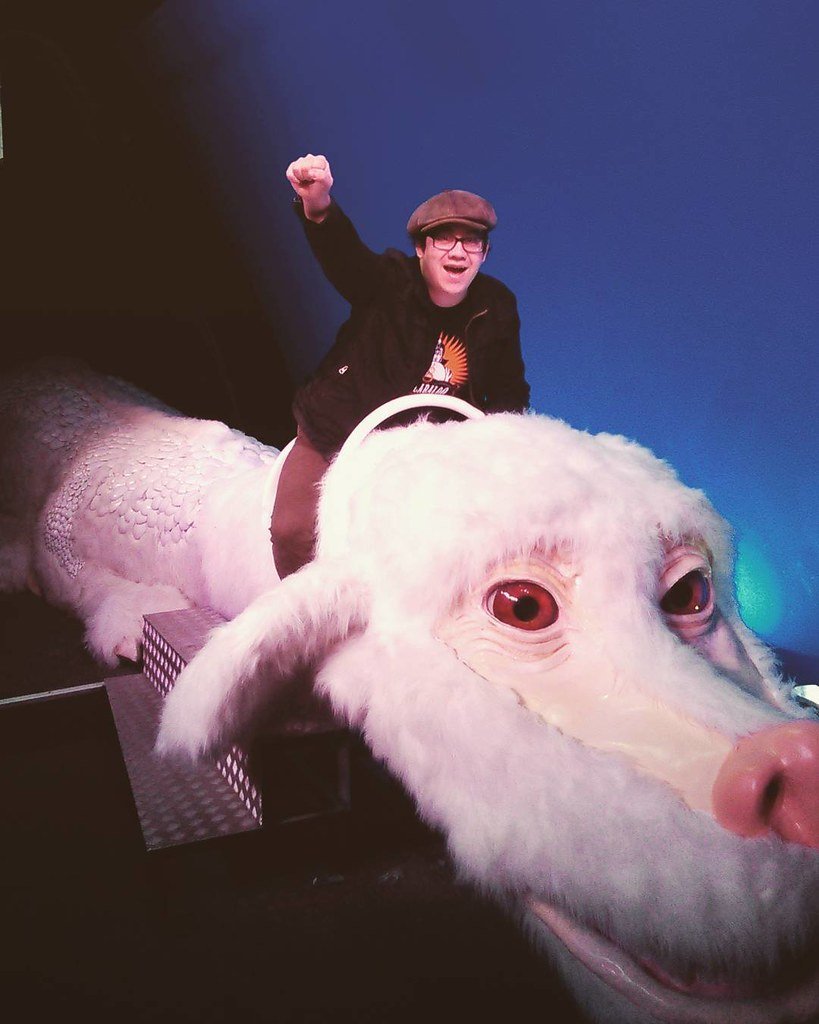
Michael Ende’s 1979 novel warns of imagination’s destruction, with Bastian entering Fantastica fully by the end. Wolfgang Petersen’s 1984 film splits into childlike adventure, teasing a sequel while softening meta-themes. Rock-biter and luckdragon shine brighter than philosophical layers.[1]
Ende sued over unapproved changes, seeing kitsch over depth. The movie’s theme song and effects captivated kids, grossing big despite backlash. It exemplifies family fare clashing with adult allegory.[1]
Adaptation as Living Reinterpretation

These films prove adaptation thrives on transformation, not mimicry. Directors reshape texts to speak anew, often trading depth for impact.
Debates endure because both versions claim truth. In the end, they enrich each other, inviting endless revisits to page and screen.[1]
CEO-Co-Founder
