

- 10 American Festival Traditions With Surprisingly Dramatic Historical Roots - September 8, 2026
- 15 Iconic Song Facts That Will Dramatically Change How You Hear Your Favorite Tunes - September 8, 2026
- 18 Simon & Garfunkel Lyrics That Are Sadder Than Most Fans Realize - September 8, 2026
Books that push against accepted boundaries often draw the attention of those in power. Their ideas can feel disruptive enough to prompt efforts at suppression, whether through outright bans or quiet restrictions in schools and libraries.
Yet time and again the core messages find ways to spread anyway. Readers discover them, discuss them, and carry the thoughts forward into new contexts.
1984 by George Orwell
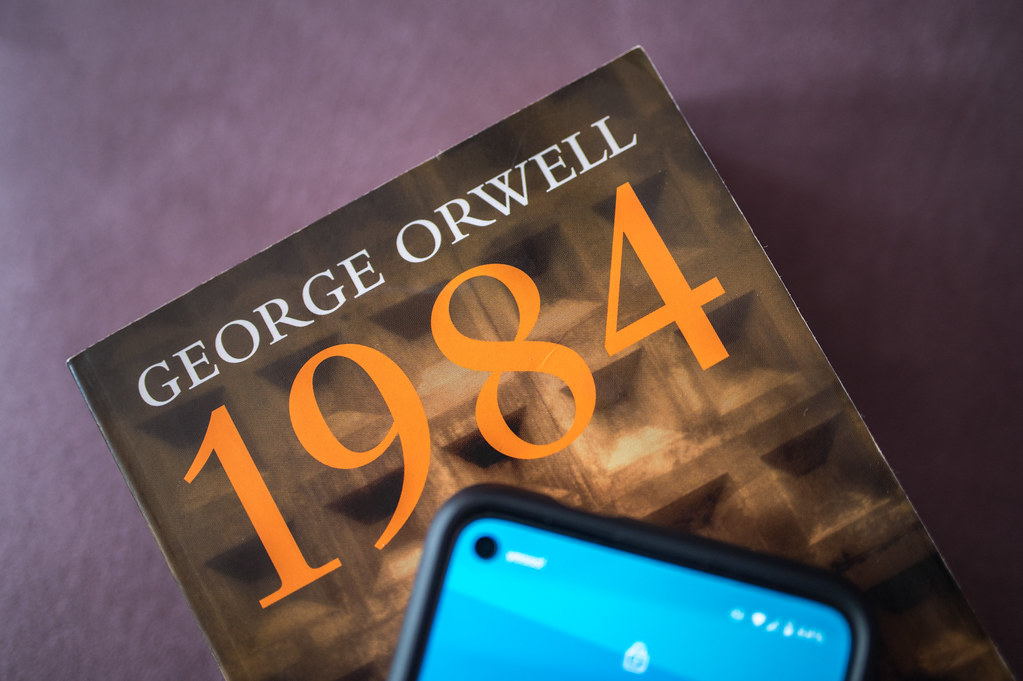
Published in 1949, this novel faced bans in several countries during the Cold War era. Officials worried it painted too bleak a picture of total control through constant surveillance and rewritten history. The story warned that language itself could be twisted to limit independent thought.
Over the decades the book shaped how people talk about government overreach. Terms from its pages entered everyday language and fueled debates on privacy rights during the rise of digital tracking. Its influence shows up in journalism, activism, and even popular culture whenever leaders try to control narratives.
To Kill a Mockingbird by Harper Lee
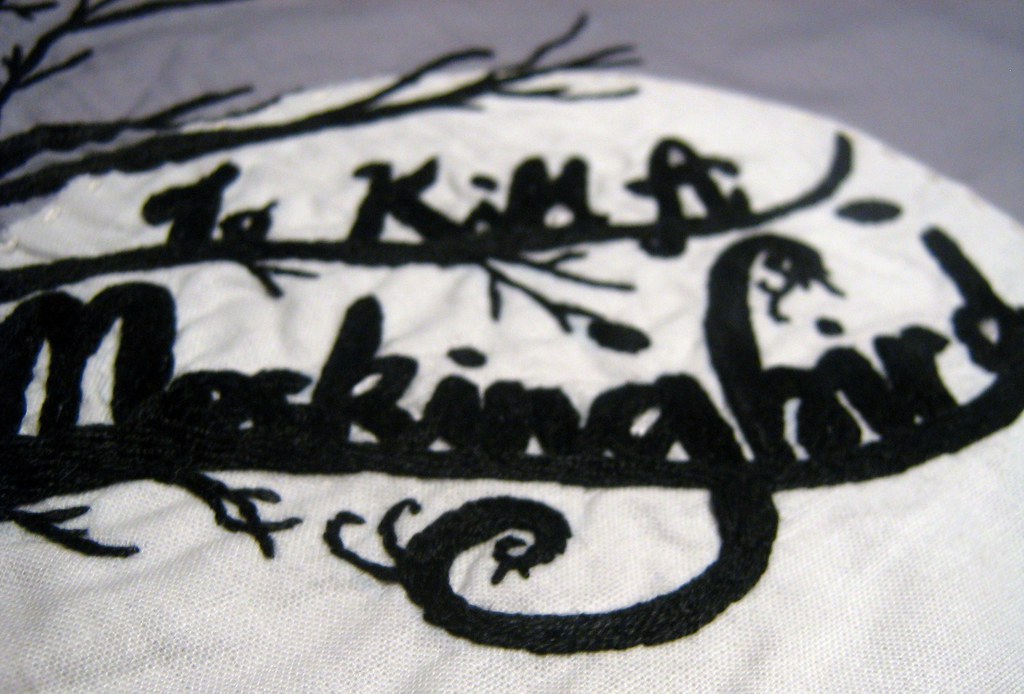
This 1960 novel drew challenges in American schools for its honest look at racial injustice in the South. Some parents and officials argued the language and themes were too mature for young readers. The central trial scene highlighted how prejudice could override fairness in a courtroom.
Despite the pushback the story became a staple in classrooms and inspired generations to question bias. It contributed to broader conversations during the civil rights movement and later efforts to address systemic inequality. Many readers credit it with opening their eyes to empathy across divides.
The Catcher in the Rye by J.D. Salinger
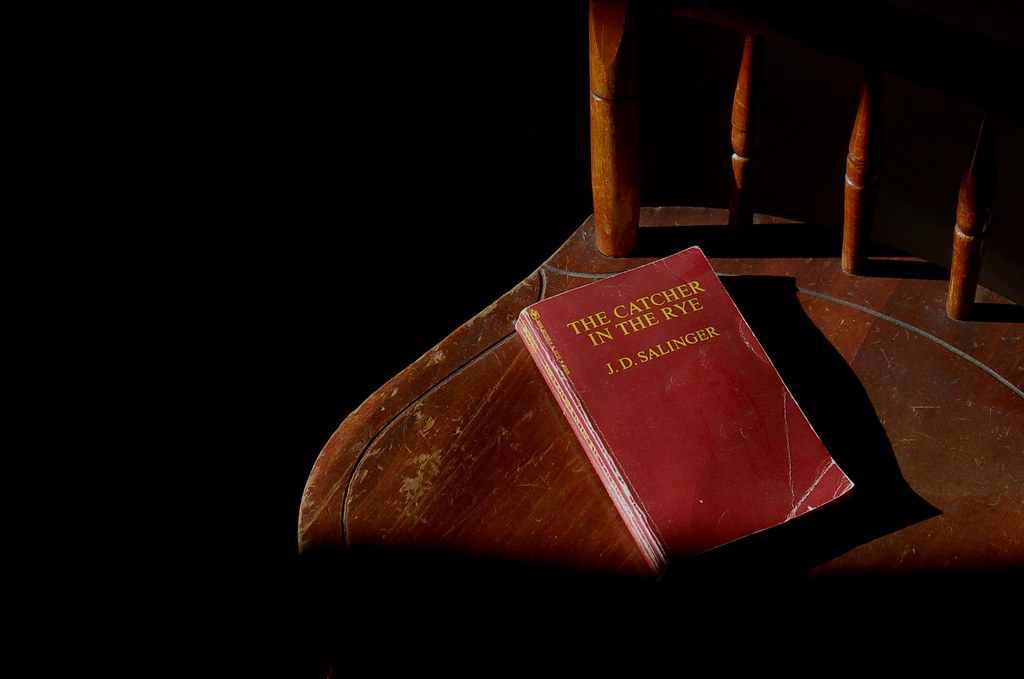
Released in 1951, the book quickly ran into restrictions for its raw portrayal of teenage alienation and profanity. School boards in various districts removed it from shelves, claiming it promoted rebellion against authority figures. The narrative followed a young man drifting through New York while rejecting adult hypocrisy.
Its honest voice resonated with readers who felt misunderstood. The novel helped normalize discussions about mental health struggles among adolescents. Over time it influenced countless coming of age stories in literature and film.
Brave New World by Aldous Huxley
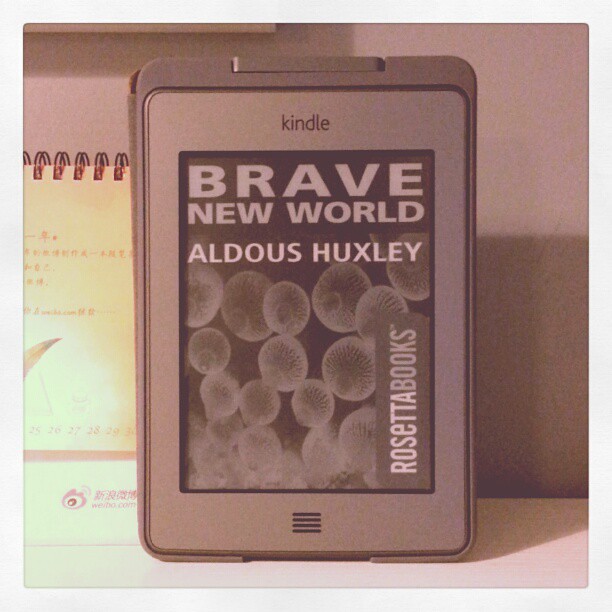
This 1932 work encountered bans for depicting a society built on pleasure and genetic engineering rather than freedom. Critics feared it mocked traditional values and suggested science could erase individuality. The plot explored how comfort and distraction might replace genuine human connection.
Readers later recognized its warnings about consumerism and technology. The book prompted ongoing talks about ethics in biotechnology and the cost of engineered happiness. Its ideas surface regularly in debates over social media and pharmaceutical solutions to discontent.
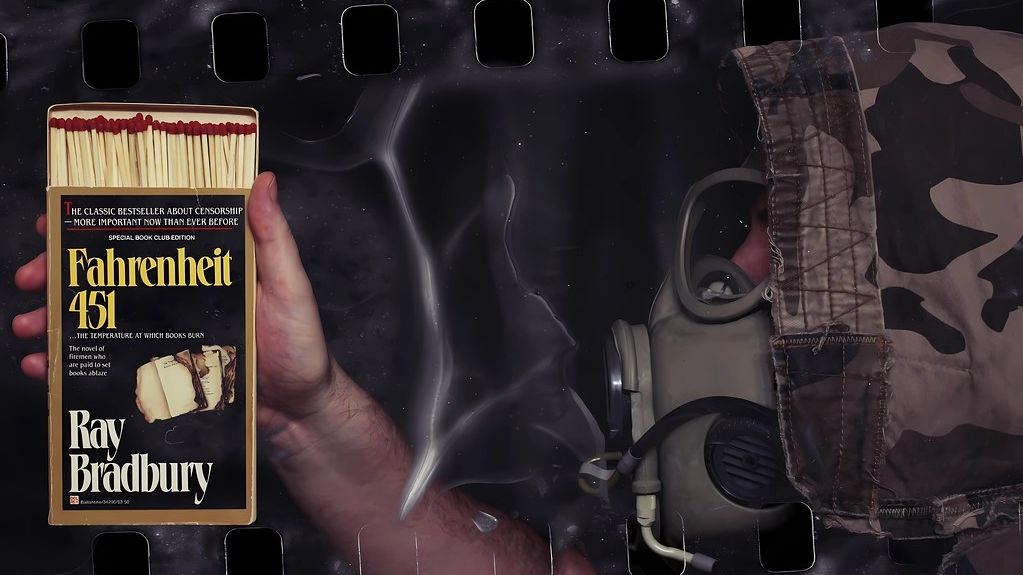
Fahrenheit 451 by Ray Bradbury
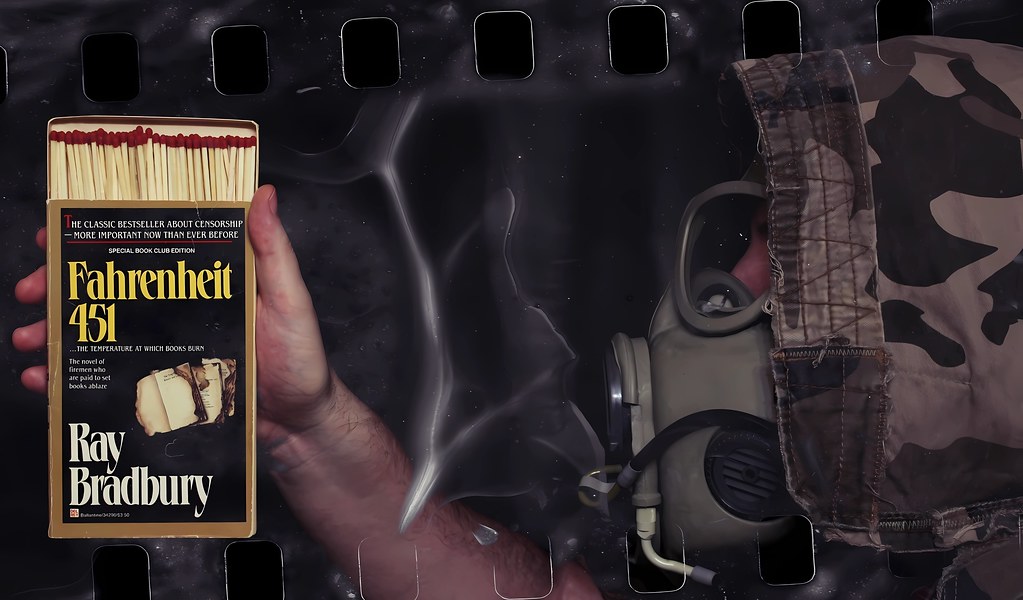
Published in 1953, the novel was challenged for its depiction of book burning in a future America. Some saw the firemen who destroy literature as too violent or critical of conformity. The story centered on a man who begins to question why certain ideas must be erased.
It became a symbol for the defense of free expression. The book encouraged libraries and educators to protect access to diverse viewpoints. Its message continues to appear in campaigns against censorship in the digital age.
The Handmaid’s Tale by Margaret Atwood
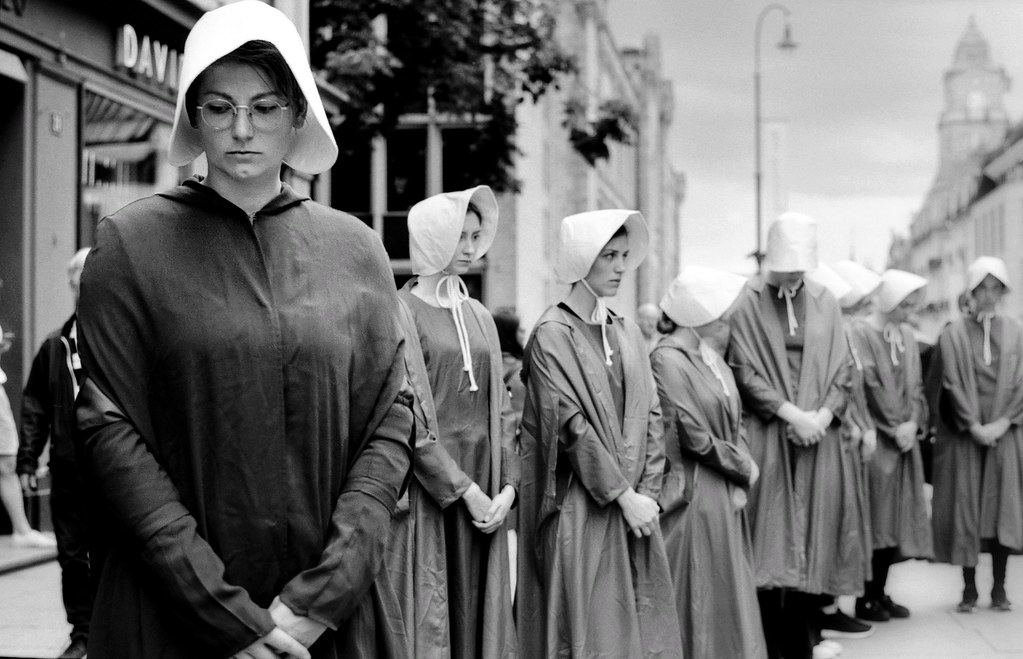
This 1985 novel faced removals from school curricula for its portrayal of a theocratic regime that strips women of rights. Officials cited concerns over sexual content and political themes that challenged traditional family structures. The narrative followed one woman navigating survival under strict reproductive control.
Its themes gained fresh attention during later social movements. The story helped frame discussions on bodily autonomy and authoritarian tendencies. Readers often reference it when examining policies that limit personal freedoms.
The Lasting Reach of Suppressed Ideas

Censorship rarely succeeds in erasing a powerful story for good. Instead it often draws more attention to the very thoughts it aims to hide. Literature carries forward because people keep seeking out what feels true, even when access is limited.
These works remind us that ideas gain strength through resistance. Their endurance shows how words can outlast attempts to silence them and continue shaping conversations long after the original controversies fade.
CEO-Co-Founder
