

- 8 Gardening Hacks That Will Make Your Roses Bloom Like Never Before - August 11, 2026
- 8 Incredible Beaches Around the World You Won’t Believe Are Real - August 11, 2026
- 10 Classical Music Masterpieces That Will Transport You Through Time - August 11, 2026
The 1980s marked a revolution in how music was made and heard. Synthesizers and drum machines like the LinnDrum became staples, while digital recording tools such as MIDI opened up new creative possibilities for layering sounds in ways previously unimaginable.
MTV’s launch in 1981 tied visuals to audio, pushing polished production and global pop aesthetics that blended glossy sheen with raw energy. These shifts created a decade where albums didn’t just sell; they redefined what hit music could be.[1]
AC/DC – Back in Black (1980)
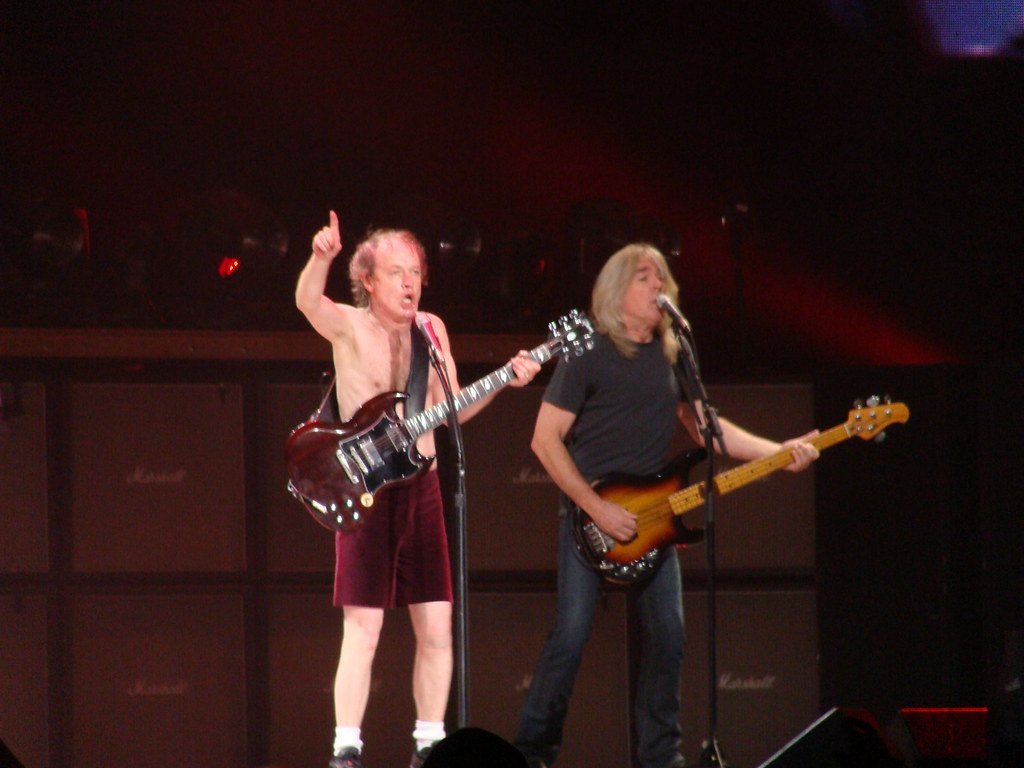
Back in Black arrived amid tragedy, following singer Bon Scott’s death, with Brian Johnson stepping in seamlessly. The album leaned into hard rock riffs powered by Angus Young’s guitar and a thunderous rhythm section, using straightforward production that emphasized live-band power over studio tricks. Tracks like the title song and “You Shook Me All Night Long” showcased tight, anthemic structures that became arena-rock blueprints.
Culturally, it bridged 70s hard rock into the 80s, selling millions and earning 25-times platinum certification.[1][2] Its raw energy influenced countless metal acts, while proving resilience could fuel massive commercial success. Even today, its hooks pack stadiums.
Michael Jackson – Thriller (1982)
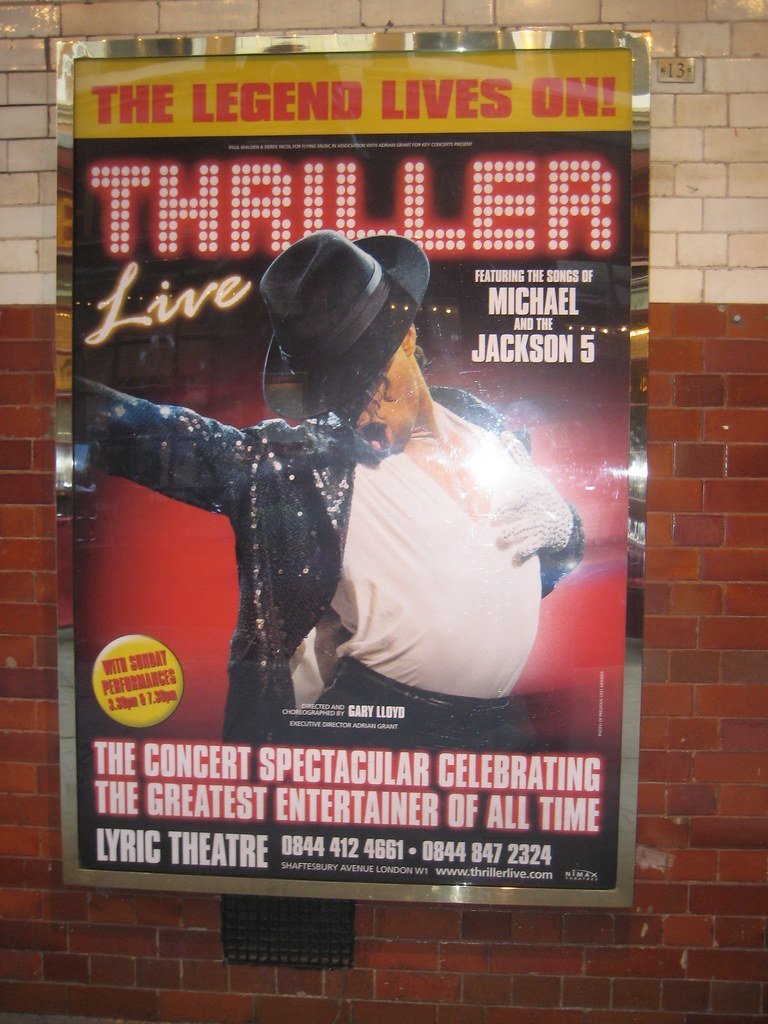
Quincy Jones’s production on Thriller fused pop, R&B, rock, and funk with cutting-edge techniques. Eddie Van Halen’s guitar solo on “Beat It” shattered genre walls, while synth basslines and horn arrangements on tracks like “Billie Jean” set new standards for rhythmic precision. The album pioneered video integration, with the 14-minute “Thriller” short film redefining music visuals.
It became the best-selling album ever at 34-times platinum, breaking racial barriers on MTV and elevating pop to global phenomenon status.[1][2] Its influence lingers in modern production polish and dance-pop structures. Decades later, it still dominates playlists.
Lionel Richie – Can’t Slow Down (1983)
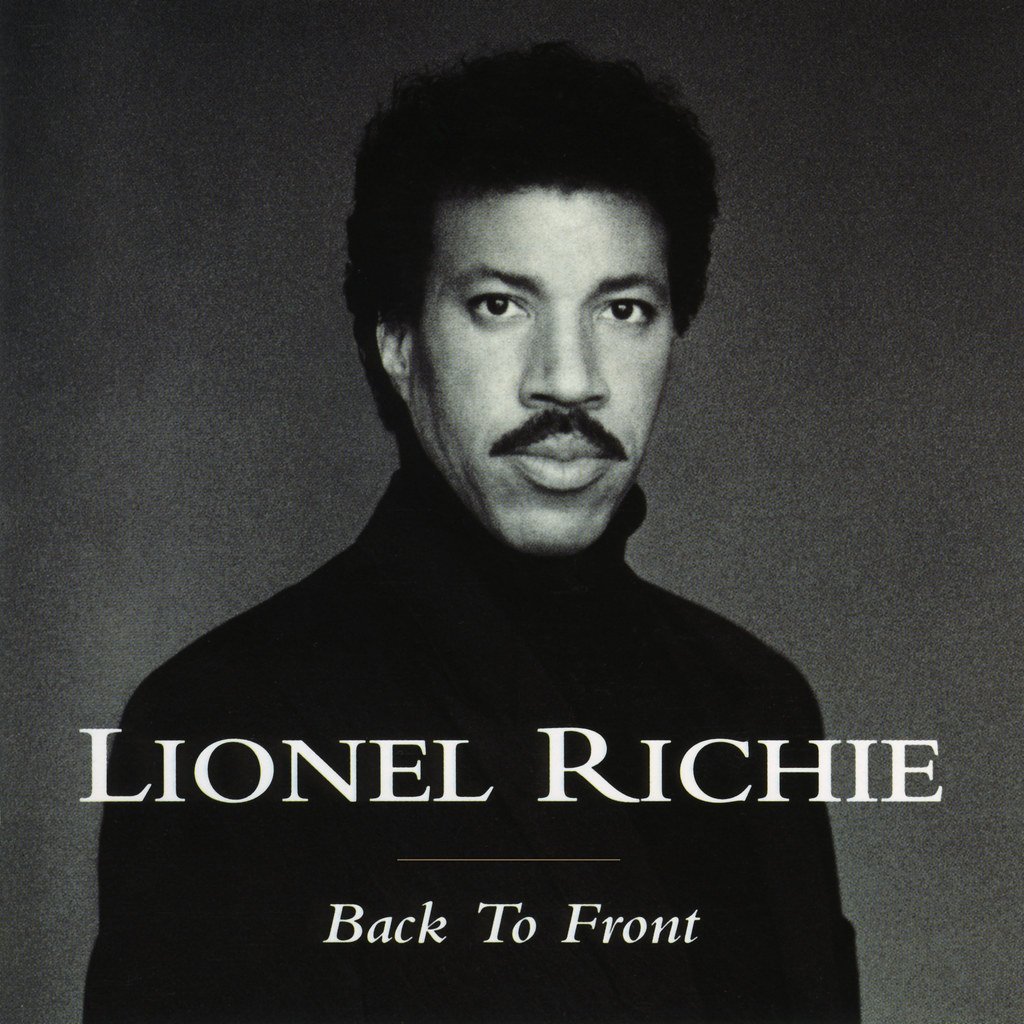
This album highlighted Richie’s smooth soul voice over lush, synth-driven arrangements. Producers James Anthony Carmichael and Richie himself crafted ballads like “Hello” with orchestral swells and upbeat tracks using early digital synths for a radio-ready sheen. It balanced vulnerability with danceable grooves, perfect for 80s adult contemporary.
Certified quadruple platinum, it topped charts worldwide and solidified Richie’s solo stardom post-Commodores.[2] The record shaped the era’s soft-rock soul sound, inspiring a generation of crooners. Its timeless melodies endure on wedding playlists.
Prince and the Revolution – Purple Rain (1984)
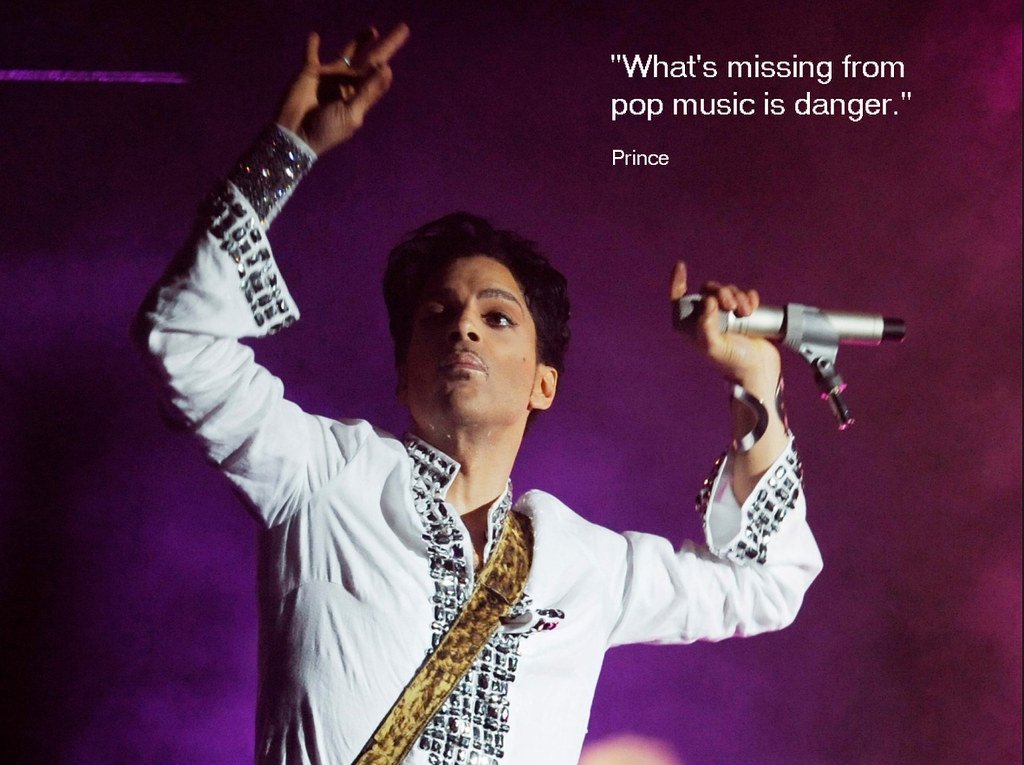
Purple Rain blended funk, rock, and pop with Prince’s multi-instrumental wizardry. Guitar solos on the title track and synth layers in “When Doves Cry” – notably without bass – innovated minimalism amid excess. The album’s live feel captured Minneapolis sound’s fusion of genres.
It went 13-times platinum and tied to the film, boosting Prince’s icon status.[2] Culturally, it challenged norms around sexuality and race in music. Tracks remain staples in live sets today.
Bruce Springsteen – Born in the U.S.A. (1984)
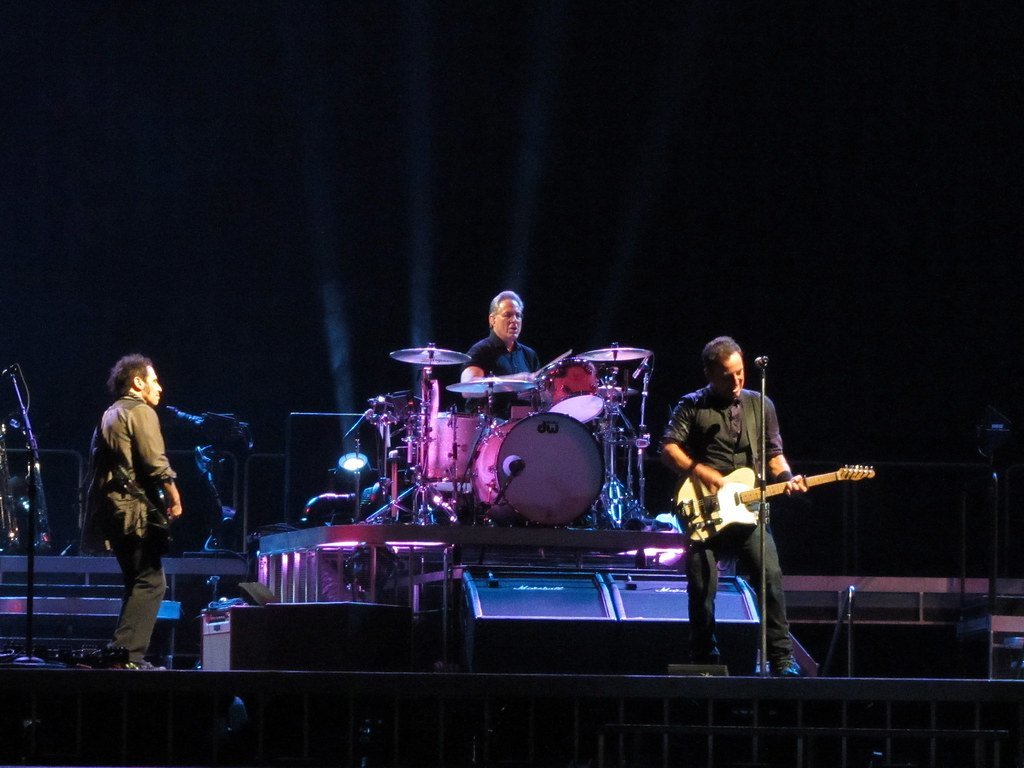
Springsteen’s production with Jon Landau emphasized E Street Band’s raw power, using synths subtly on hits like “Dancing in the Dark.” Stadium-sized hooks met heartland narratives, with Roland synth adding 80s texture to classic rock. Dense layering created anthems that felt both intimate and epic.
15-times platinum, it became a cultural touchstone for working-class anthems amid Reagan-era America.[3] Misunderstood as patriotic, it sparked political discourse. Its energy still rallies crowds.
Madonna – Like a Virgin (1984)
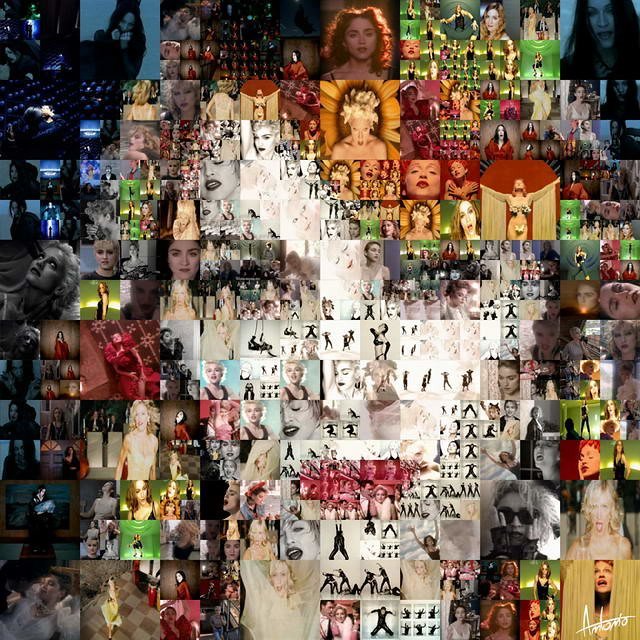
Nile Rodgers’s chic production mixed dance beats with bold pop on tracks like the title song. Synths and Nile’s guitar scratches defined early MTV dance-pop, while “Material Girl” satirized glamour with glossy hooks. It pushed electronic rhythms into mainstream femininity.
Quadruple platinum, it launched Madonna as the decade’s provocateur.[2] The album reshaped female pop stardom through image and attitude. Its beats thump freshly in remixes.
Whitney Houston – Whitney Houston (1985)
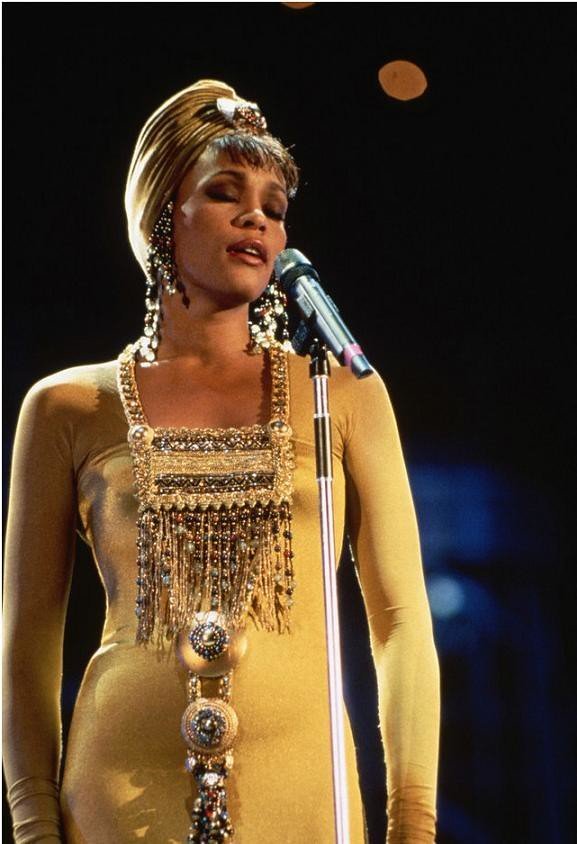
Narada Michael Walden and others crafted powerhouse ballads with 80s production flair. Layered vocals on “Saving All My Love for You” and synth strings on “How Will I Know” blended R&B with pop accessibility. Drum programming gave dance tracks crisp energy.
Certified 9-times platinum in its first year alone, it made Houston a superstar.[2] It set vocal standards for pop divas. Songs still define emotional peaks.
Phil Collins – No Jacket Required (1985)
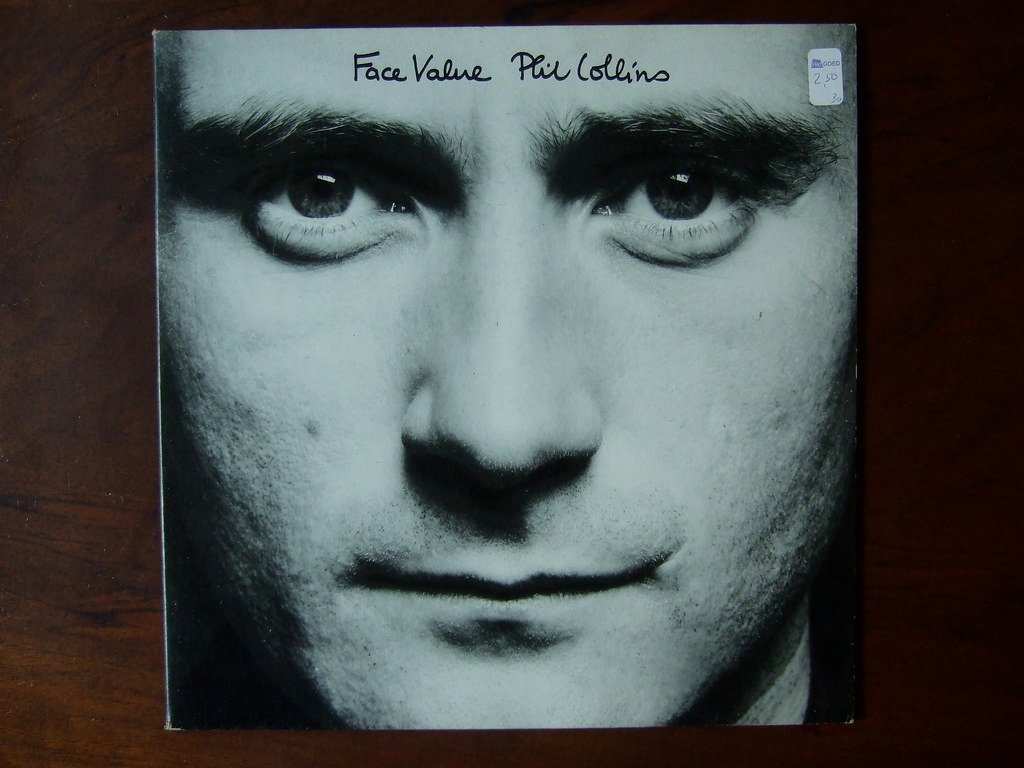
Collins pioneered gated reverb on drums, creating that signature 80s snare snap across the album. Synth horns and bass synths fueled hits like “Sussudio,” blending soul with new wave polish. Self-production emphasized catchy, heartfelt pop-rock.
12-times platinum, it dominated airwaves and crossed genres.[2] The sound influenced countless producers. Its hooks feel vibrant still.
Dire Straits – Brothers in Arms (1985)
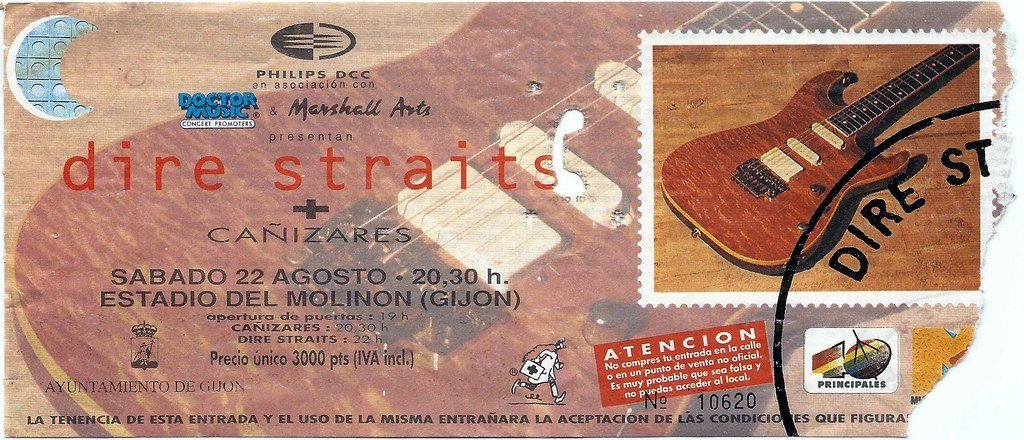
Mark Knopfler’s meticulous production introduced the CD era’s clarity, with sparse arrangements highlighting guitar tones. “Money for Nothing” used early sampled voices and synths innovatively. Acoustic-electric blends offered mature rock sophistication.
14-times platinum, it was a massive seller in the digital shift.[4] It bridged classic and modern rock legacies. Guitar work inspires today.
Bon Jovi – Slippery When Wet (1986)
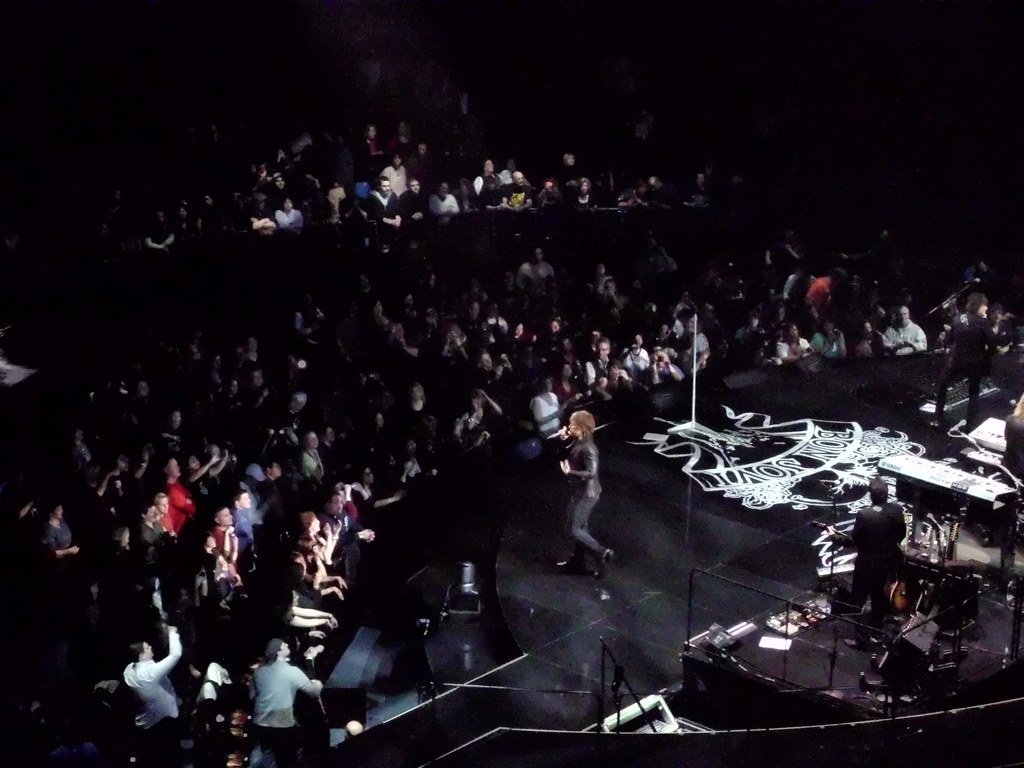
Produced by Bruce Fairbairn, it amped hair metal with pop hooks and gang vocals. “Livin’ on a Prayer” layered synths under arena riffs, perfecting stadium pop-metal. Clean production made anthems universally singable.
Diamond certified at 12-times platinum, it defined 80s excess.[2] Tracks became sports anthems. Energy holds up in live revivals.
George Michael – Faith (1987)
Michael’s production mixed funk basslines with stripped-back drums on the title track. Acoustic guitars and subtle synths crafted mature pop, diverging from Wham!’s bubblegum. It showcased songcraft amid synth-heavy trends.
10-times platinum, it proved his solo prowess.[2] Videos pushed queer undertones subtly. Songs remain radio favorites.
Michael Jackson – Bad (1987)
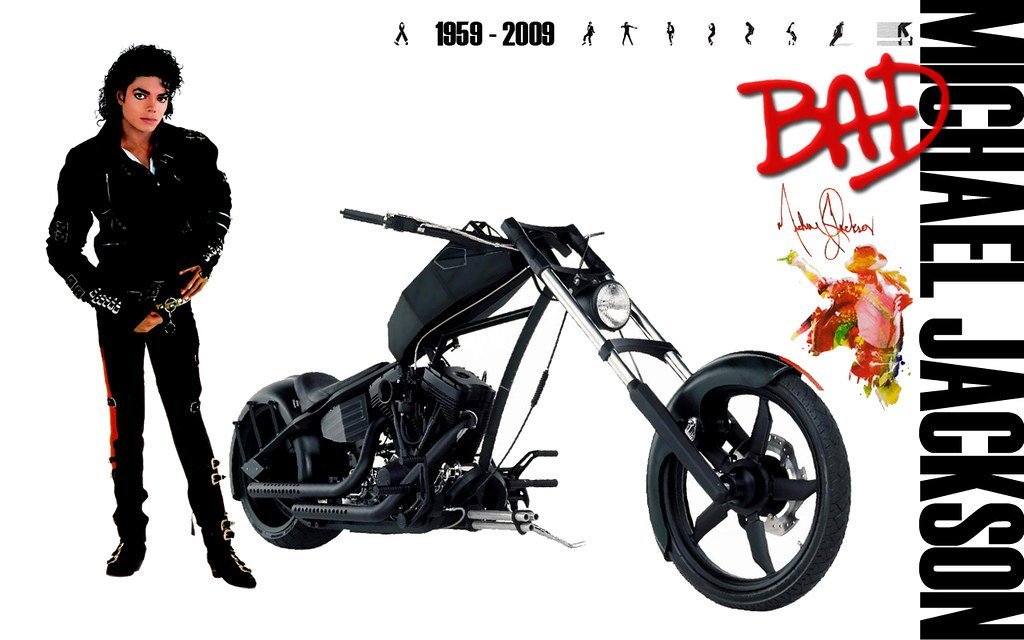
Quincy Jones again delivered genre-mashing with harder edges, like “Smooth Criminal’s” kinetic beat. Synth orchestration and street-tough vocals evolved Thriller’s formula. Videos amplified dance innovation.
11-times platinum, it reinforced Jackson’s dominance.[5] It influenced hip-hop crossovers. Production shines timelessly.
U2 – The Joshua Tree (1987)
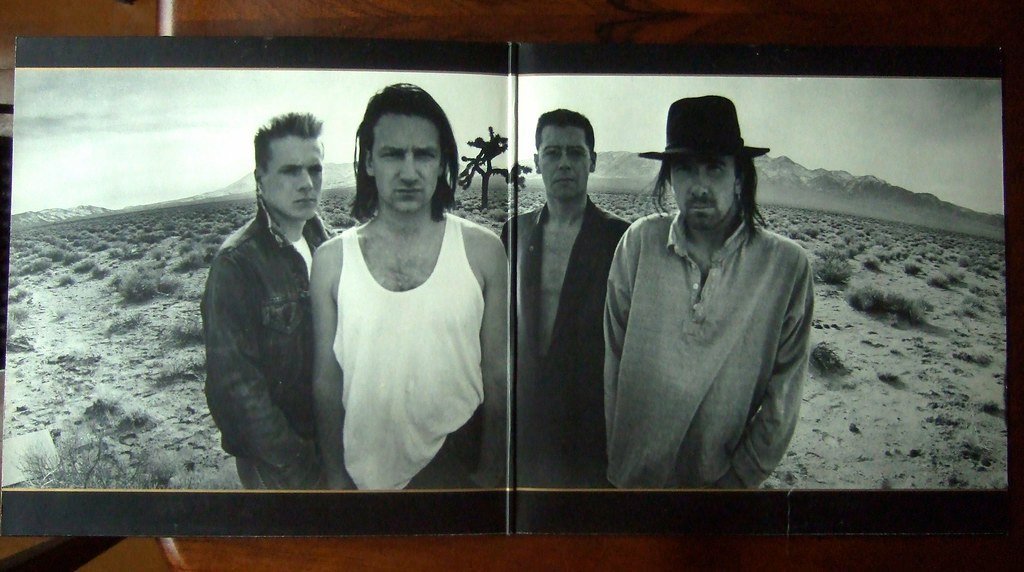
Produced by Daniel Lanois and Brian Eno, it layered echoey guitars with atmospheric synths. “With or Without You” used infinite guitar for emotional depth. Desert-rock scope expanded stadium anthems.
10-times platinum, it elevated U2 globally.[2] Activism tied to sound. Expanses still mesmerize.
Def Leppard – Hysteria (1987)
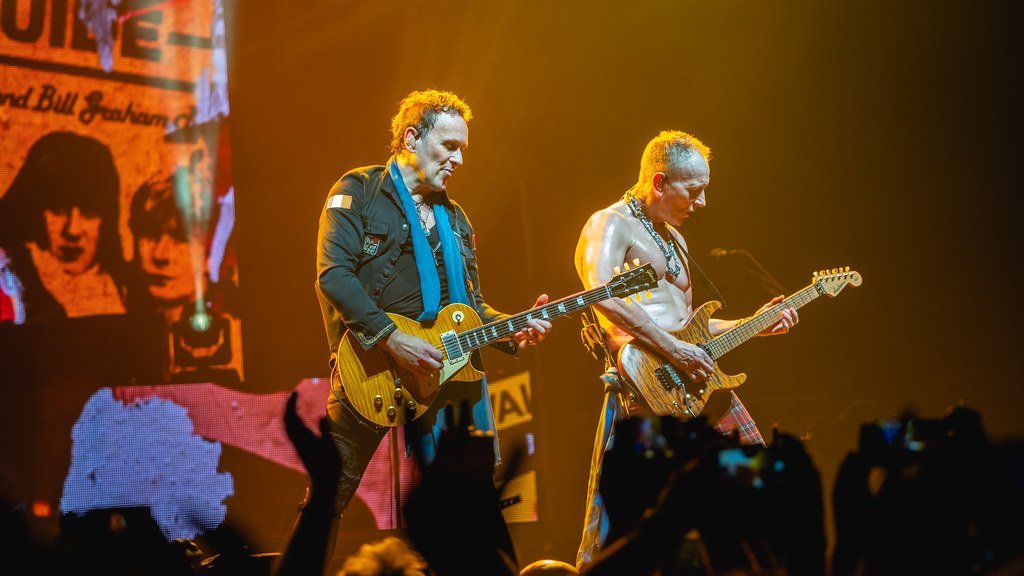
Mutt Lange’s wall-of-sound layered 100+ guitars per track, with drum programming post-Cliff Burnstein accident. “Pour Some Sugar on Me” fused metal with pop sheen. Tech pushed rock boundaries.
12-times platinum, hair metal peak.[2] Hooks endure in arenas. Innovation aged gracefully.
Guns N’ Roses – Appetite for Destruction (1987)
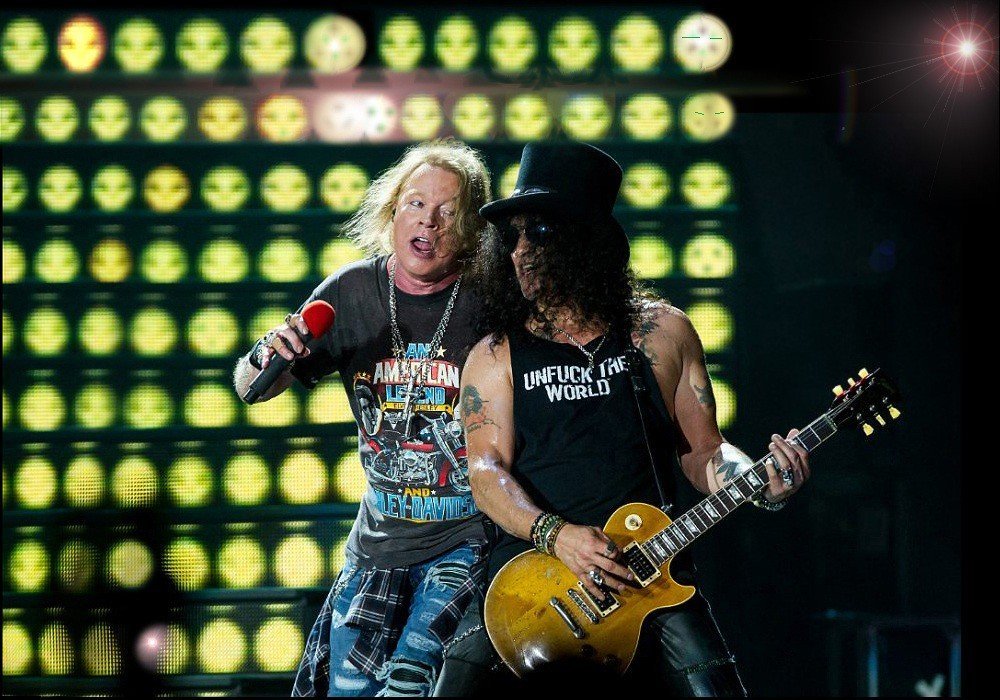
Mike Clink captured raw sleaze with minimal polish, letting Slash’s solos and Axl’s wails shine. “Sweet Child o’ Mine” iconic riff met punk-metal fury. It revived danger in glam era.
18-times platinum, it closed the decade explosively.[6] Sparked grunge indirectly. Grit sounds fresh amid polish.
Lasting Echoes of 80s Production
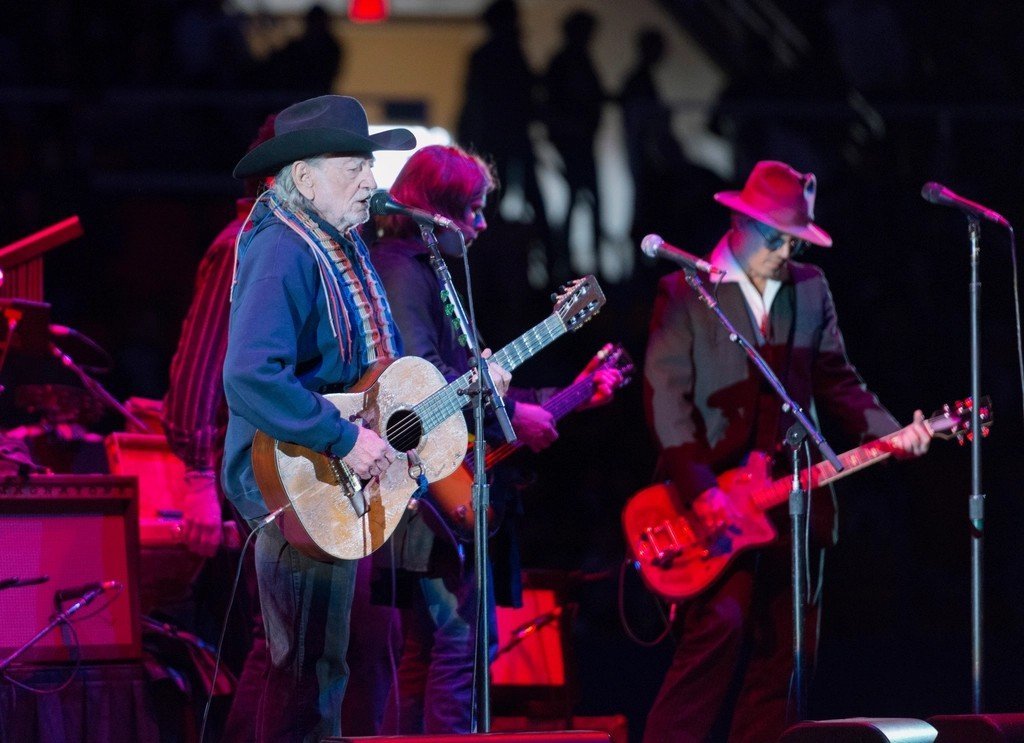
These albums’ synth layers, gated drums, and video synergy shaped digital-age music. From Thriller’s fusion to Hysteria’s density, techniques persist in EDM and pop.
Their platinum success proved bold sounds sell. In 2026, they remind us innovation keeps music alive across eras.[7]

Besides founding Festivaltopia, Luca is the co founder of trib, an art and fashion collectiv you find on several regional events and online. Also he is part of the management board at HORiZONTE, a group travel provider in Germany.
