

- 10 Legendary Summer Anthems That Defined a Generation of Festival-Goers - August 31, 2026
- True Art Transcends Generations, Speaking to Every Soul That Encounters It. - August 31, 2026
- 10 Fashion Trends From the Past That Deserve a Dramatic Comeback - August 31, 2026
Some pieces of gardening wisdom passed down through families have held up well over the years. Others, though, have turned out to cause more problems than they solve once researchers took a closer look at how plants and soil actually work. These nine common beliefs often stem from observations that made sense at the time but ignore the full picture of plant biology and soil dynamics.
Adding Rocks or Gravel to the Bottom of Pots Improves Drainage
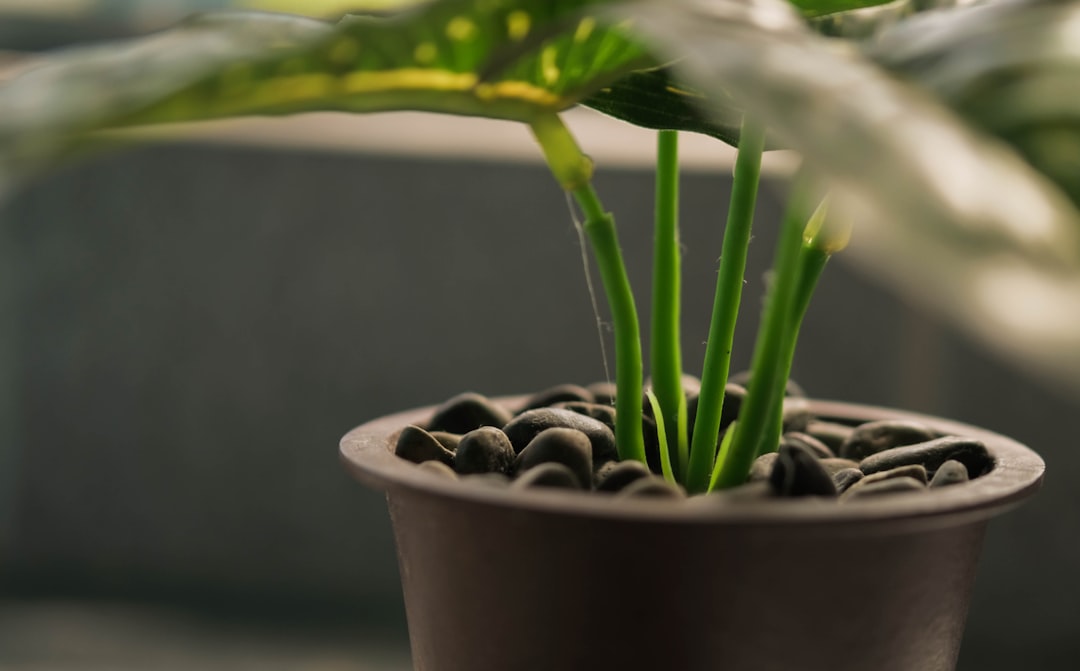
Older gardeners often placed a layer of stones or broken pottery at the base of containers because it seemed logical that extra space would let water flow out faster. The practice felt practical and used up scraps from around the yard or house.
In reality the layer creates a barrier that traps water above it, leading to soggy roots and rot instead of better drainage. Modern advice calls for filling the entire pot with a well draining soil mix and choosing containers with plenty of holes at the bottom so excess moisture escapes freely.
Watering Plants During Sunny Hours Will Burn Their Leaves
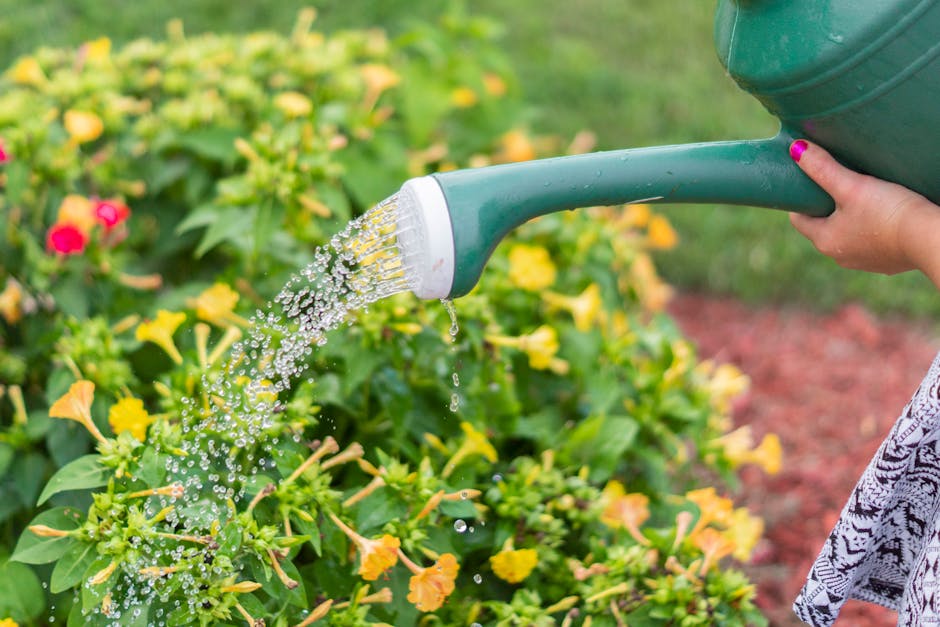
Many families avoided midday watering because droplets on leaves were thought to act like tiny magnifying glasses under strong sunlight. The idea came from watching how water behaved on surfaces in bright conditions.
Plants actually tolerate water on their foliage just fine, and skipping a needed drink in hot weather stresses them far more than any supposed burn risk. The better approach is to water early in the morning so roots can take up moisture before the heat of the day peaks.
Pine Needles Will Make Soil Too Acidic for Most Plants
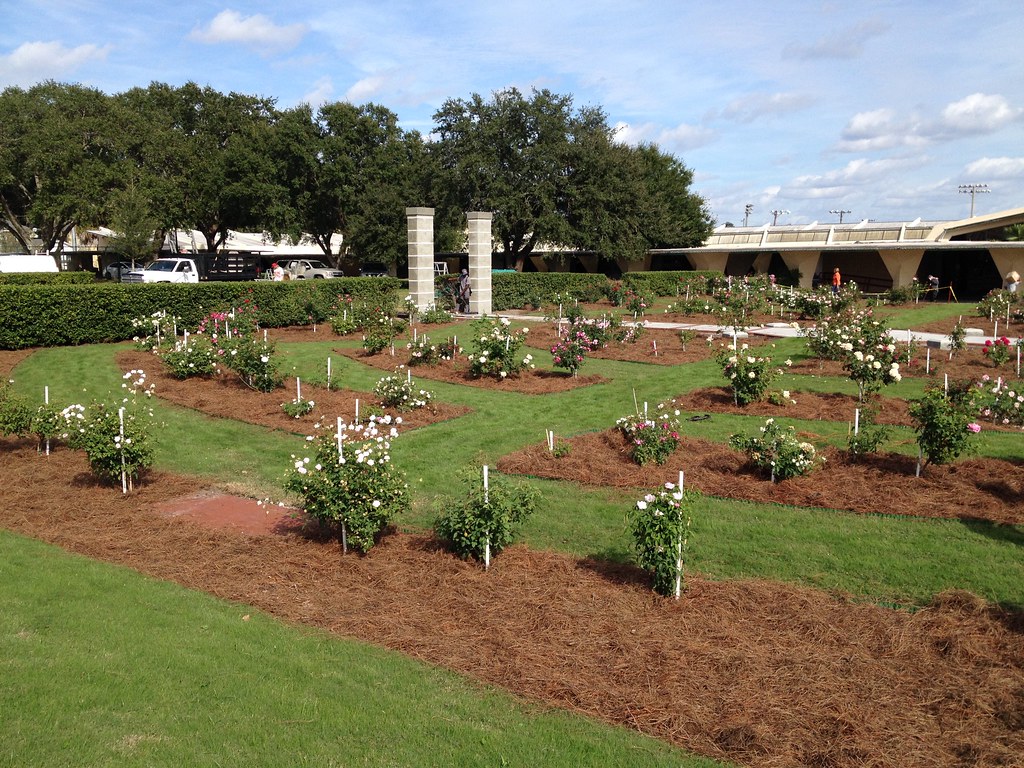
People noticed that little grew under pine trees and concluded the fallen needles must poison the ground with acid. This observation led to warnings against using pine mulch anywhere near vegetable beds or flower borders.
Once the needles break down, soil microbes quickly neutralize any initial acidity, so the effect on pH is minimal and short lived. Gardeners today use pine needles freely as mulch because they suppress weeds, retain moisture, and add organic matter without harming most plants.
Topping Trees Keeps Them From Growing Too Tall
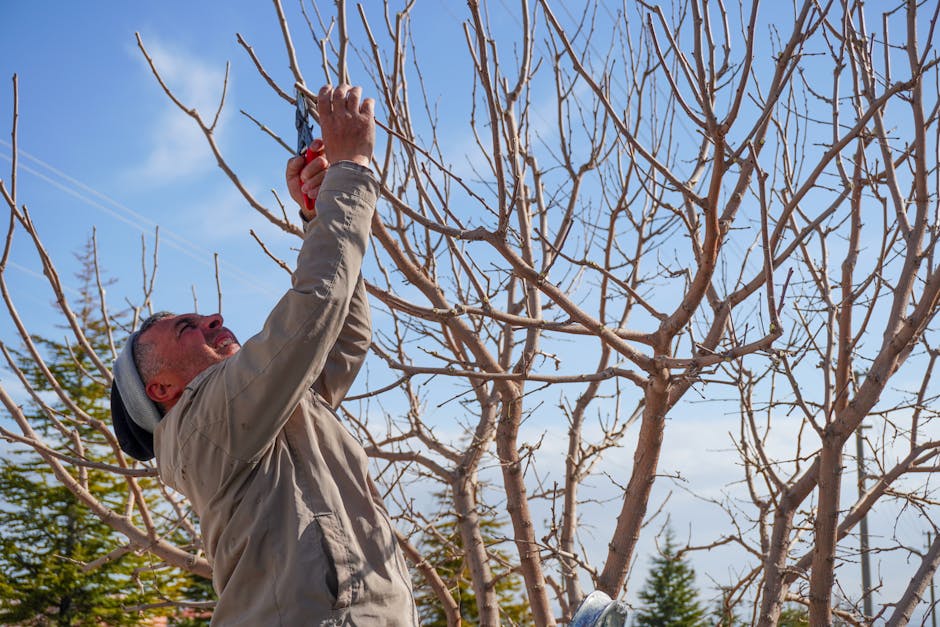
Property owners once cut the tops off mature trees to control height and prevent branches from interfering with power lines or views. The method appeared to work in the short term and required only basic tools.
Topping removes the tree’s natural shape and triggers weak, fast growing shoots that are prone to breaking in storms. Proper pruning of selected branches at the right time maintains health and size without the long term damage that topping causes.
Young Trees Need Staking for Extra Support
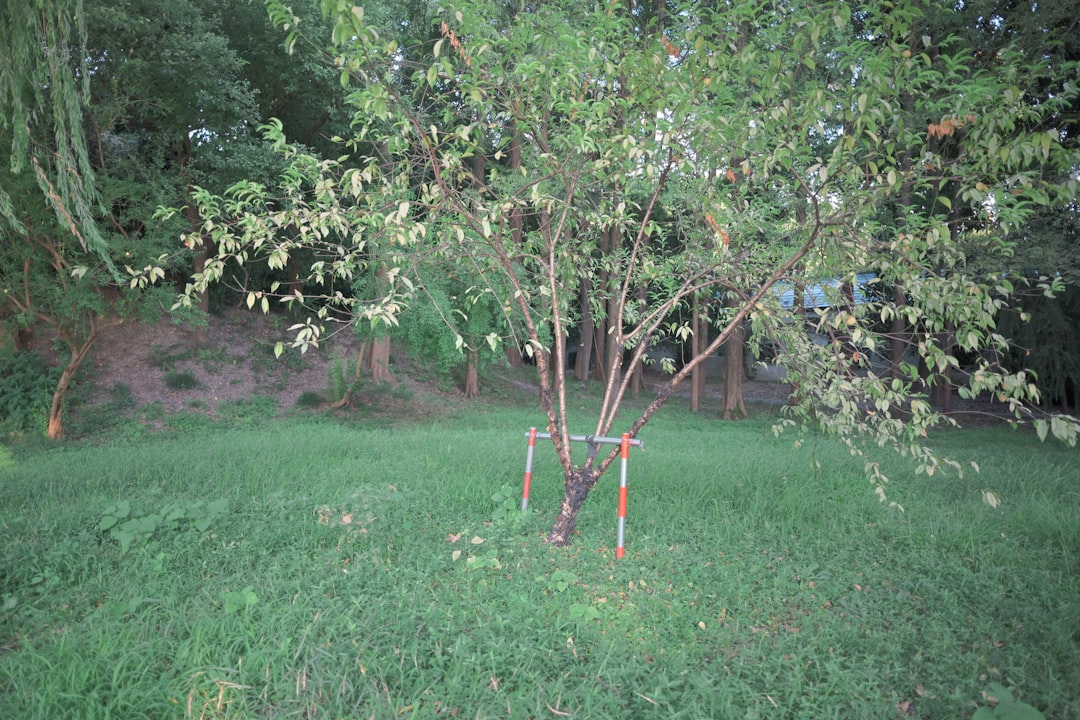
Traditional practice involved tying newly planted trees to stakes so wind would not topple them before roots took hold. The visible wobble of a loose tree made staking seem like common sense protection.
Constant staking prevents the trunk from developing the strength it needs through natural movement, resulting in weaker trees that depend on artificial support. Leaving most young trees unstaked, except in very windy sites, allows them to grow sturdy on their own.
Painting Pruning Cuts Helps Trees Heal Faster
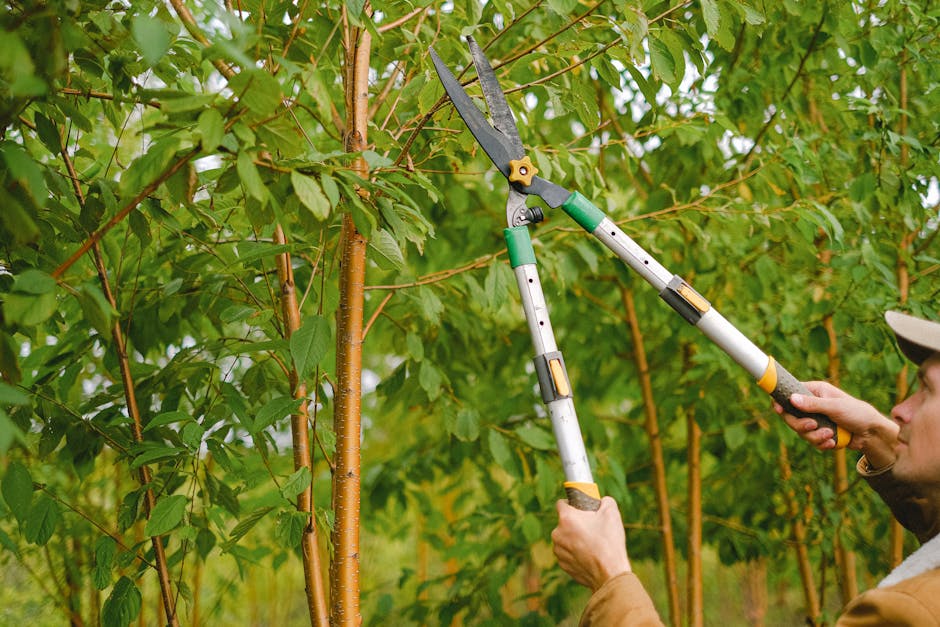
Generations applied wound paint or tar to fresh cuts on branches because it looked like it sealed out insects and disease. The habit came from treating injuries on other living things in a similar way.
The coating actually traps moisture and slows the tree’s own healing process, sometimes inviting the very problems it was meant to prevent. Clean cuts made with sharp tools at the branch collar allow natural callus tissue to form without any added substances.
You Can Never Add Too Much Compost to Garden Soil
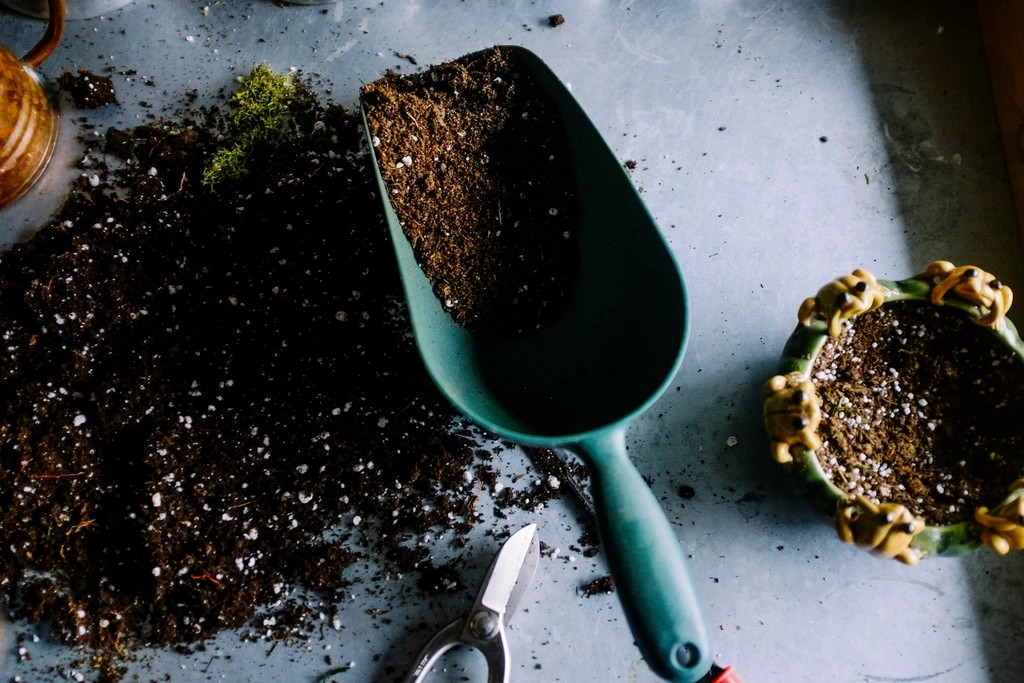
Enthusiastic compost makers believed generous applications would only improve fertility and structure. Extra organic matter seemed like an obvious benefit with no downside.
Too much compost can throw off nutrient balances, raise salt levels, and reduce the soil’s ability to hold water properly in some cases. Testing soil first and applying compost in moderate layers each season keeps benefits high without creating imbalances.
Used Coffee Grounds Will Effectively Acidify Your Soil
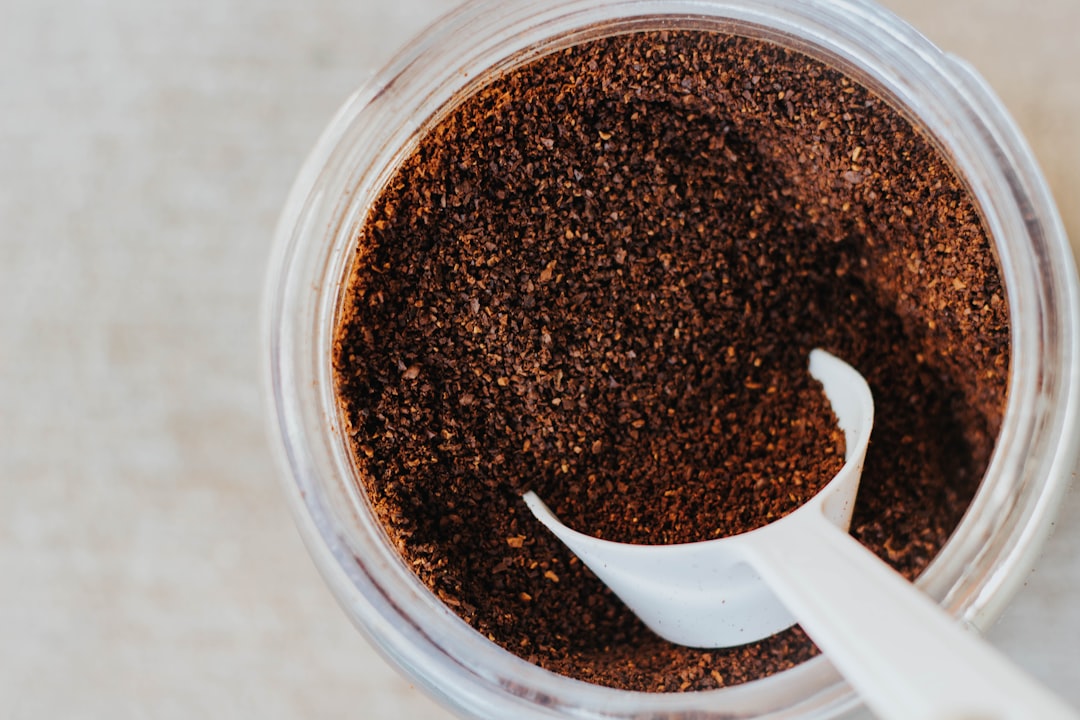
Gardeners saved coffee grounds because the beverage itself tastes acidic and the grounds looked dark and rich. Many assumed the material would lower pH for acid loving plants like blueberries or azaleas.
Used grounds lose most of their acidity during brewing, so they add little to no lasting change in soil pH while sometimes compacting and limiting air flow. A soil test followed by the right amount of elemental sulfur or other proven amendments gives reliable results instead.
Native Plants Require No Watering or Care Once Planted
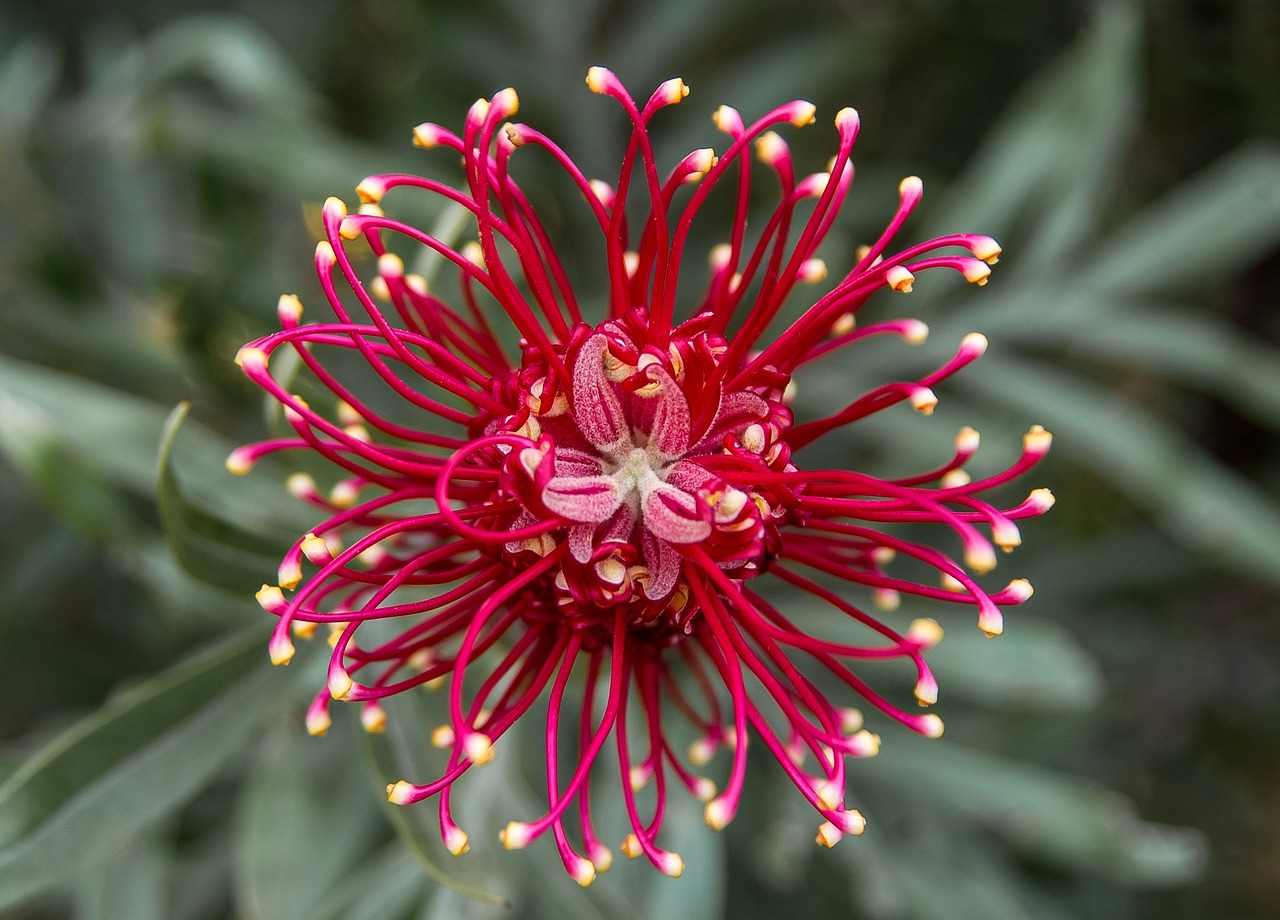
The idea that local species thrive with zero attention came from seeing them survive in the wild without human help. It felt like a low maintenance solution for busy gardeners.
Even native plants need regular water during the first year or two while roots establish, and they can suffer in compacted or poor soil just like any other plant. Providing initial care and occasional monitoring leads to stronger, longer lived specimens that truly live up to their reputation.
Traditional methods often grew from practical experience in a different era, yet science now shows where those habits fall short. Updating practices with current understanding lets gardeners keep the spirit of older wisdom while avoiding the hidden costs to plants and soil.
CEO-Co-Founder
