
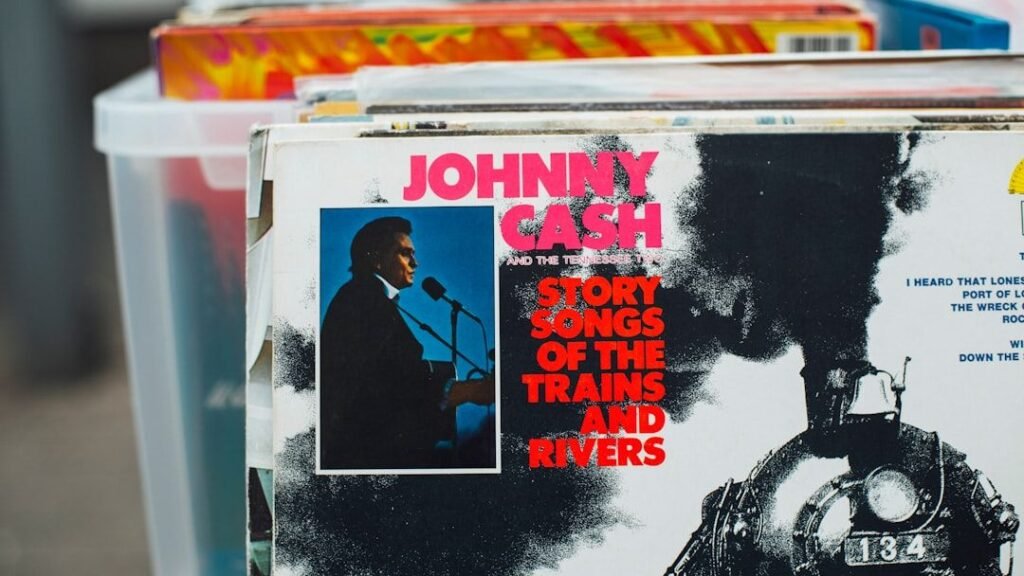
Few events in music carry the weight of a single electrifying night. Certain live performances have reshaped entire genres, galvanized massive audiences, and reset what the industry thought possible for concerts. These shows didn’t just play songs; they marked seismic shifts in sound, culture, and commerce.[1][2]
From folk purists clashing with rock electricity to punk igniting rebellion, these moments captured lightning in a bottle. They influenced everything from festival formats to artist personas, proving live music’s power to alter trajectories.
Bob Dylan Goes Electric at Newport Folk Festival (1965)
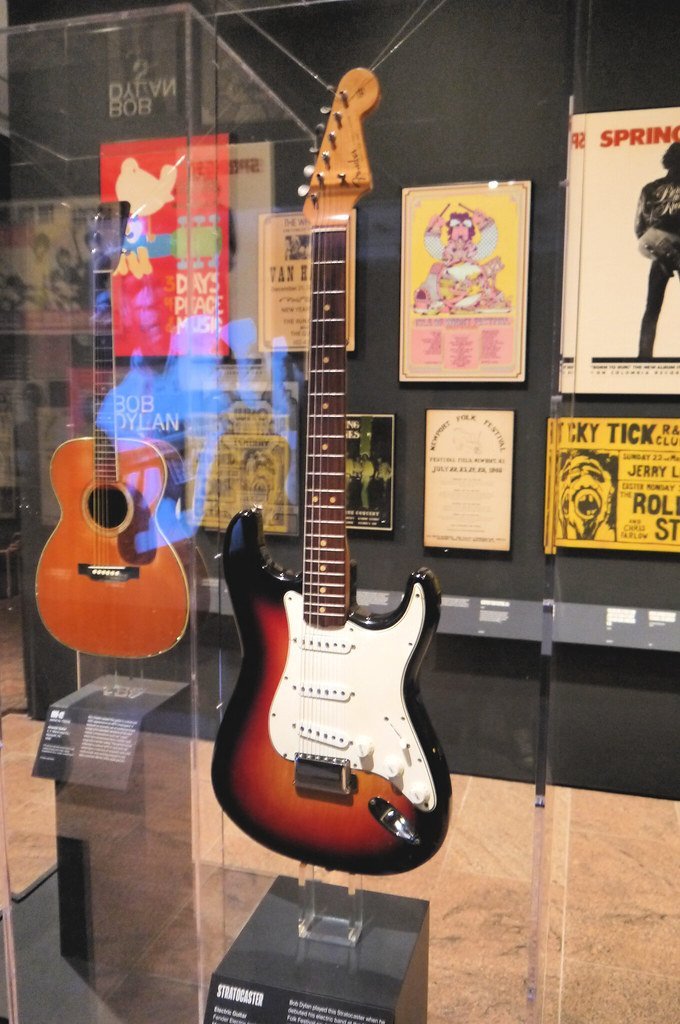
The Newport Folk Festival had long been a haven for acoustic traditions when Bob Dylan took the stage on July 25, 1965. Backed by the Paul Butterfield Blues Band, he unleashed electric guitars on songs like “Maggie’s Farm,” drawing boos from a crowd expecting his folk roots. The set lasted just 15 minutes amid chaos, with Pete Seeger reportedly ready to cut the cables.[2]
This bold pivot symbolized folk’s collision with rock, bridging divides and paving the way for fusion sounds. Dylan’s defiance freed artists from genre constraints, inspiring experimentation across music and challenging fans to evolve with their heroes. The backlash only amplified its legend, cementing it as a turning point for singer-songwriters.
The Beatles at Shea Stadium (1965)
On August 15, 1965, Shea Stadium in New York hosted over 55,000 screaming fans for The Beatles’ show, the largest crowd for a rock concert up to that point. The band struggled to hear themselves over the hysteria, relying on massive amplification that barely cut through. Promoter Sid Bernstein called it Beatlemania’s peak, with tickets scalped for triple price.[1]
The event birthed the stadium concert era, proving rock could fill sports arenas and drive huge revenues. It shifted industry focus to spectacle and scale, influencing tours by The Rolling Stones and beyond. Shea set expectations for global fandom, transforming live music into a blockbuster business.
Jimi Hendrix at Monterey Pop Festival (1967)
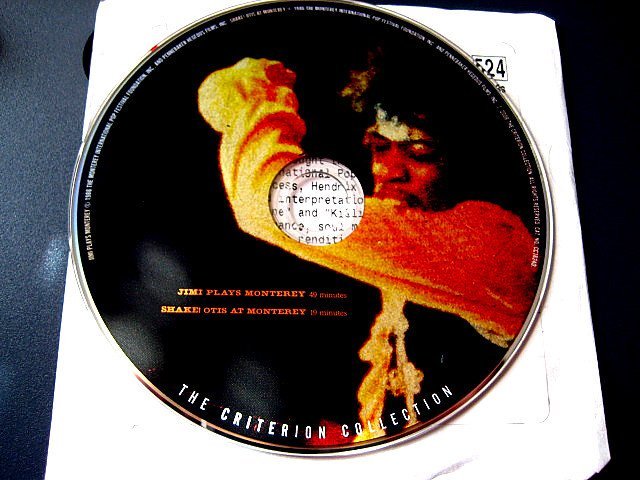
June 18, 1967, at the Monterey Pop Festival marked Jimi Hendrix’s U.S. breakthrough. In a slot secured by Paul McCartney, he climaxed “Wild Thing” by setting his guitar ablaze, kneeling to simulate intercourse with it. The psychedelic display stunned the crowd, including Ravi Shankar in attendance.[2]
Hendrix redefined guitar heroism, blending blues, rock, and feedback into visceral theater. Monterey launched the Summer of Love and festival culture, with his act elevating live performance to art. It influenced generations of shredders and showmen, proving innovation could eclipse tradition overnight.
James Brown at Boston Garden (1968)
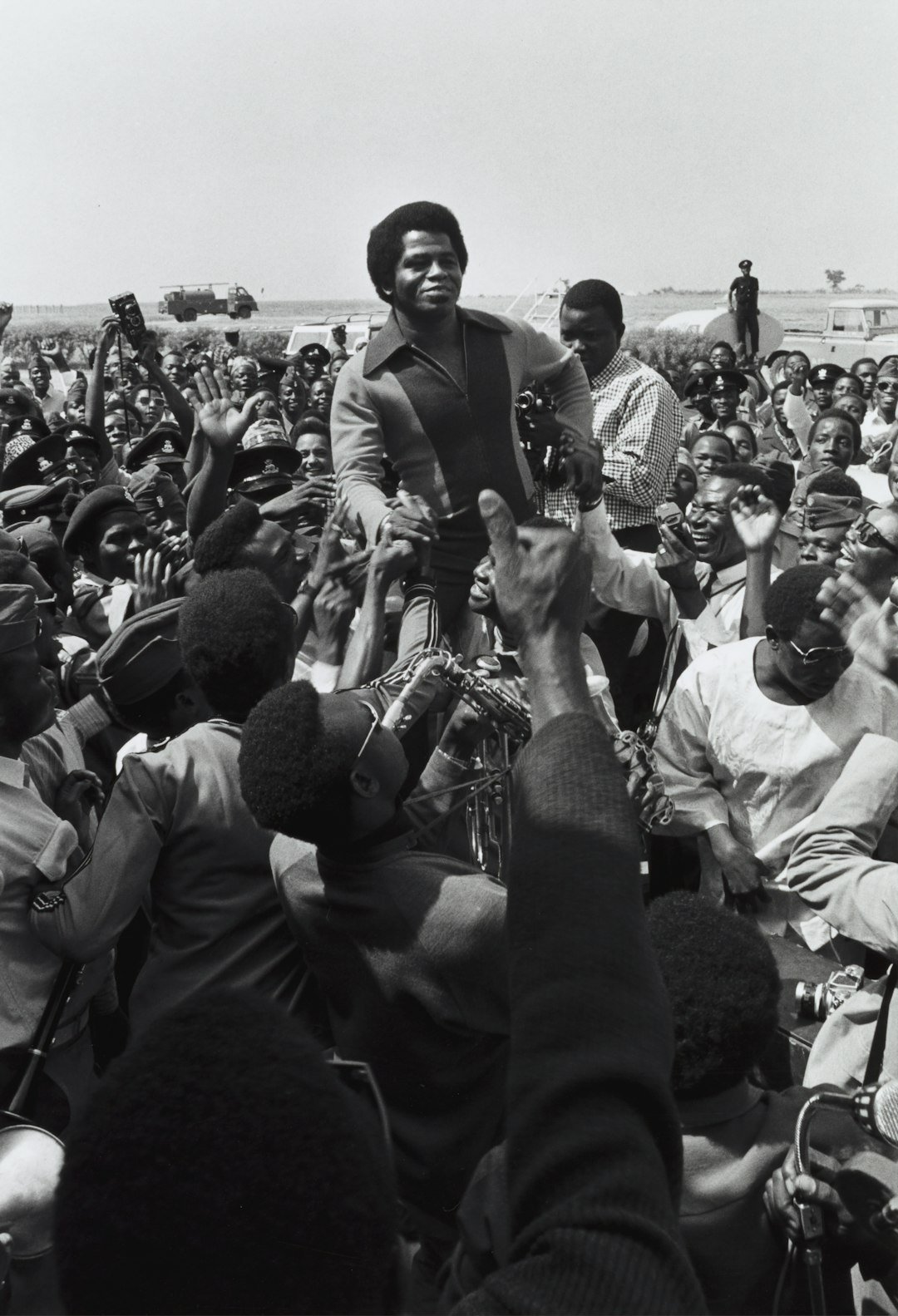
April 5, 1968, the day after Martin Luther King Jr.’s assassination, James Brown filled Boston Garden despite riot fears elsewhere. Broadcast live and free on local TV, his high-energy funk kept the crowd seated and celebratory. Mayor White funded it to avert violence, turning potential chaos into unity.[1]
The show demonstrated soul’s peacemaking power, inspiring similar interventions in other cities. It elevated Brown’s role as a Black pride ambassador, boosting his cultural clout. Boston proved concerts could shape civic calm, blending music with social responsibility in unprecedented ways.
Johnny Cash at Folsom State Prison (1968)
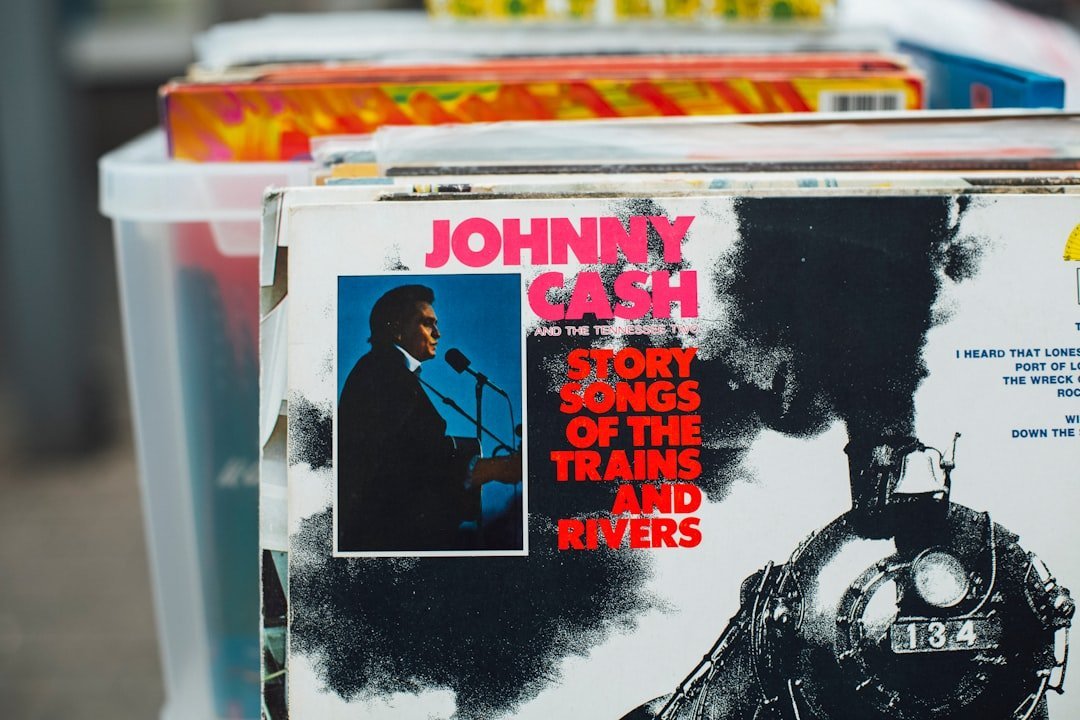
January 13, 1968, saw Johnny Cash return to Folsom State Prison for a raw set captured on his comeback album. Songs like “Folsom Prison Blues” resonated deeply with inmates, who shouted responses and requests. The performance humanized prison life for mainstream audiences.[3]
Folsom revived Cash’s career, topping country charts and crossing into pop. It popularized live albums from unconventional venues, influencing outlaw country. The event bridged artists and outsiders, redefining authenticity in country music.
Jimi Hendrix Closes Woodstock (1969)
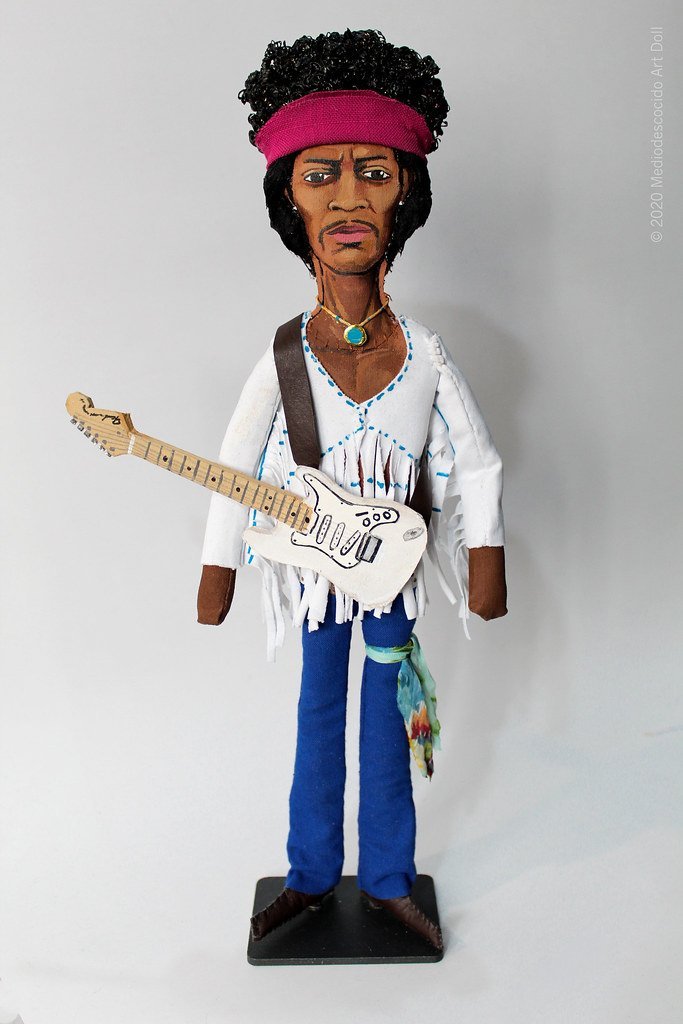
August 18, 1969, amid Woodstock’s muddy chaos, Jimi Hendrix delivered the festival’s finale to a dwindling crowd of 50,000. His 13-minute “Star-Spangled Banner” warped the anthem with feedback and bombs, protesting Vietnam. Rain-soaked and improvised, it captured the era’s turmoil.[1]
Hendrix’s set immortalized Woodstock as counterculture’s pinnacle, despite the festival’s logistical nightmares. It showcased guitar as protest weapon, influencing rock’s political edge. The performance, filmed for posterity, shaped festival lore and Hendrix’s mythic status.
The Rolling Stones at Altamont Speedway (1969)
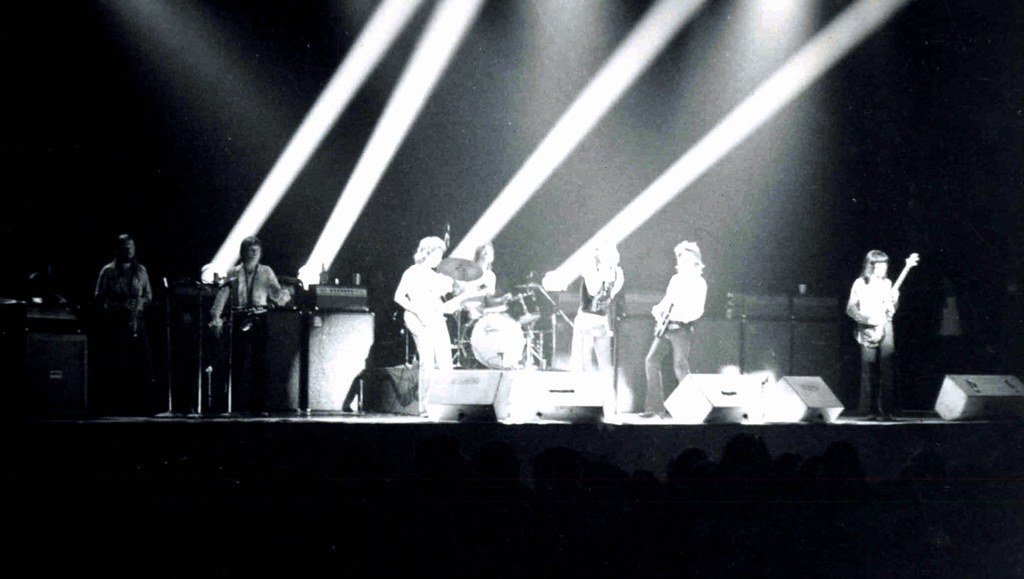
December 6, 1969, brought 300,000 to Altamont Speedway for a free show dubbed Woodstock West. Hells Angels as security turned violent, culminating in Meredith Hunter’s stabbing during “Under My Thumb.” The Stones played on amid mounting dread.[4]
Altamont shattered 1960s innocence, demanding professional security for big events. Filmed in “Gimme Shelter,” it warned of counterculture’s dark underbelly. The tragedy professionalized festivals, ending utopian free shows.
David Bowie Retires Ziggy Stardust at Hammersmith Odeon (1973)
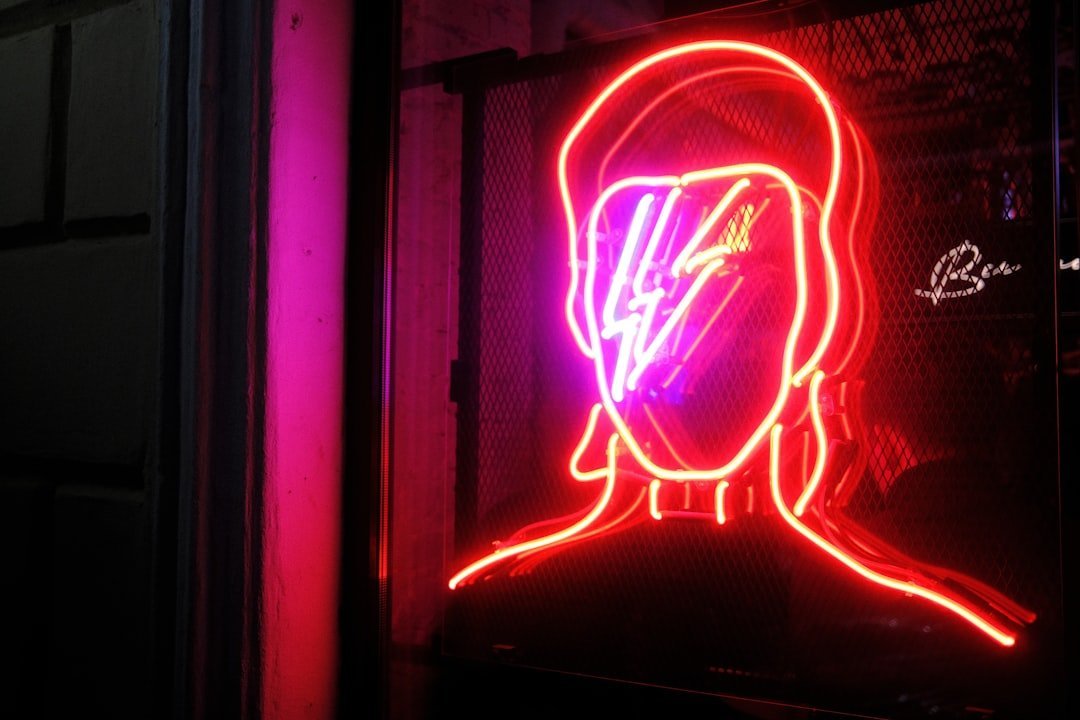
July 3, 1973, Bowie shocked fans at London’s Hammersmith Odeon by killing off his Ziggy Stardust persona mid-show. After “Rock ‘n’ Roll Suicide,” he announced the band’s end, ditching the spaceman glam. The unannounced twist left audiences reeling.[5]
This reinvention normalized artist evolution, influencing theatrical personas like those of Kiss or Lady Gaga. It elevated pop as high art, blending music with narrative drama. Bowie’s move freed performers from single identities, sparking constant metamorphosis in rock.
Bob Marley at the Lyceum Theatre (1975)
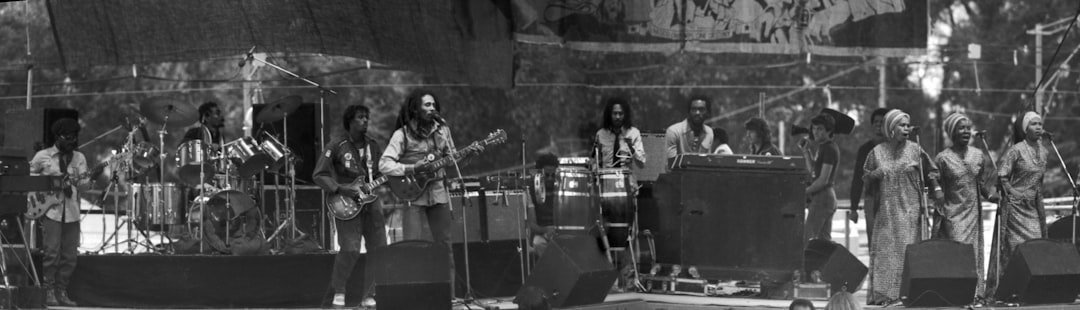
July 17-18, 1975, Marley packed London’s Lyceum for reggae’s breakthrough. “No Woman, No Cry” emerged as a live staple, with a diverse crowd chanting along. The Rolling Stones Mobile Studio captured it for his gold album.[1]
These nights globalized reggae, moving it from margins to mainstream. Marley became a unity symbol, blending politics and rhythm. The shows proved small venues could launch world icons, reshaping genre perceptions.
Sex Pistols at Lesser Free Trade Hall (1976)
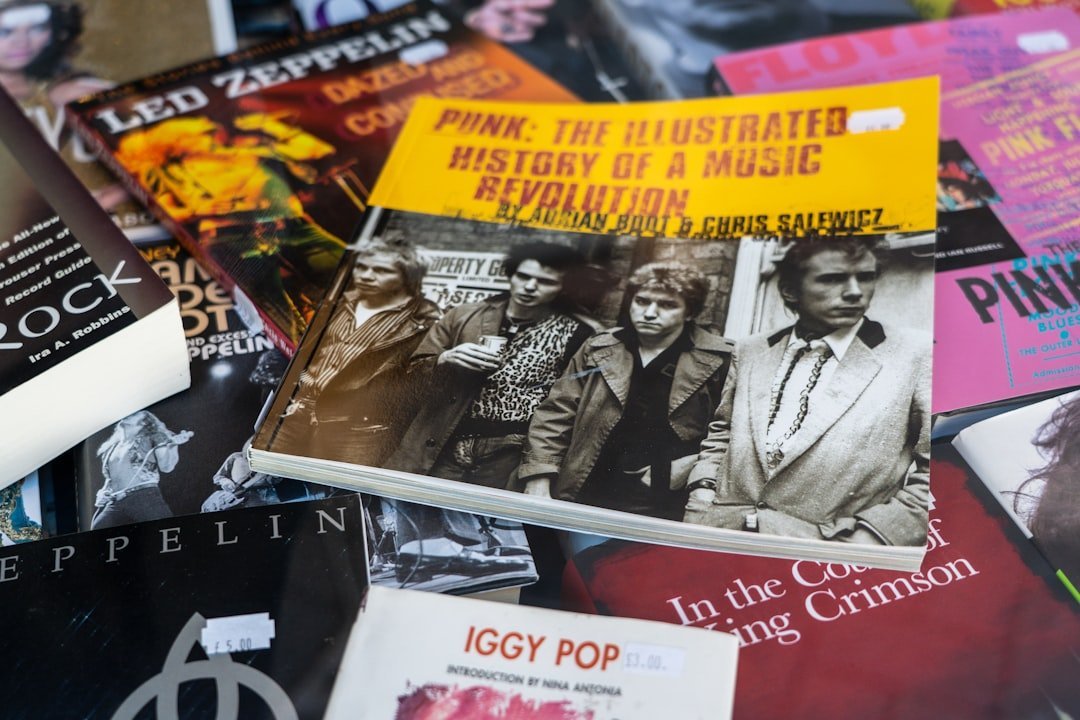
July 20, 1976, about 40 saw the Sex Pistols in Manchester’s Lesser Free Trade Hall. Their sloppy fury inspired future stars like Peter Hook of Joy Division and Mark E. Smith of The Fall. It was punk’s missionary moment.[2]
The gig birthed UK punk and post-punk, democratizing music without virtuosity. It showed raw energy could spawn scenes, influencing DIY ethos worldwide. Manchester became ground zero for rebellion sounds.
Queen at Live Aid (1985)
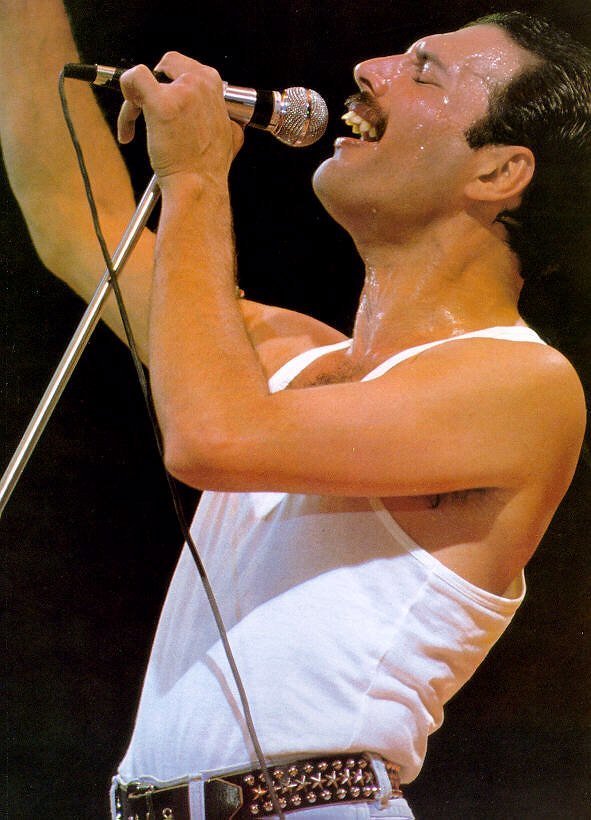
July 13, 1985, Queen owned Wembley Stadium’s stage for 20 minutes at Live Aid. Freddie Mercury led “Radio Ga Ga” claps from 72,000, plus 1.9 billion viewers. Hits flowed seamlessly, peaking the band’s revival.[4]
Often called the greatest live set, it revived Queen’s fortunes and defined benefit shows. Live Aid raised millions for famine relief, blending activism with spectacle. It set benchmarks for charisma and global reach in stadium rock.
Nirvana at Reading Festival (1992)
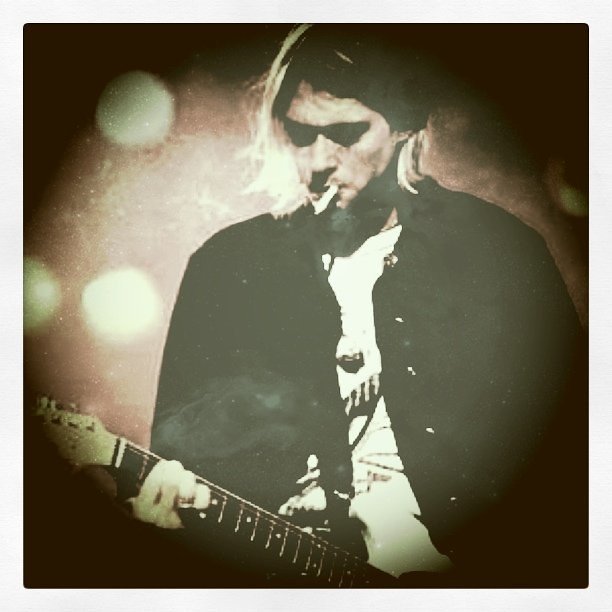
August 30, 1992, Nirvana headlined Reading amid breakup rumors. Kurt Cobain wheeled onstage feigning infirmity, then exploded into “Breed.” The muddy, frenzied set affirmed grunge’s reign over hair metal.[4]
Reading crowned Nirvana, shifting rock to authenticity and angst. It buried 1980s gloss, ushering 1990s alternative dominance. The performance’s raw triumph became grunge’s defiant epitaph.
Concerts as Culture’s Turning Points
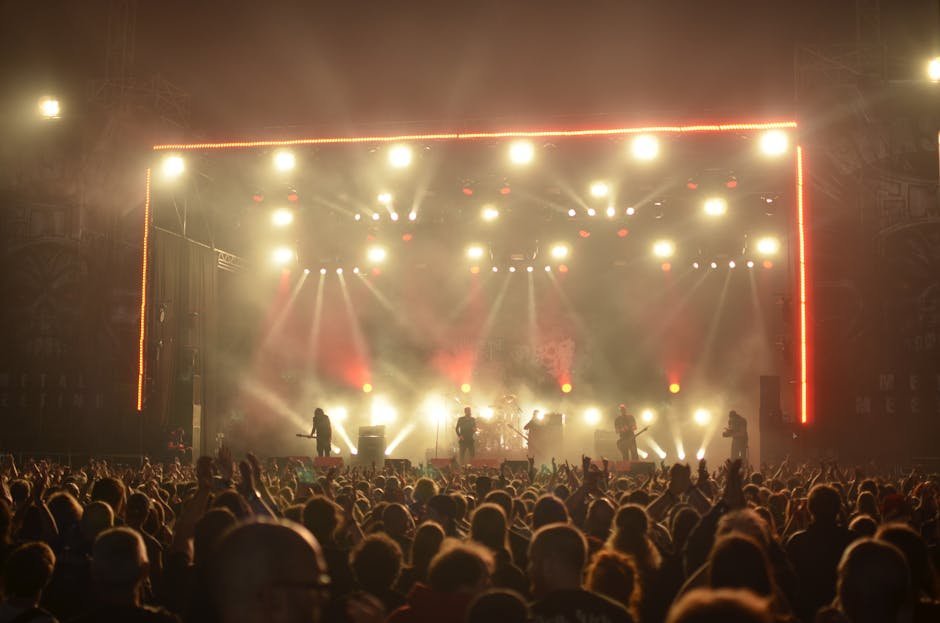
These 12 nights remind us how fragile yet potent live music can be. They didn’t just entertain; they rewrote rules, sparked movements, and healed divides. In an era of streams and screens, their lessons endure: nothing replaces the shared spark of a transformative show.
From Dylan’s boos to Queen’s claps, each etched indelible change. Music history pivots on such instants, where artists seize the moment and alter everything after.


