


- 10 Legendary Summer Anthems That Defined a Generation of Festival-Goers - August 31, 2026
- True Art Transcends Generations, Speaking to Every Soul That Encounters It. - August 31, 2026
- 10 Fashion Trends From the Past That Deserve a Dramatic Comeback - August 31, 2026
Publishers turn down manuscripts for all sorts of reasons, from market fit to personal taste. Plenty of books that later became household names started out with stacks of rejection letters instead of contracts.
These stories show how persistence can turn initial dismissal into lasting success. The following twelve titles each faced repeated setbacks before finding their audience.
Harry Potter and the Philosopher’s Stone by J.K. Rowling
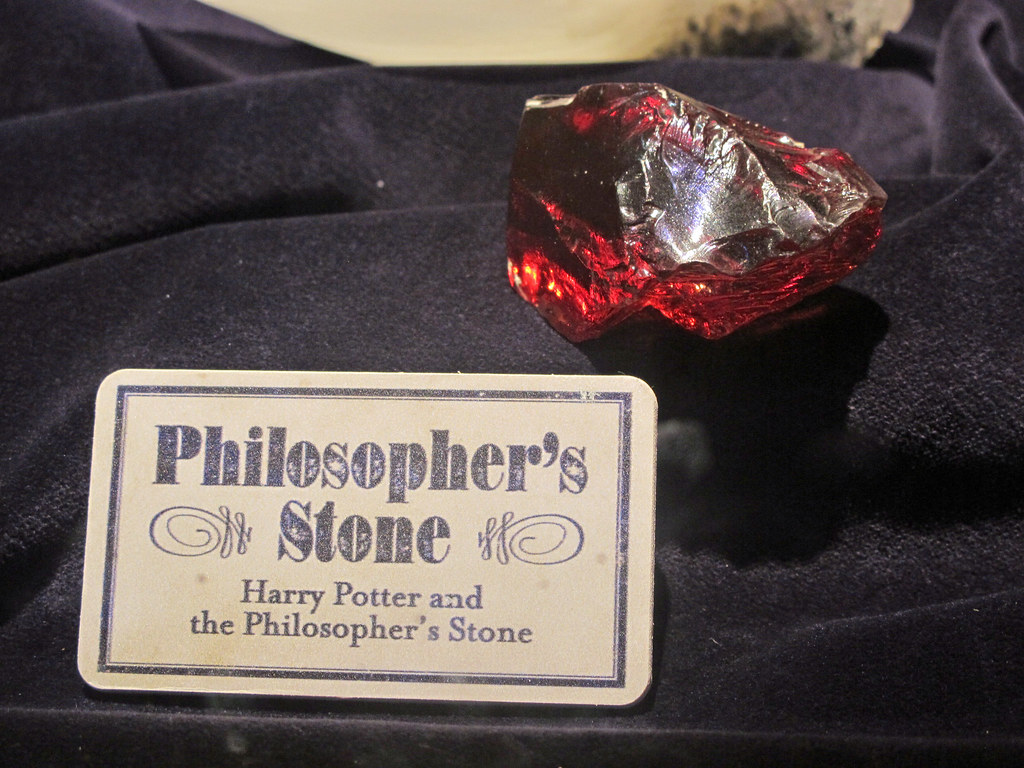
Publishers passed on the manuscript because they considered the story too long for a children’s book and doubted its commercial appeal. One editor even noted that children would not want to read about wizards in a boarding school setting. Rowling received twelve formal rejections before a small imprint took a chance.
Bloomsbury agreed to publish after the chairman’s eight-year-old daughter read the opening chapters and insisted on seeing the rest. The first print run stayed modest at five hundred copies. The series went on to sell hundreds of millions of copies worldwide and spawned a film franchise that reshaped popular culture for an entire generation.
Chicken Soup for the Soul by Jack Canfield and Mark Victor Hansen
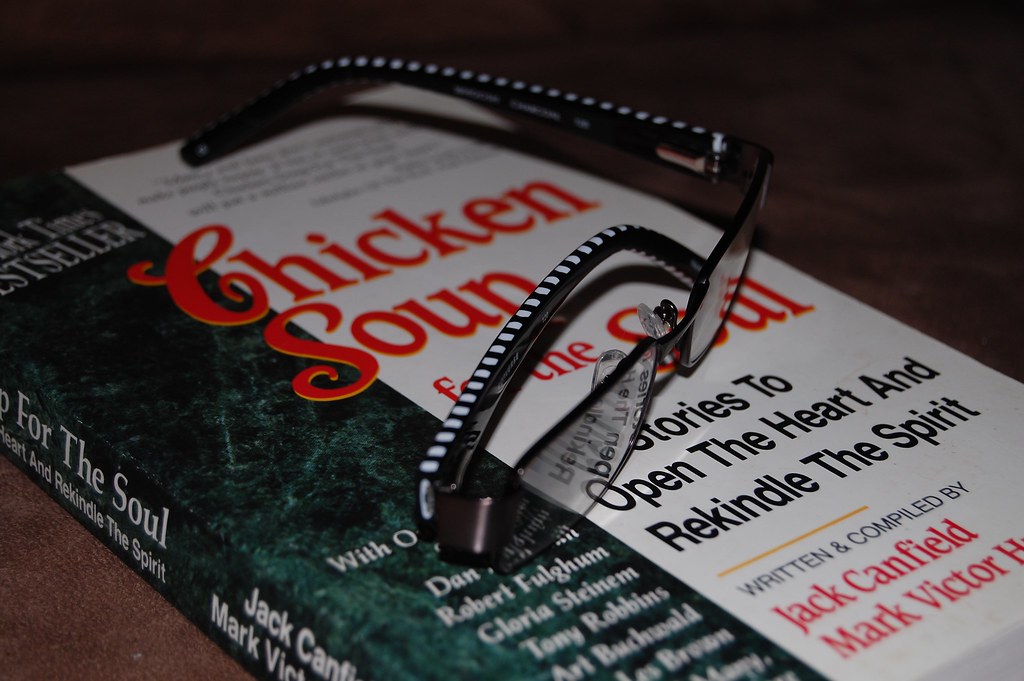
Editors rejected the collection repeatedly because they believed readers had no appetite for uplifting, real-life stories. One hundred forty rejection letters arrived before the authors decided to self-publish through a small press. The book’s simple format of short inspirational tales seemed too niche at the time.
Once released, word of mouth drove sales into the millions within the first few years. The series expanded into dozens of themed volumes and became a staple in bookstores and gift shops. Its emphasis on personal resilience influenced countless self-help titles that followed.
Zen and the Art of Motorcycle Maintenance by Robert M. Pirsig
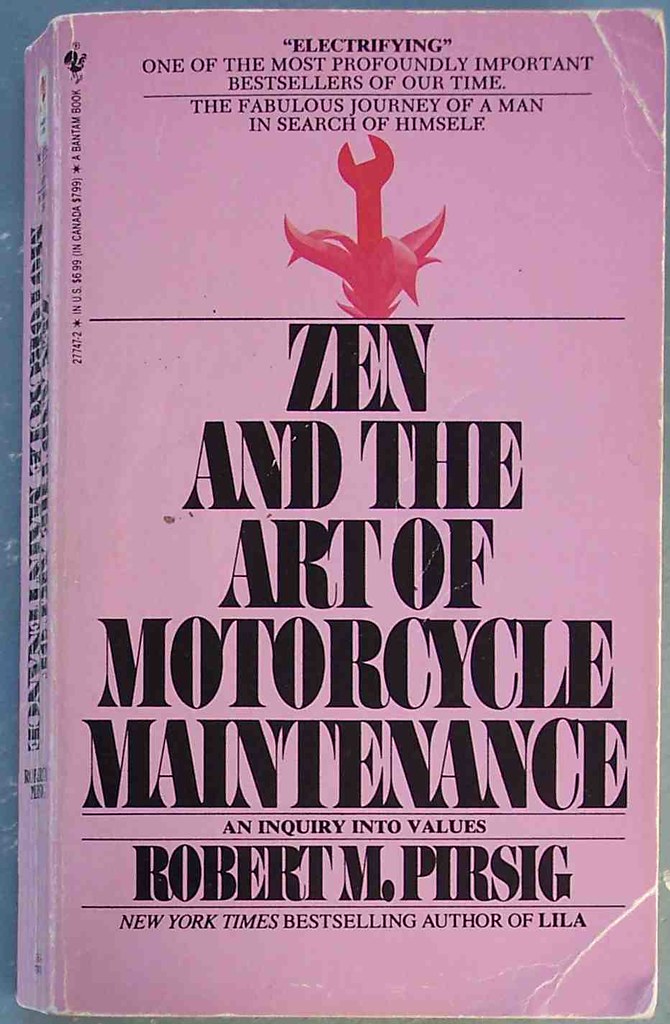
Publishers found the philosophical novel too unconventional and difficult to categorize, leading to one hundred twenty-one rejections. Many felt the blend of memoir, metaphysics, and travel narrative would confuse general readers. Pirsig revised the manuscript multiple times while continuing to submit it.
A small publisher finally accepted it in 1974, and the book quickly climbed bestseller lists. It has remained in print for decades and sold millions of copies. The work shaped discussions around quality, technology, and personal values in both academic and popular circles.
Carrie by Stephen King
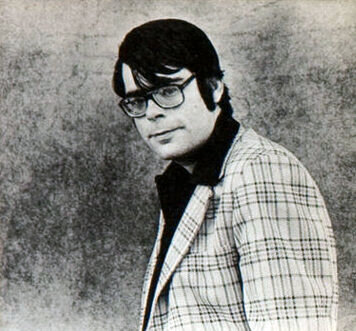
King’s debut novel received thirty rejection letters, with editors citing its dark subject matter and the author’s inexperience. One publisher suggested he try a different genre altogether. Discouraged, King threw the manuscript away until his wife retrieved it.
Doubleday eventually published the book in 1974 with a modest advance. It became an immediate commercial hit and launched King’s career as a master of horror. The story’s exploration of bullying and supernatural revenge continues to resonate in adaptations and new fiction.
Lord of the Flies by William Golding

Publishers rejected the manuscript more than twenty times, arguing that the tale of schoolboys descending into savagery lacked appeal for young readers. Some felt the ending was too bleak for a postwar audience. Golding kept revising and submitting despite the steady stream of no’s.
Faber and Faber took a risk in 1954, and the novel slowly built a readership through school curricula. It has sold millions of copies and become a standard text for examining human nature and society. The book’s themes still appear in modern literature and film.
A Wrinkle in Time by Madeleine L’Engle

Twenty-six publishers turned down the science-fiction adventure because they found its mix of quantum physics, fantasy, and family drama too complex for children. Editors worried the concepts would alienate young audiences. L’Engle persisted through years of rejections.
Farrar, Straus and Giroux finally published it in 1962. The novel won the Newbery Medal and has sold more than fourteen million copies. Its portrayal of good versus evil and the power of love influenced generations of young readers and later science-fiction writers.
Dune by Frank Herbert
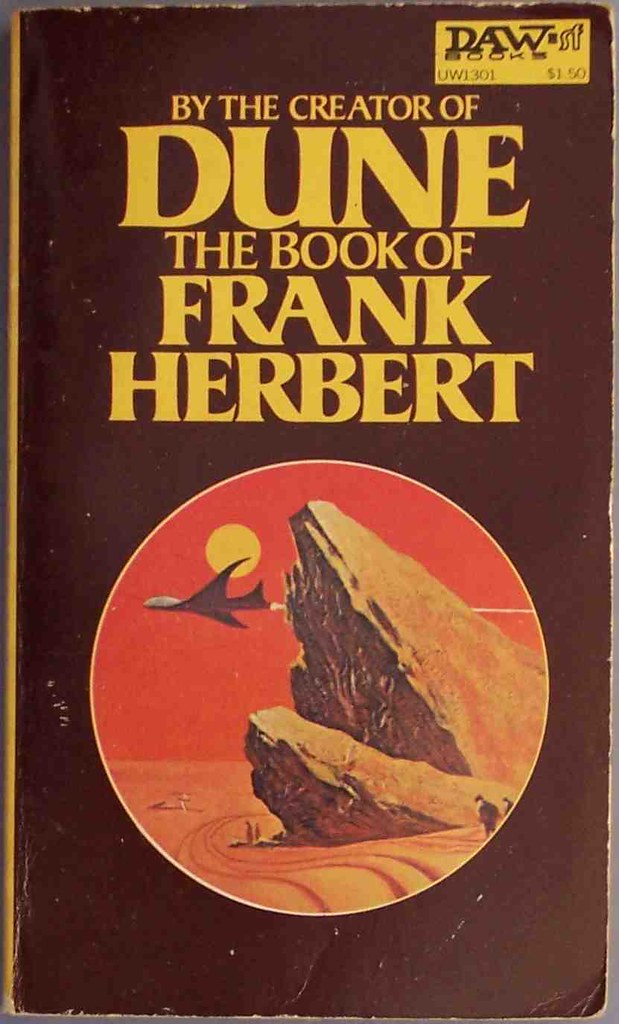
More than fifteen publishers rejected the epic science-fiction novel, citing its length and intricate world-building as barriers to sales. Some felt the ecological and political themes would not interest general readers. Herbert continued refining the manuscript over several years.
Chilton Books, known for car manuals, took a chance in 1965. The book won both the Hugo and Nebula awards and has sold tens of millions of copies. Its detailed universe and environmental messages shaped the entire science-fiction genre and inspired major film adaptations.
Twilight by Stephenie Meyer

Meyer received fourteen rejections for her vampire romance, with publishers questioning whether the paranormal love story would find an audience. Some suggested the teenage protagonist felt too ordinary. The manuscript sat in a drawer until an agent agreed to represent it.
Little, Brown published the novel in 2005, and it quickly topped bestseller lists. The series sold over 160 million copies and launched a major film franchise. Its blend of romance and fantasy opened doors for similar young-adult paranormal stories.
The Help by Kathryn Stockett
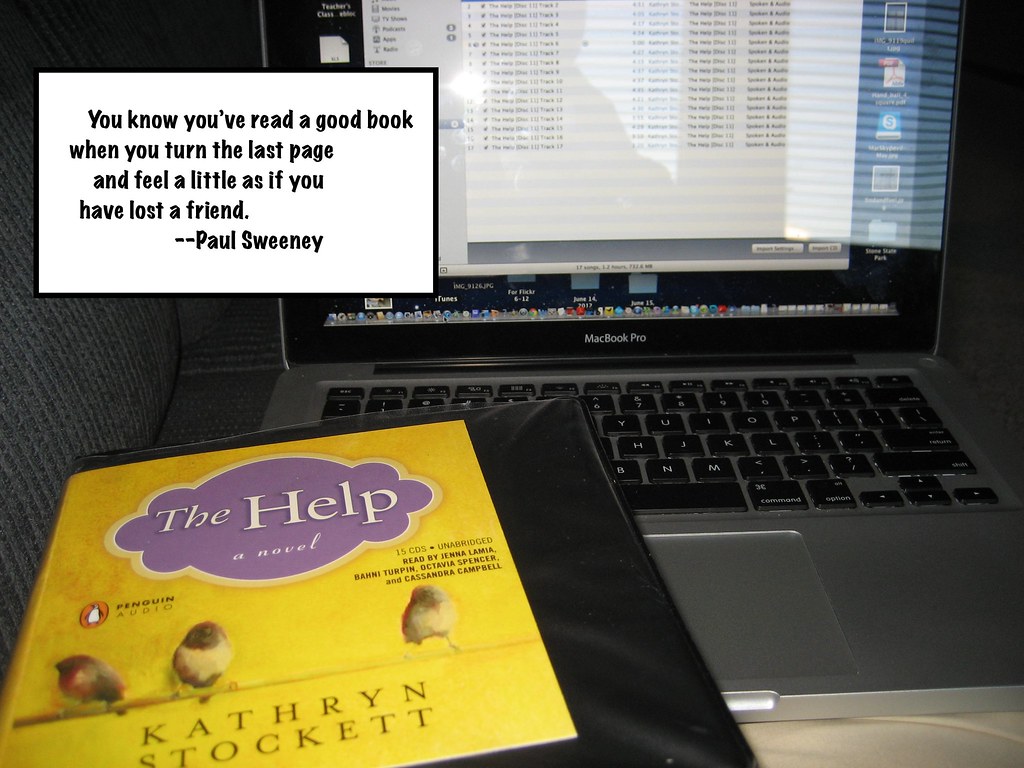
Stockett faced sixty rejections because editors believed the story of African American maids in 1960s Mississippi would not appeal to a broad readership. Concerns centered on the sensitive racial themes and the author’s perspective. She kept submitting after each refusal.
Amy Einhorn Books released the novel in 2009, and it spent more than two years on the New York Times bestseller list. The book sold millions of copies and became a successful film. Its examination of friendship and inequality sparked widespread conversations about race and class.
Lolita by Vladimir Nabokov
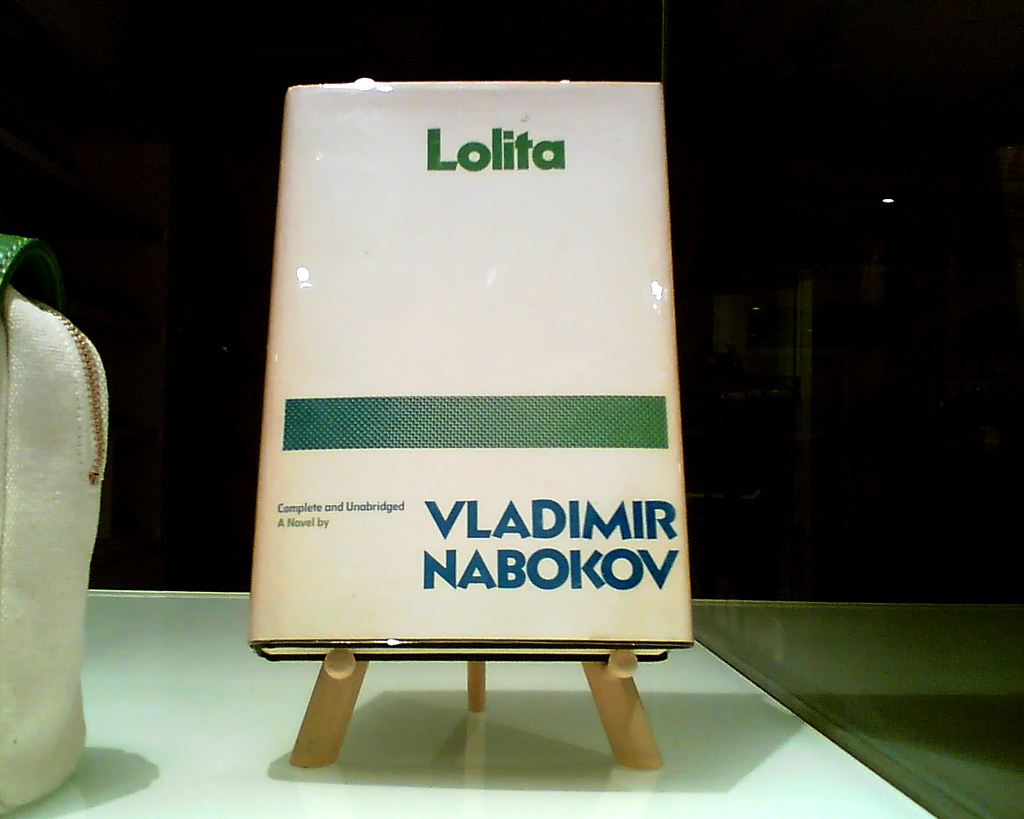
Publishers rejected the novel several times over fears of obscenity charges and public backlash due to its controversial subject matter. Some praised the writing but worried about legal consequences. Nabokov eventually found a publisher in France willing to take the risk.
Olympia Press released it in 1955, and the book later appeared in the United States after legal challenges. It has sold millions of copies and remains a landmark of twentieth-century literature. The novel’s linguistic innovation and moral complexity continue to influence writers and scholars.
Animal Farm by George Orwell
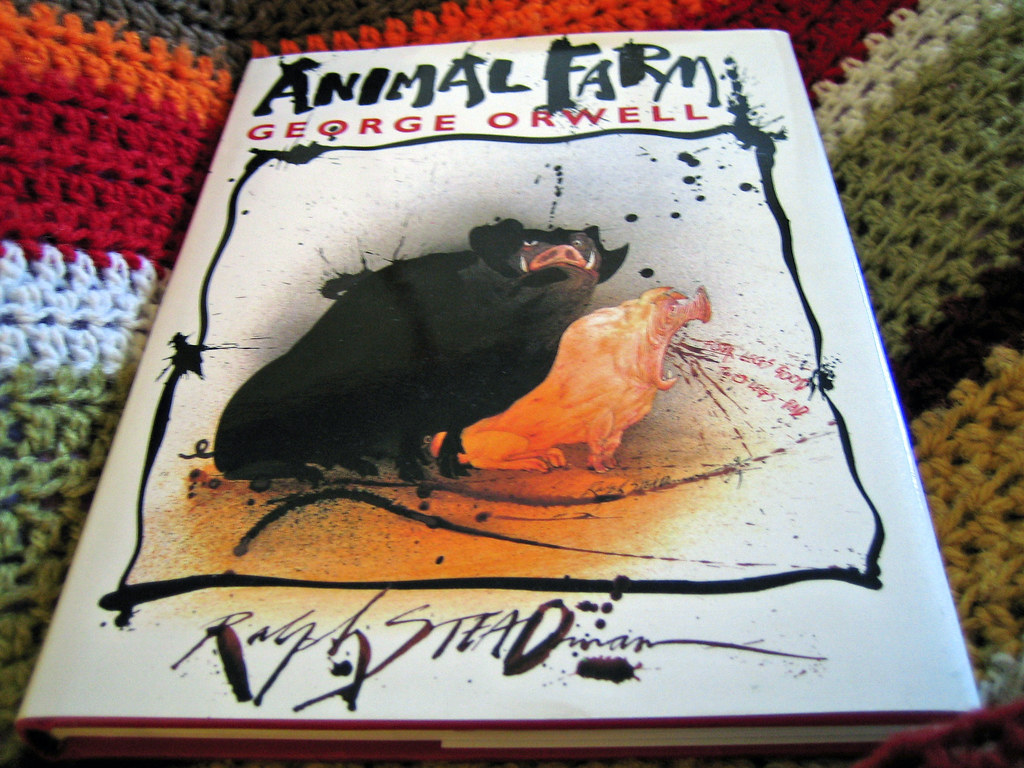
Four publishers turned down the political allegory because they feared it would offend wartime allies or confuse readers with its satirical style. Some suggested Orwell tone down the criticism of totalitarianism. He refused to alter the core message.
Secker and Warburg published the book in 1945, and it quickly became a bestseller. The novella has sold tens of millions of copies and appears on school reading lists worldwide. Its critique of power and propaganda remains relevant in political discourse today.
The Diary of a Young Girl by Anne Frank
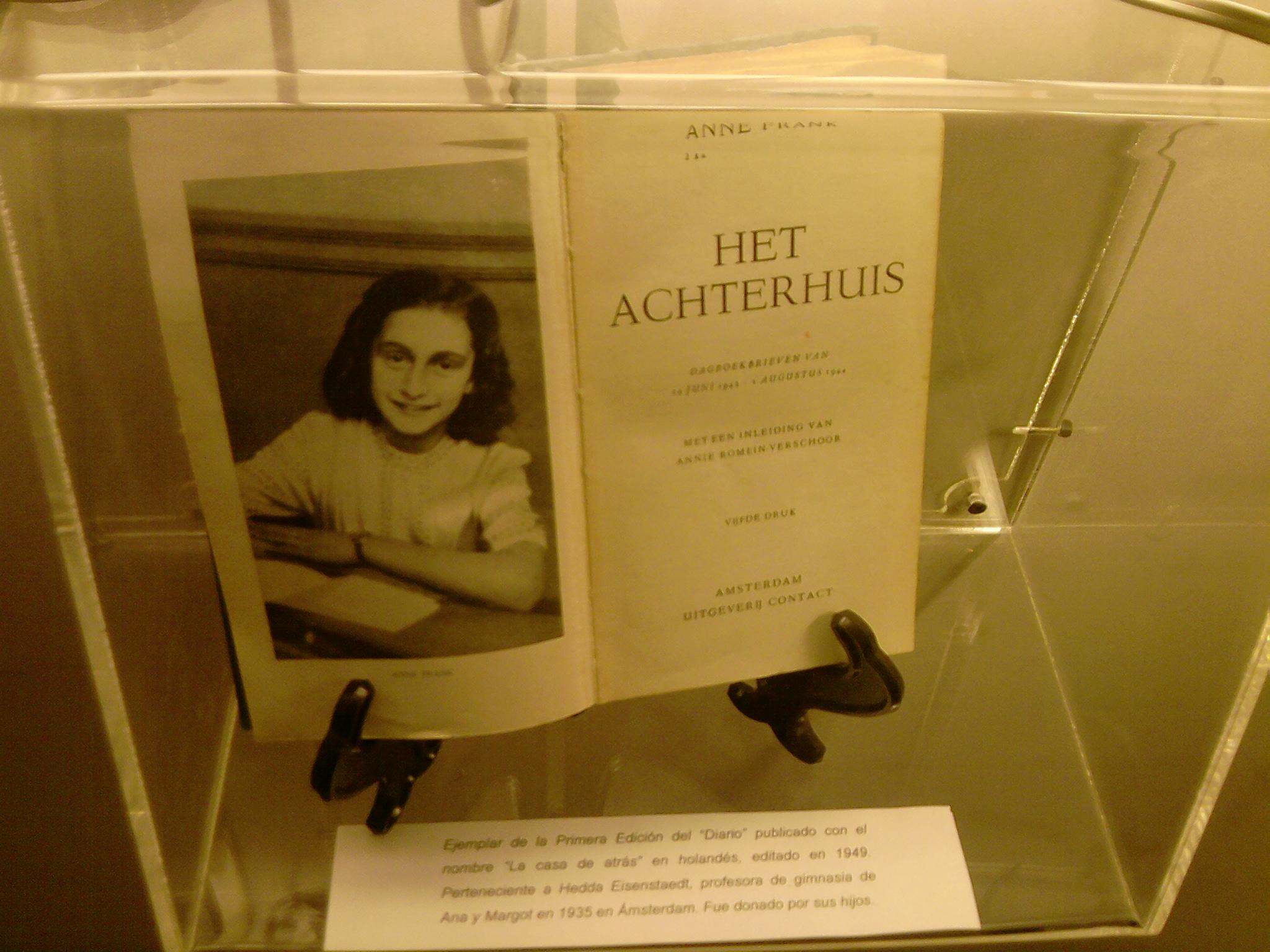
Publishers initially rejected the diary because they viewed it as too personal or lacking broad commercial appeal. Some felt the wartime account would not interest postwar readers. Frank’s father persisted in seeking a publisher after the war.
Contact Publishing released the first edition in 1947 in the Netherlands. The book has since been translated into more than seventy languages and sold over thirty million copies. Its firsthand account of the Holocaust has educated millions and shaped global understanding of that period.
Rejection letters can feel final, yet these twelve books prove otherwise. Each author kept going despite clear signals to stop. Their persistence turned private manuscripts into shared cultural touchstones that continue to reach new readers decades later.
CEO-Co-Founder
