

- 15 Rock Anthems That Defined a Generation and Still Sound Amazing Today - August 11, 2026
- 12 Unforgettable Movie Quotes You Can Still Use in Everyday Conversation. - August 11, 2026
- 10 Music Festivals That Changed the World - August 11, 2026
Literary history often spotlights giants like modernism or postmodernism, yet quieter currents run beneath them. Lesser-known movements, born in small circles or overlooked manifestos, slip ideas into the mainstream without fanfare. These undercurrents tweak how stories unfold, how images sharpen, and how language cuts to the bone.
Objectivism stands as one such force. Emerging in 1930s America, this loose-knit group of poets treated words as solid objects, demanding precision over fluff. Their push for sincerity and clarity rippled outward, quietly reshaping poetry and prose for generations.[1][2]
The Origins in a Single Magazine Issue
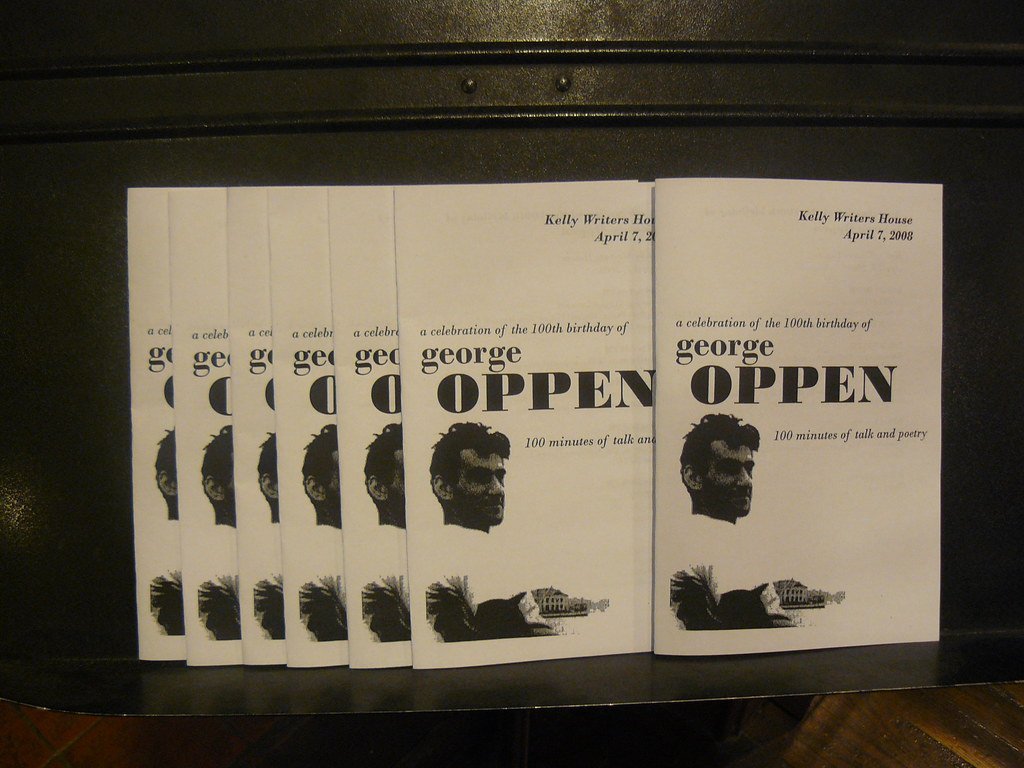
Louis Zukofsky sparked Objectivism in 1931 by guest-editing an issue of Poetry magazine. He gathered like-minded writers focused on the “objectivist” poem as a thing in itself, free from romantic excess. This moment marked a pivot from high modernism’s grand gestures toward everyday precision.[1]
The group never formalized into a school, yet their shared ethos endured. Figures like George Oppen and Charles Reznikoff contributed work that prioritized direct perception. Their influence spread through small presses and personal networks, seeding experimental ground.[3])
Louis Zukofsky as the Central Figure

Zukofsky coined the term and embodied its ideals in epic works like “A,” a poem spanning decades. He drew from Ezra Pound but stripped away ideology for pure linguistic objects. His focus on musicality and structure quietly modeled restraint for later innovators.
Though underread today, Zukofsky’s methods echoed in mid-century poets seeking authenticity. His insistence on the poem’s integrity as an object influenced how writers approached form. This legacy persists in subtle ways, shaping verse that feels earned rather than imposed.[4]
George Oppen’s Ethical Precision

Oppen brought a moral edge to Objectivism, pausing his career for political activism before returning to poetry. His Discrete Series captures urban moments with stark clarity, treating observations as standalone truths. This approach avoided abstraction, grounding language in the tangible.[3])
Later, Oppen’s Pulitzer-winning work reinforced Objectivist sincerity amid Cold War noise. His lines demand reader engagement without tricks. That quiet demand trickled into prose, urging novelists toward honest depiction over flourish.
Charles Reznikoff’s Documentary Impulse
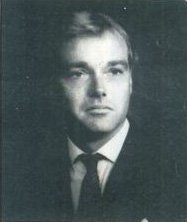
Reznikoff turned testimony and city life into verse, as in his long poem Testimony. He sifted legal records for raw human stories, presenting them without judgment. This method prefigured documentary poetics in later generations.
His urban focus highlighted Objectivism’s street-level gaze. Reznikoff’s influence shows in writers blending fact and image seamlessly. Their hidden legacy lies in elevating the ordinary to art.[3])
Core Stylistic Traits

Objectivists favored short, precise lines over ornate symbolism. They treated the poem as an object, complete and self-contained, much like a sculpture. Clarity reigned, with everyday sights rendered in exact terms to reveal deeper truths.
This stripped-down style rejected ego-driven confession. Instead, it invited contemplation of the world as is. Such traits seeped into narratives, honing modern fiction’s eye for detail.[5]
Bridge to the Beats and Black Mountain
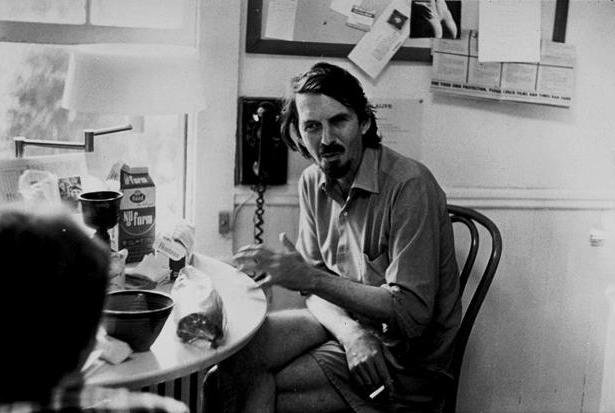
Objectivism fed directly into the San Francisco Renaissance and Black Mountain poets. Figures like Robert Creeley and Charles Olson absorbed its precision amid their expansiveness. Even Beats like Allen Ginsberg encountered its echoes through shared networks.
This handover shaped 1950s experimentation, blending Objectivist rigor with freer forms. The result? A poetry vital to counterculture lit. Prose writers drew from this well, adopting its observational sharpness.[6]
Echoes in Language Poetry
By the 1970s, Language poets like Ron Silliman built on Objectivist foundations. They extended the focus on language as material, questioning representation itself. This evolution kept Objectivism’s core alive in avant-garde circles.
The movement’s DNA appears in fragmented, image-driven contemporary verse. Its insistence on sincerity counters irony-heavy trends. Writers today unknowingly channel it when prioritizing the seen over the said.[6]
Lasting Ripples in Fiction and Beyond
Beyond poetry, Objectivism nudged novelists toward concrete imagery. David Foster Wallace and Lydia Davis reflect its precision in short forms. Even mainstream storytellers borrow its eye for the precise object amid chaos.
Its global reach touched British Poetry Revival poets too. This quiet diffusion proves its stealthy power. Modern lit owes it a nod for teaching us to see clearly.[7]
Reflecting on Overlooked Currents

Objectivism reminds us that literary DNA hides in footnotes. Small groups like this one plant seeds that bloom decades later. Their influence thrives not in spotlights but in the craft of those who follow.
Next time you read a sharp, unadorned line, trace it back. These obscure paths keep stories fresh. Literature endures through such unseen hands.
CEO-Co-Founder
