
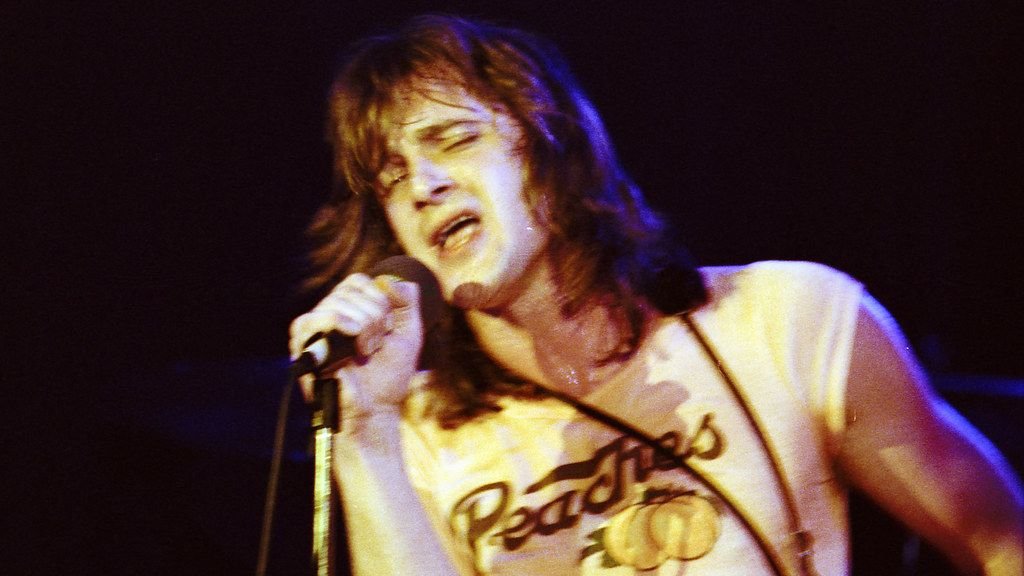
Music festivals in the 1970s and 1980s captured the raw energy of rock’s golden era. Stages drew massive crowds for unforgettable performances. Yet the real drama often unfolded backstage, where performers navigated chaos, rivalries, and excess that shaped the era’s legends.
These hidden moments revealed the human side of icons amid logistical nightmares and hedonistic vibes. Tensions simmered, indulgences flowed, and spontaneous encounters added to the lore. Such stories highlight how festival culture thrived on unpredictability far from the spotlight.
Goose Lake International Music Festival, 1970
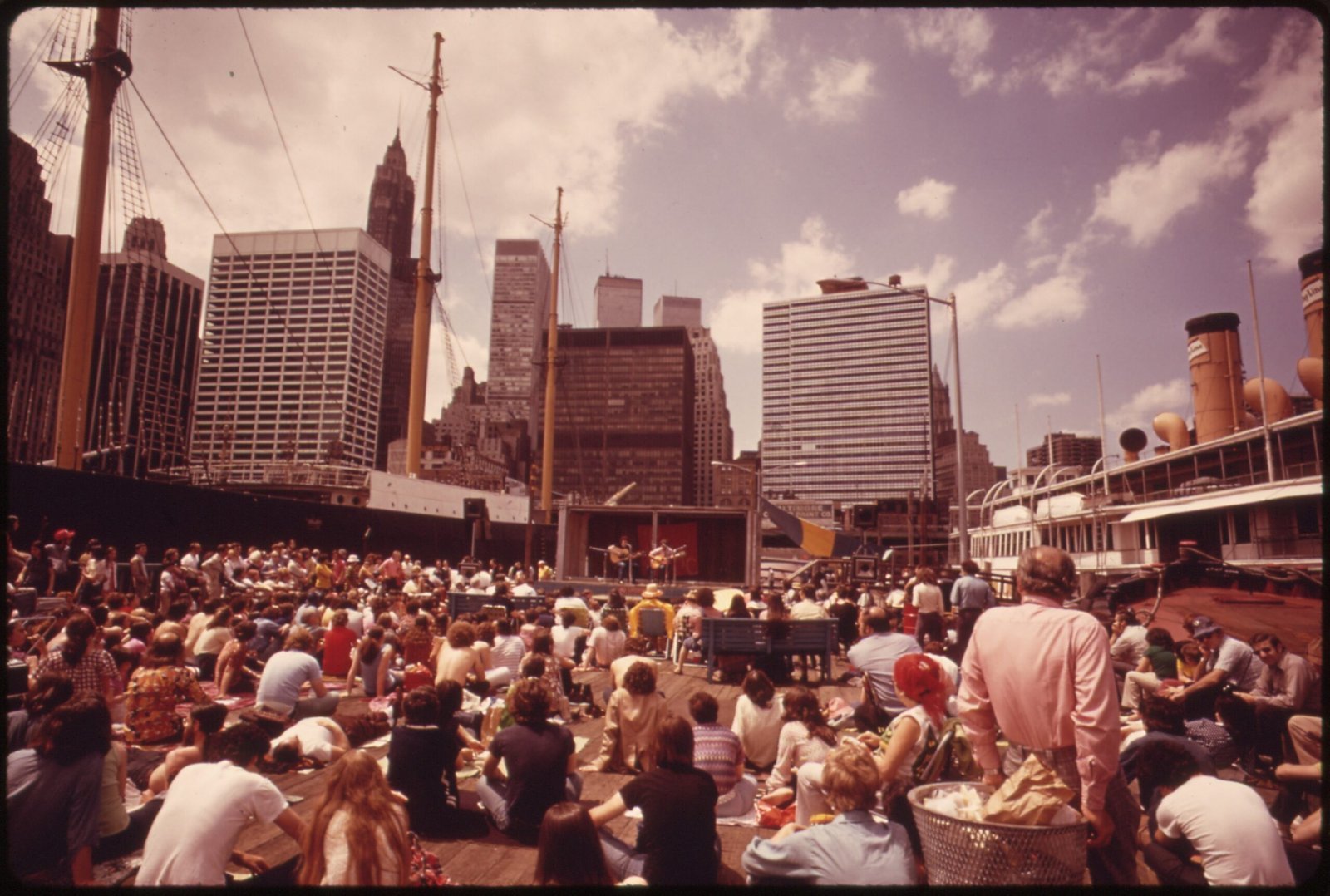
The Goose Lake festival near Jackson, Michigan, drew around 200,000 fans over three days in August 1970. Performers like Grand Funk Railroad, Chicago, and Jethro Tull rocked the stage amid a free-spirited crowd. Backstage, a dedicated tent housed 20 to 30 groupies described as “sizzlers,” ready and available for the artists.[1]
This setup captured the unfiltered hedonism of the time. The atmosphere buzzed with post-set hookups and casual revelry. In the end, the event succeeded commercially but left the site trashed, prompting organizers to never repeat it.
Isle of Wight Festival, 1970
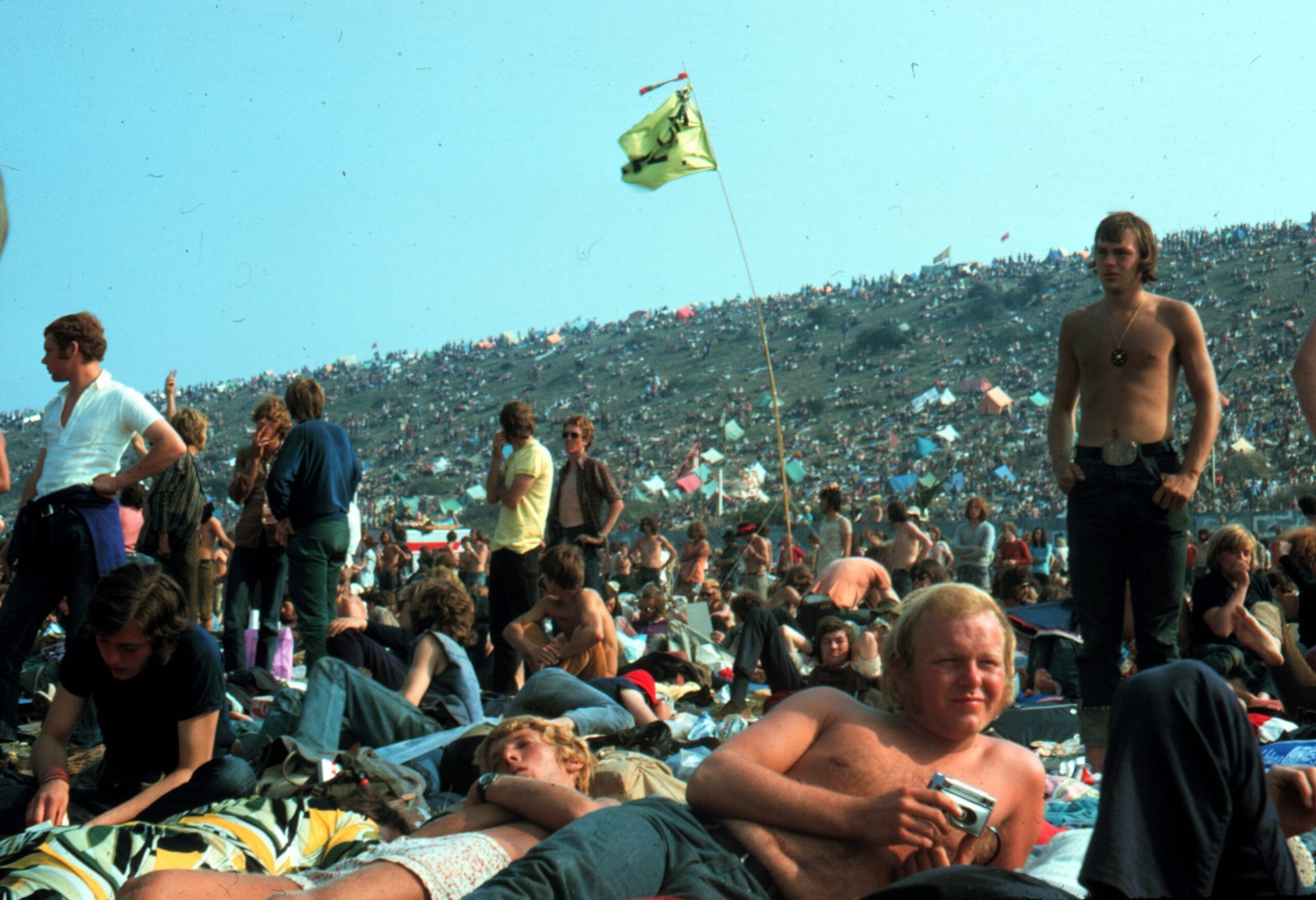
Billed as Britain’s Woodstock, the 1970 Isle of Wight edition attracted over 600,000 attendees. Stars including The Doors, The Who, and Miles Davis took the stage amid fence-crashing chaos. Backstage veered between hippie cool and disarray, with late schedules fueling frustration.[2]
Miles Davis arrived with his Bitches Brew band, appearing aloof in a red leather jacket. He dismissed the rock vibe during chats with DJs and organizers, wandering to the recording unit instead of mingling. Financially, promoters lost big, marking the festival’s chaotic peak before a hiatus.
California Jam, 1974
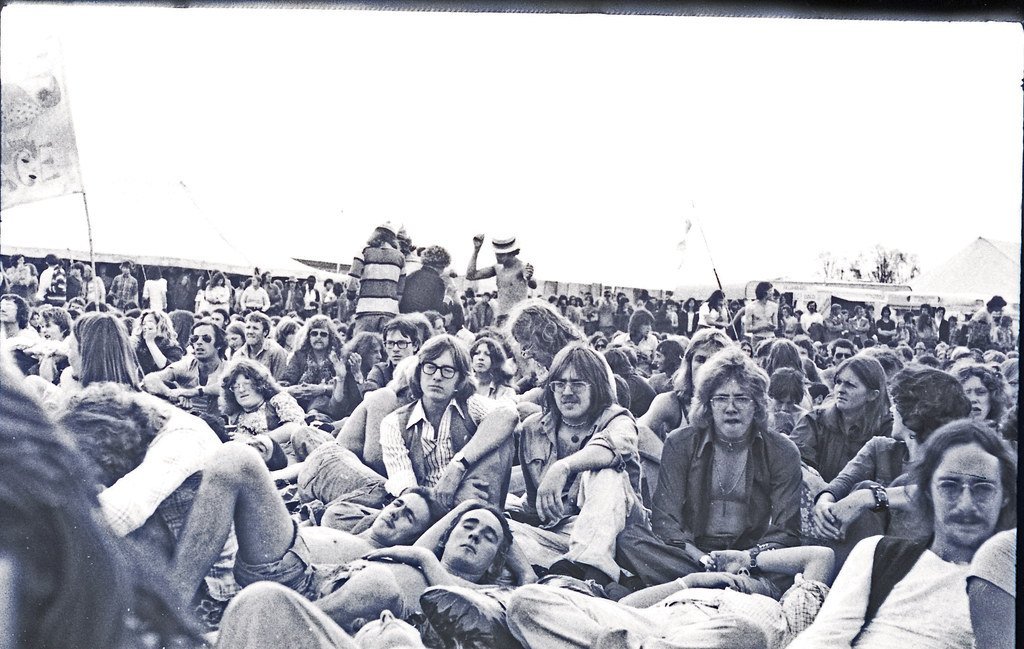
Ontario Motor Speedway hosted nearly 250,000 for the 1974 California Jam, headlined by Deep Purple and Emerson, Lake & Palmer. Earlier acts like Black Sabbath and the Eagles warmed the massive crowd. Backstage simmered with English band rivalries from their club days, as Purple delayed their slot to outshine Sabbath.[3]
Glenn Hughes and David Coverdale felt the pressure, stashing a million-dollar check in jeans for safekeeping. Tensions boiled into pyrotechnic excess during Purple’s set, though rooted backstage. The event grossed record sums and aired live, erasing Altamont’s dark shadow with controlled spectacle.
US Festival, 1982
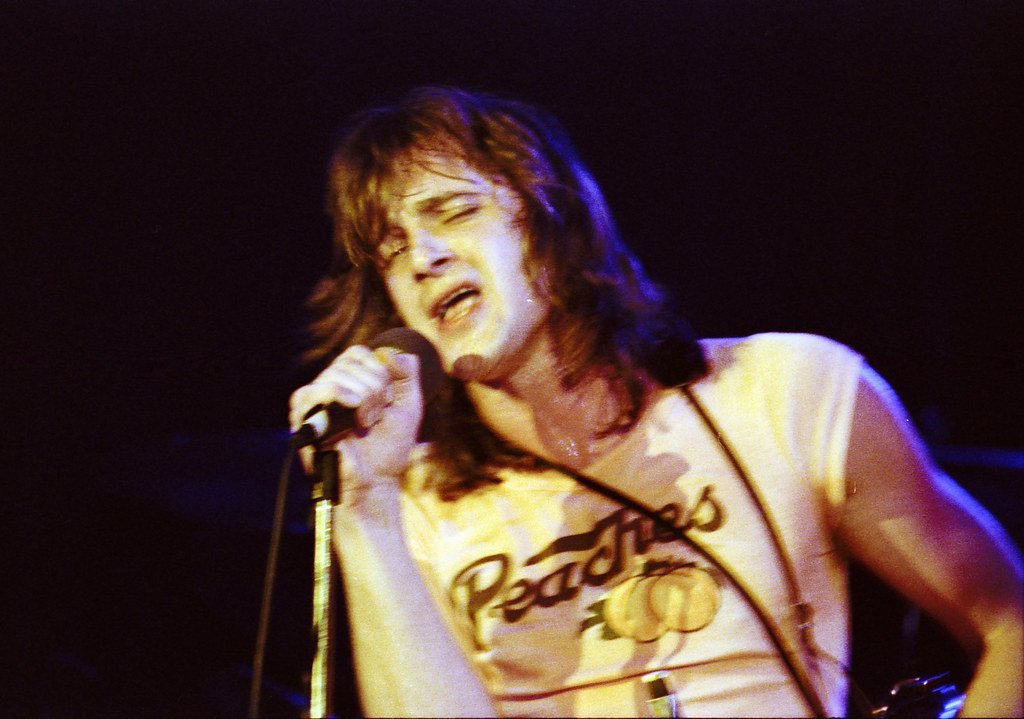
Steve Wozniak’s US Festival in San Bernardino pulled 150,000 plus for a Labor Day blowout. Lineups mixed new wave like Gang of Four with rock vets like The Kinks and Eddie Money. Backstage turned into a dusty elite party for rock royalty amid the sprawling site.[4]
Performers lounged in luxury tents while gatecrashers swelled the crowd. The vibe mixed corporate polish with rock excess, complete with high-end catering. Wozniak’s dream cost millions in losses, but it set a template for big-money 80s fests.
Glastonbury Festival, 1980s
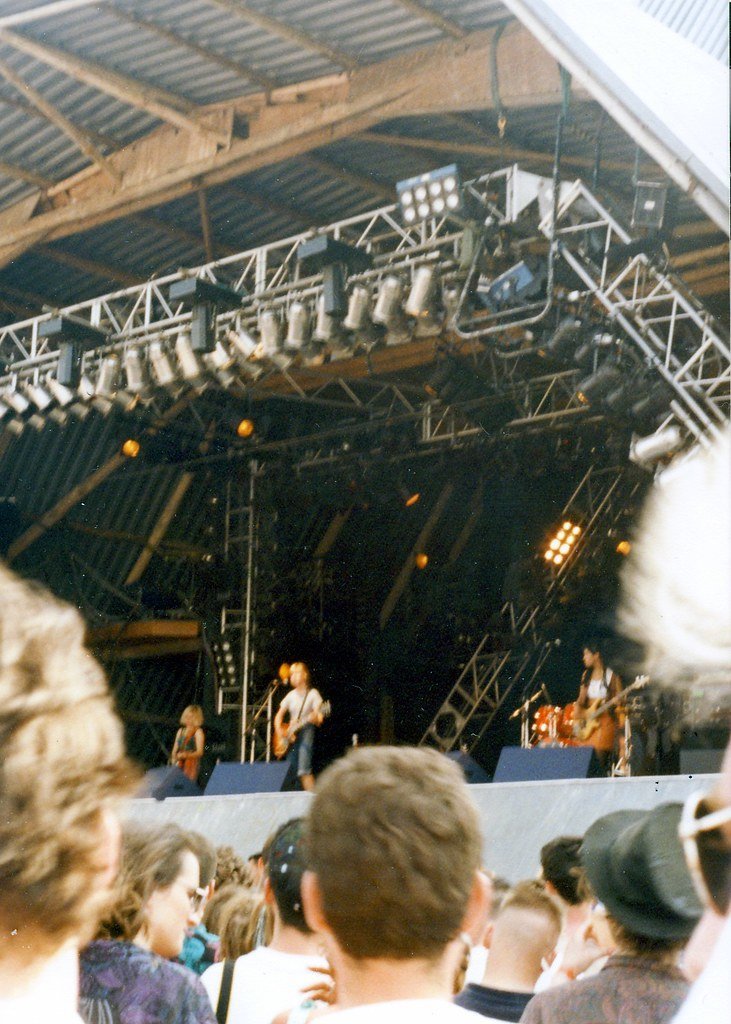
Glastonbury evolved through the 80s into a counterculture staple on Worthy Farm. Acts like Elvis Costello and The Smiths graced the Pyramid Stage amid muddy fields. Backstage captured raw magic, with artists posing coolly between sets in a pre-stylist era.[5]
Attendees cherished the anarchy of roaming hippies and CND activists nearby. Performers soaked in the communal spirit despite logistical woes. This decade solidified Glastonbury’s enduring, freewheeling identity.
California Jam II, 1978
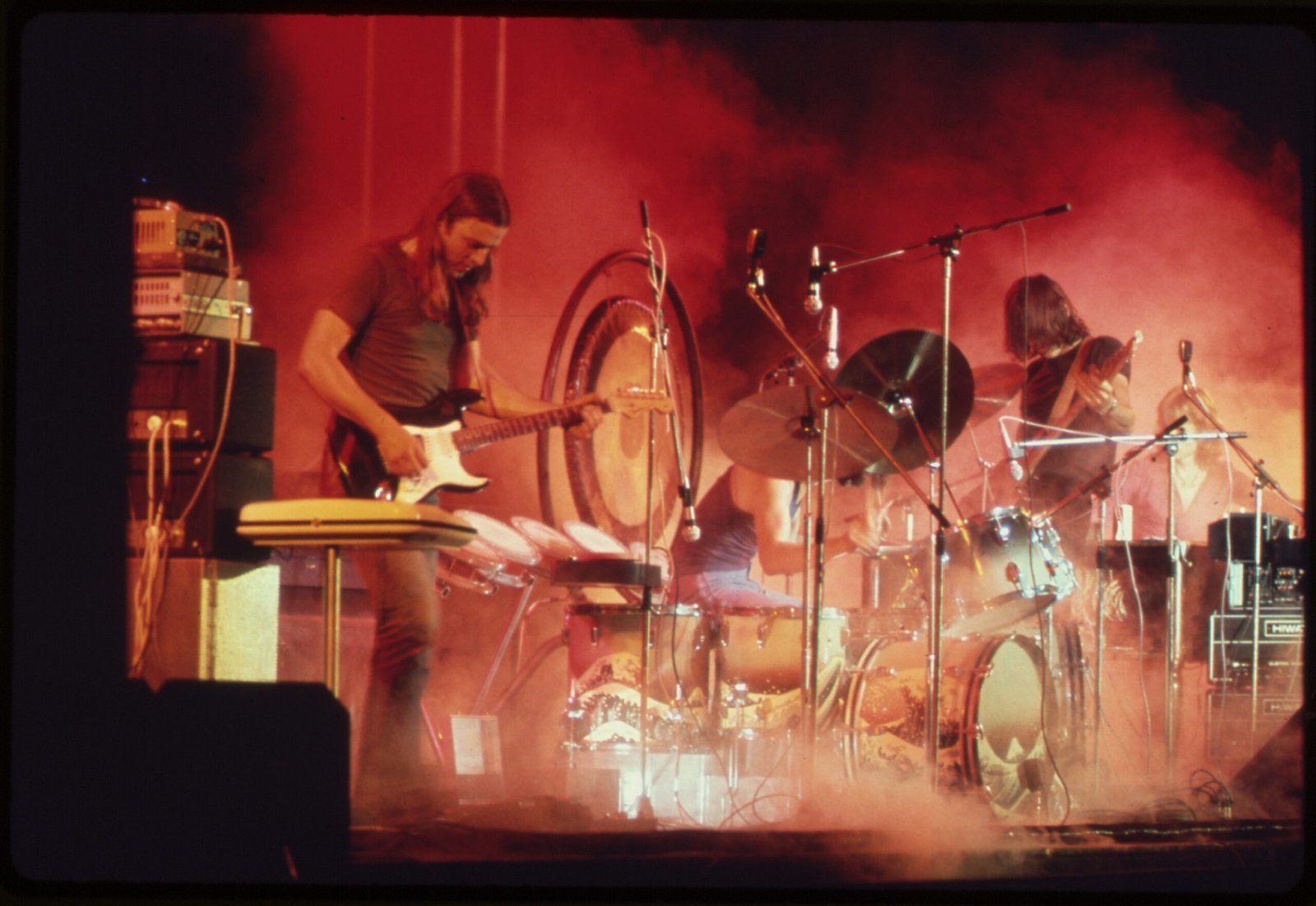
The 1978 sequel at Ontario drew another 350,000 for Aerosmith, Ted Nugent, and Foreigner. Deep Purple reunited for the occasion, reigniting old energies. Backstage echoed the first Jam’s rivalries, with bands prepping amid soaring expectations.[3]
Pyro setups and helicopter arrivals amped the tension. Nugent’s wild persona spilled over from stage prep. Though successful, whispers of excess foreshadowed tighter 80s regulations.
The Enduring Mythology of Festival Backstage
These tales from 70s and 80s festivals paint a vivid backstage tapestry. Rivalries sparked fireworks, indulgences defined freedom, and chaos bred innovation. Performers emerged as larger-than-life amid the mess.
Today’s polished events owe much to that raw era. Backstage lore reminds us festivals were pressure cookers of creativity and folly. The myths linger, fueling endless fascination with rock’s untamed past.


