

For any feedback please reach out to info@festivalinside.com
- 12 Literary Feuds So Intense, They Changed the Course of Literature - August 11, 2026
- 10 Mysterious Disappearances of Famous Figures That Still Puzzle Experts - August 11, 2026
- 10 Foods We Thought Were American But Were Actually Invented Somewhere Else. - August 11, 2026
Famous photographs freeze single moments in time. Yet they often hide layers of chaos, personal tragedy, and historical turning points that shift how we see the world.
These images rally nations or spark outrage. Their backstories reveal human defiance, overlooked suffering, and unintended consequences far beyond the frame.
Tank Man, Tiananmen Square (1989)
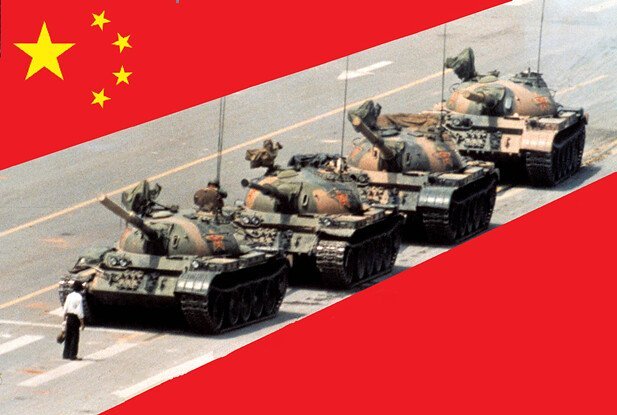
On June 5, 1989, a lone figure in a white shirt stood before a column of tanks rolling through Beijing. This happened the day after Chinese troops crushed pro-democracy protests in Tiananmen Square, killing hundreds or thousands.[1][2] Associated Press photographer Jeff Widener captured the shot from a hotel balcony, smuggling film out amid tight security. The man blocked the lead tank, climbed aboard twice to argue, then vanished into the crowd, pulled away by bystanders.
No one knows his name or fate. Theories suggest execution, prison, or quiet life abroad, but China censors all traces of the image.[3] The photo symbolizes solitary courage against oppression. It endures as a global icon of resistance, despite official erasure.
Raising the Flag on Iwo Jima (1945)
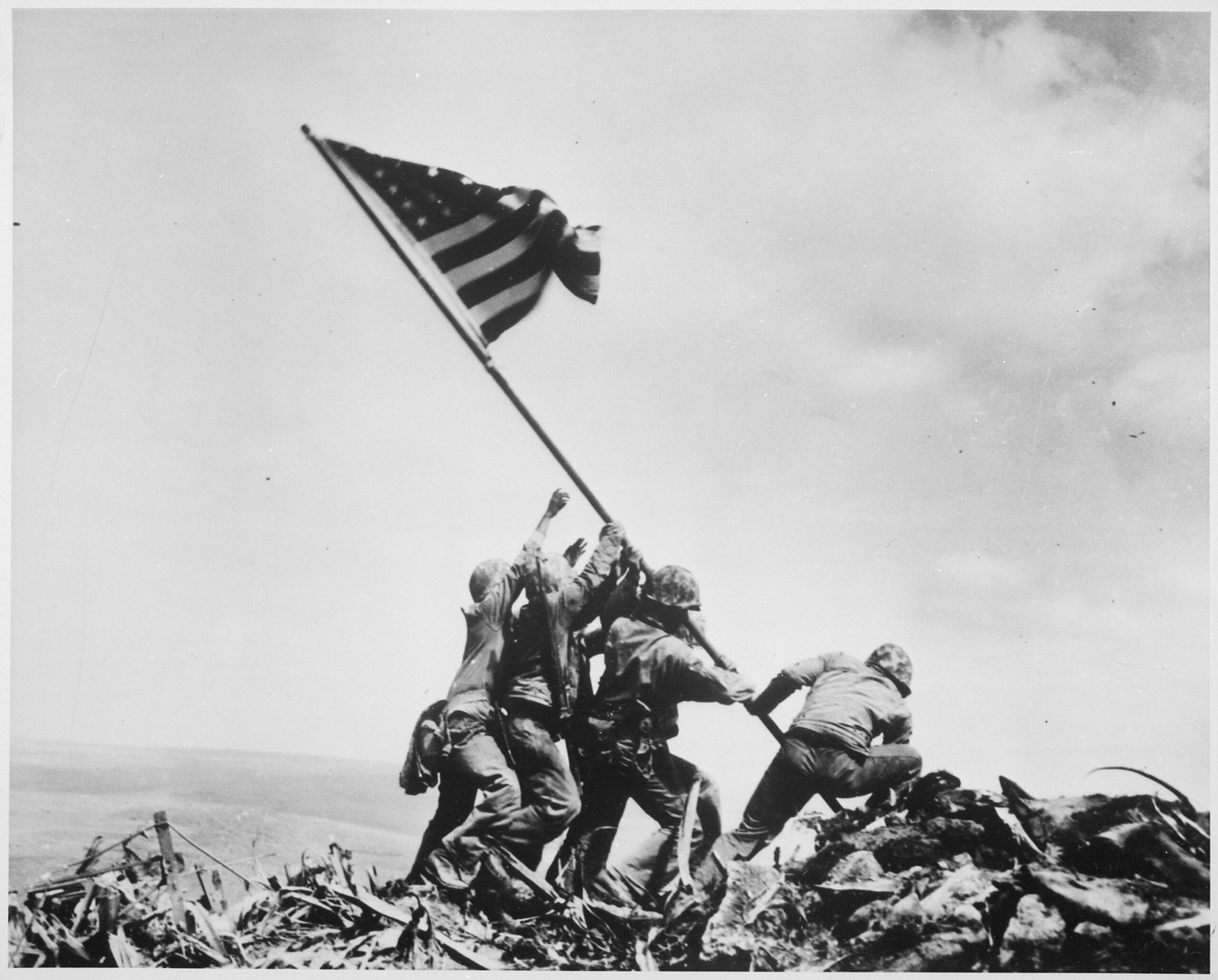
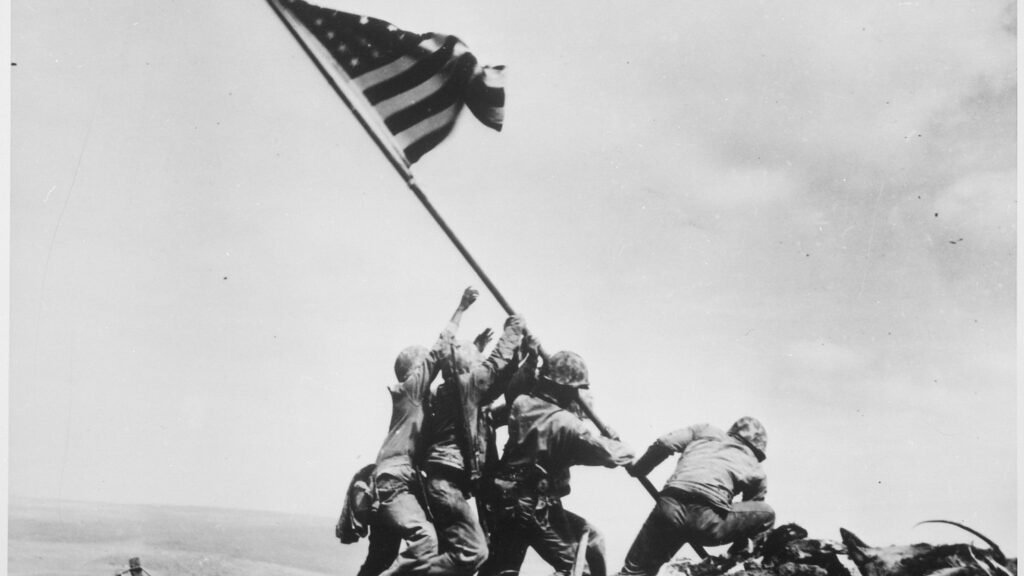
Joe Rosenthal snapped six Marines hoisting the U.S. flag atop Mount Suribachi on February 23, 1945. This came during the brutal Battle of Iwo Jima, one of World War II’s bloodiest fights with nearly 7,000 American deaths overall.[4] Marines had raised a smaller flag earlier that morning. They replaced it with a larger one for better visibility from ships offshore, and Rosenthal captured that second effort without staging it, though rumors swirled.[5]
Three flag-raisers died soon after in the ongoing battle. The image won a Pulitzer, sold millions in war bonds, and inspired the Marine Corps War Memorial.[6] It boosted morale back home amid heavy casualties. Yet the full toll of Iwo Jima lingered, with the fight lasting another month.
V-J Day Kiss in Times Square (1945)
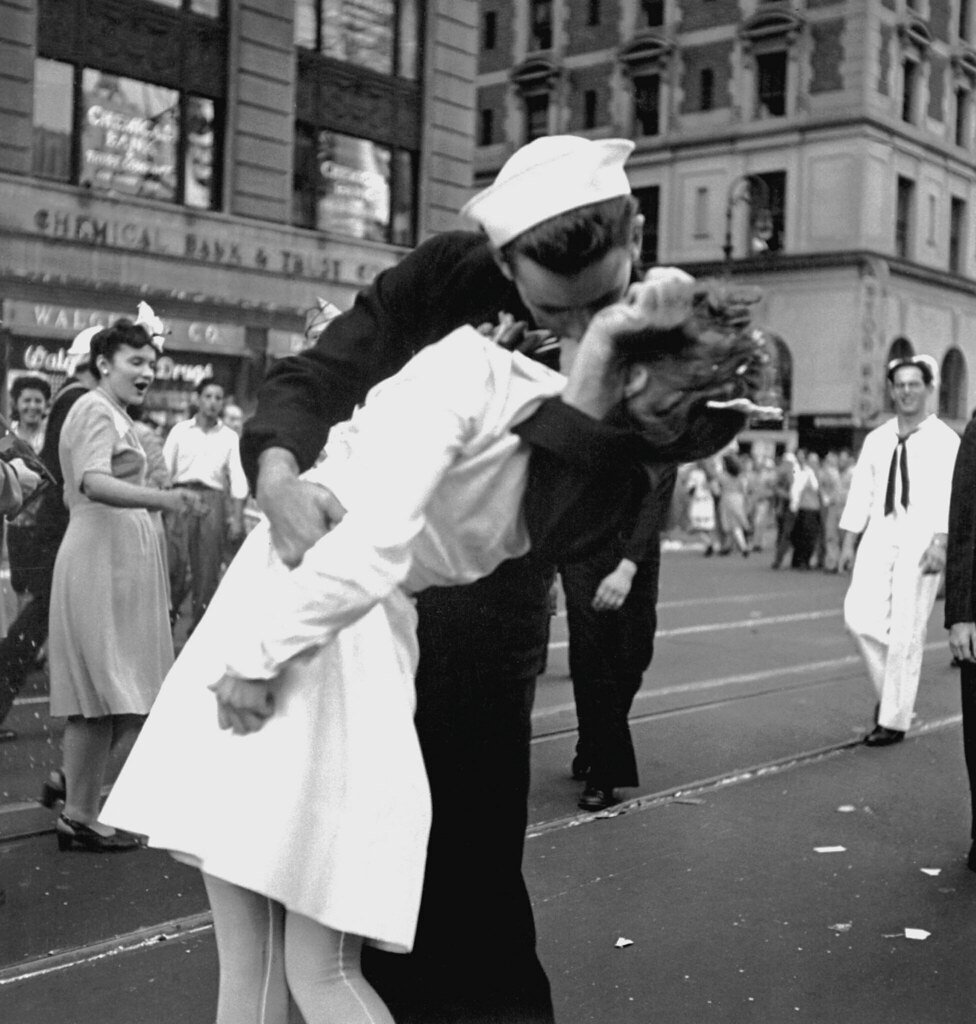
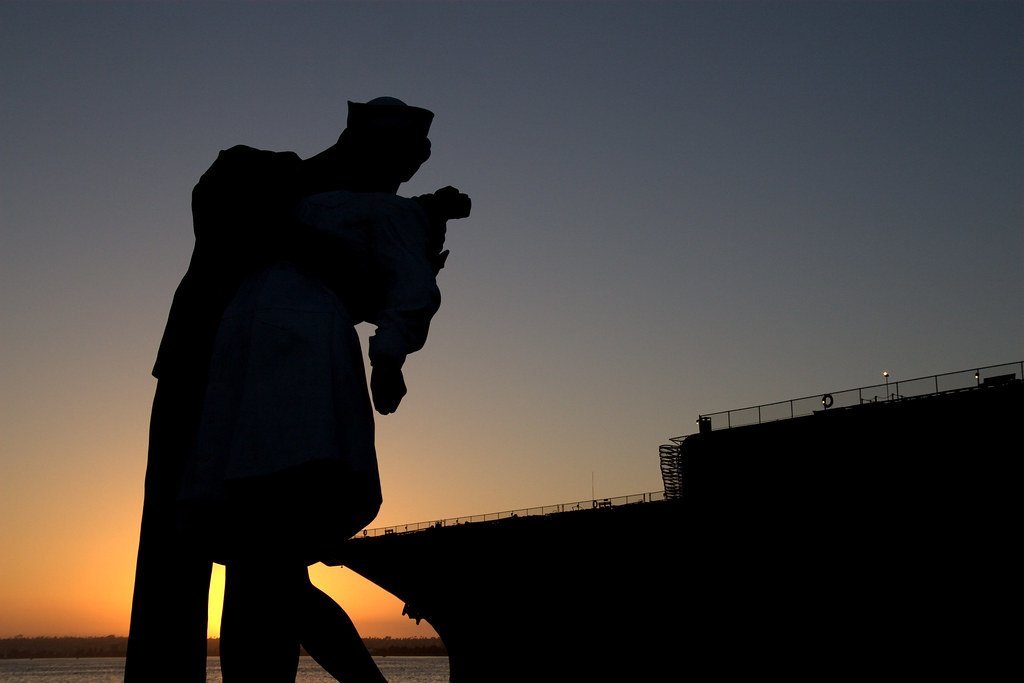
Alfred Eisenstaedt’s Life magazine shot shows a sailor dipping a nurse in New York’s Times Square on August 14, 1945. Japan had just surrendered, ending World War II, and crowds erupted in joy with strangers kissing everywhere.[4] The sailor, later identified as George Mendonsa, grabbed dental assistant Greta Zimmer Friedman without warning. She wore white for her job that day, not as a nurse.
Identities stayed murky for decades amid rival claims. Friedman called it unwelcome but a product of the wild celebration; she slapped him afterward.[7] The photo captured raw relief after years of war. It became a symbol of victory, though personal stories added complexity.
Migrant Mother (1936)
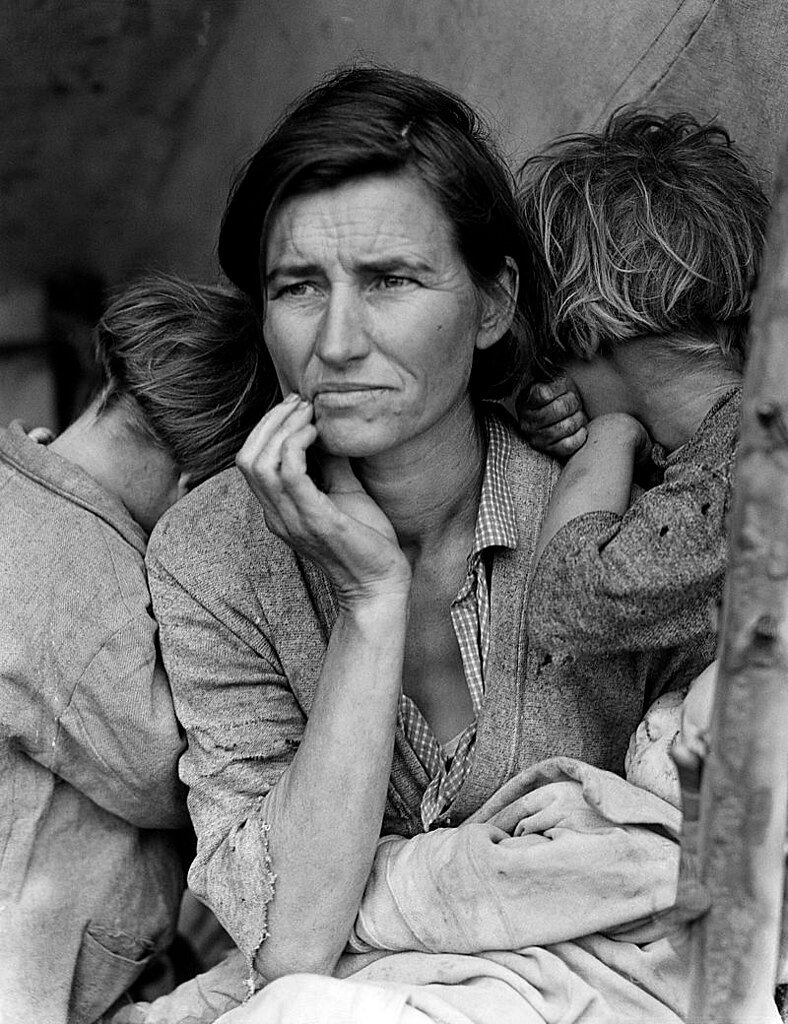
Dorothea Lange photographed Florence Owens Thompson, 32, at a California pea-pickers camp during the Great Depression. Thompson sheltered her children as crops froze, leaving them hungry on birds and frozen veggies.[4] Published widely, the image spurred federal aid to the camp. Yet Thompson and her family had already moved on.
Thompson’s identity emerged in the 1970s; she resented Lange for never asking permission or name. Not Dust Bowl migrants from Oklahoma, they had lived in California years and felt exploited without compensation.[7] The photo defined Depression hardship for millions. Thompson died in 1983, her story reclaiming some narrative.
Napalm Girl (1972)
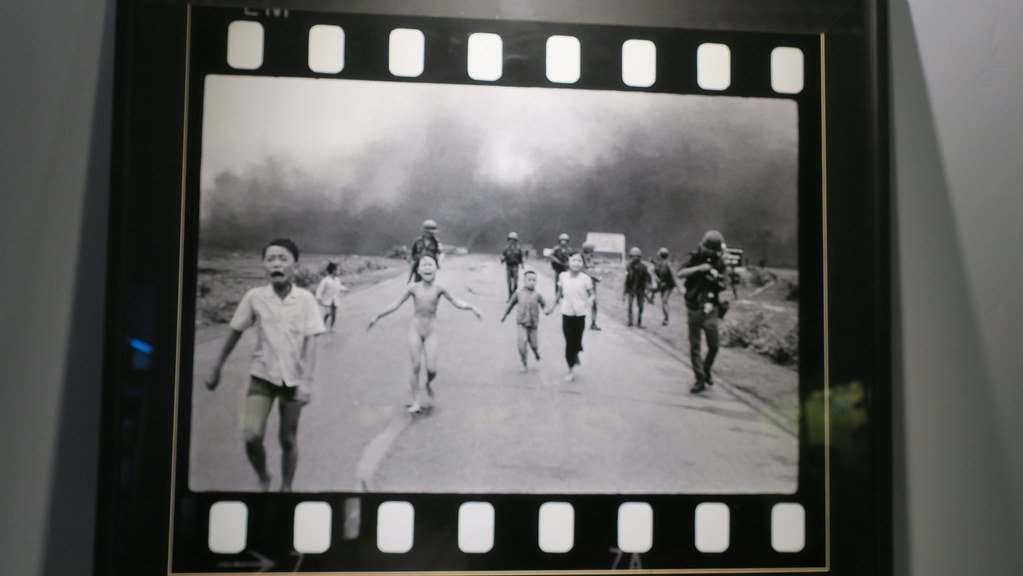
Nick Ut’s Associated Press image shows nine-year-old Phan Thi Kim Phuc running naked down a Vietnam road on June 8, 1972. South Vietnamese planes dropped napalm on her village by mistake, thinking it held enemy troops; she ripped off burning clothes.[8] Ut rushed her to a hospital, saving her life amid 65% burns. Editors nearly spiked it for nudity.
Phuc endured 17 surgeries and pain for years. She defected, became a UNESCO ambassador, and forgave her attackers.[2] The Pulitzer-winning photo fueled anti-war sentiment. Ut and Phuc remain friends, their bond outlasting the horror.
The Vulture and the Little Girl (1993)
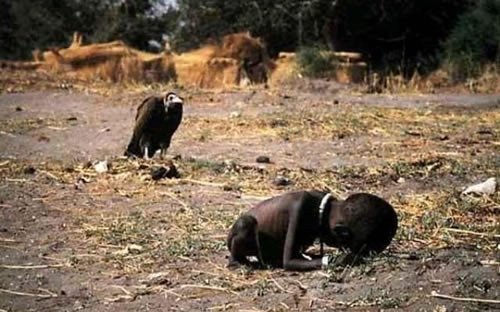
Kevin Carter captured a frail Sudanese child collapsed in the dirt, a vulture lurking nearby, during a 1993 famine. He waited 20 minutes for the bird to spread wings, then chased it off without intervening.[8] Published in The New York Times, it won Carter a Pulitzer but drew fury for ignoring the child’s plight.
The girl, about a year old, likely survived as her family reached a feeding center. Carter, haunted by war zones and criticism, took his life months later at 33.[9] The image exposed famine’s toll. It raised awareness but scarred its creator forever.
Conclusion
These photographs testify to history’s raw edges. They remind us that one frame holds echoes of forgotten lives and unresolved pains.
Photography preserves truth amid chaos. In a visual age, such images demand we look deeper, honoring the stories they barely capture.

Christian Wiedeck, all the way from Germany, loves music festivals, especially in the USA. His articles bring the excitement of these events to readers worldwide.
For any feedback please reach out to info@festivalinside.com
