

For any feedback please reach out to info@festivalinside.com
- 15 Forgotten TV Show Theme Songs That Are Still Incredibly Catchy - August 31, 2026
- Every Masterpiece Holds a Secret Story of Its Creation Within Its Depths. - August 31, 2026
- 10 Groundbreaking Scientific Discoveries That Revolutionized Daily Life - August 31, 2026
Literature has always had a way of holding up a mirror to the world, sometimes showing sides that people would rather not see. Writers who test limits on language, morality, or politics often end up in the middle of heated arguments that stretch far beyond the page.
These clashes reveal how stories can shape public views on freedom and decency. The following fifteen authors stand out for the ways their work stirred lasting debate across different eras and cultures.
Marquis de Sade
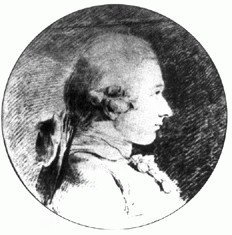
The Marquis de Sade built his reputation on novels filled with extreme violence and sexual excess that directly challenged the moral codes of eighteenth century France. His writings led to repeated arrests and long prison terms because authorities viewed them as threats to social order. Readers at the time reacted with shock and calls for suppression, yet the books circulated in secret among those curious about forbidden ideas.
Over time his work influenced later movements in philosophy and literature by forcing discussions about desire and power. Sade showed how fiction could expose the darker impulses that polite society tried to ignore, and his name became shorthand for extreme libertinism in art.
Oscar Wilde
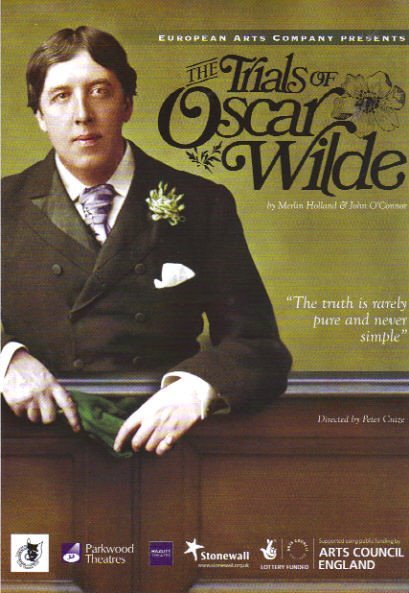
Oscar Wilde faced public outrage in the 1890s when his personal life became entangled with his witty plays and essays that questioned Victorian norms around class and sexuality. His trial and imprisonment for indecency drew widespread attention and divided opinions between those who saw him as a martyr for artistic freedom and those who condemned his lifestyle. The scandal effectively ended his career in England at the height of his success.
Despite the backlash, Wilde’s sharp observations on society continue to shape modern theater and comedy. His ability to blend humor with critique opened doors for later writers who wanted to examine hypocrisy without losing their audience.
D.H. Lawrence
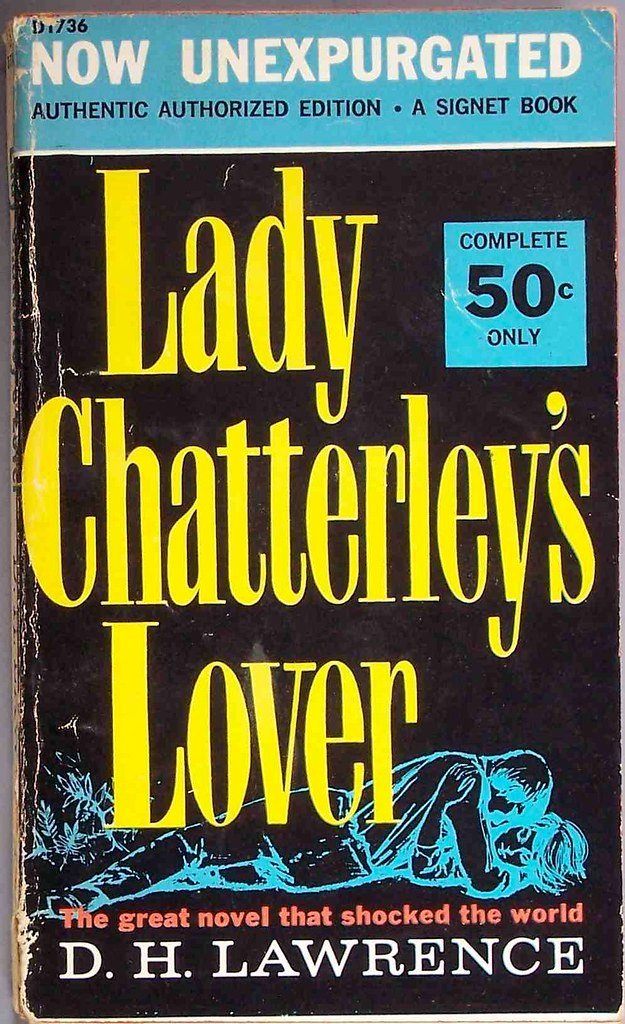
D.H. Lawrence ran into trouble with novels like Lady Chatterley’s Lover that described intimate relationships in language considered too explicit for early twentieth century Britain. Publishers faced bans and legal challenges that kept the book out of print for decades, while critics accused him of undermining family values. The controversy peaked during obscenity trials that tested new limits on what could be published.
Lawrence’s focus on emotional and physical honesty helped shift attitudes toward realism in fiction. His stories encouraged later authors to explore human relationships with fewer restrictions, changing how intimacy appeared in serious literature.
James Joyce
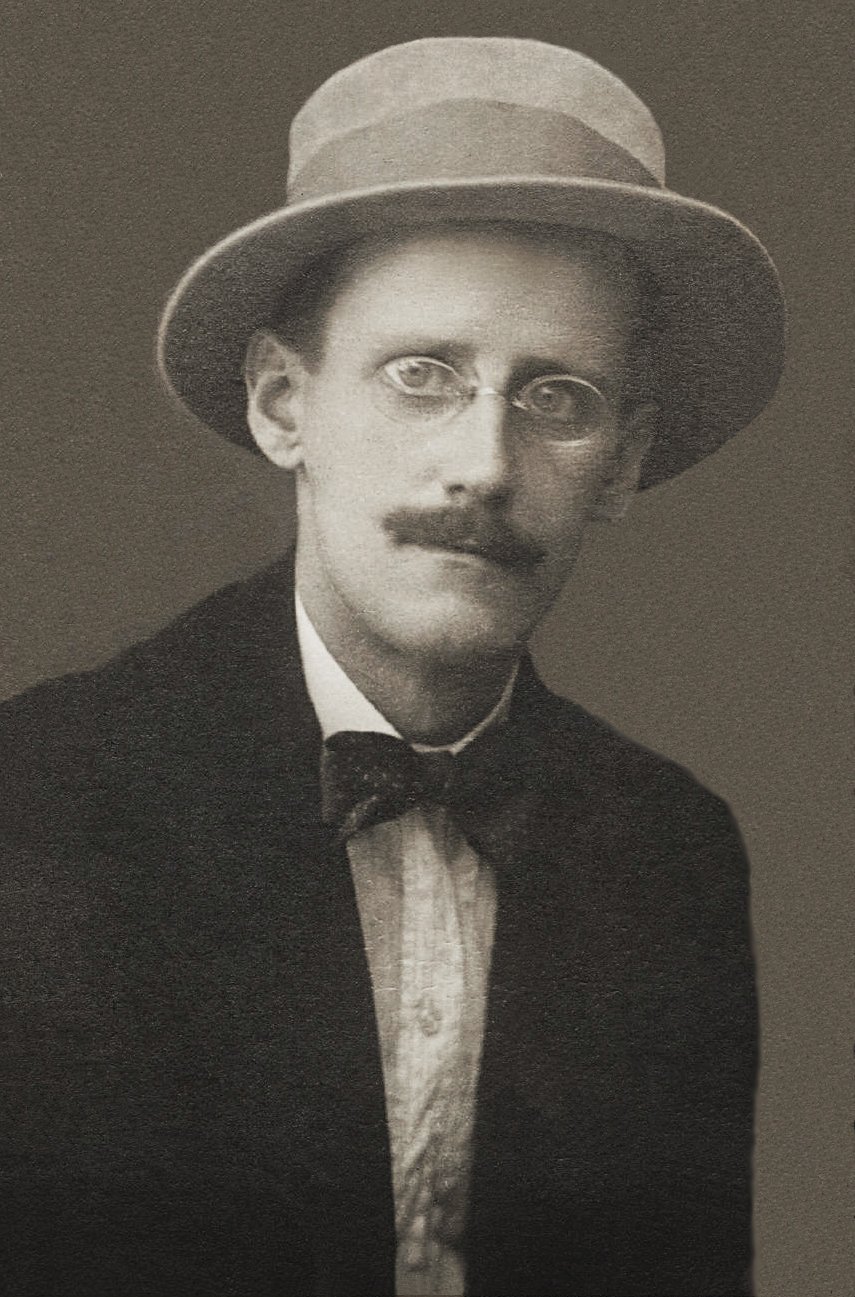
James Joyce encountered fierce resistance when Ulysses appeared in 1922 because its stream of consciousness style and frank depictions of everyday life offended censors in the United States and Britain. The novel was seized at ports and banned for years, with many readers finding its structure confusing and its content indecent. Public reaction ranged from outright rejection to quiet admiration among those who defended artistic experiment.
Over the decades Joyce’s techniques became foundational for modernist writing and inspired countless authors to break traditional narrative rules. His persistence showed how difficult material could eventually gain acceptance and reshape the possibilities of the novel form.
Henry Miller
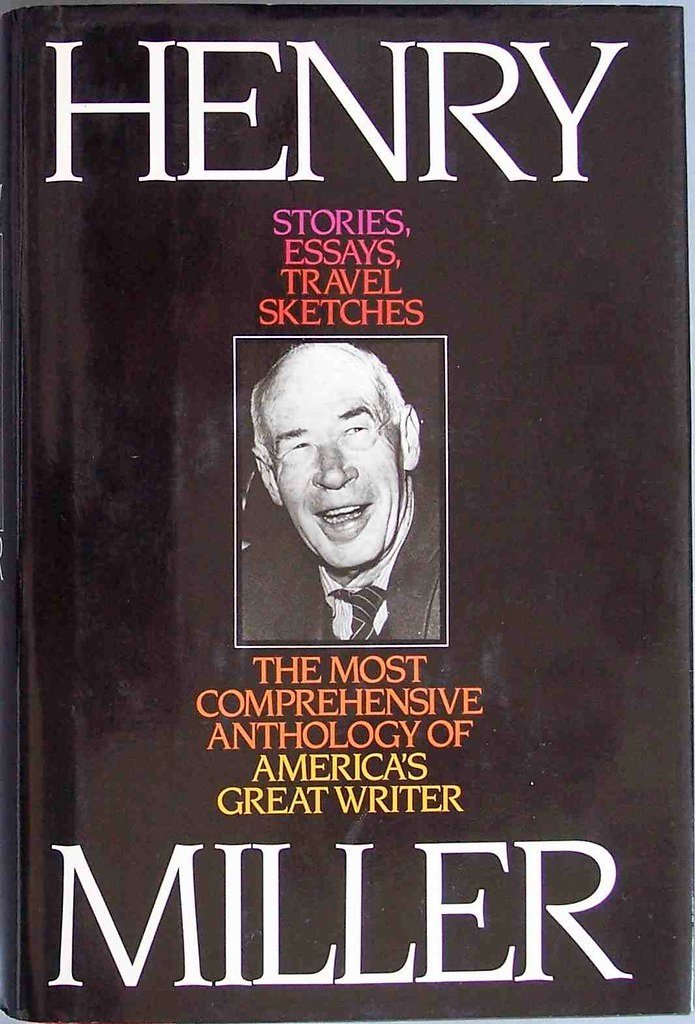
Henry Miller’s autobiographical novels from the 1930s portrayed sexual adventures and bohemian life in ways that led to decades of prohibition in America. Customs officials blocked imports of his books, and publishers risked fines for distributing them openly. The prolonged legal fights drew attention from both supporters of free expression and those worried about moral decay.
Miller’s raw voice influenced the beat generation and later confessional styles by proving that personal experience could drive powerful storytelling. His work helped normalize explicit content in literary fiction once the bans lifted.
Vladimir Nabokov
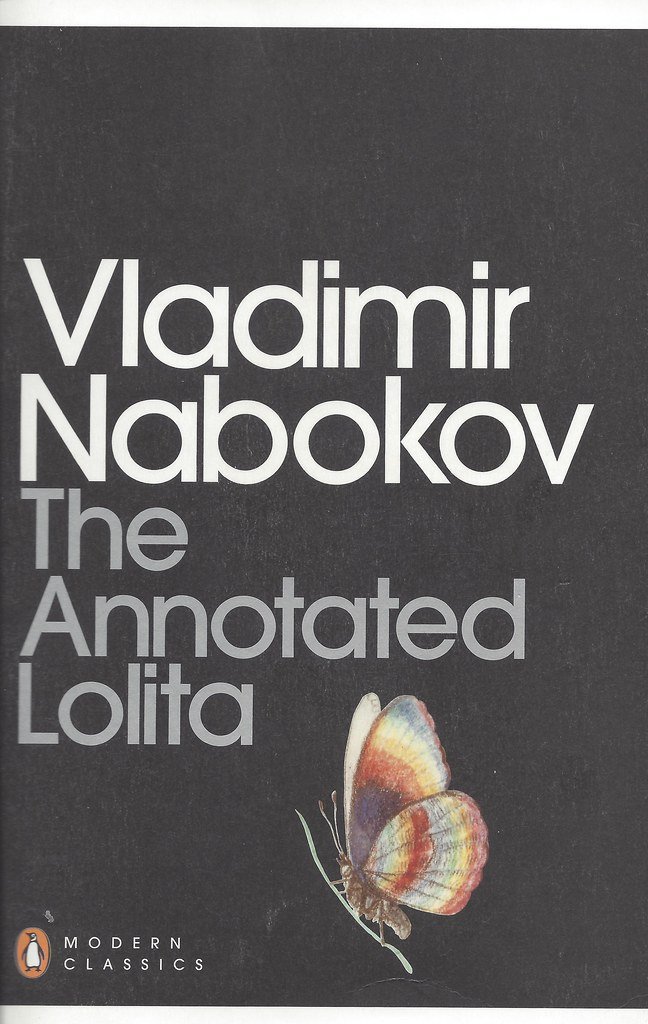
Vladimir Nabokov stirred immediate controversy with Lolita in 1955 through its portrayal of an adult’s obsession with a young girl, which many found disturbing even as the prose dazzled. Publishers hesitated at first, and some countries delayed release while others allowed it with warnings. Readers split between those horrified by the subject and those who praised the novel’s linguistic brilliance.
The book expanded conversations about unreliable narrators and moral ambiguity in fiction. Nabokov’s example encouraged writers to tackle uncomfortable psychological territory without easy resolutions.
William S. Burroughs
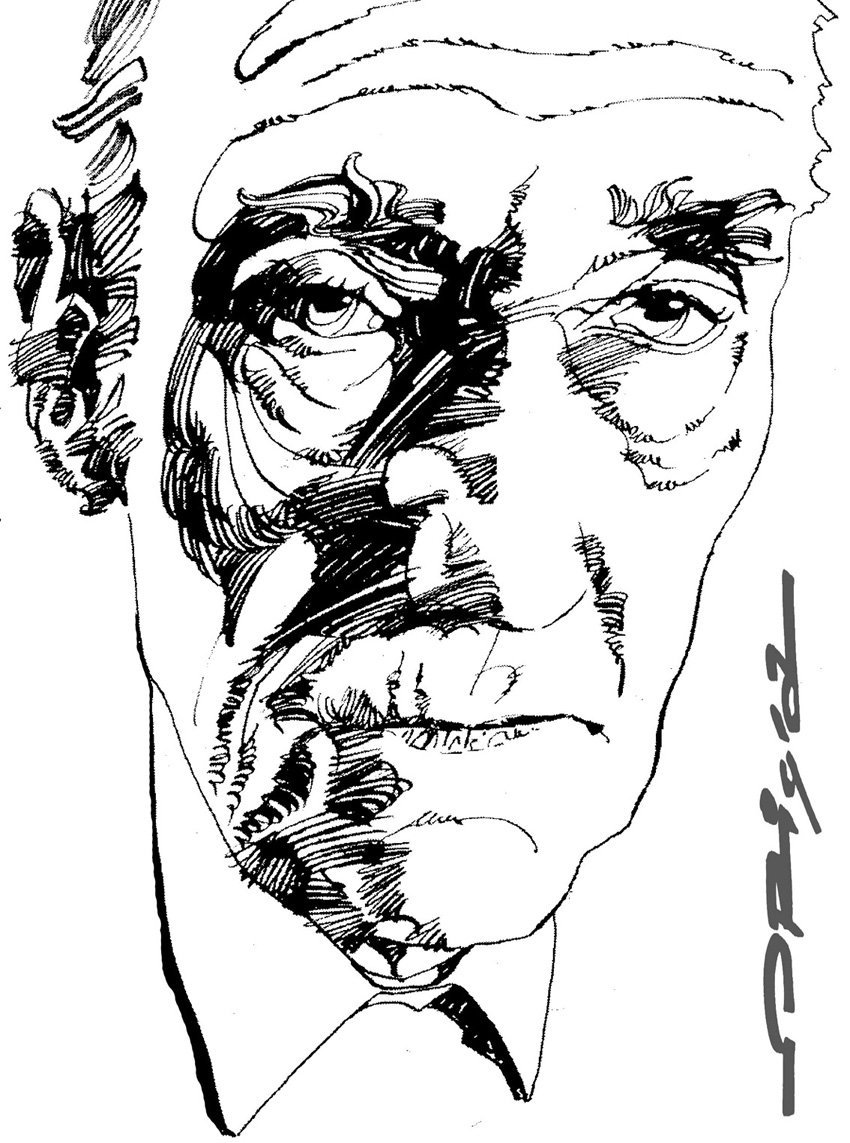
William S. Burroughs drew sharp criticism for Naked Lunch and its cut up style mixed with graphic drug use and violence that challenged mid century American sensibilities. The novel faced an obscenity trial in Boston that lasted years and highlighted tensions between artistic freedom and public decency standards. Many dismissed the work as incoherent or dangerous upon first reading.
Burroughs later gained recognition for pushing experimental forms that influenced punk, postmodernism, and multimedia art. His approach demonstrated how fragmented narratives could capture chaotic realities in new ways.
Allen Ginsberg
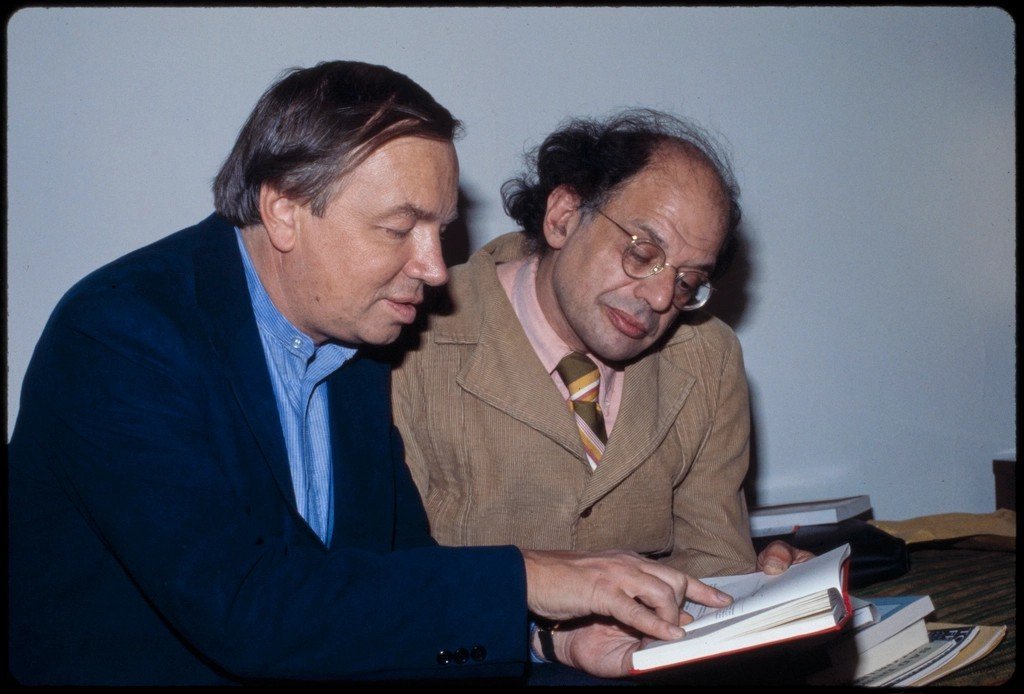
Allen Ginsberg provoked strong reactions with Howl in 1956 because its candid references to drugs, sexuality, and mental illness led to an obscenity trial against the publisher. The poem’s public readings often turned into protests against censorship, drawing both enthusiastic crowds and official scrutiny. Critics at the time either celebrated its energy or condemned its perceived vulgarity.
Ginsberg’s open style helped launch the beat movement and gave voice to countercultural ideas that later entered mainstream poetry. His work showed how performance and personal testimony could expand poetry’s reach beyond the page.
Salman Rushdie
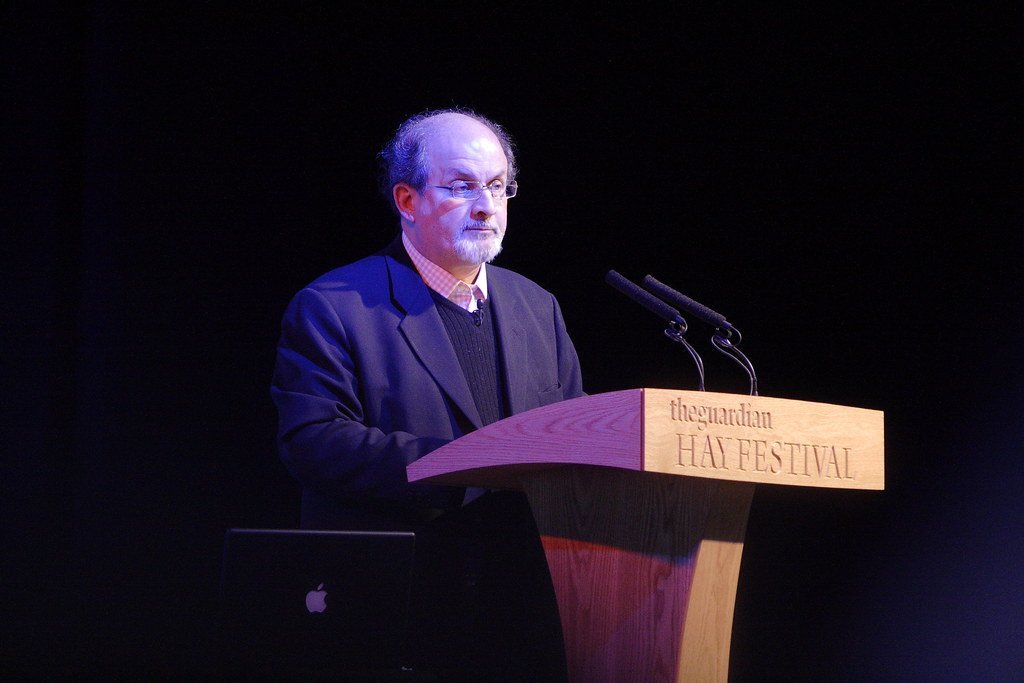
Salman Rushdie became the target of international outrage after The Satanic Verses appeared in 1988, with accusations that the novel insulted religious beliefs leading to bans in several countries. The controversy escalated to threats against the author and his publishers, forcing him into hiding for years. Public debate centered on the balance between free speech and respect for faith.
Rushdie’s experience highlighted the global stakes of literary expression and influenced discussions about multiculturalism in fiction. His novels continued to explore identity and history with the same inventive spirit despite the risks.
J.D. Salinger
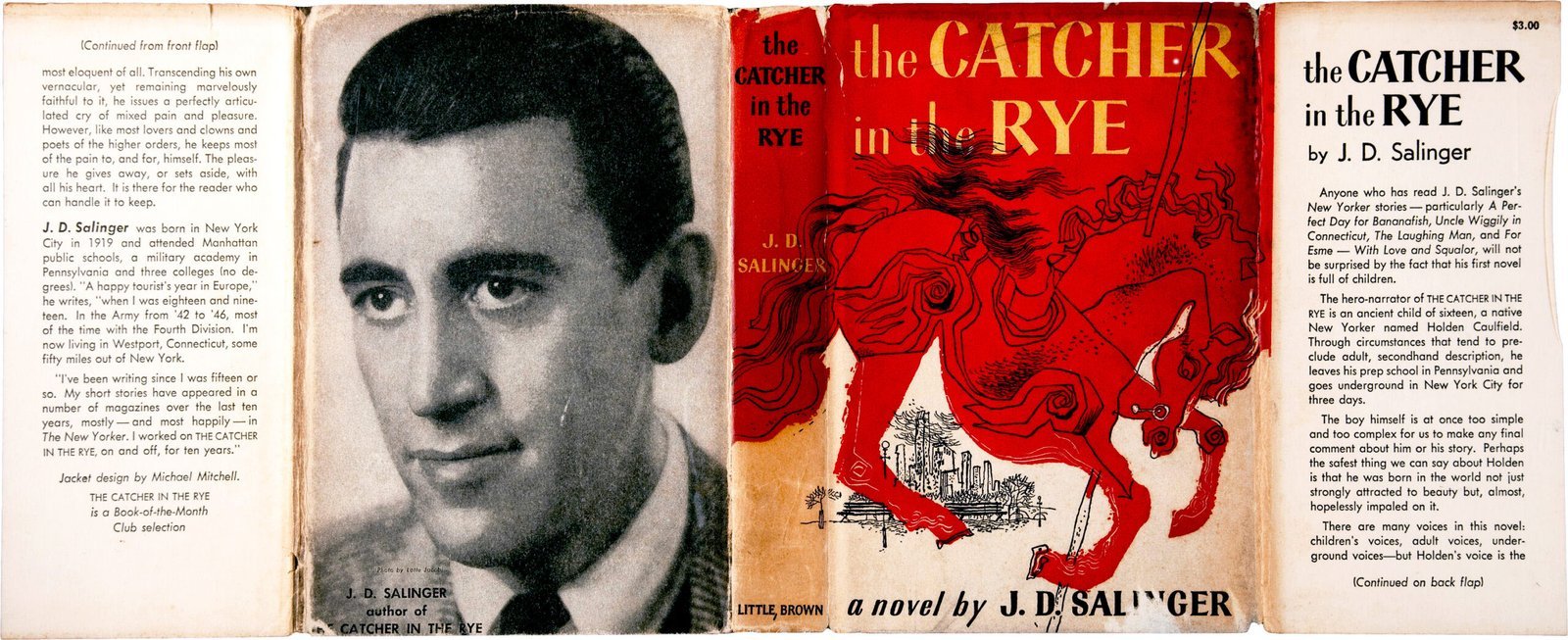
J.D. Salinger faced repeated challenges over The Catcher in the Rye for its teenage protagonist’s profanity and disillusionment with adult society, which some parents and schools found unsuitable for young readers. The book endured bans and removals from curricula throughout the twentieth century. Reactions often reflected broader worries about youth culture and rebellion.
Salinger’s spare style and focus on inner conflict set a model for coming of age stories that still resonates. His restraint in publishing after the initial success only added to the novel’s enduring influence on American literature.
Mark Twain
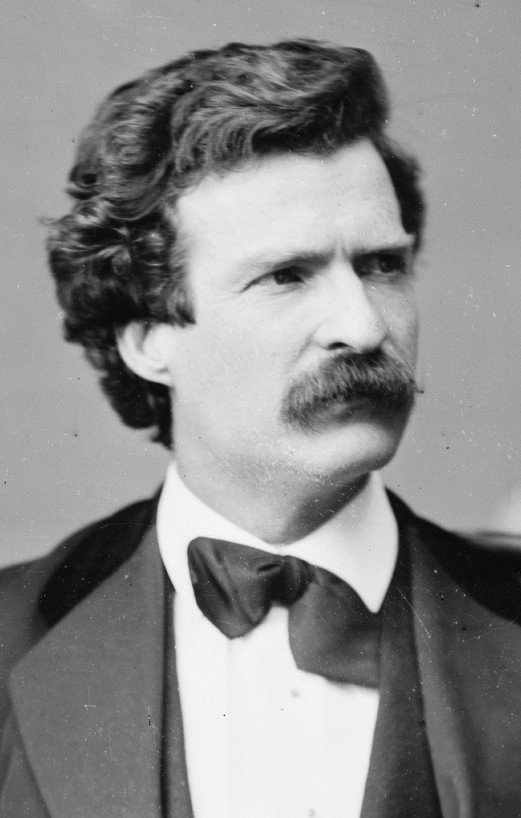
Mark Twain encountered criticism for Adventures of Huckleberry Finn because its use of racial language and portrayal of a runaway slave alongside a white boy clashed with changing views on race in the late nineteenth century. Some libraries removed the book shortly after publication, and debates about its classroom use continue today. Early readers praised the humor while others objected to the perceived coarseness.
Twain’s satire on American hypocrisy helped establish the great American novel tradition and encouraged later writers to address social issues through adventure tales. His voice remains central to conversations about regionalism and moral complexity in fiction.
Bret Easton Ellis
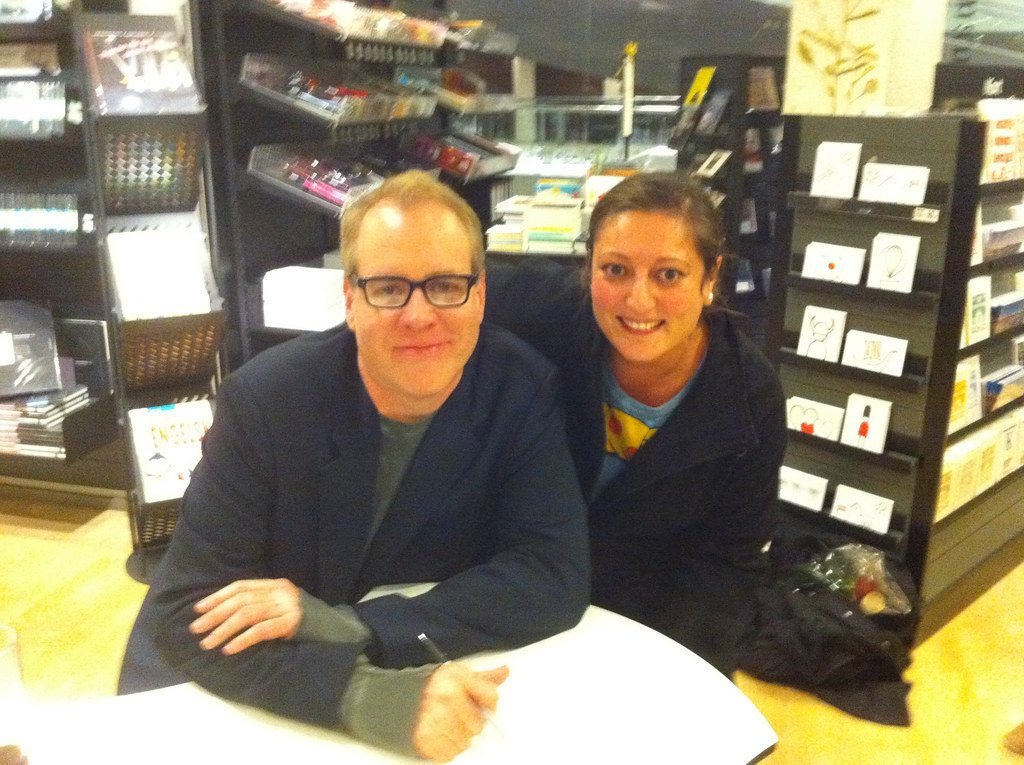
Bret Easton Ellis drew intense backlash for American Psycho in 1991 due to its graphic violence and shallow consumer culture critique that many found gratuitous or misogynistic. Publishers dropped the manuscript, and reviewers questioned whether the book crossed into exploitation. Public reaction included protests and calls for boycotts alongside defenses of its dark satire.
Ellis’s detached style influenced a wave of minimalist fiction that examined modern alienation. The novel’s lasting presence in discussions of genre boundaries shows how extreme content can still prompt serious literary analysis.
Michel Houellebecq
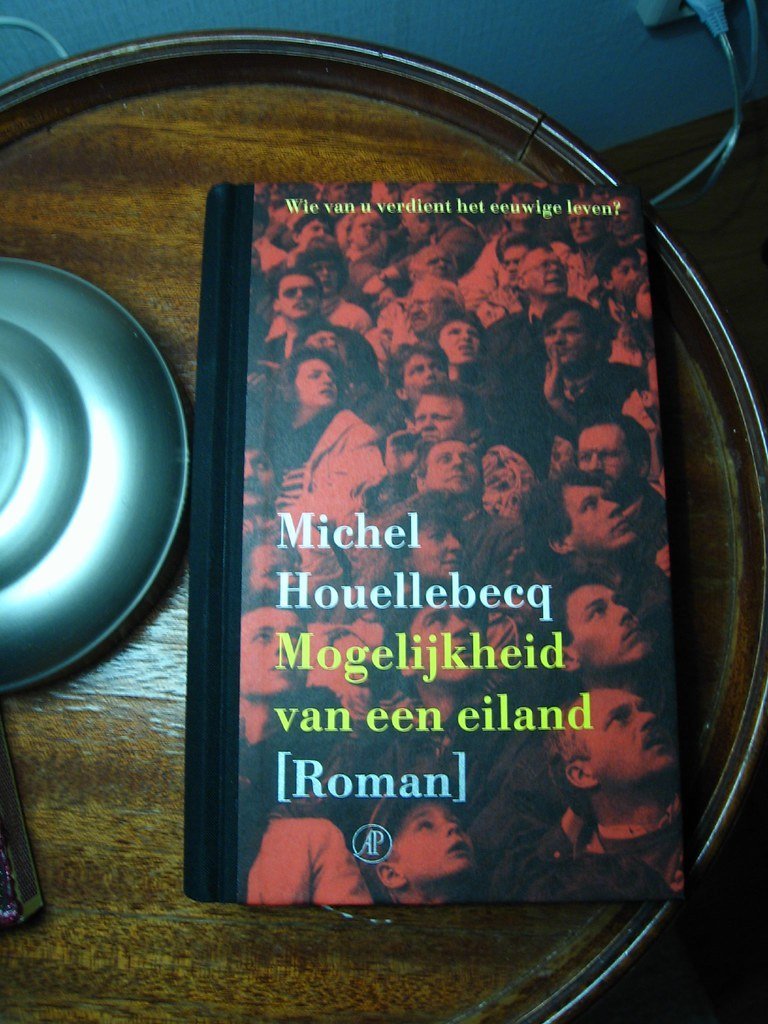
Michel Houellebecq has repeatedly sparked debate in France and beyond with novels that critique Islam, sexuality, and Western decline in blunt terms that some label provocative or offensive. His books have faced legal complaints and public condemnations, yet they often top bestseller lists. Readers either embrace the unflinching social commentary or reject it as cynical.
Houellebecq’s blend of philosophy and narrative has revived interest in the novel as a tool for cultural diagnosis. His career illustrates how controversy can amplify a writer’s reach while keeping core questions about society alive.
Philip Roth
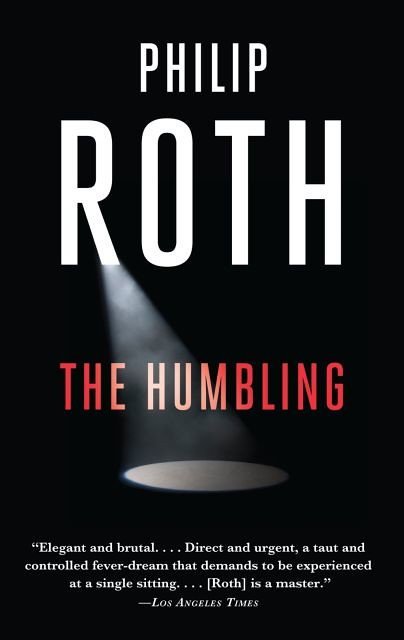
Philip Roth provoked strong responses throughout his career with explorations of Jewish identity, sexuality, and American politics that some community members found unflattering or stereotypical. Books like Portnoy’s Complaint drew accusations of self hatred, while later works tested boundaries around autobiography and fiction. Reactions often split along generational and cultural lines.
Roth’s command of voice and structure earned him major awards and inspired writers to blend personal history with invention. His body of work expanded the range of what serious fiction could examine without apology.
Jean Genet
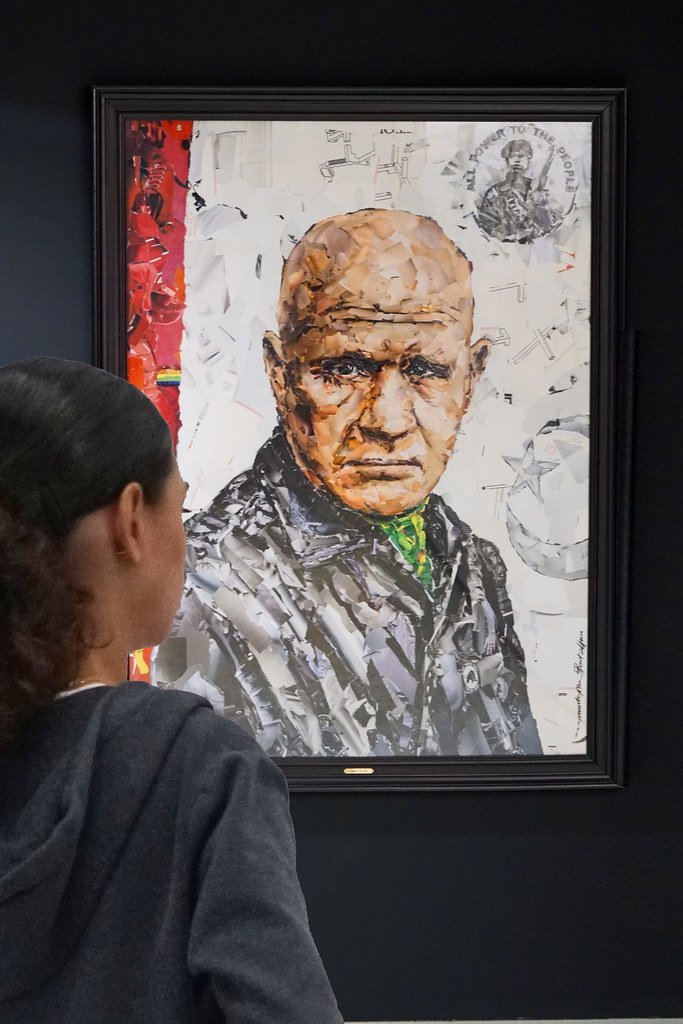
Jean Genet built his early reputation on novels and plays drawn from his experiences as a thief and prisoner, which authorities in postwar France viewed as glorifying crime and homosexuality. His works faced censorship and limited distribution until influential supporters helped secure their release. Public opinion ranged from moral outrage to fascination with his outsider perspective.
Genet’s lyrical style and themes of transgression influenced theater of the absurd and queer literature. His transformation from convict to celebrated author demonstrated literature’s power to reframe personal rebellion into lasting art.
Controversy has repeatedly forced literature to confront its own limits and society’s expectations. These writers show that pushing against boundaries often keeps stories relevant long after the initial uproar fades. Their examples suggest that discomfort can be the starting point for deeper reflection rather than the end of it.

Christian Wiedeck, all the way from Germany, loves music festivals, especially in the USA. His articles bring the excitement of these events to readers worldwide.
For any feedback please reach out to info@festivalinside.com
