

- Iconic Cultural Moments Are Not Planned; They Simply Erupt and Resonate. - August 31, 2026
- 10 Classic TV Commercials That Are More Memorable Than the Products They Sold - August 31, 2026
- The Echoes of Past Eras Resurface in Our Modern World in Surprising Ways. - August 30, 2026
Some books from the last century earned a lasting reputation for falling short in the eyes of many readers, even when they started with big ambitions or wide attention. Popularity alone did not shield them from sharp criticism over style, ideas, or execution. These selections draw from repeated reader feedback across forums and rating sites, where low scores and strong reactions piled up over time.
1. Mein Kampf by Adolf Hitler

Readers often point to the rambling structure and repetitive arguments as major flaws that make the book a chore to get through. The dense prose and lack of clear organization leave many feeling frustrated rather than enlightened by the content.
Its notoriety stems from the author’s later role in world events, which turned what might have been an obscure political tract into a document studied for its historical weight. Even decades later, the combination of poor writing and extreme views keeps it on lists of books people regret picking up.
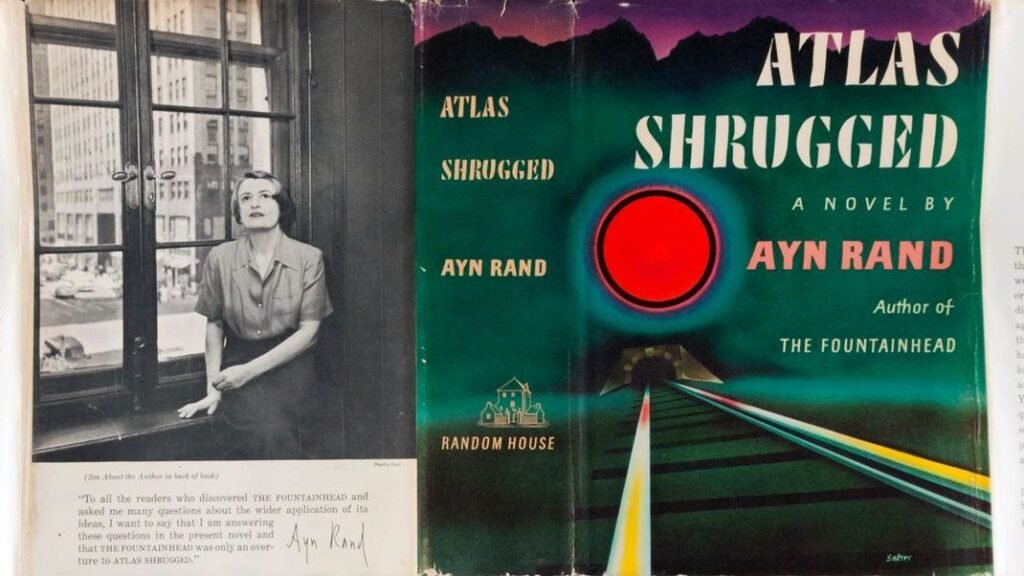
2. Atlas Shrugged by Ayn Rand
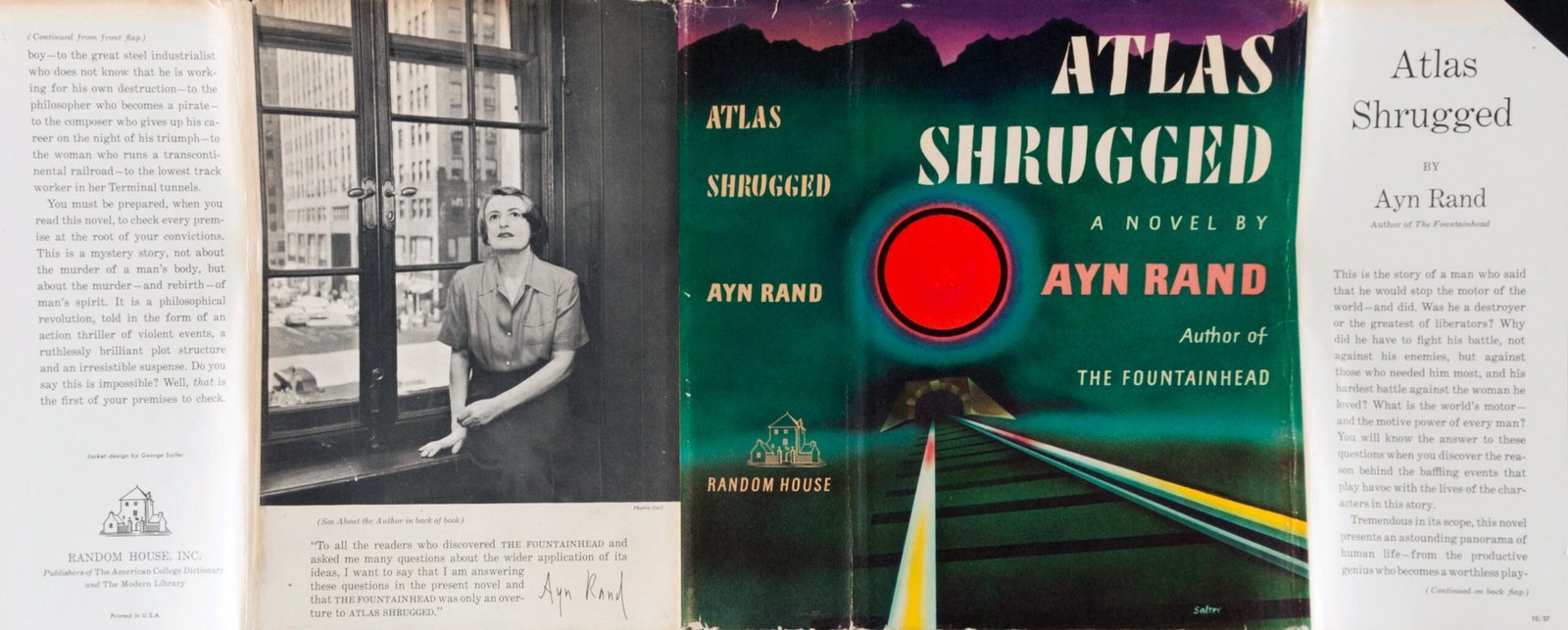
Many readers complain about the book’s extreme length and the way characters deliver long speeches that interrupt the story flow. The philosophy comes across as heavy-handed, with heroes who feel more like mouthpieces than real people.
Its reputation grew from the intense divide it created, where fans praised the ideas while others found the execution preachy and the plot stretched thin over hundreds of pages. The result is a title that still sparks debate whenever it appears in discussions of overrated works.
3. The Bridges of Madison County by Robert James Waller
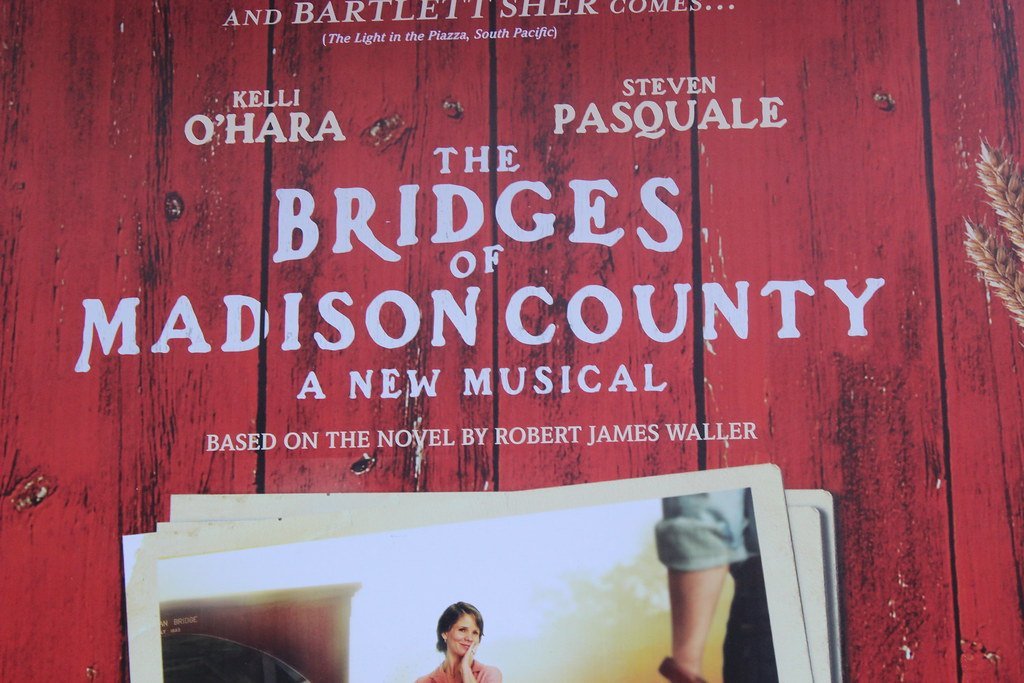
Critics among readers highlight the overly sentimental tone and the thin character development that fails to make the central romance believable. The writing style strikes many as flowery without substance, turning what could be a simple story into something that feels forced.
The book gained attention through massive sales and a popular film adaptation, yet that very success amplified the backlash from those who saw it as shallow emotional manipulation. Its place on worst lists reflects how widespread exposure can highlight perceived weaknesses for a broad audience.
4. The Eye of Argon by Jim Theis

Readers frequently cite the awkward phrasing, inconsistent grammar, and over-the-top fantasy elements that never quite land. The story tries for epic scope but ends up feeling like an amateur effort that never improves.
Its notoriety comes from its origins as a teenage fan submission that somehow found its way into print and then became a target for group readings where people laugh at the errors. The book endures as an example of how raw enthusiasm without polish can produce something memorable for all the wrong reasons.
5. Across the River and into the Trees by Ernest Hemingway

Many find the dialogue stiff and the pacing slow, with long stretches that feel like they go nowhere. The central romance comes across as unconvincing and the main character as unlikeable to a large number of readers.
Published late in the author’s career, the novel drew extra scrutiny because expectations were high after earlier successes. That contrast helped cement its spot among works that disappointed fans and critics alike.
6. The Lair of the White Worm by Bram Stoker
![6. The Lair of the White Worm by Bram Stoker (Original owned by the National Portrait Gallery, London[1], Public domain)](https://festivaltopia.com/wp-content/uploads/2026/05/1778152074183_1778152057683_bram_stoker1.jpeg)
Readers often note the disjointed plot and the strange mix of horror with elements that feel dated or confusing. The writing lacks the tension that made the author’s earlier work stand out, leaving the story feeling scattered.
Its reputation grew from being one of the final books by a well-known author, which invited comparisons that highlighted its shortcomings. Over time it became a curiosity that people read out of interest in the writer rather than the tale itself.
7. The Celestine Prophecy by James Redfield

Criticism centers on the simplistic ideas presented as profound insights and the flat characters who exist mainly to deliver lessons. The narrative structure feels more like a self-help manual than a novel, which turns off readers seeking actual storytelling.
The book achieved huge popularity through word of mouth in the 1990s, yet that success invited closer looks that revealed the thin plot and repetitive spiritual claims. Its lasting presence on low-rated lists shows how initial buzz can fade when substance does not match the hype.
8. Jonathan Livingston Seagull by Richard Bach

Readers point to the short length paired with an overly simplistic message that feels like it stretches thin across the pages. The anthropomorphic birds and their philosophical musings strike many as cute at first but ultimately shallow.
Its notoriety arose from massive sales and cultural impact in the early 1970s, which made the lightweight execution stand out even more once the initial enthusiasm cooled. The contrast between commercial triumph and literary complaints keeps it on reader-generated worst lists.
9. The Da Vinci Code by Dan Brown
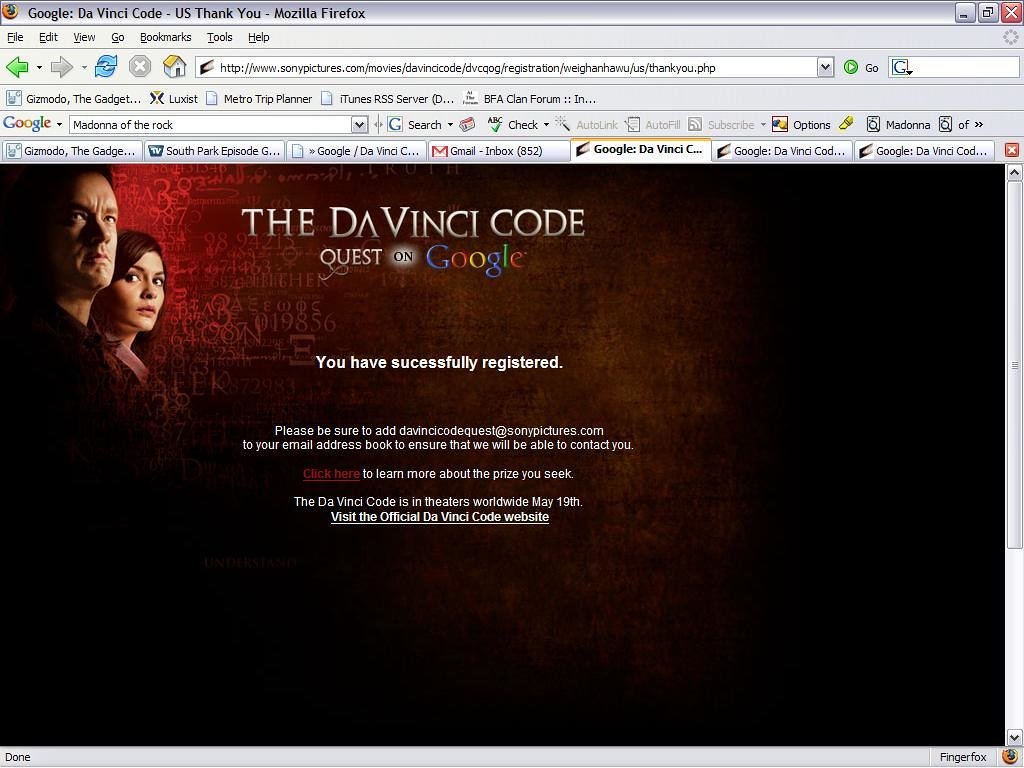
Many readers criticize the clunky prose, improbable plot twists, and historical inaccuracies that pile up throughout the story. The pacing rushes through action without giving characters much depth beyond their roles in the mystery.
The novel’s enormous sales and film version brought it to millions, which in turn magnified the complaints from those who felt the writing did not live up to the suspense promised on the cover. Its place in discussions of overhyped thrillers remains secure years later.
10. The Shack by William P. Young

Readers often mention the heavy-handed religious themes and the dialogue that feels stilted when characters discuss deep questions. The story’s emotional core gets buried under long explanatory passages that slow everything down.
Its notoriety built from grassroots popularity among certain audiences, yet that same reach exposed it to wider scrutiny where the writing and structure drew consistent pushback. The result is a title that continues to divide opinions long after its initial wave of attention.
Literature remains deeply personal, and what one reader dismisses as a failure another may find meaningful or even transformative. These titles earned their spots through repeated reader votes and comments rather than any single authority. In the end, the lists serve as reminders that taste evolves and no book escapes the possibility of being loved or left behind.

Besides founding Festivaltopia, Luca is the co founder of trib, an art and fashion collectiv you find on several regional events and online. Also he is part of the management board at HORiZONTE, a group travel provider in Germany.
