

- Iconic Cultural Moments Are Not Planned; They Simply Erupt and Resonate. - August 31, 2026
- 10 Classic TV Commercials That Are More Memorable Than the Products They Sold - August 31, 2026
- The Echoes of Past Eras Resurface in Our Modern World in Surprising Ways. - August 30, 2026
Many legendary authors lived lives filled with scandal, danger, obsession, or tragedy. Their personal experiences often shaped the stories they told, turning real events into timeless literature.
Edgar Allan Poe
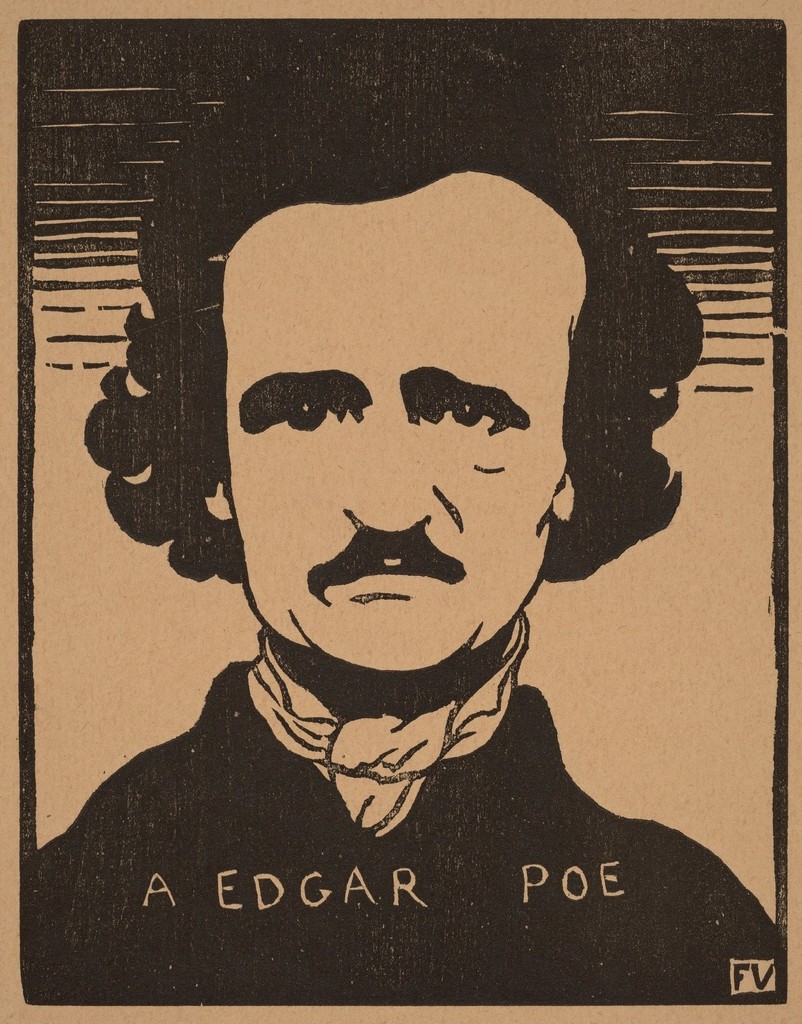
Edgar Allan Poe endured repeated losses of loved ones from a young age, including his mother and later his wife Virginia. These tragedies fueled his fascination with death and the macabre in tales like The Raven and The Tell Tale Heart. His own mysterious death in Baltimore at age forty still sparks debate among historians.
Readers today remain drawn to Poe because his gothic style mirrors the darkness he faced in reality. His life shows how personal grief can birth enduring literary innovation. The blend of fact and fiction in his biography keeps scholars and fans revisiting his work across generations.
Mary Shelley
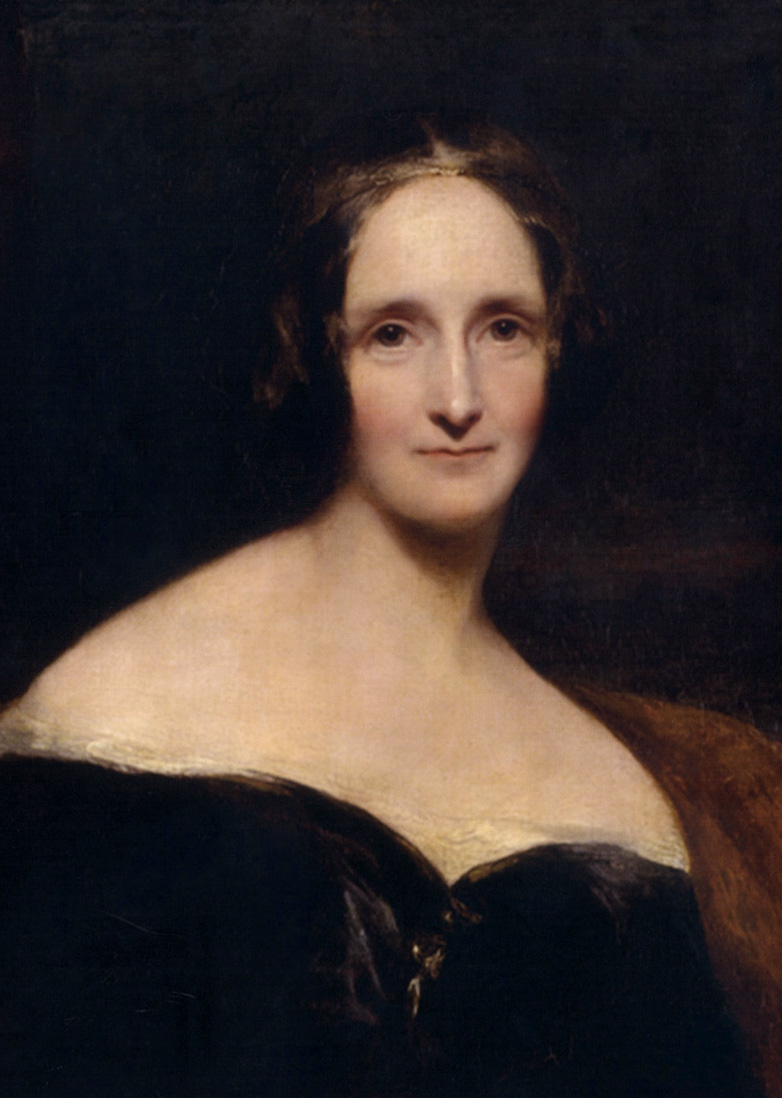
Mary Shelley eloped with Percy Shelley at seventeen and faced the deaths of several children in quick succession. A vivid nightmare during a stormy summer in Switzerland inspired her to write Frankenstein. The novel explored themes of creation and abandonment that echoed her own turbulent family life.
Her story continues to captivate because it blends intellectual brilliance with profound personal loss. Shelley proved that young women could craft groundbreaking science fiction amid chaos. Modern audiences see her as a pioneer whose real struggles gave depth to one of literature’s most iconic monsters.
Lord Byron
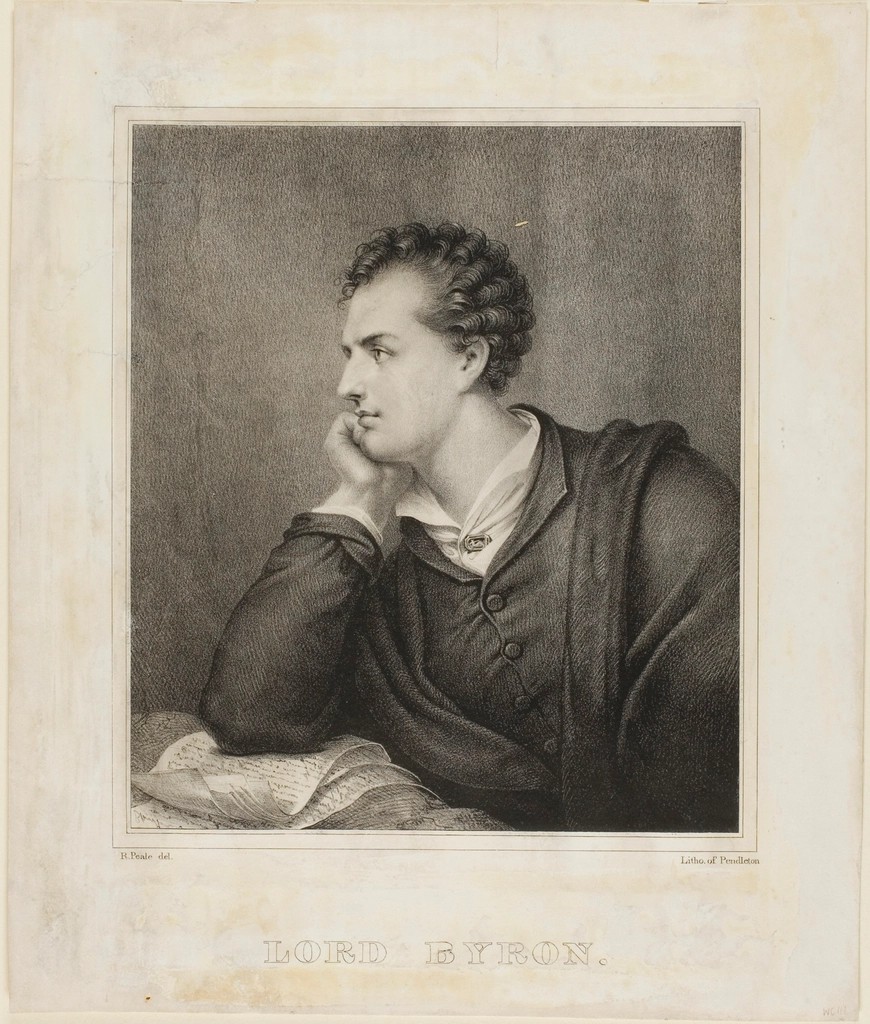
Lord Byron lived a life of scandalous affairs and political exile after rumors of an incestuous relationship with his half sister. He fought for Greek independence and died from fever during the campaign. These adventures colored his poetry with themes of rebellion and doomed heroism.
Byron’s dramatic existence still fascinates because it embodied the romantic ideal he wrote about. His letters and exploits reveal a man who turned personal excess into artistic fuel. People admire how his real world risks produced verses that defined an entire literary movement.
Oscar Wilde
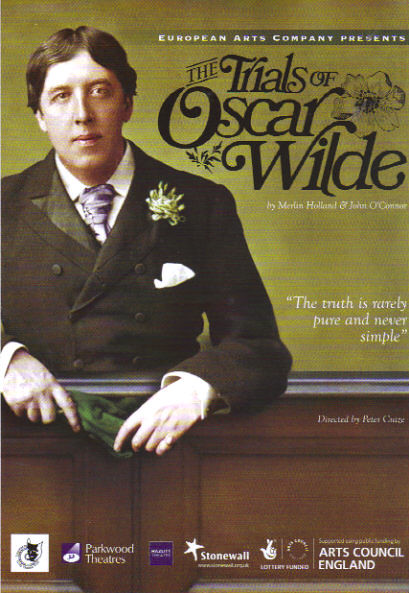
Oscar Wilde endured a sensational trial and two years of hard labor in prison after his relationship with Lord Alfred Douglas became public. The experience broke his health yet inspired The Ballad of Reading Gaol. His earlier wit in The Picture of Dorian Gray took on new layers of irony after his fall.
Wilde’s life draws ongoing interest because it highlights the clash between artistic freedom and Victorian morality. His imprisonment transformed personal suffering into poignant social commentary. Audiences today value how his real disgrace added lasting resonance to his comedies and essays.
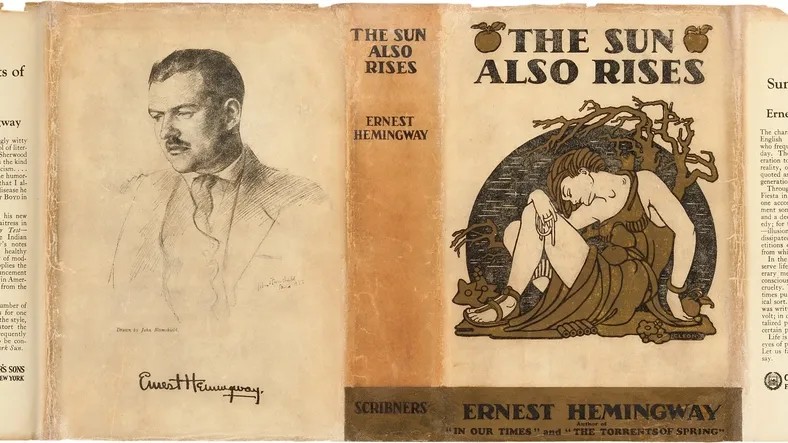
Ernest Hemingway
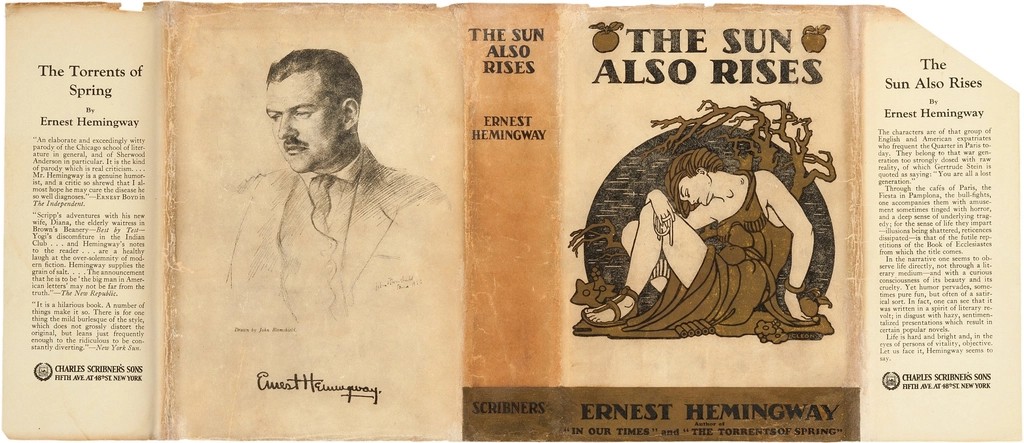
Ernest Hemingway survived multiple wars as a correspondent and suffered severe injuries that left lasting physical pain. Family suicides and his own struggles with depression marked his later years before he took his life in 1961. These events infused his sparse prose with themes of courage and quiet despair.
His adventurous biography continues to intrigue readers who see the man behind the macho persona. Hemingway showed how real danger could sharpen a writer’s eye for detail. The contrast between his public image and private torment keeps his novels relevant in discussions of masculinity and trauma.
Virginia Woolf
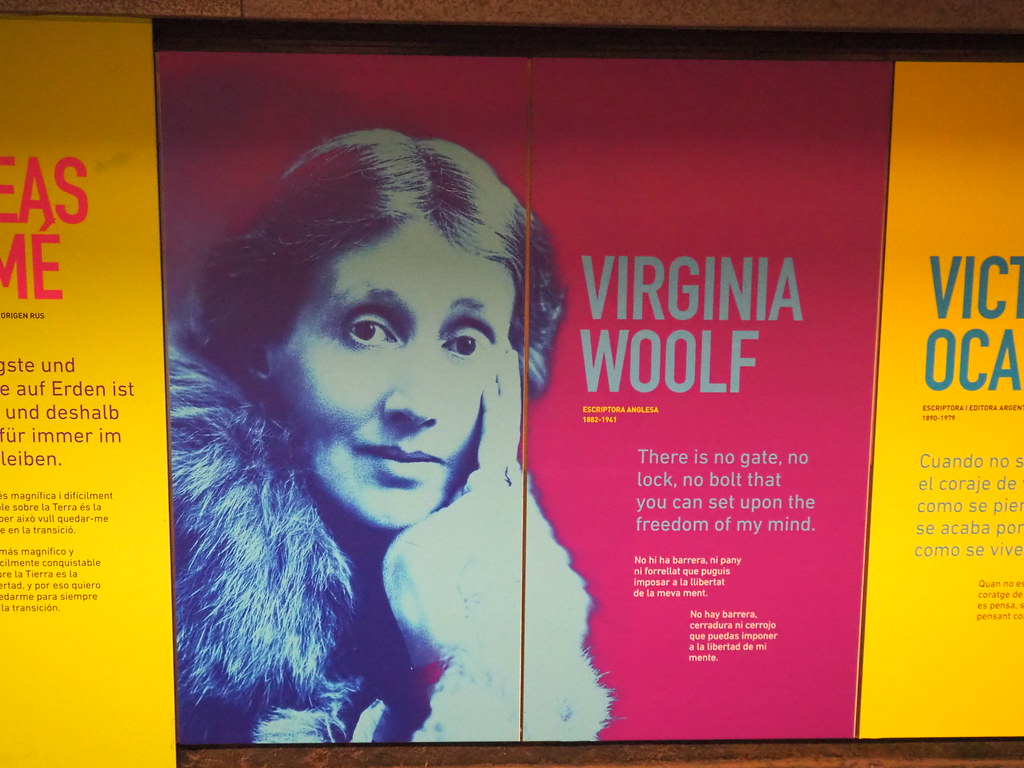
Virginia Woolf battled lifelong mental illness and endured the loss of her mother at a young age. She drowned herself in the River Ouse during World War II after completing her final novel. Her stream of consciousness technique in Mrs Dalloway reflected the inner turmoil she navigated daily.
Woolf’s story fascinates modern readers because it reveals the cost of creative genius amid societal constraints on women. Her diaries offer raw insight into how personal fragility shaped experimental fiction. People return to her work to understand resilience in the face of overwhelming inner conflict.
Sylvia Plath
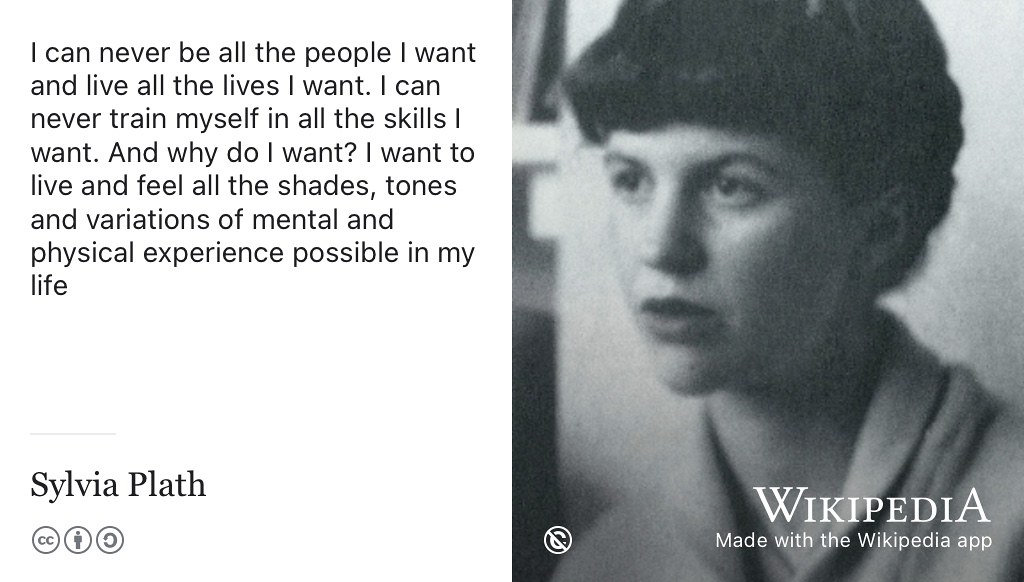
Sylvia Plath struggled with severe depression and attempted suicide multiple times before succeeding at age thirty. Her marriage to Ted Hughes and the birth of her children coincided with her most intense creative period. The Bell Jar drew directly from her own experiences in a mental institution.
Plath’s life still resonates because it captures the raw intersection of ambition, motherhood, and mental health. Her confessional poetry turned private pain into universal art. Readers find her story compelling as a testament to how personal tragedy can produce unflinching literary honesty.
Hunter S Thompson
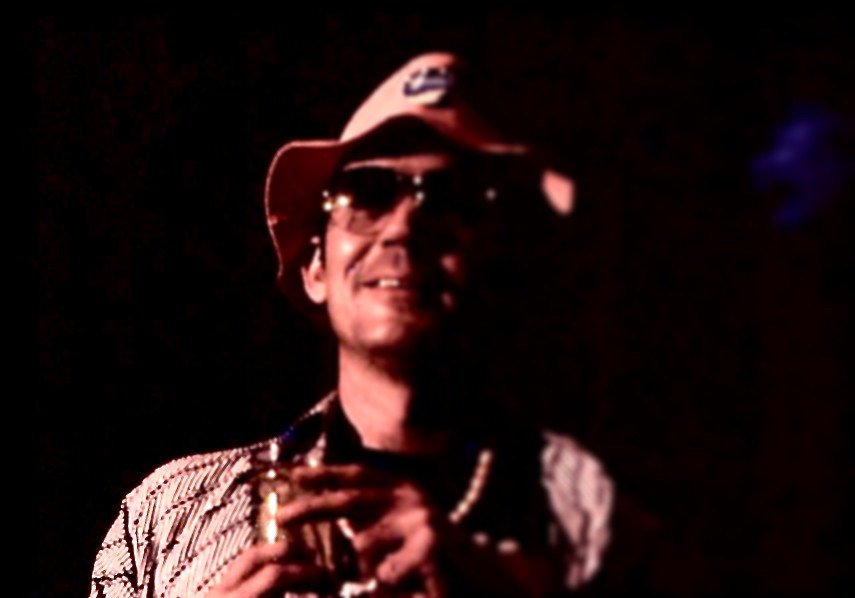
Hunter S Thompson pioneered gonzo journalism by embedding himself in wild events like the Hells Angels motorcycle gang. Heavy drug use and a volatile lifestyle defined his later decades until his suicide in 2005. Fear and Loathing in Las Vegas captured the chaos he lived through in real time.
Thompson’s biography attracts fans because it blurred the line between reporter and participant like no other. His real escapades gave authenticity to his satirical voice. Today his life symbolizes the rebellious spirit that challenged conventional journalism and storytelling.
Truman Capote
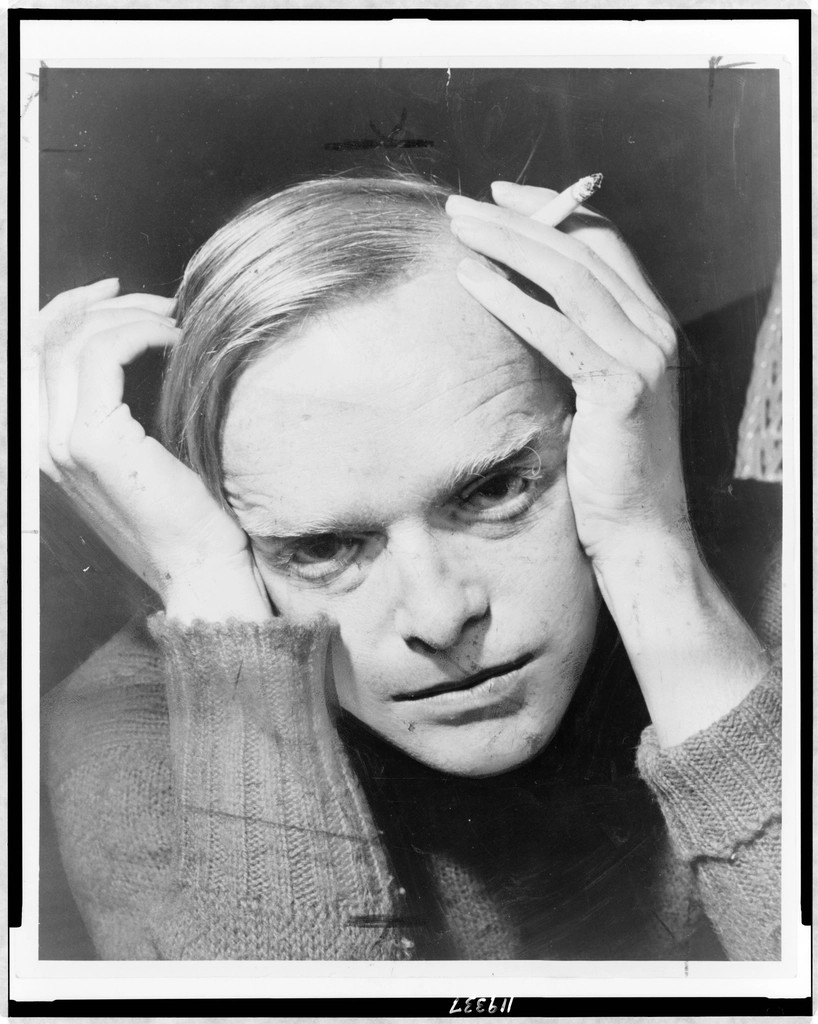
Truman Capote spent years researching the Clutter family murders for In Cold Blood while befriending the killers. His high society friendships and eventual social exile after publishing excerpts from Answered Prayers marked his later life. The book blended factual reporting with novelistic techniques born from his immersion.
Capote’s story continues to hold attention because it shows the ethical tightrope of true crime writing. His real access to criminals added chilling depth to his narrative. Audiences appreciate how his personal ambition and downfall enriched one of nonfiction’s landmark works.
William S Burroughs
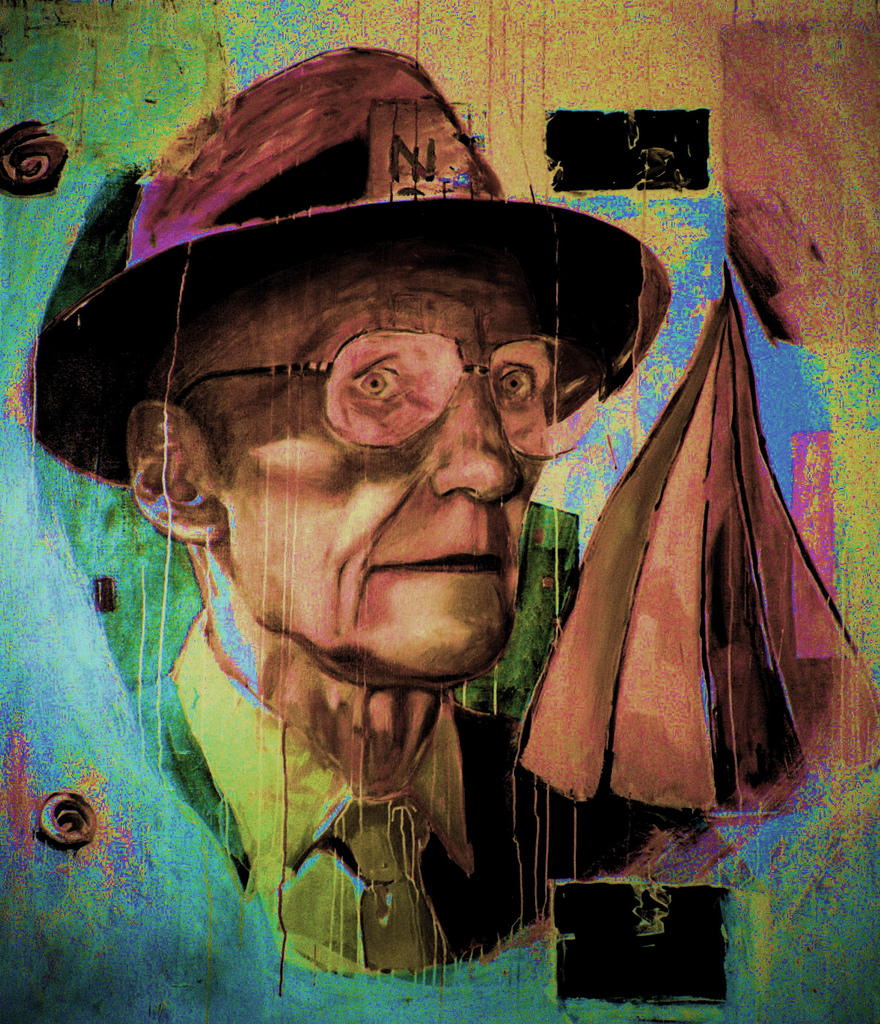
William S Burroughs accidentally shot and killed his wife Joan during a drunken game in Mexico City. Decades of heroin addiction and travels through South America shaped his cut up writing style in Naked Lunch. The event haunted his experimental prose for the rest of his career.
Burroughs fascinates readers today because his life embodied the counterculture he chronicled. His real brushes with the law and addiction lent raw credibility to his surreal narratives. People study his biography to see how personal catastrophe fueled literary innovation.
Jack London
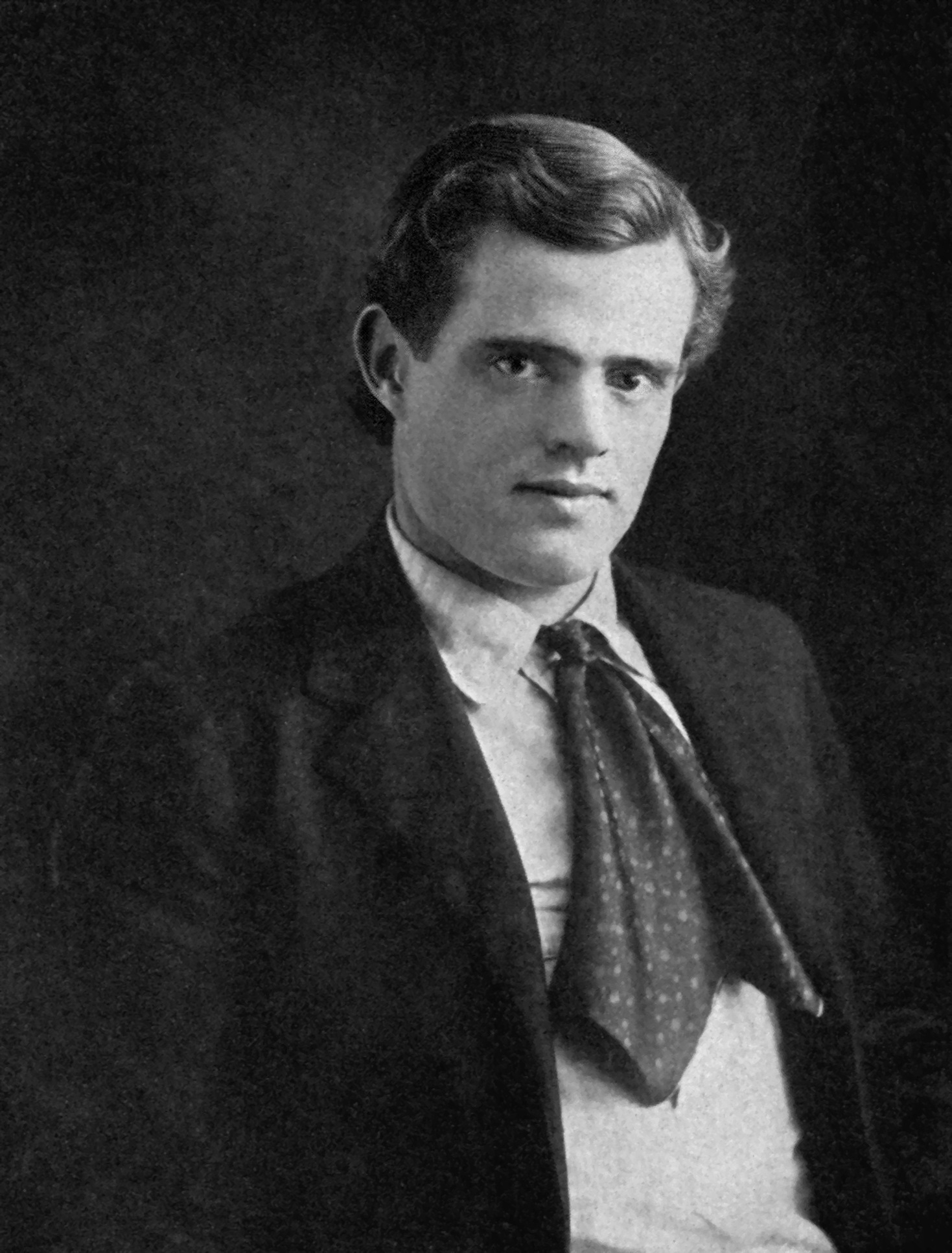
Jack London worked as a sailor, gold prospector, and war correspondent before achieving fame. He faced poverty and health issues from his rough early years that informed The Call of the Wild. Multiple failed marriages and financial pressures added layers of realism to his adventure tales.
London’s life draws interest because it mirrors the rugged individualism he celebrated in fiction. His real hardships gave authenticity to stories of survival and nature. Modern readers value how his biography illustrates the link between lived experience and compelling narrative.
Agatha Christie
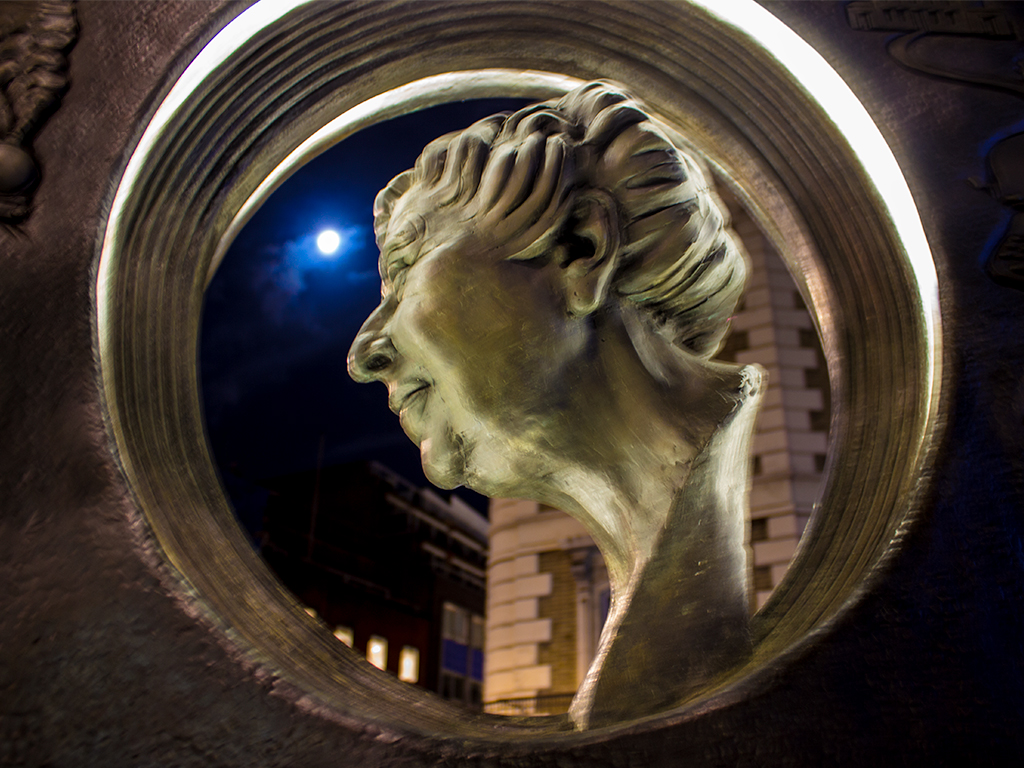
Agatha Christie vanished for eleven days in 1926 after her husband asked for a divorce, sparking a nationwide search. She later claimed amnesia though theories persist about the episode. The mystery influenced her later detective plots that often featured hidden motives and disappearances.
Christie’s real life enigma still captivates because it adds intrigue to her queen of crime persona. Her disappearance showed how personal turmoil could inspire plot twists. Fans enjoy connecting the dots between her biography and the clever puzzles she created.
Charles Dickens
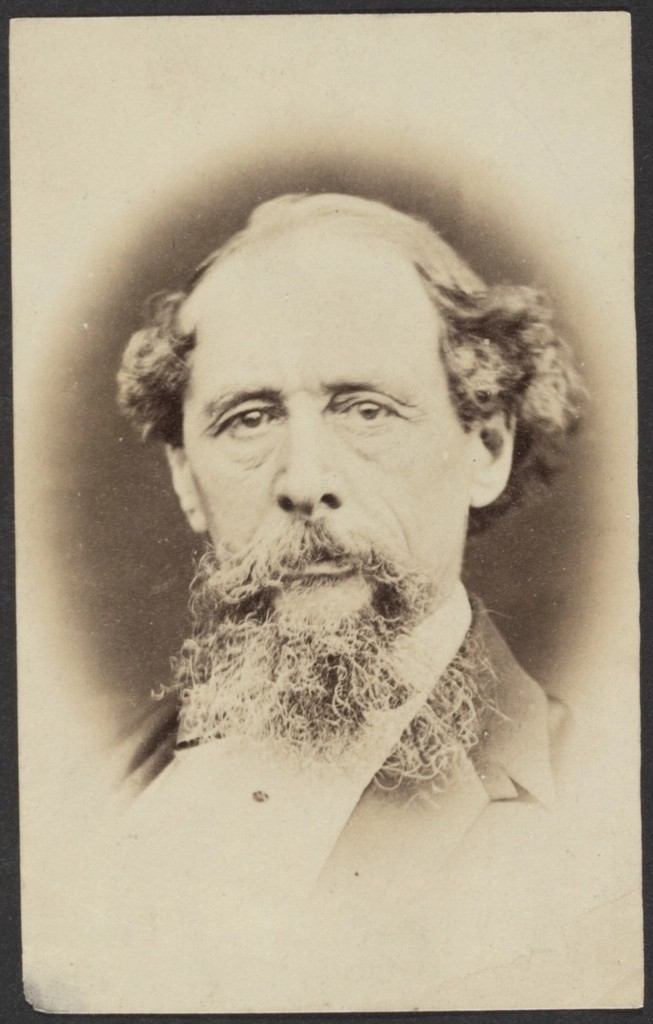
Charles Dickens endured a childhood in a workhouse after his father was imprisoned for debt. This experience fueled his lifelong advocacy for the poor in novels like Oliver Twist. His secret affair and large family added complexity to his public image as a moral storyteller.
Dickens’s story remains compelling because it reveals how early hardship shaped his social conscience. His real activism gave weight to the vivid characters he invented. Readers today see his life as proof that personal adversity can drive powerful literary reform.
Fyodor Dostoevsky
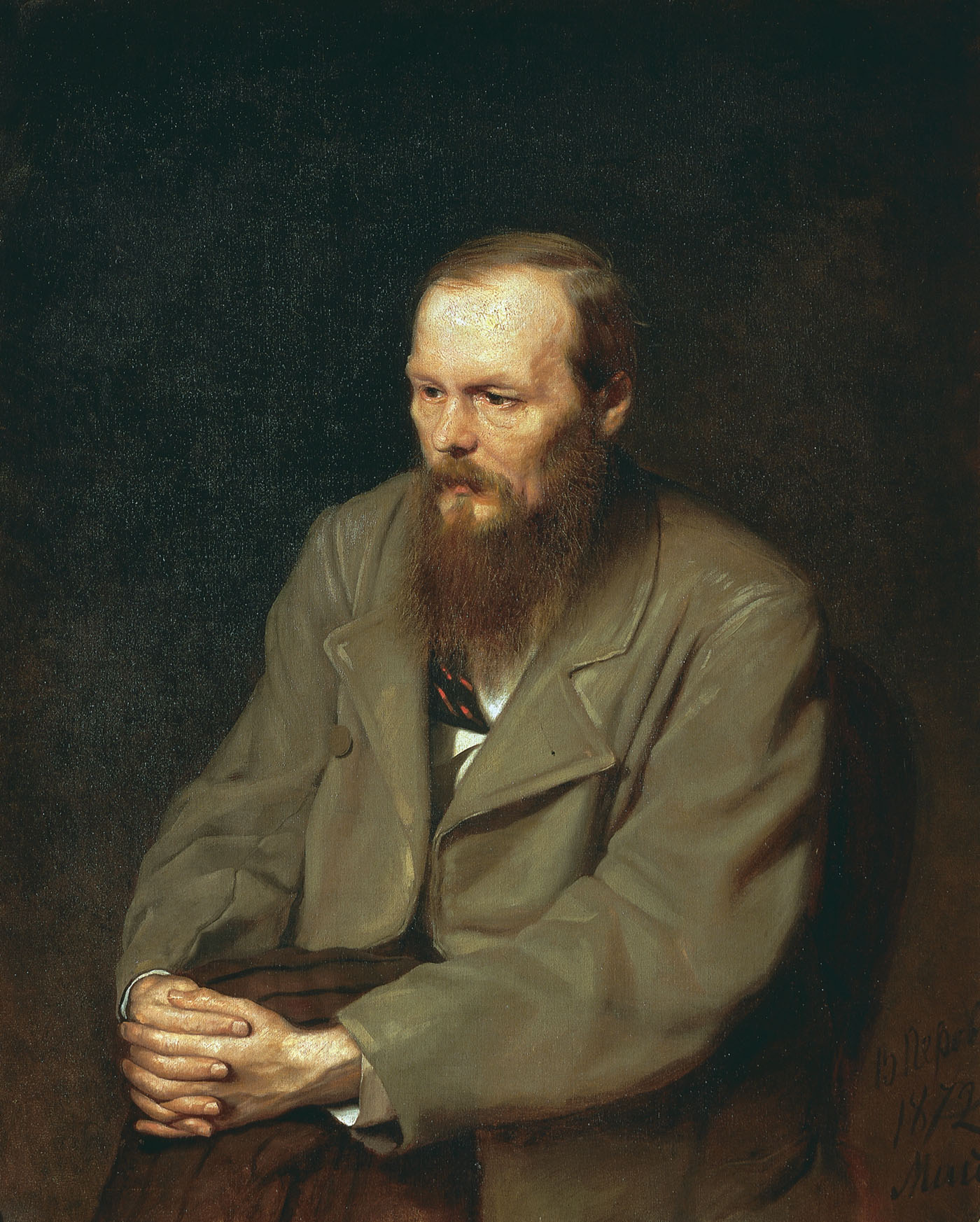
Fyodor Dostoevsky faced a mock execution and years in Siberian prison for political activities. Gambling addiction later threatened his finances and family stability. These ordeals deepened the psychological intensity in Crime and Punishment and The Brothers Karamazov.
Dostoevsky continues to intrigue because his life tested the limits of human endurance and redemption. His real suffering informed profound explorations of faith and morality. Audiences return to his work to understand how personal trials produced some of literature’s deepest insights.
Franz Kafka
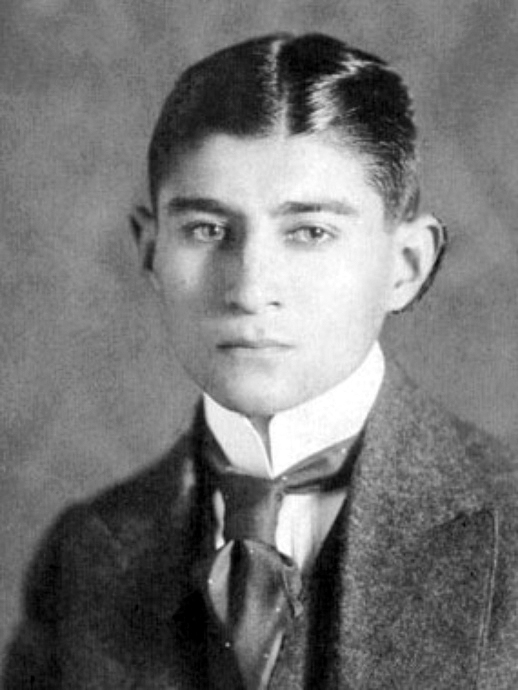
Franz Kafka maintained a strained relationship with his domineering father while battling tuberculosis that cut his life short at forty. He instructed his friend to burn his unpublished manuscripts after death. The Trial and The Metamorphosis reflect the alienation and bureaucratic nightmares he experienced daily.
Kafka’s biography fascinates modern readers because it captures the absurdity of ordinary existence. His real anxieties gave timeless power to themes of isolation and authority. People appreciate how his private struggles produced fiction that resonates across cultures and eras.
Reality has always supplied the raw material for great literature, turning ordinary struggles into stories that outlast their creators. These authors remind us that the most compelling narratives often begin with lived experience rather than pure invention. Their lives continue to inspire because they prove that truth can be stranger and more moving than anything imagined on the page.

Besides founding Festivaltopia, Luca is the co founder of trib, an art and fashion collectiv you find on several regional events and online. Also he is part of the management board at HORiZONTE, a group travel provider in Germany.
