

- The Golden Age of Ringtones: How Artists Cashed In and Built Careers in the 2000s - September 21, 2026
- How Pop Song Lengths Have Changed Over the Last Century – And Why - September 21, 2026
- 10 Movie Scenes That Weren’t in the Script - September 21, 2026
Many famous writers lived through periods of intense personal turmoil that went far beyond the pages they produced. Their experiences with loss, exile, obsession, and public scandal often shaped the stories they told, yet those same events sometimes overshadowed the books themselves.
These lives continue to draw attention because they reveal how real events can fuel creative work in unexpected ways.
Edgar Allan Poe
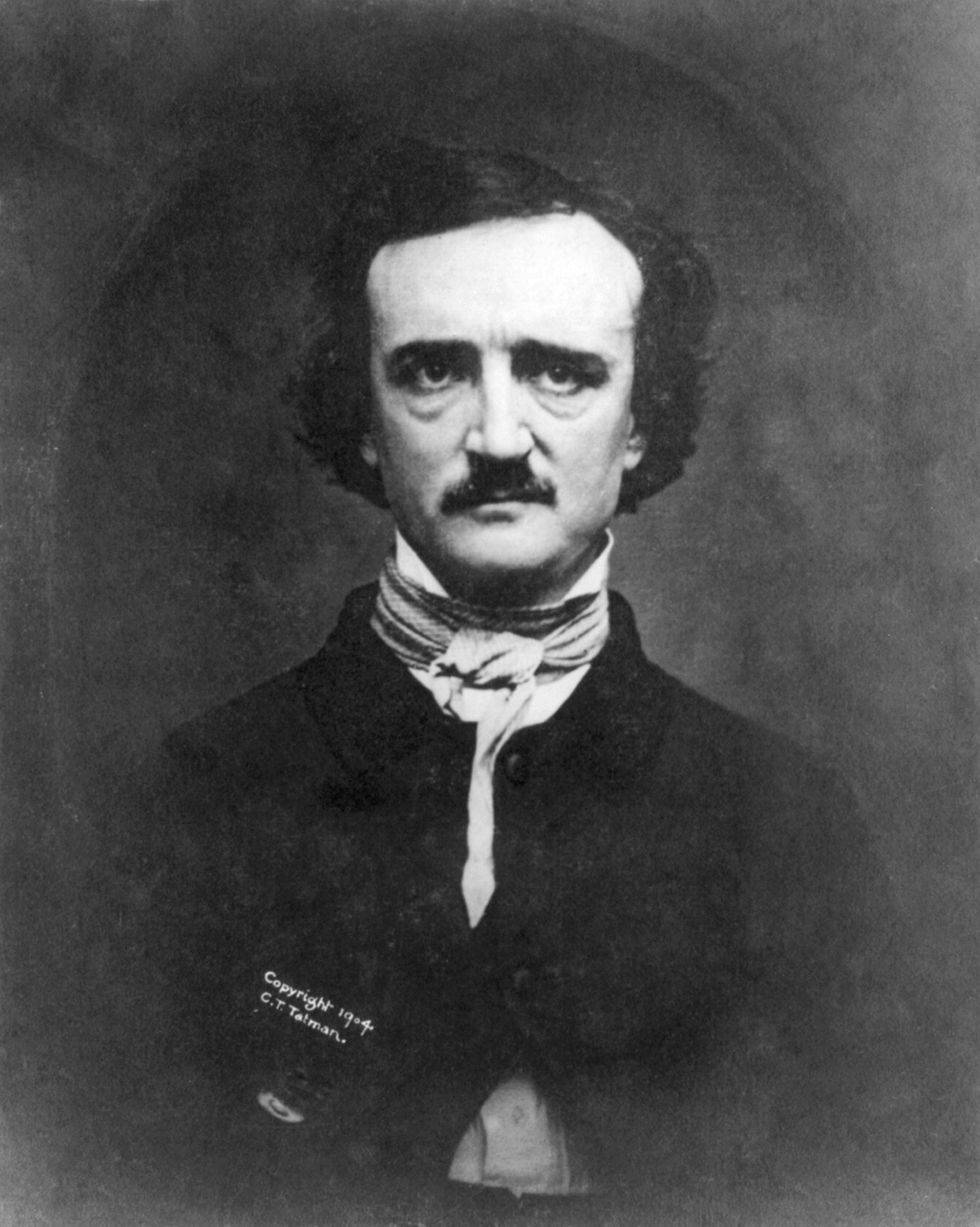
Edgar Allan Poe lost both parents by age three and later watched his young wife suffer from tuberculosis until her death. He struggled with poverty and alcohol throughout his career while working as an editor and critic. These hardships fed directly into his gothic tales and poems, where themes of premature burial, madness, and grief appear repeatedly.
His mysterious death in Baltimore at age forty still sparks debate among historians. Readers today remain drawn to Poe because his personal darkness mirrors the eerie atmosphere of his fiction, making his biography feel like an extension of his own stories.
Oscar Wilde
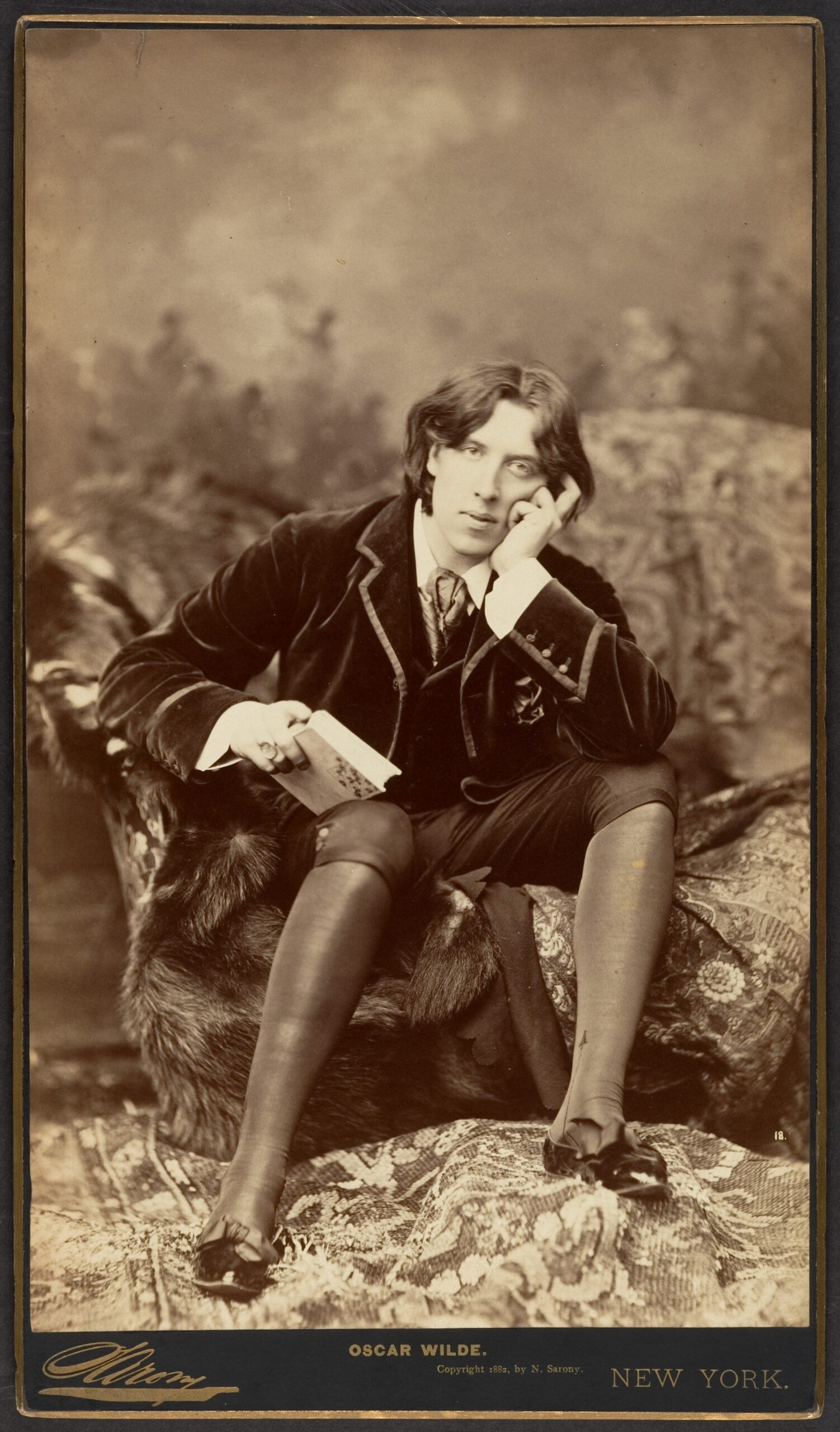
Oscar Wilde rose to fame with sparkling comedies and essays before a public trial for gross indecency led to two years of hard labor in prison. The experience broke his health and ended his writing career in England. Prison life and the social hypocrisy he faced appear in his later works, especially the long poem The Ballad of Reading Gaol.
His fall from celebrity to outcast still fascinates modern audiences. Wilde’s story highlights the clash between artistic freedom and Victorian morality, keeping his life as compelling as any of his plays.
Lord Byron
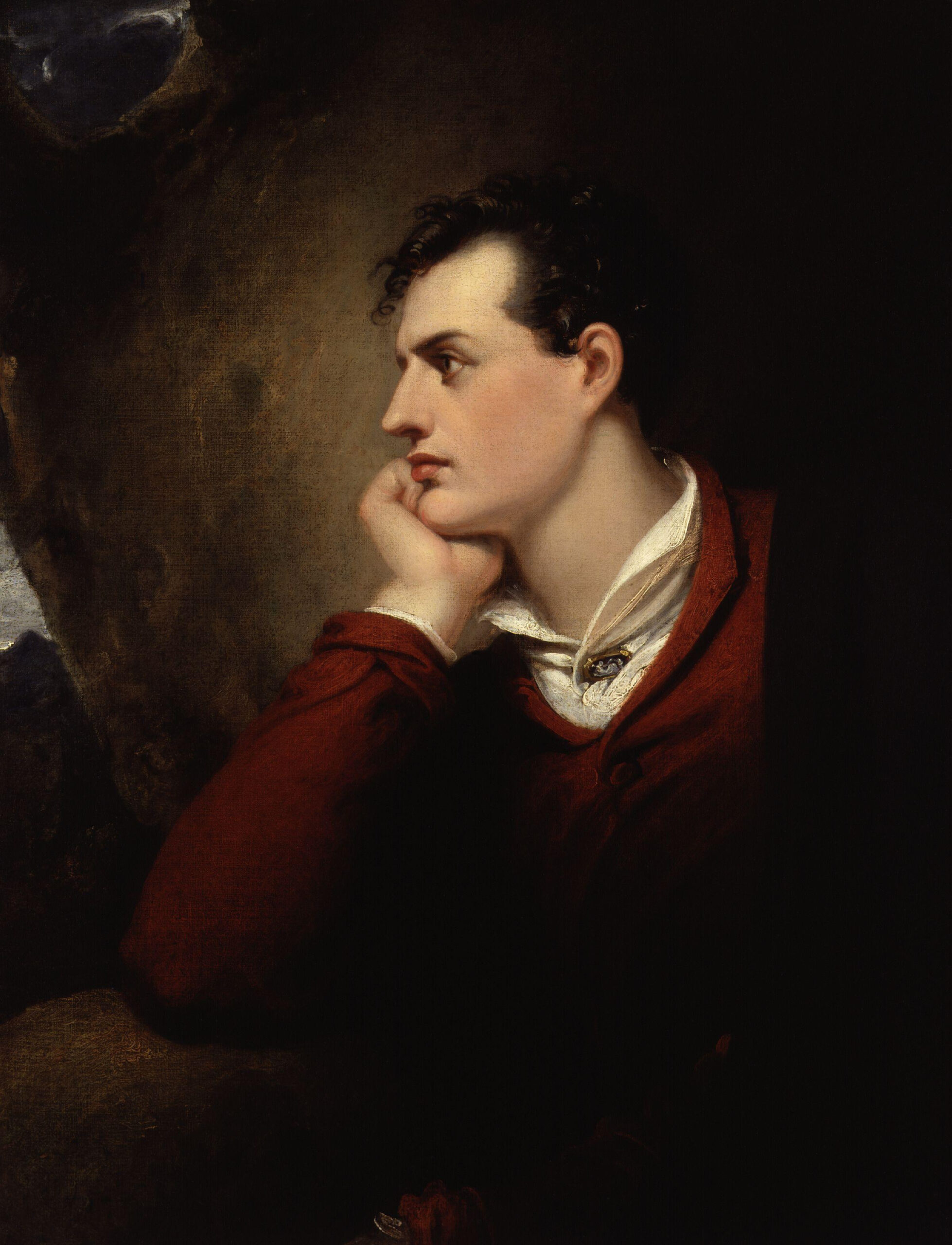
Lord Byron fled England amid rumors of an affair with his half-sister and mounting debts. He traveled through Europe, joined the Greek fight for independence, and died of fever at age thirty-six. His restless travels and romantic entanglements supplied the brooding, defiant heroes found in poems like Childe Harold’s Pilgrimage and Don Juan.
Byron’s combination of aristocratic privilege and self-destructive behavior created a legend that outlasted his verse. Contemporary readers still admire how his personal rebellion helped define the Romantic era.
Mary Shelley
![Mary Shelley ([1], Public domain)](https://festivaltopia.com/wp-content/uploads/2026/05/1778499467830_1778499456805_mary_shelley.jpeg)
Mary Shelley eloped with Percy Shelley at seventeen and endured the deaths of three children in quick succession. A nightmare during a stormy summer in Switzerland inspired her to write Frankenstein. The novel’s themes of creation, abandonment, and monstrous consequences reflect her own grief and scientific curiosity of the time.
Her life of intellectual circles and repeated loss adds depth to the book’s enduring appeal. Today her story resonates because it shows how personal tragedy can produce one of literature’s most lasting cautionary tales.
Ernest Hemingway
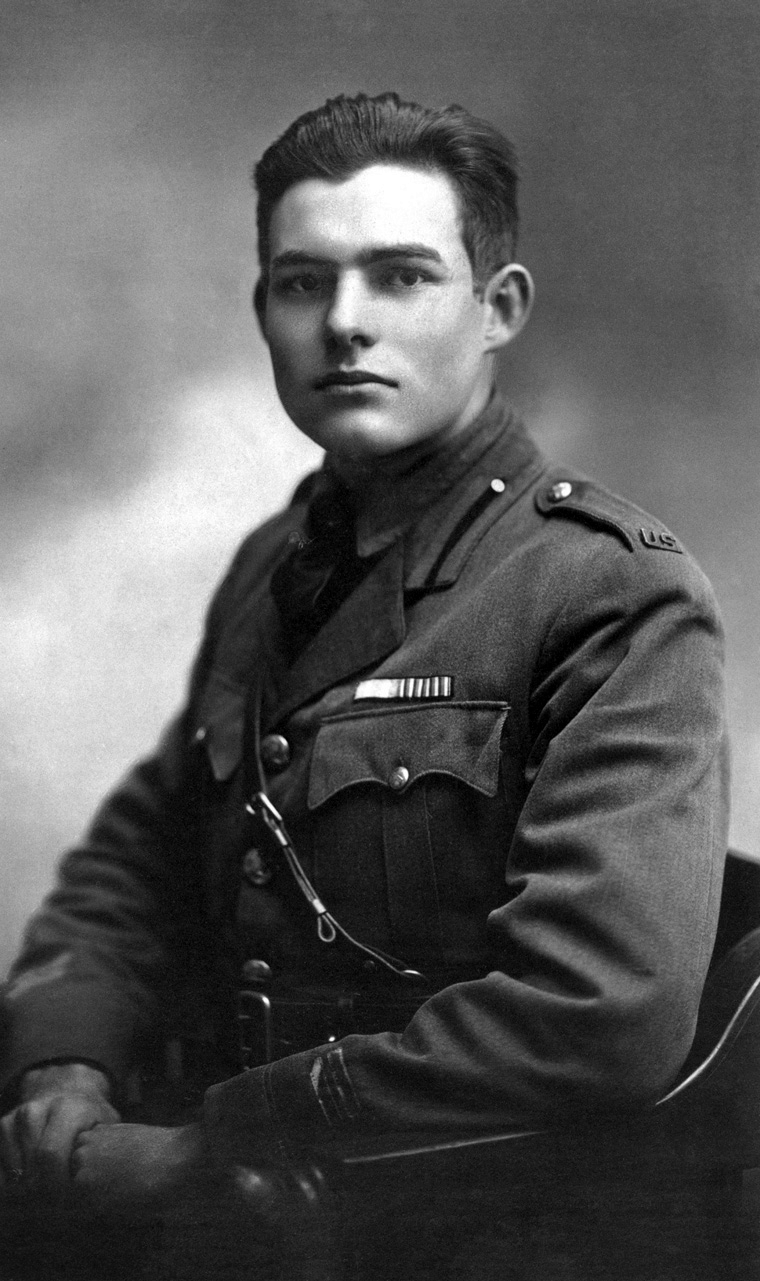
Ernest Hemingway was wounded while driving an ambulance in World War I and later covered several other conflicts as a journalist. He married four times, battled alcoholism, and eventually took his own life. These experiences surface in his spare prose style and recurring subjects of courage under pressure and quiet despair.
Hemingway’s public image as a rugged adventurer contrasts with his private struggles. Readers continue to study his biography to understand how war and personal pain shaped his minimalist approach to storytelling.
F. Scott Fitzgerald
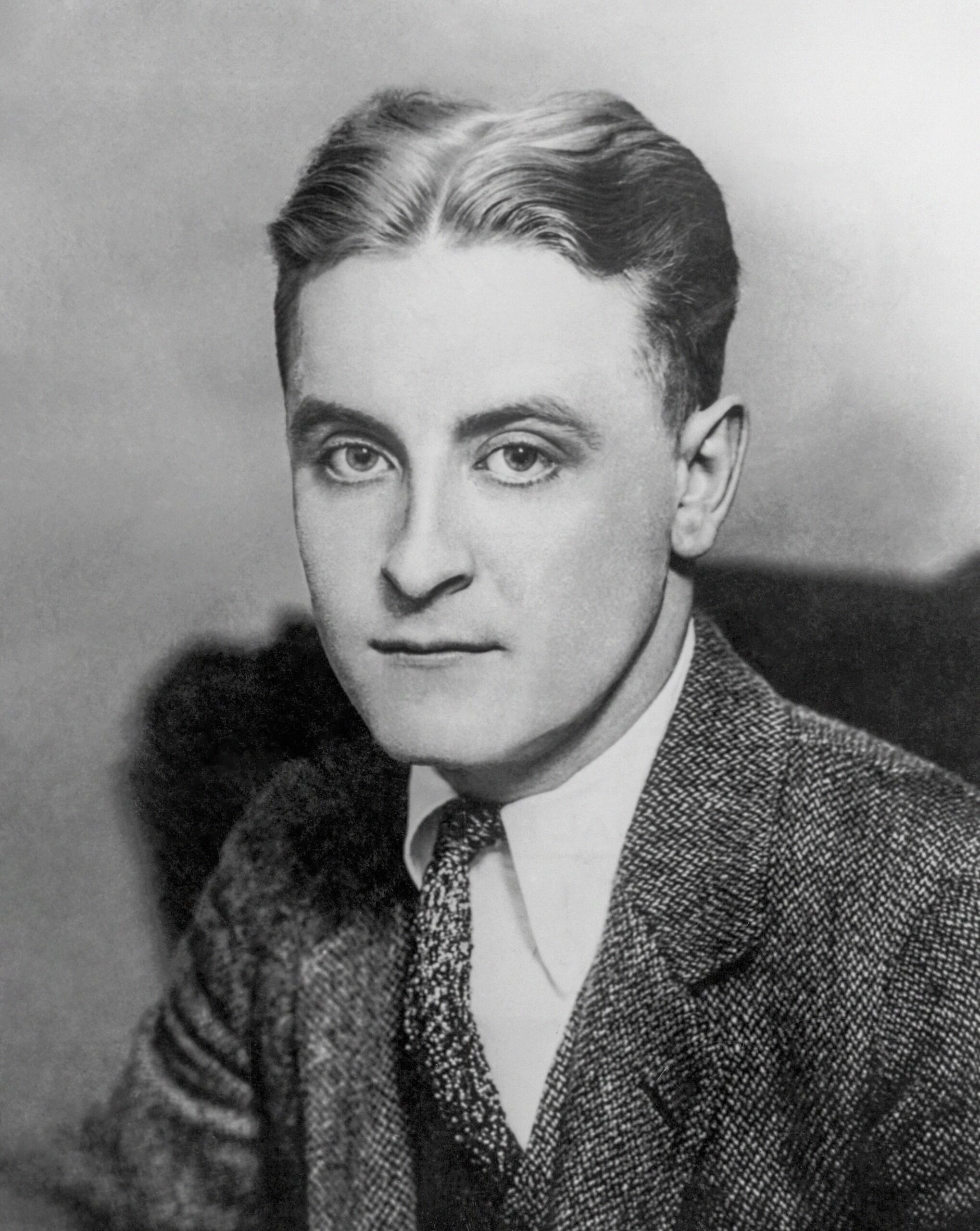
F. Scott Fitzgerald and his wife Zelda lived lavishly during the Jazz Age before her mental health declined and required repeated institutional care. Financial troubles and heavy drinking followed. The glamour and eventual collapse of that era appear throughout The Great Gatsby and Tender Is the Night.
His portrayal of ambition and disillusionment draws from direct observation. Modern audiences find his life compelling because it captures both the excitement and the cost of chasing the American dream in real time.
Virginia Woolf
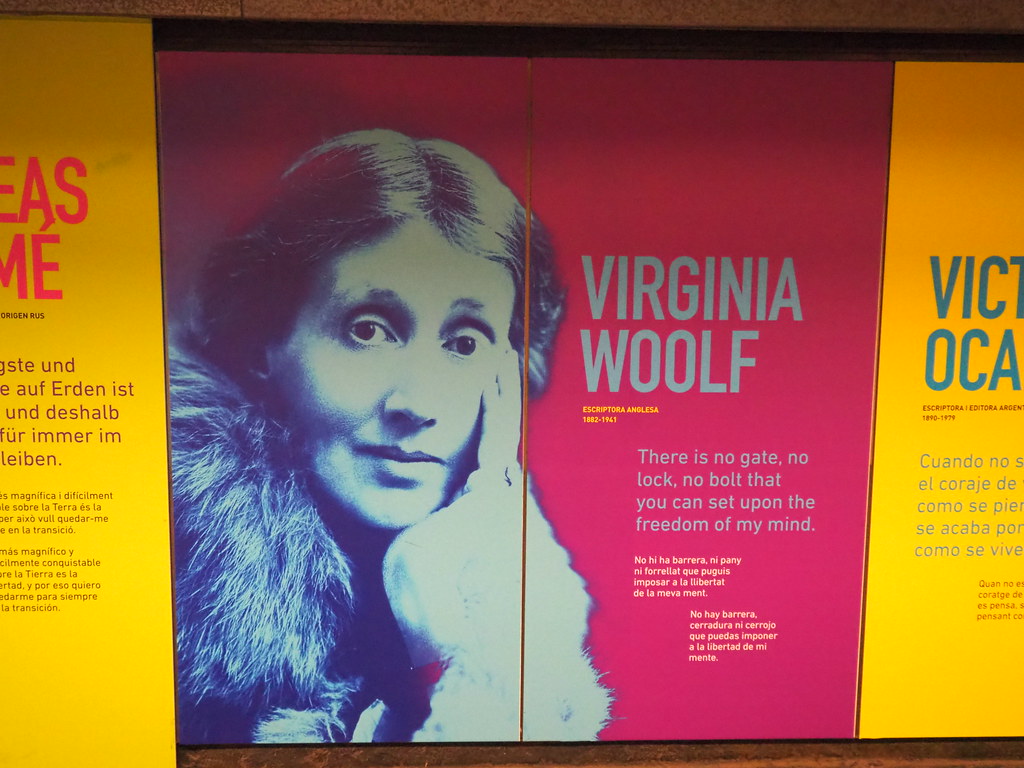
Virginia Woolf endured lifelong mental health episodes that included hallucinations and deep depressions. She and her husband Leonard ran the Hogarth Press while she produced novels that experimented with stream of consciousness. Her final walk into the River Ouse came after another breakdown.
The tension between her creative output and inner turmoil appears in works like Mrs. Dalloway and To the Lighthouse. Her life remains fascinating because it illustrates the thin line between artistic brilliance and psychological fragility.
Franz Kafka
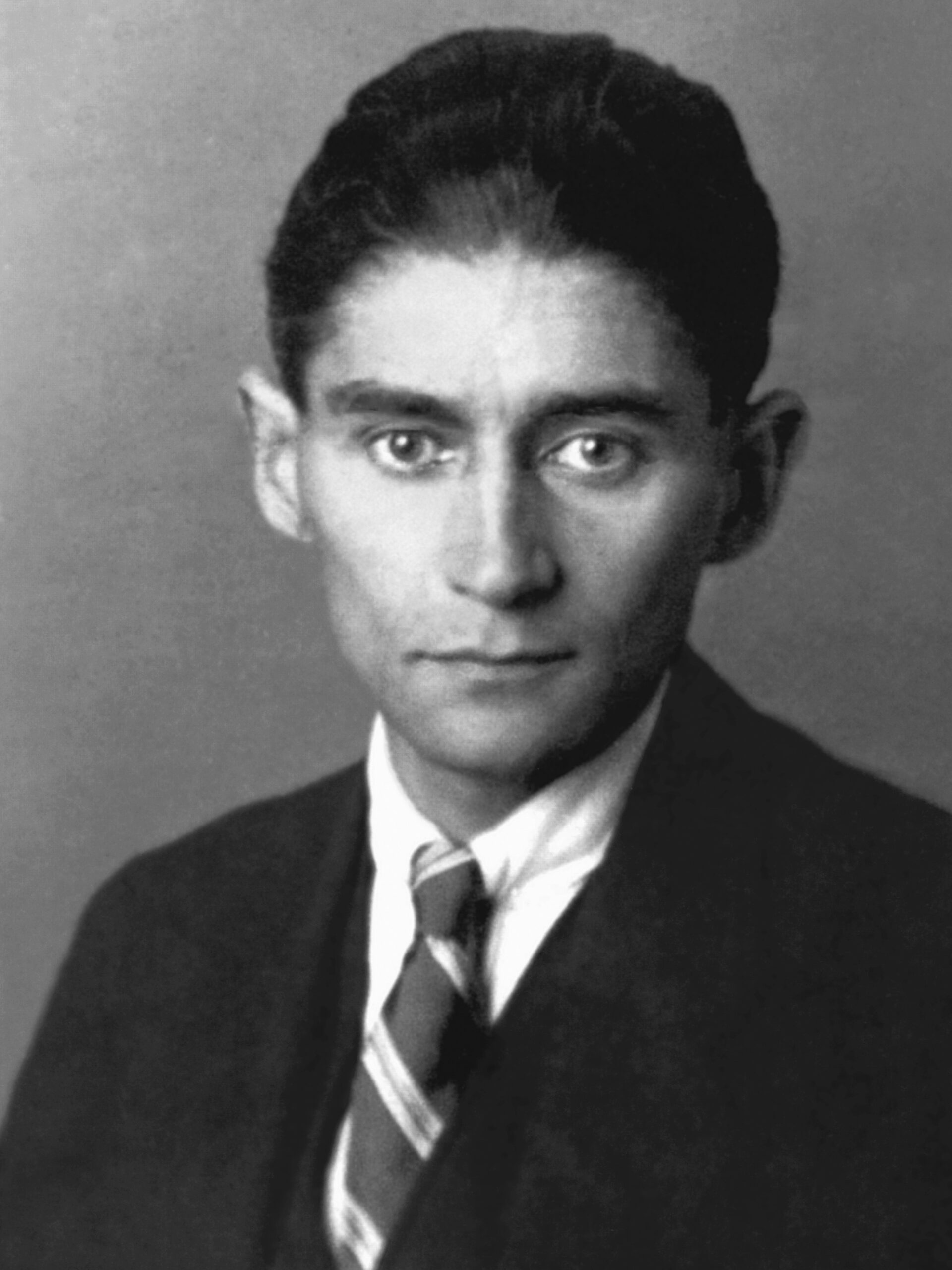
Franz Kafka worked as an insurance clerk while writing at night and clashed repeatedly with his domineering father. He suffered from tuberculosis that eventually killed him at age forty. The bureaucratic nightmares and feelings of alienation in The Trial and The Castle echo his own professional frustrations and family conflicts.
Kafka asked that his unpublished manuscripts be burned, yet they survived. His story continues to intrigue readers because it shows how an ordinary office life can generate literature that feels universally unsettling.
Sylvia Plath
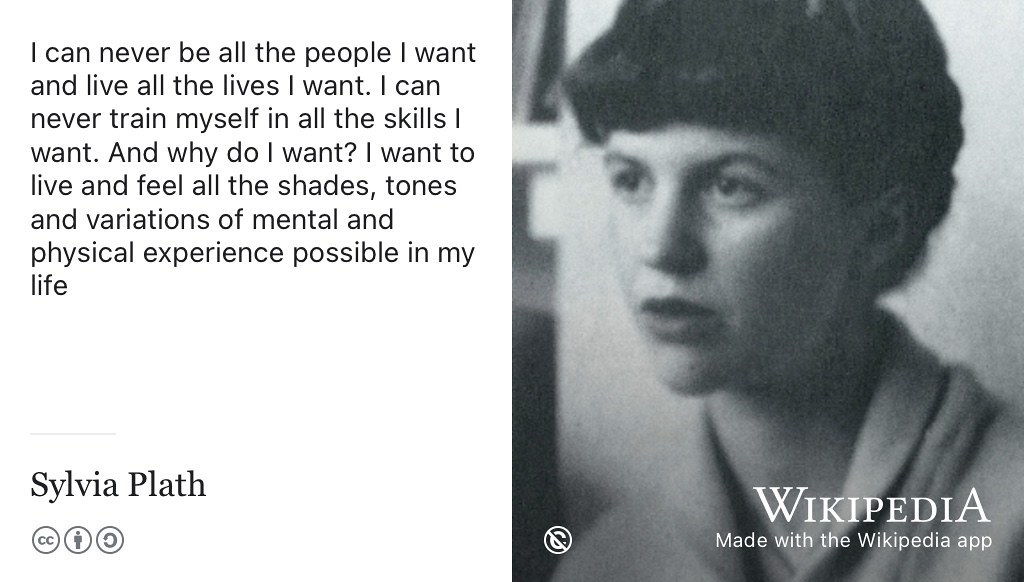
Sylvia Plath attempted suicide as a college student and later married poet Ted Hughes before their separation. She wrote The Bell Jar while raising two young children and took her own life in 1963. The novel’s account of a young woman’s breakdown draws heavily from her own experiences with depression and societal expectations.
Plath’s posthumous fame grew after the release of her journals and Ariel poems. Her life story still captivates because it confronts the realities of mental illness and creative ambition without resolution.
Fyodor Dostoevsky
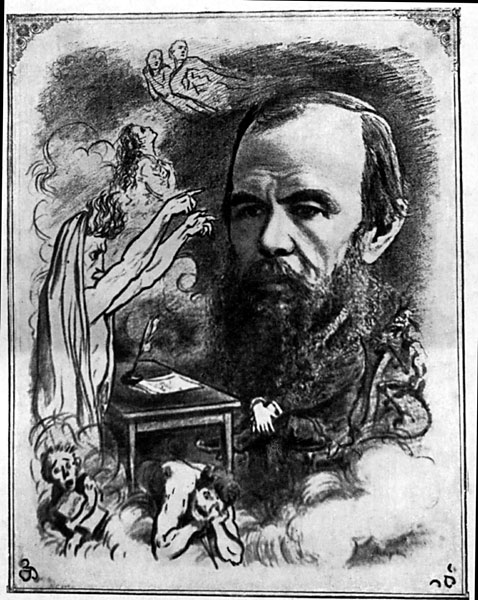
Fyodor Dostoevsky faced a mock execution for political activities and spent four years in a Siberian prison camp. He later developed a gambling addiction that repeatedly left him in debt. These ordeals inform the moral and psychological intensity found in Crime and Punishment and The Brothers Karamazov.
His survival of near-death and exile gave his fiction an unmatched depth. Readers today value his biography because it demonstrates how extreme hardship can sharpen insight into human suffering and redemption.
Leo Tolstoy
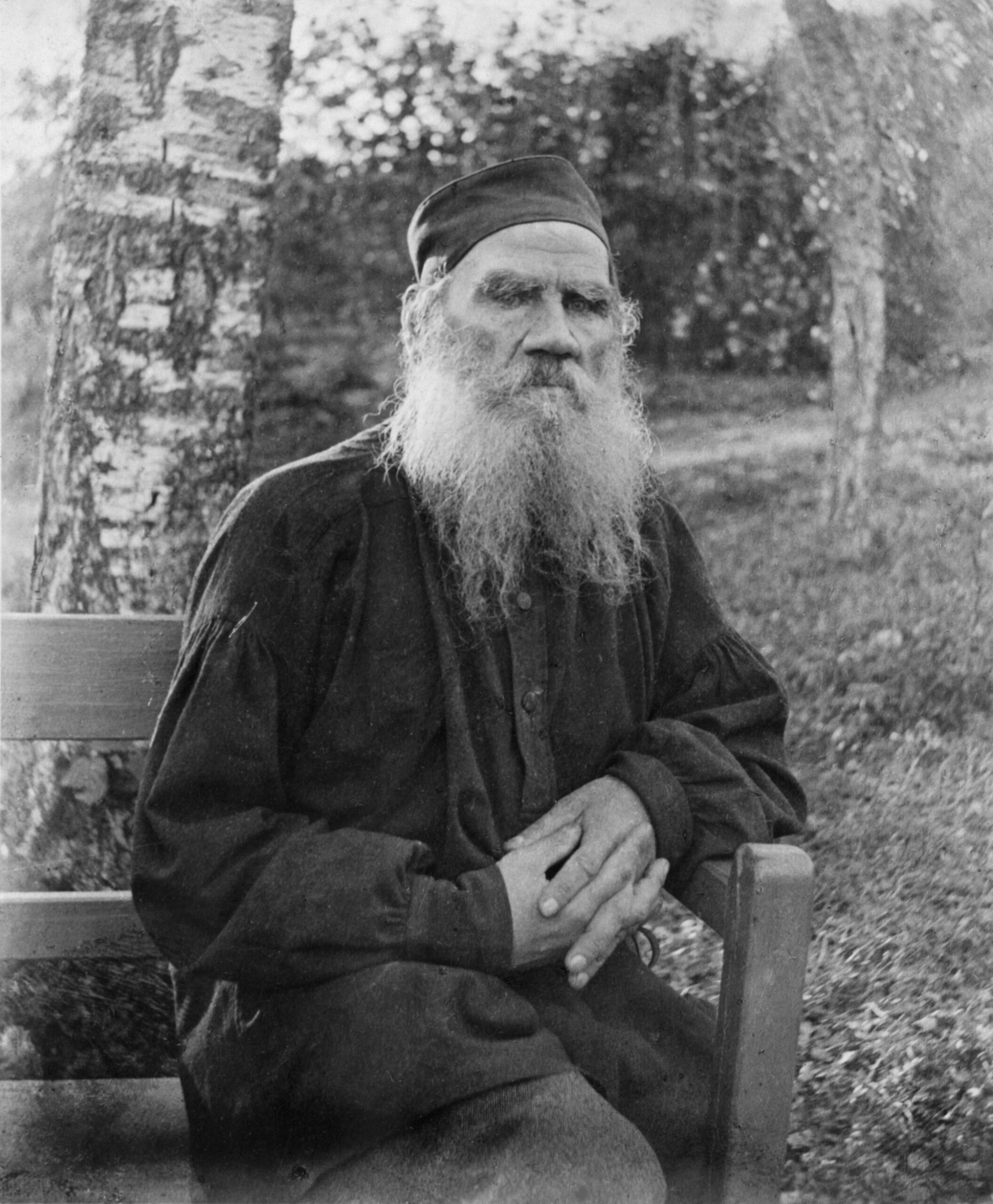
Leo Tolstoy fought in the Crimean War, then returned to his estate and later rejected his aristocratic life in favor of simple living and radical Christian beliefs. He quarreled with his wife over property and fled home at age eighty-two. His later writings, including Resurrection, reflect this spiritual crisis and search for meaning.
Tolstoy’s shift from celebrated novelist to wandering prophet still draws interest. His life shows how personal conviction can reshape both an author’s work and public image.
Mark Twain
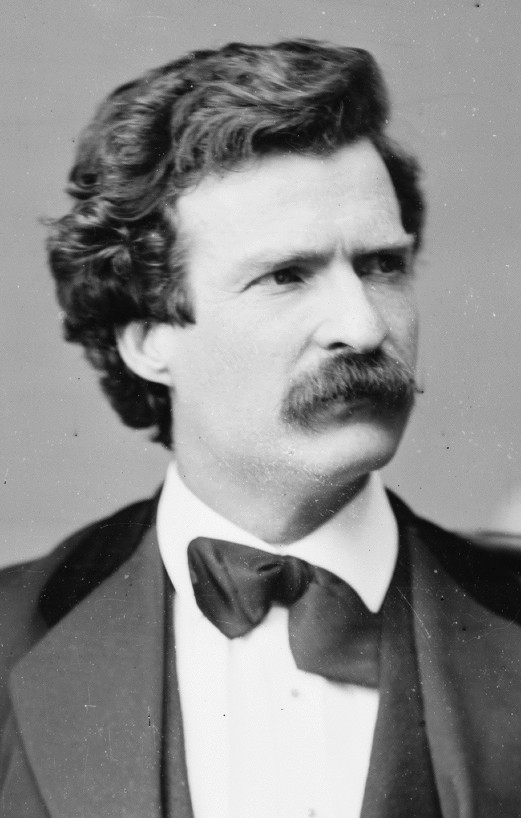
Mark Twain piloted steamboats on the Mississippi before financial speculation ruined him and forced a worldwide lecture tour. He also lost a daughter and his wife to illness. These setbacks appear in his later, darker works such as The Mysterious Stranger.
Twain’s humor often masked deeper disappointments. His story remains engaging because it reveals how a beloved humorist could confront personal and financial ruin while still producing memorable fiction.
Arthur Rimbaud
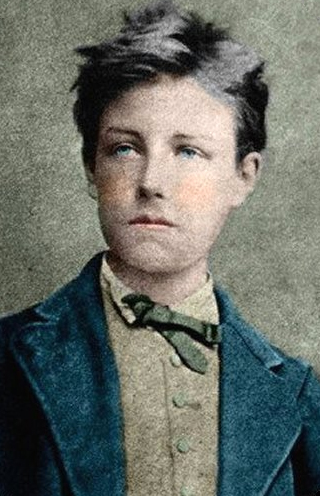
Arthur Rimbaud ran away from home as a teenager, lived with poet Paul Verlaine in a turbulent relationship, and then abandoned literature entirely at age twenty-one for a life of trading in Africa. His brief output includes the visionary poems in A Season in Hell. The sudden end to his writing career followed years of restless travel and personal upheaval.
Rimbaud’s decision to walk away from fame at such a young age continues to puzzle scholars. His life fascinates readers because it challenges the idea that literary success must last a lifetime.
Real events often supply the raw material that turns ordinary observation into lasting literature. The writers listed here remind us that the most powerful stories sometimes begin outside the study or the page.

Besides founding Festivaltopia, Luca is the co founder of trib, an art and fashion collectiv you find on several regional events and online. Also he is part of the management board at HORiZONTE, a group travel provider in Germany.
