
Archaeological digs keep turning up fresh clues about how early societies lived, traded, and collapsed. Each new find challenges old assumptions, like when advanced tools or unexpected structures emerge from the dirt.
These revelations reshape timelines of human progress. Sites once dismissed as simple villages now hint at complex networks spanning continents.
Pompeii, Italy
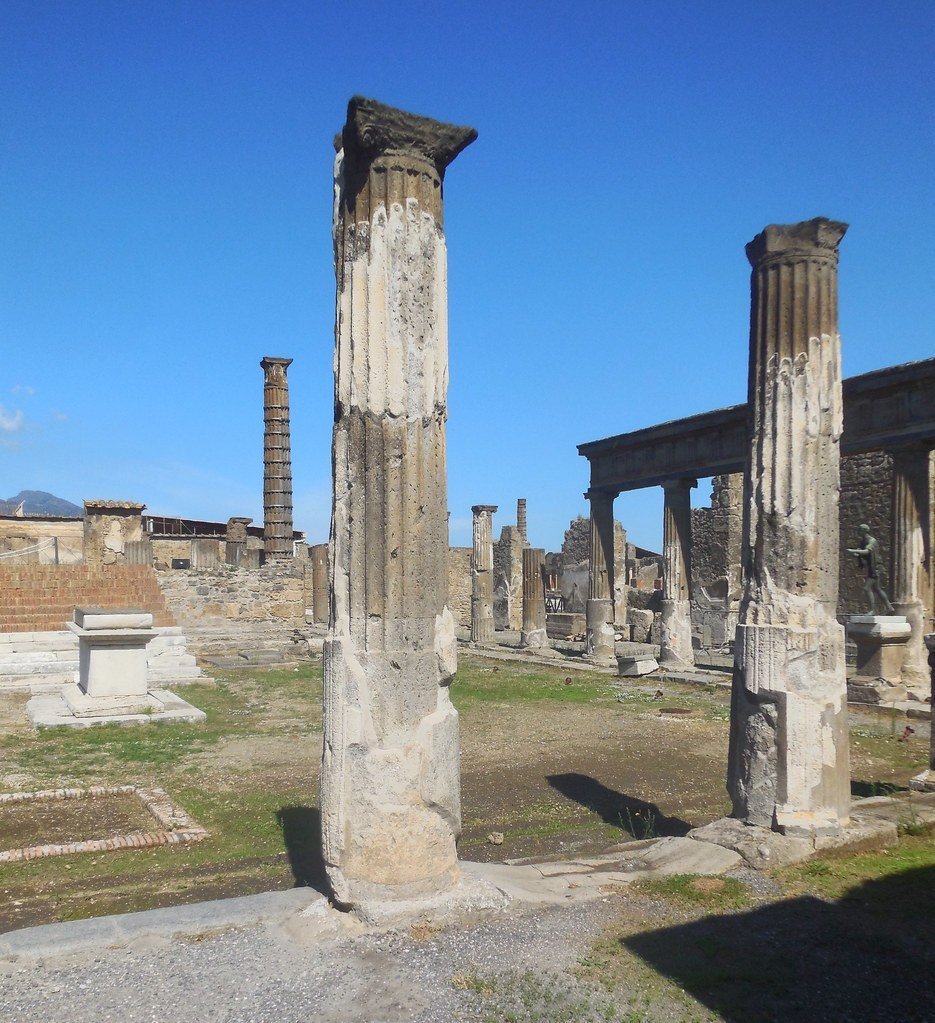
Pompeii vanished under volcanic ash from Mount Vesuvius in 79 AD, preserving everyday life in startling detail. Rediscovered in the 16th century with systematic excavations starting in 1748, it remains the longest continuously dug site in the world.[1][2] The city offers a snapshot of Roman prosperity, from bustling markets to grand villas.
Its significance lies in revealing social hierarchies and daily routines frozen in time. Yet questions linger about the final hours – how residents fled or sheltered amid the chaos. Ongoing work uncovers new rooms and artifacts, probing deeper into these uncertainties.[3]
Troy, Turkey
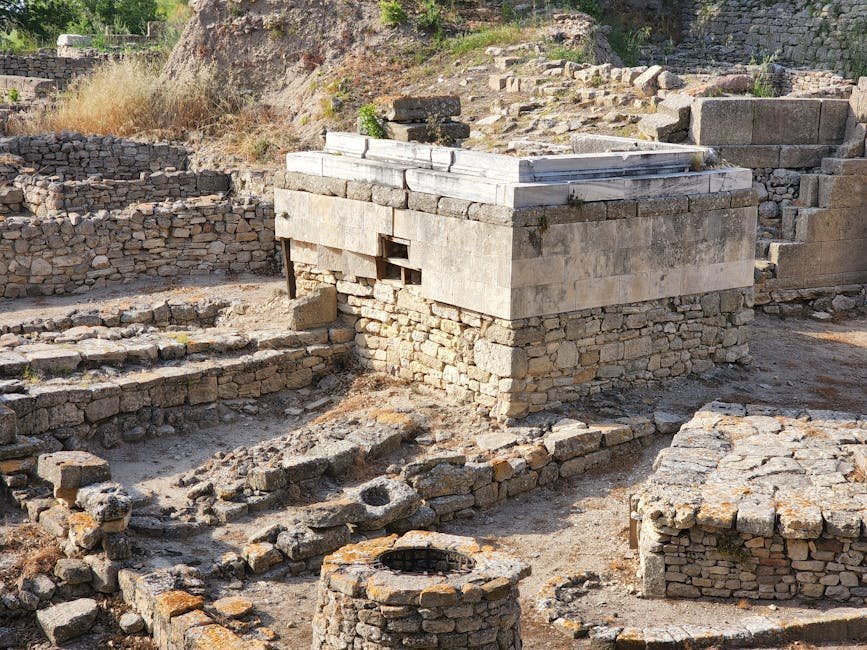
Long thought mythical from Homer’s tales, Troy’s ruins at Hisarlik were excavated by Heinrich Schliemann in the 1870s. Layers of settlements span millennia, with layer VI or VII possibly matching the Trojan War era around 1200 BC.[4][5] The site bridges legend and history as a key Bronze Age trade hub.
Troy’s strategic location fueled its rise and repeated destruction. Mysteries persist over whether a massive war truly occurred there. Recent digs explore underground features, seeking clues to its full story.[6]
Machu Picchu, Peru
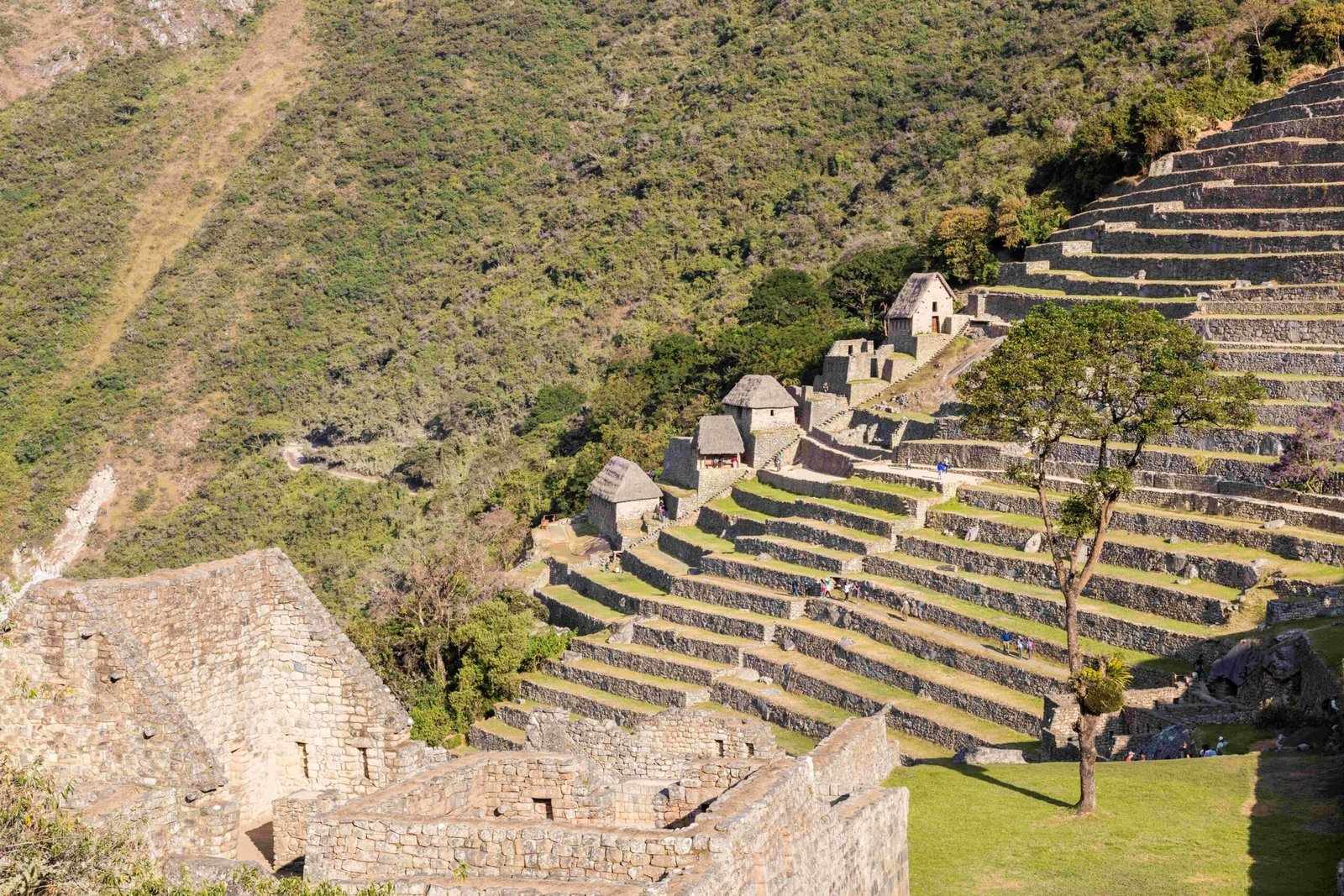
Hiram Bingham brought Machu Picchu to global attention in 1911, uncovering an Inca citadel high in the Andes built around 1450. Its terraced fields and temples showcase engineering mastery amid steep peaks. The site’s isolation preserved it from Spanish conquest.
Debate swirls over its purpose – was it a royal retreat for emperor Pachacuti or a sacred center? Elongated skulls and elite burials add intrigue about its residents. Modern scans continue to reveal hidden chambers, leaving its full role elusive.[7]
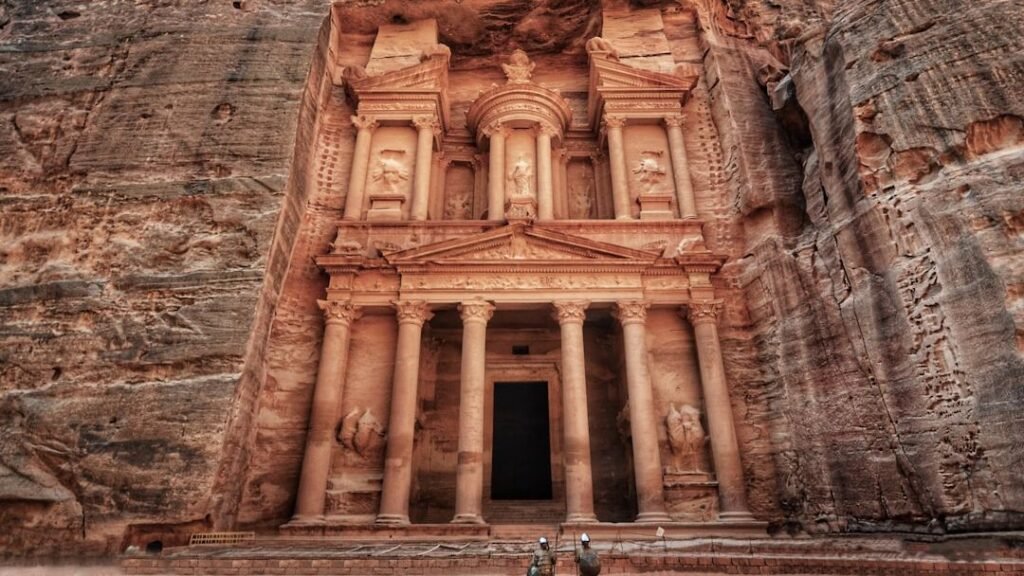
Petra, Jordan
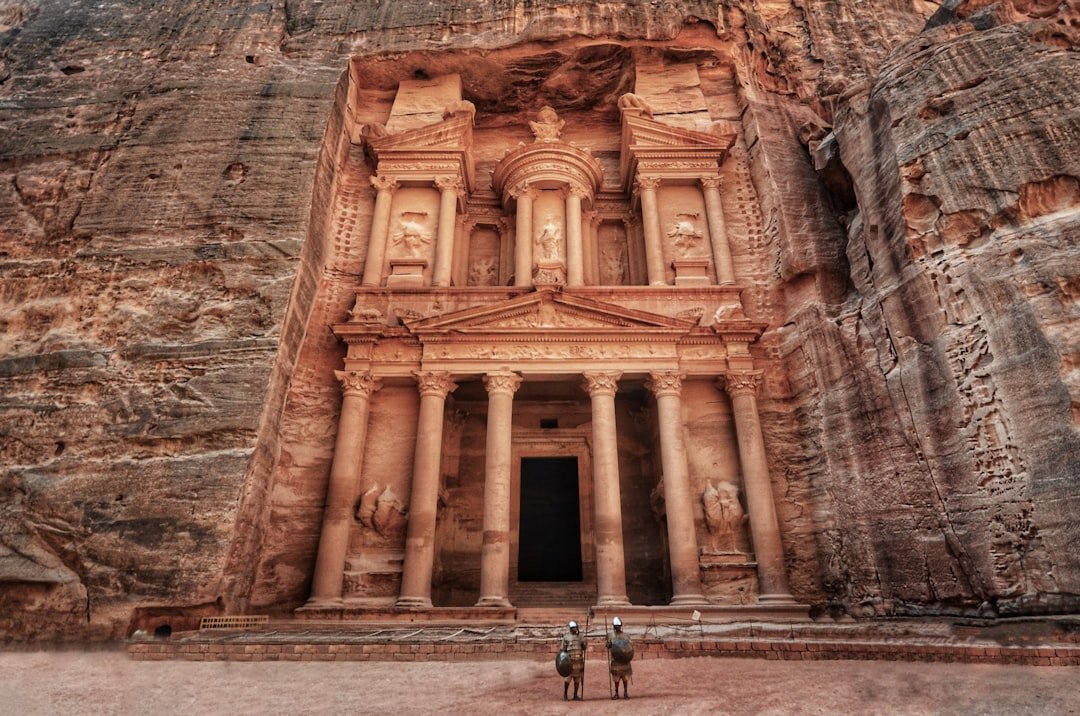
Hidden for centuries, Petra was rediscovered in 1812 by Swiss explorer Johann Burckhardt. Carved into rose-red cliffs by the Nabataeans from the 4th century BC, it thrived as a desert caravan crossroads. Advanced water systems sustained its population.
The city’s rock-cut facades and tombs highlight artistic prowess. Recent excavations beneath the Treasury uncovered ancient burials, yet hydraulic feats baffle engineers today. Questions remain about its sudden decline after Roman annexation.[8]
Angkor, Cambodia
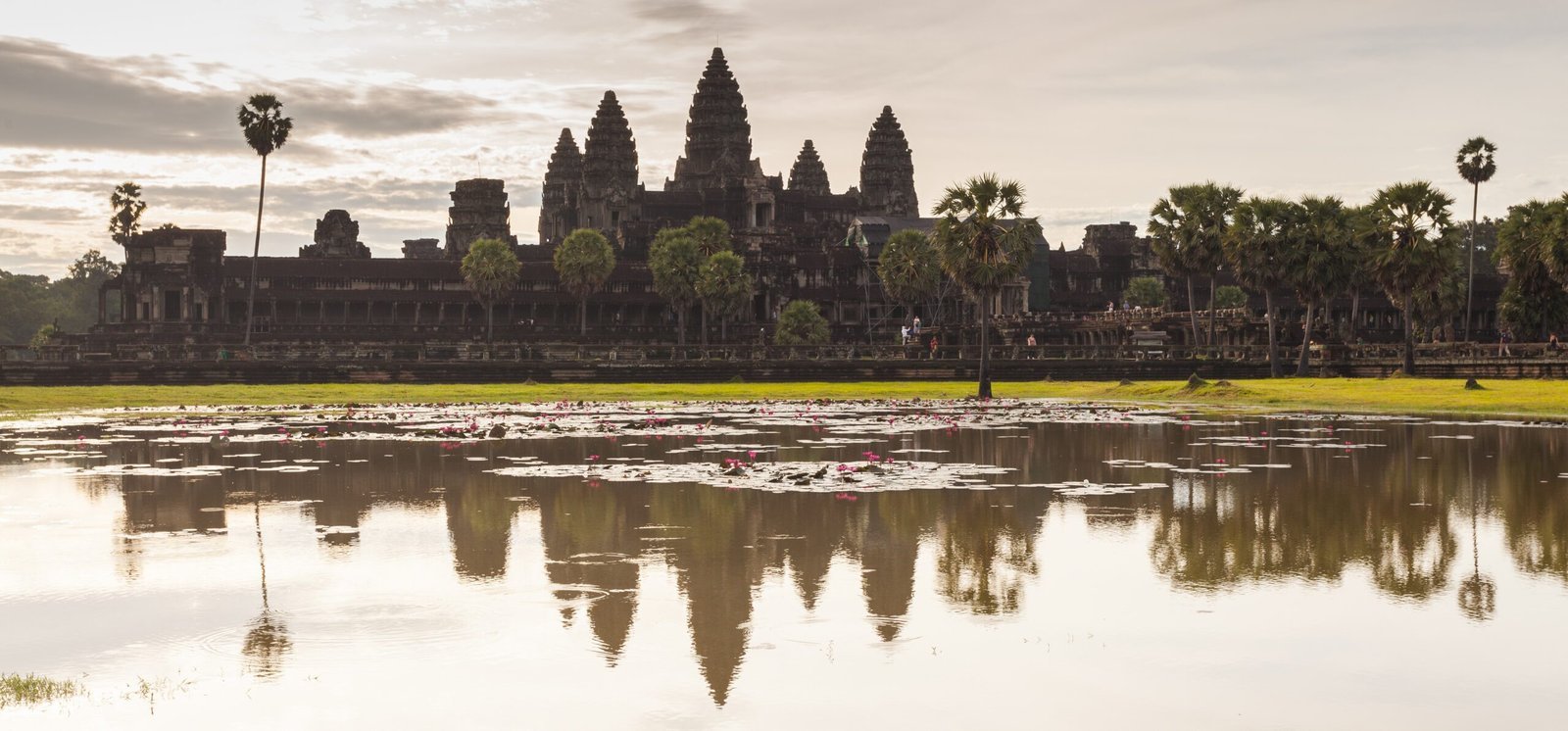
French explorers mapped Angkor in the 1860s, revealing a vast Khmer Empire hub from the 9th to 15th centuries. Lidar scans since 2016 exposed a mega-city larger than modern ones, with hidden roads and canals. Angkor Wat stands as its crowning temple.
It powered a hydraulic society that managed monsoons for rice fields. The empire’s collapse puzzles experts – drought, overexpansion, or war? New temples emerge from jungle, rewriting urban scale narratives.[9]
Göbekli Tepe, Turkey
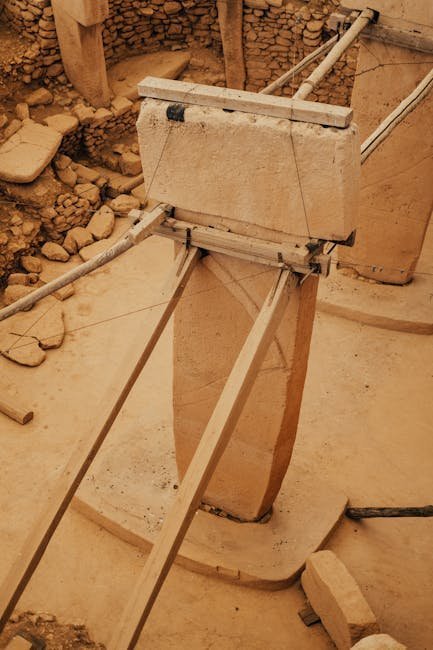
Klaus Schmidt began excavating Göbekli Tepe in 1995, unearthing T-shaped pillars from 9600 BC – the oldest known monumental architecture. Hunter-gatherers erected these circles without metal tools or farming. Only a fraction of the site has been dug.
It upends ideas that temples followed agriculture. Carvings of animals and symbols hint at rituals or astronomy. Mysteries abound: who organized such labor, and why was it deliberately buried?[10]
Akrotiri, Greece
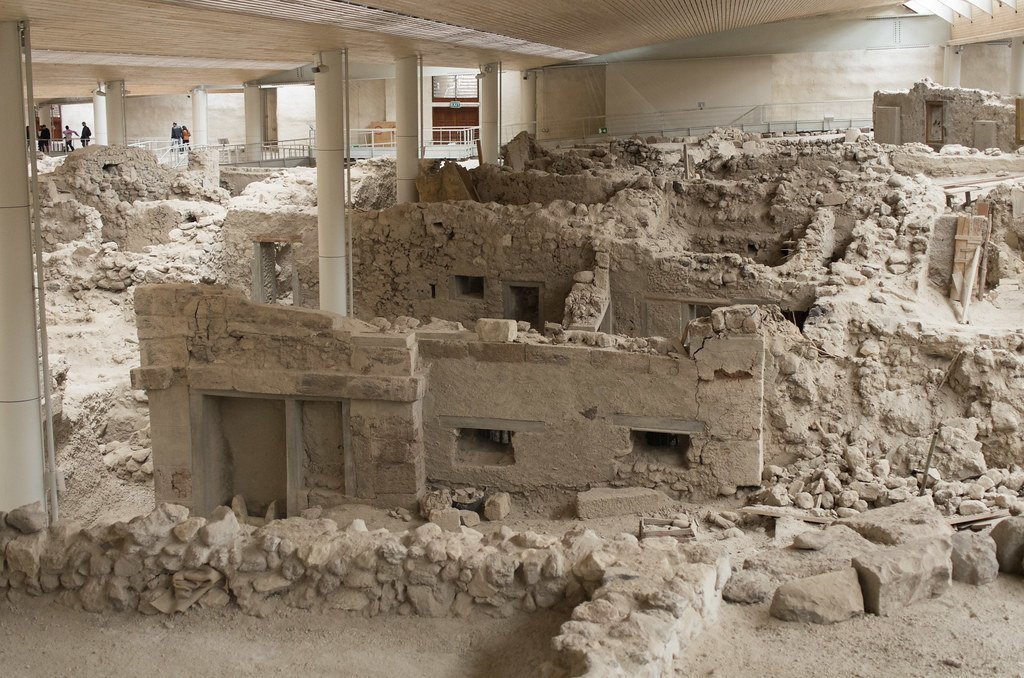
Spyridon Marinatos uncovered Akrotiri on Santorini in the 1960s, a Bronze Age town buried by the Thera volcano around 1600 BC. Frescoes depict vibrant trade and multi-story homes, linked to Minoan culture. Remarkably, no human remains suggest timely evacuation.
The site illuminates Aegean prosperity before the eruption. Its blast may have rippled to Egyptian records and myths. Ongoing work deciphers wall art and plumbing, questioning its exact ties to Crete.[11]
Ongoing Quests into the Past
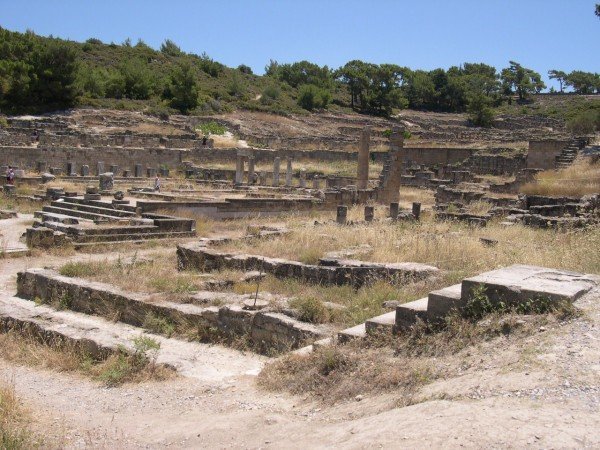
These cities remind us that history unfolds layer by layer with each spade of earth. Technologies like lidar and DNA analysis accelerate insights, yet nature guards many secrets.
Patient research promises more revelations. In piecing together forgotten worlds, we glimpse our shared roots – and the vast unknowns ahead.


