
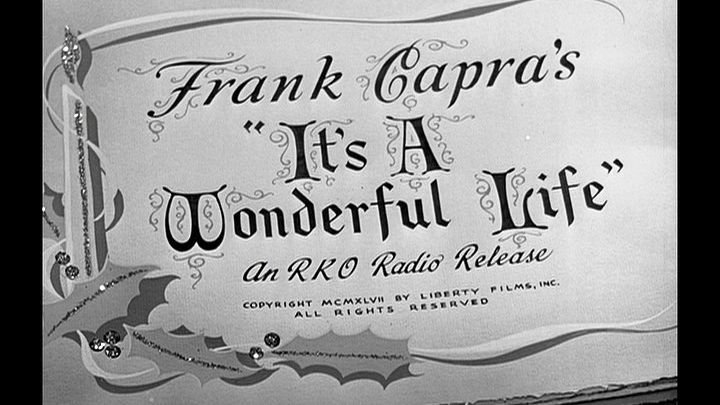
Lost reels and unreleased cuts from cinema’s giants often hide pivotal moments that shaped a director’s legacy. These fragments, whether destroyed in vault fires or locked away in studio archives, hold clues to bolder visions clashing with commercial demands. Recovering them might reveal raw experiments or alternate endings that challenge our view of iconic films.[1][2])
Such material surfaces rarely, yet each discovery reshapes film history. Vault finds or AI reconstructions promise to restore intended narratives, exposing how studios tamed revolutionary ideas. This unseen archive underscores cinema’s fragile evolution, where a single reel can rewrite reputations built over decades.[3]
Orson Welles and The Magnificent Ambersons
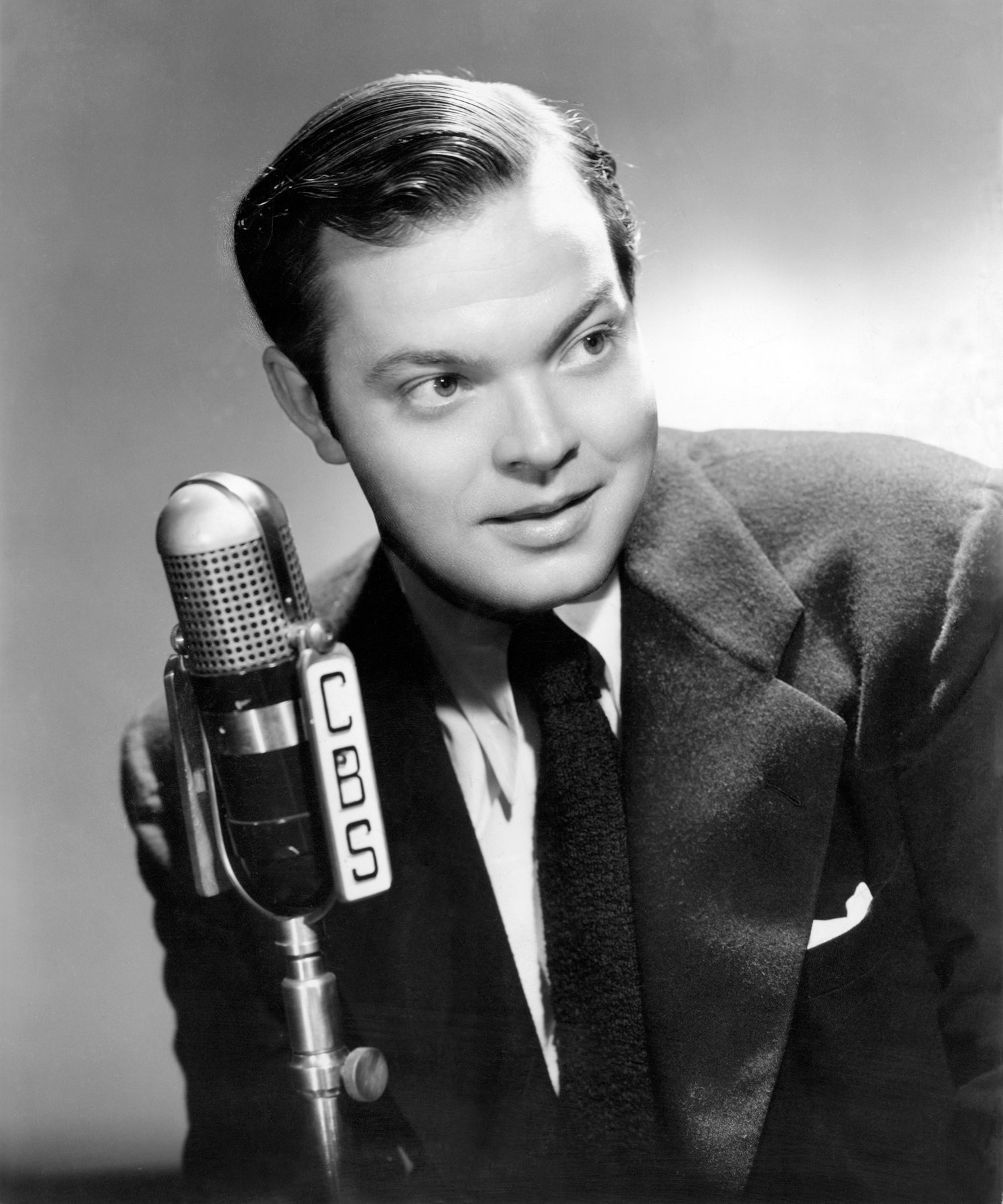
Orson Welles delivered a 131-minute rough cut of The Magnificent Ambersons to RKO in 1942, only for the studio to slash over 40 minutes after poor previews. Key sequences vanished, including a boardinghouse scene and George’s humiliating walk, deemed essential by Welles to depict the automobile’s ruinous impact on an old-money family. RKO reshot a happier ending and destroyed the trimmings to save vault space, leaving just trailer snippets as evidence.[2])[1]
Restoring this footage could elevate the film from admired sequel to Citizen Kane to a darker masterpiece matching Welles’ ambition. It might showcase his full third act, emphasizing social decay over uplift, and affirm his battle against studio interference. Recent AI efforts to recreate the cuts highlight ongoing fascination, potentially vindicating his reputation as Hollywood’s thwarted genius.[2])
Stanley Kubrick and 2001: A Space Odyssey
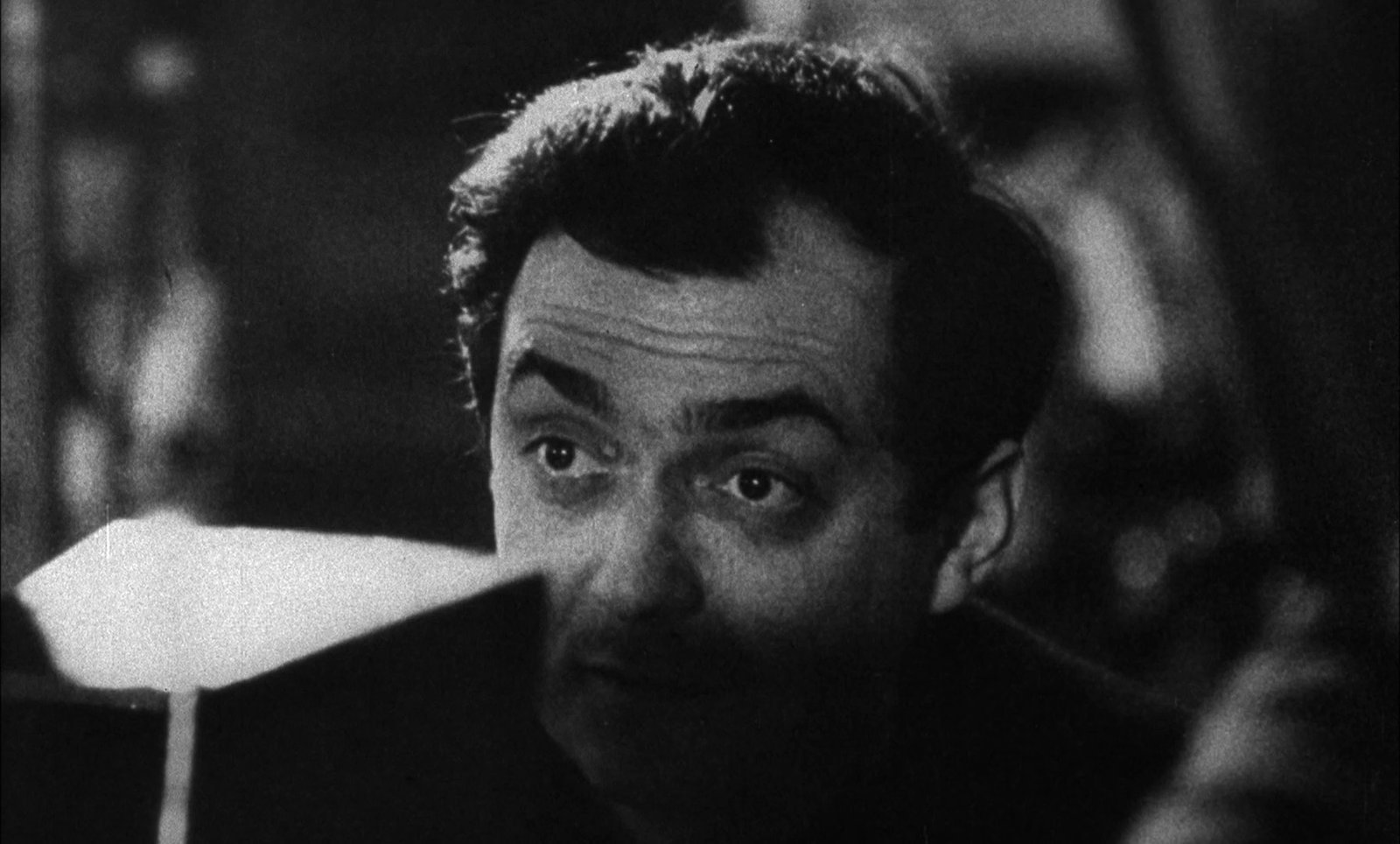
Stanley Kubrick trimmed 17 minutes from 2001: A Space Odyssey after baffled 1968 previews, including extended Discovery sequences and a hospital visit in The Shining style for the ending. Warner Bros rediscovered this material in a Kansas salt-mine vault around 2010, confirming its existence alongside script photos and stills. Yet the studio has withheld public release, leaving audiences with the 139-minute version that redefined sci-fi.[4])[5]
These scenes could clarify Kubrick’s evolving cosmic puzzle, perhaps softening the abstract finale or deepening human elements amid alien mystery. Revealing them might expose his perfectionism in balancing spectacle and philosophy, altering perceptions of his most influential work. The vaulted reels stand as a testament to his meticulous cuts shaping modern blockbusters.[6]
Erich von Stroheim and Greed
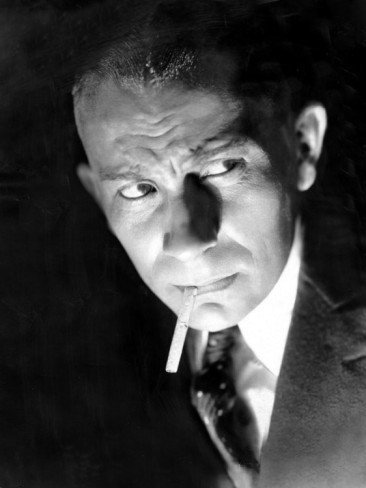
Erich von Stroheim shot Greed as a 9.5-hour epic in 1924, adapting Frank Norris’ novel with gritty Death Valley realism, but MGM demanded cuts to under four hours then 140 minutes. Von Stroheim complied partially, yet surviving reels captured only a fraction, with the rest discarded by a janitor cleaning vaults. A 1999 reconstruction uses stills for gaps, but original footage remains gone.[1][7])
The full cut promised unsparing naturalism, influencing cinema verite decades ahead, and could reposition Greed as silent film’s ultimate auteur statement. Its loss symbolizes early Hollywood’s war on artistic excess, yet whispers of hidden prints fuel hope. Recovery might cement von Stroheim’s exile as visionary sacrifice.[8]
Sergei Eisenstein and ¡Que viva México!
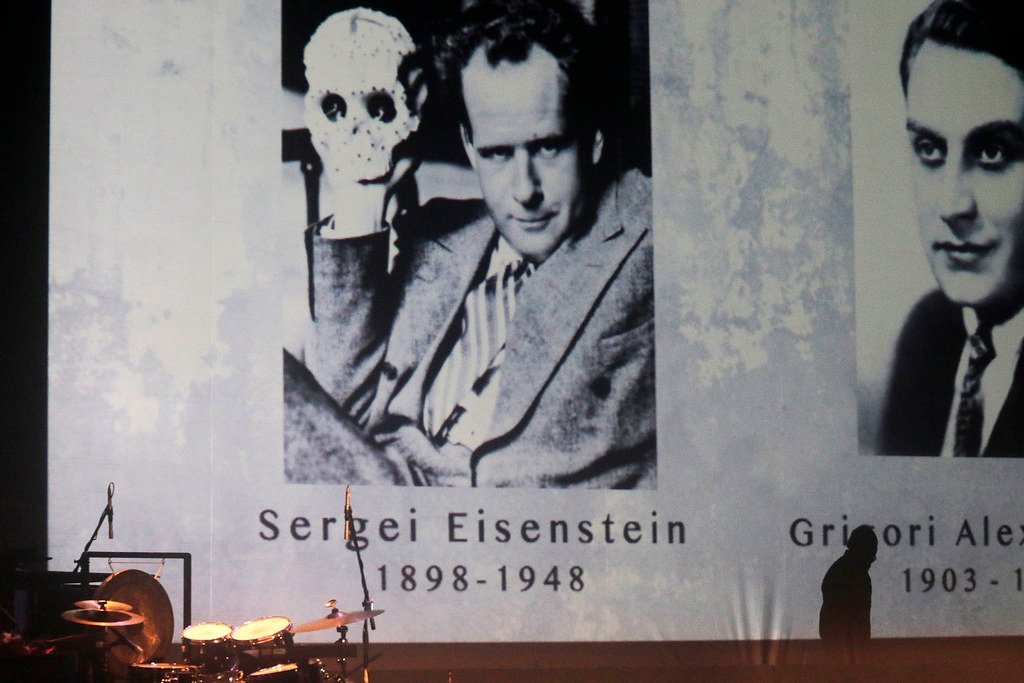
Sergei Eisenstein captured dozens of hours in Mexico during 1931, envisioning a four-part ode to revolution and folklore, but Soviet pressure halted editing, scattering footage across archives. Various assemblers created versions, yet Eisenstein’s montage blueprint for indigenous struggles and Day of the Dead rituals stays incomplete. Raw rolls survive, offering glimpses of his ethnographic ambition.[9][10]
Unseen sequences could unlock Eisenstein’s bridge between Battleship Potemkin agitprop and poetic surrealism, redefining his global influence. They might reveal censored political fire, challenging views of his interrupted career. This phantom project haunts as cinema’s greatest unfinished symphony.[11]
Abel Gance and Napoléon
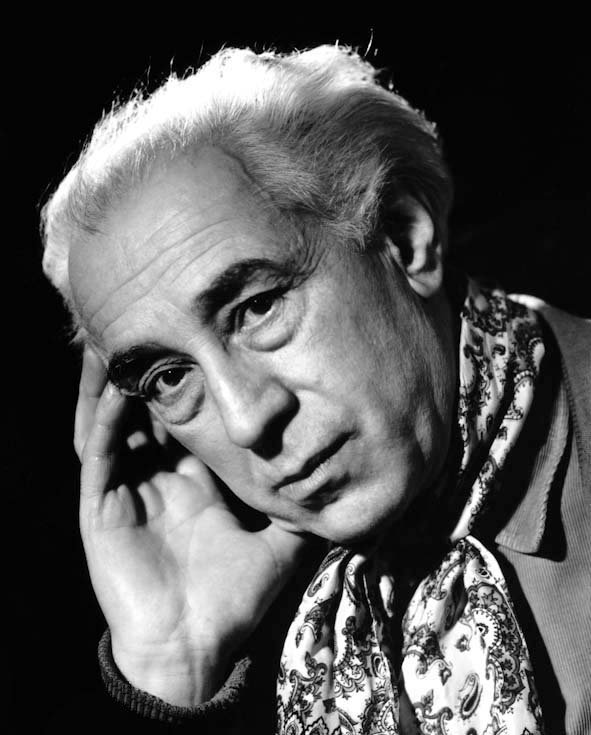
Abel Gance premiered Napoléon in 1927 at over nine hours, using triptych screens and tinting for Bonaparte’s rise, but commercial versions trimmed it severely. Georges Mourier’s recent seven-hour reconstruction draws from global prints, yet original episodes hold missing spectacle like extended battles. Fragmented reels preserve Gance’s technical bravura.[1]
Full restoration could revive Gance’s widescreen innovations, predating Cinerama and inspiring epic filmmaking. It might highlight his operatic flair, reshaping silent cinema’s grandeur narrative. Lost hours beckon as keys to his polyvision pioneer status.[3]
Fritz Lang and Metropolis
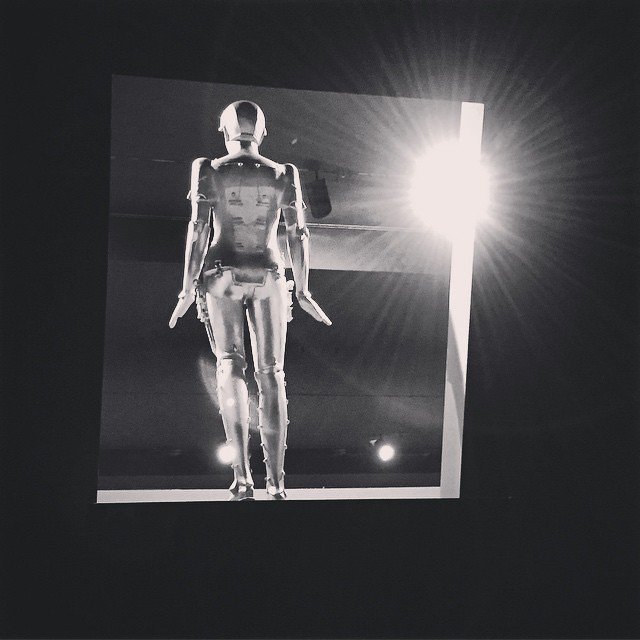
Fritz Lang’s 1927 Metropolis lost a quarter of its runtime for decades after U.S. cuts, with an Argentine print recovering most by 2008, save five damaged minutes described via intertitles. Fritz Lang crafted futuristic class war with expressionist sets, but absent scenes dilute plot bridges. Restored visions now run nearly complete.[1]
Remaining gaps could sharpen Lang’s dystopian warning, influencing sci-fi from Blade Runner onward. Unveiling them fully might underscore his exile-era foresight on technology’s perils. This near-miracle recovery hints at more vault secrets.[1]
Akira Kurosawa and The Idiot
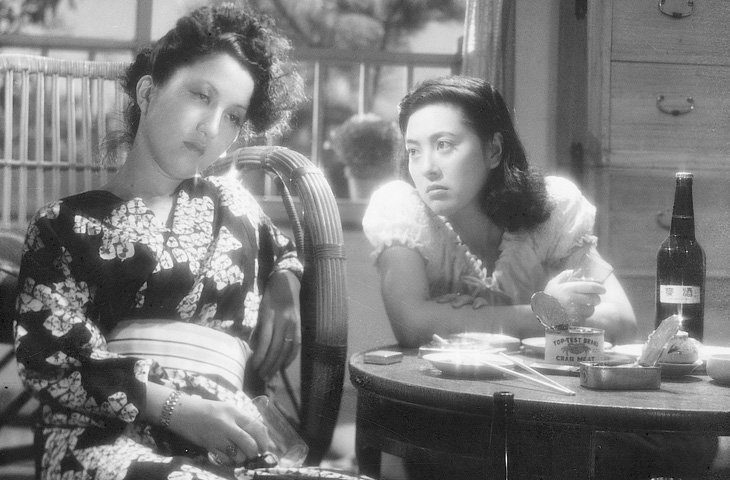
Akira Kurosawa shot The Idiot at 265 minutes in 1951, adapting Dostoevsky for two-part release, but Shochiku sliced it to 166 amid poor reception, with no original print surviving despite later searches. Footage captured postwar Japan’s moral haze through star-crossed souls. Scripts guide partial reconstructions.[1]
The epic cut might expose Kurosawa’s literary depth, bridging Rashomon ambiguity and later humanism. It could redefine his studio struggles, elevating a footnote to masterpiece. Vanished reels mirror his perfectionist frustrations.[1]
Frank Capra and Lost Horizon
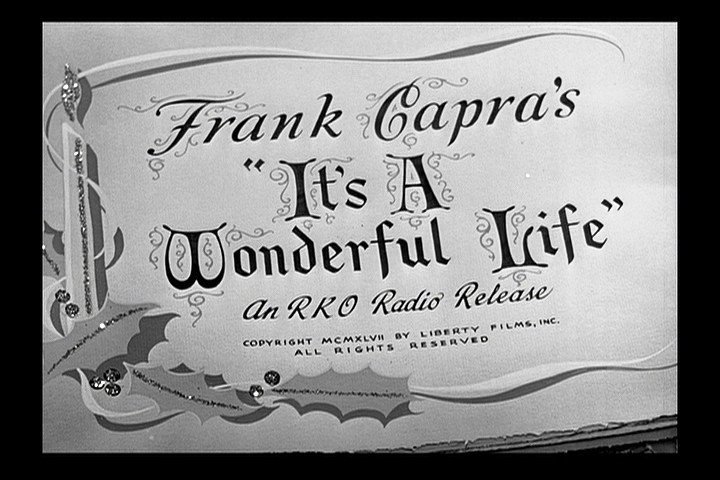
Frank Capra’s 1937 Lost Horizon previewed at 210 minutes, extolling Shangri-La utopia, but Paramount cut to 132 then shorter, with Capra claiming to destroy early reels himself. Seven minutes stay missing, restored via stills and soundtrack. Native portrayals softened in reissues.[1]
Original length could amplify Capra’s escapist idealism amid Depression fears, influencing fantasy realms. Full vision might reclaim his populist optimism from censorship shadows. These cuts reveal era’s ideological trims.[1]
Alfred Hitchcock and Kaleidoscope
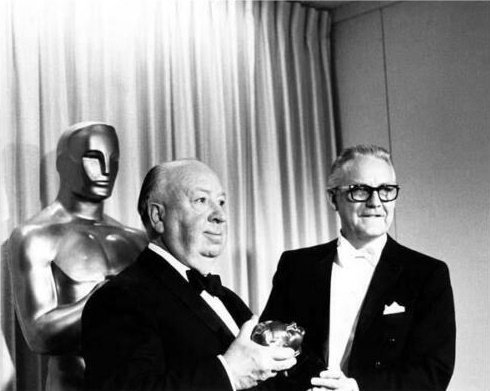
Alfred Hitchcock planned Kaleidoscope post-Torn Curtain as a necrophile thriller, shooting an hour of color tests and 450 camera setups before Universal axed it over content. This pre-production footage lingers unseen in archives. It previewed his late suspense mechanics.[3][12]
Such reels might illuminate Hitchcock’s boundary-pushing taboos, linking Psycho shocks to Frenzy grit. Exposure could humanize his “Master of Suspense” as risk-taker reined by studios. Unreleased tests tease bolder paths untaken.[12]
D.W. Griffith and Intolerance
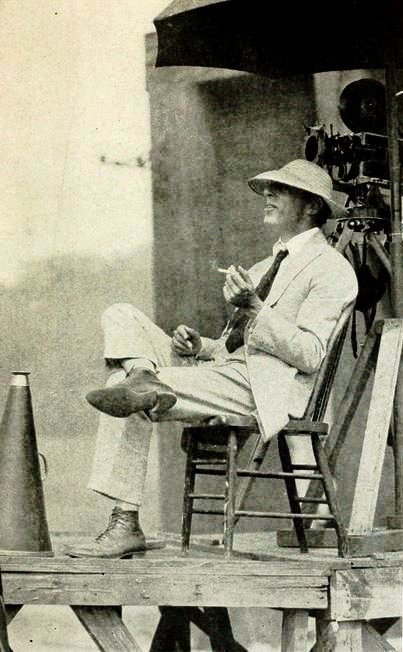
D.W. Griffith’s 1916 Intolerance wove four epochal tales against prejudice, but reissues ditched scenes now represented by Modern Art Museum stills. Original cut promised seamless parallels, with fragments surviving in composites. It bankrupted Griffith chasing scope.[1]
Missing footage could restore epic syncopation, validating Griffith’s cross-cutting birthright. Full form might soften Birth of a Nation racism critiques via redemptive arcs. Lost threads haunt his innovative downfall.[1]
Unfinished Threads in Cinema’s Tapestry
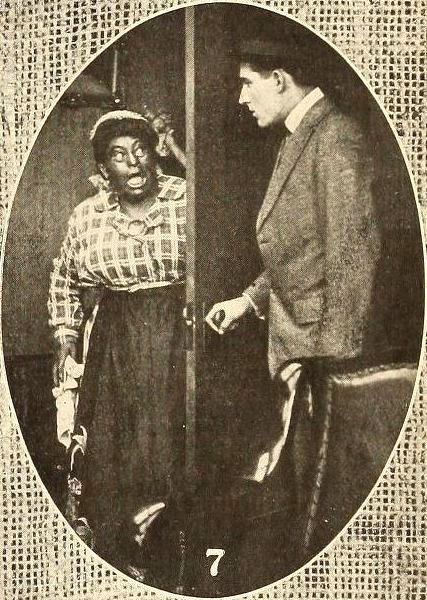
Cinema history brims with these spectral reels, from vault dust to deliberate erasures, each a portal to directors’ uncompromised dreams. Recoveries like Metropolis fragments prove transformation possible, yet most elude us, preserving mystery. They remind that films evolve beyond screens, in archives awaiting rediscovery.
Unseen footage invites reflection on creation’s impermanence, where genius bends to time and commerce. Perhaps future tech or hunts will unveil more, enriching legacies long set. Until then, their absence fuels endless wonder about paths not taken.


