

- 15 Rock Anthems That Defined a Generation and Still Sound Amazing Today - August 11, 2026
- 12 Unforgettable Movie Quotes You Can Still Use in Everyday Conversation. - August 11, 2026
- 10 Music Festivals That Changed the World - August 11, 2026
Television commercials often start as simple pitches for products. Yet some transcend salesmanship to weave into the fabric of everyday conversation and memory. These spots capture moments of humor, rebellion, or heart that echo across years, turning brand messages into shared cultural shorthand.[1][2]
They define generations by pinning down the zeitgeist, from tech revolutions to snack obsessions. What makes them stick involves clever storytelling that feels personal, even universal. Viewers recite lines or mimic gestures long after the air date fades.
Apple’s “1984” Super Bowl Spot
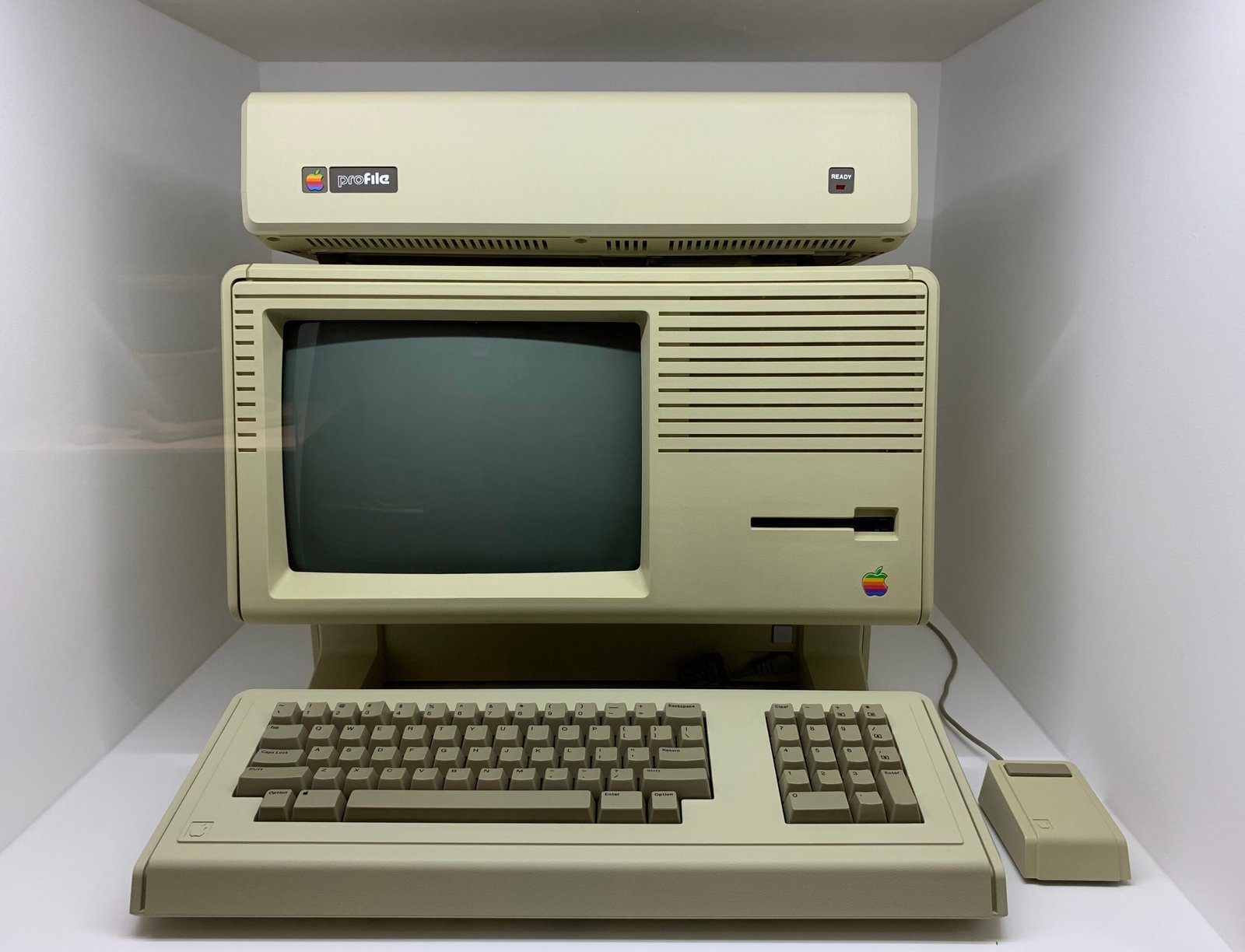
The ad depicted a dystopian world shattered by a hammer-throwing athlete, positioning the Macintosh as a liberator from conformity. Aired once during the 1984 Super Bowl, it drew from George Orwell’s novel to frame Apple against IBM’s dominance. Sales of the computer surged immediately after, proving a single spot could launch a product line.[3][1]
Its legacy reshaped Super Bowl advertising, inspiring cinematic spectacles over straightforward pitches. Directors and brands still reference its bold narrative style. The commercial cemented Apple’s image as innovative rebels, influencing tech branding for decades.
Coca-Cola’s “Hilltop” Harmony
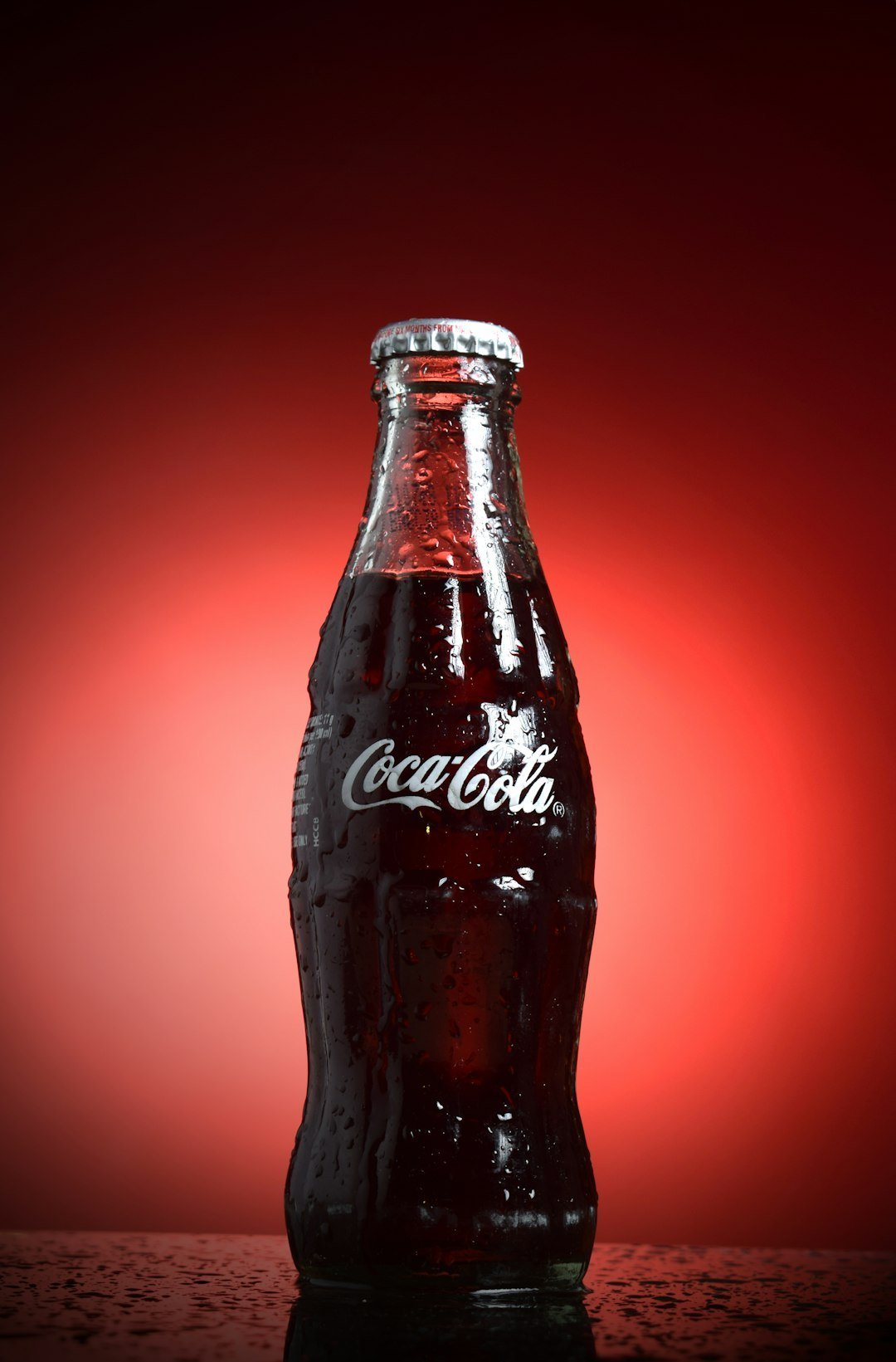
A diverse group of young people sang atop an Italian hill, promoting unity with “I’d Like to Buy the World a Coke.” Released in 1971 amid social unrest, the ad’s song became a chart-topping hit after public demand. It captured a yearning for peace that resonated deeply.[4]
Parodies and covers kept it alive in media, from TV shows to films. The campaign boosted Coke’s wholesome image during turbulent times. Today, it symbolizes aspirational togetherness, often revived in holiday specials.
Wendy’s “Where’s the Beef?” Challenge
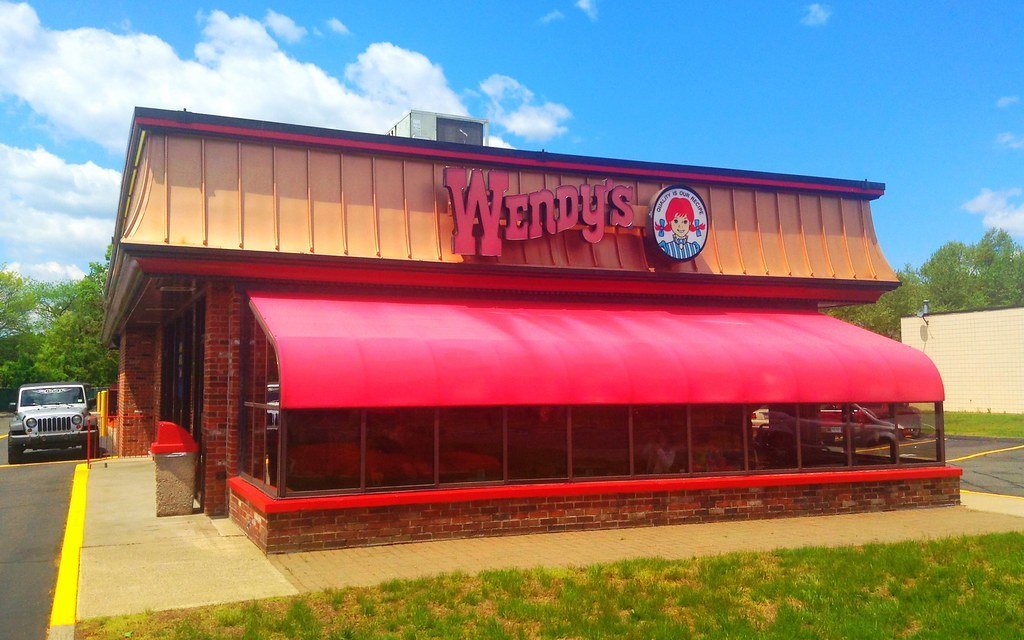
In 1984, three elderly women inspected a massive burger bun, only one tiny patty prompting the famous line from Clara Peller. The ad targeted competitors’ fluffy promises versus Wendy’s substance. It propelled the chain’s sales and made the phrase a national rallying cry against empty talk.[5]
Politicians invoked it in debates, embedding the slogan in political discourse. Wendy’s leveraged the buzz for years with sequels. The spot endures as a benchmark for sassy, memorable fast-food rivalry.
Coca-Cola’s “Mean Joe Greene” Moment
During a 1979 game, a weary Pittsburgh Steelers player tosses his jersey to a boy after accepting a Coke. The heartfelt exchange humanized the intimidating NFL star. Viewers flooded Coke with letters, turning it into an emotional touchstone.[6][7]
It won multiple awards and inspired similar sports endorsements. References pop up in retrospectives and parodies. The ad solidified Coke’s role in feel-good sports narratives.
Budweiser’s “Whassup?” Greeting
Friends shouted the drawn-out “Whassup?” in escalating absurdity starting in 1999. The low-budget viral hit spawned phone calls, sketches, and global mimicry. Budweiser’s sales climbed as the phrase infiltrated casual talk.[8][5]
Parodies from stars like Britney Spears extended its life. It marked early internet sharing of ads. The campaign showed humor could drive beer culture worldwide.
Old Spice “The Man Your Man Could Smell Like”
Isaiah Mustafa delivered rapid-fire confidence in a 2010 shower-to-boat monologue aimed at women buyers. Social media exploded with response videos from the actor. Old Spice revitalized a fading brand, tripling sales in months.[2]
The format influenced interactive marketing. Mustafa became a meme icon. It redefined body wash ads as absurd theater.
Budweiser Frogs’ Croak

Three animated frogs ribbited “Bud-wei-ser” in 1995 swamps. Simple and catchy, it won awards and outsold rivals. Kids chanted it on playgrounds, blurring lines between ad and play.[7]
Sequels with lizards expanded the universe. It pioneered animal mascots in beer wars. The spot lingers in nostalgia compilations.
California Raisins’ Dance Craze
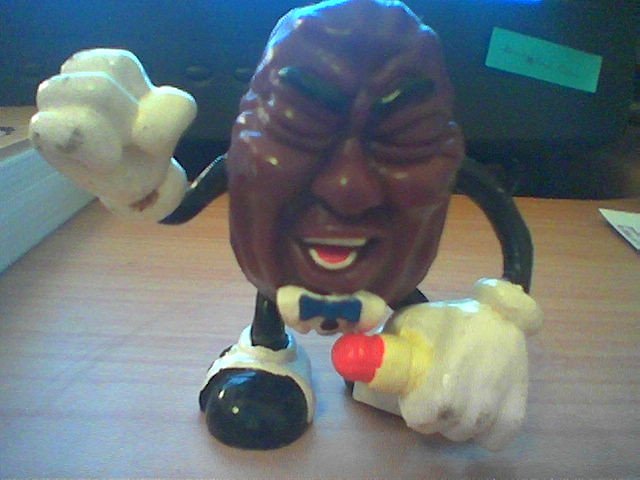
Claymation raisins grooved to “I Heard It Through the Grapevine” in 1986. They starred in specials and merchandise frenzy. Raisin sales jumped 20 percent amid the hype.[9]
Fans dressed as them for Halloween. The characters crossed into music videos. It proved snacks could spawn pop idols.
Energizer Bunny’s March
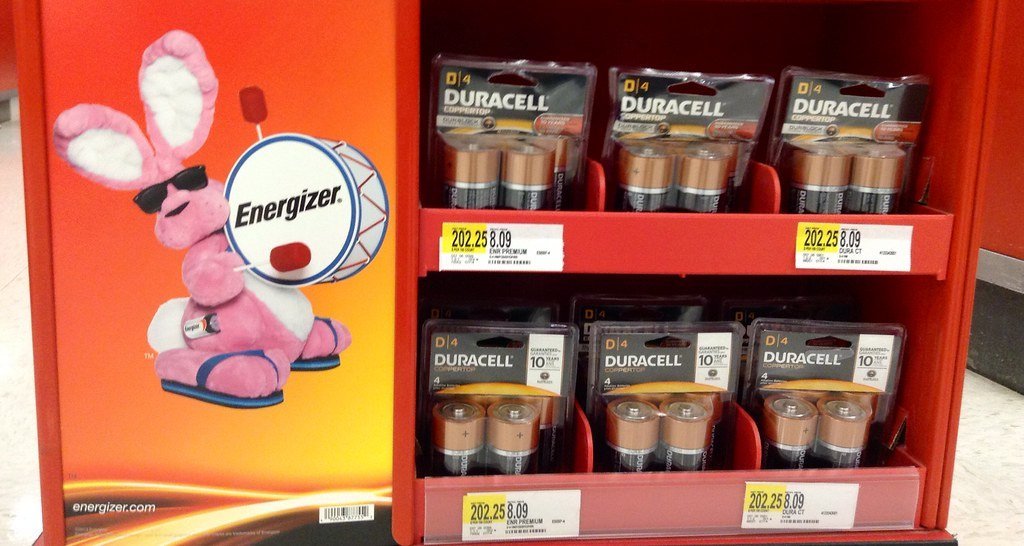
A pink bunny drummed endlessly from 1989, mocking short battery life. The mascot outlasted competitors in chases. It became shorthand for persistence.[10]
Parodies filled late-night TV. Energizer built a bunny empire. The phrase “keeps going and going” persists in endurance talk.
Miller Lite Taste Debates
1980s spots pitted athletes in “Tastes Great, Less Filling” arguments. Stars like Billy Martin fueled rivalries. Light beer category exploded post-campaign.[4]
The format inspired endless banter ads. It normalized calorie-conscious drinking. Debates echo in barroom quips.
Volkswagen’s “The Force” Kid
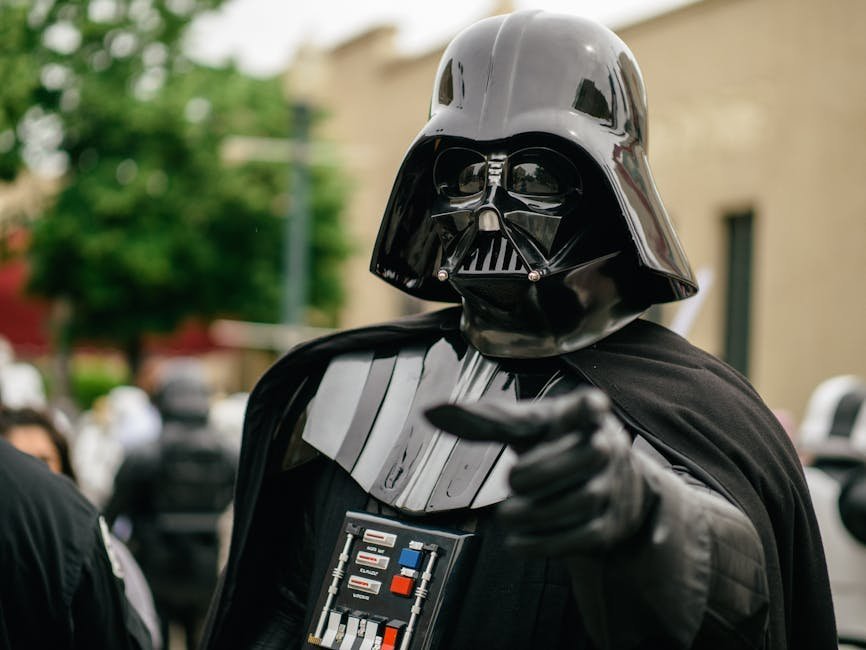
A mini Darth Vader activated dad’s Passat in 2011, ending with parental Force help. Heartwarming Star Wars nod charmed families. Views topped millions pre-Super Bowl.[11]
It leaked online, shifting ad rollout strategies. VW’s family image strengthened. Fans recreate it yearly.
Always “#Like a Girl”
The 2014 ad questioned “like a girl” as insult, revealing kids’ unfiltered power. It sparked gender discussions online. Always saw pad sales rise sharply.[5]
Emmys followed, plus school programs. Phrase flipped in empowerment contexts. It advanced feminist ad waves.
The Lasting Echo of Ad Magic
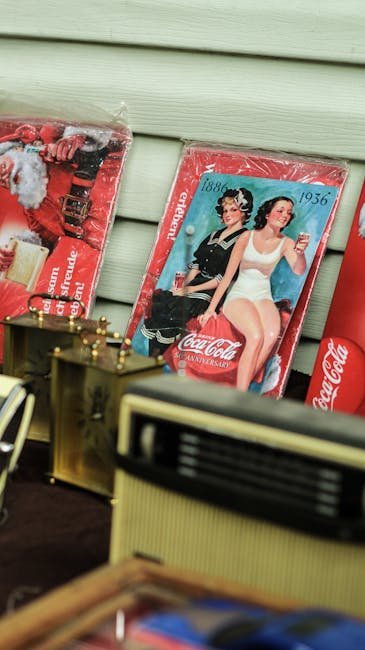
These commercials prove ads can mirror and mold society. They stick because they tap emotions over features. Generations pass down the references like heirlooms.
Advertising’s power lies in fleeting seconds that linger. As media fragments, such cornerstones remind us of TV’s unifying force. Their stories endure, outpacing products.
CEO-Co-Founder
