
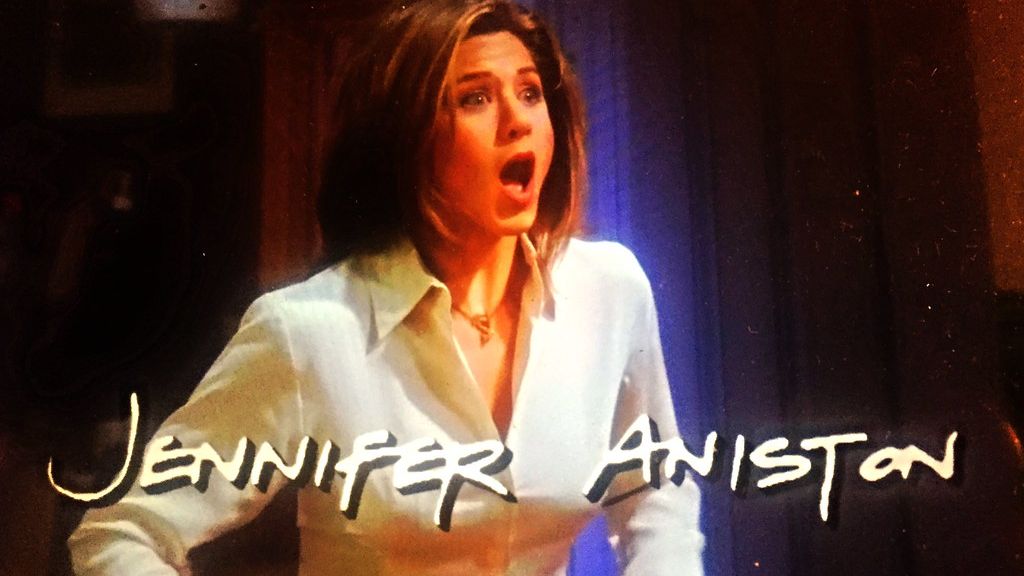
Many beloved television shows secretly faced cast conflicts, scandals, production chaos, or unexpected drama behind the camera. These tensions often shaped storylines and casting decisions in ways that remained invisible to viewers for years.
I Love Lucy
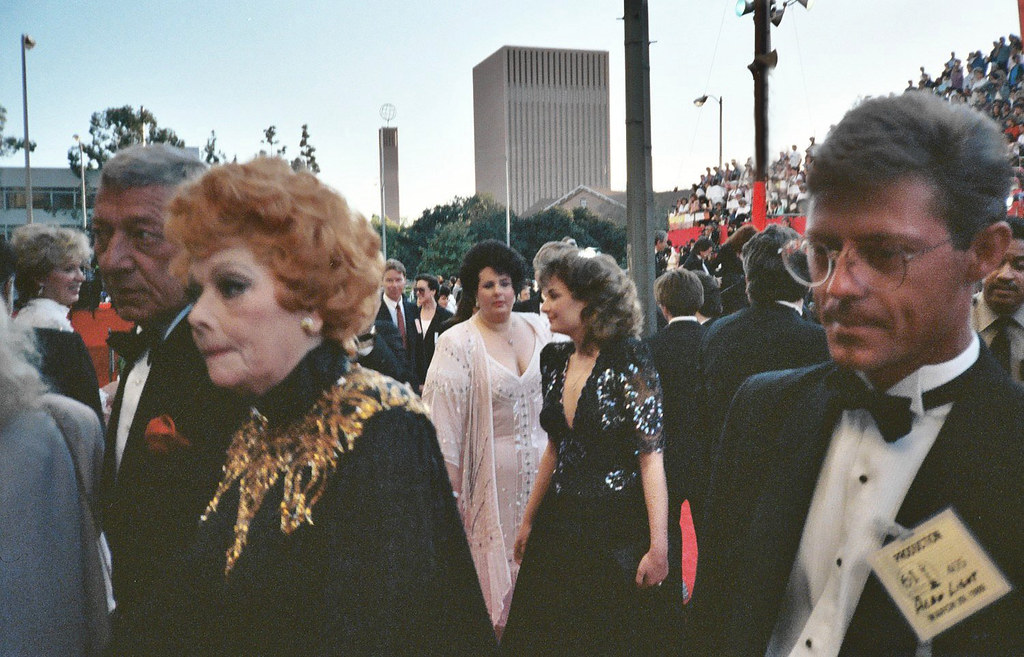
Lucille Ball and Desi Arnaz maintained a polished onscreen marriage while dealing with real strains from Arnaz’s infidelities and drinking. Ball’s perfectionist approach to every scene created pressure on writers and the crew. Their offscreen divorce came shortly after the series wrapped, yet the show continued to air in reruns without any hint of the personal turmoil.
The supporting cast added another layer of friction. Vivian Vance and William Frawley reportedly disliked each other intensely from the start, with Vance objecting to the age gap between their characters. This dislike never surfaced in their comedic timing on camera. Audiences saw only the warm friendship between Ethel and Fred, unaware of the actors’ avoidance of each other off set.
Star Trek: The Original Series
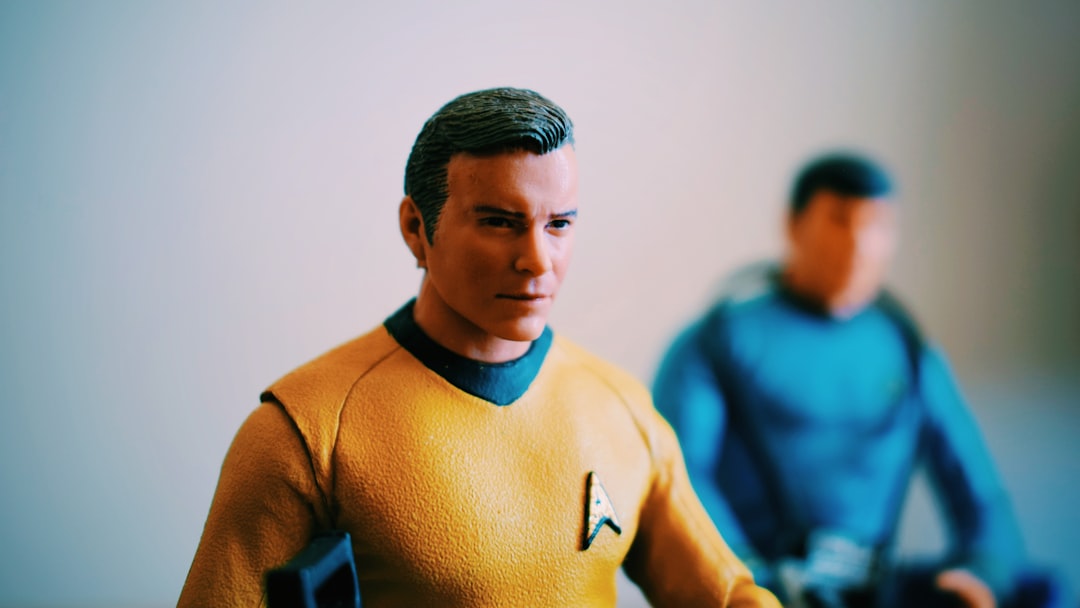
William Shatner’s habit of altering lines to favor his character created ongoing resentment among the cast. Leonard Nimoy and Nichelle Nichols fought for equal pay and screen time, with Nichols nearly leaving before external encouragement convinced her to stay. These power struggles influenced episode scripts and character development in subtle ways.
Shatner’s focus on his own role often left other actors feeling sidelined during filming. The cast maintained professional distance for decades afterward. Viewers enjoyed the tight-knit Enterprise crew without realizing the real divisions that existed behind the scenes.
Seinfeld
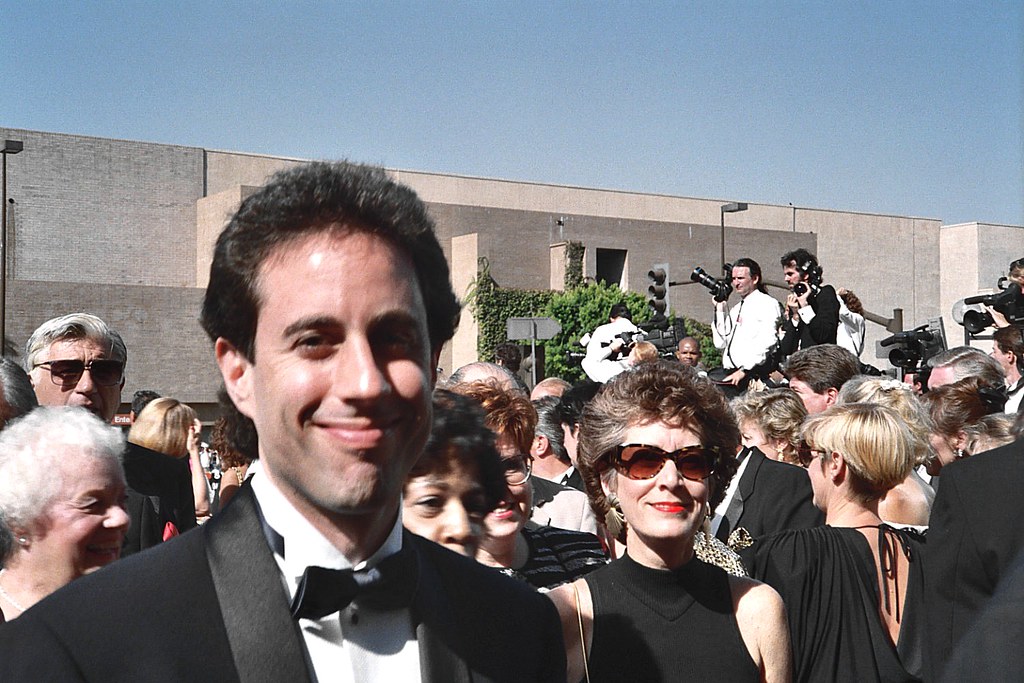
Jason Alexander found working with Heidi Swedberg challenging because her performance style clashed with his expectations for scenes. The writers adjusted Susan’s character arc partly to accommodate these dynamics. Alexander later reflected on the difficulty in interviews years after the show ended.
Despite the tension, the episodes featuring Susan remained popular and seamless. The cast kept the friction private during production. Audiences laughed at the group’s misadventures without detecting any strain in the performances.
Friends
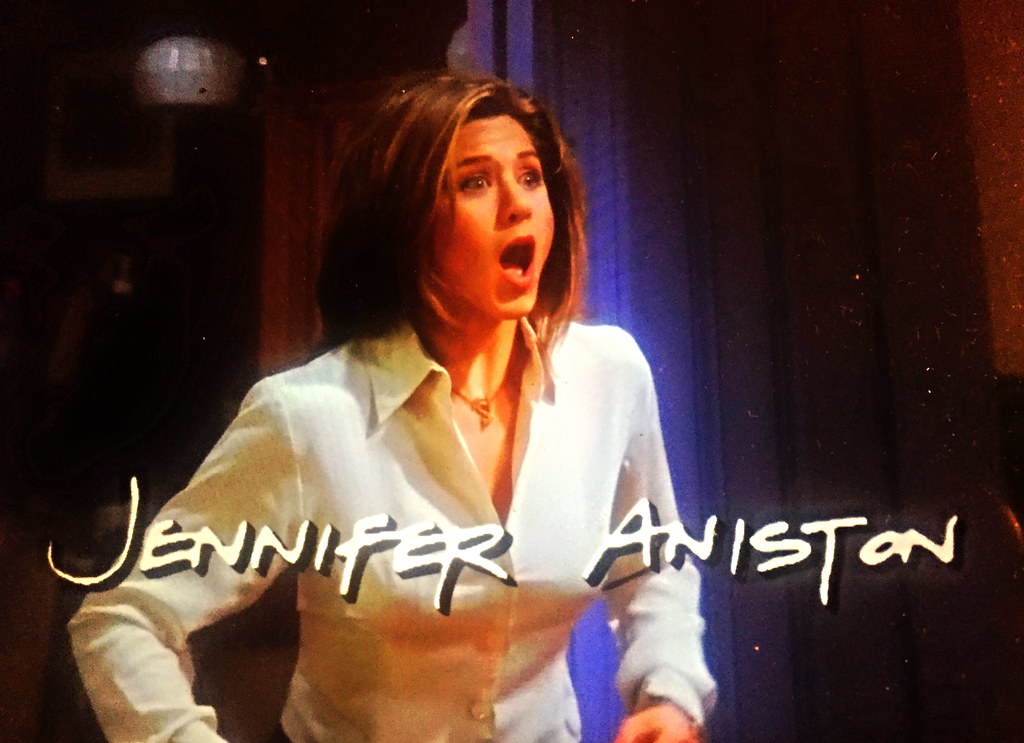
Jennifer Aniston faced an awkward situation when her real-life ex-boyfriend Tate Donovan joined the cast as a love interest for her character. The timing added personal discomfort to their shared scenes. Writers navigated the storyline carefully to avoid drawing attention to the offscreen history.
The rest of the ensemble stayed supportive and professional throughout. No public comments surfaced during the show’s run. Fans saw only the lighthearted romance on screen, missing the private complications that shaped those episodes.
Moonlighting
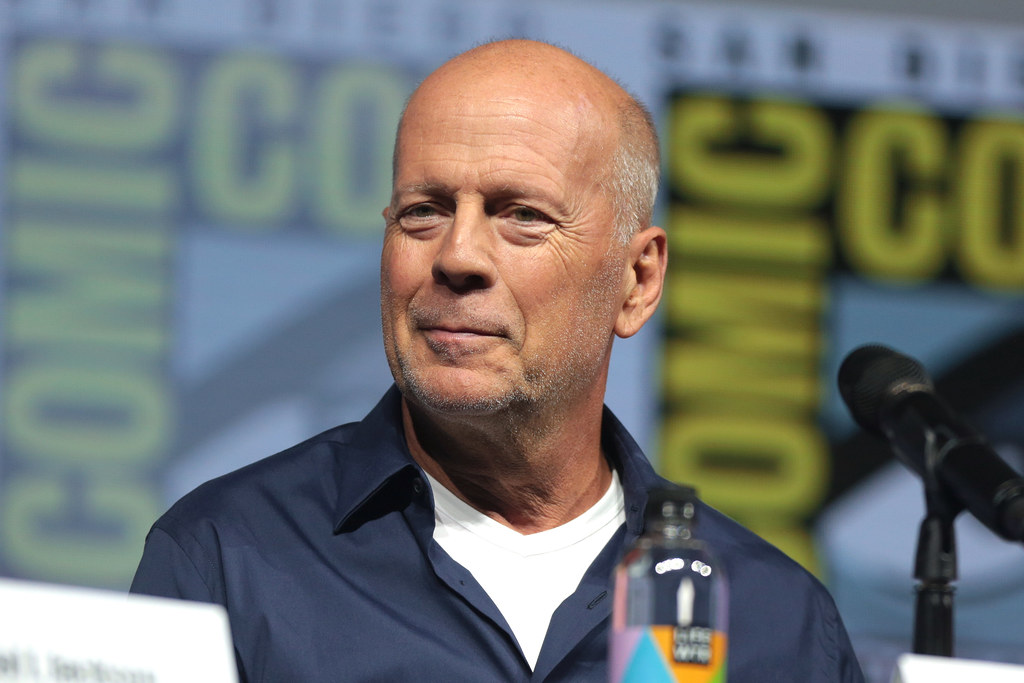
Bruce Willis and Cybill Shepherd’s reported clashes over creative control and screen time affected the writing process. Their onscreen chemistry drove the show, yet off-camera disagreements sometimes delayed production. The tension contributed to the series ending earlier than planned.
Producers worked around the issues by focusing scripts on their banter. The cast kept disagreements out of the public eye during the original broadcast. Viewers tuned in for the witty dialogue without knowing the personal friction that fueled it.
The X-Files
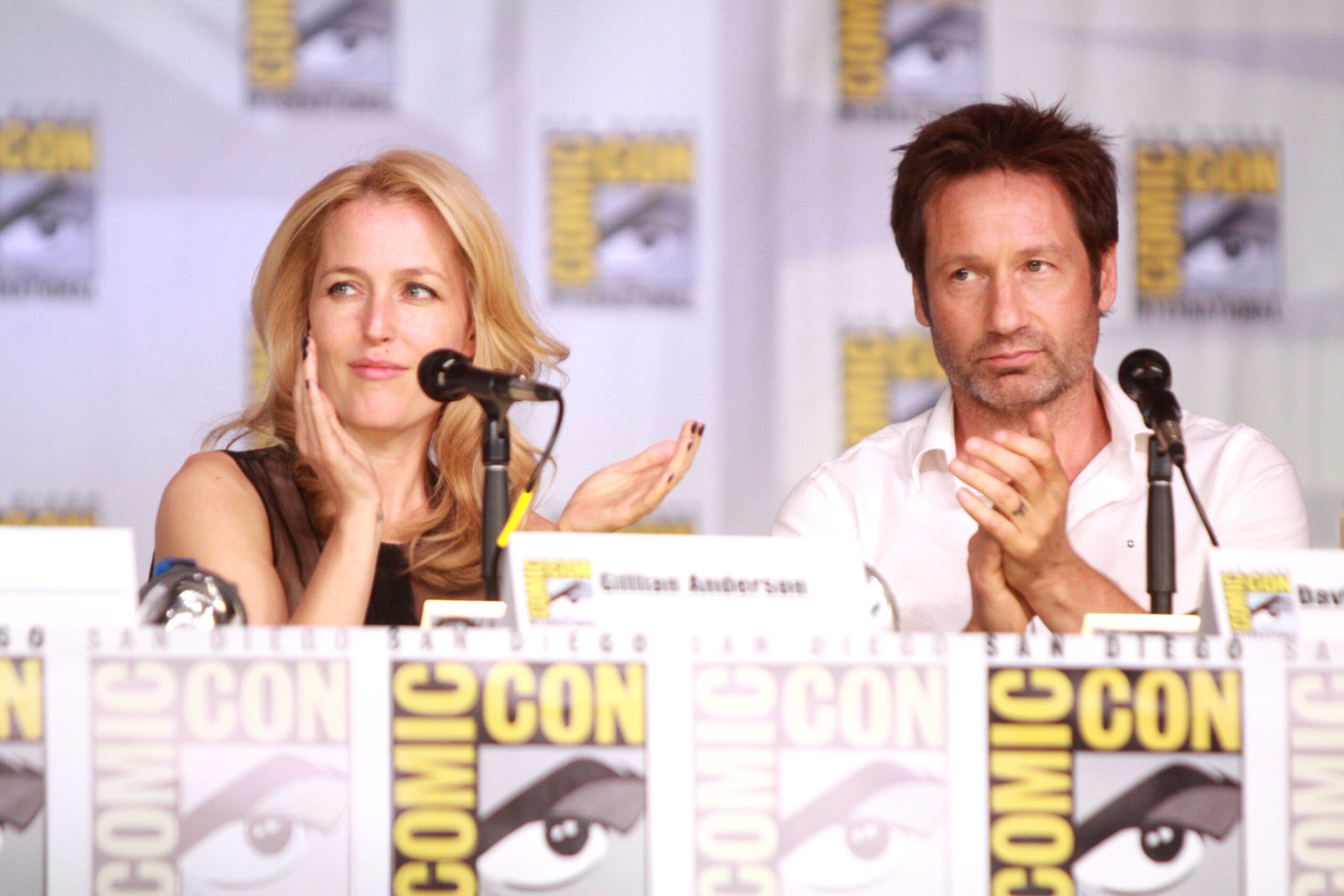
David Duchovny and Gillian Anderson experienced creative differences that occasionally slowed filming. Their characters’ partnership remained central, but the actors’ real-life rapport was more distant than fans assumed. These dynamics influenced how scenes were shot and edited.
The showrunners balanced the leads’ input while maintaining the mystery format. Both actors stayed committed to their roles publicly. Audiences followed the investigations without sensing any underlying strain between the stars.
Charmed
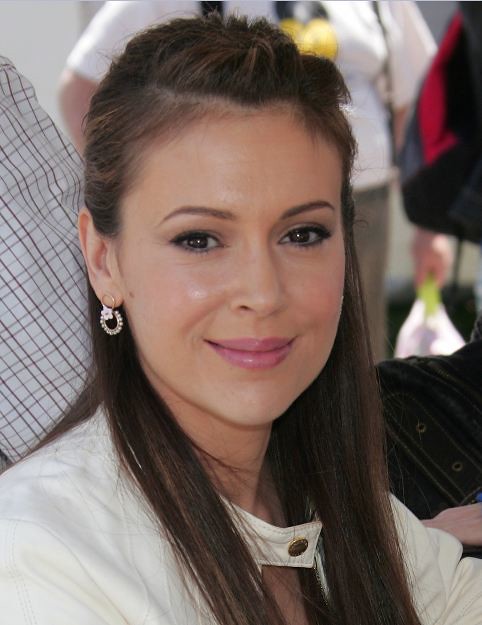
Shannen Doherty and Alyssa Milano’s growing conflict led to Doherty’s departure after season three. Producers killed off her character to resolve the issue and introduced a new sister. The change altered the show’s family dynamic for the remaining seasons.
The other cast members navigated the transition professionally. Public statements at the time stayed positive. Viewers accepted the new storyline without realizing the behind-the-scenes decision that forced it.
Desperate Housewives
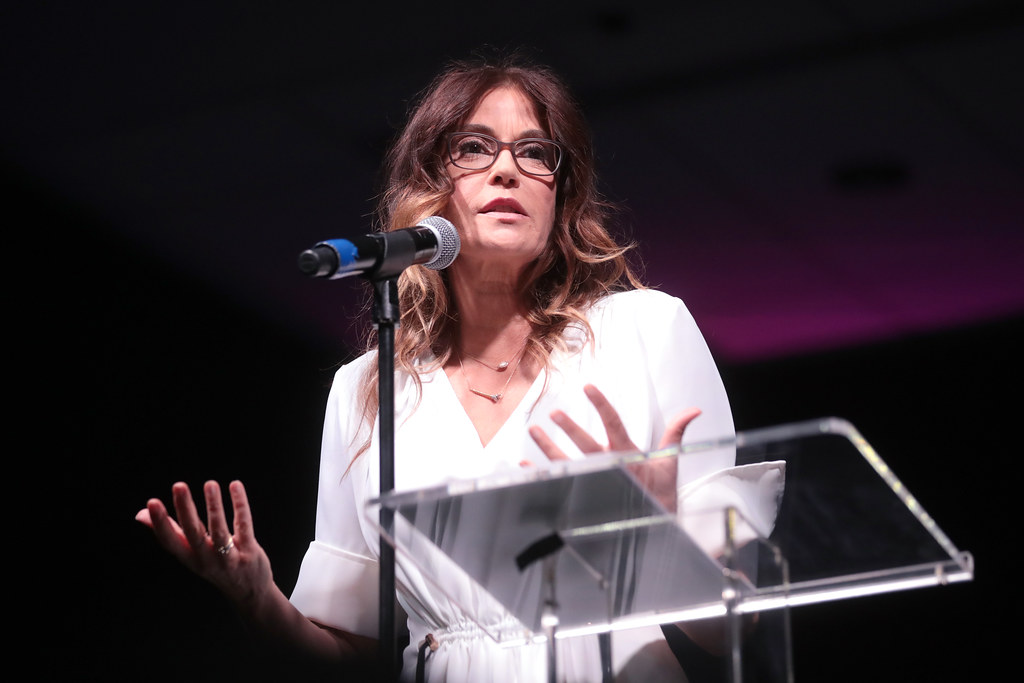
Teri Hatcher became isolated from her co-stars amid salary disputes and perceived distance. The cast’s farewell gift to the crew notably excluded her name. These tensions affected contract talks and group scenes in later seasons.
Producers kept the focus on individual storylines to minimize group friction. The actresses maintained a united front in promotions. Audiences enjoyed the suburban intrigue without noticing the real divisions on set.
Sex and the City
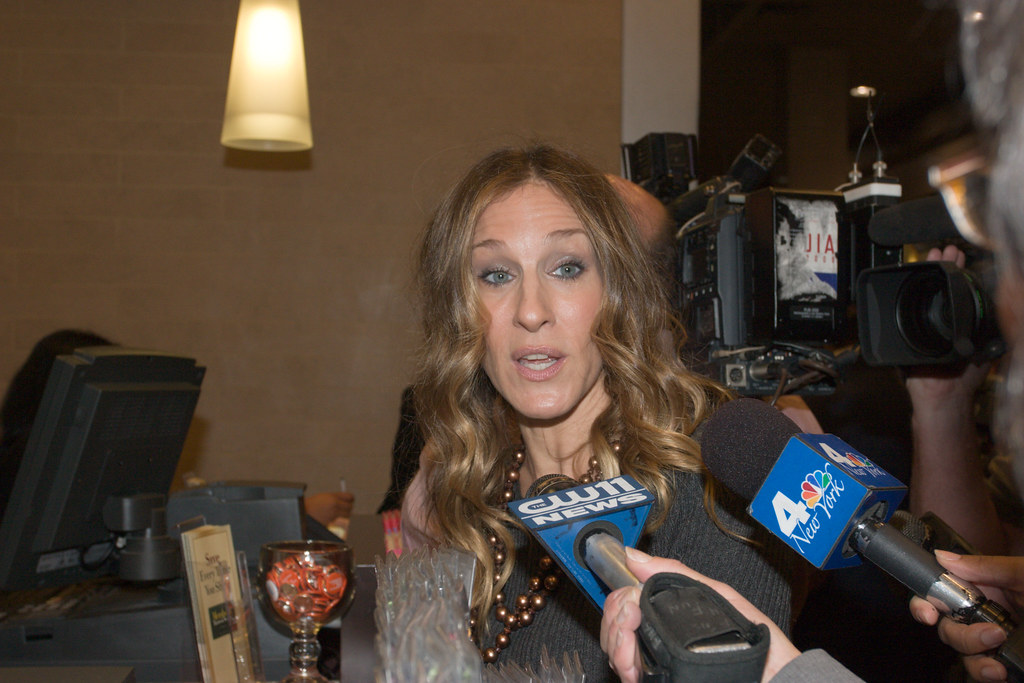
Sarah Jessica Parker and Kim Cattrall’s reported rivalry shaped how their characters interacted in group scenes. Cattrall’s departure after the original series stemmed partly from these issues. The tension influenced the tone of later episodes and the revival attempts.
Writers adjusted dialogue to highlight individual arcs when needed. Both actresses kept comments measured during the show’s peak. Fans followed the friendships on screen without detecting the off-camera distance.
Grey’s Anatomy

Isaiah Washington’s use of a slur toward T.R. Knight led to his exit after public fallout. Patrick Dempsey’s central role sometimes created scheduling and creative imbalances. These incidents prompted cast changes and storyline shifts over multiple seasons.
Showrunners addressed the issues through private resolutions and public statements. The medical drama continued with new characters filling gaps. Viewers followed the hospital romances without knowing the real conflicts that prompted recasts.
The Golden Girls
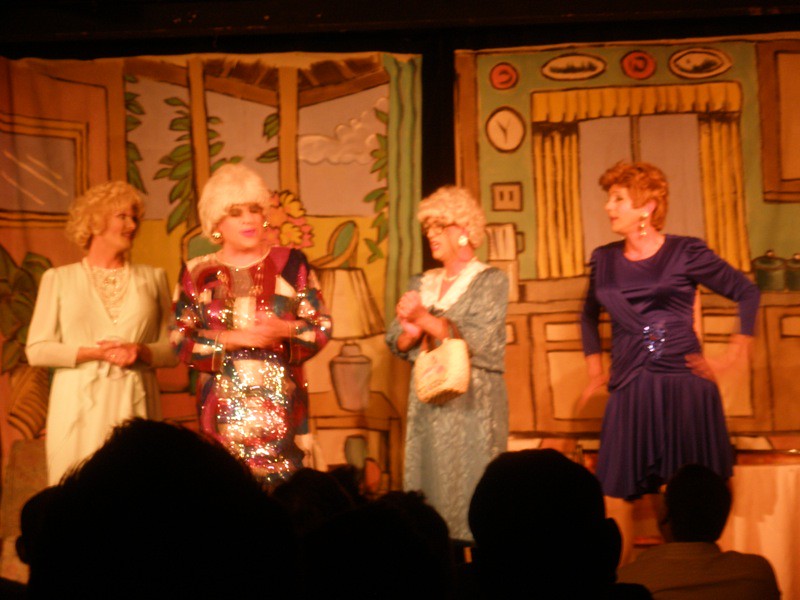
Bea Arthur’s strong personality sometimes clashed with the ensemble’s lighter approach during rehearsals. Betty White’s popularity with audiences created subtle imbalances in screen time. These dynamics required careful script balancing by the writers.
The cast resolved disagreements privately and delivered consistent performances. No major public disputes emerged during the original run. Audiences saw only the warm friendships among the roommates.
Bewitched
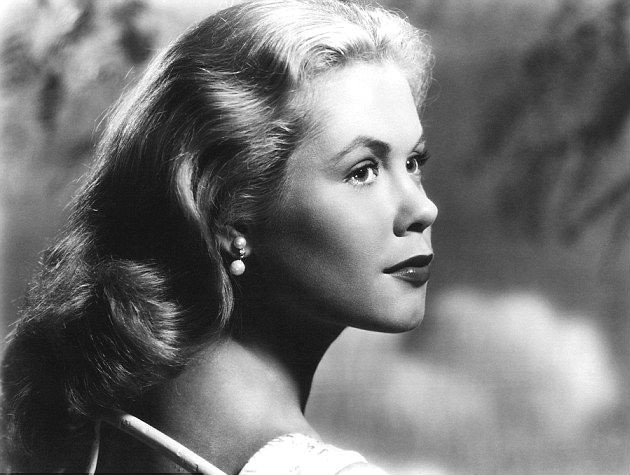
The original Darrin actor, Dick York, left due to health issues that affected filming schedules. The switch to Dick Sargent required adjustments in tone and chemistry. Producers kept the change seamless by focusing on Samantha’s magic rather than the husband swap.
Elizabeth Montgomery supported both actors professionally. The production maintained its family-friendly image throughout. Viewers accepted the new Darrin without noticing the real health and casting challenges behind the transition.
Behind every polished episode lies a layer of human complexity that rarely reaches the screen. These hidden stories remind us that even the most familiar shows carry quiet histories shaped by the people who made them.

- 37 Songs From the ’60s and ’70s With Meanings No One Caught the First Time - August 31, 2026
- 12 Legendary Concert Venues That Witnessed Unforgettable Musical Moments - August 31, 2026
- 10 Iconic Speeches That Dramatically Shaped Modern History - August 31, 2026

