

- Iconic Cultural Moments Are Not Planned; They Simply Erupt and Resonate. - August 31, 2026
- 10 Classic TV Commercials That Are More Memorable Than the Products They Sold - August 31, 2026
- The Echoes of Past Eras Resurface in Our Modern World in Surprising Ways. - August 30, 2026
Fashion has a way of circling back when least expected. Elements once tied to the social upheavals and creative bursts of the 1960s now appear on runways and city streets with fresh twists that feel both familiar and new.
The return stems from a broader appetite for pieces that balance boldness with wearability. Designers draw on that decade’s spirit of experimentation while adapting cuts and fabrics for today’s lifestyles.
Mini Skirts
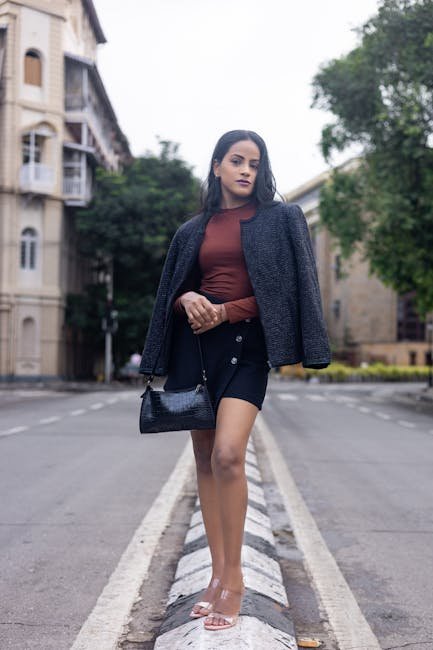
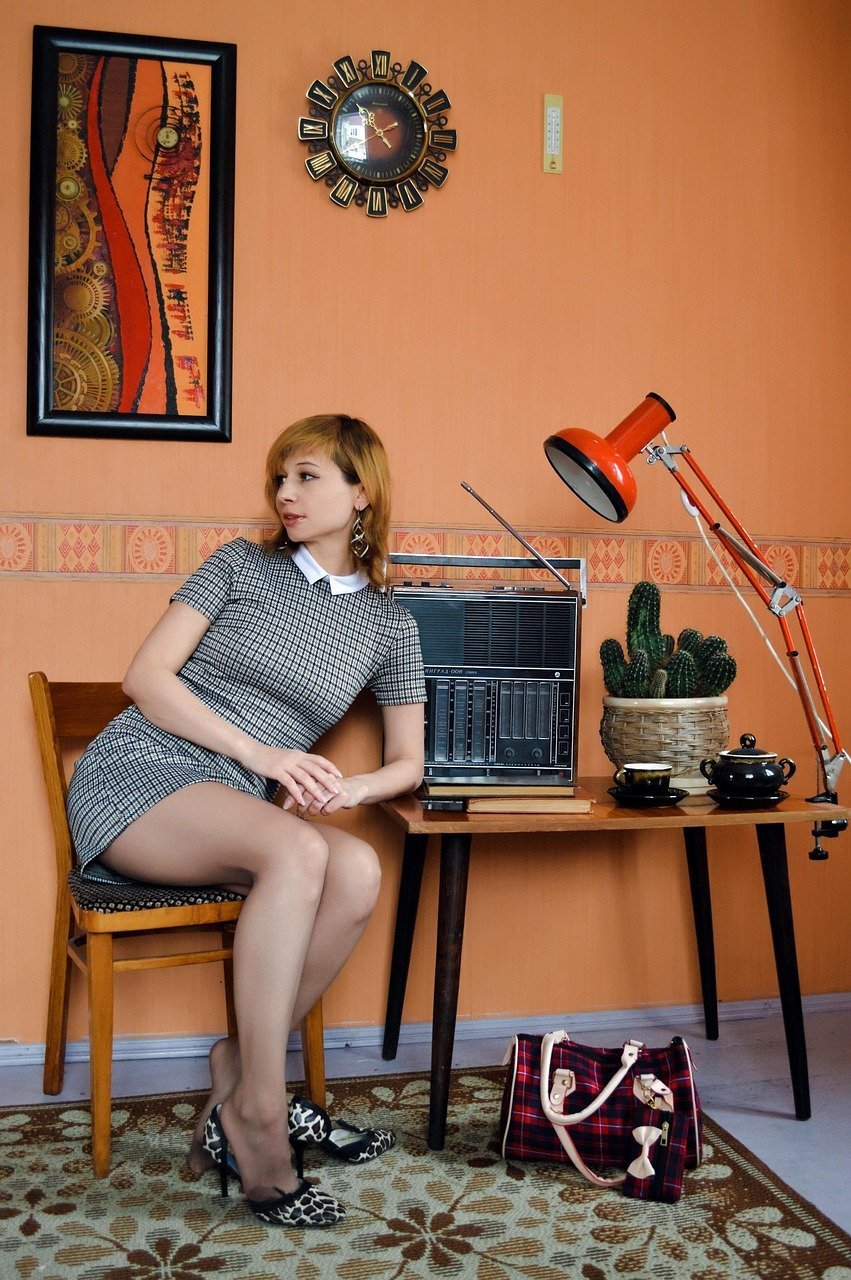
The mini skirt first gained traction in the mid 1960s through London designers who shortened hemlines dramatically. It quickly became a symbol of youthful rebellion and changing attitudes toward women’s clothing. Shorter lengths challenged older conventions and aligned with the era’s push for personal freedom.
Modern versions keep the same playful length but often use stretch fabrics or layered looks for comfort. They show up paired with oversized sweaters or tailored blazers in current collections. This approach lets the silhouette feel current rather than purely nostalgic.
Flared Pants
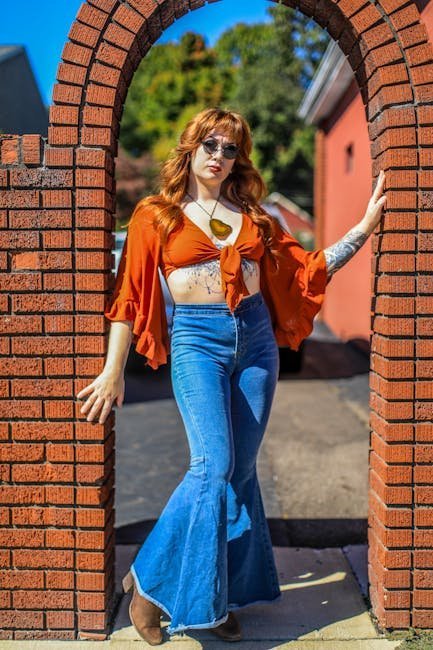
Flared pants rose to prominence in the late 1960s as part of the shift toward more relaxed silhouettes. They offered movement and a sense of ease that contrasted with the fitted styles of earlier years. The wide leg became a staple in both casual and evening wear during that time.
Today the flare returns in denim and tailored trousers with subtle updates to the width and rise. Many versions incorporate sustainable materials or neutral tones that fit everyday wardrobes. The shape adds a graceful line to outfits without requiring dramatic styling changes.
Psychedelic Prints
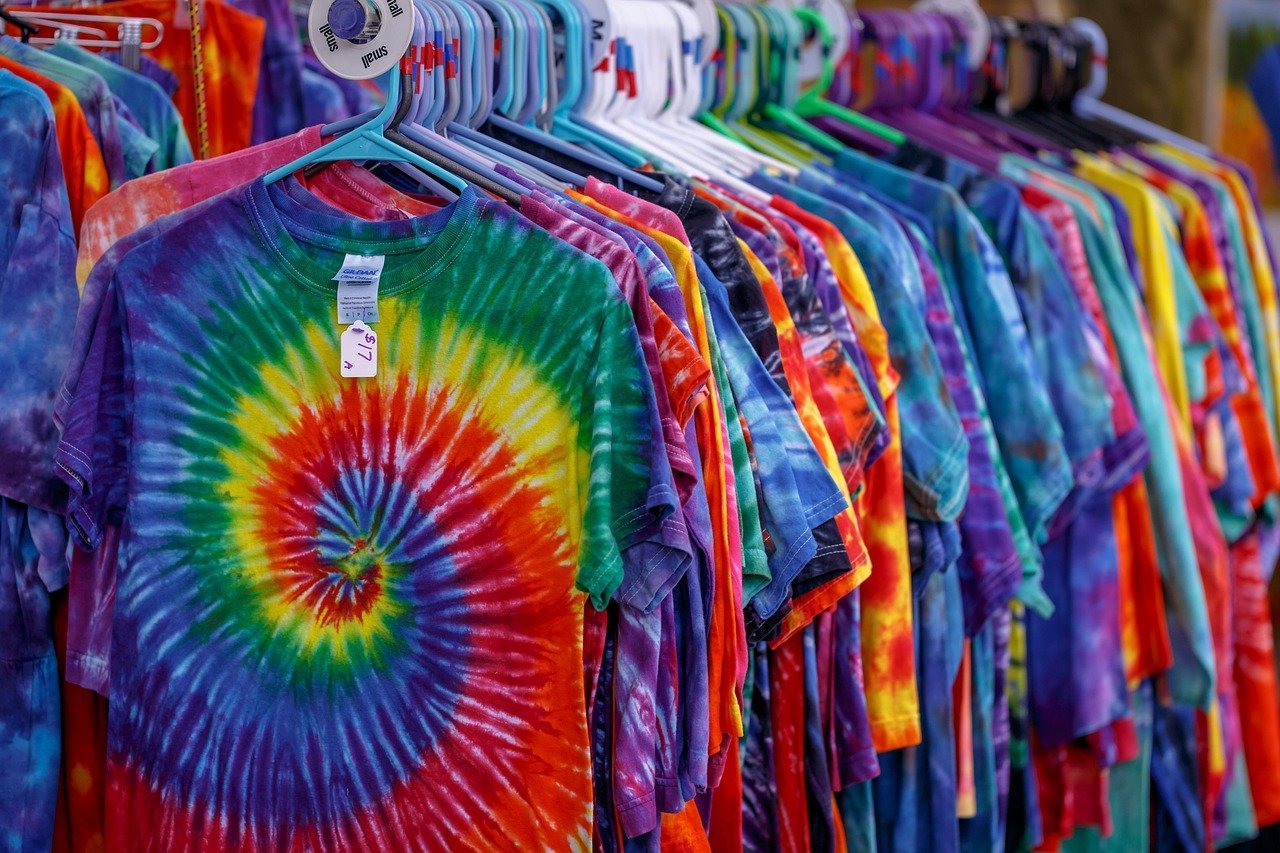
Psychedelic prints exploded in popularity during the second half of the 1960s. Bold swirls, optical patterns, and vivid color combinations reflected the era’s interest in art, music, and altered perspectives. These designs appeared on everything from dresses to accessories.
Current revivals tone down the intensity with smaller motifs or muted palettes that suit professional settings. They appear in silk blouses and lightweight jackets that layer easily. The prints bring visual interest while remaining versatile for mixed wardrobes.
Go-Go Boots
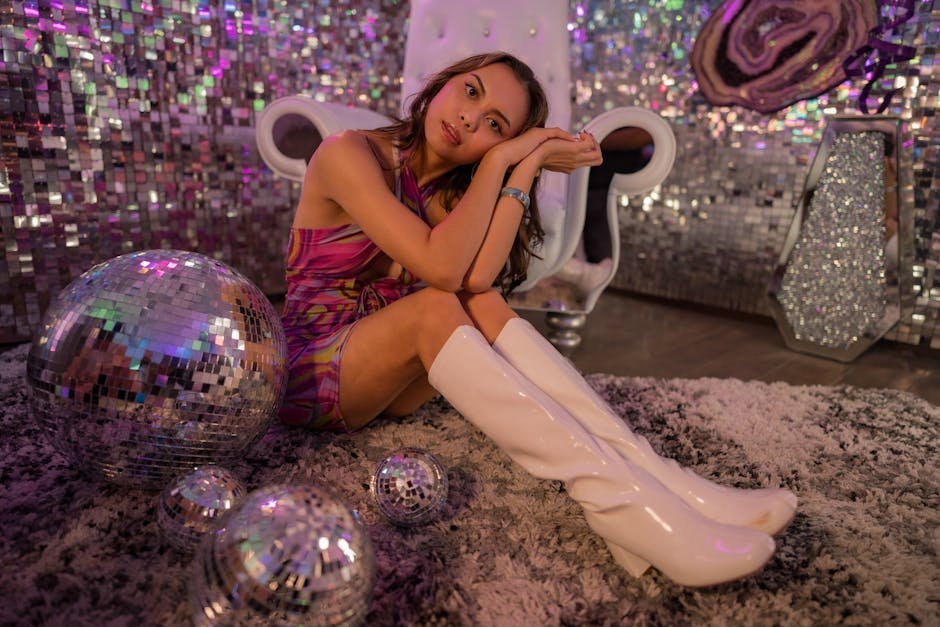
Go-go boots emerged in the early 1960s as a practical yet striking footwear choice. Their mid-calf height and simple lines complemented the shorter hemlines of the period. They became associated with the energetic dance culture and mod aesthetic of the time.
Contemporary takes keep the clean shape but introduce softer leathers or lower heels for all-day wear. They pair well with wide-leg trousers or midi dresses in recent seasons. The boot offers a structured element that grounds looser silhouettes.
A-Line Dresses
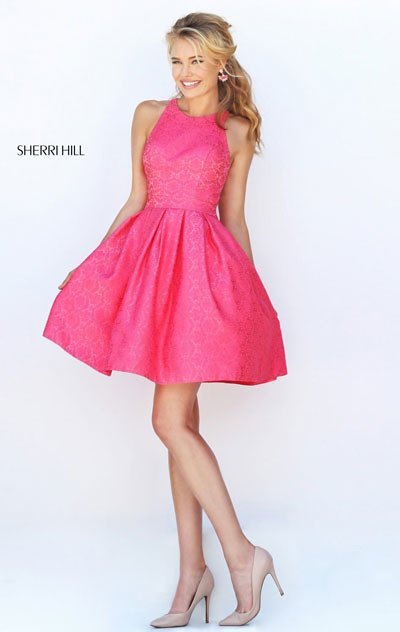
The A-line dress gained favor in the 1960s for its flattering shape that skimmed the body without clinging. It provided ease of movement and worked across body types during a decade of expanding fashion options. Simple lines allowed for creative fabric choices and minimal detailing.
Present-day versions maintain the triangular silhouette while adding modern details like subtle pockets or mixed textures. They appear in both day dresses and evening styles with updated necklines. The cut remains a reliable choice for those seeking comfort alongside polish.
Fringe Accents
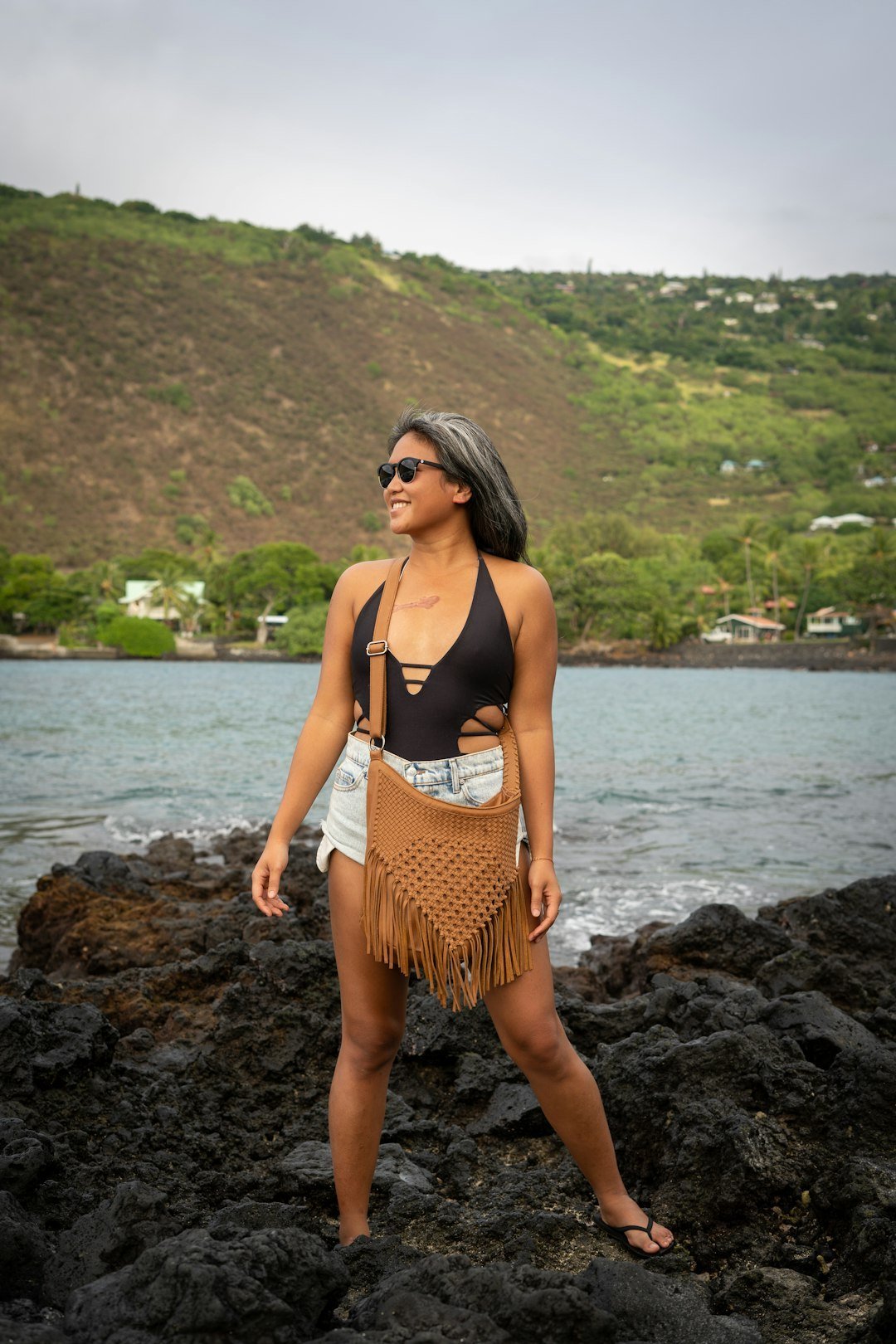
Fringe details surfaced in the late 1960s as part of the growing interest in folk and bohemian influences. They added movement and texture to jackets, vests, and bags during a period of cultural mixing. The trim evoked a sense of freedom and playfulness in everyday clothing.
Current applications use shorter or more refined fringe on outerwear and accessories. It appears on suede jackets or knit sweaters that transition between seasons. The detail adds subtle motion without overwhelming the overall look.
The Cycle Continues
These returns highlight how fashion rarely discards ideas outright. Instead it reworks them to match new contexts and preferences. The 1960s offered a rich source of shapes and details that still resonate because they solved similar problems of expression and comfort.
Each revival carries forward the original spirit while shedding elements that no longer fit. The result feels less like repetition and more like an ongoing dialogue between decades. In that sense the trends serve as quiet reminders that personal style often draws from what has already proven its staying power.

Besides founding Festivaltopia, Luca is the co founder of trib, an art and fashion collectiv you find on several regional events and online. Also he is part of the management board at HORiZONTE, a group travel provider in Germany.
