
Films from earlier decades often drift out of regular viewing habits as fresh releases flood theaters and streaming queues. Attention shifts toward quick paced stories and familiar franchises, leaving many older titles untouched by newer audiences.
Casablanca (1942)
This wartime romance set in Morocco earned three Academy Awards and gave the world lines that still echo in popular culture. Its blend of intrigue, sacrifice, and timeless love story helped define the golden age of Hollywood cinema. Viewers born later rarely encounter it because black and white presentation and slower pacing feel distant from current blockbusters.
Streaming services rarely push it in recommendations aimed at younger users who favor color saturated action. The result is a masterpiece that sits quietly on watchlists rather than in active rotation.
Citizen Kane (1941)
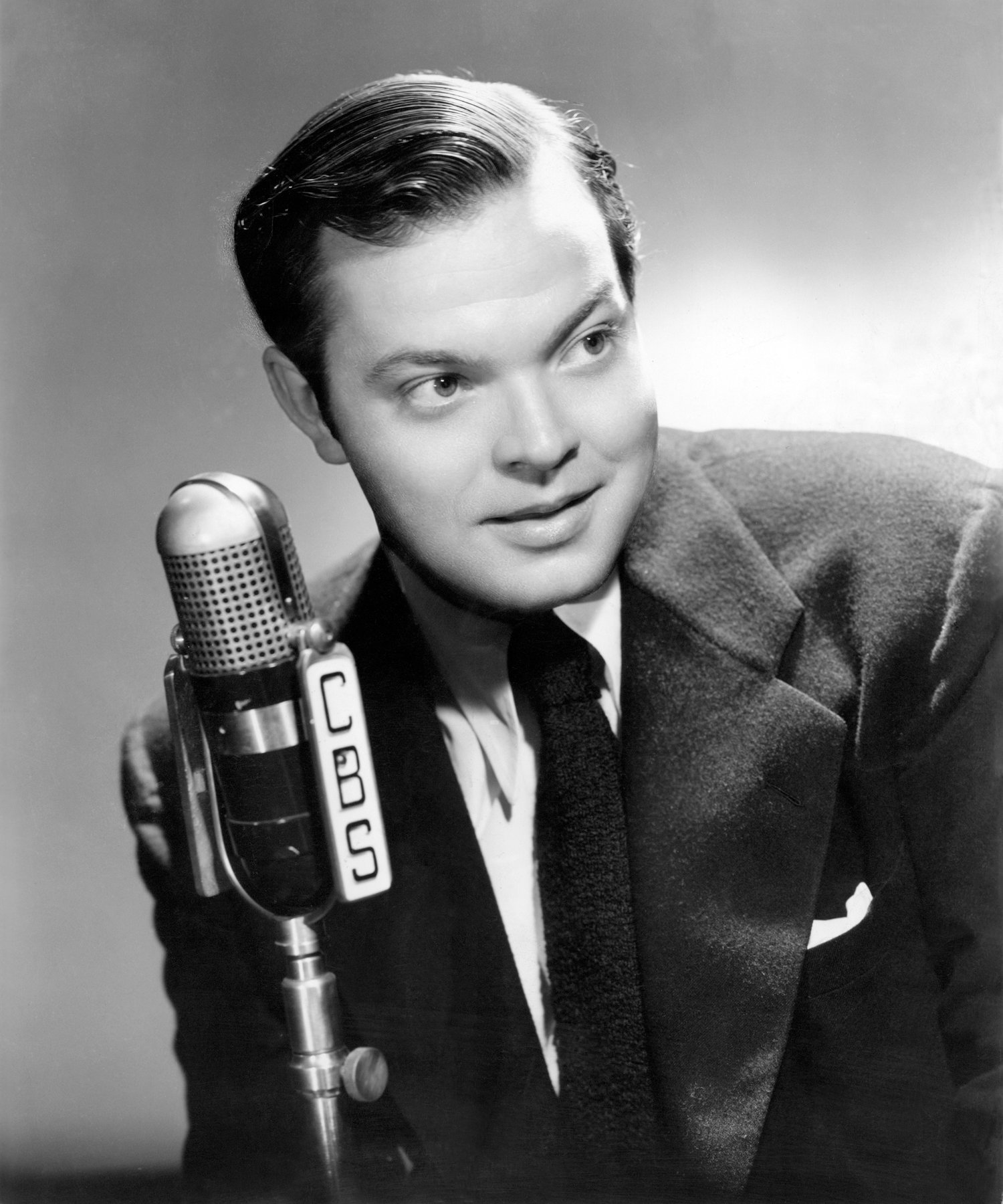
Orson Welles groundbreaking work revolutionized filmmaking with its innovative camera work and nonlinear storytelling. It frequently tops critic lists as one of the greatest achievements in movie history. Younger audiences miss it because its experimental structure and focus on power and regret do not match the fast cuts common today.
Many discover it only through film school assignments rather than casual browsing. The deep focus shots and long takes require patience that modern habits sometimes overlook.
Gone with the Wind (1939)
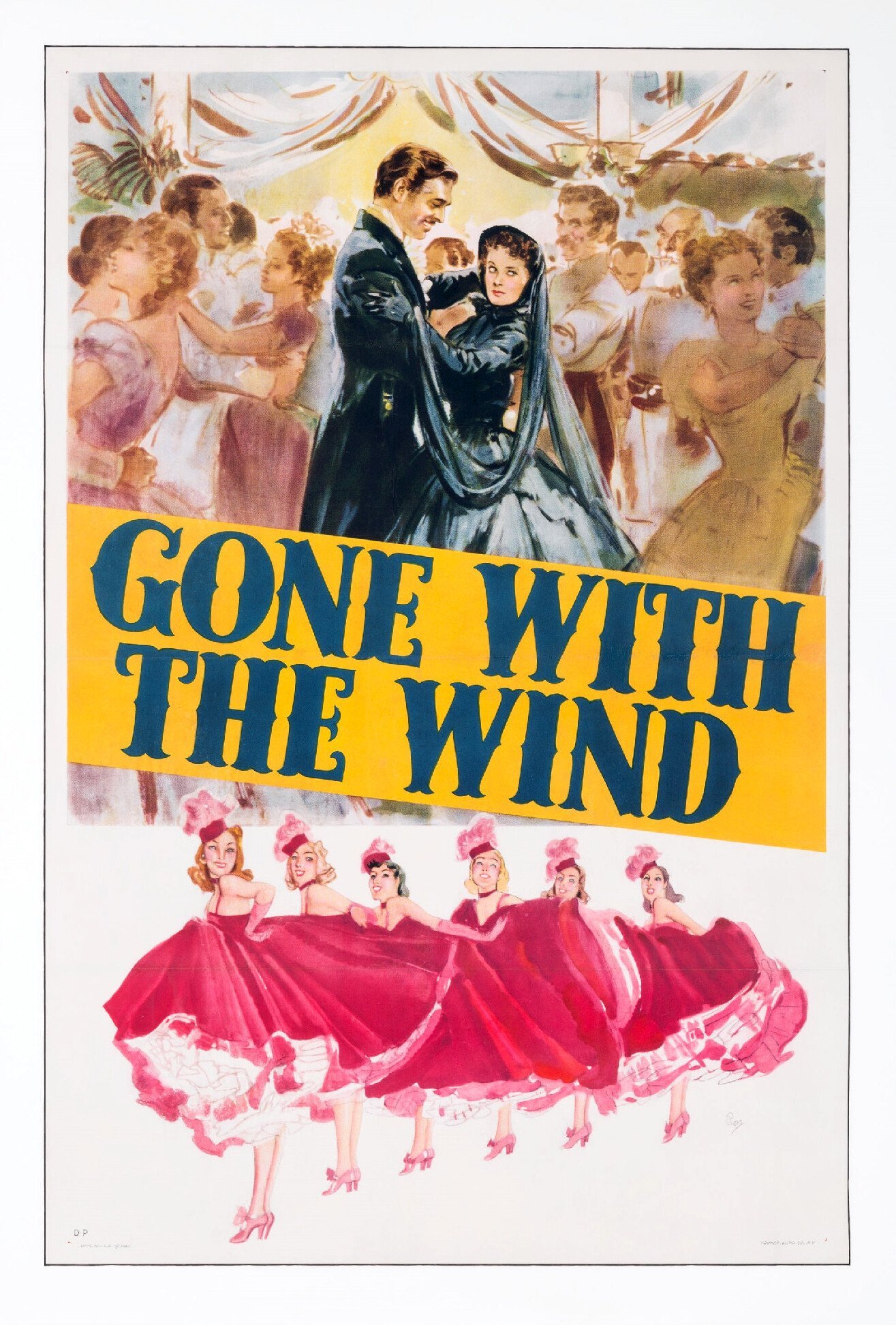
This sweeping Civil War epic won eight Oscars and remains one of the highest grossing films when adjusted for inflation. Its grand scale and memorable characters shaped how epic dramas were made for decades. People born after 1990 often skip it due to its nearly four hour length and dated social attitudes that demand context.
Colorful period pieces like this rarely appear in algorithm driven suggestions for short attention spans. The result leaves a landmark production largely unseen outside special screenings.
The Wizard of Oz (1939)
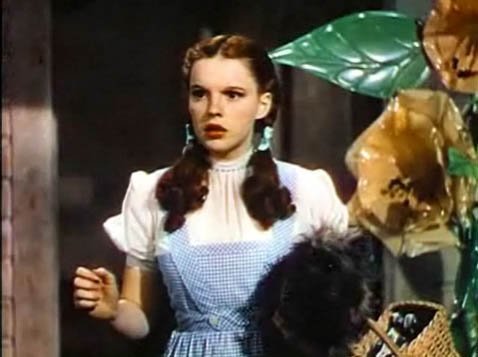
Its transition from black and white to vibrant color amazed early audiences and influenced countless fantasy films that followed. Songs and imagery from the story entered everyday language and holiday traditions. Later generations encounter only clips or remakes because the original pacing and stage like sets feel less immersive than digital effects.
Streaming platforms highlight newer animated versions instead. This leaves the source material as something parents might mention rather than something peers discuss.
It’s a Wonderful Life (1946)
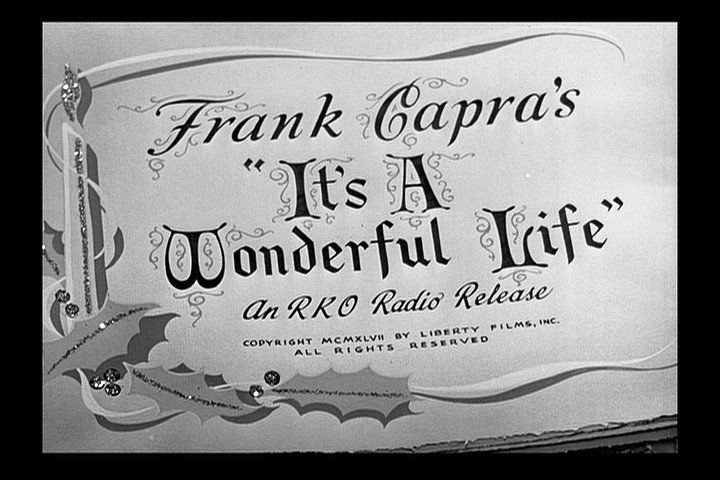
Frank Capra directed this tale of redemption that became a holiday staple despite modest initial success. Its message about community and second chances resonates across generations. Younger viewers miss the full experience because holiday programming now leans toward contemporary comedies rather than this thoughtful drama.
The black and white format and deliberate build up do not compete with quick holiday specials. Many know the ending twist without ever watching the complete journey.
Singin’ in the Rain (1952)
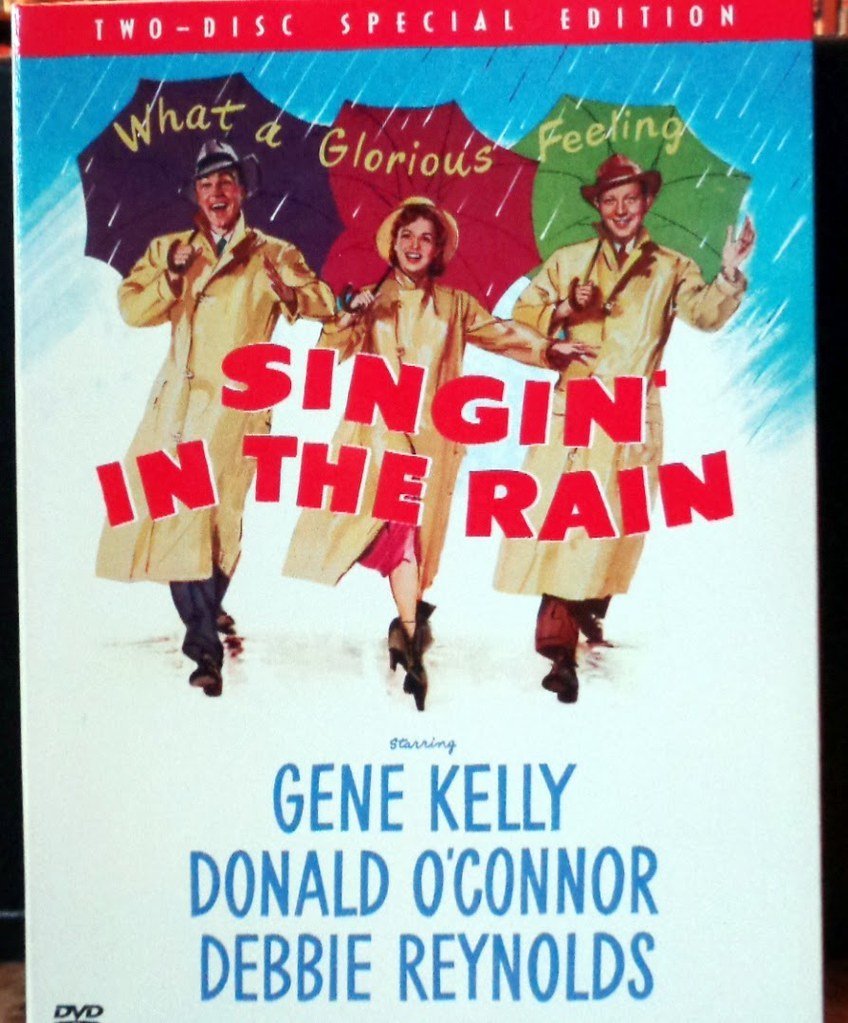
This musical celebrated the shift from silent films to talkies with dazzling choreography and memorable tunes. It ranks among the finest examples of the genre and showcases peak Hollywood craftsmanship. Audiences after 1990 often bypass it because musicals with extended dance sequences feel less common in current releases.
Recommendations favor high energy pop soundtracks over classic tap routines. The lighthearted tone gets overshadowed by darker modern fare.
12 Angry Men (1957)
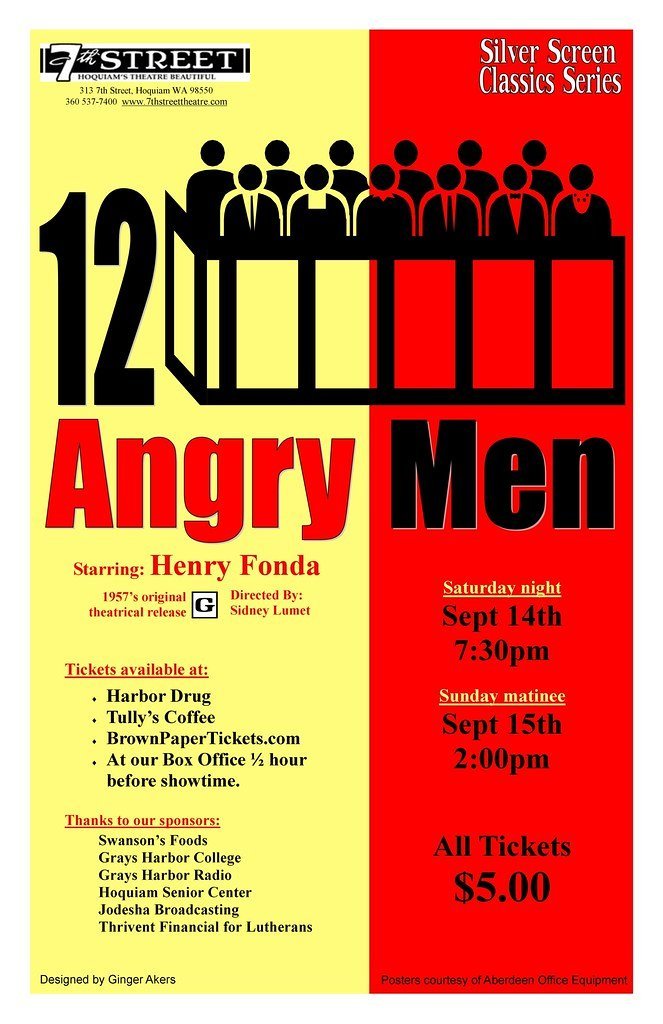
One room drama about jury deliberation earned acclaim for its tight script and powerful performances. It demonstrated how dialogue alone could drive intense suspense. Later viewers miss it because courtroom stories now emphasize flashy trials over quiet moral debates.
The single location and extended conversations require focus that shorter content rarely demands. It lingers on lists of essential viewing without frequent rewatches.
To Kill a Mockingbird (1962)
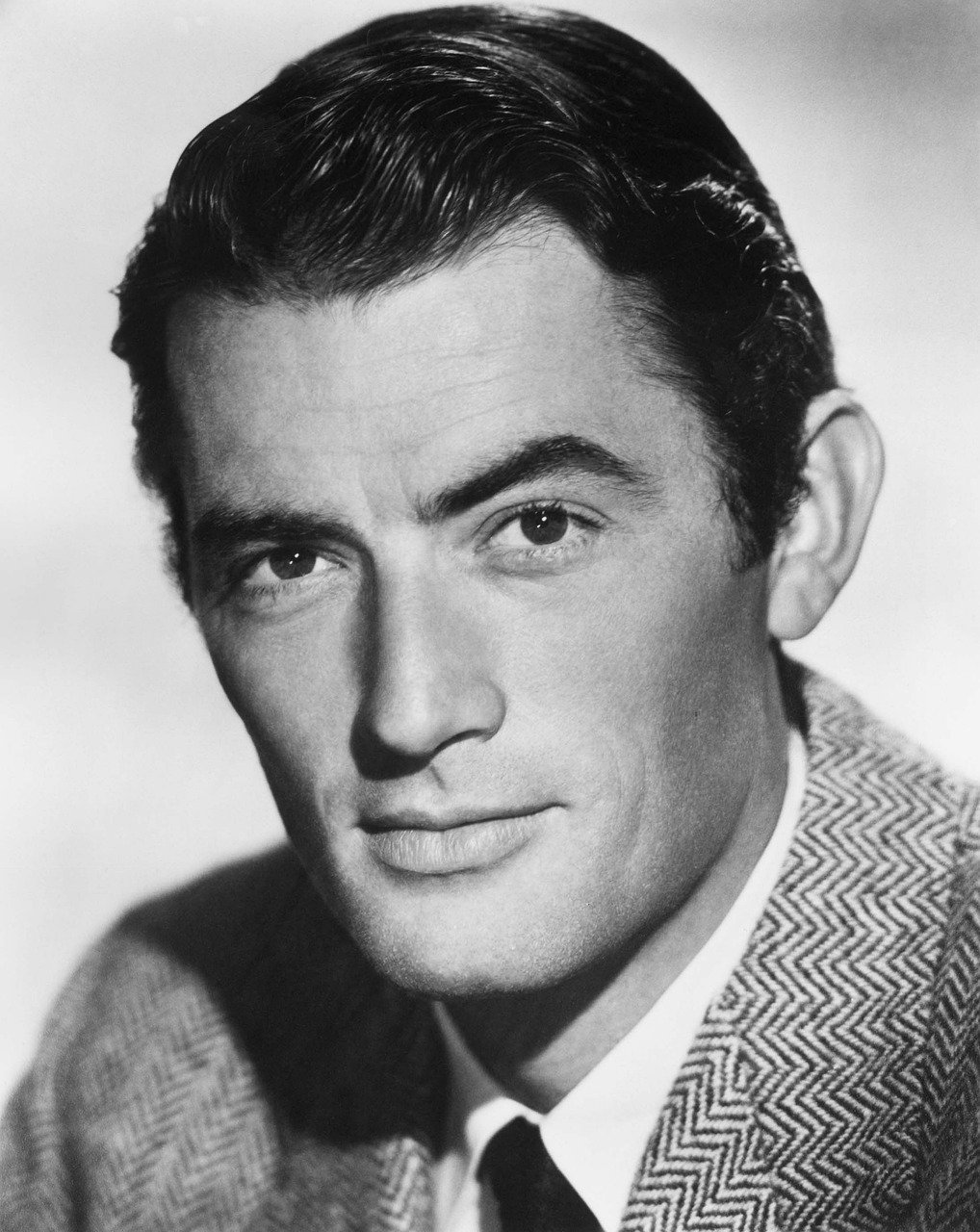
Gregory Peck delivered an Oscar winning turn in this adaptation of Harper Lee novel about justice and prejudice. The film captured the novel spirit while earning widespread praise for its sensitive handling of difficult themes. Younger audiences encounter summaries more often than the full story because its measured pace contrasts with fast moving legal thrillers today.
Streaming libraries place it in classic sections that receive less traffic. The result keeps a vital cultural touchstone somewhat removed from everyday discovery.
The Graduate (1967)
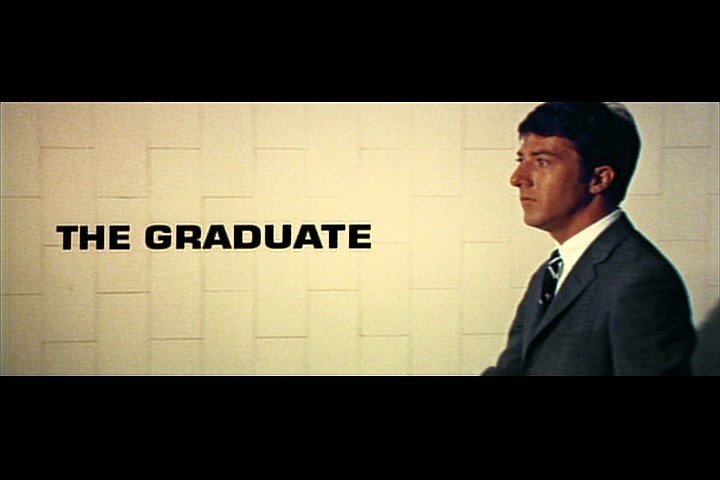
Mike Nichols directed this coming of age story that captured generational unease and featured an iconic Simon and Garfunkel soundtrack. It influenced countless films about young adulthood and uncertainty. Viewers born later often miss the complete narrative because its subtle social commentary gets reduced to a few famous scenes.
Modern romantic comedies move at a quicker clip and favor brighter tones. The original thoughtful tone sits quietly among older titles.
2001: A Space Odyssey (1968)

Stanley Kubrick created a visual masterpiece that explored human evolution and artificial intelligence with minimal dialogue. Its special effects still hold up and it shaped science fiction for years afterward. Younger audiences skip the full runtime because its abstract sequences and long stretches without speech differ sharply from action heavy space adventures.
Algorithms push shorter sci fi entries instead. The philosophical depth remains largely for dedicated film enthusiasts.
The Godfather (1972)
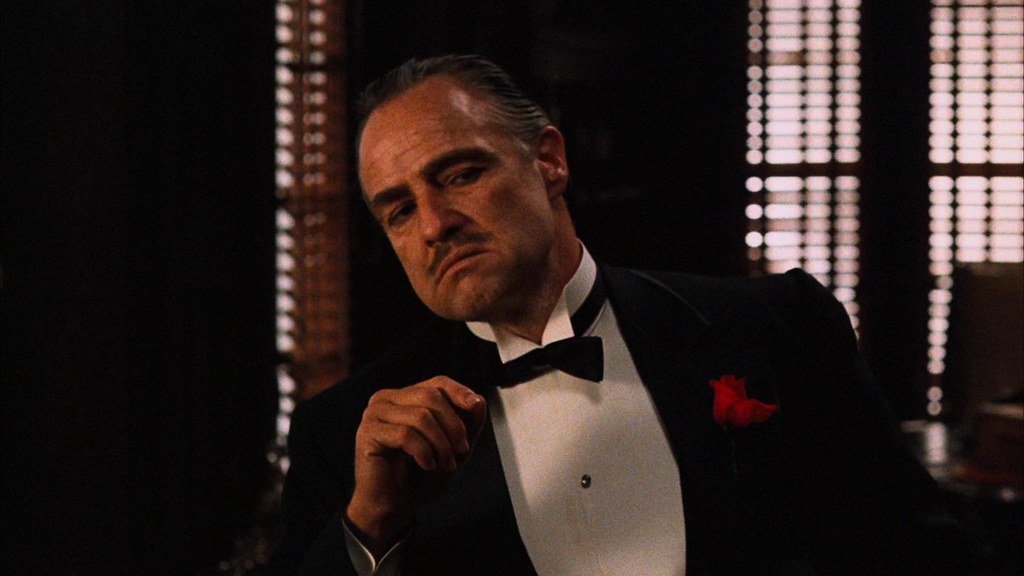
Francis Ford Coppola epic about family and crime earned multiple Oscars and redefined the gangster genre. Its performances and storytelling set standards still studied today. People born after 1990 sometimes know references without seeing the complete saga because its length and mature themes feel heavy compared to lighter crime series.
Streaming often highlights sequels or parodies first. The original careful character work gets less casual attention.
Chinatown (1974)

Roman Polanski neo noir delivered a twist filled mystery with Jack Nicholson in a career defining role. It revived interest in detective stories with sharp writing and atmosphere. Later generations miss it because modern mysteries favor faster reveals and less moral ambiguity.
The deliberate investigation style competes poorly with high concept thrillers. It stays on essential lists without frequent personal recommendations.
Taxi Driver (1976)
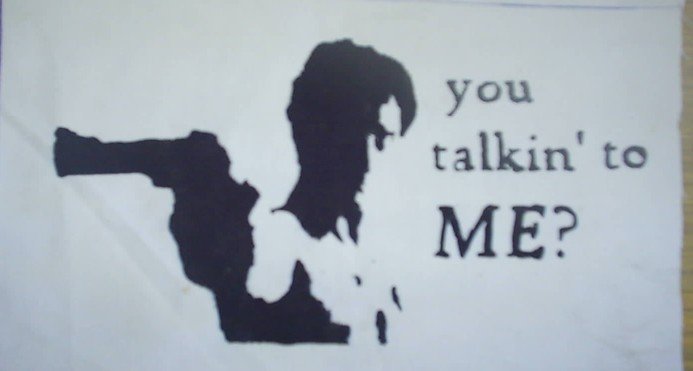
Martin Scorsese gritty portrait of urban isolation featured Robert De Niro unforgettable performance. It captured a raw side of city life that influenced countless filmmakers. Younger viewers encounter clips or references more than the full film because its dark tone and slow burn do not match upbeat entertainment options.
Streaming favors brighter or more action oriented choices. The intense character study remains somewhat overlooked outside film circles.
Annie Hall (1977)
Woody Allen romantic comedy broke new ground with its inventive structure and sharp observations on relationships. It won four Oscars and changed how comedies handled personal themes. Audiences after 1990 often miss the complete experience because its conversational style and New York setting feel less relatable than current rom com formulas.
Recommendations lean toward glossy contemporary stories. The original witty dialogue sits quietly among older titles.
Apocalypse Now (1979)
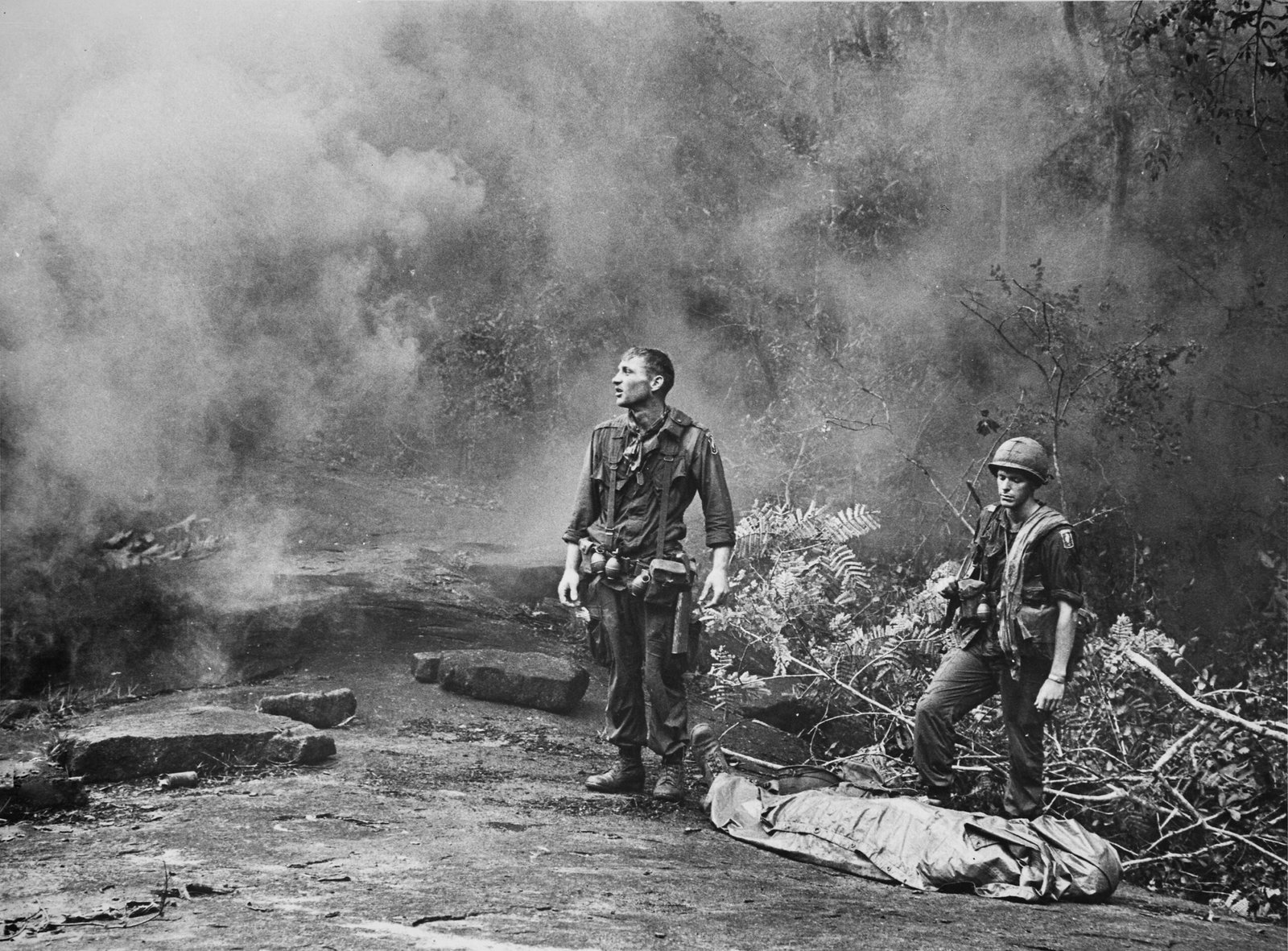
Francis Ford Coppola Vietnam War epic delivered stunning visuals and a haunting exploration of madness. Its production challenges became legendary and it earned two Oscars. Younger audiences skip the extended cut because its intense themes and lengthy runtime contrast with shorter war action films popular now.
Streaming libraries highlight faster paced military stories instead. The original ambitious vision receives less everyday attention.
The Importance of Rediscovering Classics
These films offer windows into different eras of storytelling that still hold lessons about craft and human experience. Watching them reveals how techniques and themes evolved over time. Many remain available on major platforms yet rarely surface without deliberate searching.
Rediscovering them can refresh perspectives on what makes a story last beyond its original release. A single viewing often sparks interest in similar older works that reward patience. The effort connects viewers to a broader film heritage that continues to influence new creations.

- 37 Songs From the ’60s and ’70s With Meanings No One Caught the First Time - August 31, 2026
- 12 Legendary Concert Venues That Witnessed Unforgettable Musical Moments - August 31, 2026
- 10 Iconic Speeches That Dramatically Shaped Modern History - August 31, 2026

