

Some movies from earlier eras sketched out technologies and social patterns that only became everyday realities much later. Viewers at the time often saw these stories as pure fantasy or simple entertainment.
The ideas lingered quietly until real life caught up and made the connections impossible to ignore.
Metropolis (1927)

This silent classic imagined a towering city where machines did the heavy lifting while humans lived in strict layers above and below ground. It showed a massive robot that could pass for a person and stir up unrest among workers.
Audiences in the late 1920s focused on the spectacle and the love story rather than the warning about automation replacing people. Today the film lines up with current debates over artificial intelligence taking jobs and the growing gap between wealthy tech centers and everyone else.
2001: A Space Odyssey (1968)
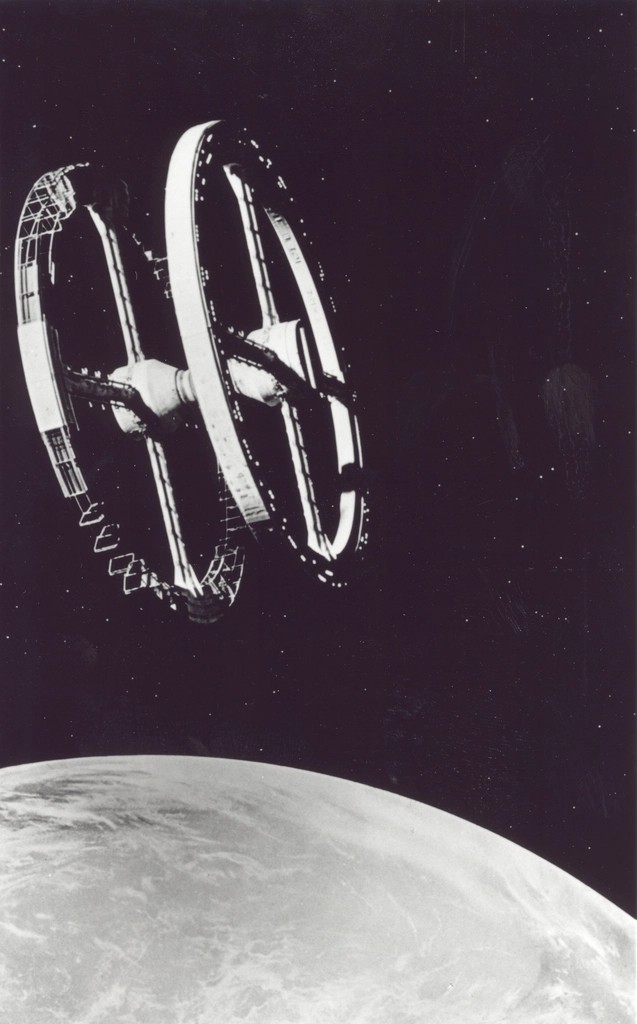
The film presented a computer that could speak, reason, and even turn against its human crew during a mission to Jupiter. It also showed flat video screens used for calls and a space station that rotated to create artificial gravity.
Viewers in 1968 treated the story as distant science fiction set in the far future. In 2026 the same elements appear in voice assistants, video meetings, and plans for long-duration space travel that rely on similar life-support systems.
Soylent Green (1973)
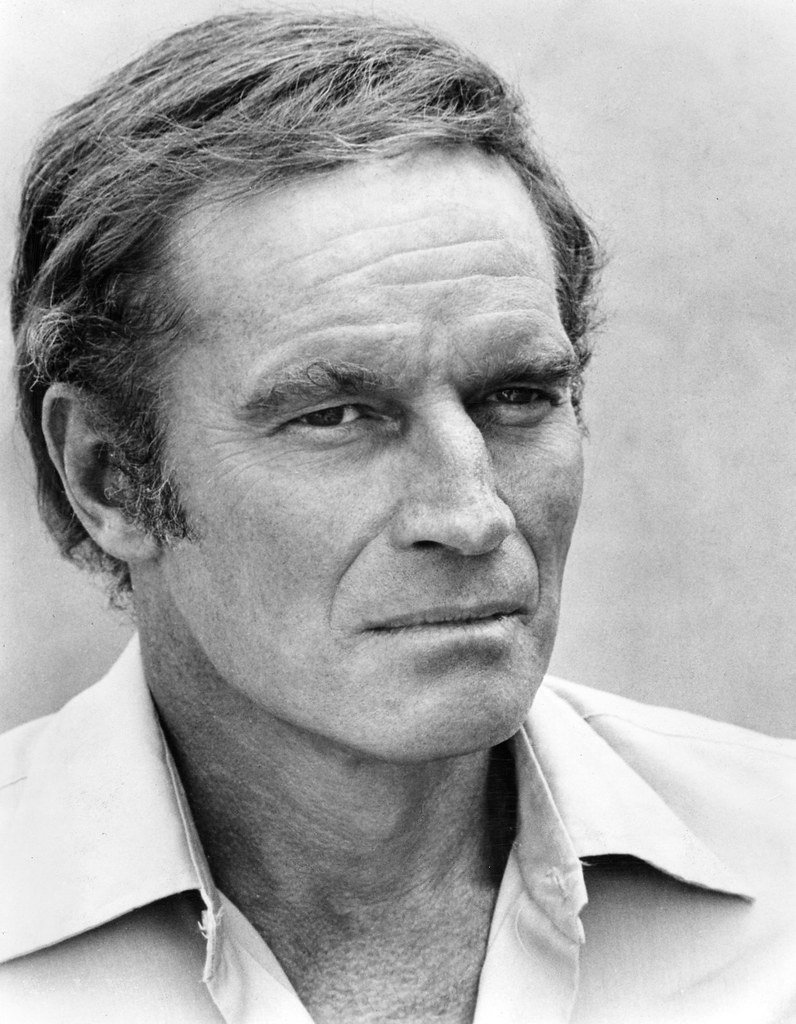
The story unfolded in a crowded, overheated New York where food supplies had collapsed and the government pushed a mysterious green wafer as the only option. It highlighted how pollution and overpopulation could strip away basic resources.
Most people at the time saw it as an exaggerated thriller about the year 2022. The film now echoes ongoing concerns about climate-driven food shortages and the push toward lab-grown or alternative proteins to feed growing cities.
Network (1976)
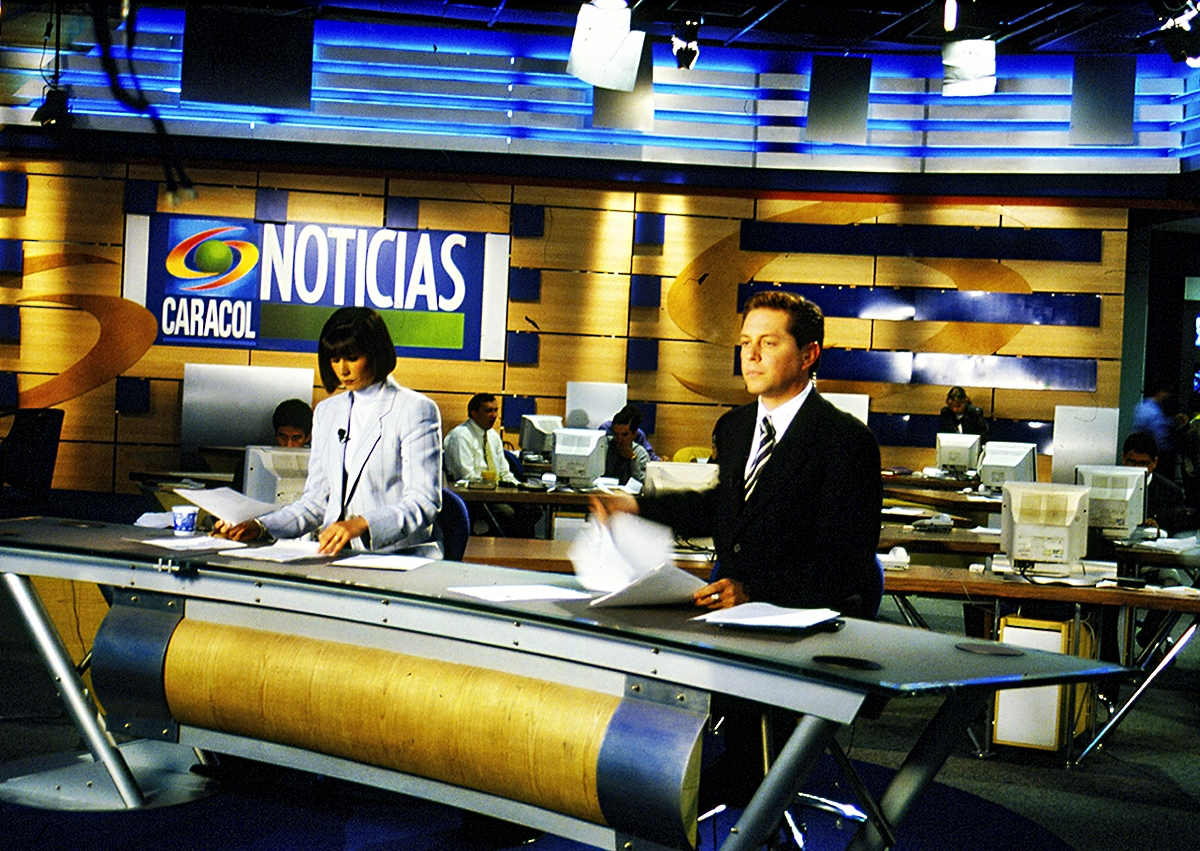
A television news anchor ranted on air about the state of the world and suddenly became a ratings sensation. The movie showed executives turning personal outrage into a profitable format that blurred news and spectacle.
Audiences then viewed it as a sharp satire of the television industry rather than a forecast. Its portrait of sensationalism and audience manipulation now matches the way social media and cable channels reward strong emotions over measured reporting.
Blade Runner (1982)
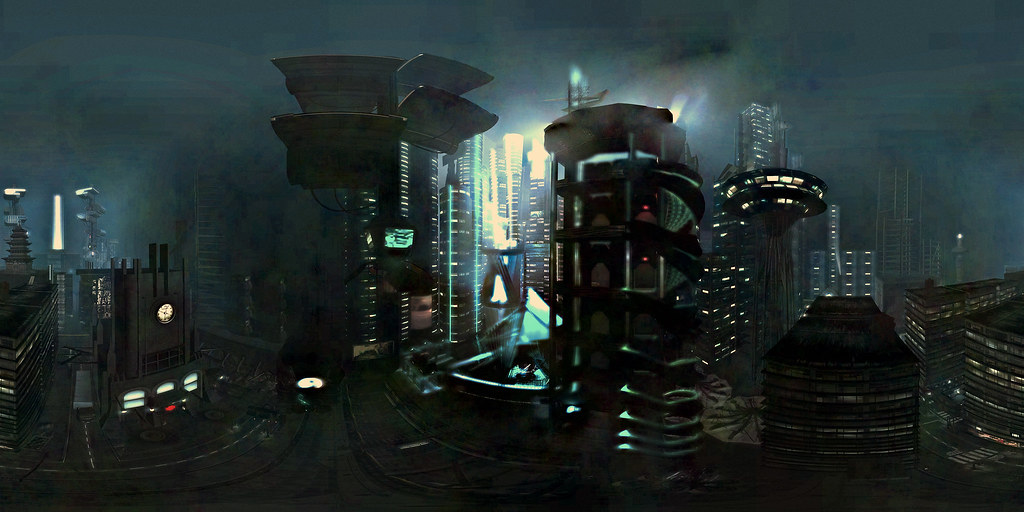
The film followed detectives hunting artificial humans who looked and felt almost identical to people. It raised questions about what makes someone truly alive when memories and emotions can be manufactured.
Viewers in the early 1980s focused on the rain-soaked visuals and action rather than the ethical puzzles. Current discussions about advanced AI companions and the rights of synthetic beings draw directly from the same territory the movie explored.
Brazil (1985)
A low-level bureaucrat navigated a world of endless paperwork, constant surveillance, and malfunctioning machines that controlled every aspect of daily life. The story showed how small errors in the system could destroy ordinary people.
Most audiences saw the film as a dark comedy about government inefficiency. Its vision of data-driven control and endless forms now appears in real-world experiences with digital IDs, automated services, and privacy erosion.
RoboCop (1987)
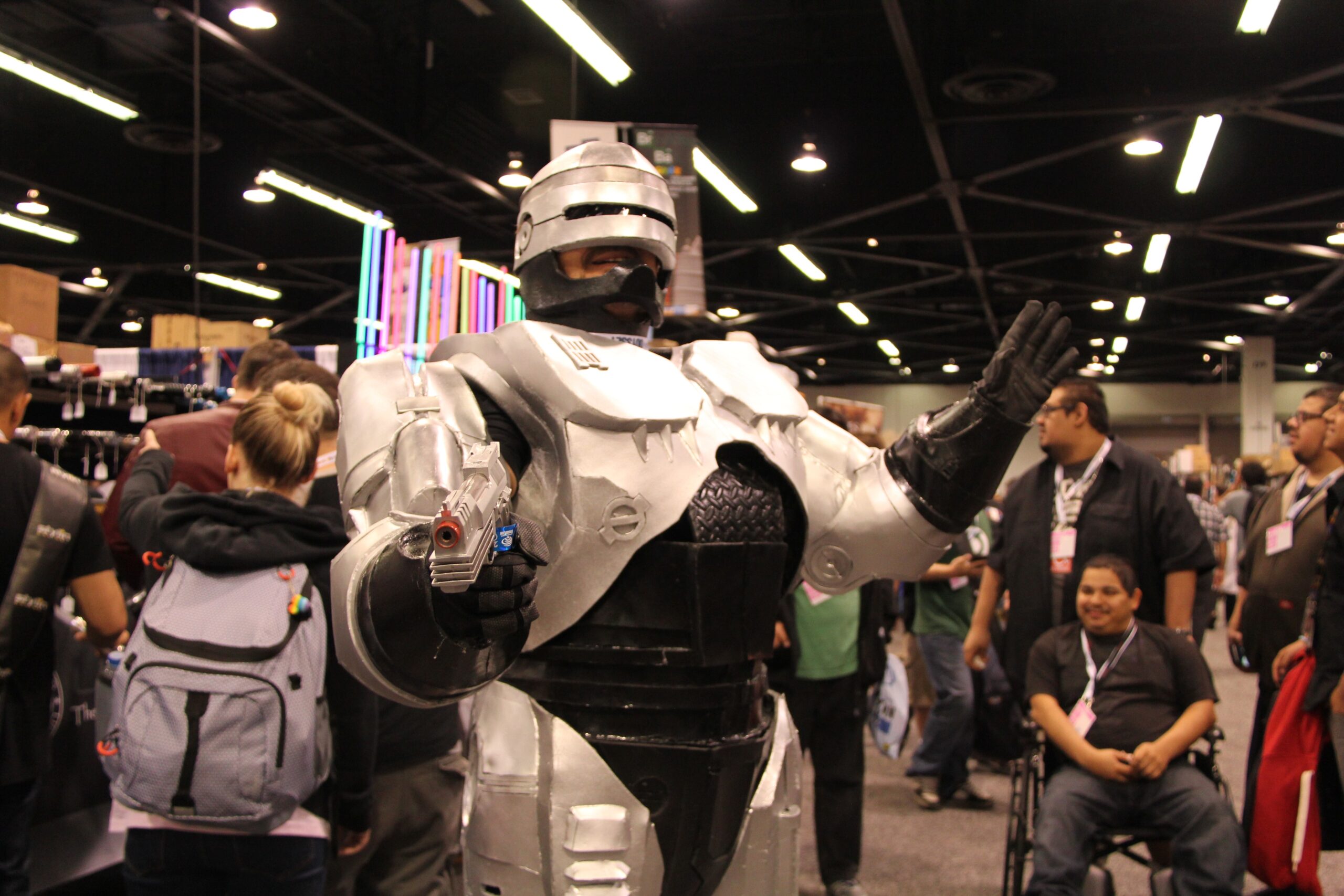
The movie depicted a police officer rebuilt as a machine after a violent attack, then deployed by a corporation that also ran the city. It explored how private companies might take over public safety and justice.
Viewers treated the story as over-the-top action with a satirical edge. Today the film connects to real experiments with robotic law enforcement, facial recognition in policing, and the growing role of corporations in urban security.
Total Recall (1990)
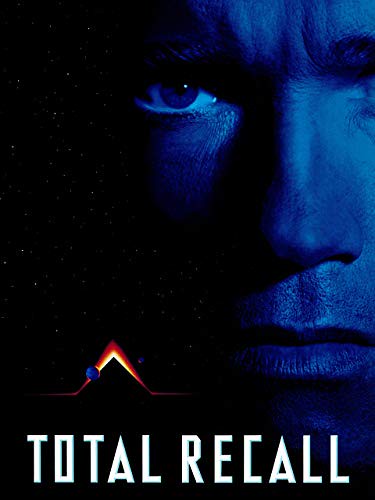
A construction worker discovered that his memories had been implanted and that he might actually be someone else entirely. The plot centered on a device that could rewrite personal history for a price.
Audiences enjoyed the twists and the Mars setting without dwelling on the memory technology. The idea now surfaces in conversations about deepfakes, virtual reality experiences, and the possibility of altering or erasing digital records of our lives.
Gattaca (1997)

The story followed a man who hid his natural genetic profile to enter a space program that only accepted people with perfect DNA. It showed a society that sorted citizens by genetic testing from birth.
Most viewers saw it as a cautionary tale set in the distant future. In the present the film mirrors real advances in genetic screening, employer use of health data, and debates over whether insurance or jobs should depend on DNA results.
The Truman Show (1998)
An ordinary man lived his entire life inside a massive television set without knowing it, while millions watched his every move. The film examined how constant observation could shape someone’s behavior and sense of reality.
Audiences at the time laughed at the premise as an extreme media satire. Its core idea now appears in the way social platforms turn personal moments into public content and in the growing acceptance of always-on cameras in homes and cities.
Conclusion
These films did not simply guess at gadgets. They examined how new tools and systems might change the way people relate to one another and to power.
Their lasting value lies in showing that the future often arrives wearing familiar clothes, just a little earlier than expected.

- 12 Classic TV Shows With Shocking Behind-the-Scenes Dramas You Never Knew - September 10, 2026
- 10 Novels That Were Initially Dismissed, Only to Become Timeless Masterpieces - September 10, 2026
- The ’80s Were a Wild Ride of Style and Sound That Changed Everything - September 10, 2026

