

For any feedback please reach out to info@festivalinside.com
- 15 Forgotten TV Show Theme Songs That Are Still Incredibly Catchy - August 31, 2026
- Every Masterpiece Holds a Secret Story of Its Creation Within Its Depths. - August 31, 2026
- 10 Groundbreaking Scientific Discoveries That Revolutionized Daily Life - August 31, 2026
Plenty of strong rock bands emerged in the 1980s yet stayed in the shadows while flashier acts dominated the charts. Their records still hold up today with sharp songwriting and raw energy that later generations often overlook.
The Replacements
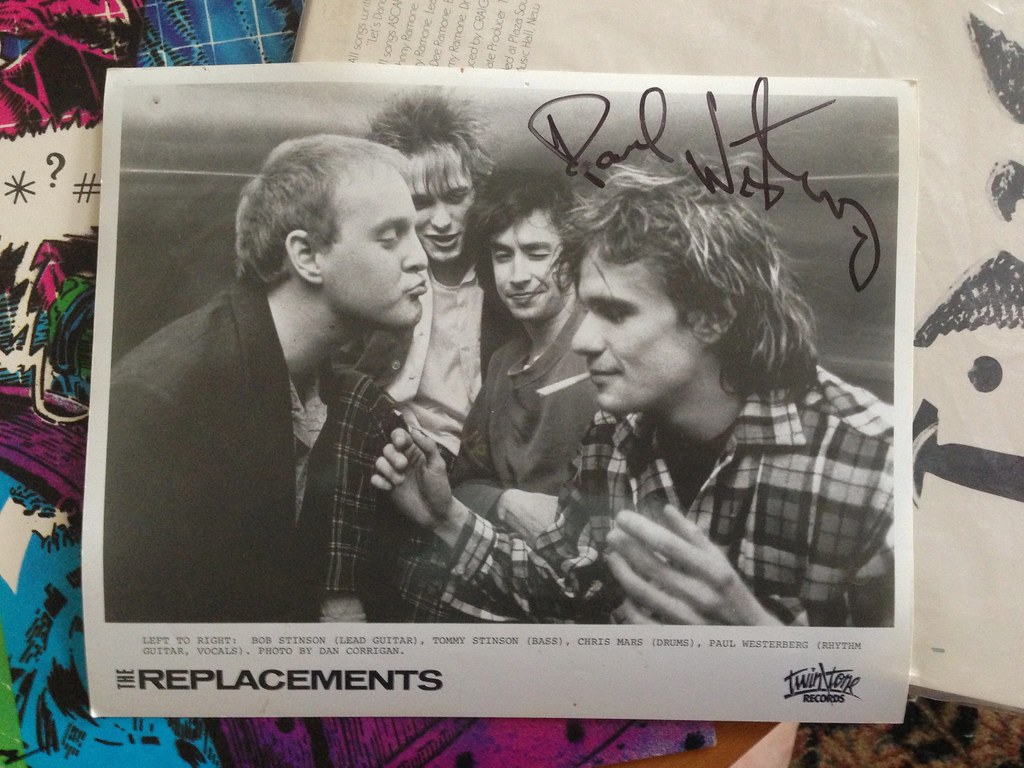
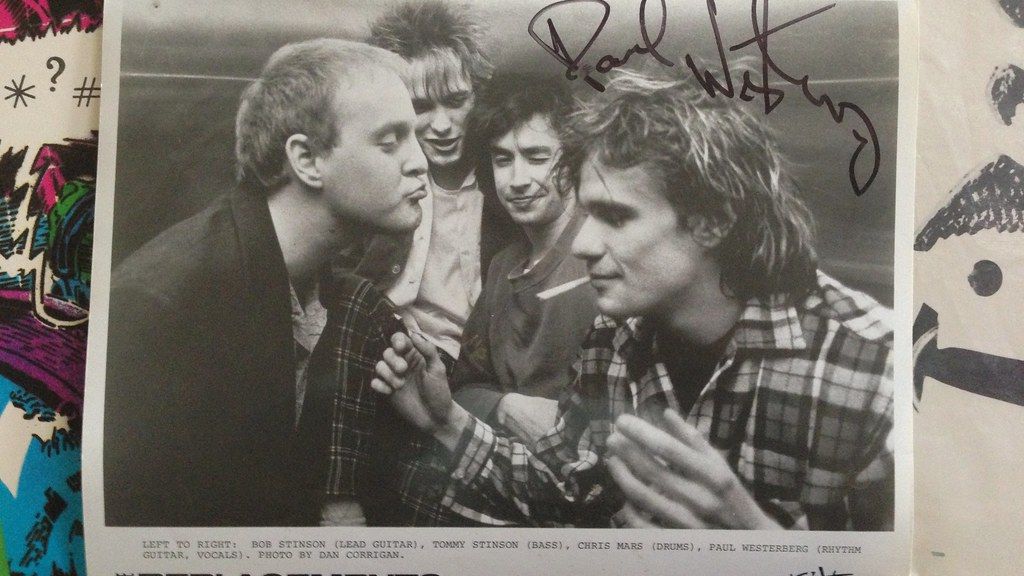
The Replacements built their sound around ragged guitars and heartfelt lyrics that mixed punk attitude with classic rock hooks. Tracks like “Alex Chilton” and “Bastards of Young” captured both frustration and melody in equal measure. Their live shows often veered into chaos, which kept them from steady radio play or major label breakthroughs.
Internal struggles with substance issues and a general distrust of the music industry held them back from wider success. Modern listeners can still find something honest in their catalog that feels rare in today’s polished productions. Rediscovering their albums offers a direct line to the messy spirit of that decade without any of the gloss.
Hüsker Dü
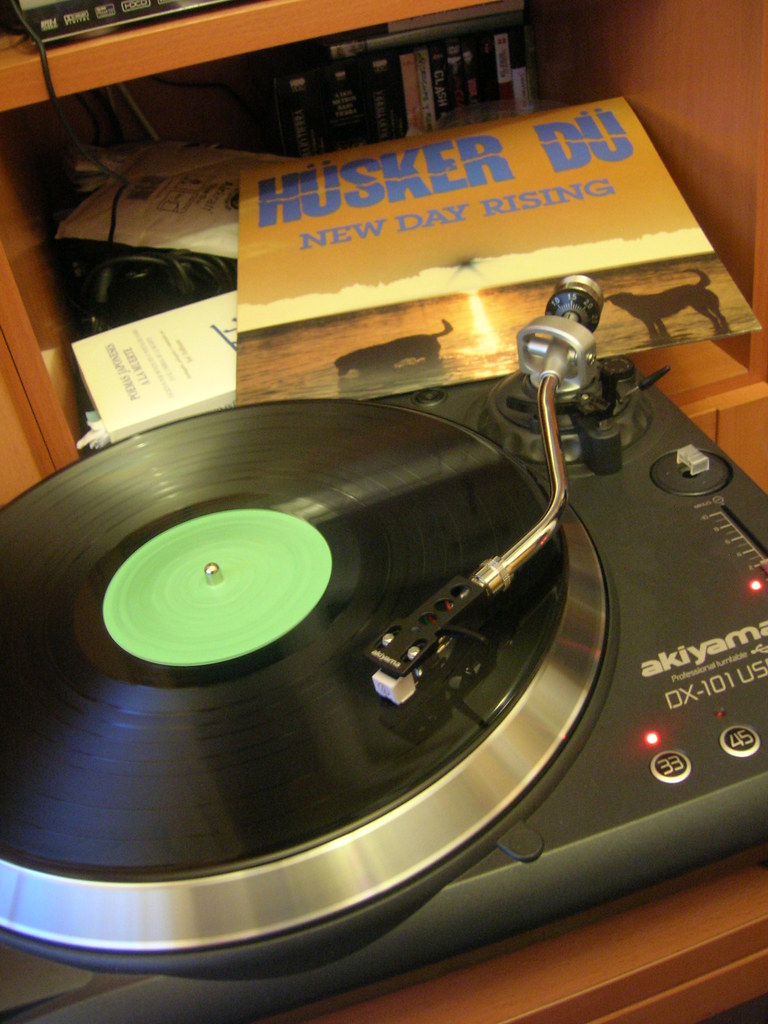
Hüsker Dü started in hardcore punk but quickly added layers of melody and noise that set them apart. Songs such as “Don’t Want to Know If You Are Lonely” and “Makes No Sense at All” showed how they could blend speed with emotional depth. The band split after just a few years at the top of their game, which limited their commercial reach.
Creative tensions between the two main songwriters played a big role in their early breakup. Their influence shows up in countless later bands, yet many people still miss the original records. Giving their work another listen reveals a blueprint for what alternative rock would become in the following decade.
The Feelies
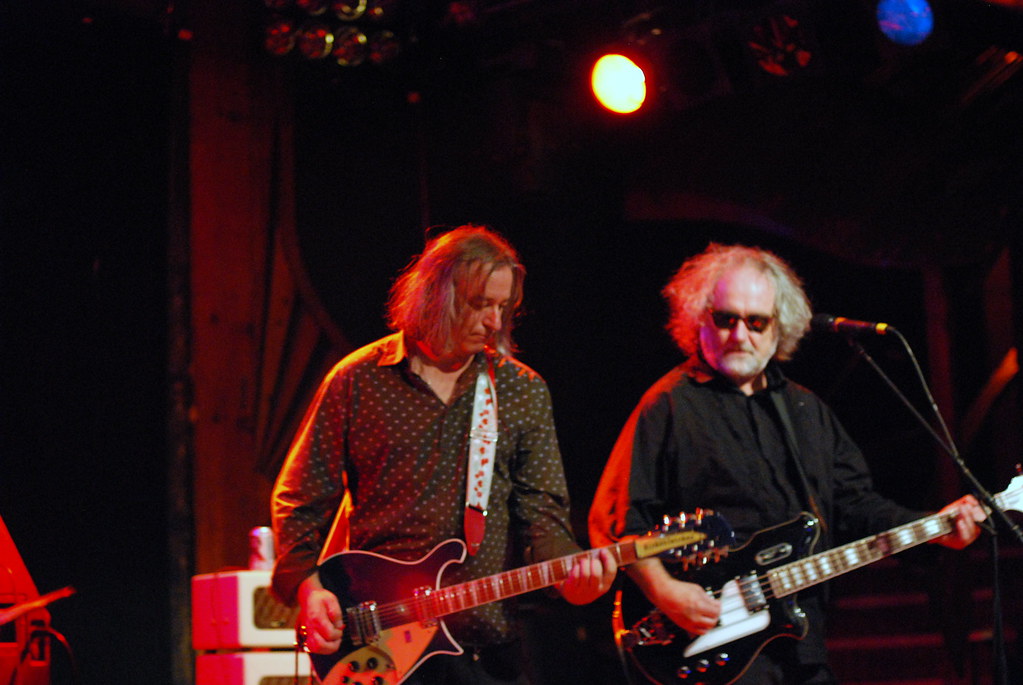
The Feelies created a tight, hypnotic style built on driving rhythms and chiming guitars that felt both urgent and precise. Albums like “Crazy Rhythms” delivered songs that rewarded close attention with subtle shifts and textures. They avoided the spotlight and rarely toured aggressively, which kept their profile low outside certain circles.
A focus on studio craft over constant promotion meant they never broke into mainstream visibility. Their approach still feels fresh because it prioritizes groove and detail over trends. New audiences often discover them through recommendations and end up surprised by how timeless the music sounds.
The Smithereens
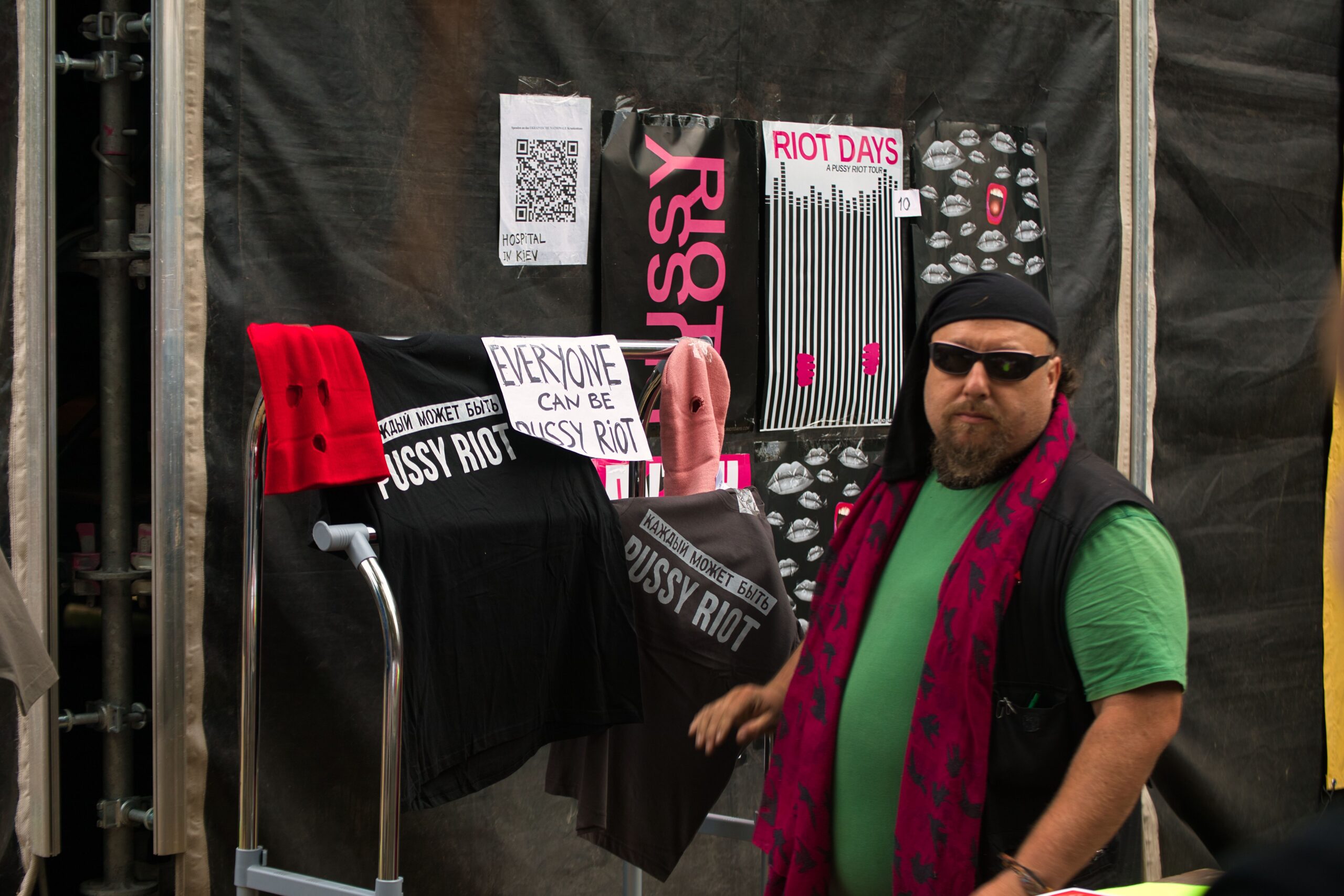
The Smithereens leaned into power pop with strong hooks and a bit of edge that stood out from the hair metal era. Hits like “Blood and Roses” and “A Girl Like You” showed their knack for catchy yet thoughtful songs. They achieved some chart success but never sustained the momentum needed for lasting stardom.
Shifting label support and changing radio formats worked against them in the long run. Their catalog offers straightforward rock that rewards repeated plays without any gimmicks. Listeners today appreciate the direct songwriting that cuts through decades of production changes.
The Plimsouls
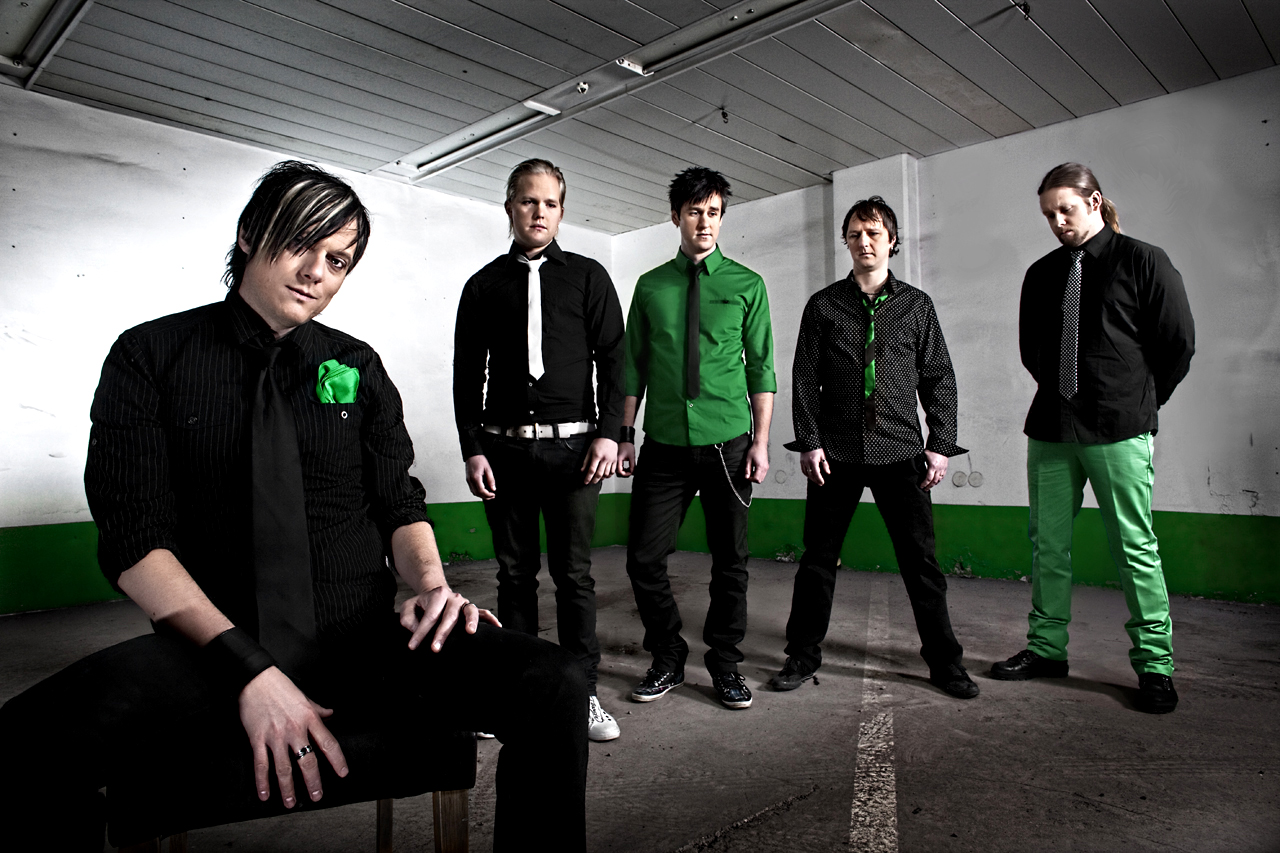
The Plimsouls mixed garage rock energy with pop sensibilities on tracks such as “A Million Miles Away.” Their sound came across as urgent and melodic at the same time. Limited distribution and a short window of activity kept them from reaching bigger audiences.
They operated mostly on the West Coast scene without strong national backing. Rediscovering their records gives a clear sense of what 1980s rock could sound like when it stayed close to its roots. The songs still carry an immediacy that feels inviting rather than dated.
The dB’s
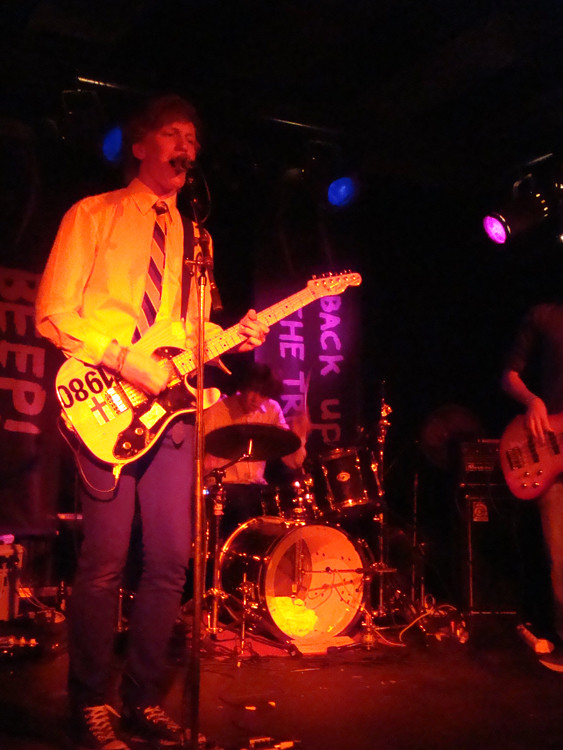
The dB’s brought smart, jangly guitar work and clever arrangements to their records. Songs from albums like “Stands for Decibels” highlighted their skill at balancing pop craft with experimental touches. They spent much of their time in the New York underground, which limited broader exposure.
Geographic distance from major industry centers played a part in their modest profile. Their music rewards anyone who enjoys intricate yet accessible rock that avoids simple formulas. Modern ears often pick up on how their ideas fed into later indie styles.
Let’s Active
Let’s Active delivered bright, inventive pop rock led by Mitch Easter’s production touch. Tracks like “Every Dog Has His Day” showed off their knack for melody and texture. The band stayed small by choice and focused on regional releases rather than national pushes.
A preference for creative control over commercial scale kept their reach contained. Their albums provide a window into thoughtful 1980s songwriting that still feels inventive. Listeners who explore them often find fresh angles on familiar sounds from that period.
The Dream Syndicate
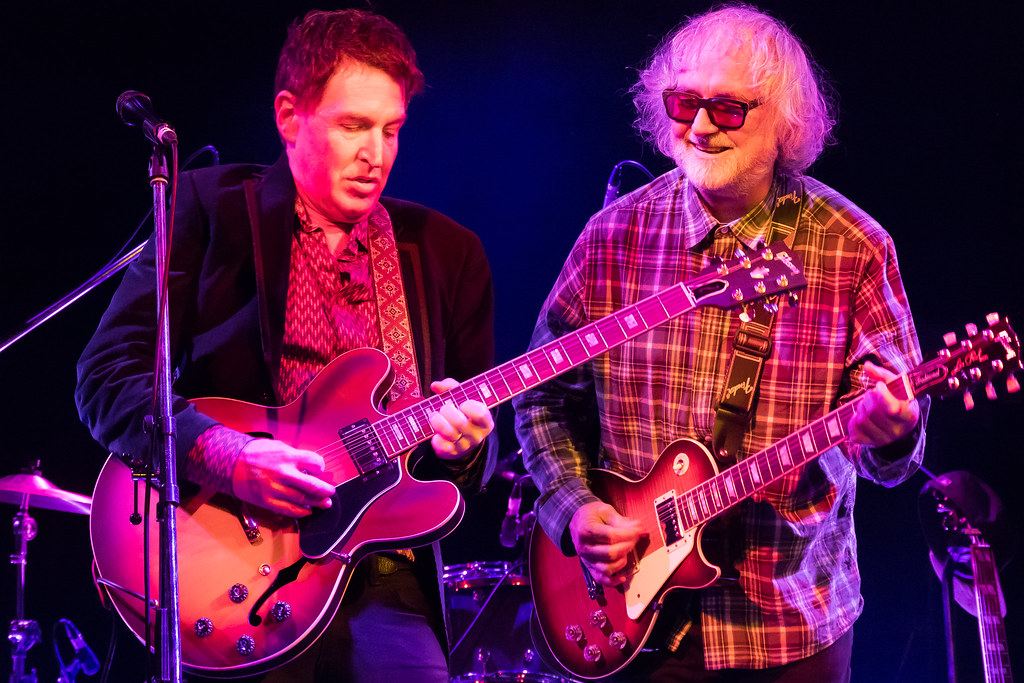
The Dream Syndicate drew from psychedelic and garage influences to create extended, atmospheric tracks. Their debut album captured a raw live energy that stood apart from polished contemporaries. Internal lineup changes and modest sales kept them from wider recognition.
They thrived in the Los Angeles scene but never translated that into national breakthroughs. Returning to their work shows how they pushed boundaries within rock while keeping things grounded. The music offers a reminder that experimentation and accessibility can coexist.
The Long Ryders
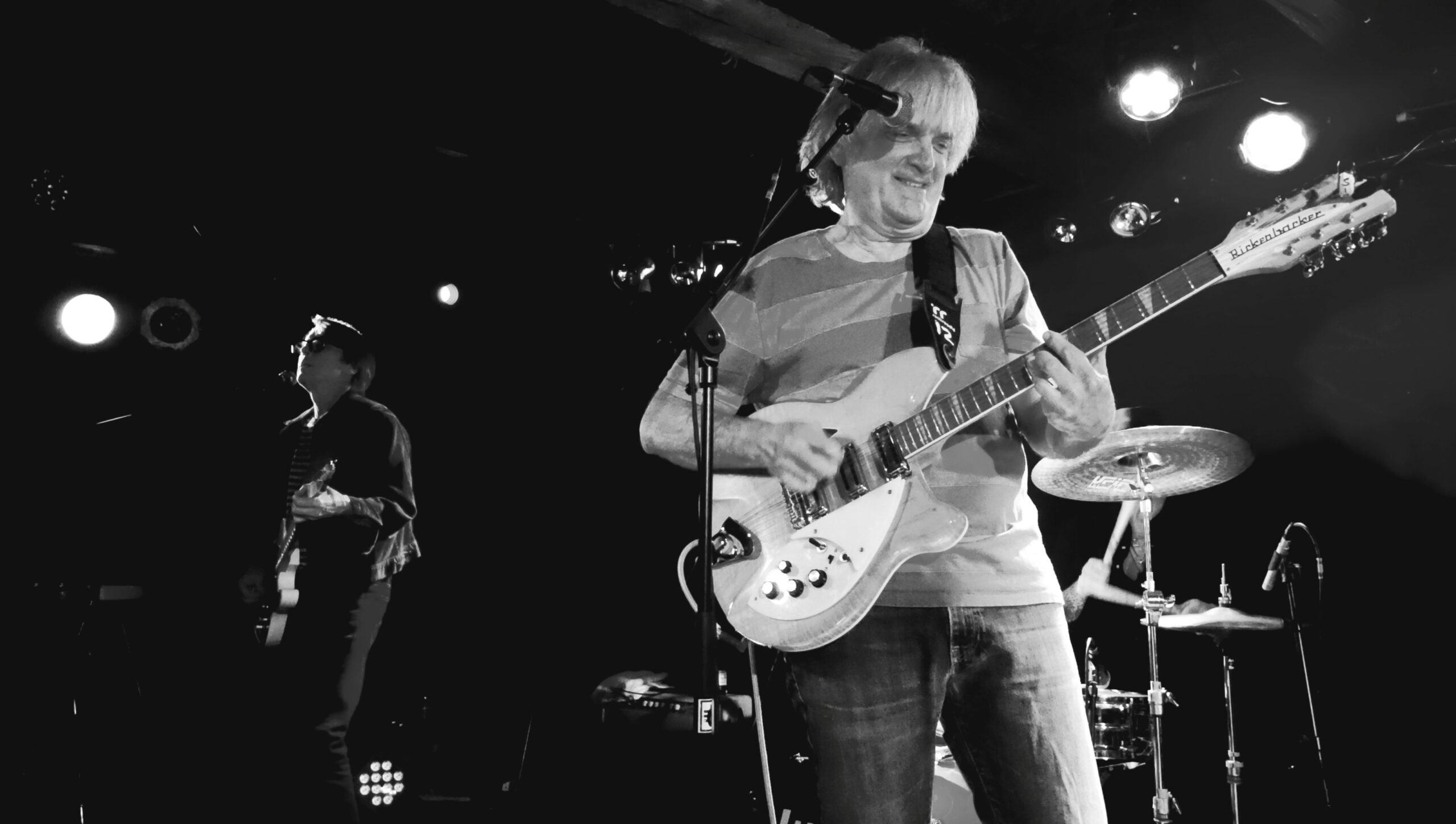
The Long Ryders blended country rock with punk drive on songs that featured strong storytelling and twangy guitars. Albums like “Native Sons” highlighted their ability to merge genres without losing focus. They faced resistance from radio formats that favored either pure country or straight rock.
Timing worked against them as the industry shifted toward more segmented sounds. Their records hold up as examples of thoughtful hybrid styles that later bands would build upon. New listeners often enjoy the way the songs balance energy with narrative detail.
The Rain Parade
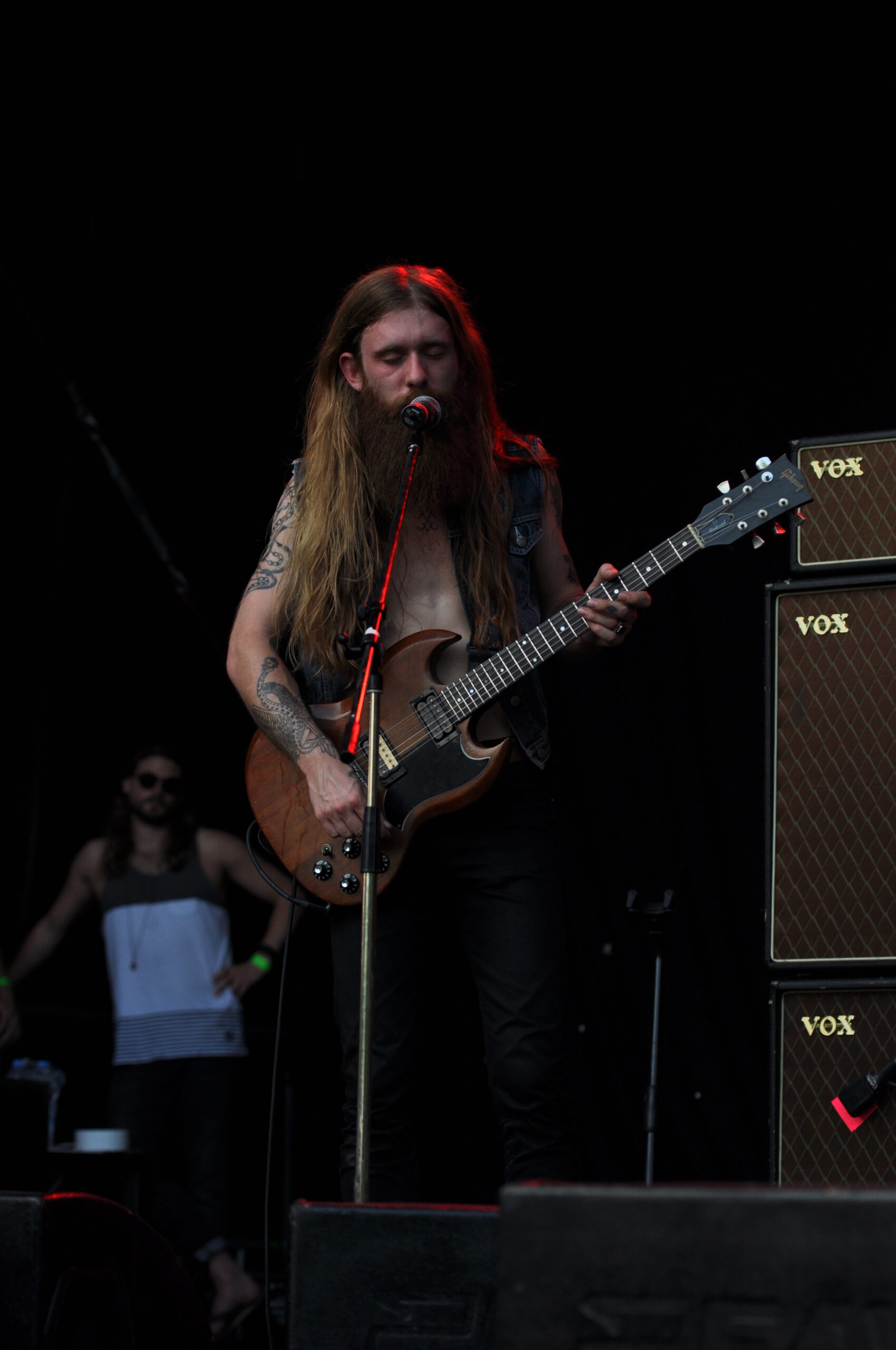
The Rain Parade explored psychedelic textures and layered guitars that created dreamy yet driving songs. Their early releases captured a sense of exploration within the rock format. A small label and limited touring kept their profile from growing beyond dedicated fans.
They operated in a crowded Los Angeles scene where attention often went to flashier acts. Their catalog still offers rich soundscapes that reward headphones and repeated listens. Rediscovery brings out how their approach influenced quieter corners of later alternative music.
Forgotten bands like these show that strong music can wait decades for its moment. Giving them another chance simply means letting the songs speak for themselves again.

Christian Wiedeck, all the way from Germany, loves music festivals, especially in the USA. His articles bring the excitement of these events to readers worldwide.
For any feedback please reach out to info@festivalinside.com
