
Songs we hum to kids or remember from playground days often feel timeless and pure. Yet some carry echoes of old conflicts, taxes, or worse. These melodies hid messages in plain sight back when speaking out could cost lives.[1]
Passed down orally, they smuggled critiques of kings or clergy. Today, we uncover layers that shift how we hear them. Not every tale holds up under scrutiny, though many spark real debate.[2]
Mary, Mary, Quite Contrary
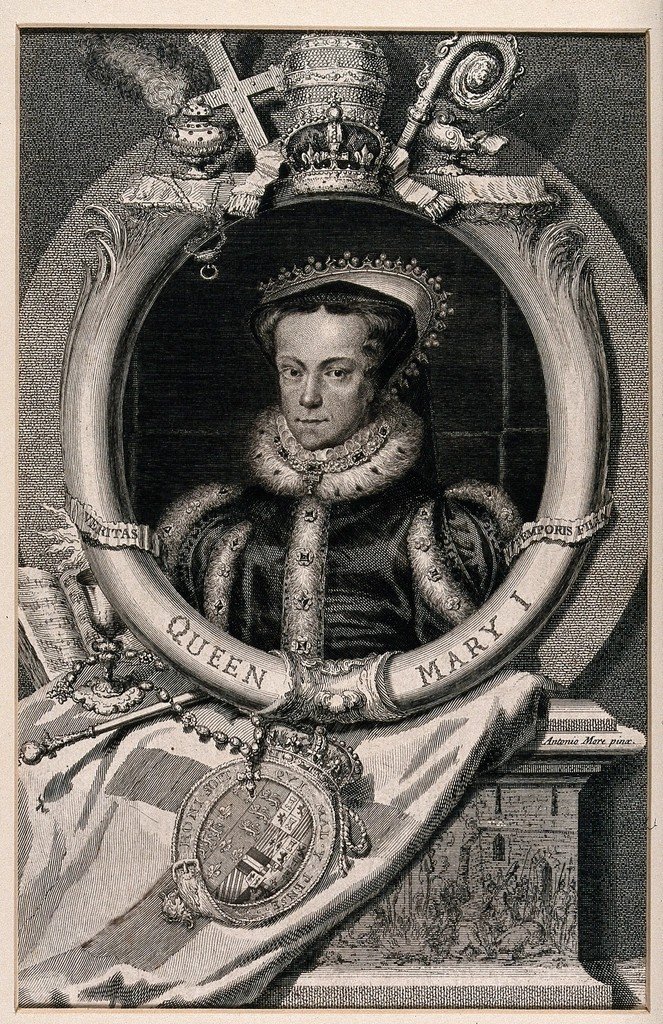
This rhyme first appeared in print around 1744. One theory ties it to Queen Mary I, known as Bloody Mary for burning Protestants at the stake during her 1553-1558 reign. The “garden” might nod to martyr graveyards, while “silver bells and cockle shells” could mean thumbscrews and genital torture devices.[2][1]
The controversy lies in how it mocks a queen’s brutality through child-friendly words. Some see it as Protestant propaganda against Catholic rule. Though unproven, the violent imagery clashes with its bouncy tune today.[2]
Three Blind Mice
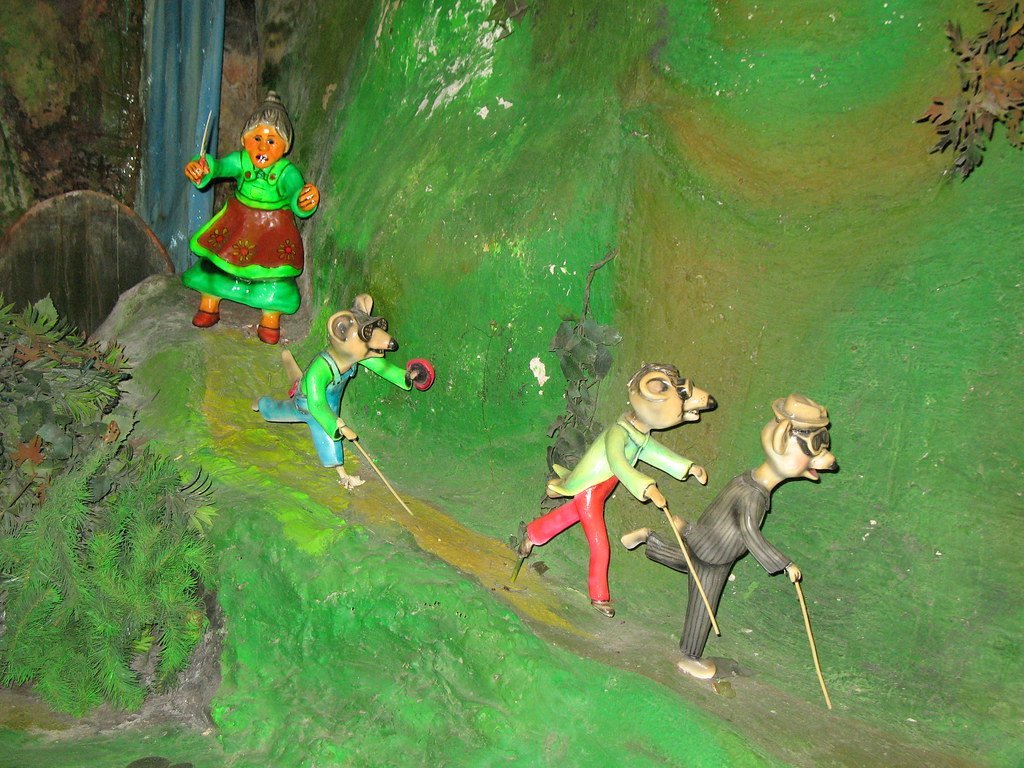
Published in 1805, this tune points to three Protestant bishops – Hugh Latimer, Nicholas Ridley, and Thomas Cranmer – martyred under Bloody Mary. Their “blindness” symbolized ignoring Catholic doctrine, with the farmer’s wife as the queen carving them up.[2]
It fueled outrage over religious executions, turning horror into a simple melody. Victorians later flagged it for animal cruelty in their rhyme reform efforts. The song’s dark satire persists, challenging its innocent image.[1]
Goosey Goosey Gander

Dating to 1784, it may recount hunts for Catholic priests in Protestant homes during religious upheavals. The old man refusing prayers gets tossed downstairs, echoing persecution tales. Folklorists note the lines likely stem from separate play rhymes.[2][1]
Its violence and anti-Catholic bent stirred controversy, especially in tense times. Modern ears catch the whack of intolerance. Even if pieced together later, it reveals era’s divides.[2]
London Bridge Is Falling Down
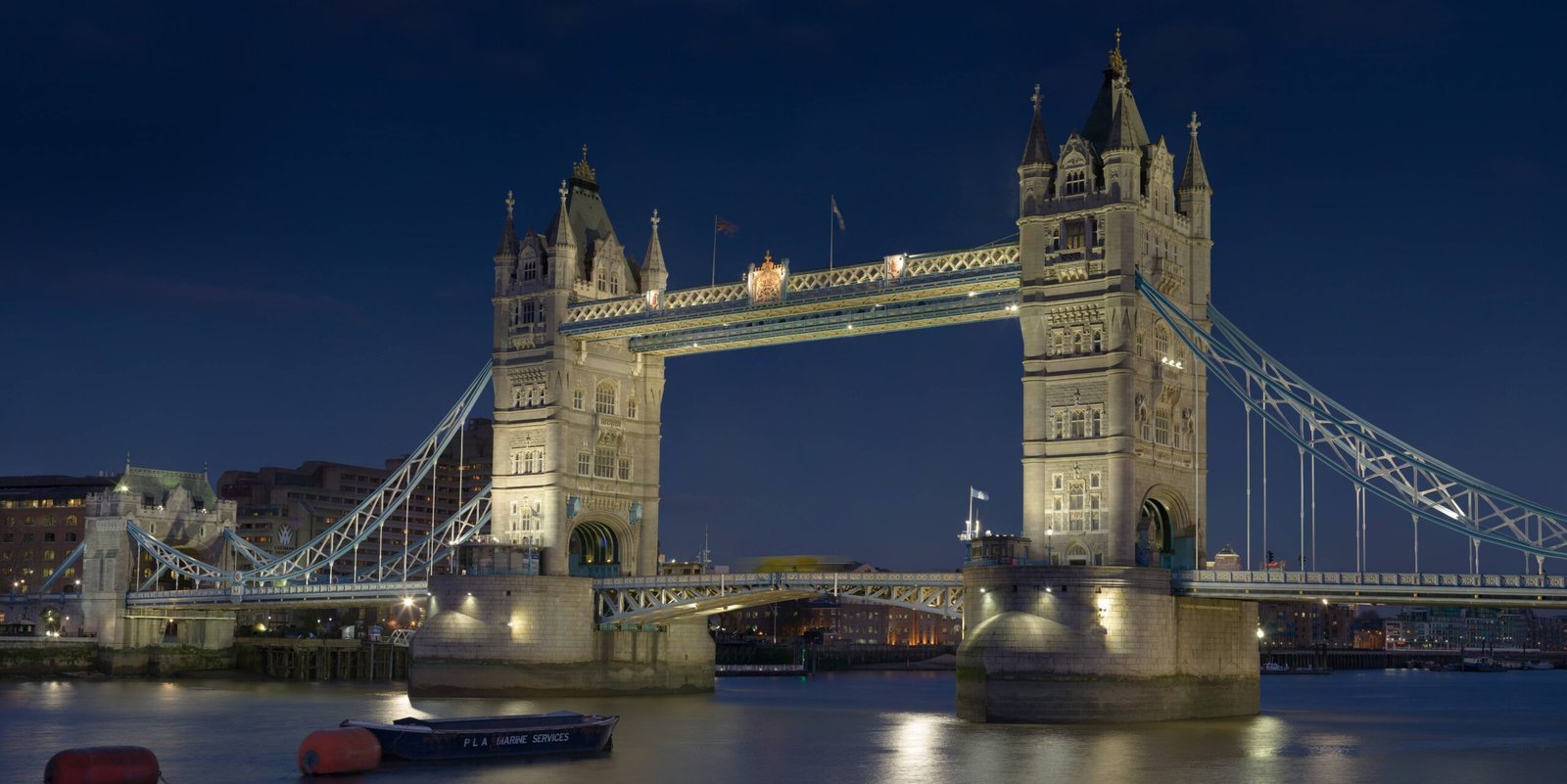
First recorded in 1744, theories link it to a 1014 Viking raid by Olaf II, who dismantled the bridge with ropes. Older myths whisper child sacrifices to steady its foundations. Scholars dismiss direct ties, citing loose translations.[2]
The sacrifice idea horrifies, painting ancient rituals in kid-song colors. It debates history’s grit versus folklore fluff. Such origins make rebuilding verses feel loaded.[2]
Here We Go Round the Mulberry Bush

From 1840, it grew from female prisoners circling a mulberry tree during yard exercise at Wakefield Prison. The routine shaped the circle dance we know. Prisons turned grim routines into lasting play.[2][1]
Linking joy to incarceration sparks unease over lost freedoms. It highlights women’s prisons in Victorian England. The bush itself stands as a quiet monument to that past.[2]
Eeny, Meeny, Miny, Moe
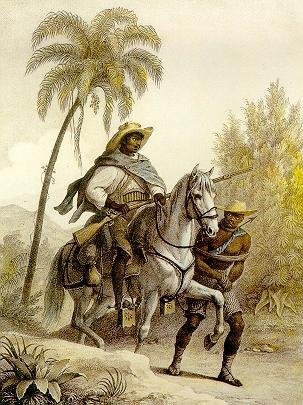
Early 19th-century roots trace to slave-catching games, with U.S. versions using the n-word: “Catch a n****r by the toe.” It evoked runaways hollering for mercy or paying fines. Airlines faced suits over it as late as 2004.[2][3]
Racism baked into counting rhymes shocked when resurfaced. “Tiger” swaps came late, but echoes linger. It shows playground chants carrying slavery’s weight.[4]
Ten Little Monkeys
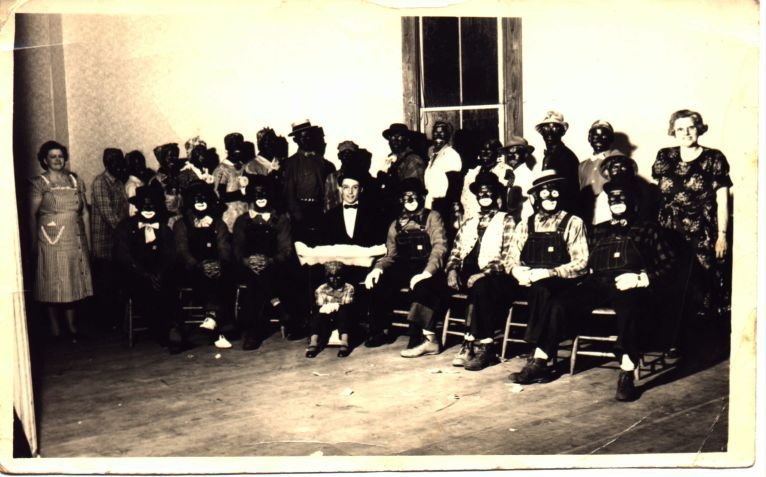
Sprung from 1869’s “Ten Little N****rs,” a minstrel hit tallying Black boys’ gruesome deaths to teach counting. Blackface shows spread it post-Civil War. Agatha Christie borrowed it for her novel.[3][5]
Monkey swaps dodged slurs but kept dehumanizing vibes. It normalized violence against the marginalized. Unpacking it reveals indoctrination’s sly path.[3]
Conclusion

These tunes remind us music holds more than melody. Origins tangled in power struggles or prejudice fade under repetition. Yet digging reveals the grit behind the glee.[1]
Knowing them enriches the sing-along. It tempers nostalgia with nuance. Simple songs endure, secrets and all.

- 12 Classic TV Shows With Shocking Behind-the-Scenes Dramas You Never Knew - September 10, 2026
- 10 Novels That Were Initially Dismissed, Only to Become Timeless Masterpieces - September 10, 2026
- The ’80s Were a Wild Ride of Style and Sound That Changed Everything - September 10, 2026

