

- 15 Rock Anthems That Defined a Generation and Still Sound Amazing Today - August 11, 2026
- 12 Unforgettable Movie Quotes You Can Still Use in Everyday Conversation. - August 11, 2026
- 10 Music Festivals That Changed the World - August 11, 2026
Authors have long pulled from the people around them to breathe life into their stories. Real personalities, with all their quirks and complexities, offer a foundation that’s hard to fabricate from thin air.
These inspirations often blend fact with imagination, turning ordinary lives into extraordinary tales. What emerges on the page can feel more vivid because it echoes someone who once walked the earth.
Sherlock Holmes
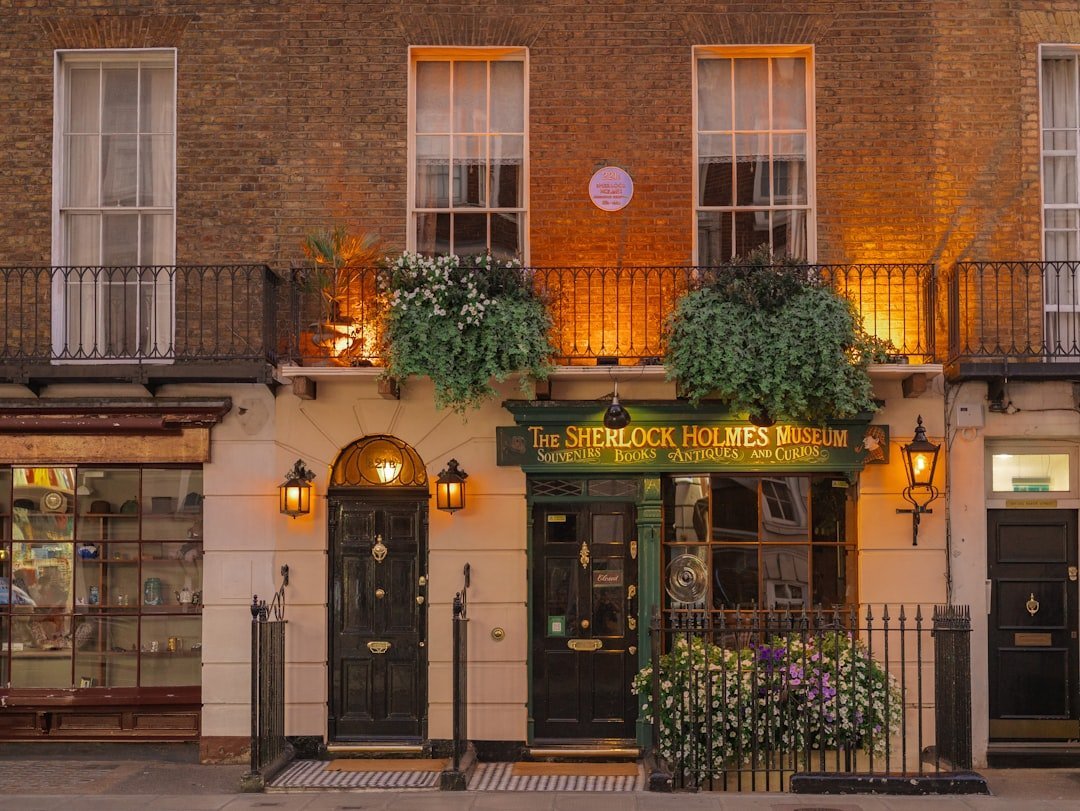
Arthur Conan Doyle drew Sherlock Holmes from his medical school professor, Dr. Joseph Bell. Bell lectured at the University of Edinburgh and dazzled students with his ability to deduce patients’ occupations and histories from subtle clues like a callus or a stain.[1][2] Doyle worked as Bell’s clerk and watched him observe details others missed. That sharp observation became Holmes’ hallmark.
In the stories, Holmes takes Bell’s methods to detective extremes, solving crimes through logic alone. Yet Doyle amplified the eccentricity, giving Holmes a cocaine habit and violin obsession absent in his mentor. The result immortalized Bell’s skills in a character who defined the genre.[1]
Huckleberry Finn
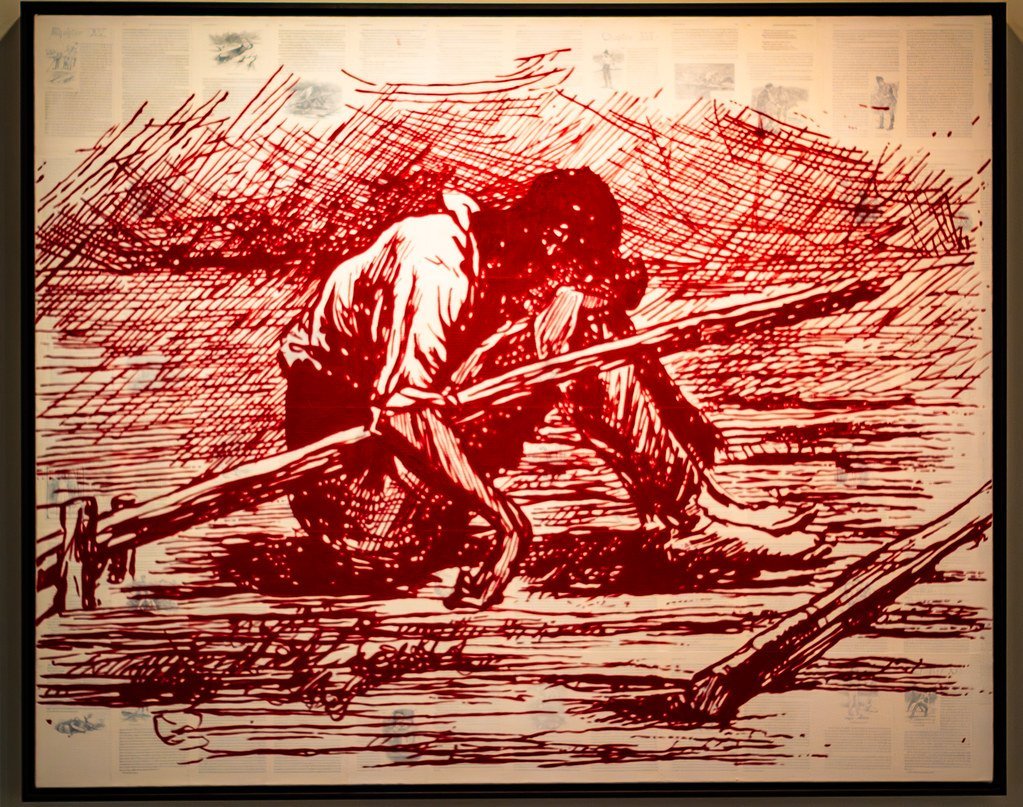
Mark Twain shaped Huckleberry Finn after his childhood friend Tom Blankenship from Hannibal, Missouri. Blankenship lived in a ramshackle cabin, roamed freely without much schooling, and showed a rough kindness that Twain captured perfectly. Twain even called it a true story built on real incidents.[3]
Huck’s adventures down the river reflect that independent spirit, but Twain wove in satire on slavery and society. Blankenship’s later life turned tragic with arrests and early death, adding unintended depth to the character’s raw authenticity. Huck endures as a symbol of boyhood freedom precisely because he feels so lived-in.[3]
Miss Havisham
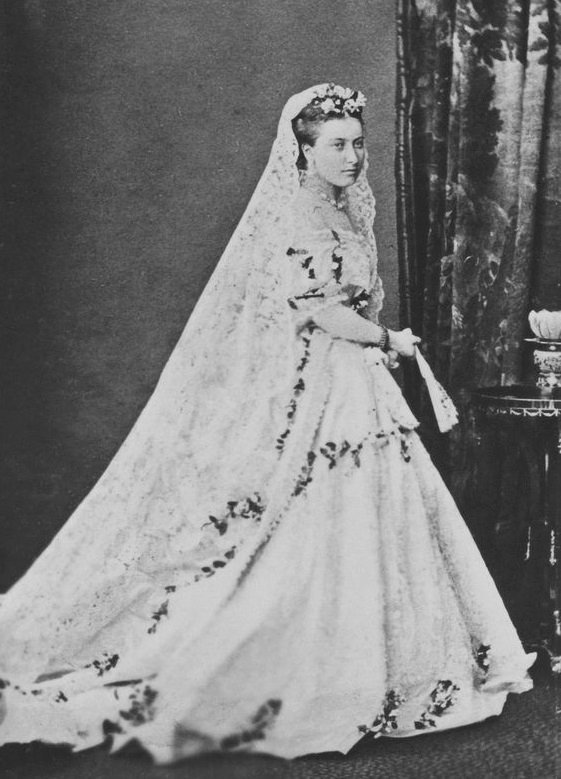
Charles Dickens likely modeled Miss Havisham on Eliza Emily Donnithorne, an Australian woman jilted on her wedding day in 1856. Donnithorne kept her home frozen in time, with a decaying wedding feast on the table and her dress gathering dust for decades. Rumors swirled about her reclusive grief, much like the character’s halted world.[3]
In Great Expectations, Dickens turns this into gothic revenge, with Havisham raising Estella to break hearts. The real Donnithorne softened over time, leaving money to charities, unlike her vengeful fictional counterpart. Still, the image of a bride betrayed by time sticks because it mirrors a true, eerie isolation.[3]
Dean Moriarty
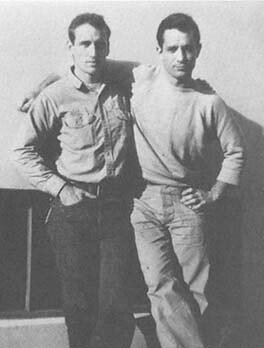
Jack Kerouac based Dean Moriarty on Neal Cassady, a freewheeling Beat icon who fueled cross-country road trips. Cassady’s charisma, recklessness, and endless energy defined their adventures, even appearing as Neal in early drafts. He influenced a generation, touching Kesey and Ginsberg too.[3]
On the Road elevates Cassady into a symbol of postwar rebellion, chasing highs and hollow pursuits. Moriarty’s selfishness and abandon capture Cassady’s real-life whirlwind, ending comatose by Mexican tracks. The novel’s pulse comes from that unfiltered vitality turned mythic.[3]
Nora Charles
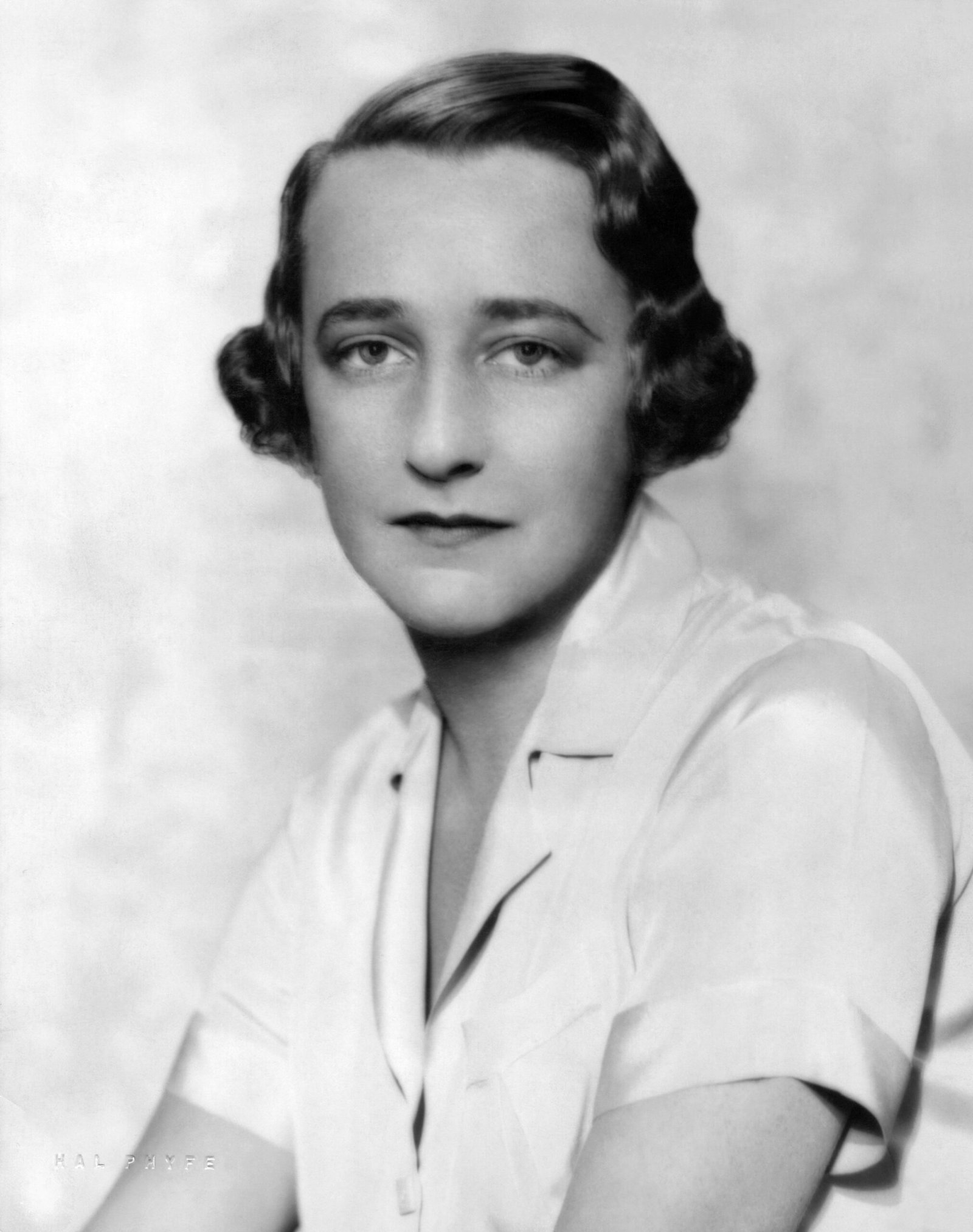
Dashiell Hammett crafted Nora Charles from his longtime partner, Lillian Hellman. Hellman was a sharp playwright and activist whose wit and independence shone through their 30-year bond. Hammett admitted she sparked his tough female characters, villains included.[3]
In The Thin Man, Nora banters with husband Nick over martinis, solving murders with style. Hellman’s boldness translates to a glamorous sleuth, minus the politics. Their partnership grounds the series’ charm, proving real chemistry writes itself.[3]
Long John Silver
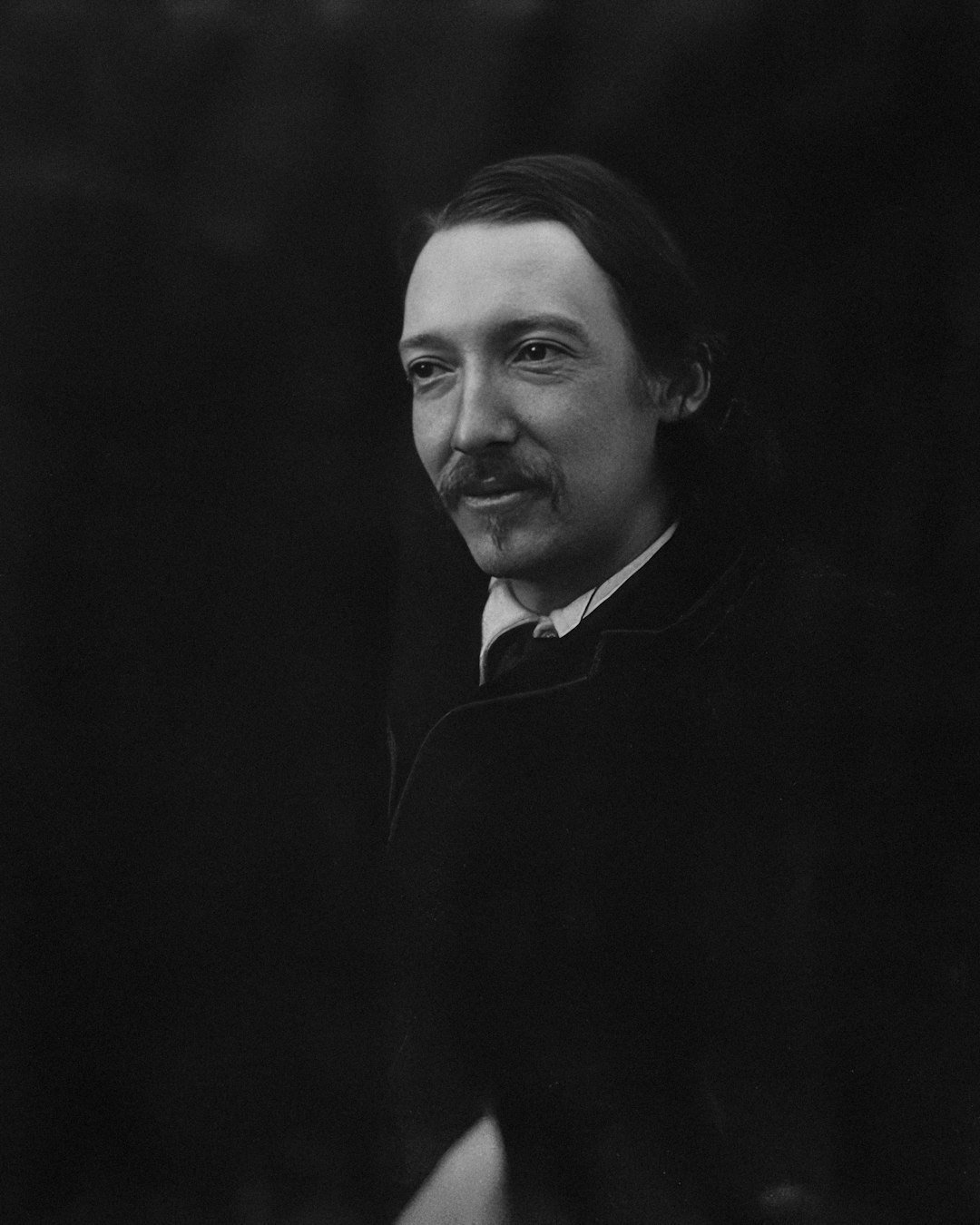
Robert Louis Stevenson found Long John Silver in his friend William Ernest Henley, a poet who lost a leg to tuberculosis. Henley’s crutch, booming voice, and defiant charm shaped the cunning pirate. Stevenson sketched him during illness, blending affection with menace.[4]
Treasure Island’s Silver treks with parrot and peg leg, loyal yet treacherous. Henley’s real resilience fuels the character’s magnetic pull, drawing Jim Hawkins in. That mix of inspiration and invention makes Silver a timeless rogue.[4]
Atticus Finch
Harper Lee patterned Atticus Finch after her father, Amasa Coleman Lee. A small-town lawyer, he defended Black clients against Klan threats and backed civil rights quietly. Lee’s childhood memories fed the moral core of To Kill a Mockingbird.[4]
Finch stands tall in court, teaching Scout integrity amid prejudice. Amasa’s evolution mirrors this, evolving from caution to conviction. The character’s quiet heroism rings true because it echoes a real man’s principled life.[4]
Dorian Gray
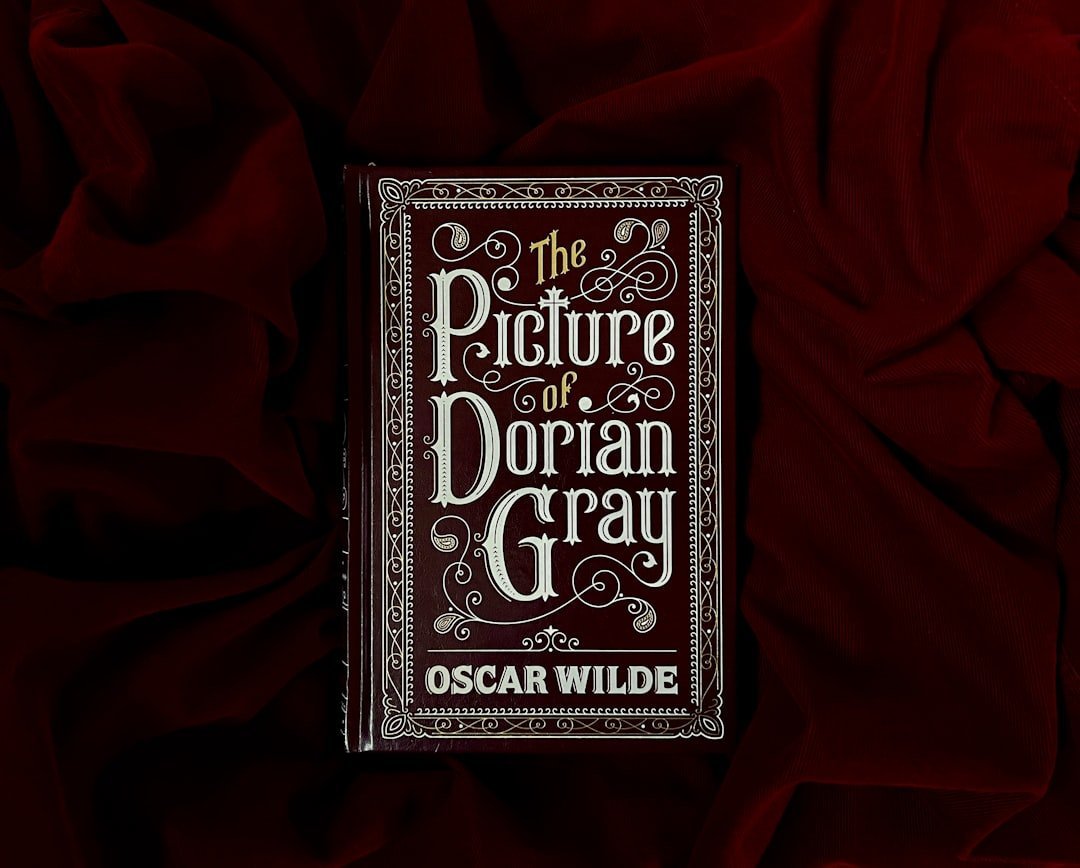
Oscar Wilde drew Dorian Gray from John Gray, his lover in 1889. Gray’s youthful looks and dandy style prompted the nickname Dorian, sparking the novel’s premise. Wilde layered in his own wit and scandals for depth.[4]
The Picture of Dorian Gray ages hideously while Dorian stays flawless, indulging vices. Gray later reformed, converting to Catholicism, unlike his hedonistic double. Wilde’s tale warns through this personal echo, beauty’s curse hitting close to home.[4]
Reality’s Lasting Echo

Fiction thrives when rooted in the strange truths of human lives. These characters leap off the page because authors borrowed real quirks, pains, and sparks.
Reality shapes stories in ways pure invention rarely matches. Next time a tale grips you, wonder who stood model for the magic.
CEO-Co-Founder
