

For any feedback please reach out to info@festivalinside.com
- 12 Literary Feuds So Intense, They Changed the Course of Literature - August 11, 2026
- 10 Mysterious Disappearances of Famous Figures That Still Puzzle Experts - August 11, 2026
- 10 Foods We Thought Were American But Were Actually Invented Somewhere Else. - August 11, 2026
Few pastimes feel as timeless as gathering around a board game with family or friends. Yet behind many classics lie tales of hardship, ingenuity, and chance encounters shaped by world events.
Some sprang from the Great Depression’s unemployment lines, others from wartime blackouts or hospital beds during polio epidemics. Personal ambitions often clashed with corporate interests, turning simple ideas into global phenomena.
Monopoly
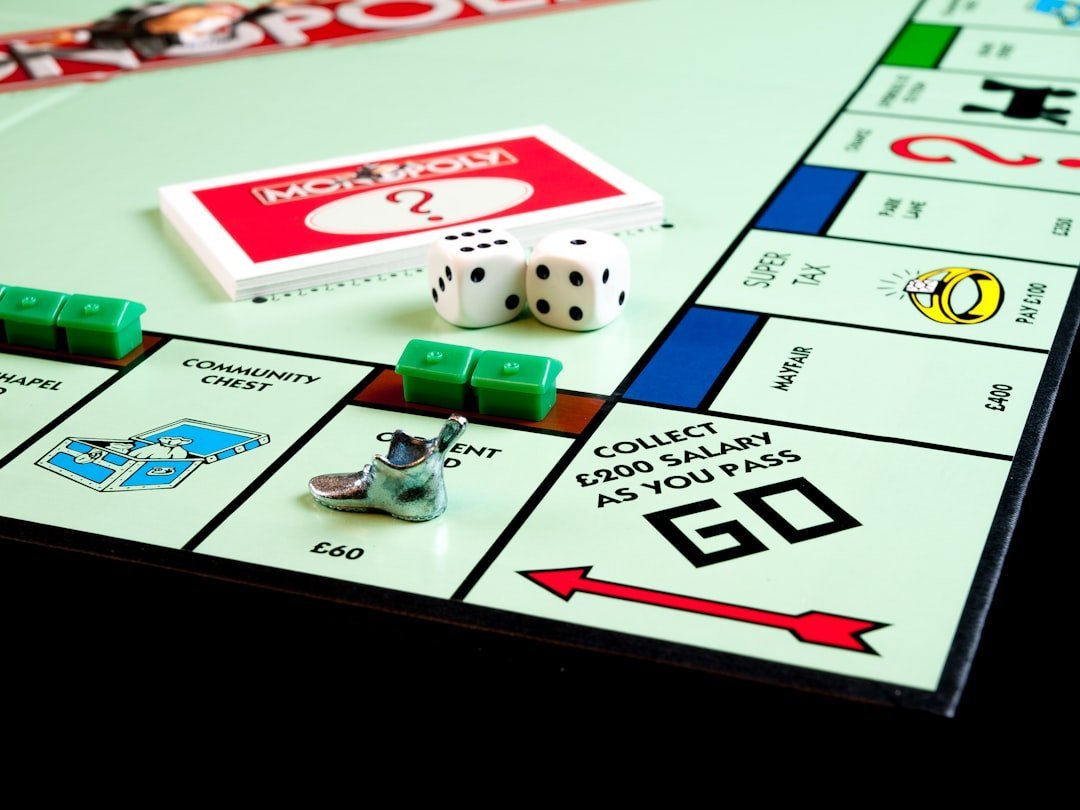
Elizabeth Magie patented The Landlord’s Game in 1904 as a pointed critique of unchecked capitalism, drawing from economist Henry George’s ideas on land taxes.[1] She aimed to show how monopolies impoverished players under one set of rules, while shared prosperity worked under another. The game spread quietly through college economics classes and Quaker groups, with players tweaking boards to local streets.
During the 1930s Depression, Charles Darrow refined a version he learned at a party and pitched it to Parker Brothers, who initially rejected it before buying rights amid booming sales.[1] The company credited Darrow while quietly acquiring Magie’s patent for $500, sparking quiet rivalries over true origins. Monopoly exploded as affordable escapism, selling millions and ironically celebrating the wealth-hoarding it once mocked, with over 275 million copies sold worldwide today.[1]
Scrabble
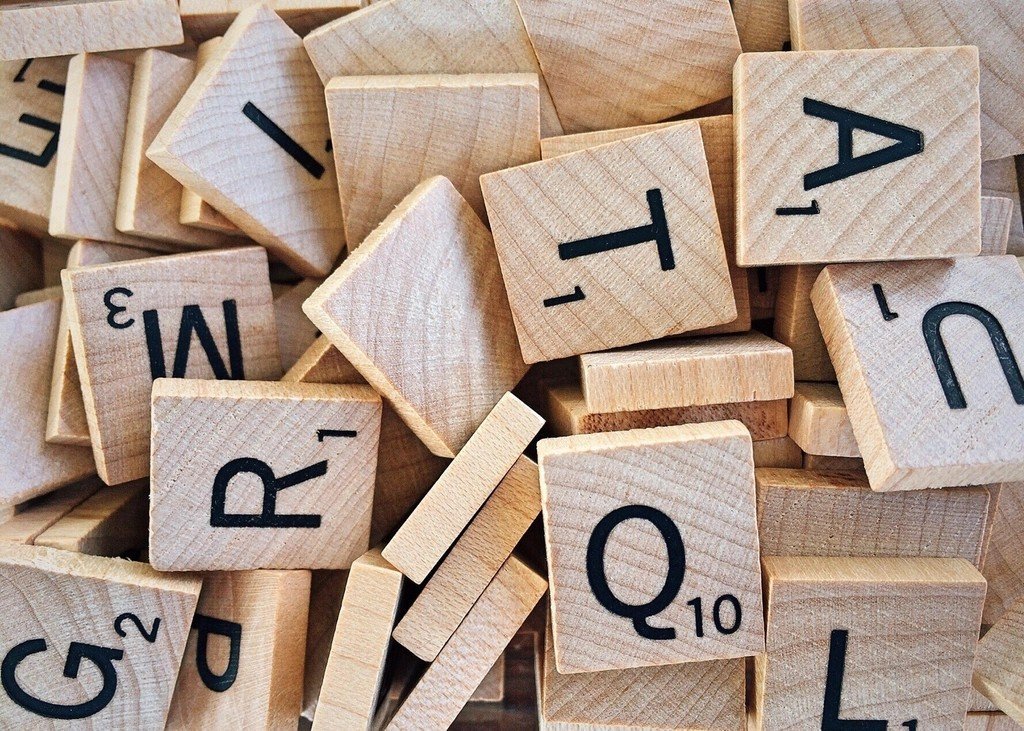
Alfred Mosher Butts, an out-of-work architect in 1930s New York, studied newspaper letter frequencies to craft a word game blending anagrams, crossword puzzles, and Scrabble points.[2][3] He prototyped it as Lexiko or Criss-Cross Words during economic despair, hand-making sets for friends. Rejections piled up from major publishers who deemed it too simple or dull.
James Brunot took over in 1948, refining rules like the 50-point bingo bonus in a rural Connecticut schoolhouse, ramping production just as Macy’s impulse-buy sparked a 1952 surge.[4] Selchow & Righter licensed it soon after, turning modest royalties into a wordplay staple. Scrabble endures with millions sold yearly, fueling tournaments and apps while honoring Butts’ patient persistence.[5]
Clue
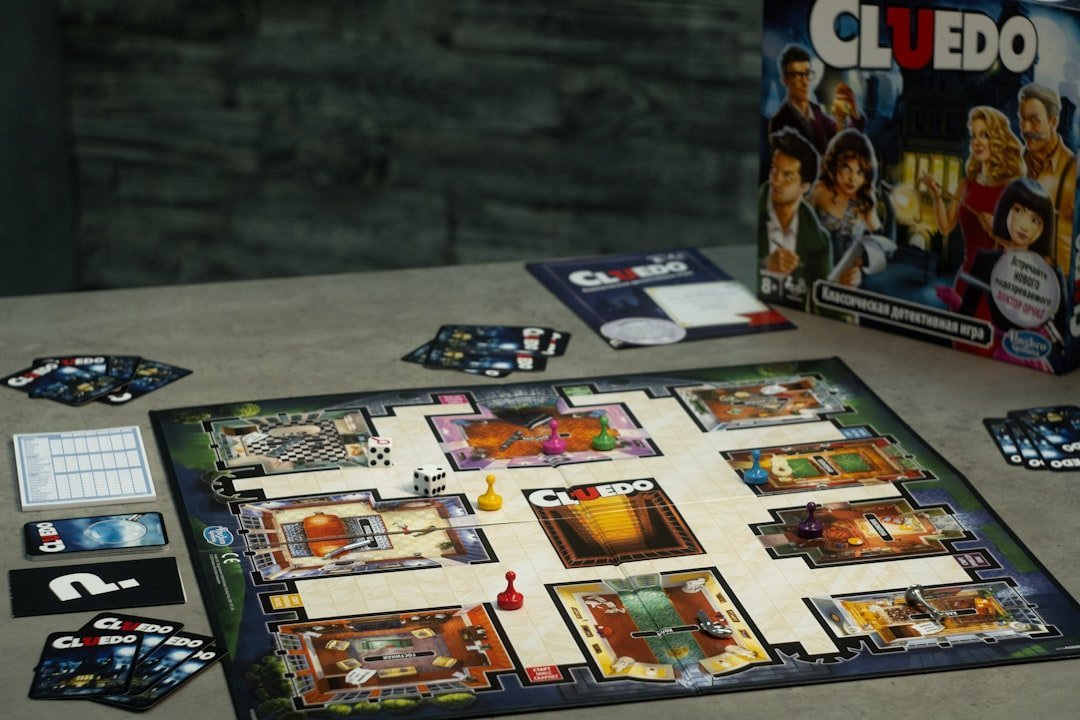
British pianist Anthony Pratt dreamed up Murder! amid World War II blackouts in Birmingham, where munitions factory shifts left long nights indoors.[6] Inspired by mansion murder-mystery parties he played at, Pratt and wife Elva sketched suspects, weapons like a syringe, and a mansion board on their dining table from 1943 to 1945. He patented it in 1947, selling to Waddingtons amid postwar shortages.
Released as Cluedo in the UK and Clue in the US by 1949, it faced slow starts due to material limits but tapped detective fiction’s boom.[6] Pratt sold international rights cheaply, missing vast fortunes as sales hit 150 million. The game shaped family sleuthing nights, inspired a 1985 film, themed editions, and Toy Hall of Fame status, its whodunit core timeless.[6]
Candy Land
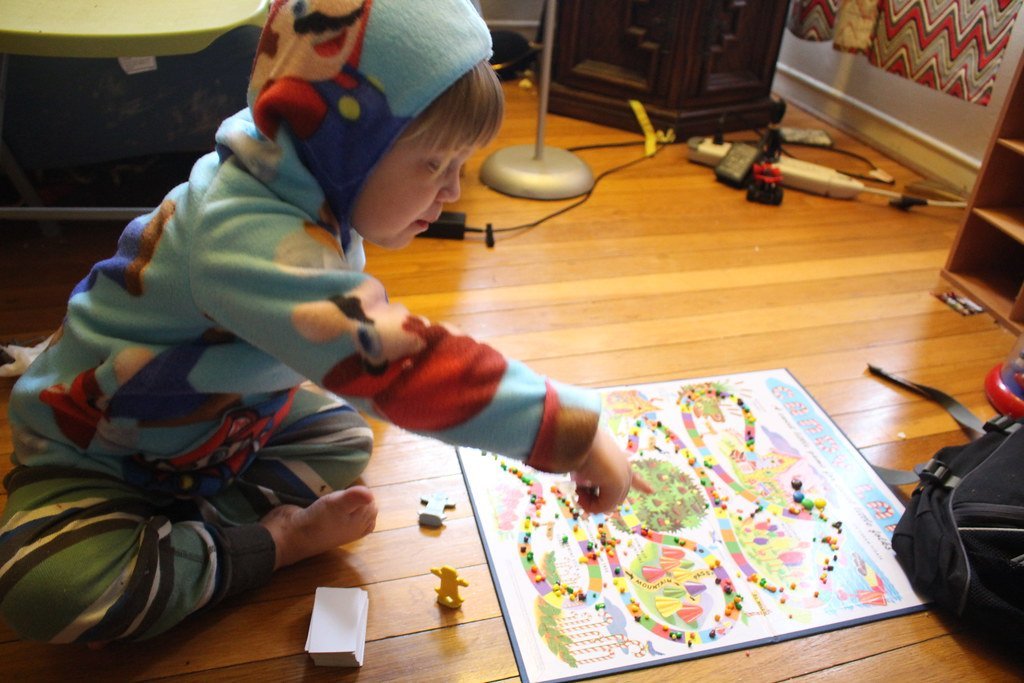
Eleanor Abbott sketched Candy Land in 1948 while recovering in a San Diego polio ward, designing a no-reading path game for isolated child patients.[7][8] Drawn on butcher paper with gingerbread paths and candy landmarks, it offered pure escapism amid quarantines. She sent prototypes to Milton Bradley, who polished and launched it in 1949.
Baby boom parents snapped it up as a simple sitter for toddlers, making it the company’s top kids’ seller without fanfare on its polio roots.[7] Abbott donated royalties to children’s causes. Over decades, it spawned films, apps, and updates, cementing joyful simplicity for generations of young players.
Risk
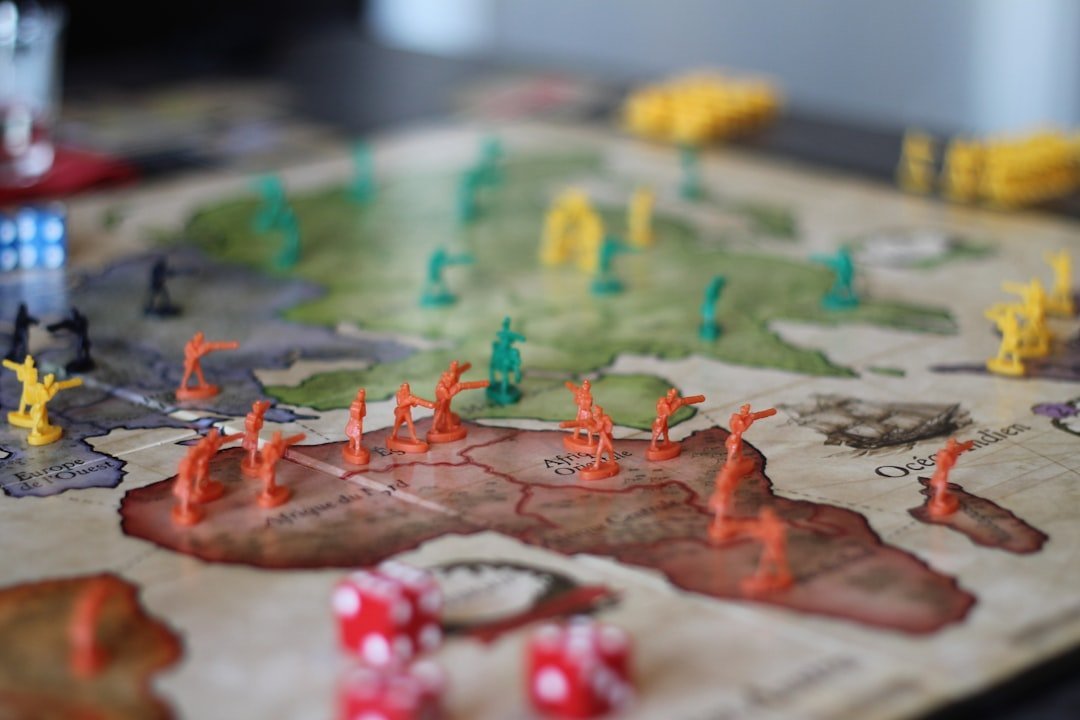
French filmmaker Albert Lamorisse devised La Conquête du Monde in 1957, channeling global conquest into dice-driven territory battles on a world map.[9])[10] Fresh off his Oscar-winning Red Balloon, he crafted simple rules for epic strategy. Parker Brothers brought it stateside as Risk, refining alliances and cards.
It caught on quickly among strategy fans, filling a niche for marathon sessions. Economic postwar growth aided its spread. Risk pioneered area-control mechanics, influencing Diplomacy and countless wargames, with editions still drawing late-night empire builders.[11]
The Game of Life
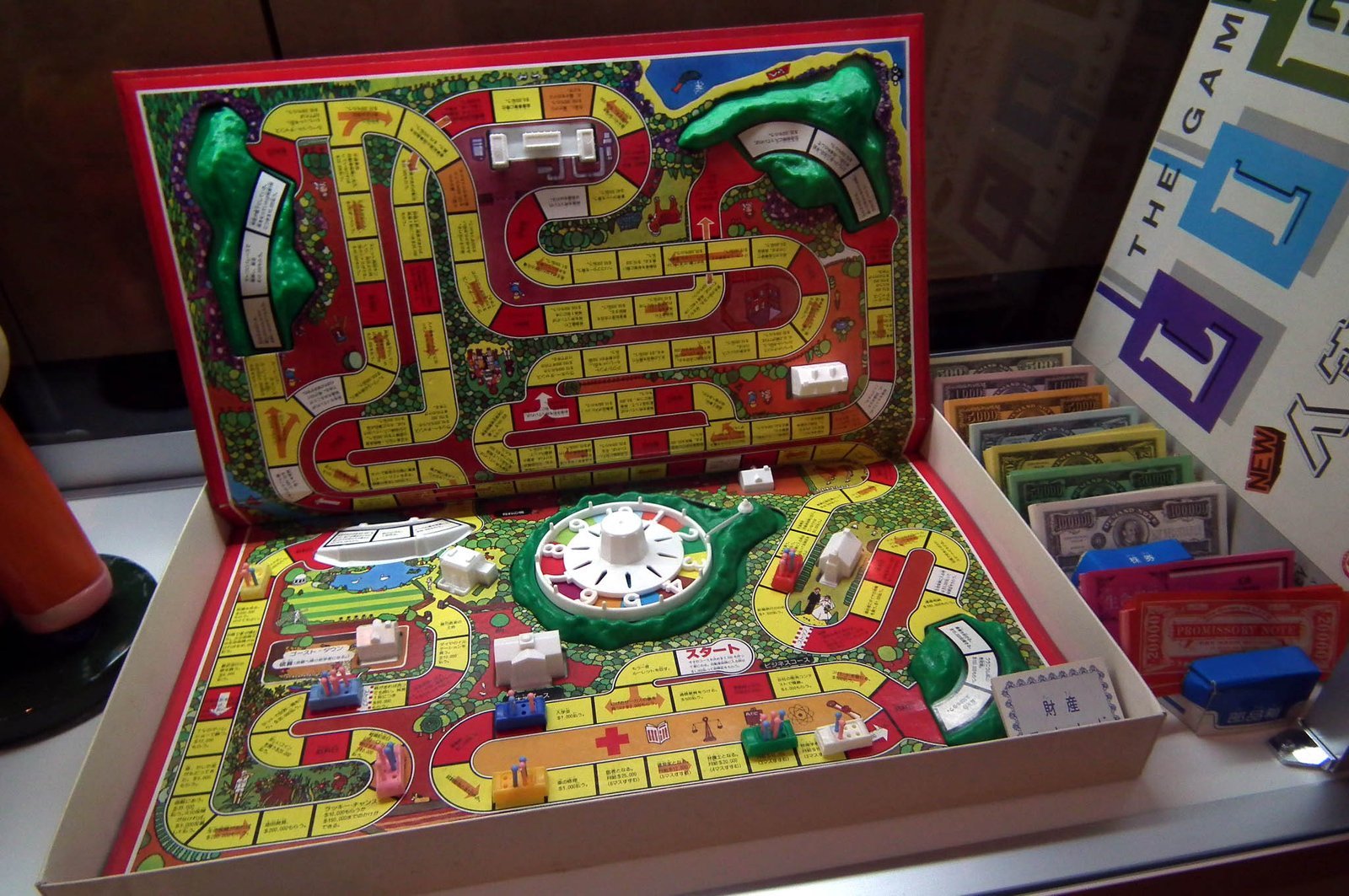
Milton Bradley launched The Checkered Game of Life in 1860 after his Abraham Lincoln portrait business flopped, using a moral spinner board to reward virtue over vice.[4][12] Paths led to “happy old age” or ruin like suicide, reflecting era’s self-improvement ethos. It sold briskly, funding his company.
Reuben Klamer revived it in 1960 for the firm’s centennial, adding cars, jobs, and family spins for modern dreams.[13] The update softened morals into fun life simulations, boosting sales hugely. It remains a rite of passage, mirroring societal shifts from piety to prosperity.
Operation
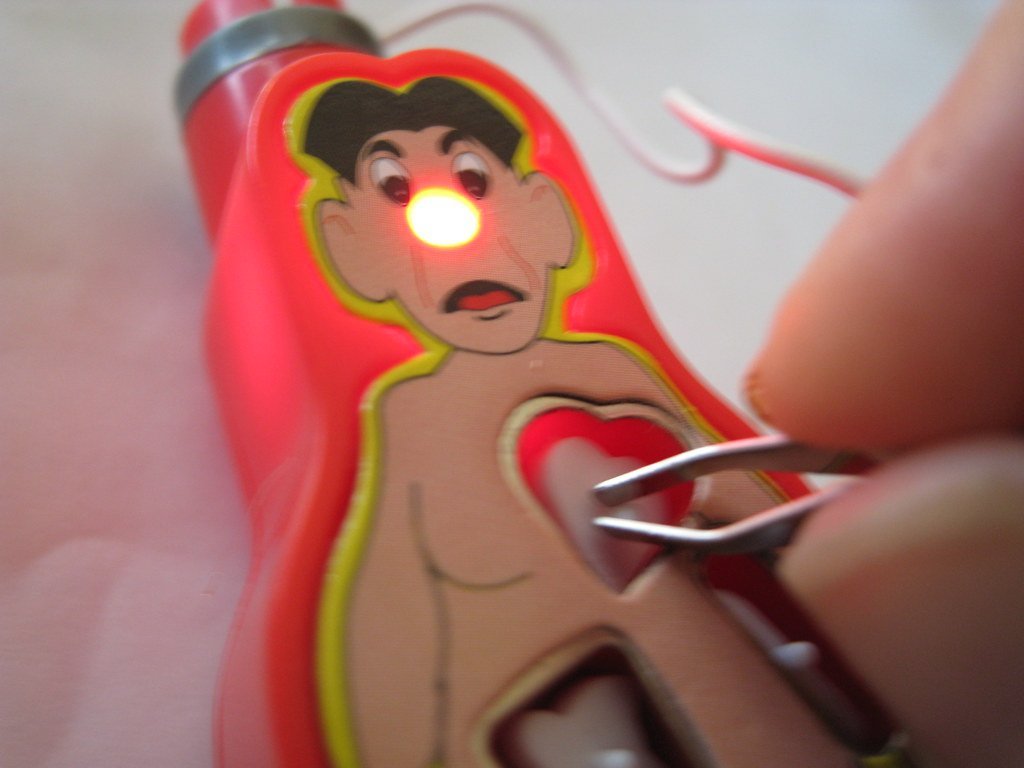
University of Illinois student John Spinello built a buzzing wire game in 1964 for a design class, evolving from a desert survival probe to extracting “ailments” like broken hearts.[14])[15] He sold the patent for $500 to Marvin Glass, who pitched the patient board to Milton Bradley. Released in 1965, steady hands won the day.
It flew off shelves as hilarious dexterity play, perfect for parties. Spinello saw little profit amid millions earned. Operation endures in homes and hospitals, teaching precision with laughs across ages.[16]
Hidden Histories in Play
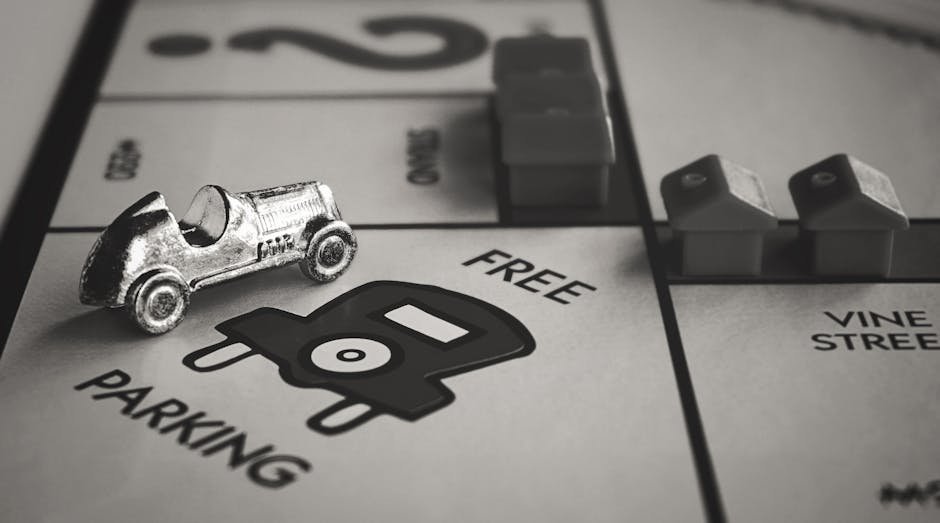
These games, now staples on shelves, carry echoes of their creators’ struggles. From Depression desks to blackout tables, they transformed personal plights into shared joy.
Next time you roll dice or draw cards, consider the unlikely paths that brought them here. Everyday fun often hides deeper human stories.

Christian Wiedeck, all the way from Germany, loves music festivals, especially in the USA. His articles bring the excitement of these events to readers worldwide.
For any feedback please reach out to info@festivalinside.com
