

- 12 Unforgettable TV Shows From Your Youth That Deserve A Modern Reboot. - August 22, 2026
- The Golden Age of Radio Dramas Still Holds a Powerful Spell Over Audiences. - August 21, 2026
- 15 Historical Figures Who Were Far More Eccentric Than You Learned in School - August 21, 2026
Literature has long served as a mirror to society’s deepest tensions, often clashing with established powers like religious doctrines, political systems, and moral norms. Certain works arrive at pivotal moments, igniting debates that ripple far beyond their pages. These books challenge readers to question the status quo, exposing flaws in institutions that once seemed unassailable.
Through bold narratives and unflinching arguments, controversial texts have provoked outrage, bans, and even violence from authorities desperate to suppress their influence. Yet this resistance often amplifies their reach, turning them into catalysts for profound social shifts. History shows how such writings can mobilize masses, reshape laws, and redefine cultural landscapes.
Uncle Tom’s Cabin by Harriet Beecher Stowe
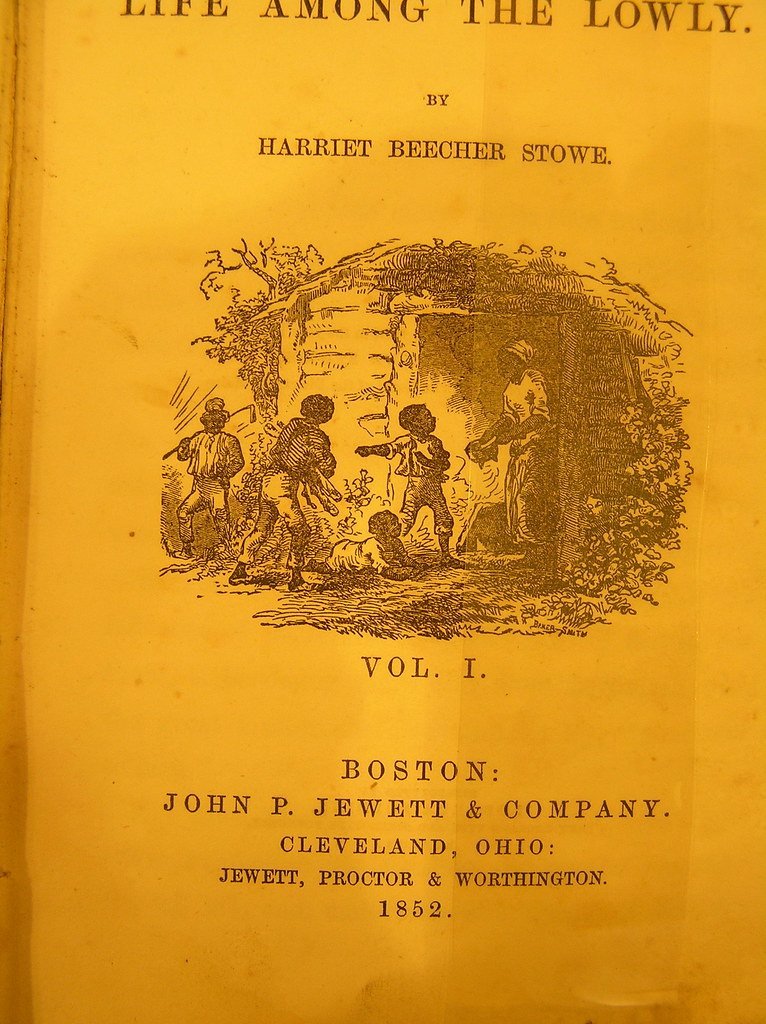
Published in 1852, Harriet Beecher Stowe’s novel depicted the brutal realities of slavery, drawing from real accounts to humanize enslaved people. Southern critics labeled it inflammatory propaganda, banning it outright and accusing Stowe of exaggeration to stir Northern sympathies. Pro-slavery advocates even penned rebuttals to discredit her portrayal of plantation life.[1][2]
The book sold millions, fueling abolitionist fervor across the North and intensifying sectional divides leading to the Civil War. It shifted public opinion, making slavery’s horrors undeniable for many white Americans. Over time, it became a cornerstone of anti-slavery activism, inspiring global movements against human bondage.[3]
On the Origin of Species by Charles Darwin
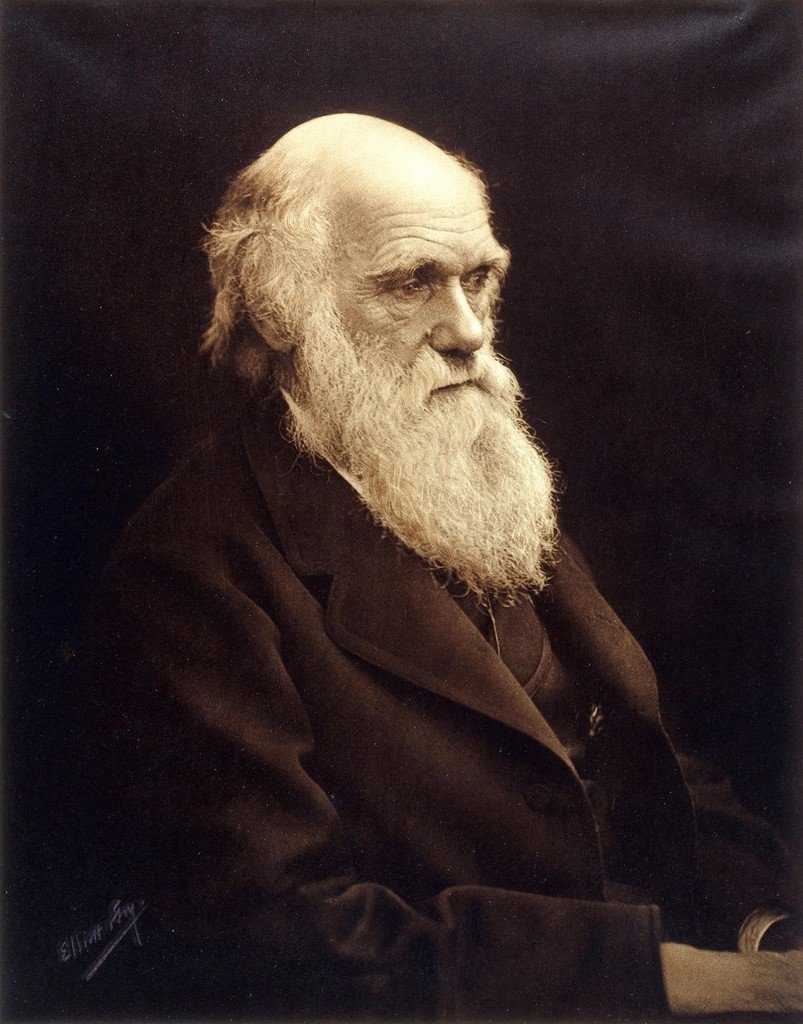
Charles Darwin’s 1859 masterpiece introduced natural selection, upending biblical creation narratives and Victorian piety. Religious leaders decried it as atheistic heresy, sparking sermons and pamphlets that condemned evolution as a threat to moral order. Debates raged in scientific circles and churches alike, with some calling for its suppression.
The work revolutionized biology, laying the foundation for modern evolutionary theory and influencing fields from genetics to anthropology. It eroded literal interpretations of scripture, paving the way for secular education and ongoing science-religion dialogues. Darwin’s ideas permeated culture, challenging humanity’s self-conceived centrality in the universe.[4]
The Communist Manifesto by Karl Marx and Friedrich Engels
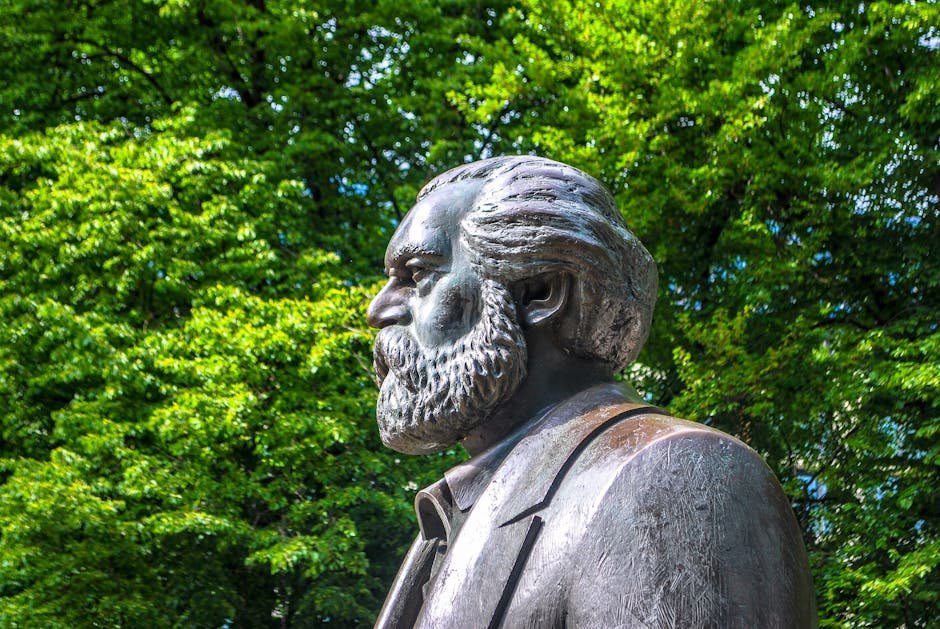
Released in 1848 amid European upheavals, this pamphlet called for proletarian revolution against capitalist exploitation. Governments viewed it as seditious, banning it in several nations and associating it with anarchic violence. Critics from monarchs to industrialists feared its rallying cry would dismantle social hierarchies.
It inspired socialist movements worldwide, fueling labor unions, strikes, and communist regimes in the 20th century. The manifesto’s critique of inequality resonated through revolutions in Russia and China, reshaping global politics. Even today, it informs debates on economic justice and class struggle.[5]
Silent Spring by Rachel Carson

Rachel Carson’s 1962 exposé revealed pesticides’ devastating toll on wildlife and humans, accusing chemical giants of cover-ups. Industry heavyweights launched smear campaigns, suing publishers and flooding media with counterclaims. Government hearings followed, with some officials dismissing her as alarmist.
The book birthed the modern environmental movement, prompting DDT bans and the EPA’s creation. It transformed public awareness, leading to cleaner air and water laws across nations. Carson’s legacy endures in ongoing fights against pollution and habitat loss.[4][6]
The Second Sex by Simone de Beauvoir
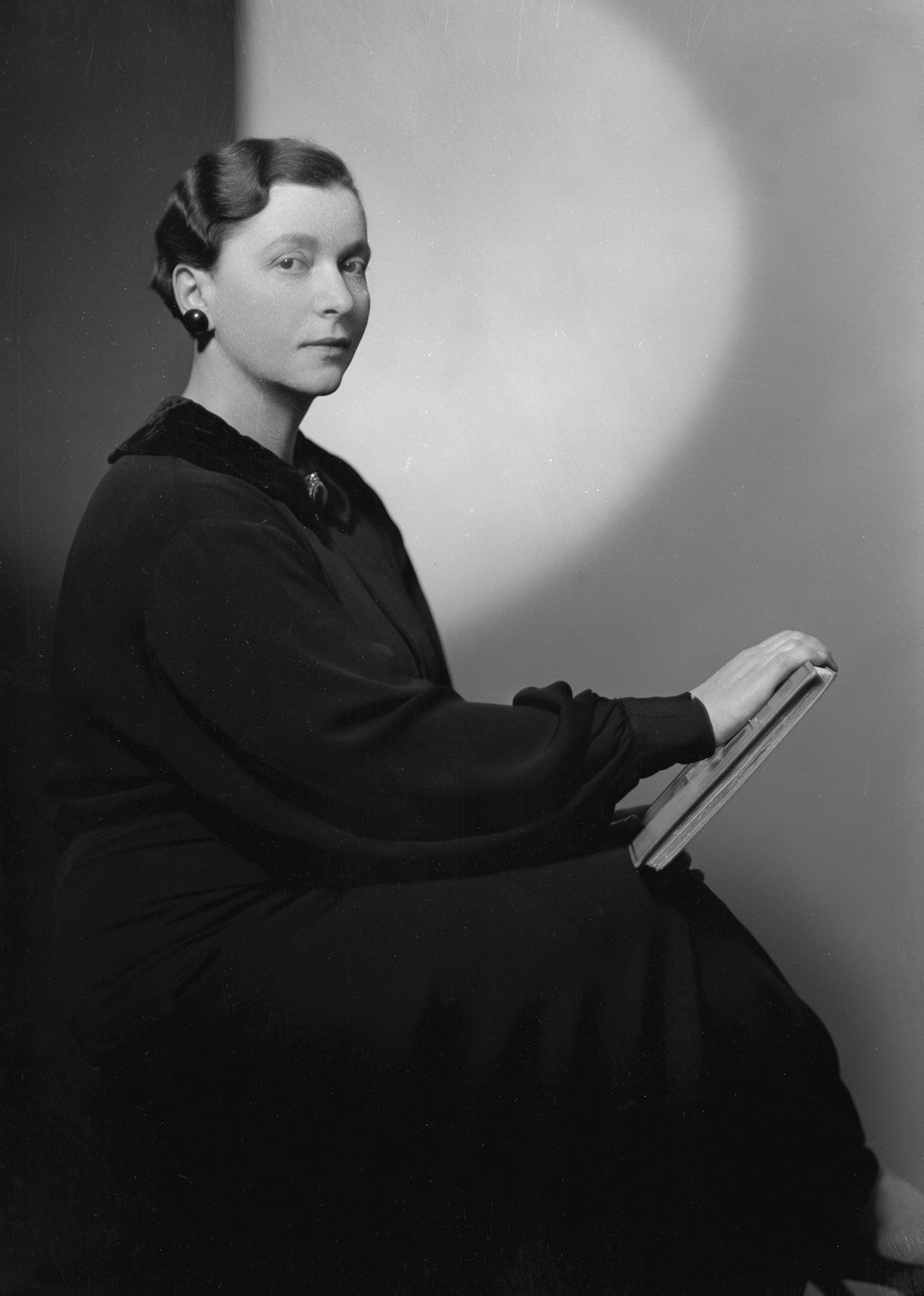
Simone de Beauvoir’s 1949 treatise dissected women’s oppression, declaring “one is not born, but rather becomes, a woman.” The Vatican placed it on the Index of Forbidden Books, while conservatives decried its challenge to gender roles. French intellectuals debated its radical feminism fiercely.
It ignited second-wave feminism, empowering women to demand equality in work, reproduction, and society. The book influenced laws on divorce, abortion, and workplace rights globally. Its ideas reshaped cultural views on gender, fostering enduring quests for liberation.[4]
Lady Chatterley’s Lover by D.H. Lawrence
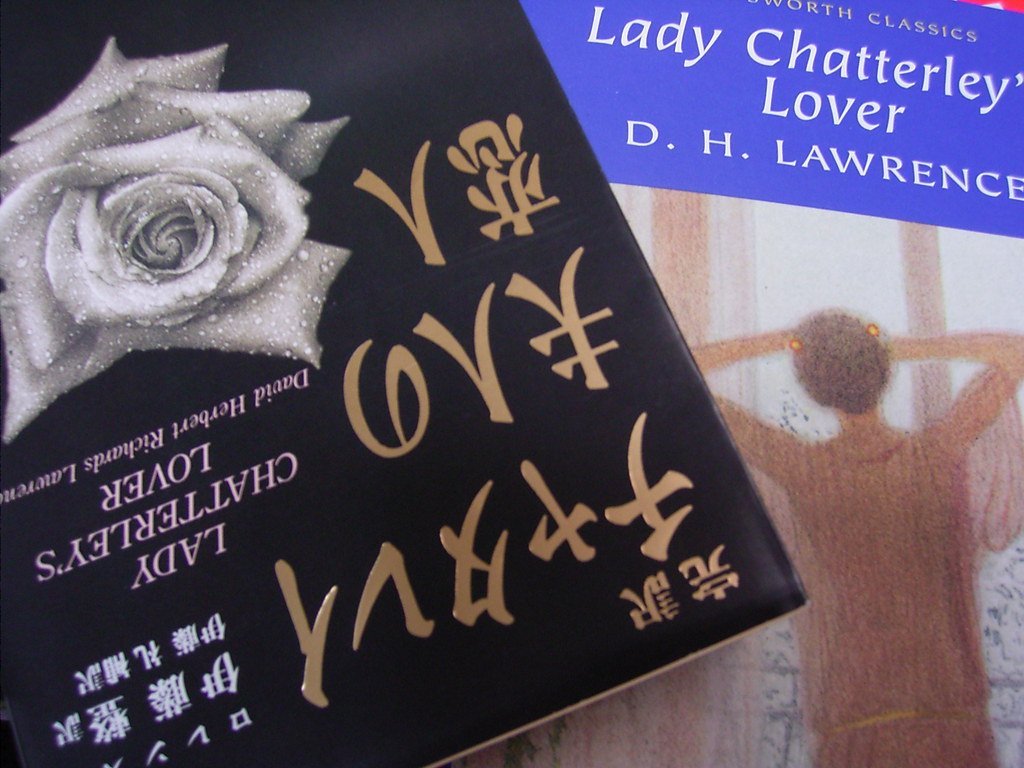
D.H. Lawrence’s 1928 novel explored extramarital passion with explicit detail, scandalizing censors for its frank sexuality. Banned in the U.S., U.K., and beyond, it faced obscenity trials that gripped headlines. Prosecutors argued it corrupted public morals.
The 1960 U.K. trial acquitted the publisher, dismantling censorship barriers and ushering in freer expression. It contributed to the sexual revolution, normalizing discussions of desire and bodily autonomy. Lawrence’s work now symbolizes literary defiance against prudery.[7]
The Satanic Verses by Salman Rushdie
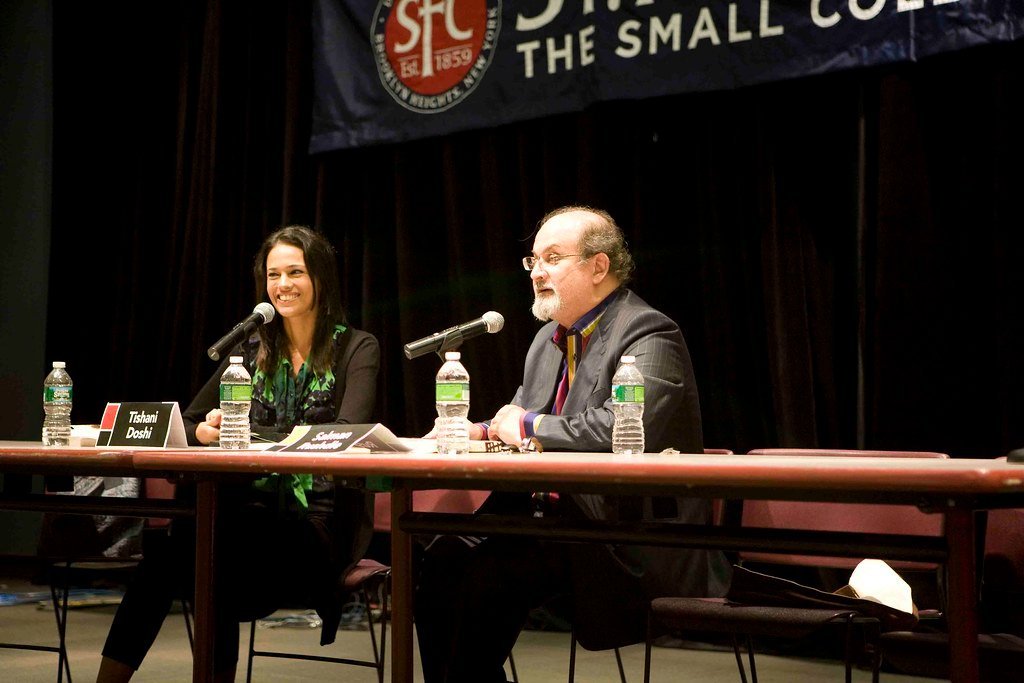
Salman Rushdie’s 1988 magical realism blended dreams with Islamic history, offending many Muslims with its prophet satire. Iran’s Ayatollah Khomeini issued a fatwa calling for Rushdie’s death, sparking global protests and book burnings. Several countries banned it amid riots.
The controversy elevated free speech debates, pitting artistic liberty against religious sensitivities. It galvanized writers worldwide in defense of expression, influencing censorship policies. Rushdie’s survival became a testament to literature’s provocative power.[7][8]
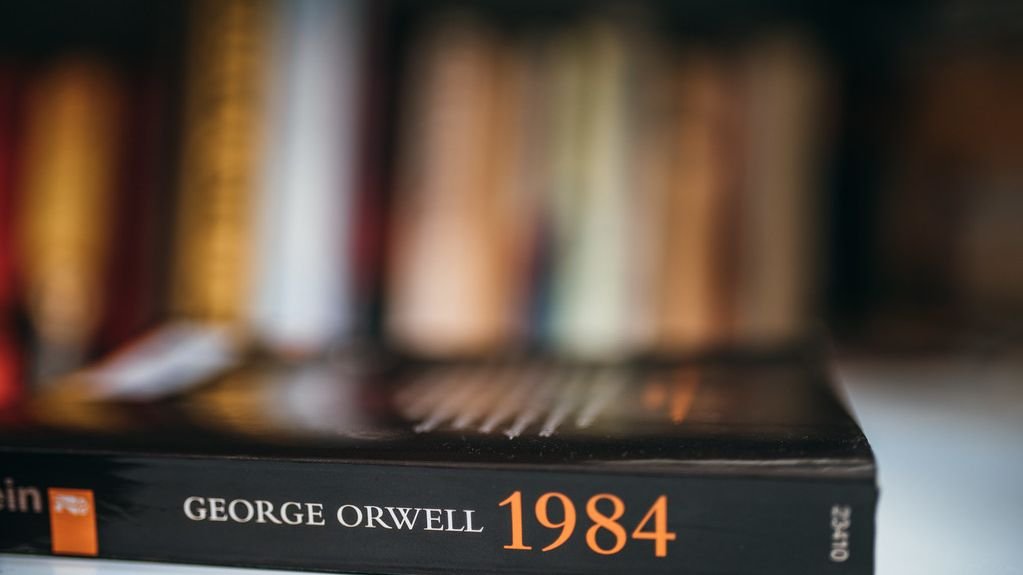
1984 by George Orwell
George Orwell’s 1949 dystopia warned of totalitarian surveillance, drawing from Stalinist horrors. Banned in Soviet bloc nations and challenged elsewhere for anti-authoritarian themes. Regimes saw it as subversive propaganda.
It coined terms like “Big Brother,” embedding vigilance against oppression in popular culture. The novel shaped Cold War discourse and modern privacy concerns amid digital tracking. Orwell’s vision continues to alert societies to power’s erosions.[7]
Literature’s Lasting Echo
These books remind us that words can fracture foundations and rebuild them stronger. They weathered storms of fury to forge new paths in thought and action.
In an era still wrestling with division, their stories urge us to embrace discomfort for progress. True revolutions often begin quietly on a page.

Besides founding Festivaltopia, Luca is the co founder of trib, an art and fashion collectiv you find on several regional events and online. Also he is part of the management board at HORiZONTE, a group travel provider in Germany.
