

- 15 Rock Anthems That Defined a Generation and Still Sound Amazing Today - August 11, 2026
- 12 Unforgettable Movie Quotes You Can Still Use in Everyday Conversation. - August 11, 2026
- 10 Music Festivals That Changed the World - August 11, 2026
Classic literature captures the everyday pulse of past societies in ways dry facts from history books often miss. Authors weave in the unspoken rules, the moral compasses, and the social pressures that shaped lives back then. These stories preserve attitudes toward family, duty, and honor that feel distant now.
Through characters’ choices and conflicts, we glimpse values like restraint and communal responsibility. Such works act as time capsules, showing what people prized most amid their era’s upheavals. They remind us how far we’ve drifted from those foundations.
Pride and Prejudice: The Primacy of Duty Over Desire
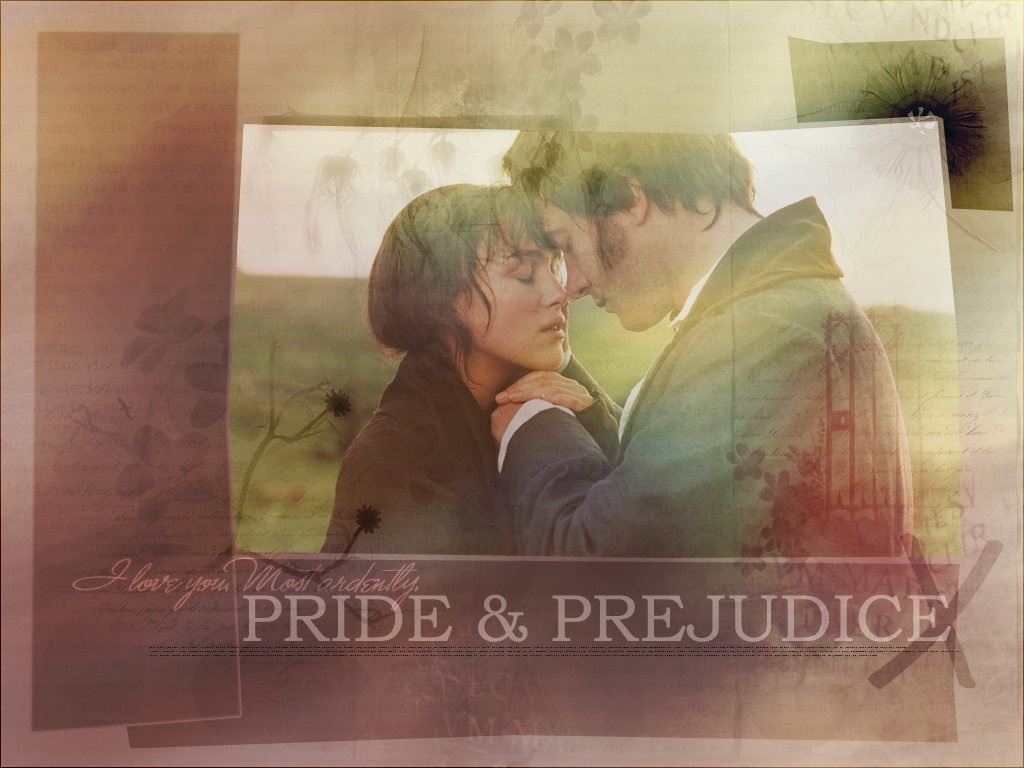
Jane Austen’s world revolves around marriage as a cornerstone of social stability and family honor. Elizabeth Bennet navigates suitors not just for love, but to secure her sisters’ futures and uphold her family’s standing. This reflects a value of selfless duty, where personal whims bowed to collective well-being and long-term prudence.
Today, with individualism reigning supreme, that sense of obligation to kin feels quaint, almost burdensome. Yet it highlights our loss of communal ties, where choices once weighed family legacies over fleeting passions. Modern relationships often prioritize self-fulfillment, leaving wider networks frayed.
To Kill a Mockingbird: Courage in Quiet Conviction

Harper Lee’s Scout and Atticus Finch embody moral steadfastness amid prejudice. Atticus defends the innocent despite community scorn, teaching that true bravery lies in doing right when it’s unpopular. This era valued personal integrity over fitting in, a quiet heroism rooted in empathy and justice.
In our polarized age, such principled solitude seems rare, drowned out by echo chambers and viral outrage. We’ve traded deep convictions for performative alliances, losing that grounded courage to stand alone for fairness. The novel urges a return to listening beyond our biases.
1984: The Sanctity of Truth and Privacy

George Orwell paints a dystopia where truth bends to power, and privacy vanishes under constant watch. Winston’s rebellion clings to objective reality and hidden thoughts as ultimate freedoms. Society then cherished unmanipulated facts and inner autonomy as bulwarks against tyranny.
Now, with data trails and altered narratives everywhere, those values erode under convenience and connectivity. We’ve surrendered private reflection for endless sharing, blurring truth into opinions. Orwell’s warning lingers, questioning if we’ve traded vigilance for comfort.
The Great Gatsby: Restraint in Pursuit of the Dream

F. Scott Fitzgerald’s Jay Gatsby chases the American Dream through excess, revealing a time when aspiration still nodded to modesty. His lavish parties mask a deeper longing for lost simplicity, critiquing how unchecked ambition corrupts. The era held onto ideals of honest work over spectacle.
Consumer culture today amplifies that frenzy, with success measured in displays rather than substance. We’ve lost the pause for reflection, chasing highs that echo Gatsby’s hollow revels. The story nudges us toward valuing depth over dazzle in our strivings.
Jane Eyre: Self-Reliance and Moral Independence

Charlotte Brontë’s heroine rejects comfort for principles, forging her path through adversity. Jane refuses tainted wealth or rushed unions, prizing inner strength and ethical clarity above security. Victorian times valued women’s quiet resolve, even if society boxed them in.
While autonomy flourishes now, it often veers into isolation without that moral anchor. We’ve gained freedom but misplaced the discipline to wield it wisely. Jane’s journey recalls how true independence pairs self-trust with unyielding integrity.
Frankenstein: Responsibility Toward Creation

Mary Shelley’s Victor neglects his monster, unleashing chaos from hubris. The tale underscores accountability for one’s inventions, a value where creators owed care to their works. Romantic era thinkers grappled with progress’s perils, stressing humility before nature’s bounds.
In our rush to innovate without foresight, that duty fades amid rapid tech leaps. AI and biotech echo the monster’s plight, begging questions of oversight. Shelley’s narrative revives the call to temper ambition with enduring responsibility.
Little Women: The Strength of Domestic Bonds
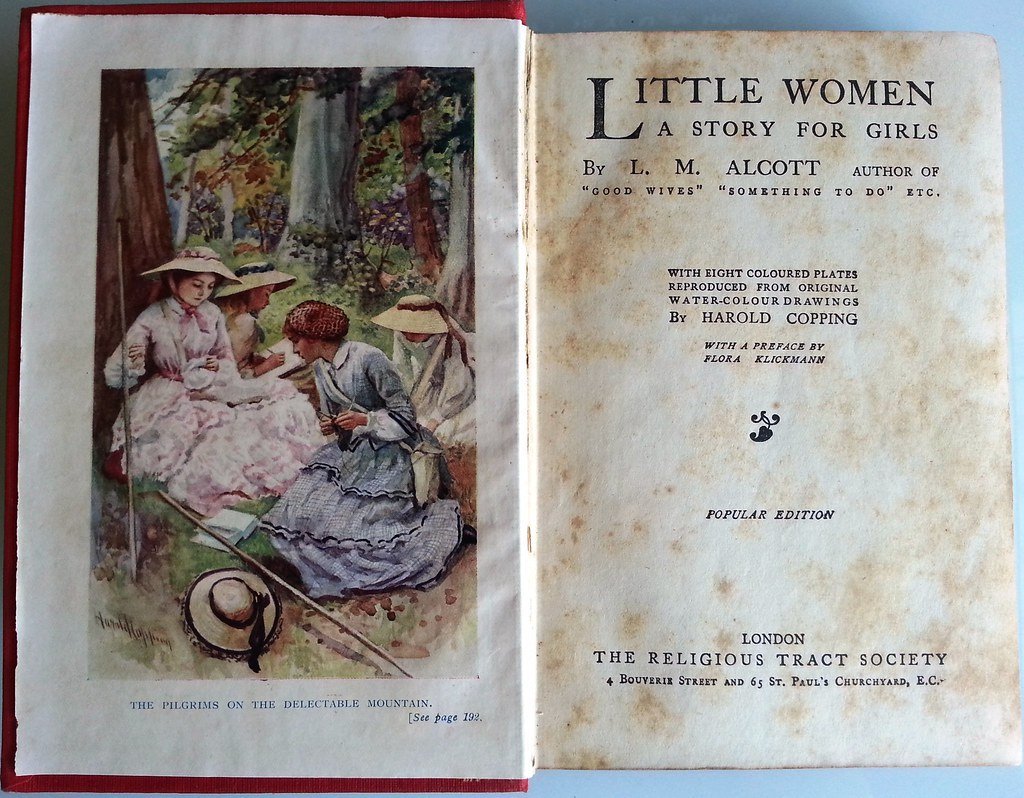
Louisa May Alcott’s March sisters thrive on sisterly loyalty and home-centered virtues. They face hardships with resourcefulness and mutual support, valuing hearth and simplicity over glamour. Civil War America prized family resilience as society’s true backbone.
Fragmented lives today undervalue those intimate ties, chasing careers that scatter kin. We’ve gained mobility but lost the warmth of shared routines. The sisters’ story gently prods us to reclaim nurturing connections amid modern haste.
Conclusion: Literature as Our Cultural Memory
These classics serve as mirrors to forgotten virtues, etching societal souls into enduring tales. They outlast textbooks by humanizing values like duty, truth, and restraint through vivid lives. In rereading them, we reclaim pieces of ourselves long misplaced.
This cultural memory invites quiet reckoning, not grand fixes. It shows how past ideals might steady our unsteady now, one story at a time.
CEO-Co-Founder
