
Major events often act like stones dropped into a pond. Their ripples spread far beyond the initial splash, altering societies, economies, and daily life for generations. These moments shift power balances, spark innovations, or expose vulnerabilities that demand new responses.
From technological breakthroughs to global conflicts, they redefine how people connect, work, and govern themselves. The effects linger in institutions, cultures, and even mindsets today.[1][2]
The Invention of the Printing Press (1440)
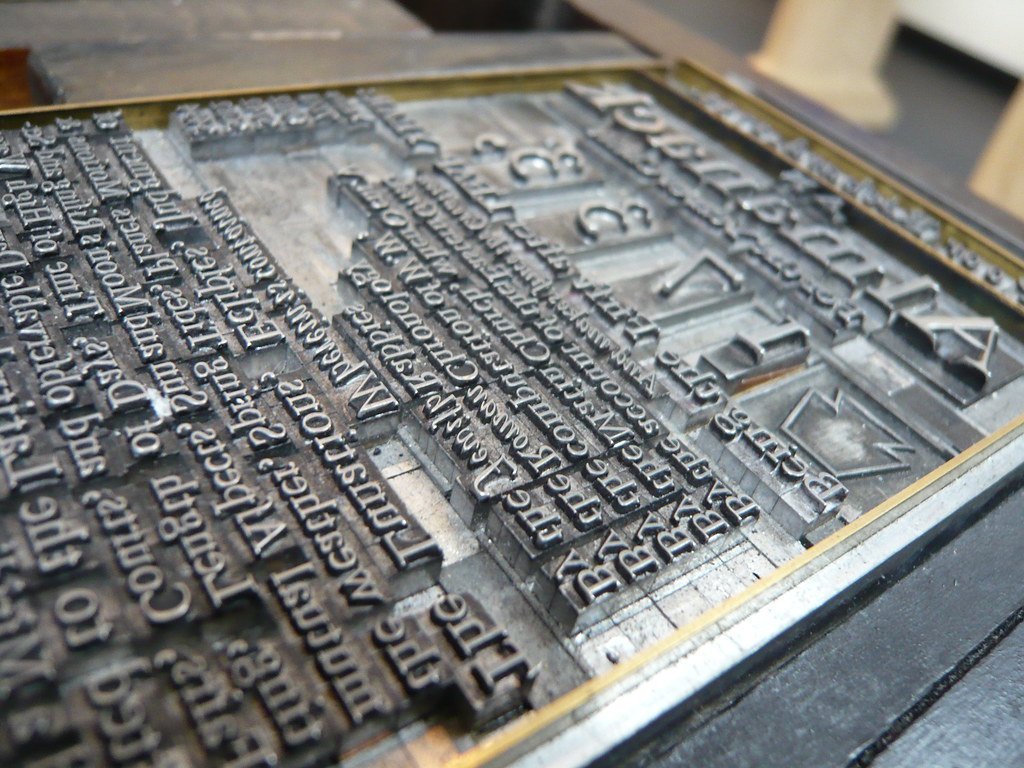
Johannes Gutenberg’s printing press in 1440 transformed how knowledge spread across Europe. Books became cheaper and more accessible, fueling the Renaissance and Reformation. Ideas that once stayed locked in monasteries now reached ordinary people quickly.[3]
This shift empowered literacy and challenged church authority. Today, it underpins our information-driven world, from mass media to digital publishing. The press laid groundwork for widespread education and public debate still central to democracies.[3]
The Industrial Revolution (c. 1760)
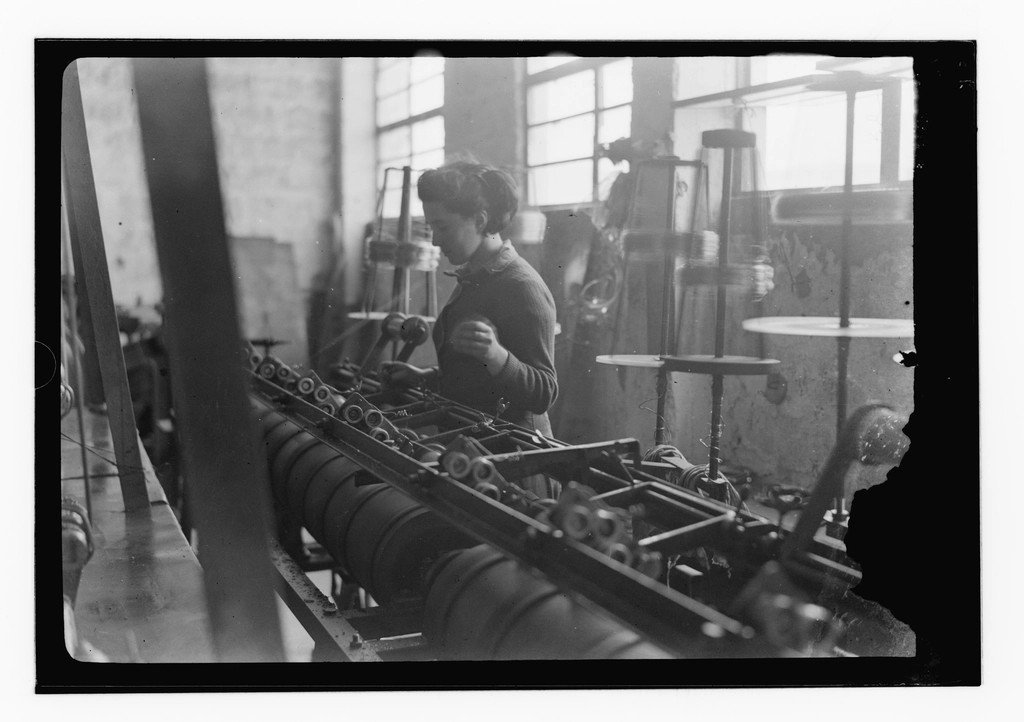
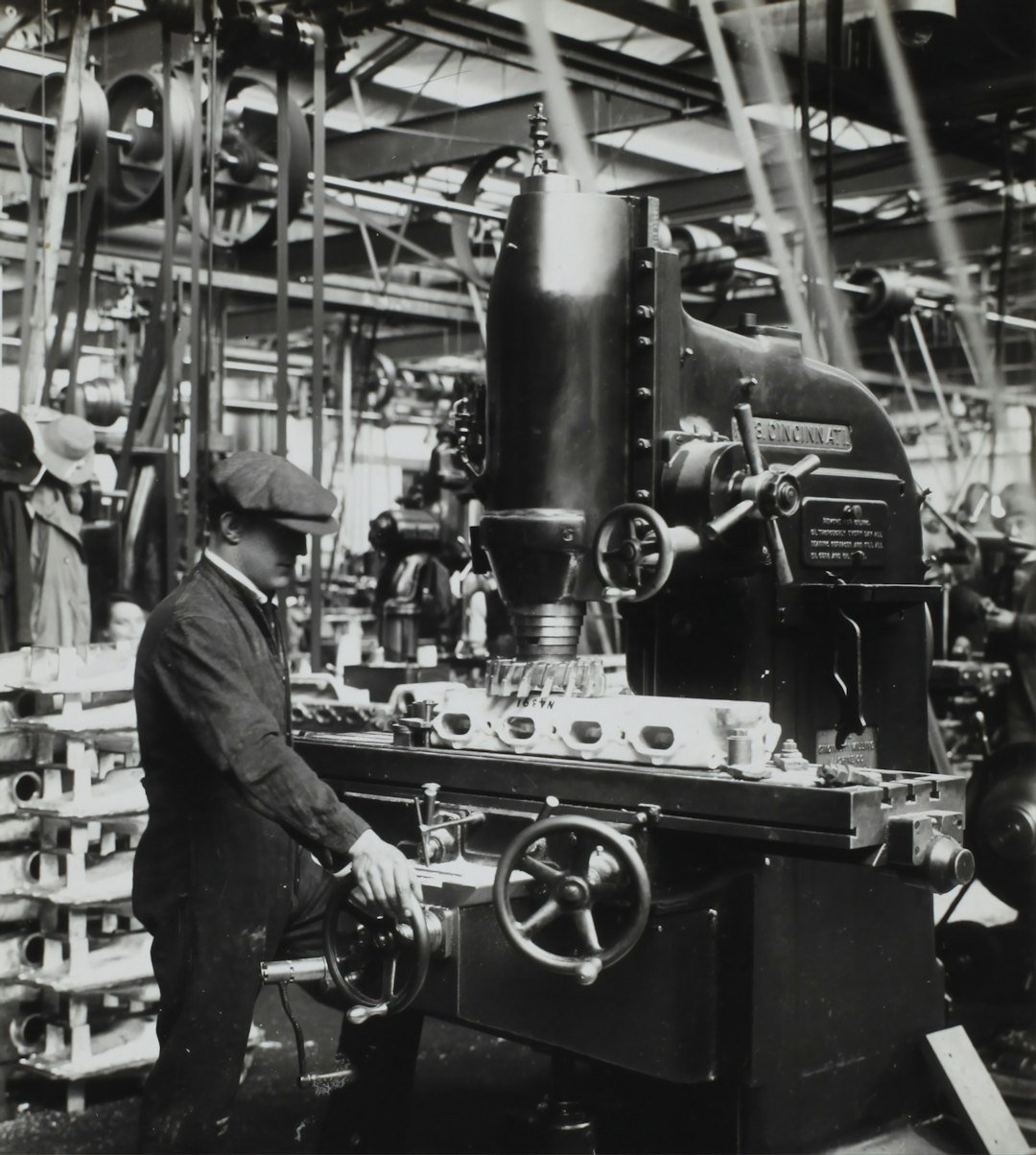
Starting around 1760 in Britain, the Industrial Revolution mechanized production with steam engines and factories. Rural workers moved to cities, boosting output but creating harsh labor conditions. Economies exploded as goods flowed faster and cheaper.[4]
Societies urbanized rapidly, reshaping family life and politics. Environmental strains from fossil fuels persist in climate challenges. Modern manufacturing, global trade, and even inequality trace roots here, influencing daily commutes and consumer habits.[2]
That era’s innovations set the stage for today’s tech boom.
World War II (1939-1945)
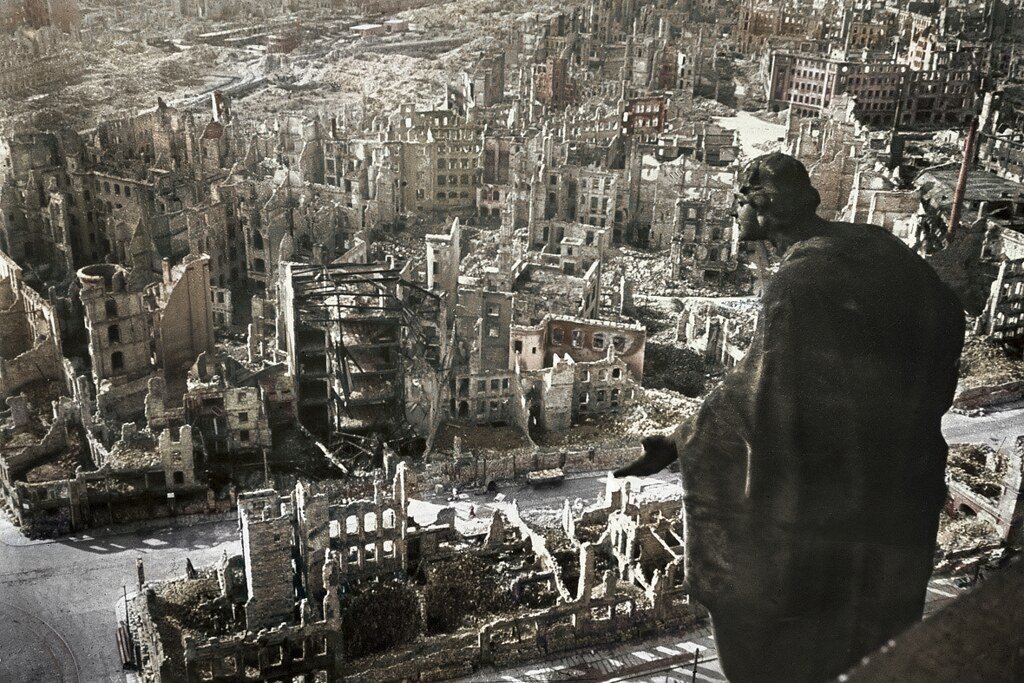
World War II erupted in 1939, engulfing nations in total conflict. It ended empires, birthed the United Nations, and unleashed atomic bombs. Over 70 million lives lost, redrawing maps from Europe to Asia.[4]
The war accelerated tech like radar and computers. Cold War divisions followed, shaping alliances like NATO. Nuclear deterrence still guides international relations, while decolonization waves created today’s diverse nations.[5]
Human rights focus intensified post-Holocaust.
The Fall of the Berlin Wall (1989)
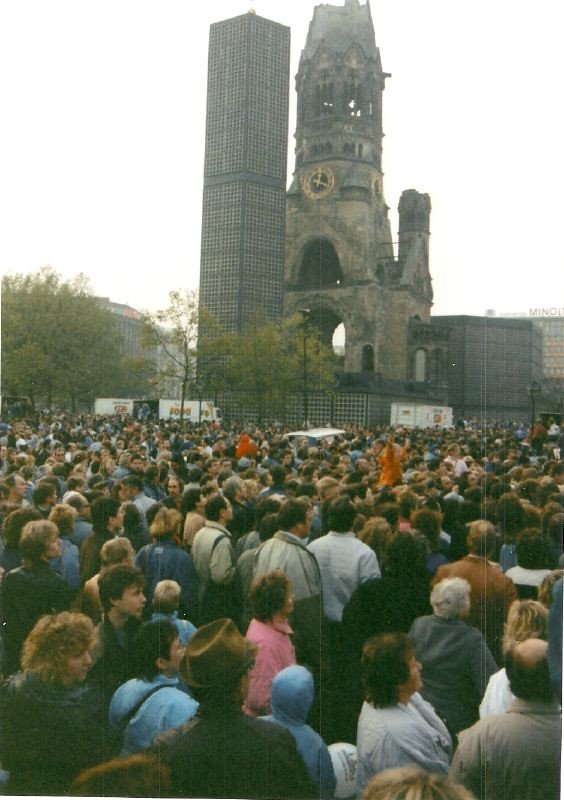
On November 9, 1989, the Berlin Wall crumbled, symbolizing communism’s collapse in Eastern Europe. Families reunited, and Germany unified after decades apart. It marked the Cold War’s end without direct superpower clash.[6]
Markets opened, sparking economic booms in former Soviet states. NATO and EU expanded eastward. Globalization surged, with supply chains linking once-divided worlds, though tensions like Ukraine remind us echoes remain.[7]
The Birth of the World Wide Web (1989)

Tim Berners-Lee proposed the World Wide Web in 1989 at CERN. It turned the internet into a user-friendly network of linked pages. Information became instant and global, revolutionizing communication.[8]
E-commerce, social media, and remote work exploded from this. Privacy debates and cyber threats define digital life now. It connected billions, shrinking distances but amplifying misinformation challenges.[2]
Daily routines hinge on this invisible web.
The September 11 Attacks (2001)
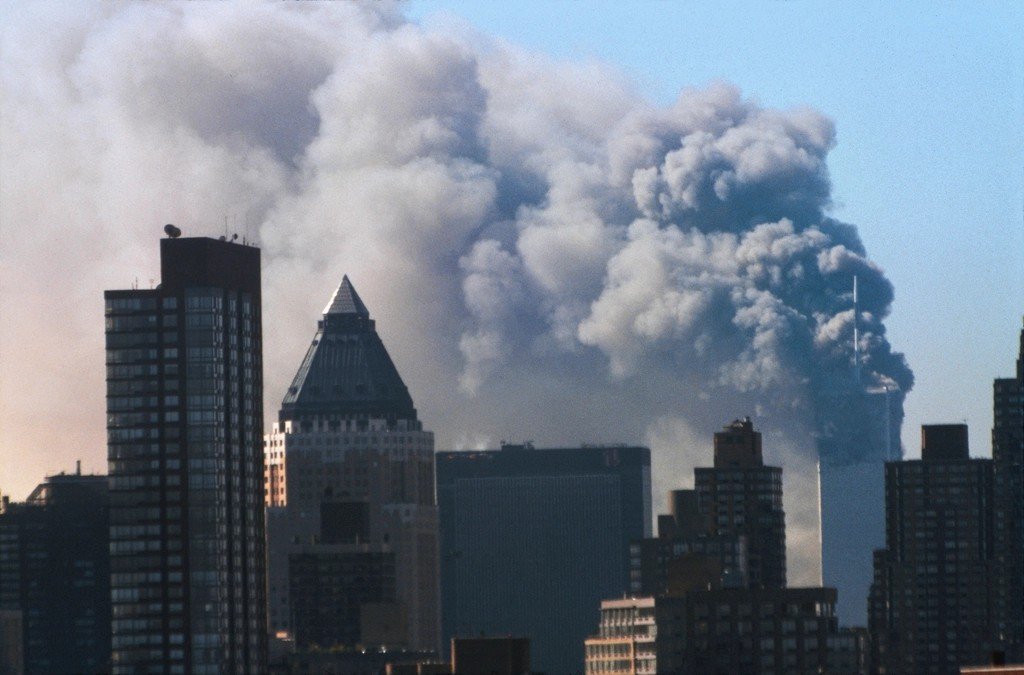
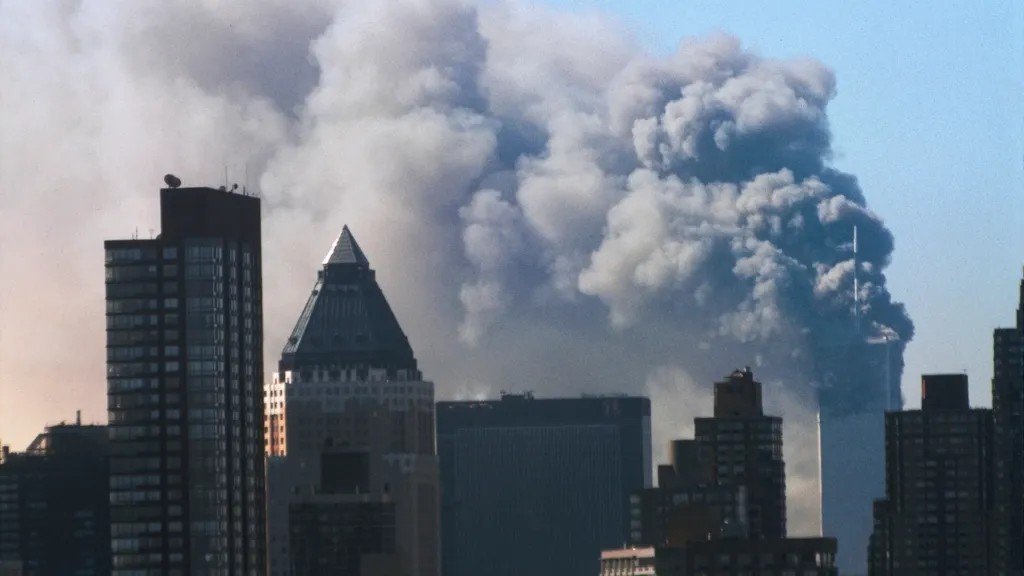
Terrorists struck the U.S. on September 11, 2001, killing nearly 3,000 and toppling the Twin Towers. It sparked the War on Terror, invading Afghanistan and Iraq. Aviation security transformed worldwide.[9]
Surveillance expanded, reshaping civil liberties. Islamophobia rose alongside counterterrorism laws. Geopolitics shifted, with ongoing Middle East instability and refugee flows felt globally.[7]
The COVID-19 Pandemic (2019-)

The COVID-19 outbreak began in late 2019, declared a pandemic in 2020. Lockdowns halted travel and economies, killing millions. Vaccines developed at record speed showed mRNA promise.[10]
Remote work normalized, accelerating digital shifts. Supply chains exposed vulnerabilities, boosting local sourcing talks. Health protocols and inequality gaps linger in public policy and workplaces.[10]
Societies adapted, but scars shape future readiness.
History’s Enduring Threads
These events wove the fabric of our present. They remind us change comes abruptly yet unfolds slowly. Understanding them helps navigate tomorrow’s uncertainties.
History does not repeat, but its patterns guide. In 2026, we live amid their legacies, from connected devices to wary alliances.

- 37 Songs From the ’60s and ’70s With Meanings No One Caught the First Time - August 31, 2026
- 12 Legendary Concert Venues That Witnessed Unforgettable Musical Moments - August 31, 2026
- 10 Iconic Speeches That Dramatically Shaped Modern History - August 31, 2026

