


- Iconic Cultural Moments Are Not Planned; They Simply Erupt and Resonate. - August 31, 2026
- 10 Classic TV Commercials That Are More Memorable Than the Products They Sold - August 31, 2026
- The Echoes of Past Eras Resurface in Our Modern World in Surprising Ways. - August 30, 2026
Classic novels draw readers in with vivid characters and gripping plots. Many go deeper, embedding symbols and allegories that comment on real-world issues. These layers often stay unnoticed at first, only emerging to reshape the entire story.
Spotting them turns a simple tale into a mirror for society or human flaws. Authors like Orwell and Fitzgerald wove them skillfully, rewarding close readers with fresh insights.[1][2]
Animal Farm by George Orwell
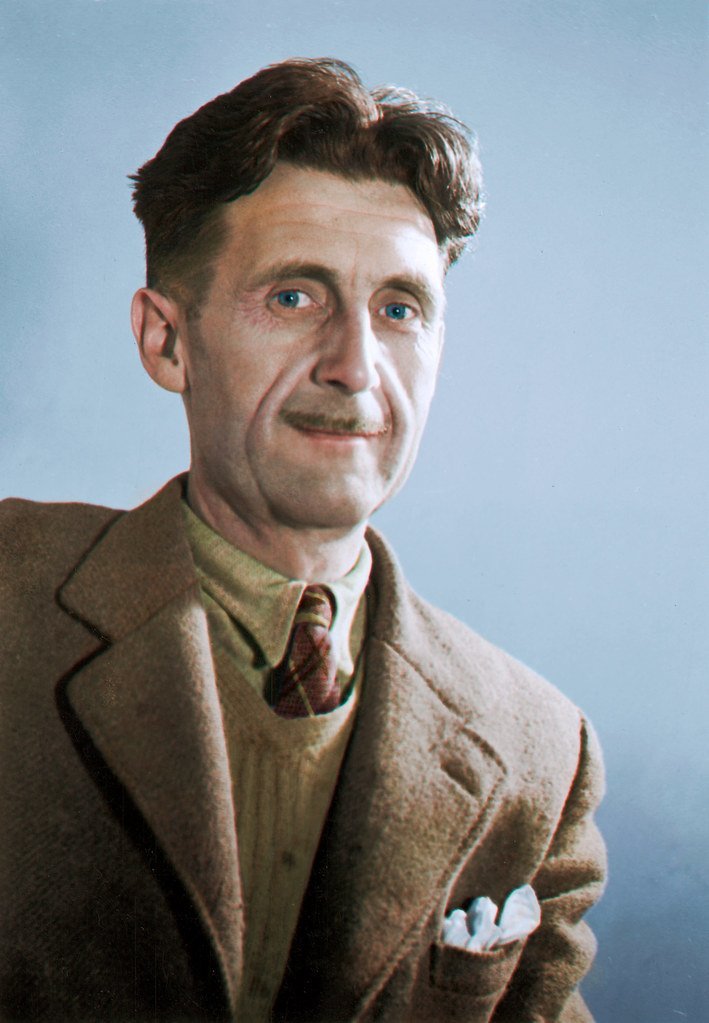
The farmyard rebellion looks like a straightforward animal uprising against human farmers. In truth, it serves as an allegory for the Russian Revolution and Stalin’s rise. Pigs like Napoleon mirror leaders such as Stalin, while events echo historical betrayals.[1][3]
This hidden parallel shifts the story from barnyard fable to biting political satire. The slogan “All animals are equal, but some are more equal than others” exposes how ideals corrupt into tyranny. Readers see power’s corrupting force everywhere, not just on the farm.[2]
1984 by George Orwell

Winston’s dystopian struggle against a watchful regime feels like grim science fiction. Big Brother stands for totalitarian control, with tools like Newspeak twisting language to limit thought. Room 101 breaks spirits through personal fears, showing total power’s reach.[1]
These elements transform the novel into a warning about surveillance and truth manipulation. What starts as personal rebellion becomes a blueprint for authoritarianism. It prompts questions about privacy and propaganda in everyday life.[2]
The Great Gatsby by F. Scott Fitzgerald

Gatsby’s lavish parties chase a lost love amid Jazz Age excess. The green light across the bay symbolizes the elusive American Dream, forever out of reach. The Valley of Ashes reveals class divides and moral rot beneath wealth, while Dr. Eckleburg’s eyes watch indifferently like a absent god.[1]
This symbolism recasts the romance as a critique of materialism and inequality. Gatsby’s tragedy highlights dreams corrupted by reality. The glamour fades, exposing society’s hollow core.
Lord of the Flies by William Golding
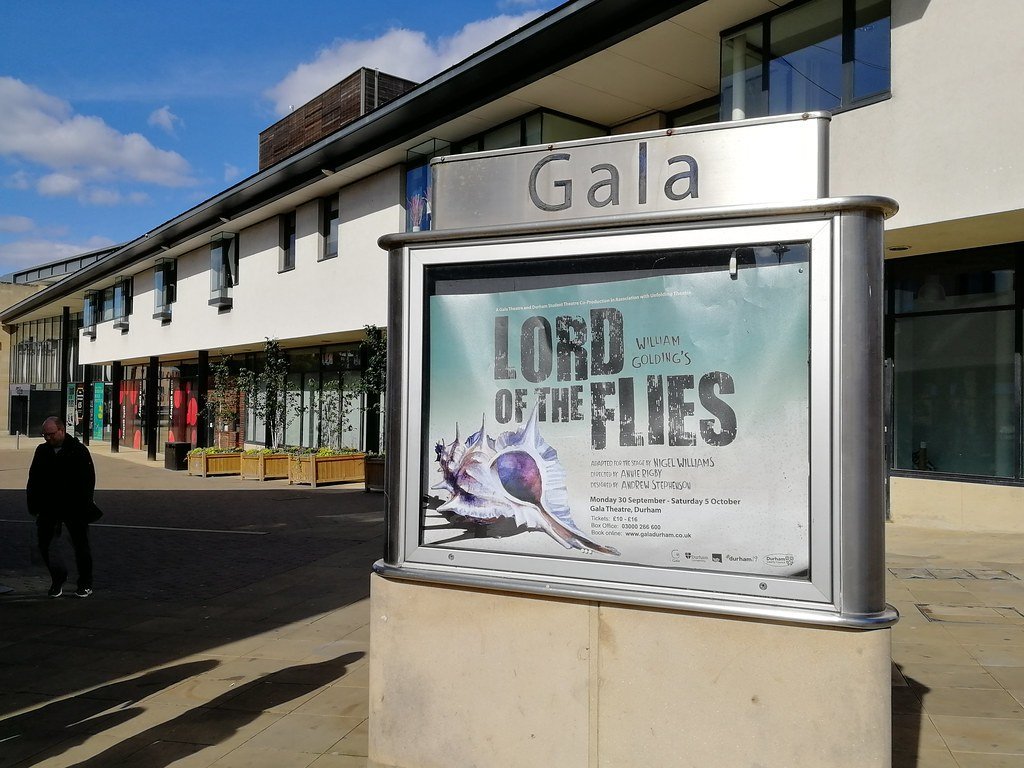
Stranded boys attempt to govern their island paradise. The conch shell holds democracy together until it shatters, signaling civilization’s end. The beast turns out to be humanity’s inner savagery, voiced by a pig’s head as “part of you.”[1]
Piggy’s glasses fuel fire but also represent lost reason. These reveal the thin veil over primal instincts. The adventure flips to a dark study of how order crumbles without restraint.[2]
To Kill a Mockingbird by Harper Lee
Scout’s small-town adventures tackle growing up in the South. The mockingbird embodies harmless innocents like Boo Radley and Tom Robinson, destroyed by prejudice. A mad dog mirrors racism’s infectious spread through society.[1]
Gifts in a tree knot show unexpected kindness across divides. This layers a courtroom drama with deep probes into justice and empathy. It challenges readers to question biases they overlook.
The Scarlet Letter by Nathaniel Hawthorne
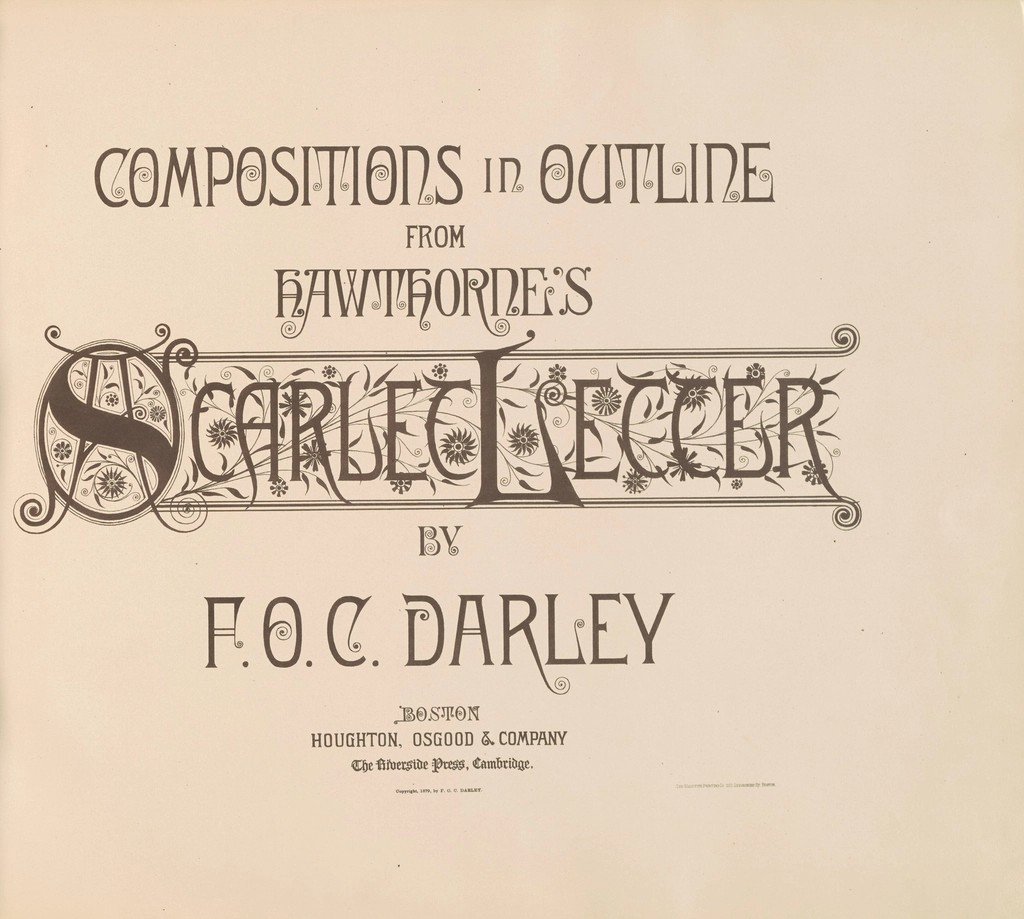
Hester’s public shame in Puritan society centers on her embroidered A. The letter evolves from adulteress to able or angel, as Hester turns stigma into empowerment. Pearl, her child, lives as sin’s wild consequence yet bursts with natural truth.[1]
These shifts expose hypocrisy in rigid morals. Hidden sins fester worse than visible ones. The tale moves from punishment story to one of resilience and societal flaws.
Brave New World by Aldous Huxley
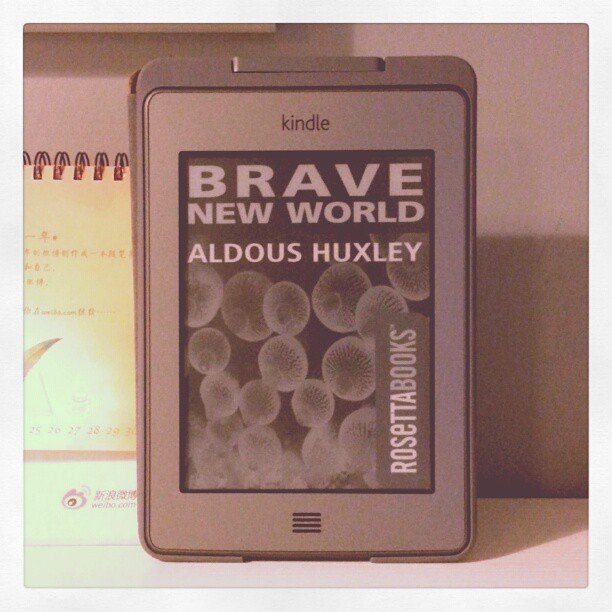
A futuristic utopia promises endless pleasure through science and drugs. The title from Shakespeare hints at naive wonder masking control. Soma dulls discomfort, while conditioning erases individuality for stability.[4][2]
This irony turns contentment into horror. Happiness without freedom loses meaning. It warns against trading choice for comfort in modern tech-driven lives.
Frankenstein by Mary Shelley
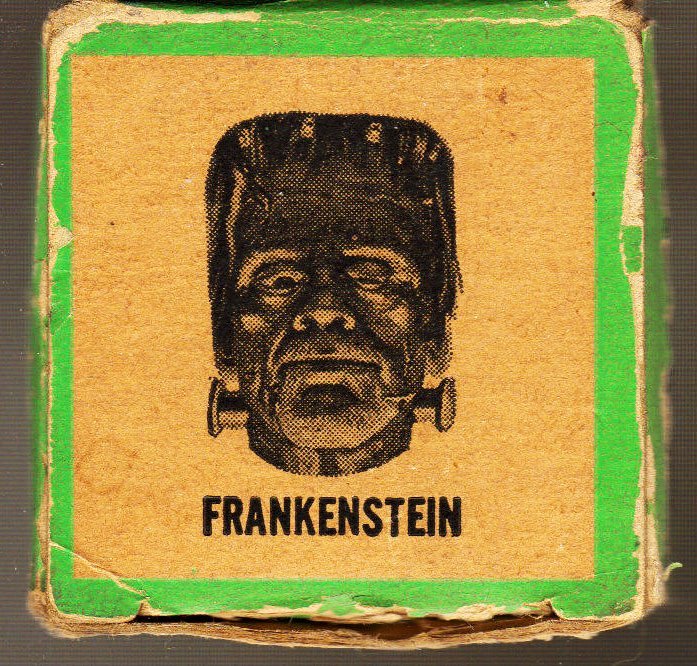
Victor’s quest creates life, unleashing tragedy. The monster’s isolation stems from rejection, questioning creator’s responsibility. Scientific overreach parallels isolation and unchecked ambition.[2]
Beyond horror, it probes ethics in discovery. The creature evokes sympathy, blurring victim and villain. Readers rethink progress’s human cost.
The Enduring Layers of Classic Literature
These novels prove classics endure because their hidden depths speak across eras. Symbols and allegories adapt to new contexts, like surveillance fears today. They remind us stories hold more than meets the eye.
Next time you pick up an old favorite, look closer. You might find the world reflected back, sharper than before.

Besides founding Festivaltopia, Luca is the co founder of trib, an art and fashion collectiv you find on several regional events and online. Also he is part of the management board at HORiZONTE, a group travel provider in Germany.
