
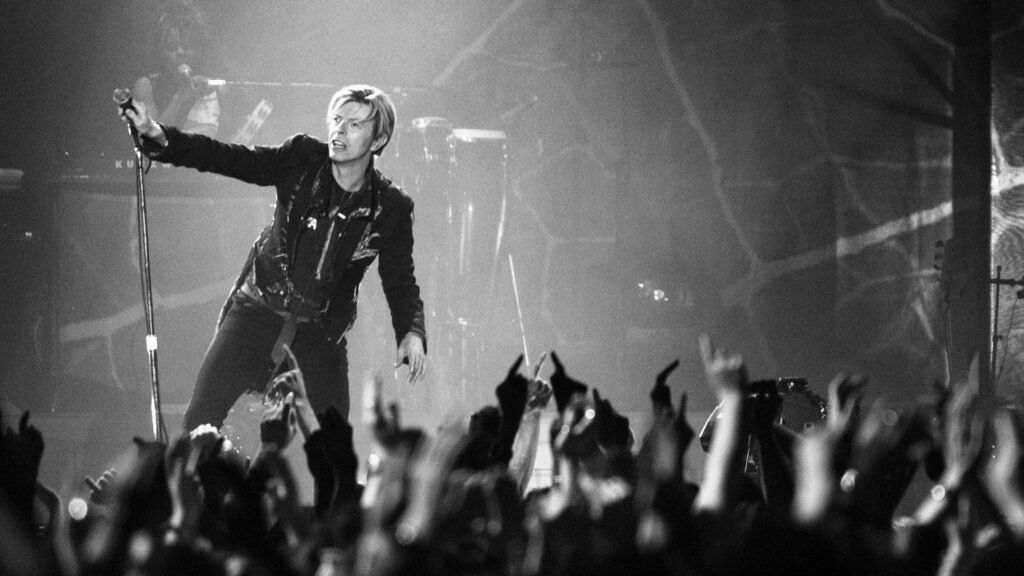
Live music at festivals carries a raw energy that recordings can never fully capture. Certain sets etch themselves into collective memory, reshaping how fans and artists view performance itself.[1]
These moments arise from perfect storms of timing, talent, and atmosphere. They redefine genres and inspire generations long after the final note fades.
Jimi Hendrix at Woodstock, 1969
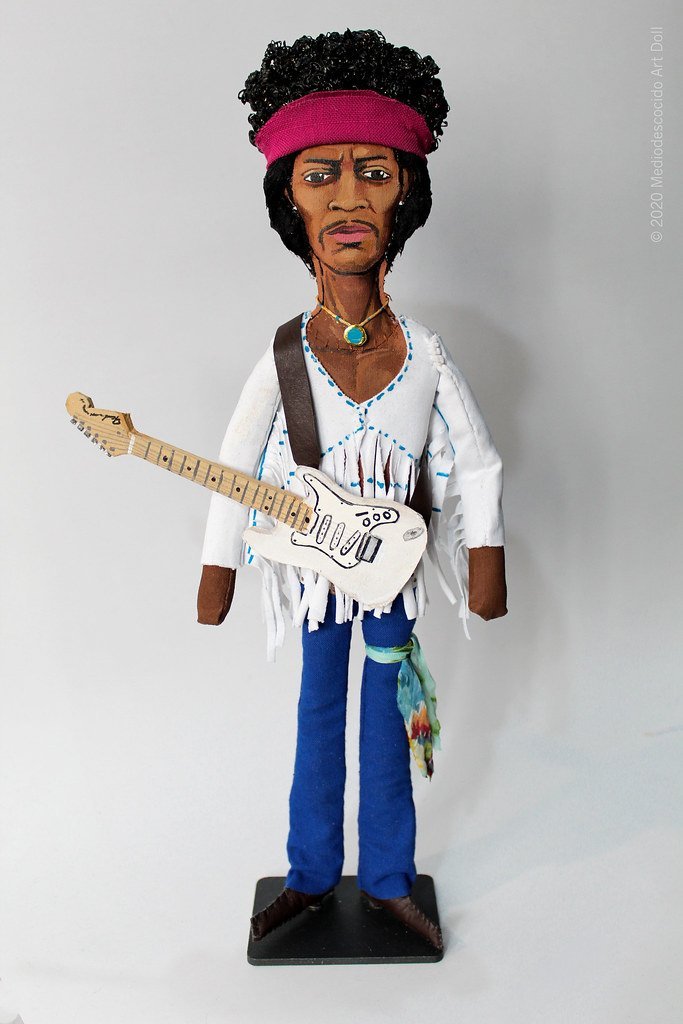
Woodstock unfolded amid rain-soaked fields in upstate New York, drawing hundreds of thousands for a counterculture milestone. Jimi Hendrix took the stage around 9 a.m. on Monday, August 18, closing the event after delays stretched it into dawn. He delivered nearly two hours of hits like Purple Haze and a searing rendition of The Star-Spangled Banner, guitar feedback mimicking chaos and bombs.[1]
This performance crowned Woodstock’s spirit of defiance and unity. Footage became iconic, influencing rock’s visual language and live experimentation. Hendrix’s set solidified his legend, proving one artist could command a weary, mud-caked crowd at sunrise. Its raw power still echoes in festival lore today.
Bob Dylan at Newport Folk Festival, 1965
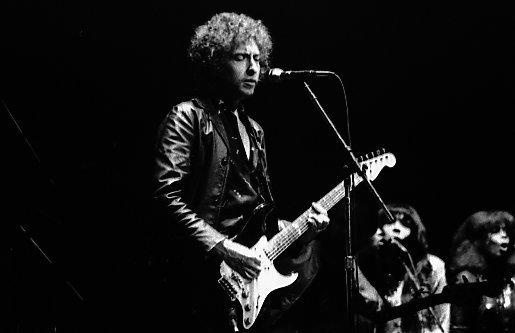
Newport Folk Festival stood as a bastion of acoustic tradition until Dylan plugged in on July 25. Backed by the Paul Butterfield Blues Band, he unleashed electric versions of Maggie’s Farm, Like a Rolling Stone, and It Takes a Lot to Laugh, It Takes a Train to Cry. Boos mixed with cheers amid sound issues, marking folk’s collision with rock.[1]
The backlash fueled Dylan’s rebel image and accelerated rock’s dominance. It challenged purists, paving the way for fusion sounds in the years ahead. This pivot reshaped festival expectations, showing audiences could embrace evolution. Decades later, it remains a flashpoint in music history.
Otis Redding at Monterey Pop, 1967
Monterey International Pop Festival ignited the Summer of Love in June 1967, blending rock and soul. Otis Redding, with Booker T. & the M.G.’s, shook the stage through five songs including a cover of Satisfaction and his own Respect. His sweat-drenched intensity mesmerized, just months before his tragic plane crash.[1]
This set bridged soul to psychedelic crowds, expanding soul’s reach. It highlighted Redding’s commanding presence, influencing live soul acts forever. Monterey’s film captured its fire, ensuring immortality. The performance endures as a testament to fleeting brilliance.
Nirvana at Reading Festival, 1992
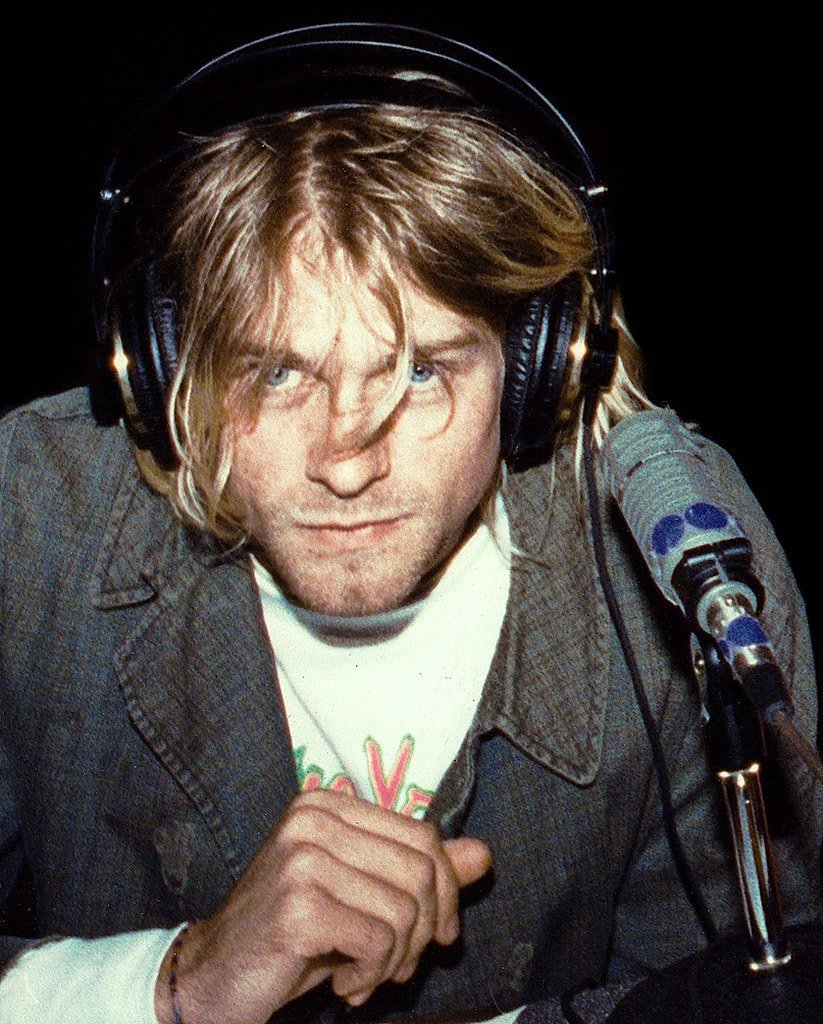
Reading Festival 1992 buzzed with grunge fever as Nirvana headlined despite Kurt Cobain’s recent rehab. They stormed through Nevermind and Bleach tracks in a 90-minute fury, Cobain emerging in a wheelchair for mock drama. The set peaked with smashed gear amid 50,000 roaring fans.[1][2]
It affirmed grunge’s live supremacy just before Nevermind’s peak waned. Bootlegs spread the chaos until the official 2009 release. This triumph captured Nirvana’s raw edge, defining ’90s festival intensity. Its spirit lingers in alternative rock’s DNA.
Radiohead at Glastonbury, 1997
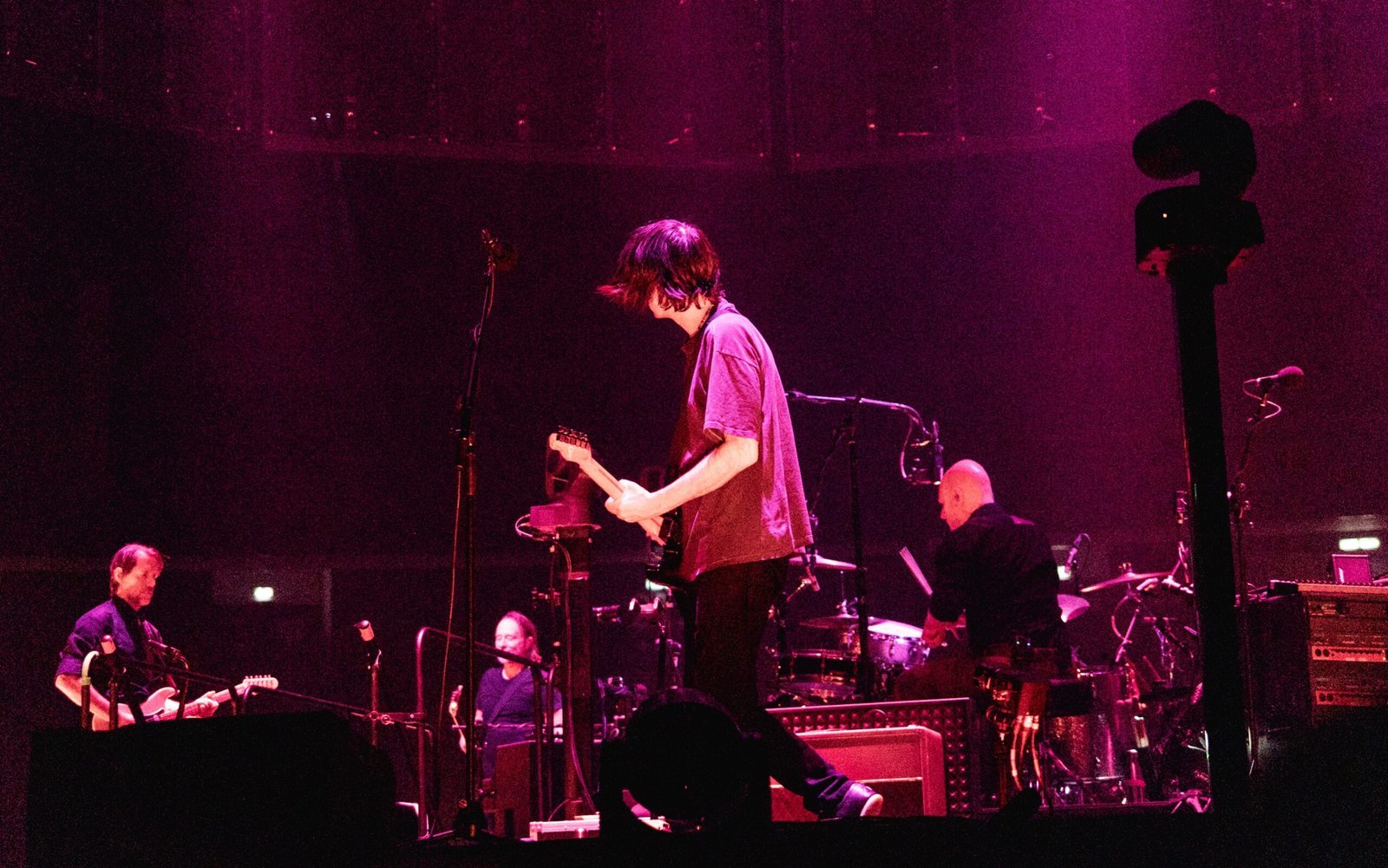
Glastonbury 1997 hosted Radiohead’s Pyramid Stage headline fresh off OK Computer’s release. They opened with the brooding Lucky, weaving Paranoid Android into a hypnotic sprawl amid mud and Britpop’s fade. The set shifted the festival toward experimental depths.[3]
This performance marked Radiohead’s ascent to art-rock titans, ditching guitar anthems for unease. It influenced Glastonbury’s booking toward innovation. Fans still cite its emotional pull as a career pinnacle. The otherworldly vibe redefined festival headlining.
Prince at Coachella, 2008
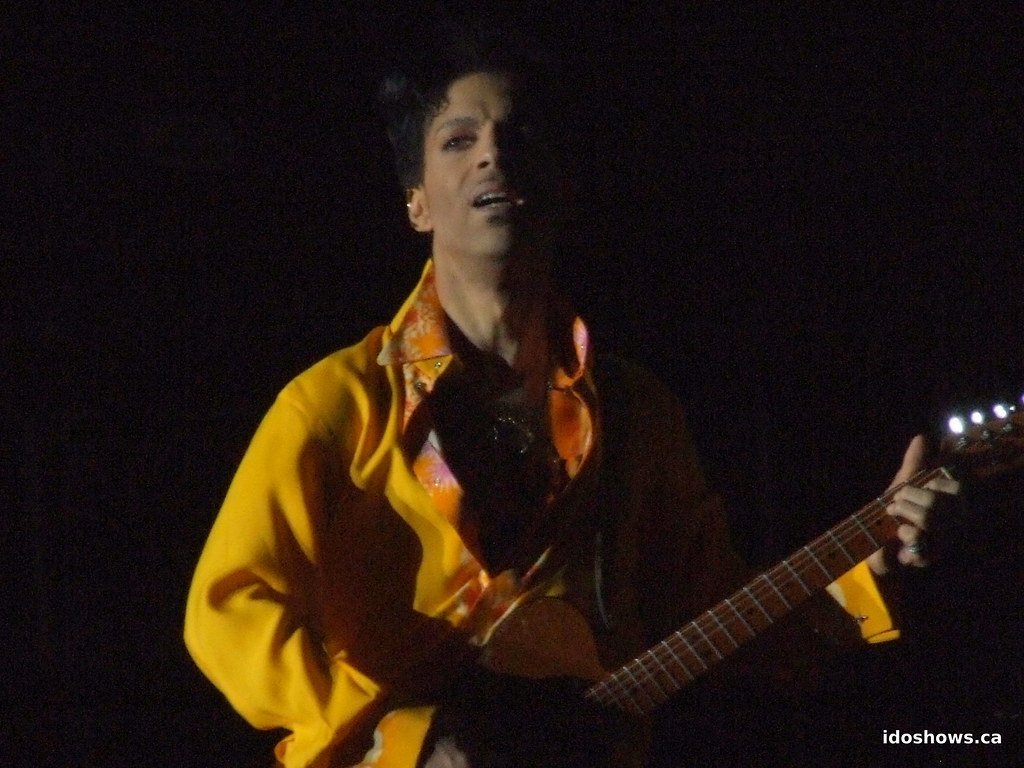
Coachella 2008 saw Prince command the main stage with flair, opening after the Rolling Stones’ slot. He wove covers like Come Together, Rock Lobster, and an epic Creep into his hits such as Controversy. Guests like the Time added layers to the two-hour spectacle.[1][2]
The set elevated Coachella’s prestige, blending funk, rock, and pop seamlessly. Prince’s showmanship proved timeless virtuosity. It inspired cross-genre festival bills. Footage keeps its magic alive for new fans.
David Bowie at Glastonbury, 2000
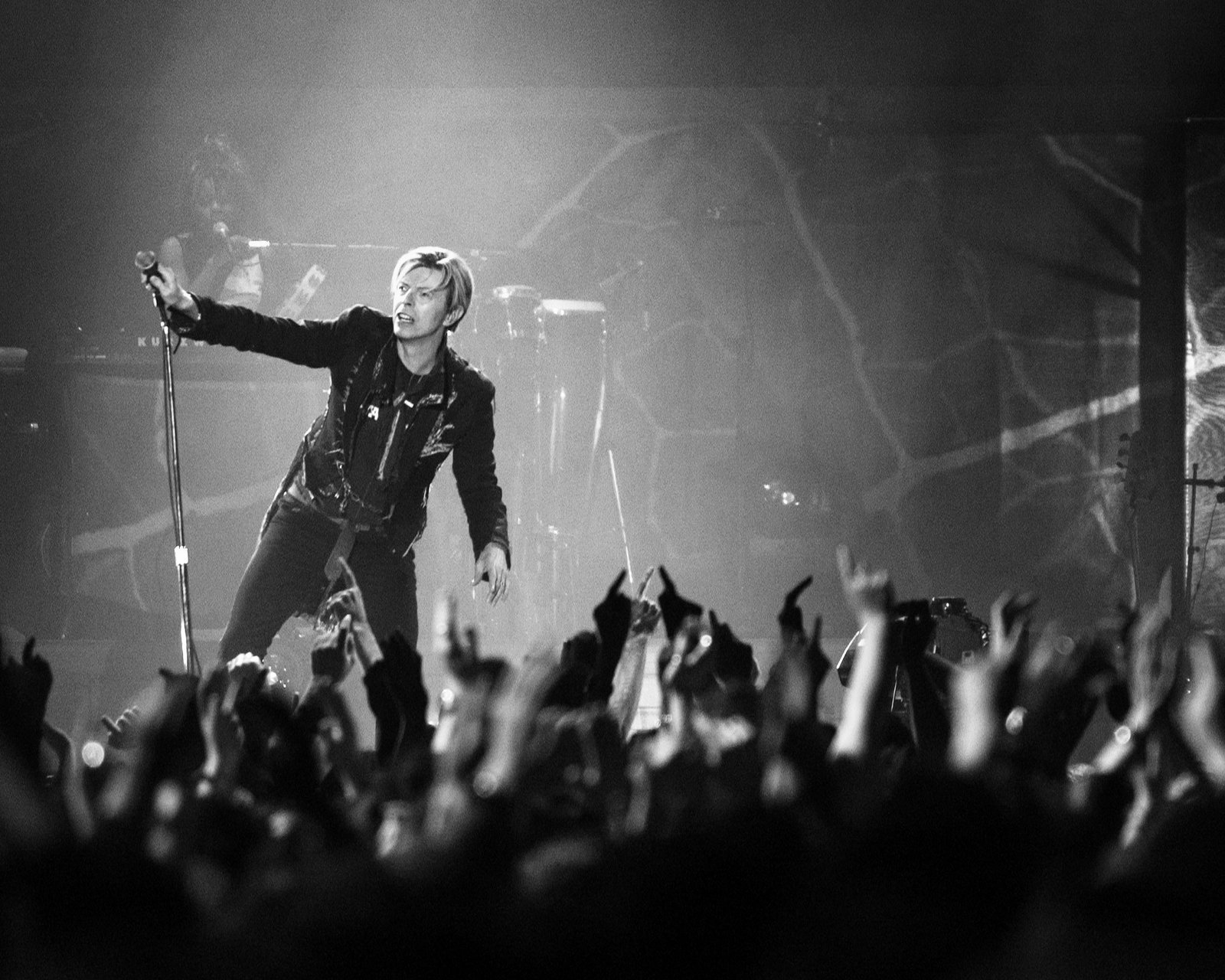
Glastonbury 2000 welcomed Bowie back after nearly three decades, headlining into the new millennium. He delivered hits spanning eras, closing with a soaring Heroes that hushed then unified the massive crowd. The sunset timing amplified its grandeur.[2][3]
This return reaffirmed Bowie’s chameleon genius, bridging generations. It set a benchmark for legend slots at festivals. The communal sing-along etched eternal festival joy. Bowie’s poise made time feel suspended.
The Enduring Power of Live Performance
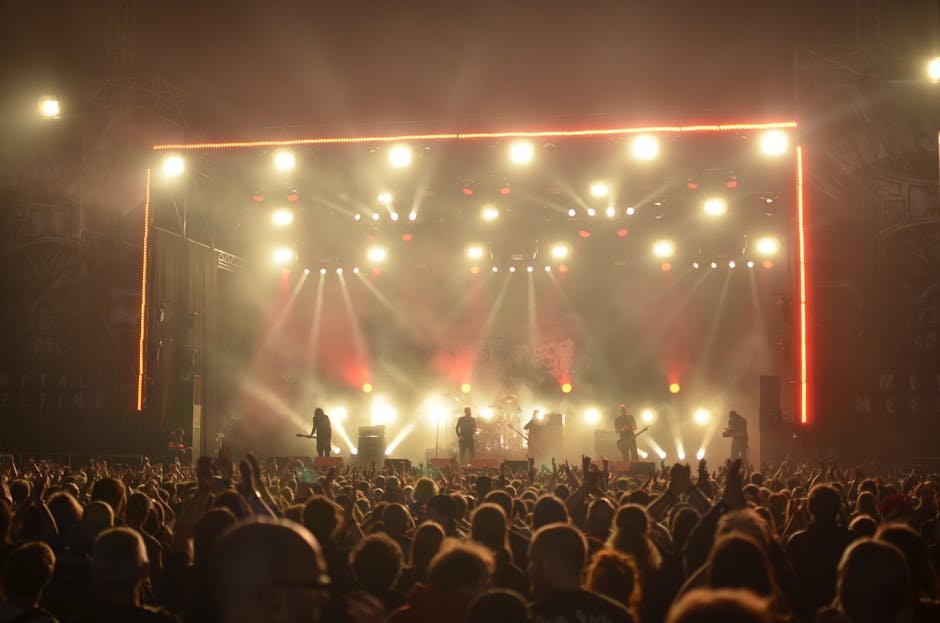
Festival stages host fleeting magic, yet these sets prove some moments defy decay. They bind strangers, challenge norms, and echo across years.
Live energy reminds us music thrives in shared breath and sweat. In a streamed world, nothing replaces that electric now.[1]


