

- 15 Rock Anthems That Defined a Generation and Still Sound Amazing Today - August 11, 2026
- 12 Unforgettable Movie Quotes You Can Still Use in Everyday Conversation. - August 11, 2026
- 10 Music Festivals That Changed the World - August 11, 2026
Quotation myths often start with a memorable phrase attached to a famous name. They spread through books, speeches, and now social media, gaining credibility simply because repetition feels like proof. Over generations, these errors embed themselves in culture, shaping how people view history and wisdom.
Few question the source when a line packs emotional punch. Yet the internet accelerates the cycle, turning vague recollections into viral truths. This persistence reveals more about our love for tidy stories than about accuracy.[1][2]
“I disapprove of what you say, but I will defend to the death your right to say it.”
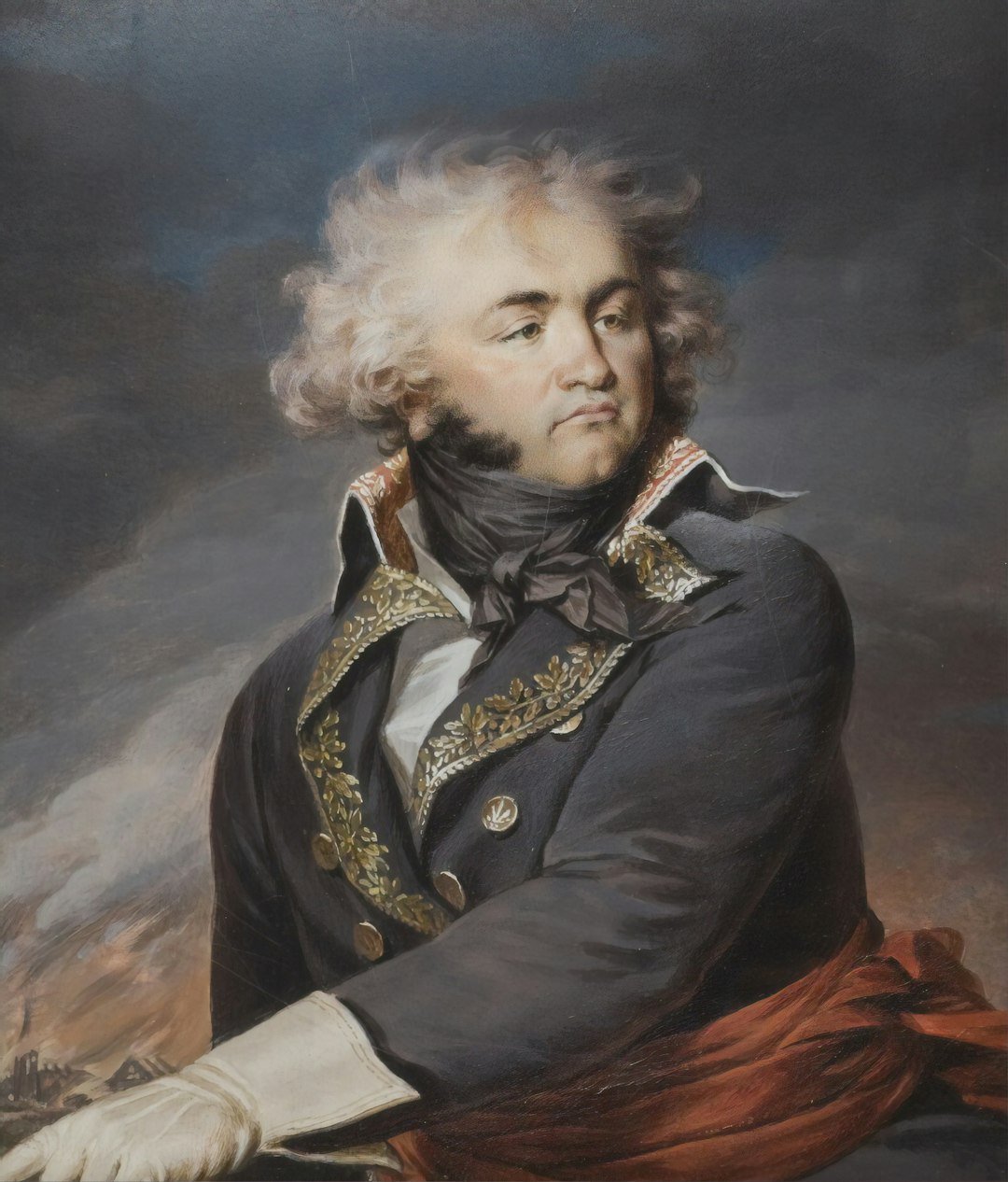
Millions credit Voltaire with this rallying cry for free speech. The French philosopher’s name lends it revolutionary weight, evoking Enlightenment battles against censorship. It appears in posters, debates, and TED Talks as his defiant stand. People share it to champion tolerance, assuming it captures his exact words from some fiery pamphlet.
Evelyn Beatrice Hall actually penned the line in 1906. She wrote it as her summary of Voltaire’s attitude toward a bookseller’s persecution in her biography The Friends of Voltaire. Voltaire himself never said it, though he defended controversial works. The misattribution stuck because Hall’s phrasing so neatly distilled his spirit.[1][3]
“Let them eat cake.”
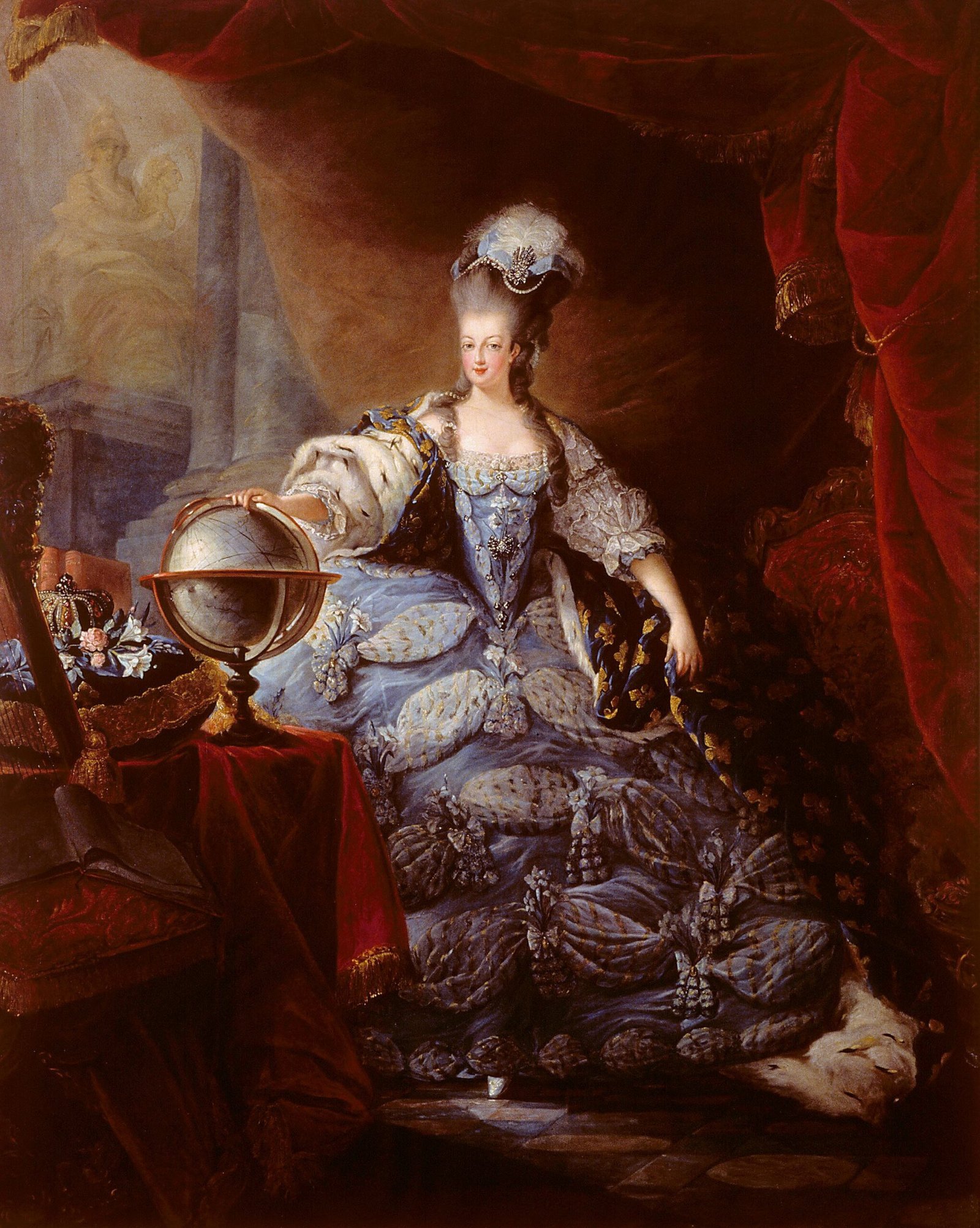
Marie Antoinette supposedly uttered these words amid French famine, sealing her image as oblivious royalty. The phrase paints her dismissing starving peasants, fueling revolutionary fury. It echoes in history books and films as the ultimate symbol of aristocratic detachment. Generations have repeated it to critique elite indifference.
No evidence shows she ever said it. The line predates her by over a century, appearing in Jean-Jacques Rousseau’s Confessions about a “great princess.” Likely propaganda twisted it against her during the Revolution. French folklore amplified the myth, but diaries and records from Versailles hold no trace.[3]
“Elementary, my dear Watson.”
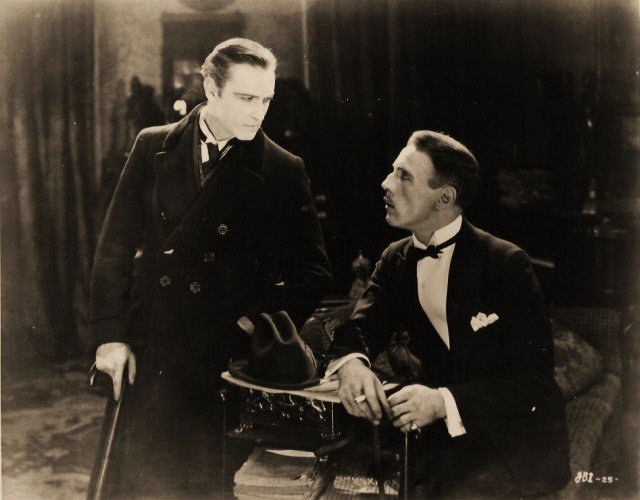
Sherlock Holmes fans invoke this as his signature deduction line. It defines his cool logic in countless parodies and memes. Arthur Conan Doyle’s detective seems to say it after every clue, reinforcing his genius persona. The phrase has entered everyday language for obvious solutions.
The exact words never appear in Doyle’s stories. Closest lines like “Elementary!” exist, but the full phrase debuted in P.G. Wodehouse’s 1915 novel Psmith, Journalist. Films later popularized it, blending with Holmes lore. Doyle’s canon favors longer explanations over snappy retorts.[1][4]
“Play it again, Sam.”

Ingrid Bergman’s plea in Casablanca became romantic shorthand. Audiences quote Bogart’s Rick hearing it before “As Time Goes By” swells. The line evokes wartime longing and lost love, quoted at weddings and farewells. It symbolizes the film’s enduring magic.
No character says it in the script. Ilsa asks “Play it, Sam,” and later “You played it for her, you can play it for me.” Memory merged the moments into one iconic command. Woody Allen’s Play It Again, Sam cemented the error. The real dialogue feels just as poignant.[4][3]
“Be the change you wish to see in the world.”
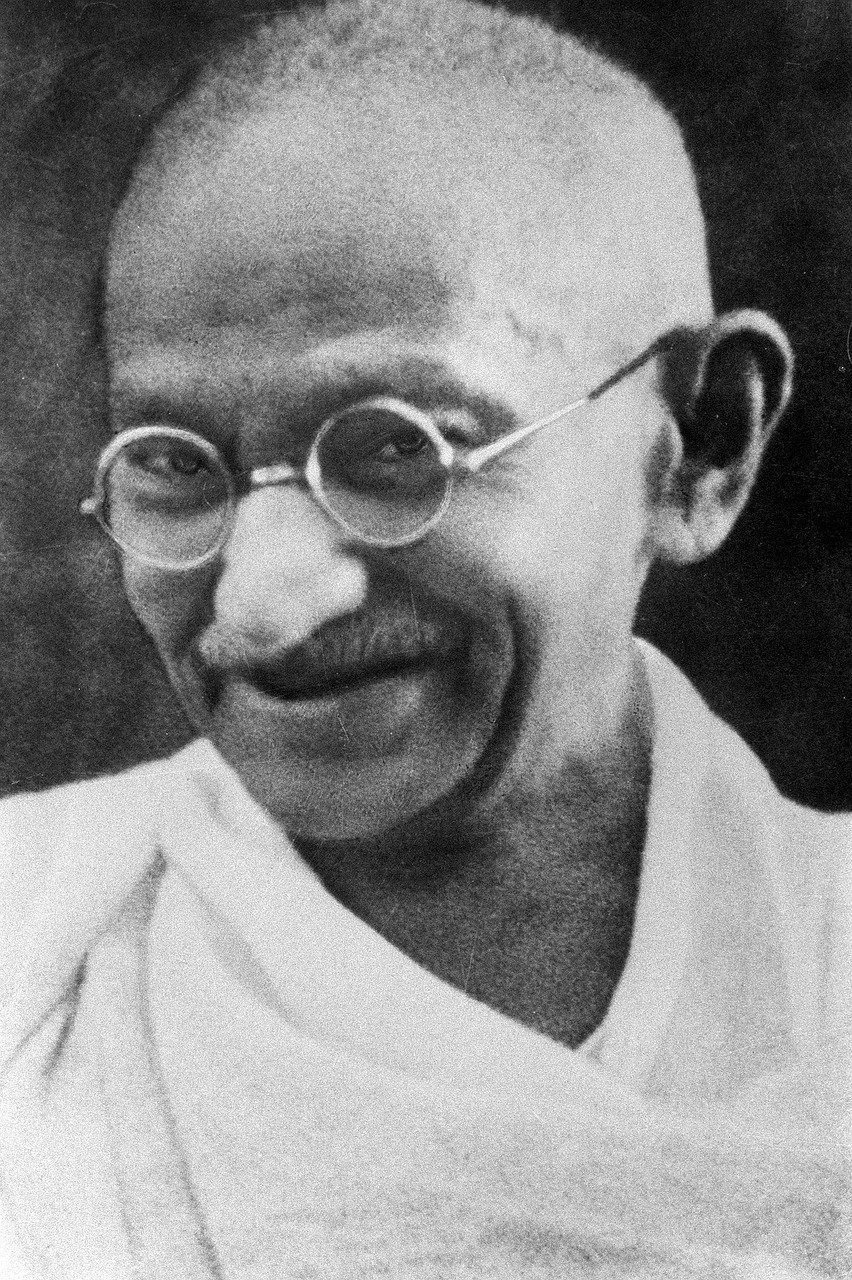
Mahatma Gandhi gets credit for this call to personal action. It inspires activists and self-help books, suggesting individual effort sparks revolution. Posters and tattoos bear it as his pacifist wisdom. The simplicity makes it a modern mantra.
Gandhi never phrased it that way. His actual words in 1913 urged collective change through self-reform, far wordier. A loose paraphrase evolved into the crisp version by the 1970s. His writings emphasize community over solo transformation. The myth endures for its motivational punch.[2][3]
“Well-behaved women seldom make history.”
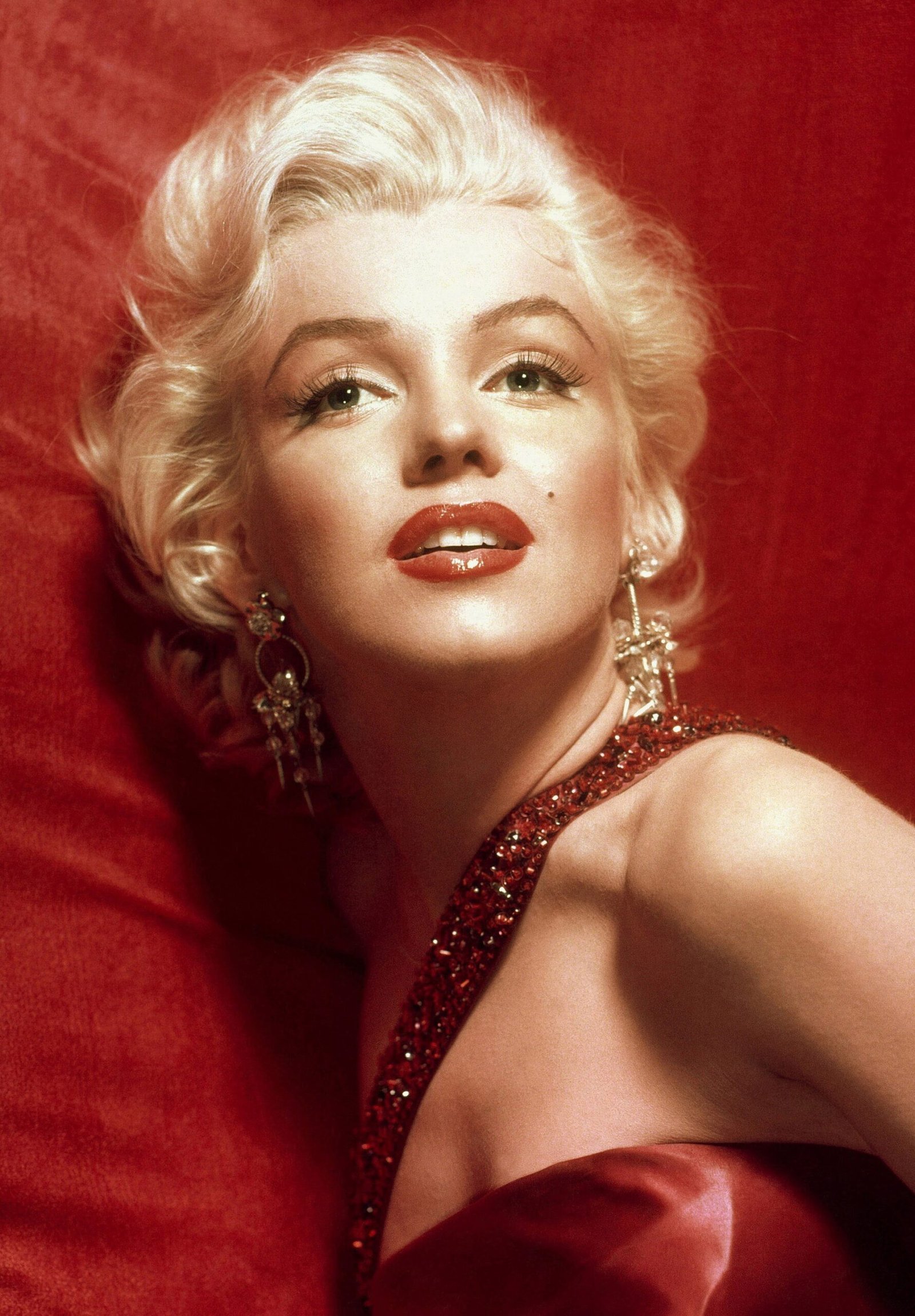
Marilyn Monroe often takes the blame or credit for this feminist jab. It fits her rebellious image, suggesting quiet conformity fades from memory. Shared on social media as her bold insight into gender roles. The line rallies against traditional expectations.
Historian Laurel Thatcher Ulrich coined it in a 1976 journal article. She analyzed overlooked Puritan women, noting their obedience left scant records. Monroe’s name attached later via misattribution chains. Ulrich’s book later popularized the real source. It highlights how fame distorts origins.[1][3]
“Insanity is doing the same thing over and over again and expecting different results.”
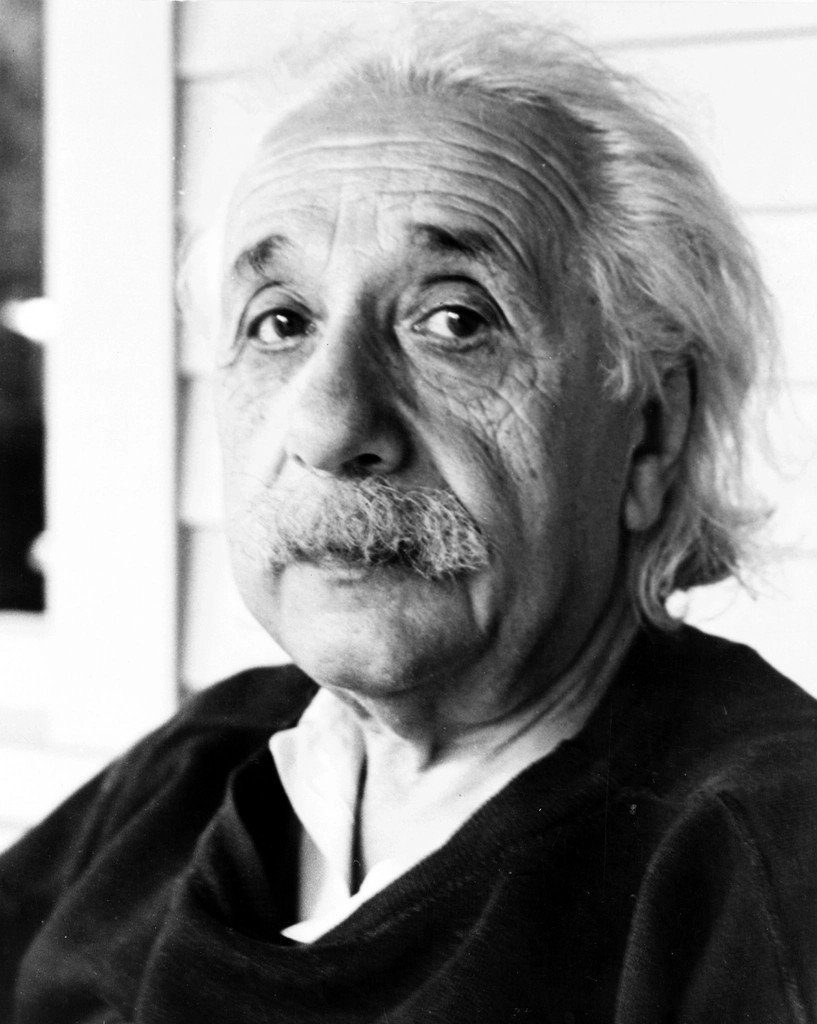
Albert Einstein supposedly defined madness this way. It pops up in business talks and recovery groups as scientific truth. His genius aura makes it sound like profound physics. Critics of policy repeat it endlessly.
No record exists in Einstein’s works or speeches. The saying surfaced in 1981 Narcotics Anonymous literature, with roots in earlier print. Rita Mae Brown used a version in her 1978 novel. Einstein’s actual thoughts on repetition involved experiments, not insanity.[3][4]
“The only thing necessary for the triumph of evil is for good men to do nothing.”
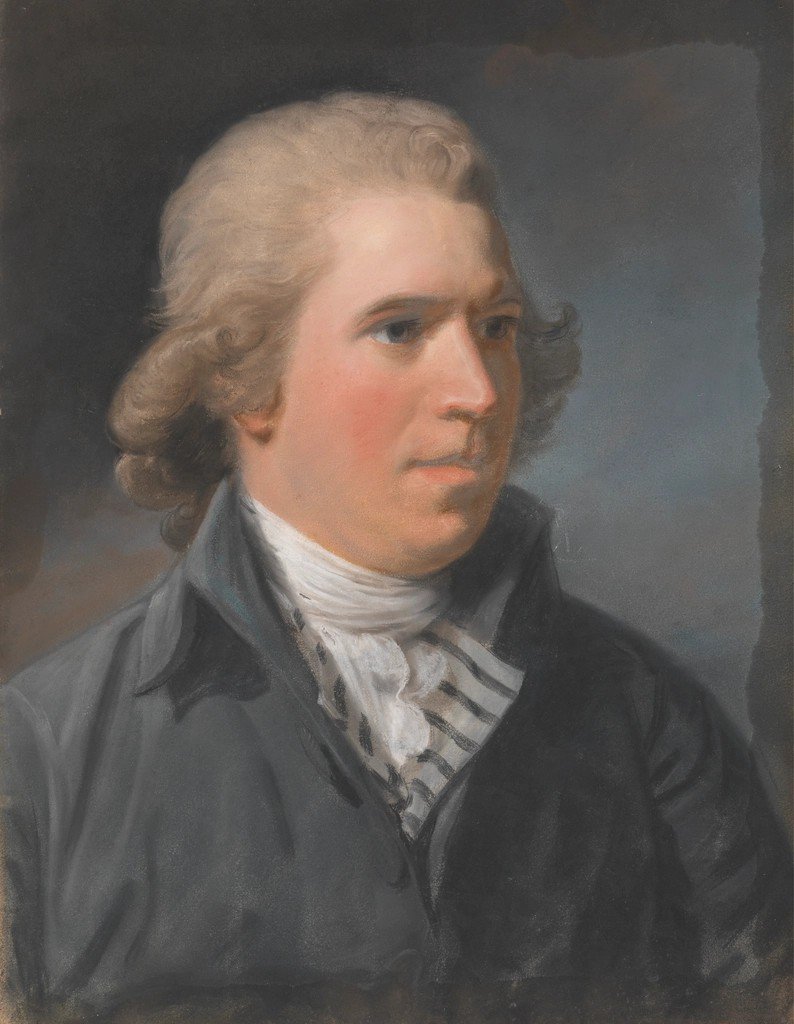
Edmund Burke warns of apathy here, quoted in sermons and politics. It urges action against injustice, Burke’s conservatism adding moral force. Presidents and pastors cite it for urgency. The stark phrasing demands response.
Burke said nothing close in his writings. Variants appeared in the 19th century, with full form by 1916 sermons. John Stuart Mill echoed similar ideas earlier. The attribution grew via Bartlett’s quotations. True sources dilute the drama.[3]
“Money is the root of all evil.”

This damns wealth outright, blamed on the Bible or cynics. Preachers and poets wield it against greed. It simplifies moral critiques of capitalism. Casual use ignores nuance.
The Bible states “For the love of money is the root of all evil” in 1 Timothy. Omission twists intent from obsession to money itself. Early Christians spread the full version. Modern shorthand serves rhetoric better.[2][4]
“First they ignore you. Then they laugh at you. Then they fight you. Then you win.”
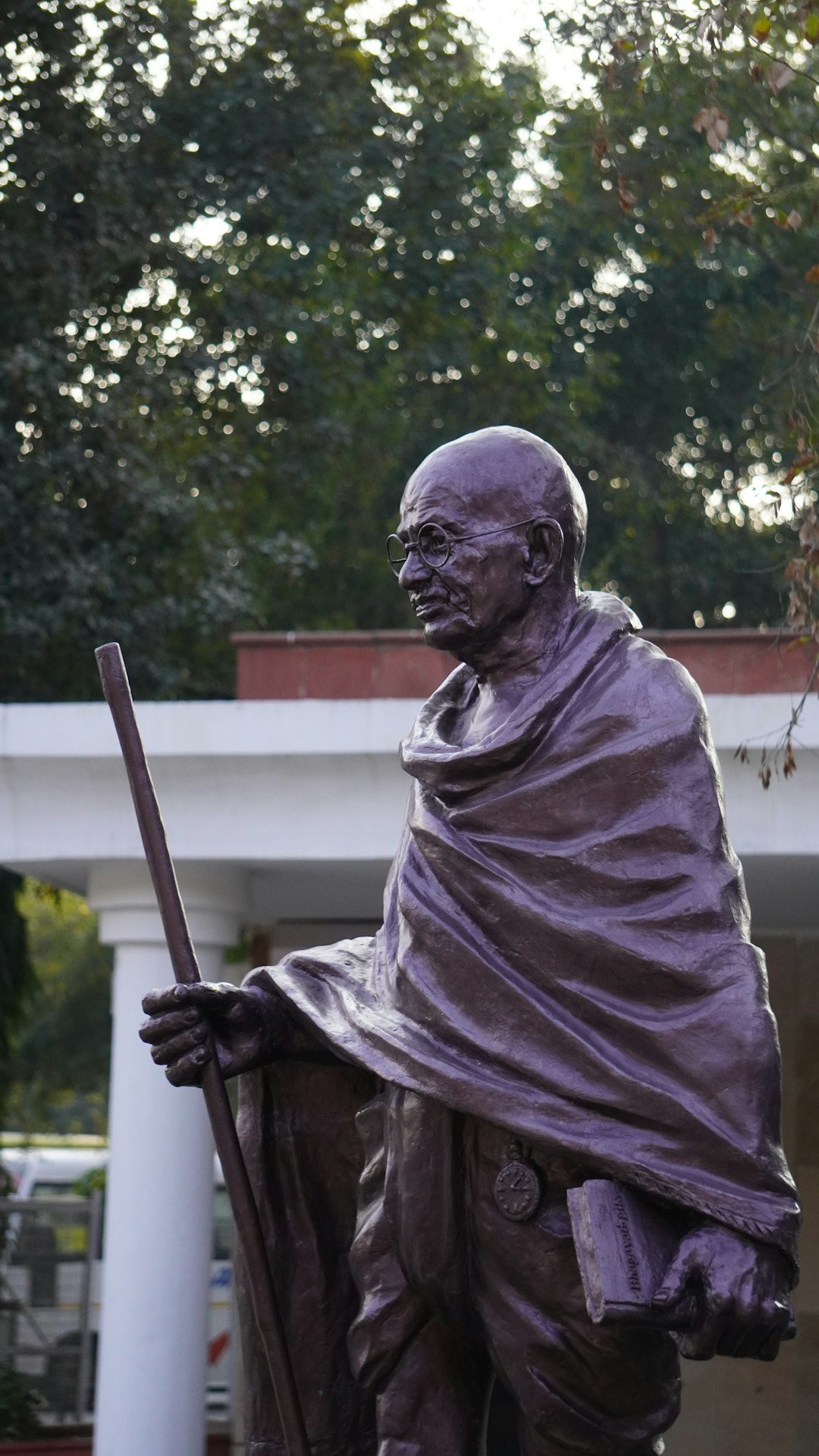
Gandhi’s arc of resistance inspires labor movements. It maps nonviolent triumph, from ridicule to victory. Unions print it on banners. The progression feels inevitable.
Union leader Nicholas Klein said a version in 1918. Gandhi discussed opposition differently, without the sequence. Labor contexts birthed it, not Indian independence. The fit with his life fueled the error.[2]
“A lie can travel halfway around the world while the truth is putting on its shoes.”
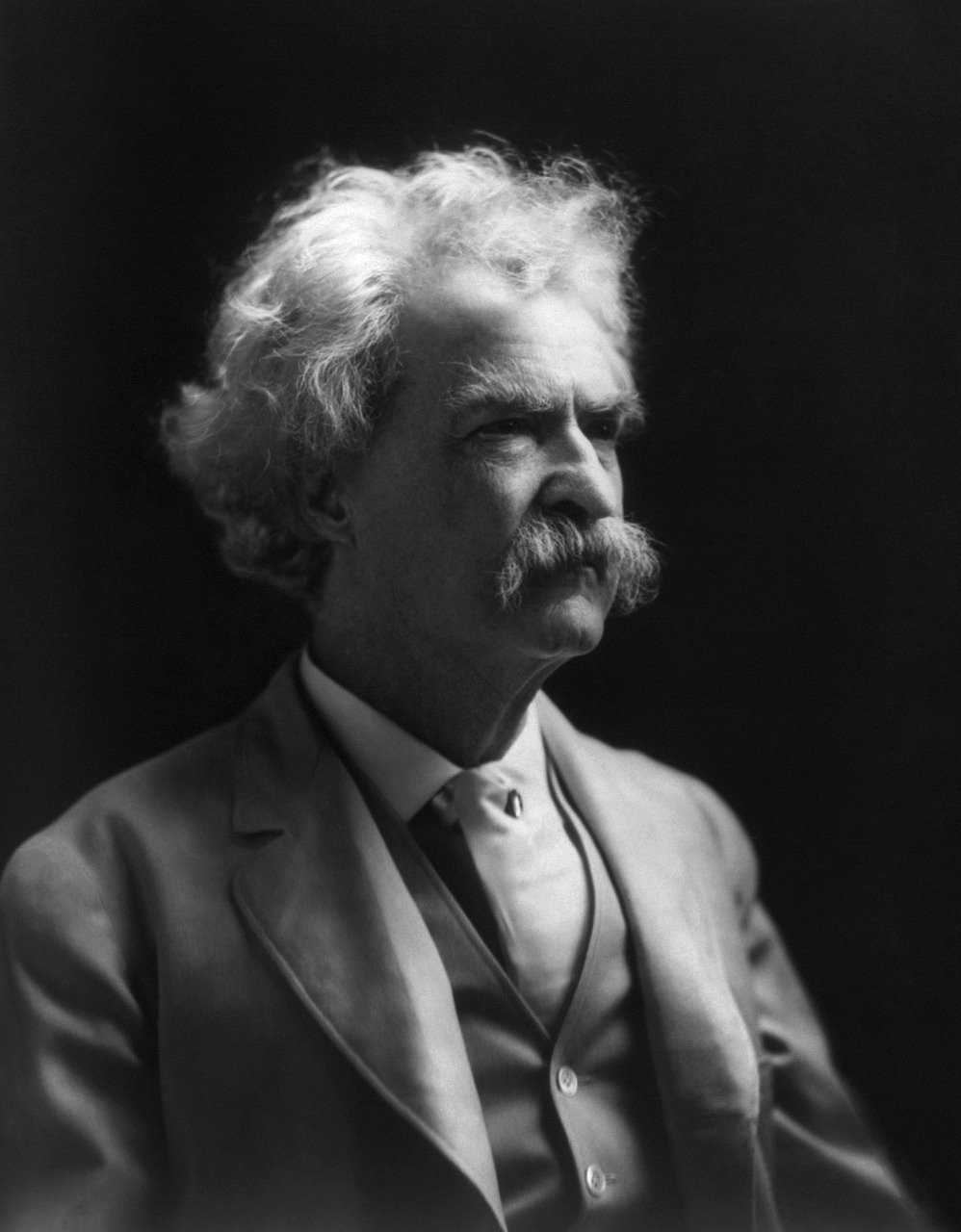
Mark Twain or Churchill race lies versus truth here. It explains fake news perfectly today. Shared virally for irony. Speed of falsehood fascinates.
Jonathan Swift wrote a precursor in 1710. Twain denied it; Churchill variants lack proof. 19th-century papers evolved the image. Pre-digital relevance endures.[1]
“The ends justify the means.”
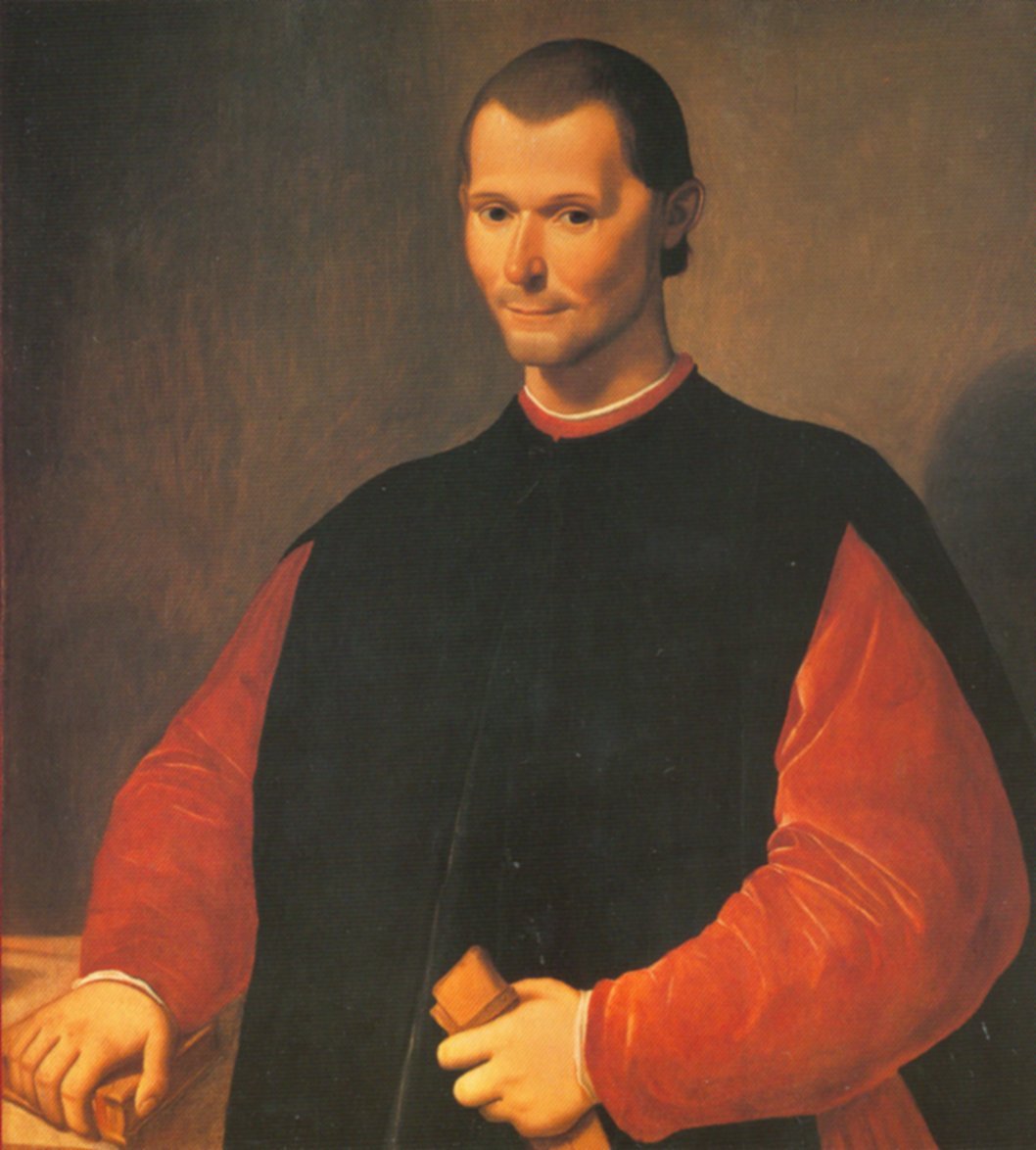
Machiavelli’s The Prince gets tagged for ruthless pragmatism. Politicians dodge ethics with it. It sums realpolitik coldly. Debates invoke his name.
He never used the phrase. The Prince weighs outcomes but stresses appearances. Ovid hinted earlier. 17th-century critics coined the summary. Ideas outlive words.[1][2]
“There’s a sucker born every minute.”
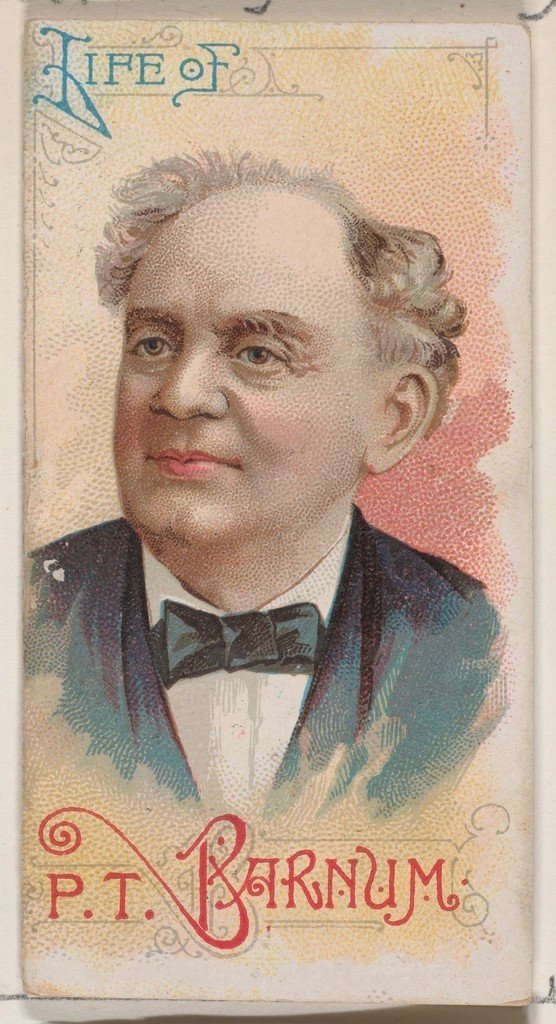
P.T. Barnum scoffs at gullibility. Circus lore ties it to his showmanship. Critics of scams quote it. It mocks the easily fooled.
Barnum denied it; a rival said it about his exhibits. David Hannis Rogers claimed origin in 1868. Newspapers spread without credit. Barnum’s flair made the match.[1][3]
“Winning isn’t everything; it’s the only thing.”
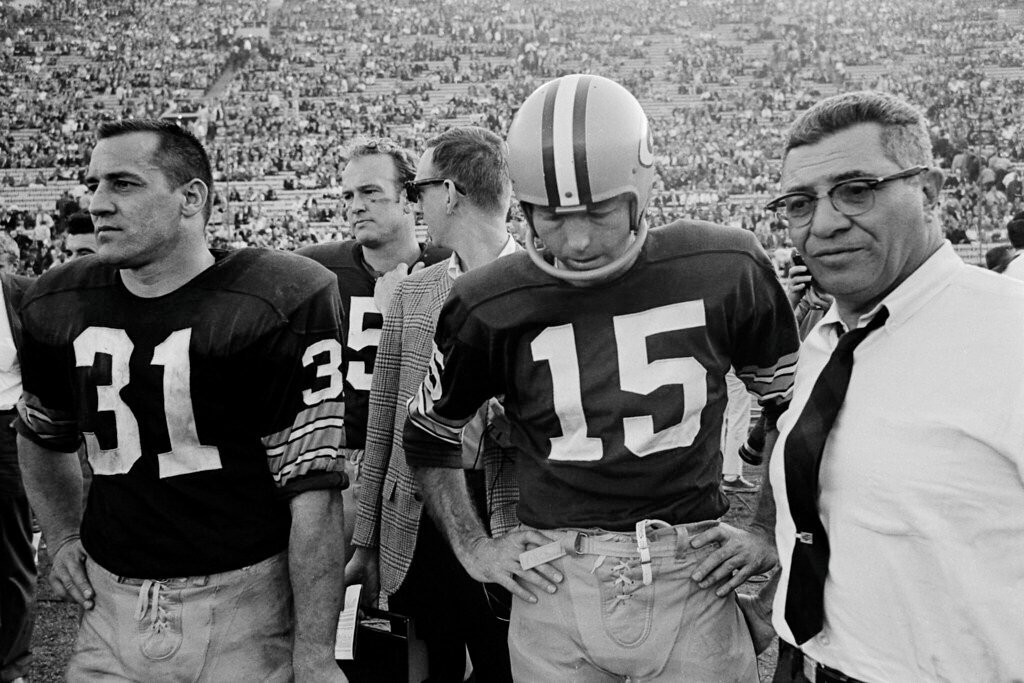
Vince Lombardi motivates with this sports creed. Coaches yell it at halftime. Lombardi’s Packers legacy cements it. Victory obsession fits football.
UCLA’s Red Sanders said it in 1946. Lombardi repeated but disavowed origin. Earlier print exists. Attribution honors his era.[1][3]
“Et tu, Brute?”
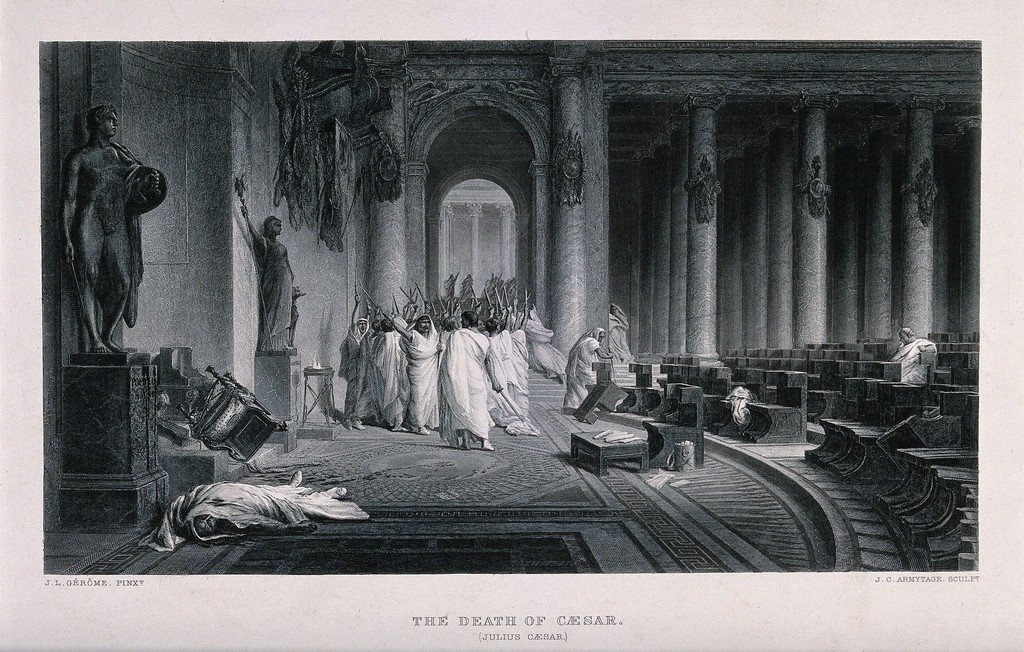
Julius Caesar’s dying shock at Brutus. Shakespeare’s tragedy immortalized betrayal. History classes teach it as fact. The Latin plea humanizes the fall.
Caesar likely said “You too, child?” in Greek per Suetonius. Shakespeare invented the Latin for drama. No contemporary accounts match. Stagecraft trumped records.[5]
Reflecting on Historical Accuracy
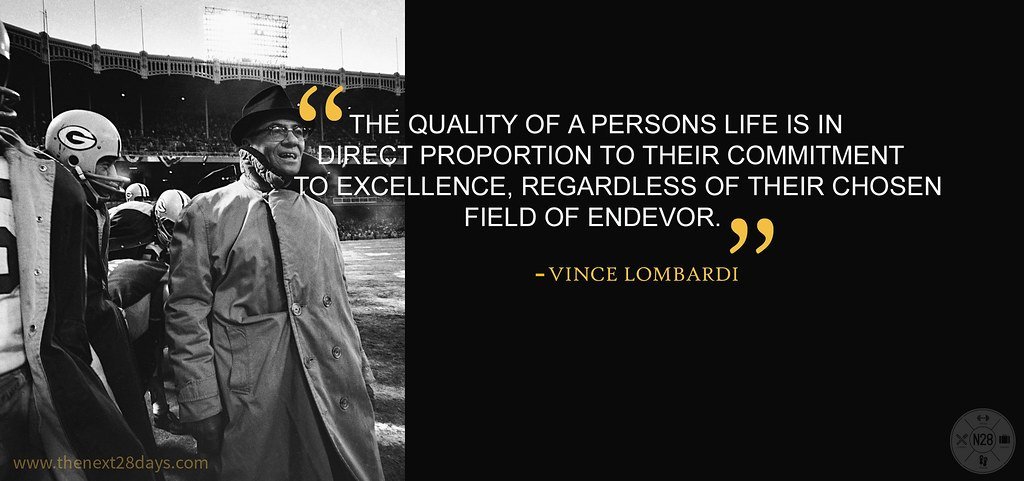
These errors show how we craft heroes from phrases. Verification tools now help, yet myths persist for their resonance. Chasing origins tempers our narratives.
Accuracy honors the past without dimming inspiration. Question sources, and wisdom sharpens. In 2026, amid information floods, this habit matters most.
CEO-Co-Founder
