
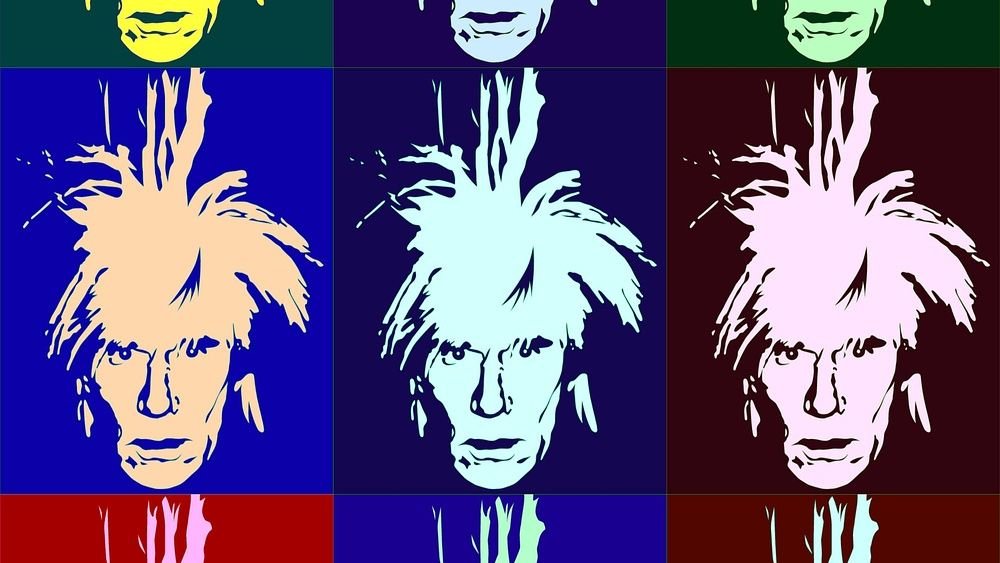
Artistic revolutions have long served as mirrors to societal shifts, forcing viewers to question ingrained norms. Movements emerge not just from technical skill but from a desire to disrupt how we see the world, blending personal expression with broader cultural critique.[1][2]
These upheavals in perception often ripple outward, influencing politics, fashion, and philosophy. By rejecting established rules, artists redefine beauty and truth, proving that creativity thrives on defiance.
Impressionism
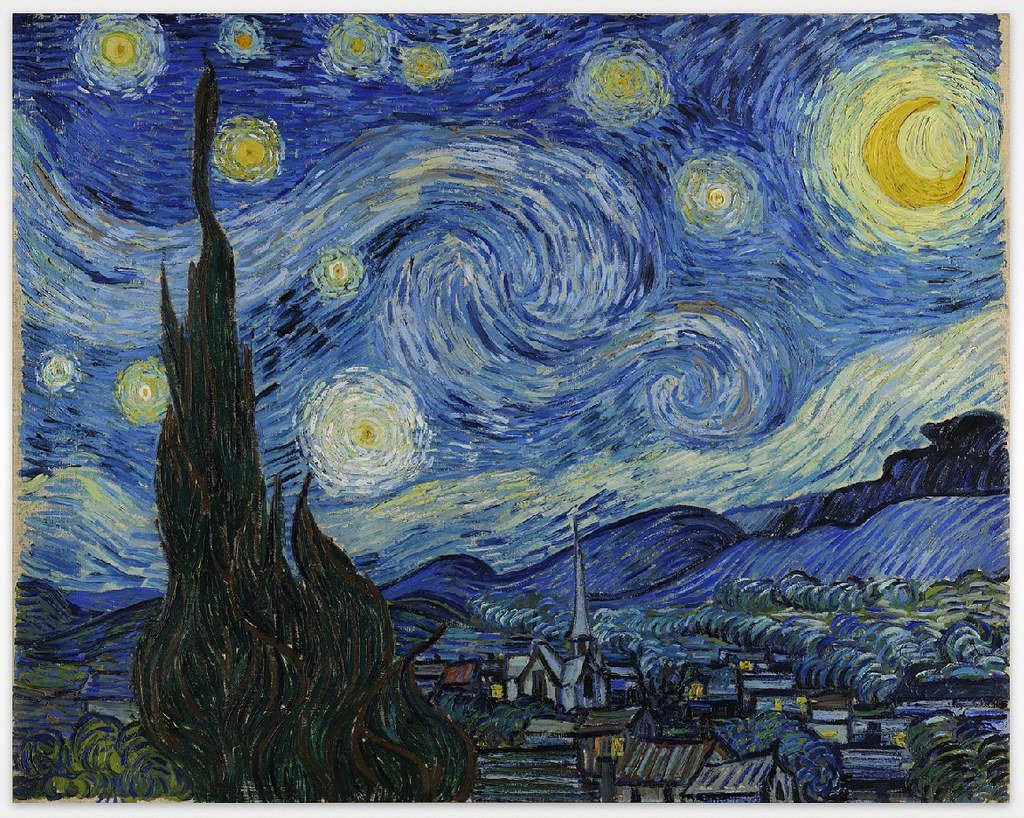
Impressionism burst onto the scene in late 19th-century France, prioritizing fleeting moments over polished studio perfection. Artists captured light and color through loose brushstrokes and outdoor painting, defying the rigid academic standards that demanded historical subjects and fine detail. This shift emphasized sensory experience, turning everyday scenes into vibrant snapshots.[1]
The movement’s impact shattered the art world’s gatekeepers, leading to the first independent exhibitions after rejections from the Salon. It paved the way for modernism by valuing subjectivity over objectivity, influencing photography and film in capturing transience. Society began to embrace leisure and modernity through these joyful depictions of urban life.
Fauvism
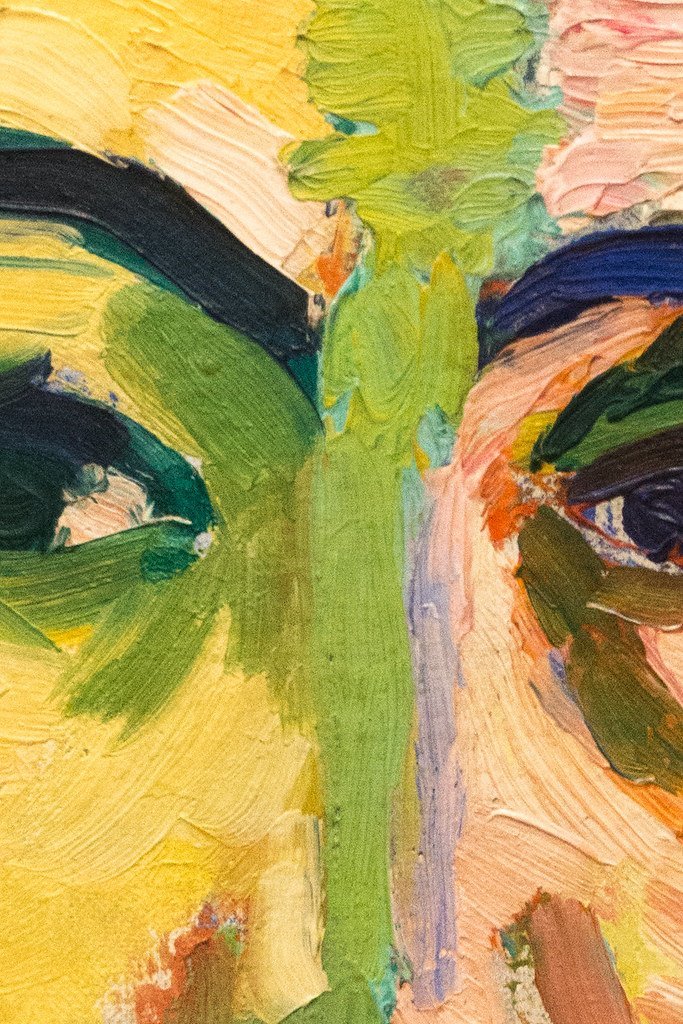
Fauvism shocked Paris in 1905 with its explosive use of unnatural colors and bold contours, led by figures like Henri Matisse. Painters abandoned realistic representation for emotional intensity, applying vivid hues directly from the tube to convey mood rather than mimic nature. This raw approach treated color as an independent force, free from imitation.[2]
Though short-lived, Fauvism liberated artists from representational constraints, inspiring Expressionism and modern design. Its challenge to harmony influenced graphic arts and advertising, proving that distortion could evoke deeper truths. Viewers learned to feel art rather than merely observe it.
Cubism
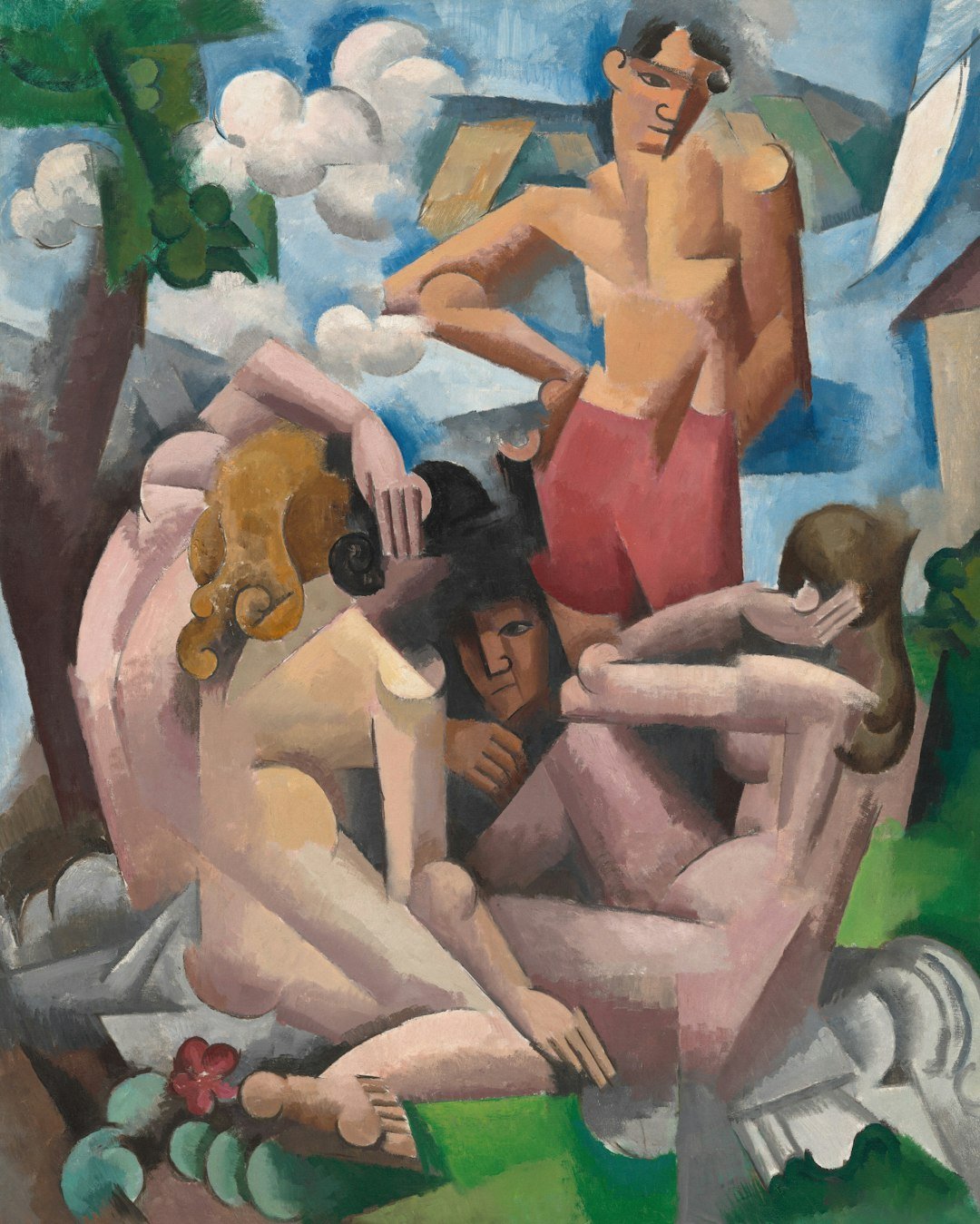
Cubism, pioneered by Pablo Picasso and Georges Braque around 1907, fragmented objects into geometric planes viewed from multiple angles simultaneously. This innovation demolished single-point perspective, a Renaissance staple, presenting reality as multifaceted and subjective. Collage techniques further blurred lines between fine art and everyday materials.[2]
The movement revolutionized sculpture, architecture, and even fashion by embracing abstraction. It forced audiences to engage intellectually, questioning visual truth amid pre-war fragmentation. Cubism’s legacy endures in digital design and contemporary abstraction.
Futurism
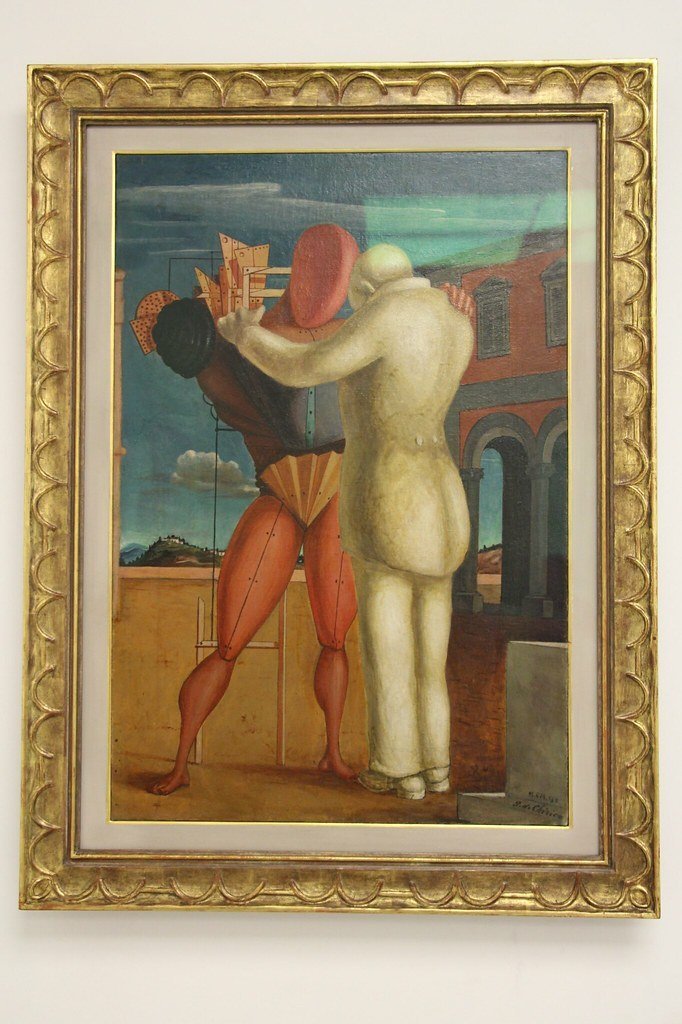
Launched in Italy in 1909, Futurism celebrated speed, technology, and violence, rejecting museums and libraries as relics of the past. Artists like Umberto Boccioni used dynamic lines and overlapping forms to depict motion and energy, glorifying the machine age. This manifesto-driven approach fused art with politics, demanding societal dynamism.[2]
Futurism influenced film editing and typography, speeding up visual culture. Despite ties to fascism, its emphasis on progress shaped advertising and performance art. It reminded the world that art could propel change, for better or worse.
Dada
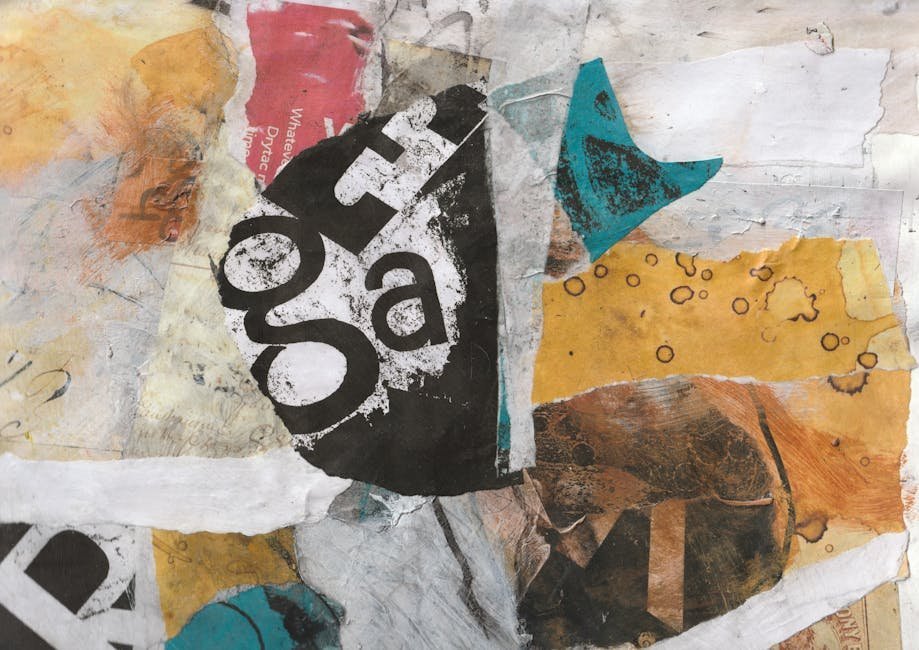
Dada emerged in Zurich during World War I as a nihilistic revolt against rationality and nationalism. Artists employed absurdity, readymades like Marcel Duchamp’s urinal, and chance operations to mock bourgeois values and war profiteers. Performances and collages embraced nonsense, declaring all art equally valid – or invalid.[2]
This anti-art stance birthed conceptualism and punk aesthetics, challenging the very definition of creativity. Dada’s irreverence empowered outsiders, influencing happenings and street protest. It proved disruption could heal cultural wounds.
Surrealism
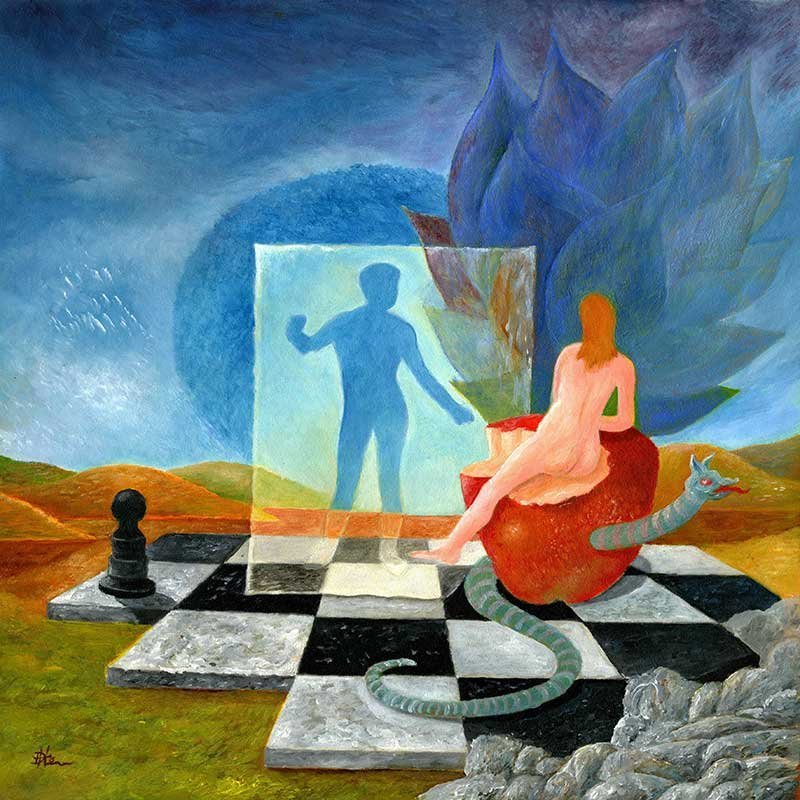
Founded by André Breton in 1924, Surrealism delved into the unconscious through dreamlike imagery and automatic techniques. Salvador Dalí’s melting clocks exemplified juxtaposing improbable elements to bypass reason, drawing from Freudian psychoanalysis. This freed imagination from logic, blending the real with the bizarre.[2]
Surrealism infiltrated literature, film, and advertising, expanding narrative possibilities. It encouraged psychological exploration in society, influencing therapy and counterculture. The movement’s whimsy revealed hidden depths in everyday perception.
Abstract Expressionism
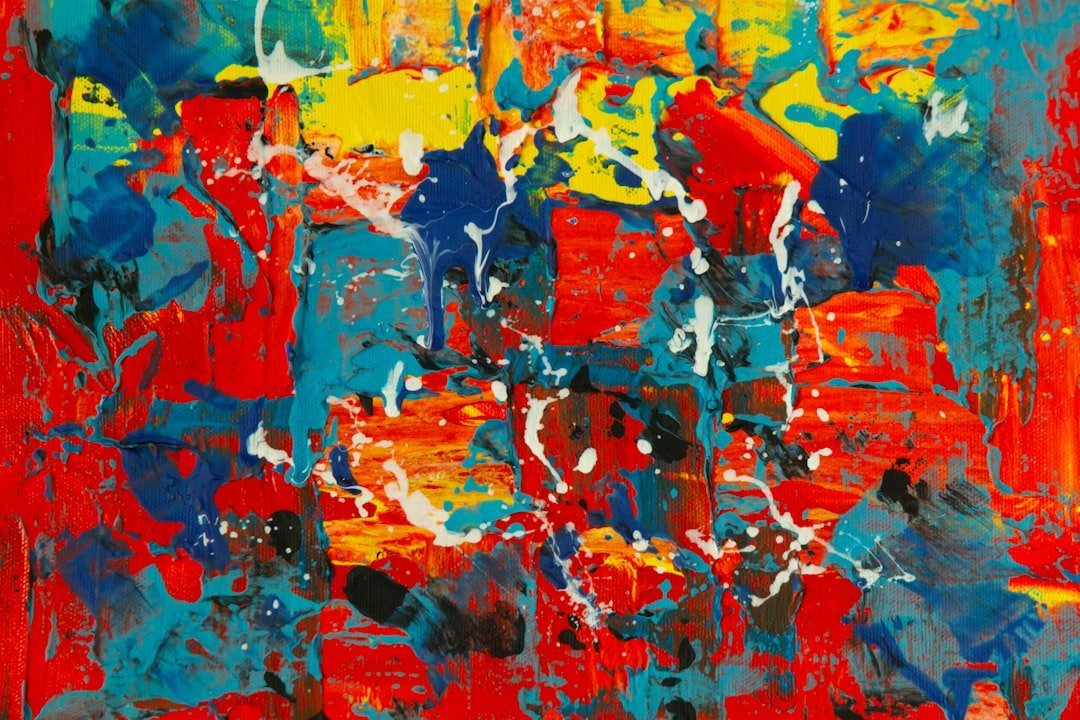
Post-World War II New York birthed Abstract Expressionism, with Jackson Pollock’s drip paintings embodying raw emotion over figuration. Artists like Mark Rothko used scale and color fields to evoke spiritual states, rejecting European traditions for intuitive action. Gestural freedom prioritized process as art itself.[1]
This shift elevated American art globally, symbolizing Cold War individualism. It inspired performance and land art, valuing authenticity amid conformity. Viewers confronted their inner chaos through these vast, immersive works.
Pop Art
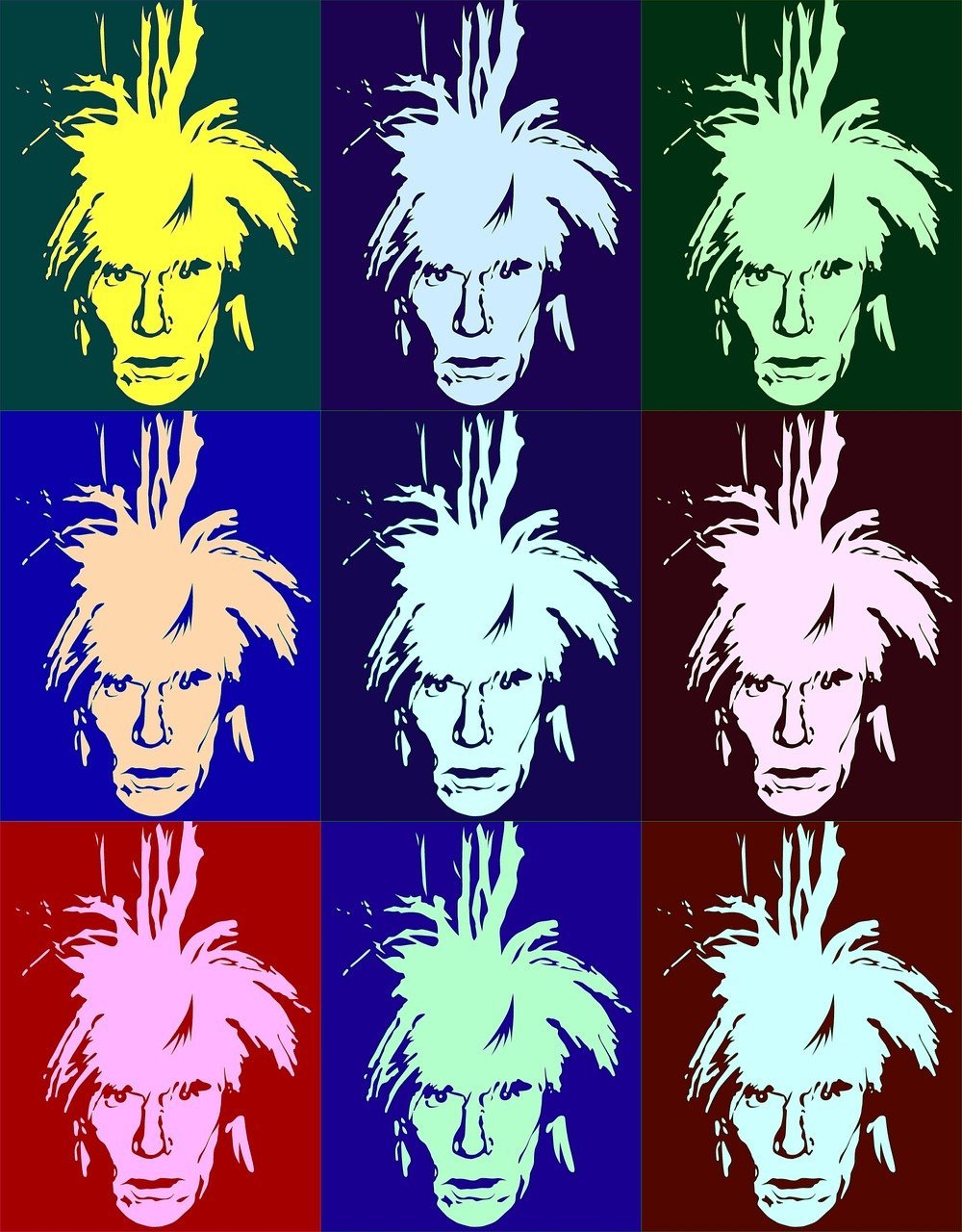
Pop Art in the 1960s, spearheaded by Andy Warhol, elevated consumer goods and celebrities to high art status. Silkscreens of soup cans and Marilyn Monroe prints blurred commerce and culture, using repetition and irony. This democratized imagery challenged elitism in galleries.[1]
Pop permeated design, music videos, and memes, reflecting mass media’s dominance. It critiqued capitalism while embracing it, sparking debates on authenticity. Everyday icons gained new scrutiny through this playful rebellion.
Minimalism
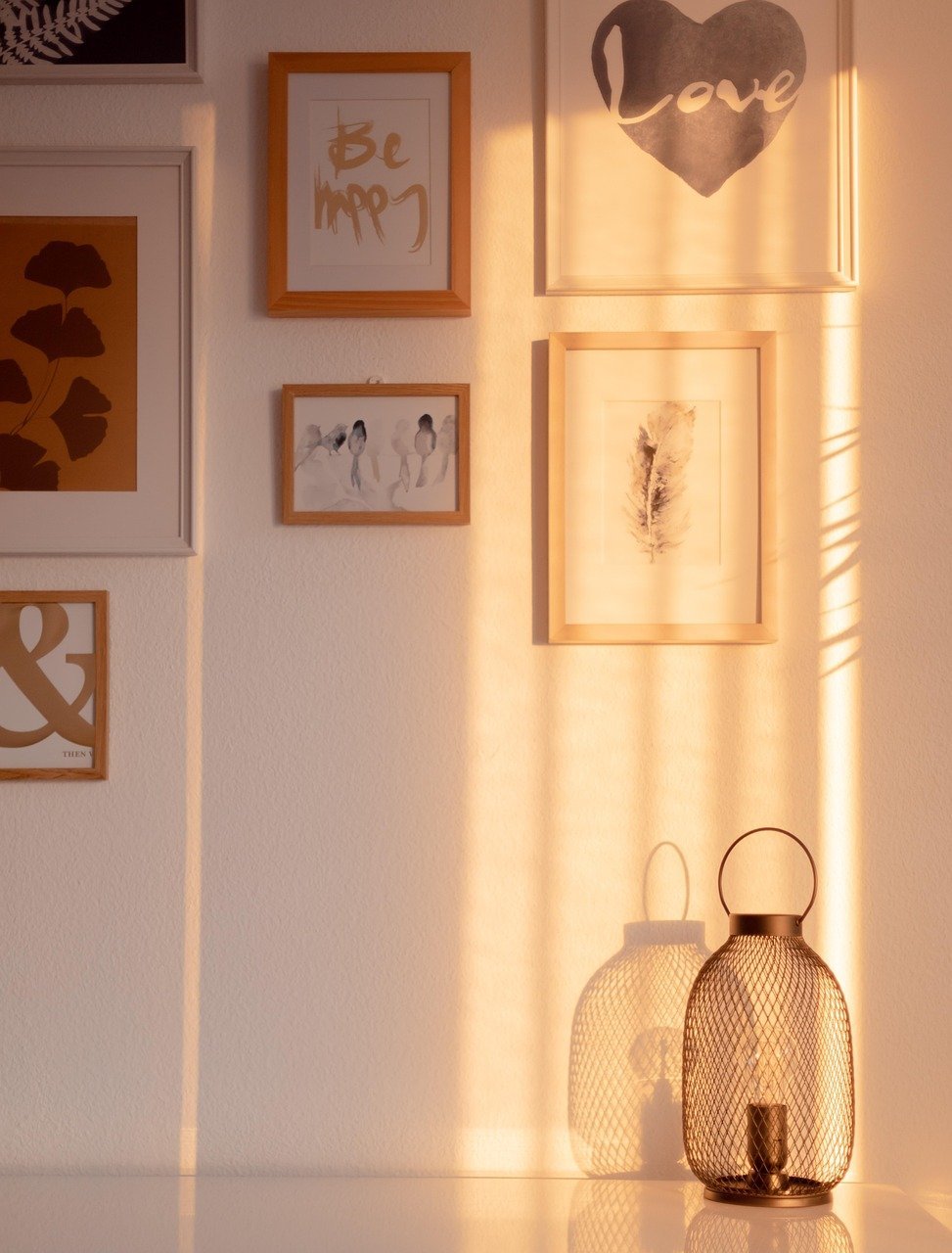
Minimalism arose in the 1960s, stripping art to basic forms, colors, and materials like Donald Judd’s metal boxes. It rejected illusionism and narrative, demanding viewer presence in stark industrial spaces. Scale and repetition forced contemplation of objecthood itself.[1]
This pared-down ethos reshaped architecture, furniture, and digital interfaces toward simplicity. It shifted focus from artist ego to perceptual experience, influencing Zen-inspired trends. Minimalism taught that less could provoke more.
Conceptual Art
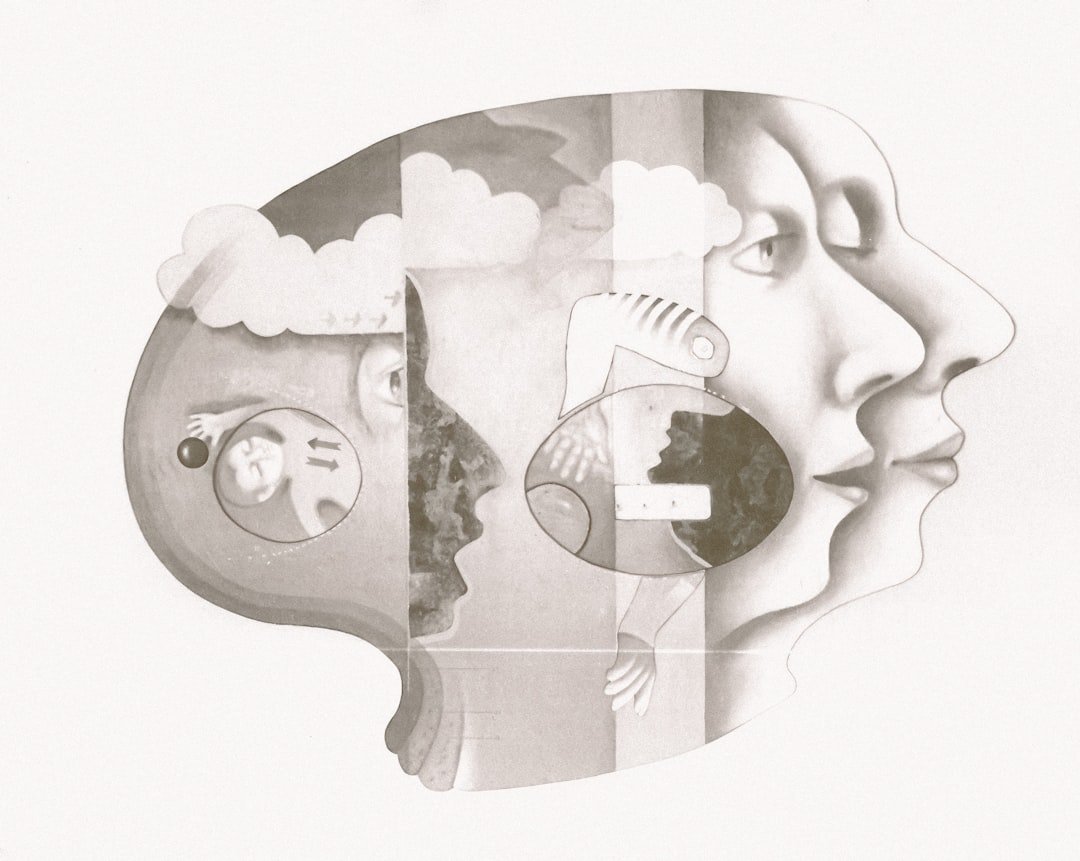
Conceptual Art in the late 1960s declared the idea superior to the object, with Sol LeWitt’s instructions for wall drawings. Documentation and language replaced traditional media, questioning art’s commodification. This dematerialized approach defied market values.[1]
It empowered global participation via instructions and critiques, birthing relational aesthetics. Institutions grappled with ephemerality, expanding art’s boundaries. Concepts proved more enduring than objects in cultural memory.
Conclusion
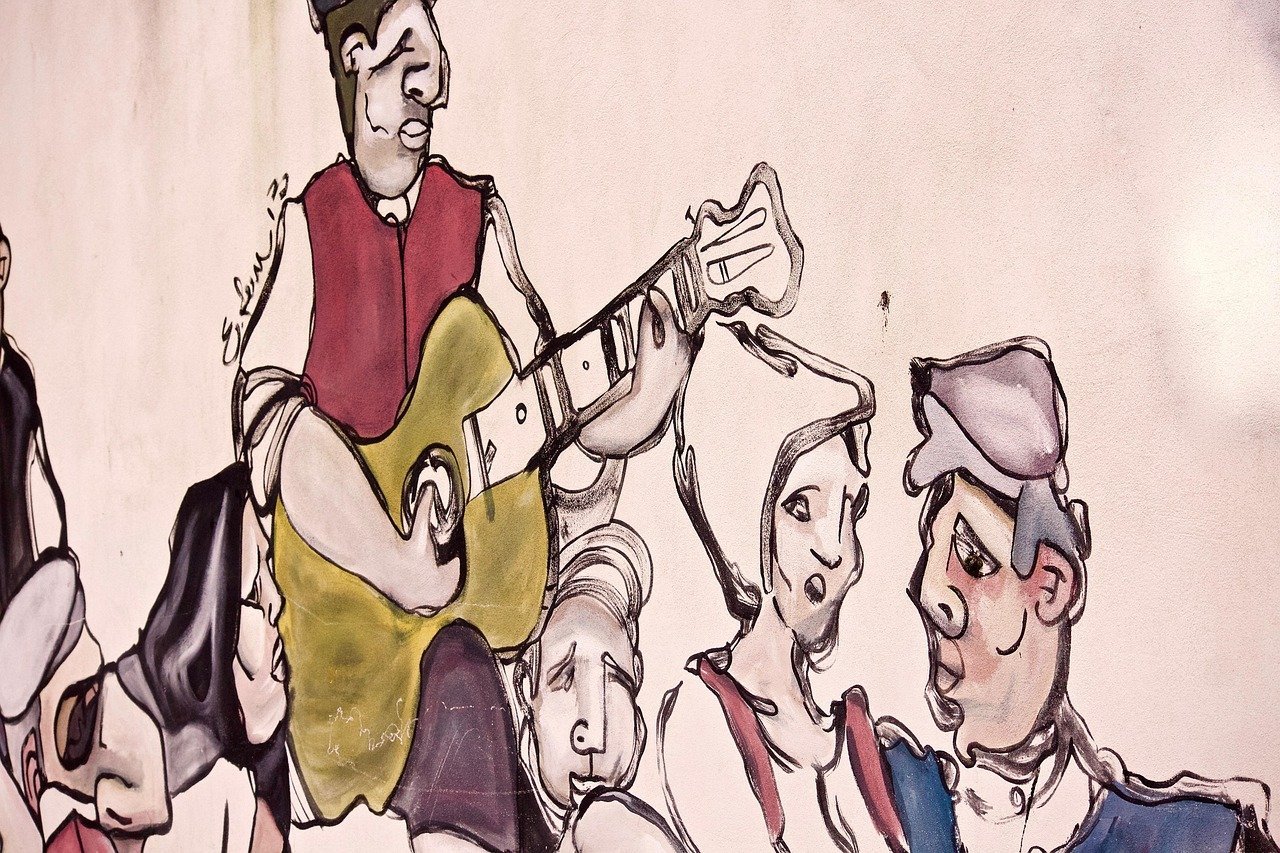
These movements remind us that art’s power lies in its refusal to stagnate. Each wave of rebellion expanded what creativity means, from sensory bursts to idea primacy.
Today, echoes persist in digital realms and activism, urging ongoing defiance. Artistic disruption remains essential for societal evolution.[3]


