
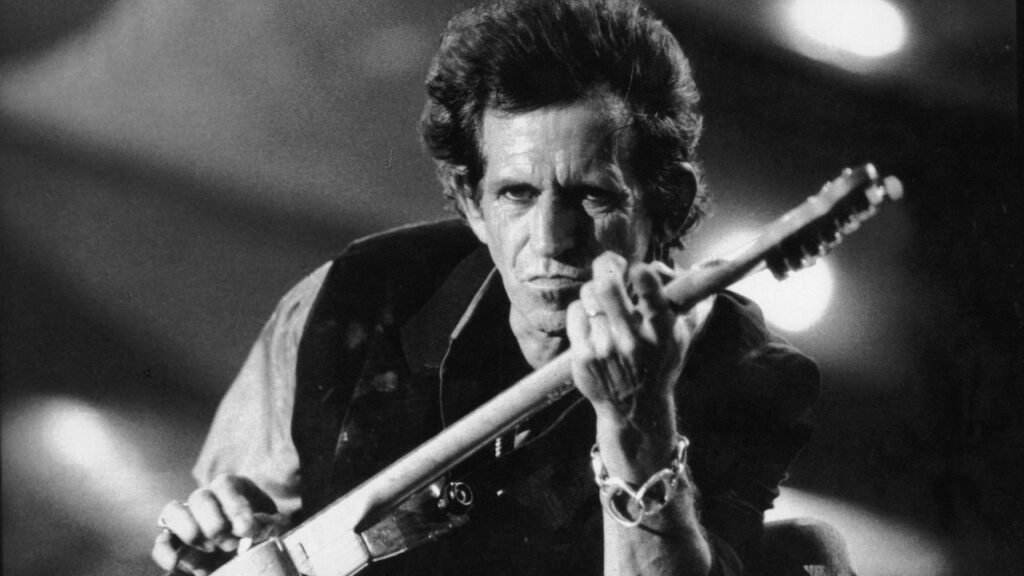
Plenty of classic rock songs from decades past carried layers of emotion or social commentary that slipped past casual listeners at the time. The upbeat melodies and radio-friendly hooks often masked sharper observations about life, society, and personal struggles.
These tracks became chart staples precisely because their surface appeal drew crowds in, yet the words pointed toward something more unsettling or reflective once examined closely.
Born in the U.S.A. by Bruce Springsteen
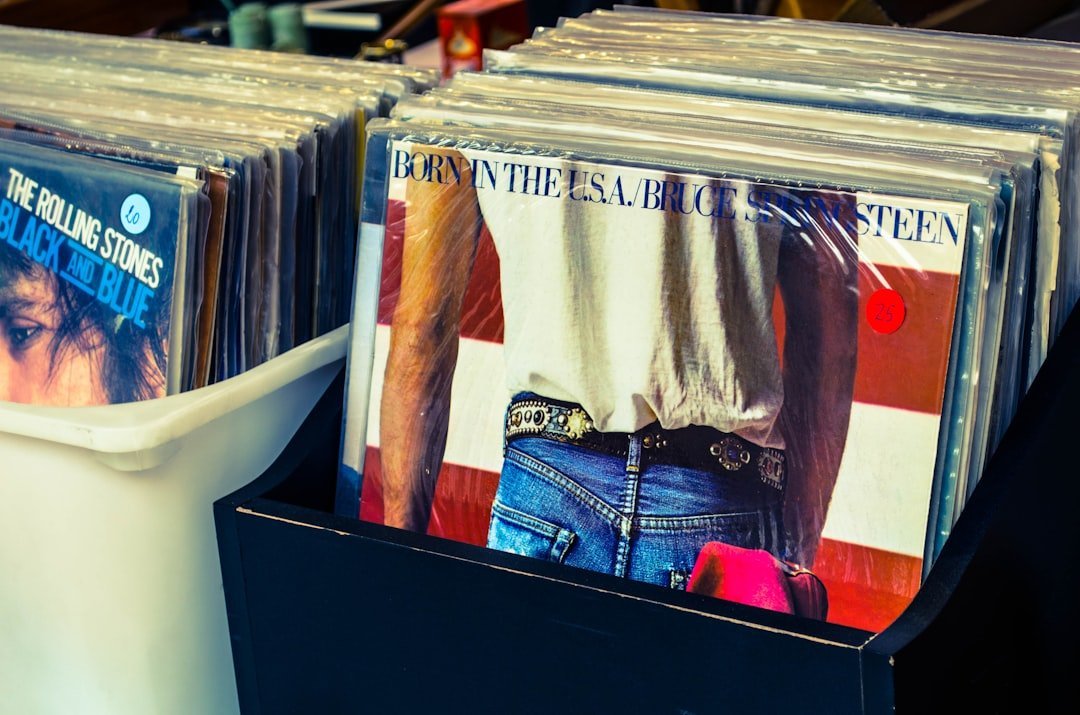
Most fans heard the pounding drums and chorus as a straightforward celebration of American pride and working-class grit. The title alone suggested a patriotic anthem ready for parades and sports events.
In reality the lyrics trace the story of a Vietnam veteran who returns home to unemployment, neglect, and broken promises from the country he served. Springsteen drew from real accounts of soldiers left behind by the system after the war. The contrast between the music and the words created a powerful irony that many missed because the energetic delivery overshadowed the verses about factories closing and dreams fading.
Hotel California by The Eagles
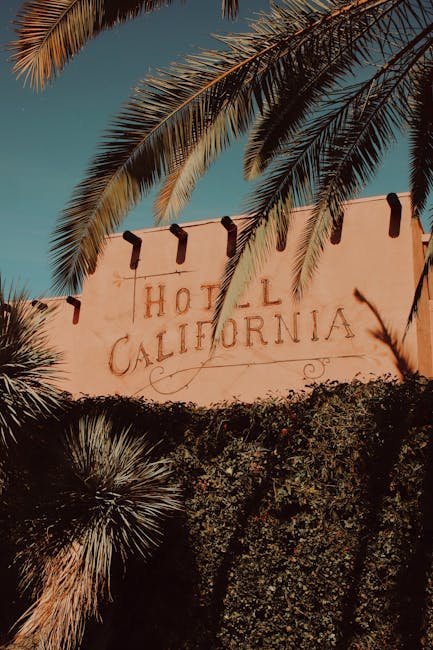
Listeners often pictured a glamorous desert resort filled with parties and endless good times. The catchy guitar solo and laid-back vibe reinforced the idea of a carefree escape.
The song actually paints a portrait of addiction and the trap of excess, where guests check in but can never leave. It reflects the darker side of the California lifestyle that the band witnessed in the 1970s. The narrative unfolds like a cautionary tale, yet the smooth production made it easy to treat the track as pure escapism rather than a warning about losing control.
Every Breath You Take by The Police

At first the song came across as a tender declaration of love and constant devotion. Radio stations played it at weddings and the gentle reggae rhythm added to the romantic feel.
Sting later clarified that the words describe an obsessive stalker who watches every move of his target. The repeated lines about breathing and waking create an unsettling sense of surveillance rather than affection. Fans overlooked the darker tone because the melody stayed so smooth and the band never emphasized the sinister angle during early promotions.
American Pie by Don McLean

Many took the song as a simple tribute to Buddy Holly and the day the music died in a plane crash. The long storytelling format invited sing-alongs without much deeper thought.
Beneath the surface it chronicles the loss of innocence in rock and roll through the 1960s, touching on events like the Kennedy assassination and the rise of commercialism. McLean packed references to other artists and cultural shifts into the verses. The upbeat piano and chorus made the historical weight feel lighter, so listeners focused on the melody instead of the timeline of disillusionment.
The Sound of Silence by Simon & Garfunkel
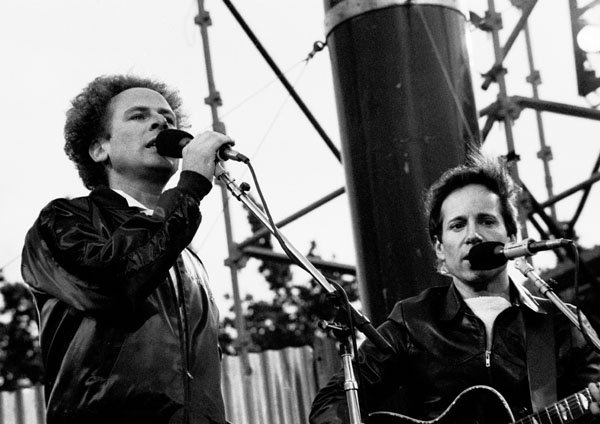
Early audiences viewed it as a quiet, poetic reflection on personal solitude. The gentle acoustic arrangement encouraged people to see it as a peaceful meditation.
The lyrics actually critique a society where people talk without truly connecting, leaving everyone isolated in a noisy world. Simon wrote it after feeling disconnected from the rapid changes around him in the mid-1960s. The soft delivery hid the sharp commentary on modern alienation until later covers and analyses brought the social message forward.
Sympathy for the Devil by The Rolling Stones

Some assumed the track glorified evil or served as a satanic anthem because of the title and opening lines. The driving rhythm invited dancing without much pause for the story.
The song instead walks through centuries of human violence and cruelty, placing the narrator as a witness to events like the Russian Revolution and World War II. Jagger aimed to show how people create their own devils through history. The energetic beat and call-and-response style kept the focus on the groove rather than the catalog of atrocities.
We Didn’t Start the Fire by Billy Joel

Listeners often treated the rapid-fire list of names and events as a fun history lesson set to music. The fast pace turned it into a party sing-along for many.
Joel used the lyrics to show how each generation inherits chaos and conflict without starting it themselves. The song covers decades of political turmoil, cultural shifts, and disasters in quick succession. Its structure as a breathless catalog made the underlying message about ongoing human struggle easy to miss amid the catchy repetition.
Smells Like Teen Spirit by Nirvana
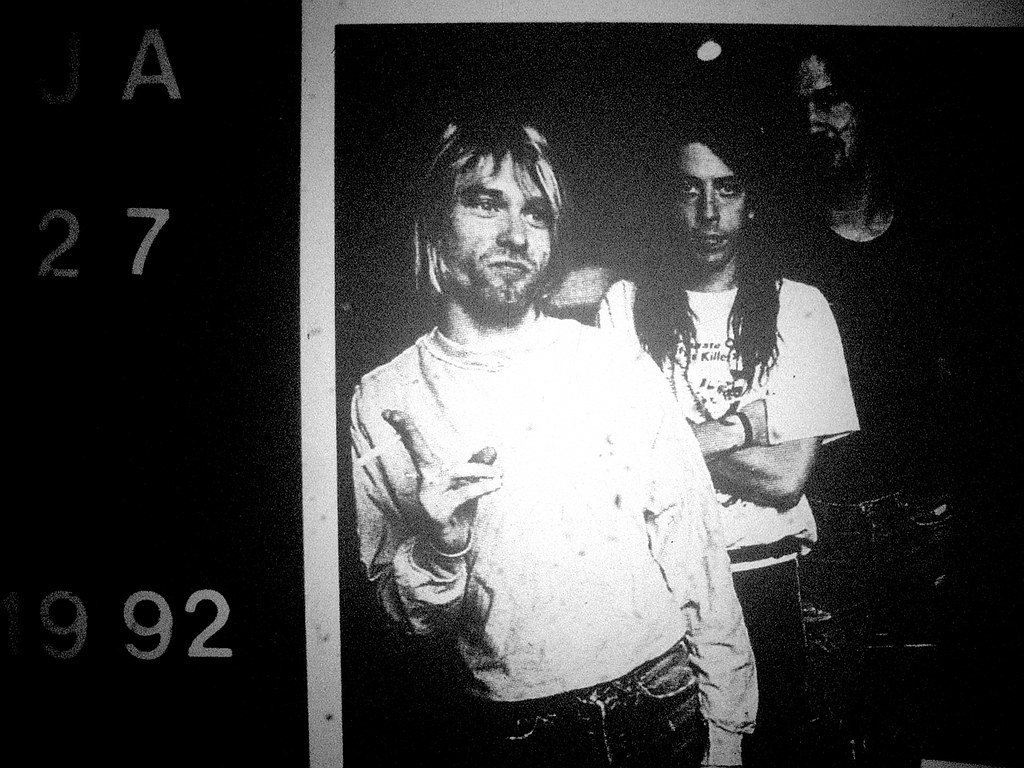
Many heard it as raw teenage rebellion and angst against authority. The distorted guitars and shouted chorus fit perfectly with the grunge image of the early 1990s.
The words actually mock the emptiness of consumer culture and the way fame turns personal expression into a product. Cobain drew from his frustration with how media packaged youth movements. The heavy sound and mosh-pit energy overshadowed the sarcastic critique of apathy and corporate influence.
Losing My Religion by R.E.M.
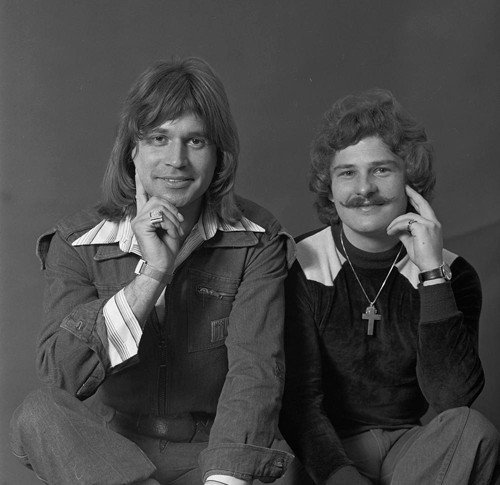
People assumed the title referred to someone abandoning their faith or having a spiritual crisis. The haunting mandolin riff added a sense of quiet drama.
In truth the phrase comes from a Southern expression meaning extreme frustration or irritation, not literal religion. The lyrics explore the pain of unrequited feelings and emotional turmoil. The mysterious title and atmospheric production let listeners project their own interpretations instead of catching the everyday Southern idiom at the core.
The Logical Song by Supertramp

Early fans saw it as a straightforward complaint about overthinking and losing simple joys. The piano-driven melody made it feel like a reflective ballad.
The deeper story follows a child whose natural wonder gets crushed by rigid education and societal expectations. Davies wrote it from his own boarding-school experiences where creativity was discouraged. The polished arrangement and singable chorus softened the critique of how systems strip away innocence over time.
Dust in the Wind by Kansas

Many viewed the song as a gentle reminder about the fleeting nature of life and relationships. The acoustic fingerpicking created a calm, almost meditative mood.
The lyrics draw from a book on Eastern philosophy that emphasizes how all achievements and possessions ultimately fade. Livgren adapted the idea after reading about impermanence during a period of personal searching. The soothing melody allowed listeners to enjoy it as background comfort rather than confront the stark acceptance of mortality.
Imagine by John Lennon

Listeners embraced it as a hopeful vision of world peace and unity. The simple piano and soft vocals turned it into an anthem for harmony across generations.
The words call for the end of religion, countries, and possessions as barriers to true equality. Lennon presented a radical challenge to the status quo rather than a vague wish for goodwill. The gentle delivery and universal appeal let many focus on the positive imagery while downplaying the pointed critique of established systems.
The Enduring Mystery of Rock’s Golden Era
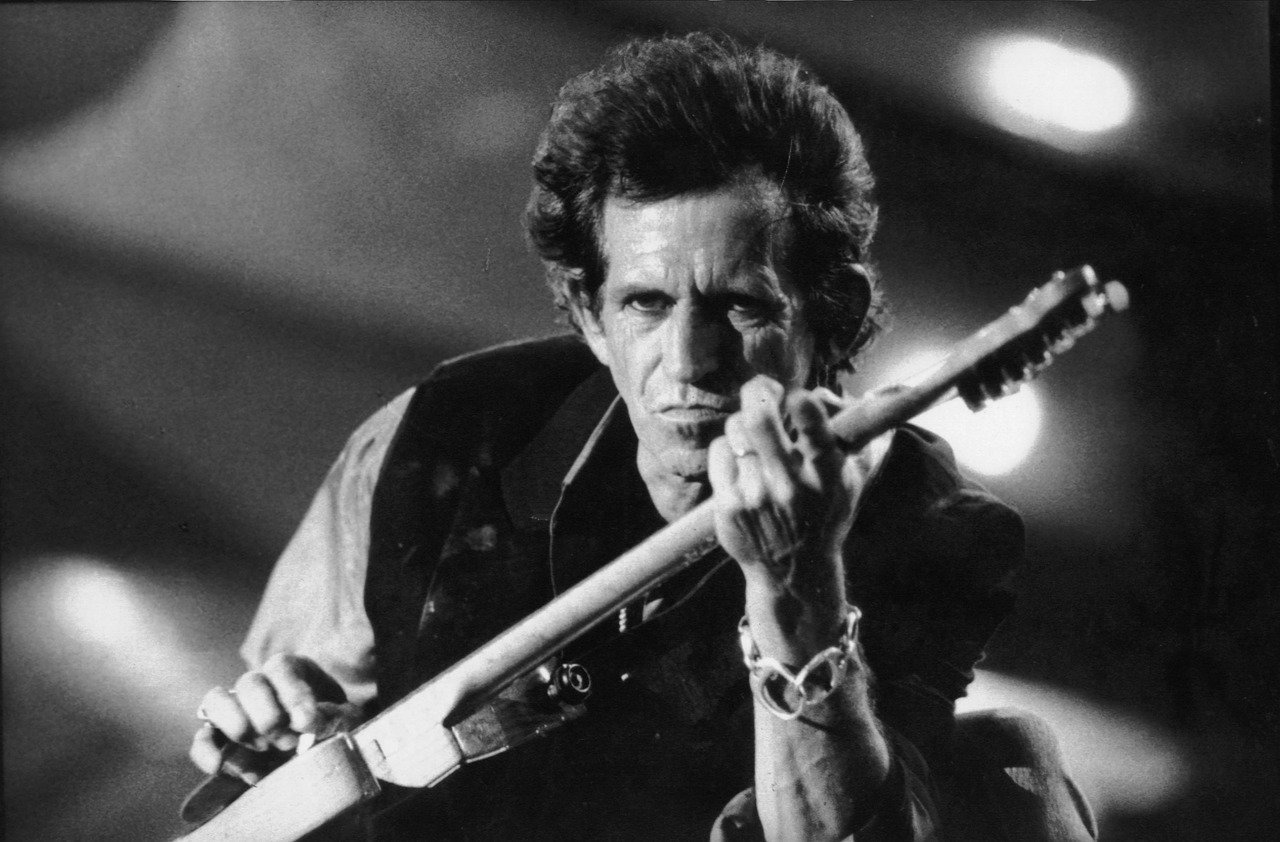
These songs show how classic rock often worked on multiple levels at once. A strong hook could carry a track to the top of the charts while the words quietly addressed heavier realities.
Over time the hidden meanings have become part of what keeps these recordings alive in conversations and covers. The best songwriters of that period understood that music could entertain and provoke without forcing the listener to choose between the two.

- 12 Classic TV Shows With Shocking Behind-the-Scenes Dramas You Never Knew - September 10, 2026
- 10 Novels That Were Initially Dismissed, Only to Become Timeless Masterpieces - September 10, 2026
- The ’80s Were a Wild Ride of Style and Sound That Changed Everything - September 10, 2026

