

Plenty of strong rock bands from the 1980s never quite broke through to the level their songs deserved. They released sharp records, built loyal followings in clubs, and shaped sounds that later acts would borrow, yet mainstream radio and big labels often passed them by.
The reasons varied from timing and image issues to simple bad luck with distribution. Their catalogs still hold up today, offering fresh energy and honest songwriting that reward a closer listen.
The Replacements
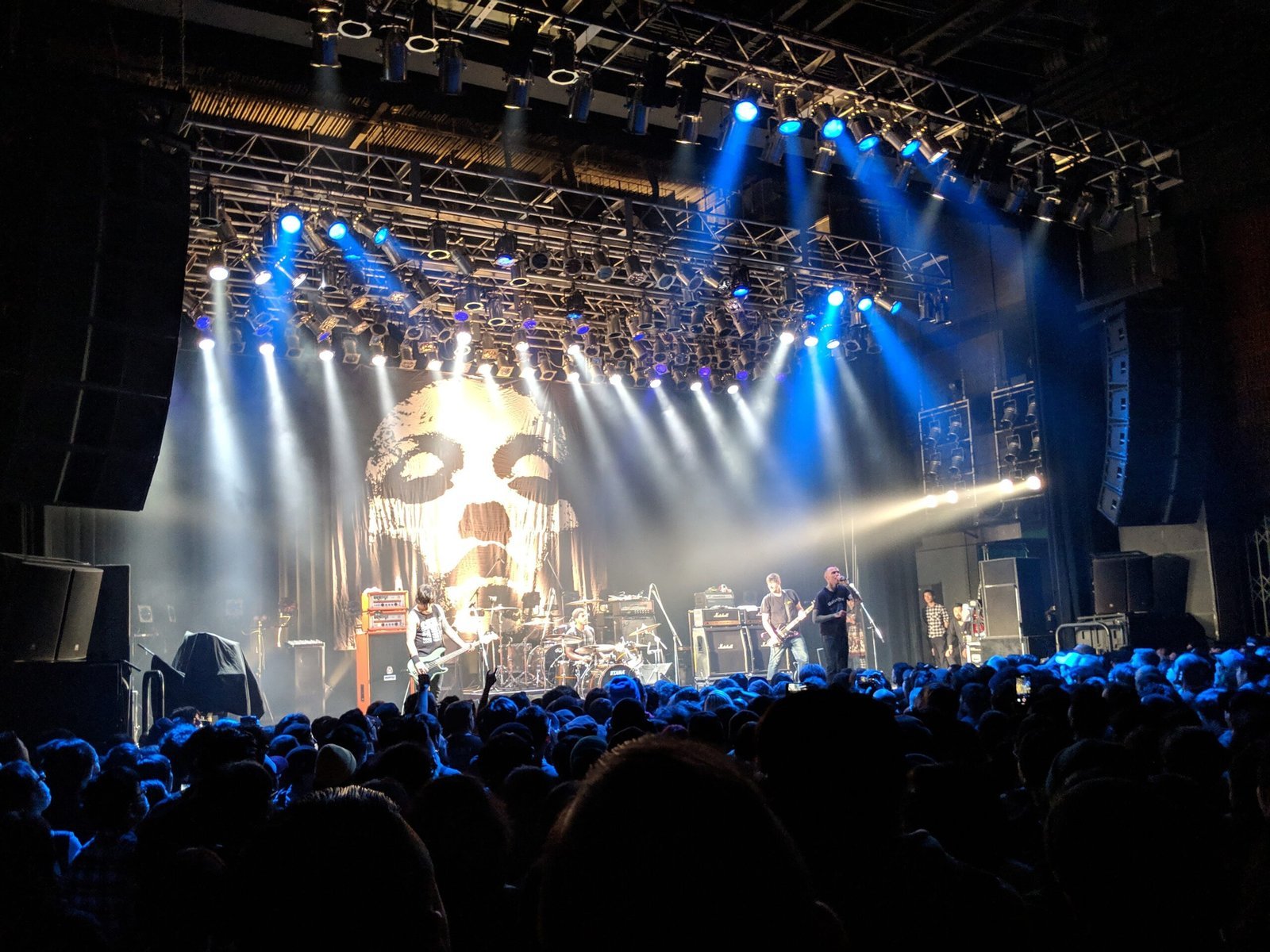
The Replacements mixed punk energy with heartfelt melodies and a loose, ragged delivery that felt completely unpolished. Tracks such as “Bastards of Young” and “Alex Chilton” captured both frustration and affection in equal measure.
They stayed on the fringes partly because of erratic live shows and a refusal to chase commercial polish. Listeners now find their approach refreshing because it prioritizes raw feeling over perfection, and the songs still connect with anyone who has ever felt out of step with the crowd.
Hüsker Dü
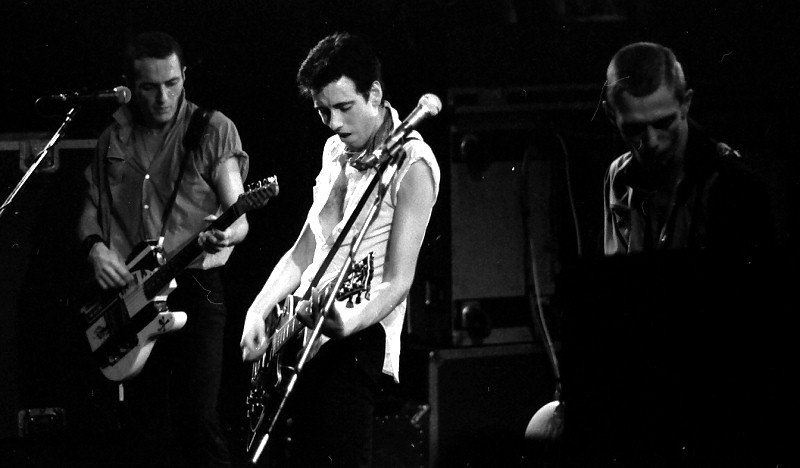
Hüsker Dü blended hardcore speed with melodic hooks and dense guitar layers that created a wall of sound. Albums like “Zen Arcade” and “New Day Rising” showed how loud music could also carry real emotional weight.
They slipped through the cracks when the scene split between punk purists and emerging alternative radio formats. Modern ears appreciate the way their records balance intensity with melody, giving them staying power that many louder contemporaries lack.
The Smithereens
The Smithereens delivered crisp power-pop with jangly guitars and direct, storytelling lyrics. Songs like “Blood and Roses” and “Behind the Wall of Sleep” stood out for their tight arrangements and memorable choruses.
They never received the sustained push from major labels that similar acts enjoyed. Their straightforward style feels timeless now, offering a clear contrast to the overproduced sounds that dominated later decades.
The Feelies
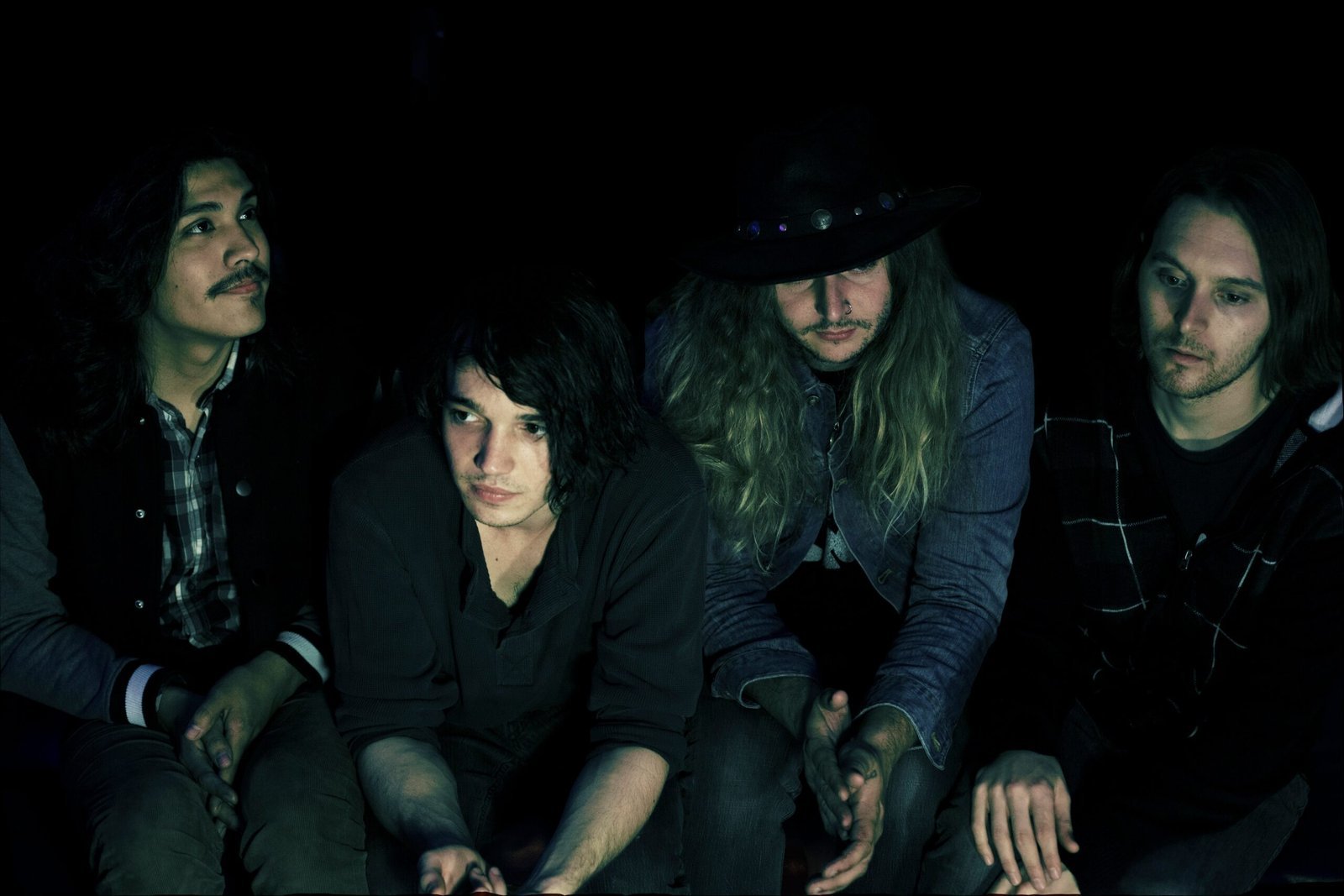
The Feelies built hypnotic rhythms around chiming guitars and steady, almost mechanical drumming. Records such as “Crazy Rhythms” showcased a minimalist approach that still managed to feel urgent and danceable.
They remained cult favorites because their sound sat between post-punk and college rock without fitting neatly into either box. Today the precision and restraint in their playing stand out as a welcome alternative to flashier production trends.
The dB’s

The dB’s combined jangly guitars with clever harmonies and a touch of country twang. Albums like “Stands for Decibels” featured songs that balanced pop craft with slightly off-kilter arrangements.
Geographic distance from major music centers and limited touring kept their profile low. Their songwriting rewards repeated plays, revealing layers that reward anyone willing to move past the first listen.
Game Theory
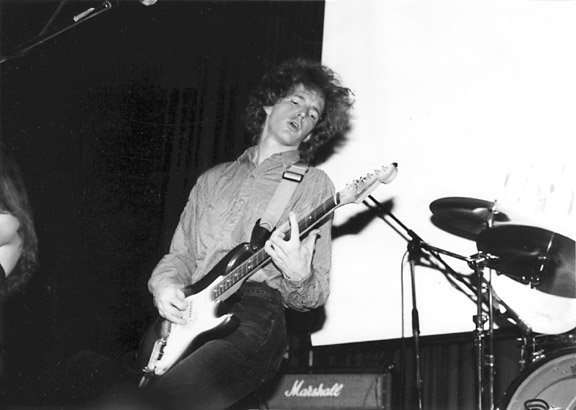
Game Theory layered intricate guitar lines over driving rhythms and literate lyrics. Scott Miller’s songwriting on records such as “Lolita Nation” mixed ambition with hooks that never quite reached the charts.
They operated in a crowded field of college-rock acts and faced distribution hurdles. Their dense yet tuneful approach offers a blueprint for bands that want to push boundaries without losing accessibility.
The Dream Syndicate

The Dream Syndicate revived psychedelic textures with extended guitar explorations and a raw edge. Their debut “The Days of Wine and Roses” mixed Velvet Underground influences with 1980s urgency.
They arrived just as the Paisley Underground scene stayed regional and never crossed over widely. Their willingness to stretch songs out gives modern listeners space to sink into atmosphere rather than quick hooks.
The Rain Parade
The Rain Parade leaned into dreamy, reverb-heavy guitars and melodic vocals that echoed 1960s psych without copying it. Songs from “Emergency Third Rail Power Trip” showed a band comfortable with both haze and structure.
They shared stages with similar acts but lacked the marketing muscle to break nationally. Their blend of melody and texture feels especially relevant now when many listeners seek atmospheric rock that still moves.
The Long Ryders

The Long Ryders fused country-rock with punk attitude and crisp harmonies. Albums like “Native Sons” delivered storytelling lyrics over driving rhythms that honored roots music while staying contemporary.
They hit the scene during a brief country-rock revival that faded quickly. Their straightforward energy and clear songcraft provide a model for bands that want to honor tradition without sounding retro.
Let’s Active
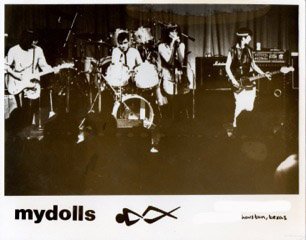
Let’s Active mixed bright melodies with inventive arrangements and a playful sense of rhythm. Mitch Easter’s production and songwriting on records such as “Cypress” created tracks that felt both catchy and slightly askew.
They stayed regional because of limited label support and the frontman’s focus on studio work for others. Their light touch and melodic invention still offer a refreshing counterpoint to heavier 1980s rock sounds.
Rediscovering these bands does more than fill gaps in a playlist. It reconnects listeners with a decade when rock still rewarded curiosity and craft over image alone. Their records remain available and ready for anyone willing to press play.

- 12 Classic TV Shows With Shocking Behind-the-Scenes Dramas You Never Knew - September 10, 2026
- 10 Novels That Were Initially Dismissed, Only to Become Timeless Masterpieces - September 10, 2026
- The ’80s Were a Wild Ride of Style and Sound That Changed Everything - September 10, 2026

