

- Iconic Cultural Moments Are Not Planned; They Simply Erupt and Resonate. - August 31, 2026
- 10 Classic TV Commercials That Are More Memorable Than the Products They Sold - August 31, 2026
- The Echoes of Past Eras Resurface in Our Modern World in Surprising Ways. - August 30, 2026
Plenty of books now hailed as essential reading met with confusion, dismissal, or outright hostility when they first appeared. Readers and critics often struggled with unfamiliar styles, bold themes, or structures that felt jarring at the time.
Over the years those same works found new audiences who saw their depth and innovation more clearly. Here are ten examples that show how tastes can shift dramatically.
1. Moby-Dick by Herman Melville

Melville published the novel in 1851 and watched it sell only a few thousand copies during his lifetime. Reviewers complained about the long digressions on whaling and the mix of adventure with dense philosophy. Many found the story too sprawling and the language too ornate for a simple sea tale.
Readers expected straightforward adventure but encountered a meditation on obsession and the unknown. The book only gained serious attention decades later when scholars began to appreciate its layered symbolism and experimental form. Today it stands as a cornerstone of American literature because later generations valued its ambition over its initial oddities.
2. Wuthering Heights by Emily Brontë

When the novel appeared in 1847 under a male pseudonym, critics recoiled at its raw emotion and violent characters. They called the story crude and the central relationship disturbing rather than romantic. Sales stayed modest and the book faded from view after Brontë death.
Early audiences expected gentler domestic tales and instead met a narrative that refused tidy morals or happy resolutions. Only in the twentieth century did readers begin to admire its psychological intensity and the way it captured destructive passion without apology. Its reputation grew as critics recognized how it challenged Victorian ideas of love and class.
3. The Great Gatsby by F. Scott Fitzgerald

Fitzgerald released the novel in 1925 to modest sales and mixed notices. Some reviewers praised the prose but others dismissed the story as slight or overly focused on wealthy excess. The book sold fewer than twenty-five thousand copies in its first year and went out of print briefly after the author death.
Contemporary readers saw little beyond a tale of parties and failed romance. Later generations discovered its sharp commentary on the American Dream and the emptiness beneath surface glamour. Academic interest in the 1950s helped reposition it as a concise portrait of an era and its illusions.
4. Ulysses by James Joyce

Joyce struggled for years to find a publisher for the 1922 novel because of its experimental language and frank content. When it finally appeared, authorities in several countries banned it for obscenity and many readers found the stream-of-consciousness style impenetrable. Early reviews ranged from baffled to hostile.
Most people expected a conventional story and instead faced a single day in Dublin rendered through shifting perspectives and dense allusions. Over time scholars mapped the Homeric parallels and celebrated the technical daring. The book became a touchstone for modernist fiction once readers learned to navigate its complexity.
5. Lolita by Vladimir Nabokov
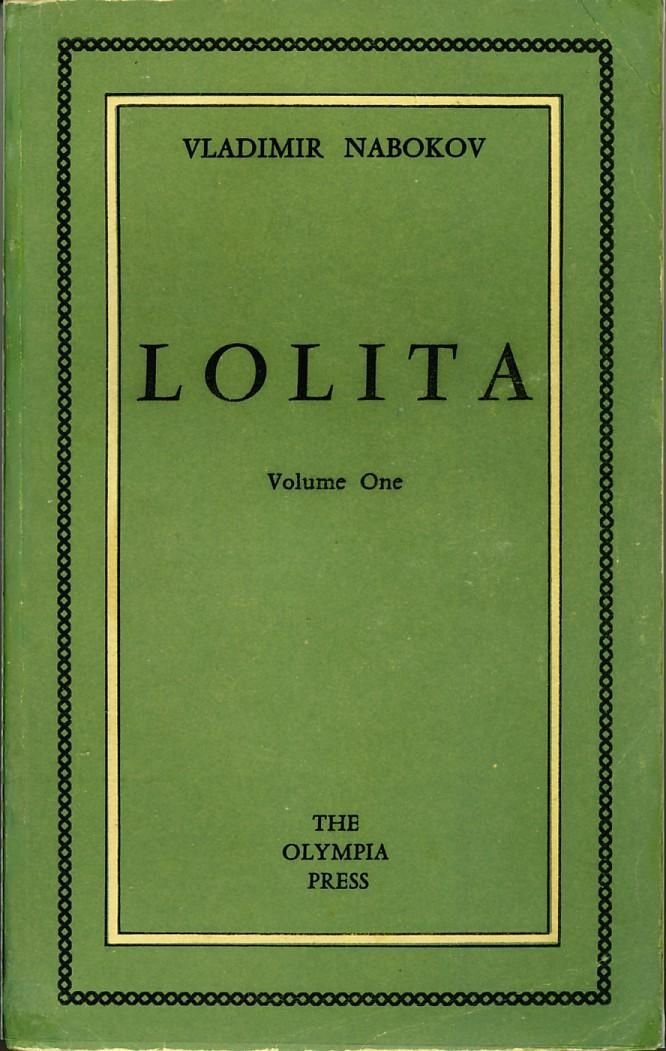
Nabokov published the novel in 1955 after several rejections and it quickly drew accusations of glorifying taboo behavior. Critics and readers focused on the disturbing premise and overlooked the intricate wordplay and unreliable narration. Some libraries refused to stock it and sales came mostly from scandal.
Initial audiences saw only provocation and missed the satire on obsession and American culture. As the literary world examined the novel more closely, they noted its linguistic brilliance and moral ambiguity. It now ranks among the finest English-language novels of the century for those very qualities.
6. The Awakening by Kate Chopin
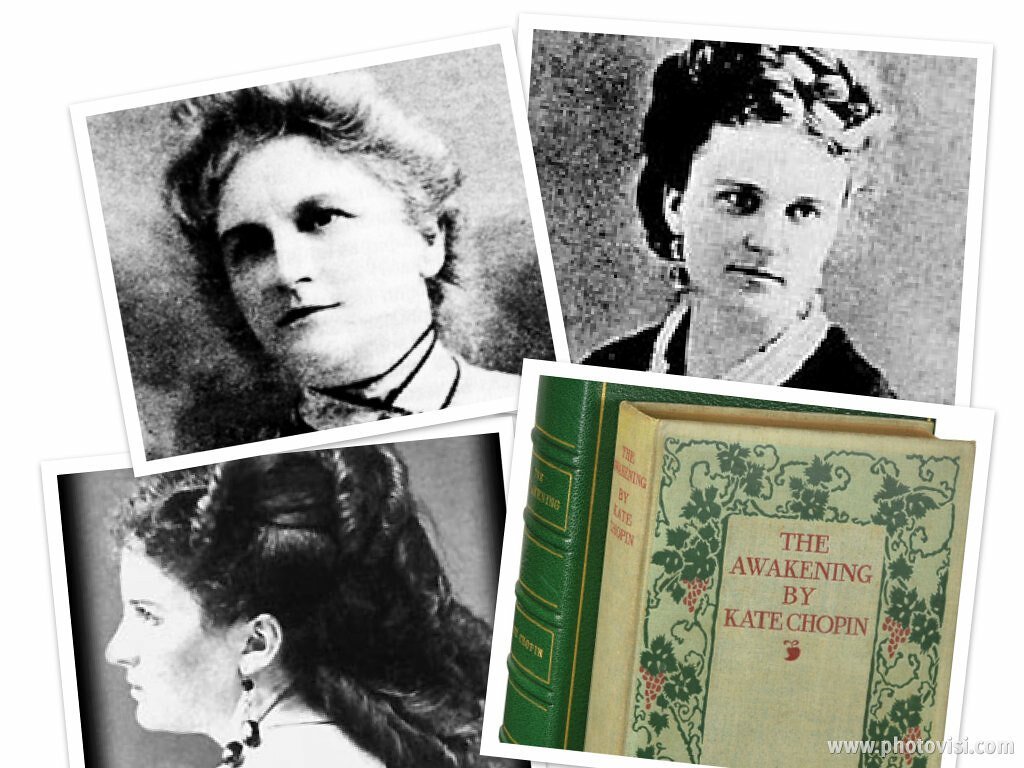
Chopin released the novel in 1899 and faced immediate backlash for its portrayal of a woman seeking independence. Reviewers labeled the story immoral and the ending shocking. The author published little afterward and the book disappeared from print for decades.
Readers of the era expected stories that reinforced traditional roles and instead encountered a frank look at female desire and societal constraints. Feminist scholars rediscovered it in the 1960s and highlighted its quiet rebellion. It now serves as an early example of modern women fiction because later audiences valued its honesty.
7. Leaves of Grass by Walt Whitman
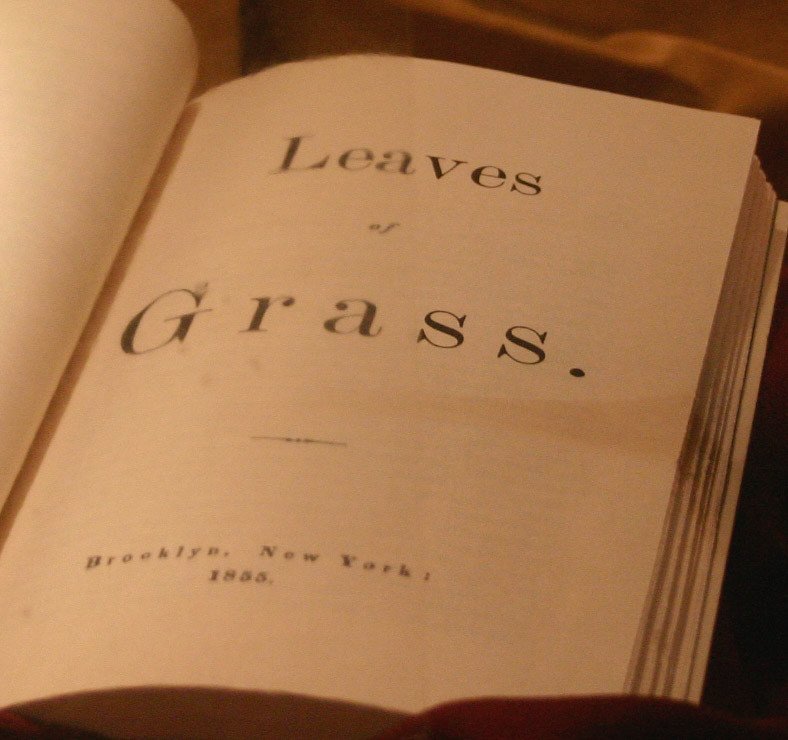
Whitman self-published the first edition in 1855 and most critics found the free verse and sensual imagery offensive. They accused the poems of lacking form and promoting indecency. The book sold poorly at first and Whitman revised it repeatedly without much commercial success.
Contemporary readers expected polished verse and met instead a celebration of the body and democracy in everyday language. Later poets and critics embraced the democratic spirit and innovative style. The collection became central to American poetry once its vision of inclusiveness resonated with new generations.
8. Frankenstein by Mary Shelley
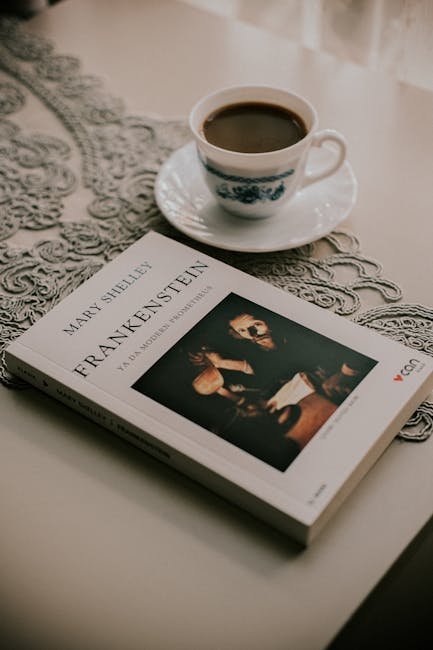
Shelley published the novel anonymously in 1818 and some reviewers treated it as a crude horror story. Others questioned whether a young woman could have written something so dark. The book achieved modest popularity but was often reduced to its monster plot.
Early audiences focused on the sensational elements and missed the exploration of ambition, isolation, and responsibility. Twentieth-century scholars began to read it as a meditation on science and creation. Its status rose as readers recognized the depth beneath the gothic surface.
9. Catch-22 by Joseph Heller

Heller published the novel in 1961 and initial reviews were divided. Some praised the humor while others found the nonlinear structure and repeated phrases confusing. Sales started slowly despite the title entering everyday speech.
Readers expected a straightforward war story and instead received a circular satire on bureaucracy and absurdity. As the Vietnam era unfolded, the book resonated more strongly with its critique of authority. It became a defining antiwar novel once audiences appreciated its formal risks.
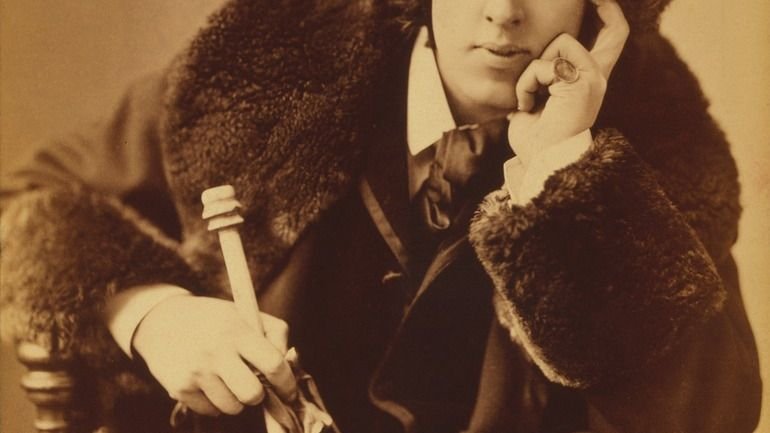
10. The Picture of Dorian Gray by Oscar Wilde
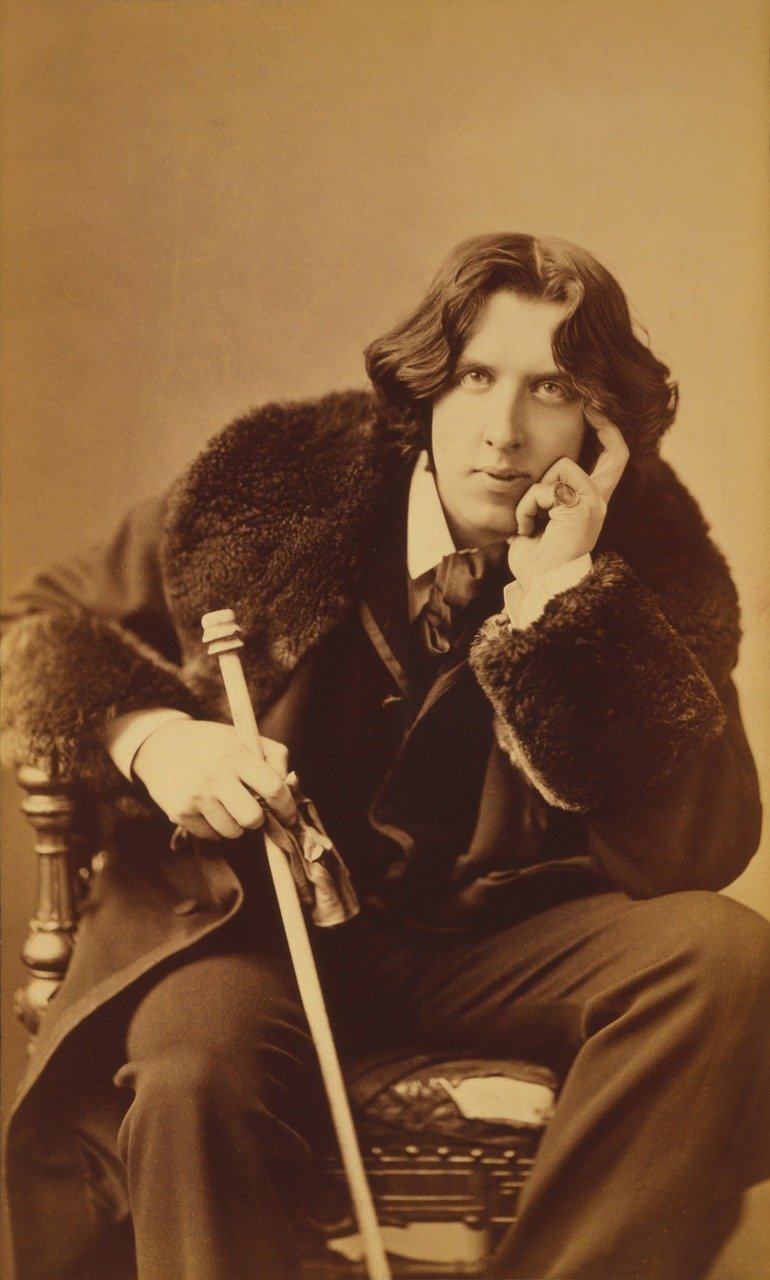
Wilde published the novel in 1890 and faced sharp criticism for its themes of hedonism and moral decay. Reviewers called it poisonous and some demanded changes before book publication. The story contributed to the scandal that later led to Wilde trial.
Victorian readers expected clear moral lessons and encountered a tale that blurred beauty and corruption without easy judgment. Later critics valued its wit and its examination of art versus life. The novel now stands as a classic of aestheticism because modern audiences see its layered irony.
These cases remind us that literary reputations often take time to settle. What seems strange or troubling in one era can reveal its richness only after tastes and contexts evolve. The books endure because later readers kept returning with fresh eyes.

Besides founding Festivaltopia, Luca is the co founder of trib, an art and fashion collectiv you find on several regional events and online. Also he is part of the management board at HORiZONTE, a group travel provider in Germany.
