

- 10 Forgotten Civilizations Beneath America’s Cities - September 28, 2026
- 16 Rock Albums That Inspired Entire Movements - September 28, 2026
- 11 Hidden Influences Behind the Civil Rights Music - September 28, 2026
Traditional gardening methods have a way of sticking around because they deliver results without needing fancy equipment or constant updates. Many of these approaches come from a time when people worked closely with the land and noticed what actually helped plants thrive year after year.
Today those same ideas continue to support healthy gardens even as modern tools and products fill store shelves. They focus on simple steps that build soil health and reduce problems before they start.
1. Bury Crushed Eggshells Around Tomato Plants
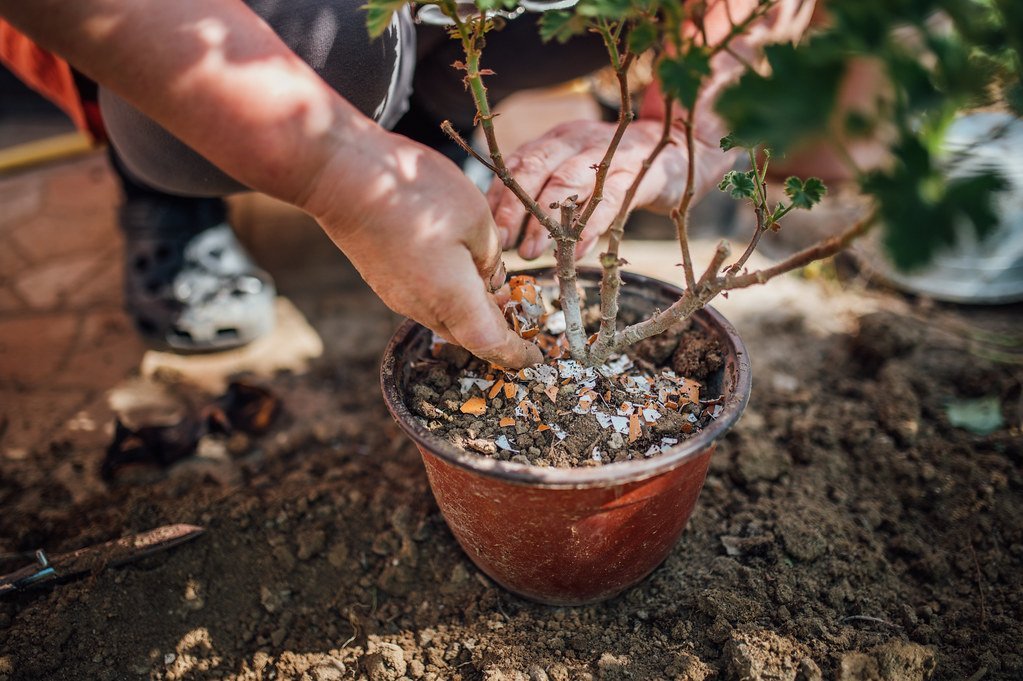
Grandparents often saved eggshells from breakfast and crushed them into the soil right next to young tomato seedlings. This step adds calcium directly where the plants need it most during fruit development.
The calcium strengthens cell walls in the tomatoes and helps prevent blossom end rot, a common issue that leaves dark spots on the fruit. In modern gardens this trick cuts down on the need for commercial calcium sprays while keeping the soil naturally balanced for better long term yields.
2. Spread Used Coffee Grounds Near Acid Loving Shrubs
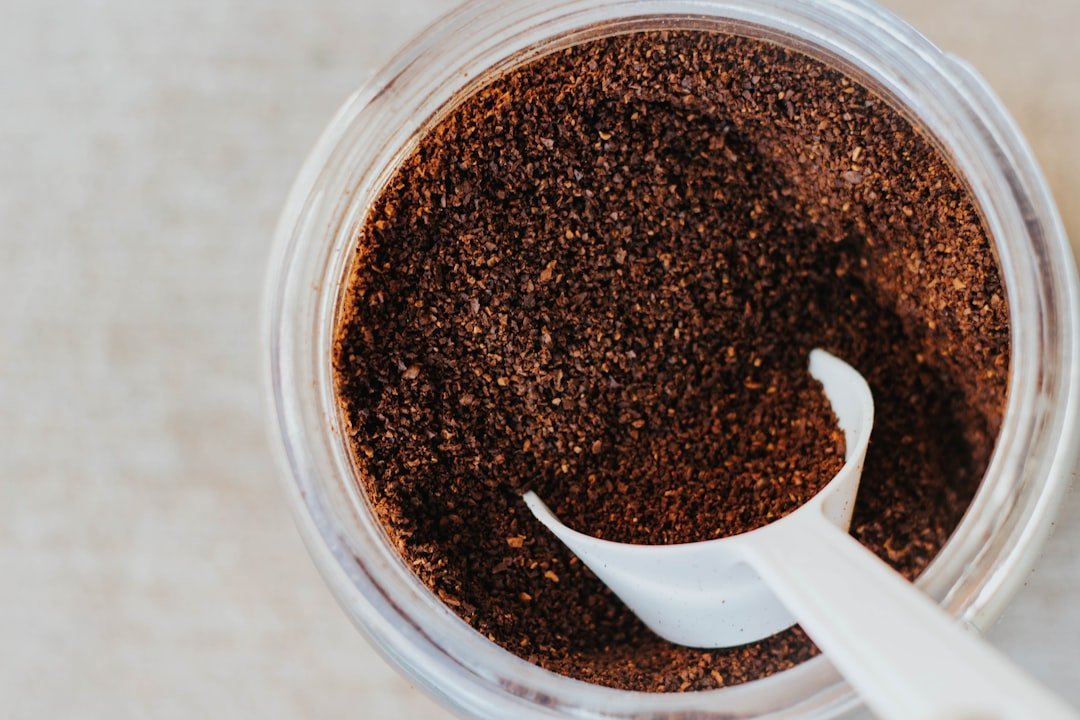
Many older gardeners collected coffee grounds from the kitchen and scattered them around blueberries, azaleas, and rhododendrons each spring. The grounds slowly release nutrients and help maintain the slightly acidic conditions these plants prefer.
Over time the organic matter improves soil structure and encourages beneficial microbes to stay active. Gardeners today find this method supports stronger blooms and deeper green foliage without relying on packaged fertilizers that can sometimes throw off soil pH.
3. Apply a Thick Layer of Organic Mulch Every Season
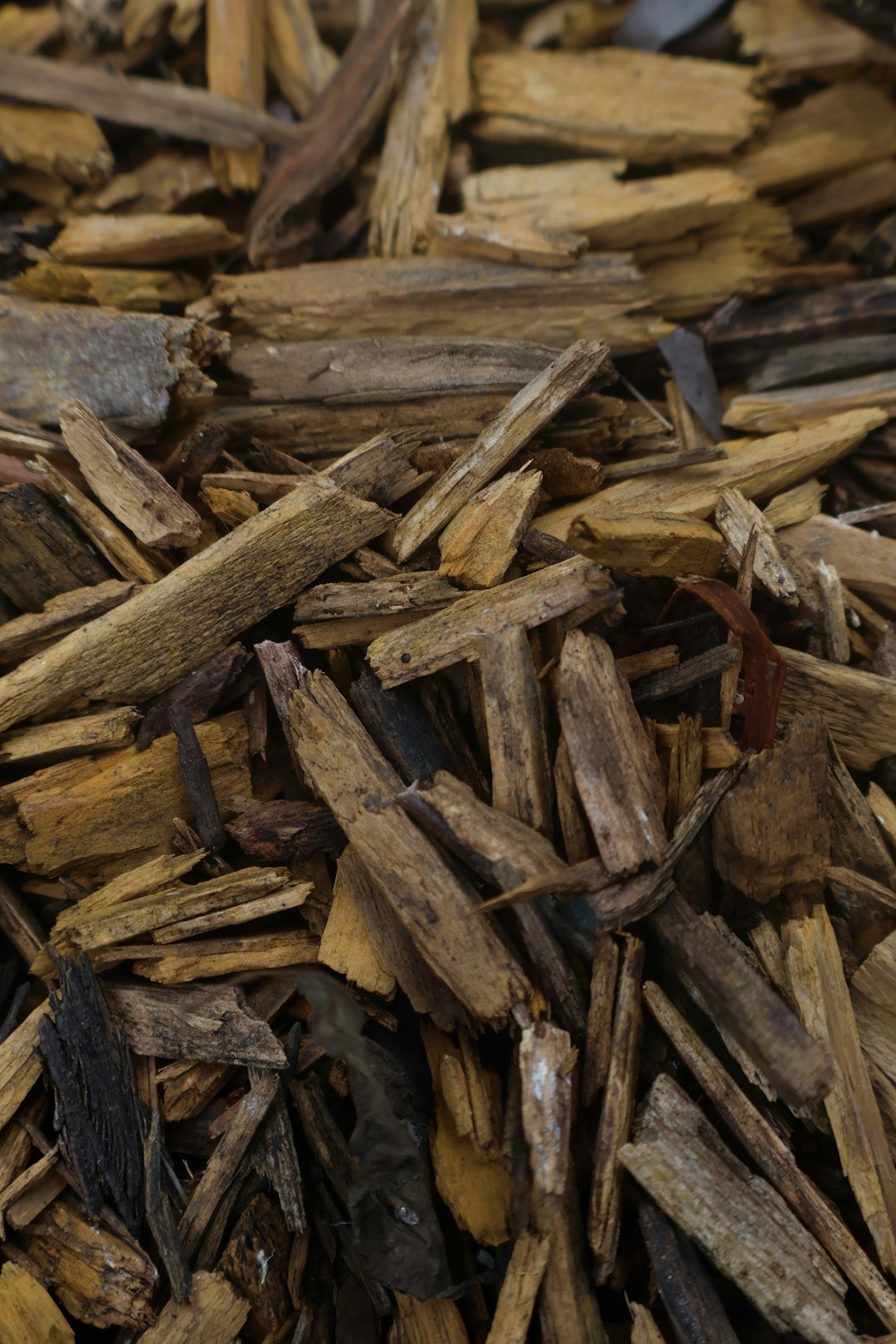
Grandparents routinely gathered leaves, grass clippings, or straw and spread them several inches deep around vegetable rows and flower beds. This blanket kept moisture in the ground and blocked sunlight from reaching weed seeds.
The mulch breaks down gradually and feeds earthworms that aerate the soil as they move through it. In current gardens the practice reduces watering frequency and cuts weeding time, leaving more energy for enjoying the harvest instead of constant maintenance.
4. Rotate Vegetable Crops Each Year
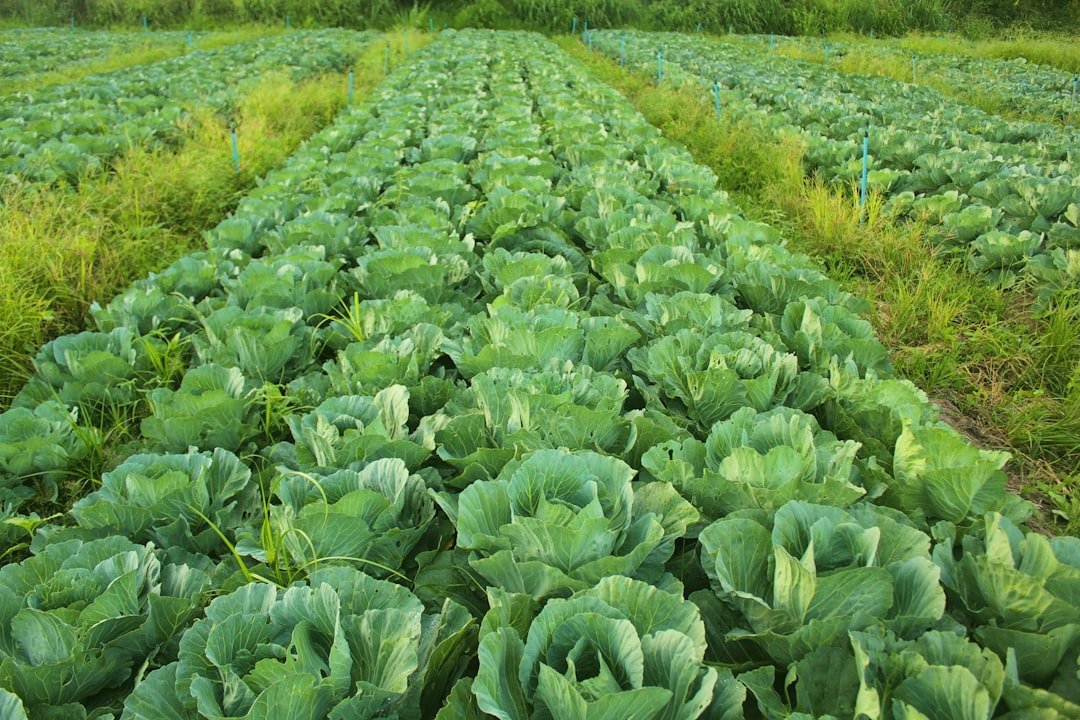
Families who gardened for decades moved their plantings so the same vegetables never grew in the same spot two seasons in a row. This simple shift broke the life cycles of soil borne pests and diseases that targeted specific crops.
Rotating also allowed different root systems to pull nutrients from varying depths, keeping the soil fertile without extra amendments. Modern plots benefit from fewer disease outbreaks and steadier production even in smaller spaces where soil can wear out quickly.
5. Plant Marigolds Among Vegetables and Flowers
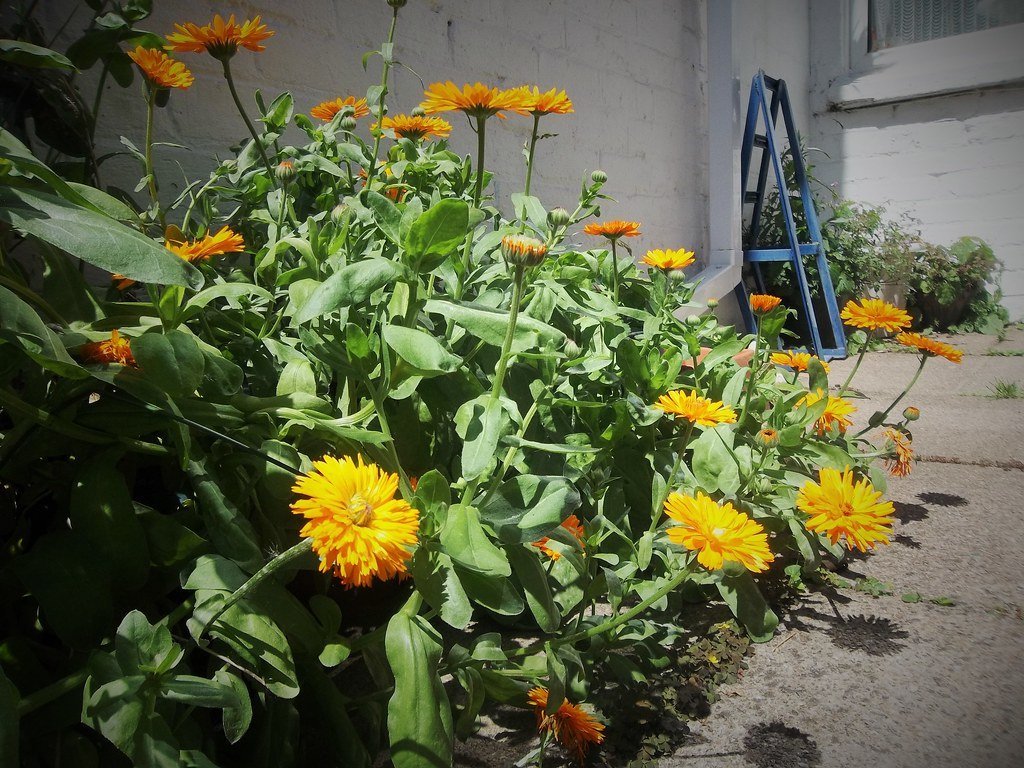
Older gardeners tucked marigold seedlings between rows of beans, tomatoes, and lettuce as a matter of habit. The bright flowers released natural compounds through their roots that discouraged nematodes and certain insects from settling in.
At the same time the blooms drew pollinators and beneficial bugs that helped control aphids and other pests. Today this pairing still delivers healthier plants with less need for sprays, creating a more balanced garden ecosystem that supports steady growth.
6. Water Deeply but Less Often
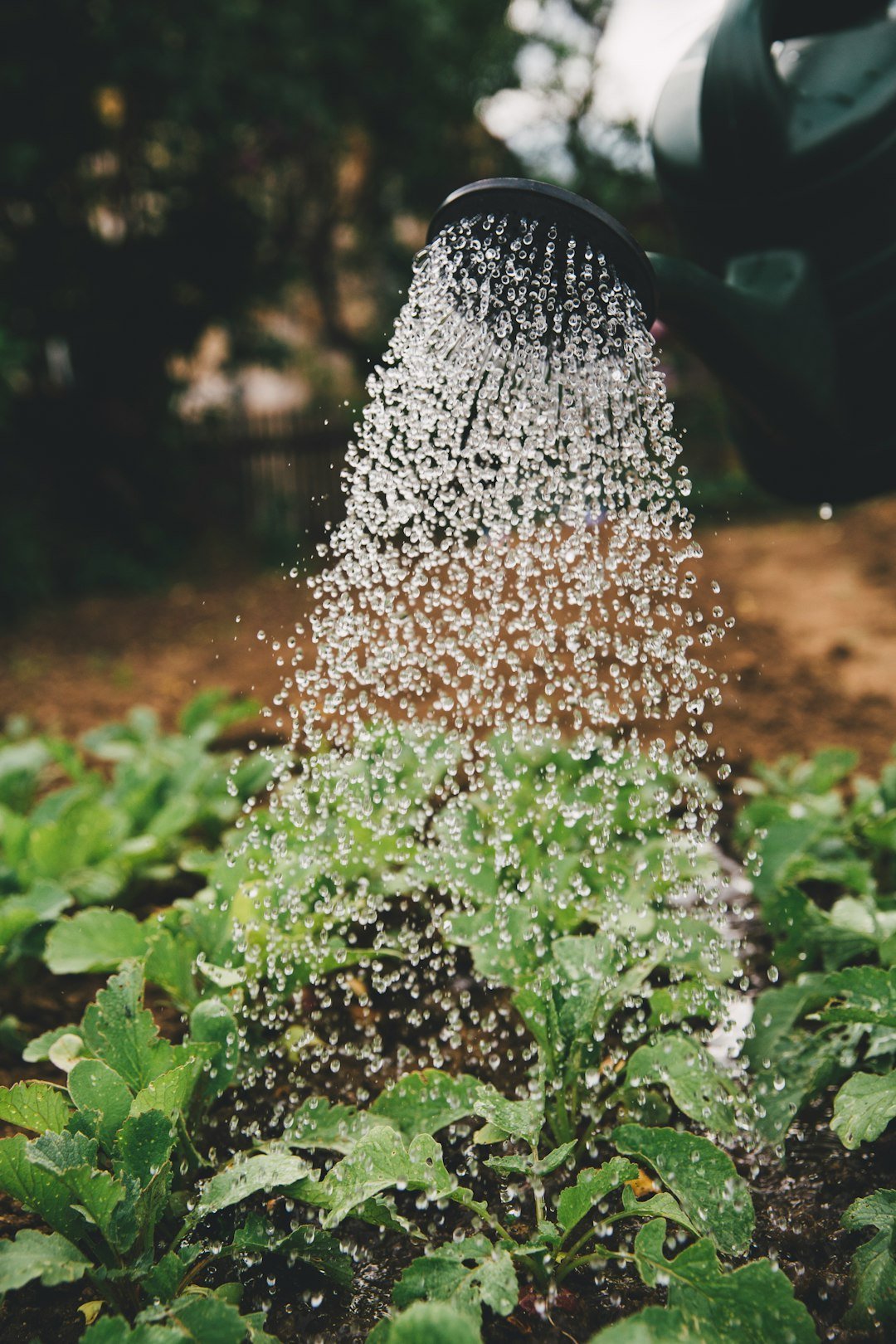
Grandparents taught children to soak the soil thoroughly once or twice a week rather than giving plants a light sprinkle every day. Deep watering encouraged roots to grow downward in search of moisture instead of staying near the surface.
Stronger root systems made plants more resilient during dry spells and reduced the chance of fungal problems from constantly damp leaves. Current gardeners notice this approach saves time on the hose while producing vegetables and flowers that hold up better through changing weather patterns.
7. Start Seeds in Recycled Egg Cartons or Shells
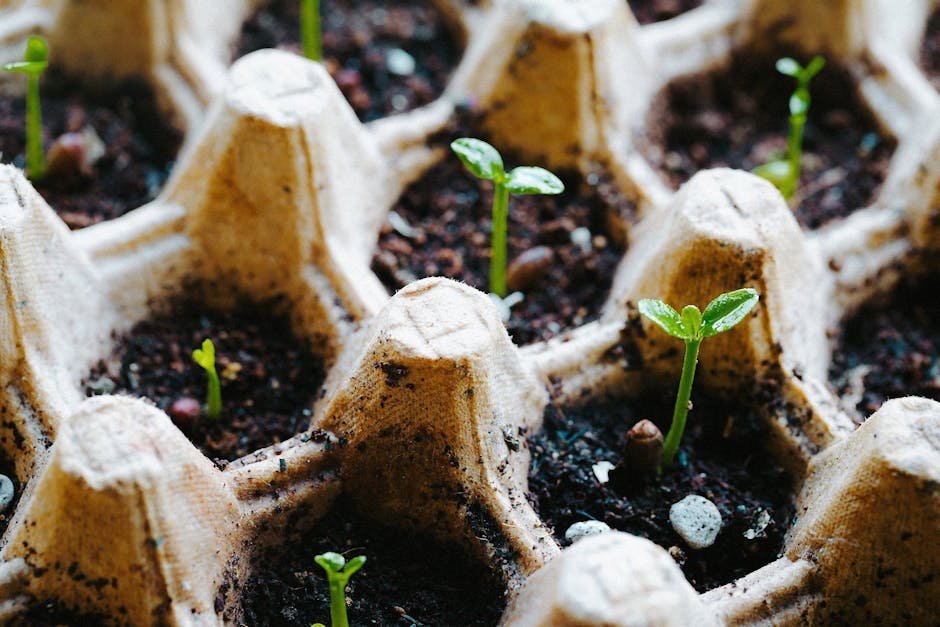
Many households reused egg cartons or even the shells themselves to start tender seedlings indoors before the last frost. The small compartments kept roots contained and made transplanting easy once the weather warmed.
Using natural containers avoided the plastic trays that can sometimes restrict airflow around young roots. In today’s gardens this method gives seedlings a gentle head start and cuts down on waste while producing sturdy transplants that establish quickly outside.
8. Bury Banana Peels Near Rose Bushes and Fruit Trees
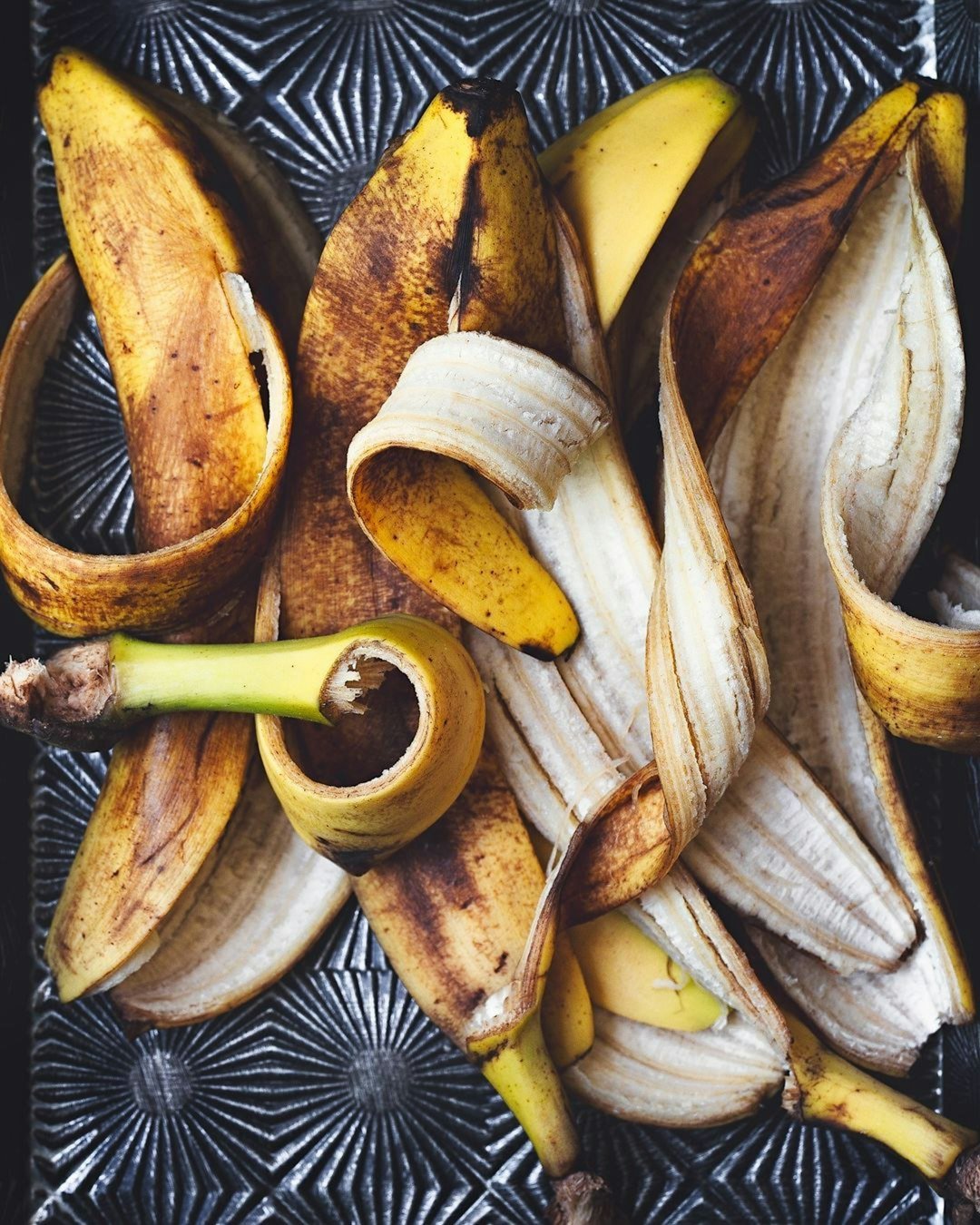
Grandparents often buried banana peels a few inches deep around roses and young fruit trees during the growing season. The peels break down and supply potassium that supports strong stems and abundant flowering or fruit set.
This kitchen scrap also attracts earthworms that further enrich the surrounding soil. Modern rose and orchard keepers find the practice encourages fuller blooms and sweeter fruit with minimal added cost or effort.
9. Build a Simple Compost Pile From Kitchen Scraps
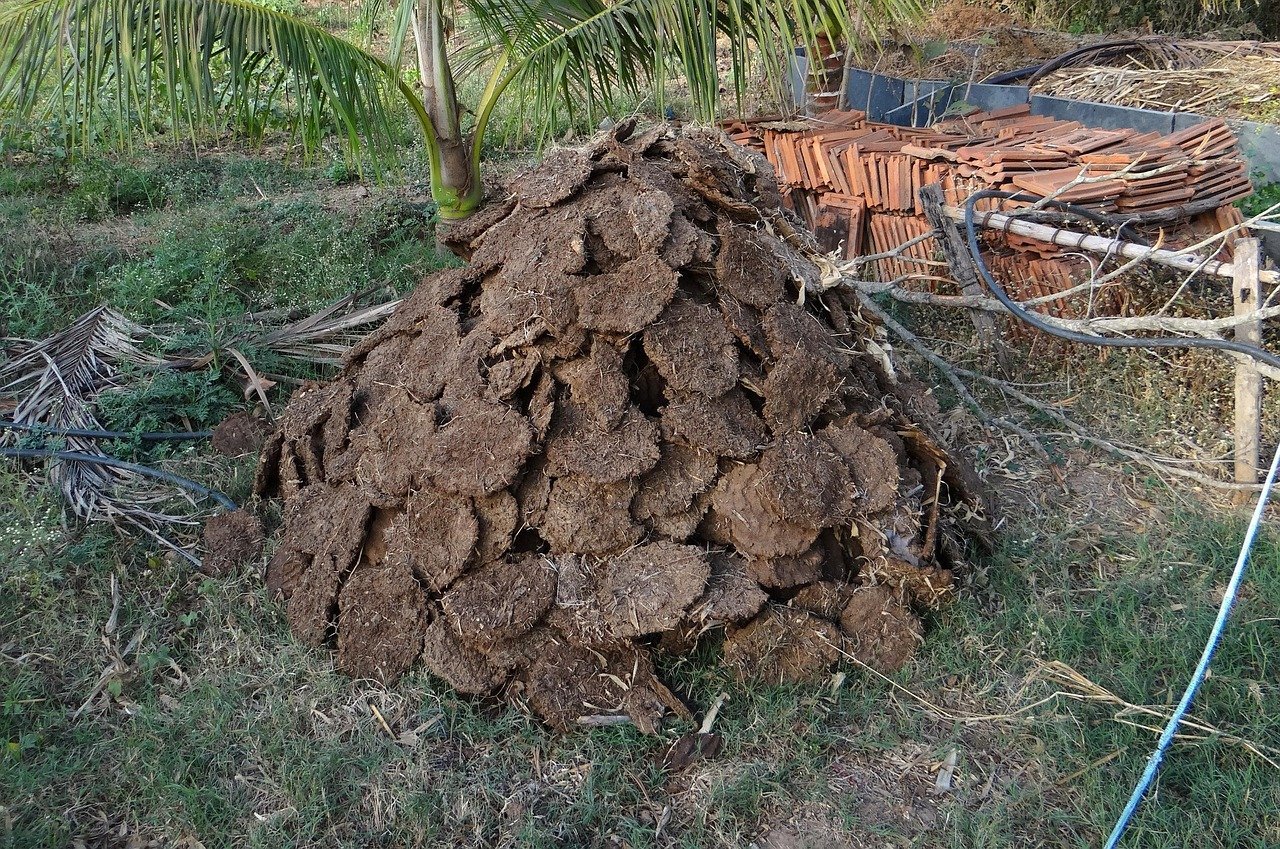
Families collected vegetable peelings, coffee grounds, and yard clippings in a corner of the yard and turned the pile occasionally. Over months the materials transformed into rich, dark compost that was spread back onto the garden beds.
The finished compost improved soil texture, added a broad range of nutrients, and supported the microbial life that helps plants absorb what they need. Today this closed loop system reduces household waste while creating a free, steady supply of soil amendment that keeps gardens productive season after season.
10. Invite Beneficial Insects With a Mix of Flowering Herbs
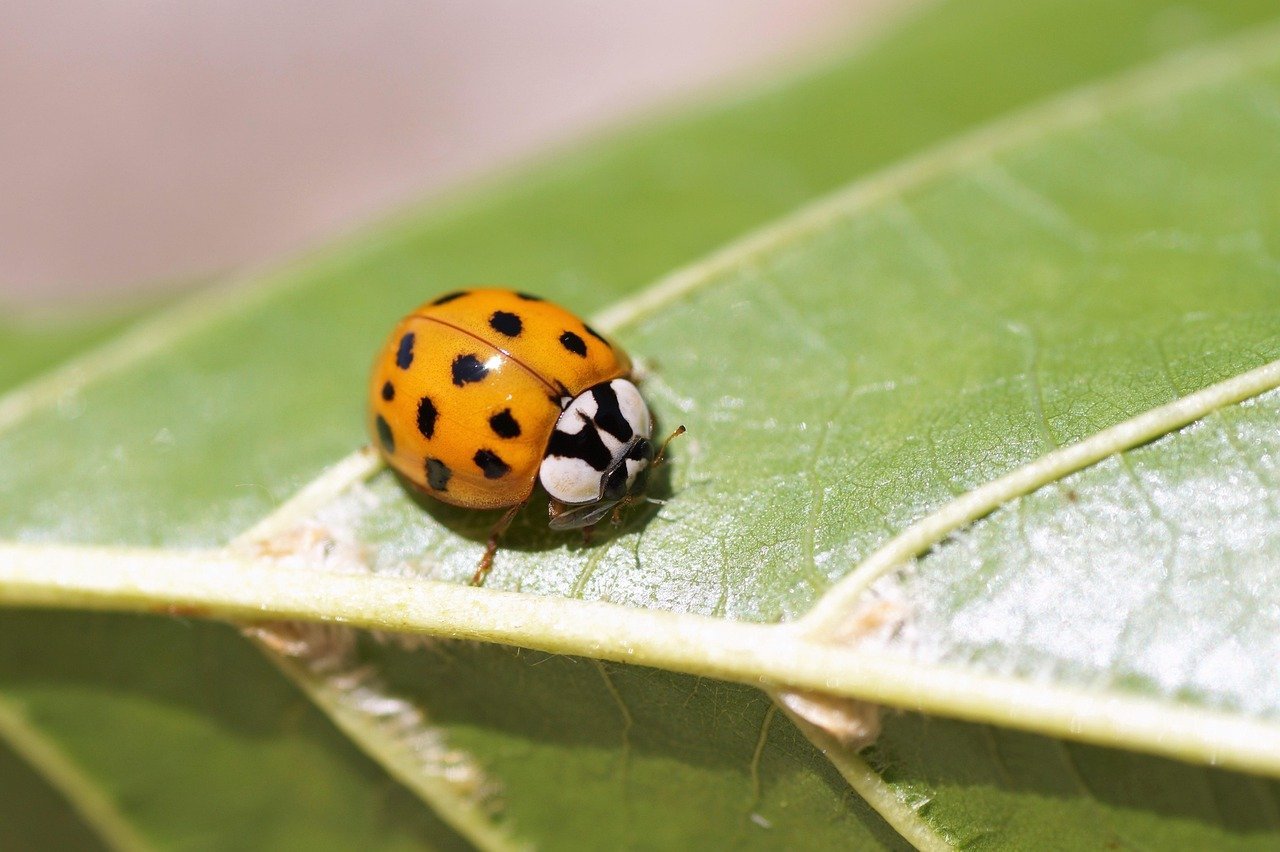
Older gardeners planted dill, fennel, and yarrow near vegetable plots to draw ladybugs, lacewings, and other helpful insects. These plants provided nectar and shelter that kept the beneficial population steady throughout the summer.
The insects in turn kept aphids and caterpillars in check without any extra intervention. Contemporary gardens gain from this natural balance, resulting in fewer pest outbreaks and a more self regulating space that requires less outside input.
The Enduring Value of These Time Tested Approaches
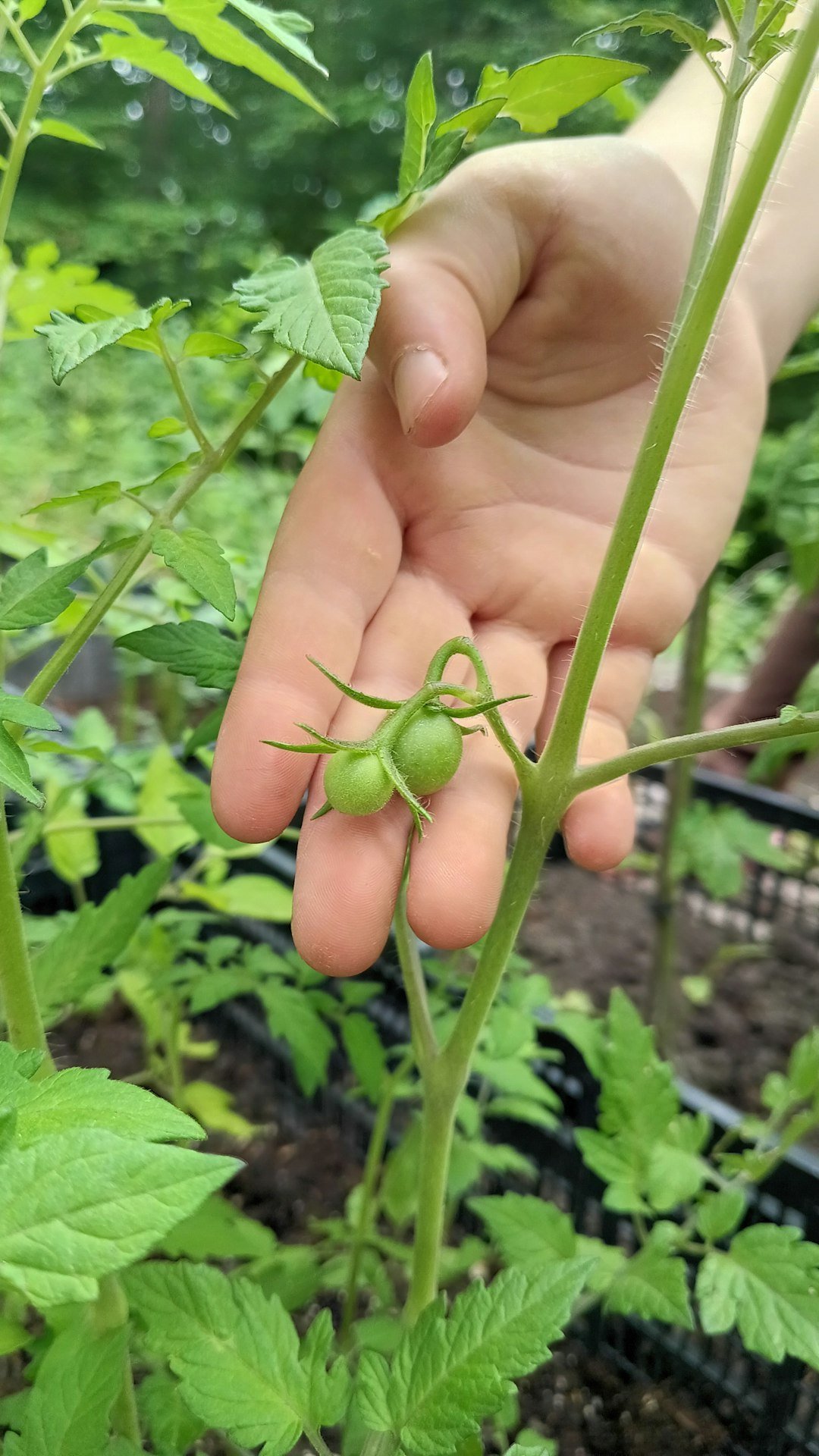
These practices continue to deliver strong results because they work with natural cycles rather than against them. Soil stays healthier, plants grow more resilient, and gardeners spend less time fighting problems that arise from imbalance.
Passing them along keeps a direct connection to the land that rewards patience and observation. In the end the real payoff comes from watching a garden flourish using methods that have already proven themselves across generations.

Besides founding Festivaltopia, Luca is the co founder of trib, an art and fashion collectiv you find on several regional events and online. Also he is part of the management board at HORiZONTE, a group travel provider in Germany.
