

- 10 Legendary Summer Anthems That Defined a Generation of Festival-Goers - August 31, 2026
- True Art Transcends Generations, Speaking to Every Soul That Encounters It. - August 31, 2026
- 10 Fashion Trends From the Past That Deserve a Dramatic Comeback - August 31, 2026
Rock history thrives on stories passed from fan to fan, amplified by tabloids and late night talk shows. These tales often start with a grain of truth or a wild exaggeration, then grow into accepted lore because they fit the larger than life image of the artists involved. Over decades, the line between fact and fiction blurs, leaving even dedicated listeners with a skewed view of what really happened.
Keith Richards and the Full Blood Transfusion
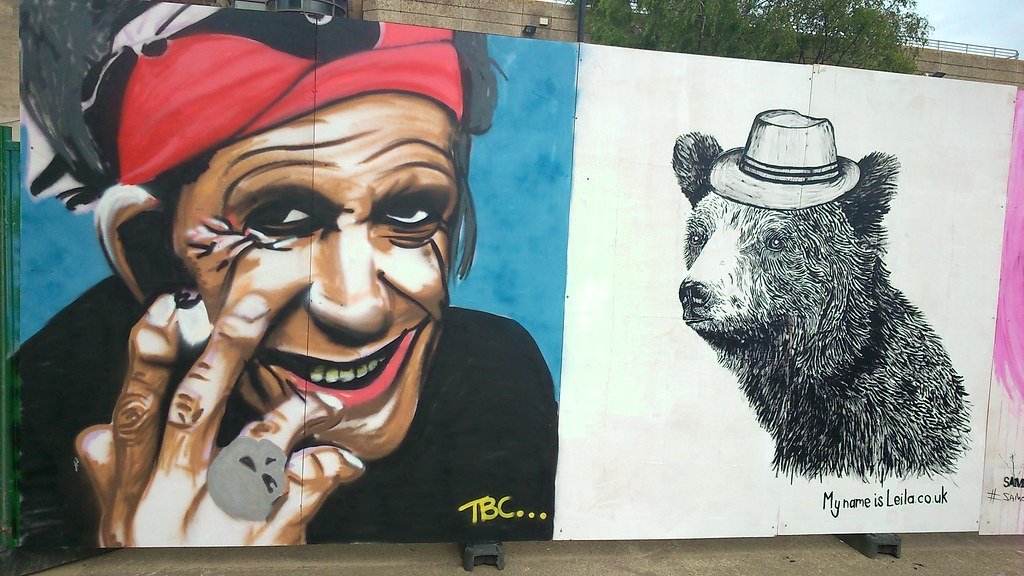
Keith Richards built a reputation as the ultimate survivor of rock excess during his years with the Rolling Stones. The story claimed that in the early 1970s he flew to a Swiss clinic and had every drop of his blood replaced to kick a heroin habit. In reality, no such procedure ever took place, and Richards has repeatedly dismissed the tale as nonsense invented by journalists looking for a dramatic angle.
The myth persisted because it matched the public image of a man who seemed indestructible despite decades of hard living. Richards later explained in interviews that he simply stopped using drugs the old fashioned way, through willpower and time. The story still circulates in rock trivia books and online forums, showing how a single colorful rumor can outlast the truth.
Rod Stewart and the Emergency Stomach Pumping
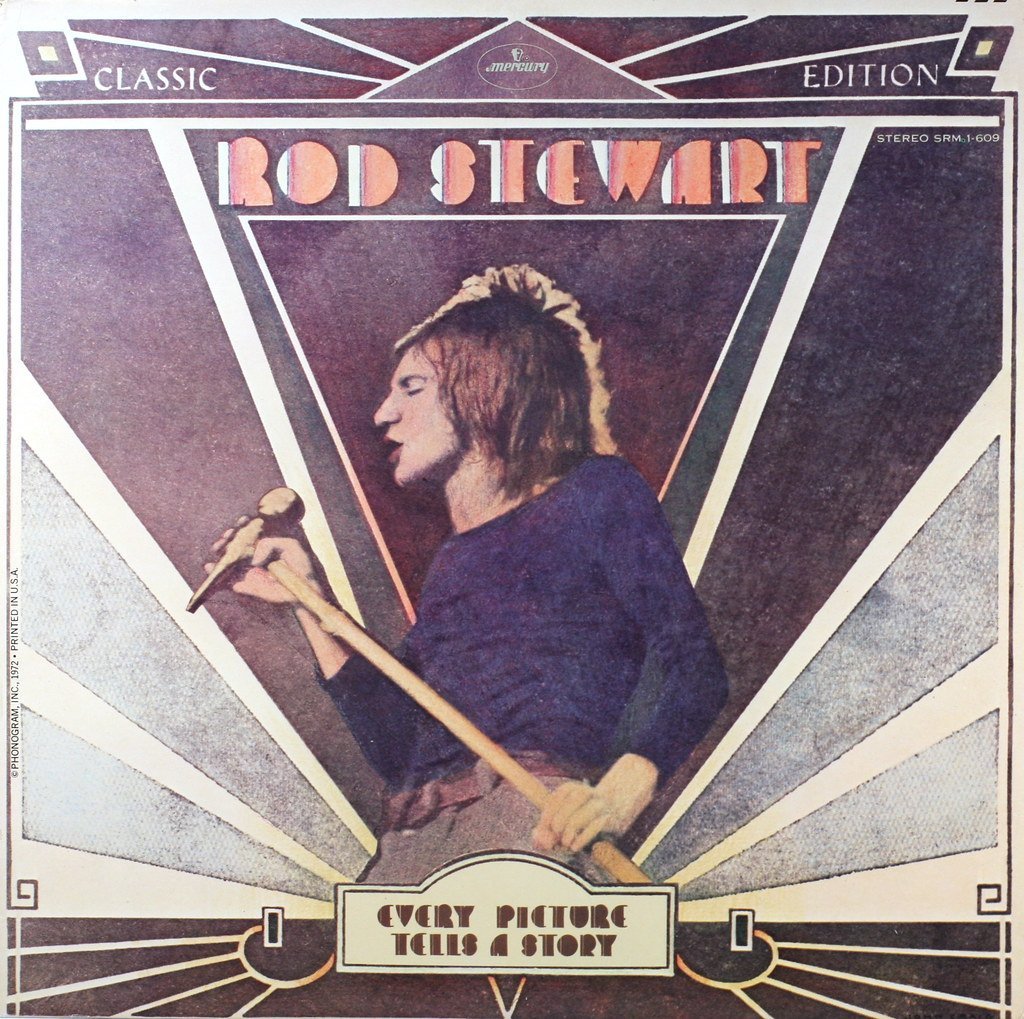
Rod Stewart enjoyed massive success with hits that blended rock and soul, yet one persistent rumor overshadowed his music for years. The tale described him being rushed to the hospital after a wild night that supposedly involved far too many sailors and a stomach that needed pumping. Medical records and statements from those close to him confirm nothing of the sort ever occurred.
The rumor likely grew from a mix of his flamboyant stage persona and the era’s fascination with rock star debauchery. Stewart has laughed it off in later years, noting that the story says more about public appetite for scandal than about his actual life. It remains one of the most repeated and thoroughly debunked anecdotes in pop culture.
Gene Simmons and the Grafted Cow Tongue
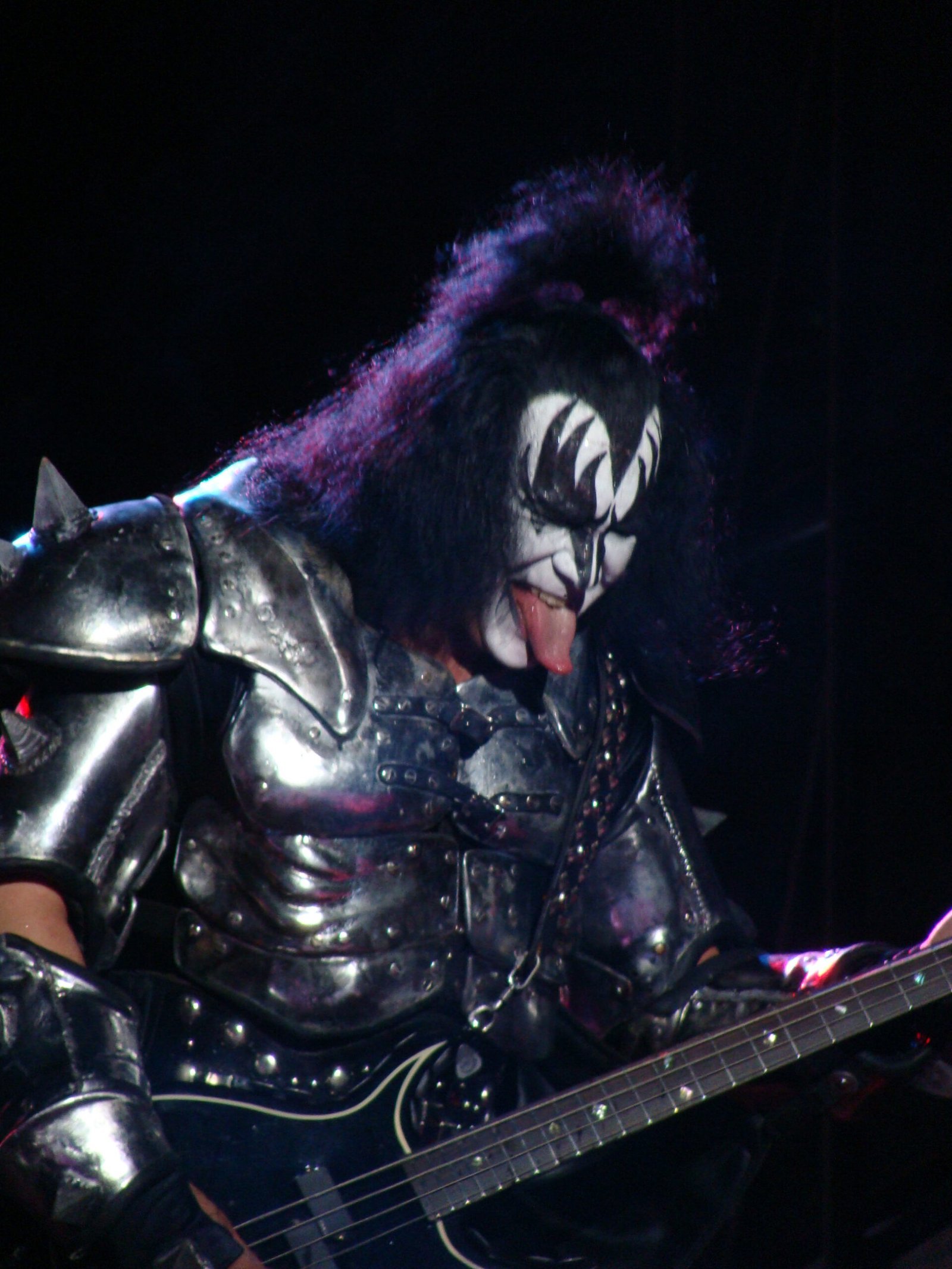
Gene Simmons turned his long tongue into a signature part of Kiss stage shows, often extending it dramatically during performances. Fans long believed he had undergone surgery to attach a cow tongue or some other animal part to achieve the effect. In truth, Simmons simply possesses an unusually long tongue, a trait he was born with and never altered.
The myth added to the band’s theatrical image and helped sell the idea that their look came from extreme measures. Simmons has clarified the point in countless interviews, pointing out that no doctor would perform such a procedure. The story still pops up in fan discussions, illustrating how visual spectacle can fuel creative explanations.
Alice Cooper and the Live Chicken Decapitation

Alice Cooper built his career on shock rock theatrics that included fake blood and props designed to startle audiences. One story insisted he bit the head off a live chicken during a 1969 concert in Toronto. Eyewitness accounts and Cooper himself have confirmed that no such act happened on stage that night or any other.
The rumor started when a chicken was thrown onto the stage and Cooper, unsure what to do, kicked it away. The press ran with a far more gruesome version that fit the band’s horror themed image. Cooper has spent years correcting the record, yet the tale continues to appear in lists of rock’s wildest moments.
Paul McCartney and the Secret Death Hoax

Paul McCartney stood at the center of one of the most elaborate conspiracy theories in music history during the late 1960s. The claim held that he had died in a car crash and been replaced by a look alike, with the remaining Beatles leaving clues in album art and lyrics. McCartney has always been very much alive, and the clues were simply coincidences or fan inventions.
The story gained traction through underground radio shows and campus newspapers at a time when the band was already facing internal tensions. McCartney later addressed the rumor with humor, noting that it boosted sales of the albums in question. The hoax remains a classic example of how creative interpretation can turn ordinary details into supposed evidence.
Roy Orbison and the Myth of Blindness
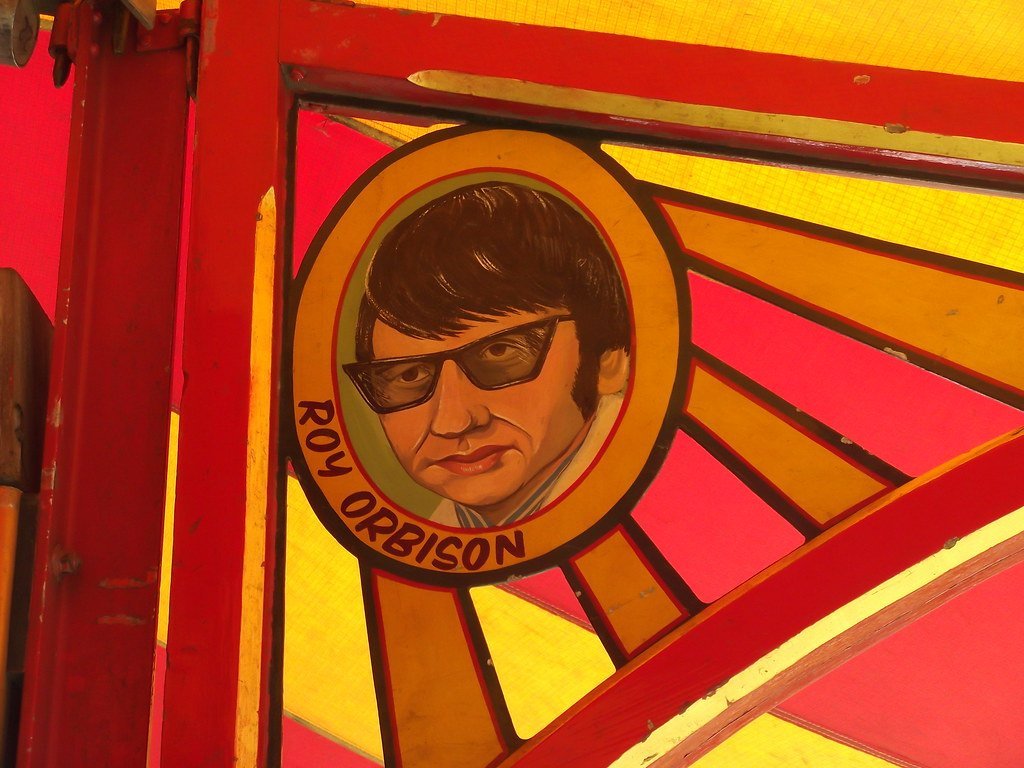
Roy Orbison performed in dark sunglasses and dark clothing, creating an image of quiet intensity that defined his ballads. Many assumed he wore the glasses because he was blind or nearly so. Orbison actually had normal vision and simply preferred the look after losing a pair of regular glasses on a tour.
The sunglasses became part of his stage persona after an accidental start, and he kept them because they suited the mood of his songs. Orbison never corrected the assumption publicly during his lifetime, allowing the myth to add to his mysterious aura. Fans still mention it when discussing his distinctive appearance.
Marilyn Manson and the Removed Ribs

Marilyn Manson cultivated a provocative image that invited all sorts of extreme rumors about his personal life. One story claimed he had ribs surgically removed to achieve greater flexibility for certain activities. No medical evidence or credible testimony supports the claim, and Manson has called it pure invention.
The rumor spread through schoolyards and early internet forums, fitting the shock value of his music and videos. Manson has addressed it directly in interviews, explaining that his appearance comes from makeup and style choices rather than surgery. The tale persists as a testament to how far some stories can travel without any basis.
Kiss and the Satanic Acronym
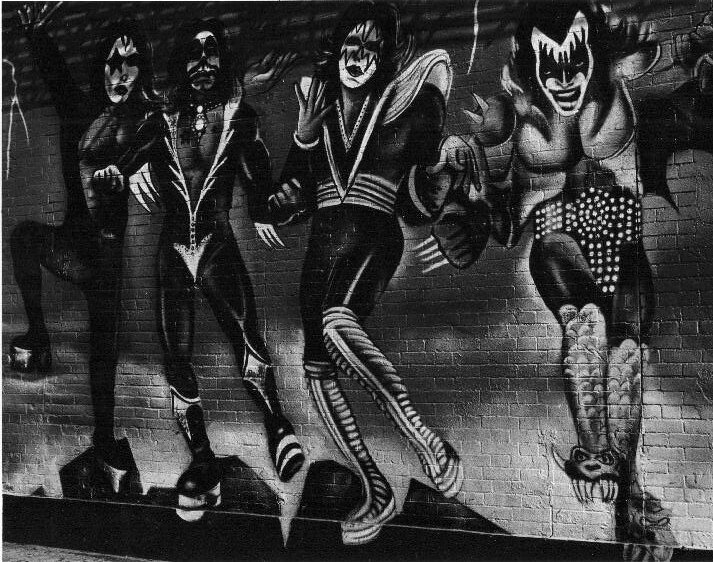
Kiss chose their name for its simplicity and visual punch on album covers and merchandise. A widespread belief held that the letters stood for Knights in Satan’s Service, tying the band to occult themes. The members have always stated that the name came from a simple desire for something short and memorable.
The satanic interpretation gained steam during the 1970s when rock music faced accusations of hidden messages. Gene Simmons and Paul Stanley have repeatedly denied any such meaning, pointing out that the band focused on entertainment rather than ideology. The rumor still surfaces in discussions of rock’s supposed dark side.
Jimi Hendrix and London’s Parakeet Population
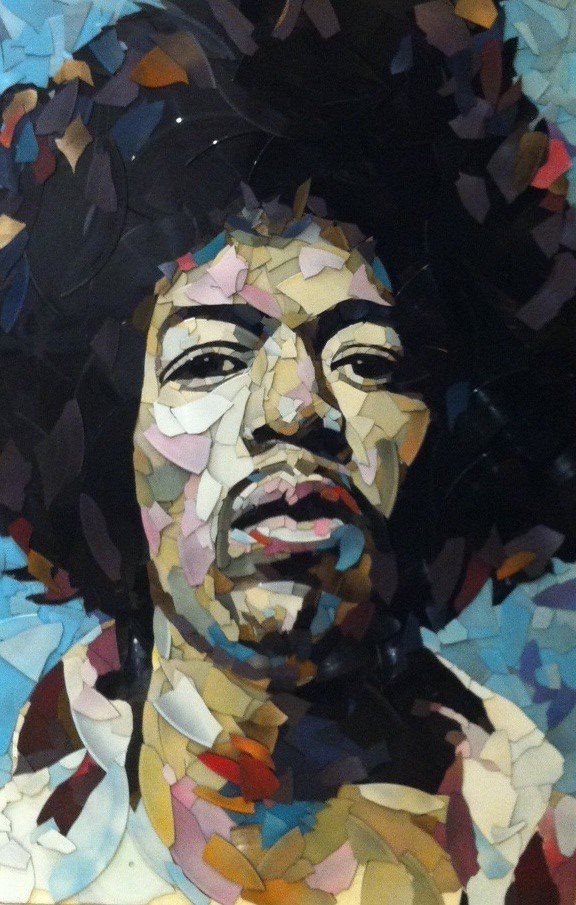
Jimi Hendrix spent time in London during his rise to fame, and bright green parakeets now thrive in parts of the city. The story suggested he released a pair of the birds during a visit, starting the entire wild population. Records show the birds arrived through other means, likely escaped pets or deliberate releases by different people.
The myth attached itself to Hendrix because of his colorful personality and the era’s counterculture vibe. Naturalists have traced the parakeets to earlier introductions, long before Hendrix visited. The tale adds a whimsical chapter to his legend even though it lacks any supporting evidence.
Yoko Ono and the Breakup of the Beatles
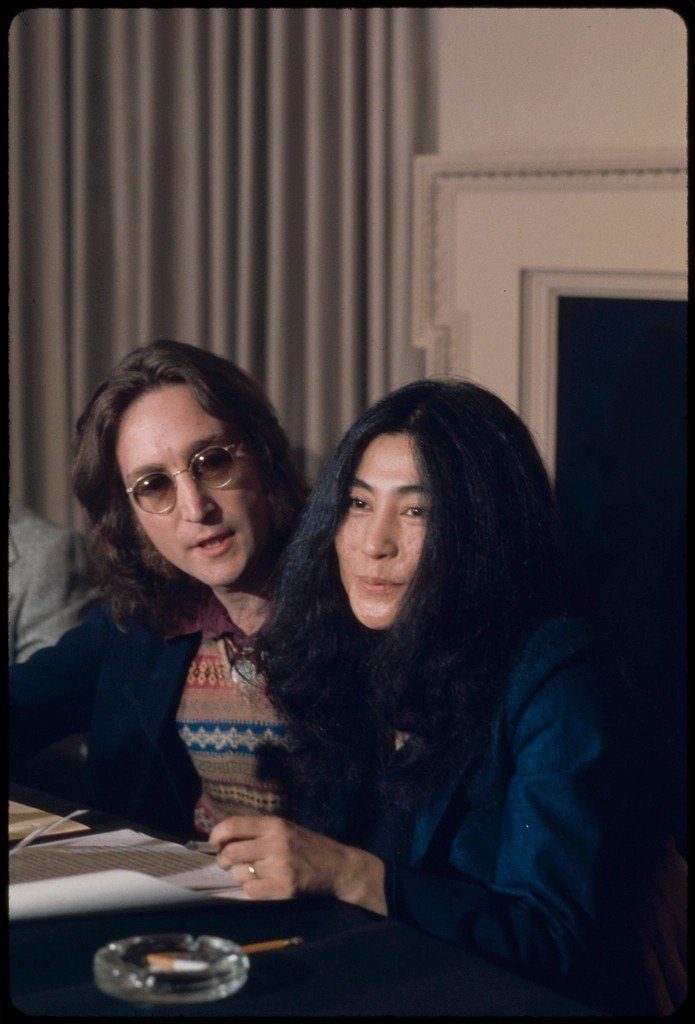
Yoko Ono became a visible presence in John Lennon’s life just as the Beatles faced mounting creative and personal pressures. The common narrative blamed her for driving the band apart and ending their run. In reality, the group had already begun drifting due to individual ambitions, business disputes, and changing musical directions.
Ono’s influence on Lennon was real, yet the breakup resulted from years of internal friction that predated her arrival. The other members have acknowledged in later interviews that the split was inevitable regardless of outside relationships. The story still serves as a shorthand for how one person can become a convenient scapegoat in band histories.
Pink Floyd and the Wizard of Oz Synchronization
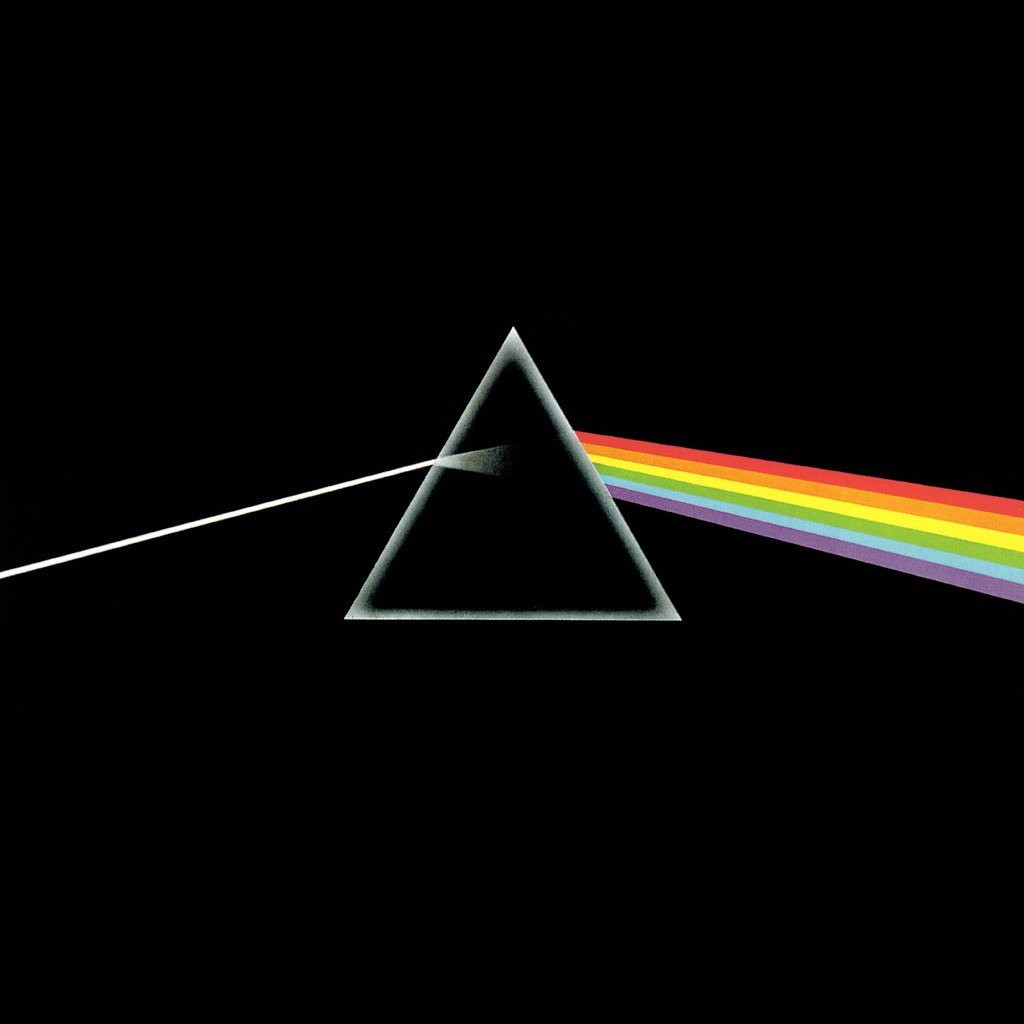
Pink Floyd released The Dark Side of the Moon in 1973, and fans soon noticed striking alignments when playing it alongside the film The Wizard of Oz. The belief spread that the band intentionally crafted the album to match the movie scene by scene. Members of Pink Floyd have stated that no such plan existed and that the matches were pure coincidence.
The idea gained popularity through word of mouth and early online forums, turning a fun observation into supposed proof of hidden genius. The band focused on their own creative process rather than film tie ins. The rumor continues to delight listeners who enjoy testing the theory for themselves.
Stevie Nicks and the Cocaine Habit Myth

Stevie Nicks delivered powerful vocals with Fleetwood Mac during their most successful years. A rumor claimed she used a special straw made from a rolled up hundred dollar bill to fuel a heavy cocaine habit. Nicks has confirmed she struggled with substance issues but never used any such custom tool.
The detail added color to stories of rock excess in the 1970s and 1980s. Nicks addressed the claim in her autobiography and interviews, noting that the truth was already dramatic enough without embellishment. The story lingers in rock lore as an example of how small details get exaggerated over time.
Separating Myth from Reality in Rock Culture

Rock music has always invited larger than life storytelling because the artists themselves often lived on the edge of convention. These myths endure because they reinforce the idea that rock stars operate by different rules than ordinary people. When the facts emerge, they rarely diminish the music or the performers.
Listeners benefit from checking sources and listening to the artists’ own accounts rather than relying on secondhand tales. The real stories of resilience, creativity, and occasional ordinary struggles often prove more compelling than the legends. In the end, the music stands on its own, regardless of the colorful details that surround it.
CEO-Co-Founder
