

- Iconic Cultural Moments Are Not Planned; They Simply Erupt and Resonate. - August 31, 2026
- 10 Classic TV Commercials That Are More Memorable Than the Products They Sold - August 31, 2026
- The Echoes of Past Eras Resurface in Our Modern World in Surprising Ways. - August 30, 2026
The 1960s marked a turning point in how people dressed for music gatherings, with loose silhouettes and bold patterns replacing the structured looks of earlier decades. Those choices reflected a broader shift toward personal freedom and collective celebration at events like Woodstock. Today the same elements surface again at modern festivals, where attendees blend vintage references with current comfort and sustainability priorities.
Fringe and Suede Accents
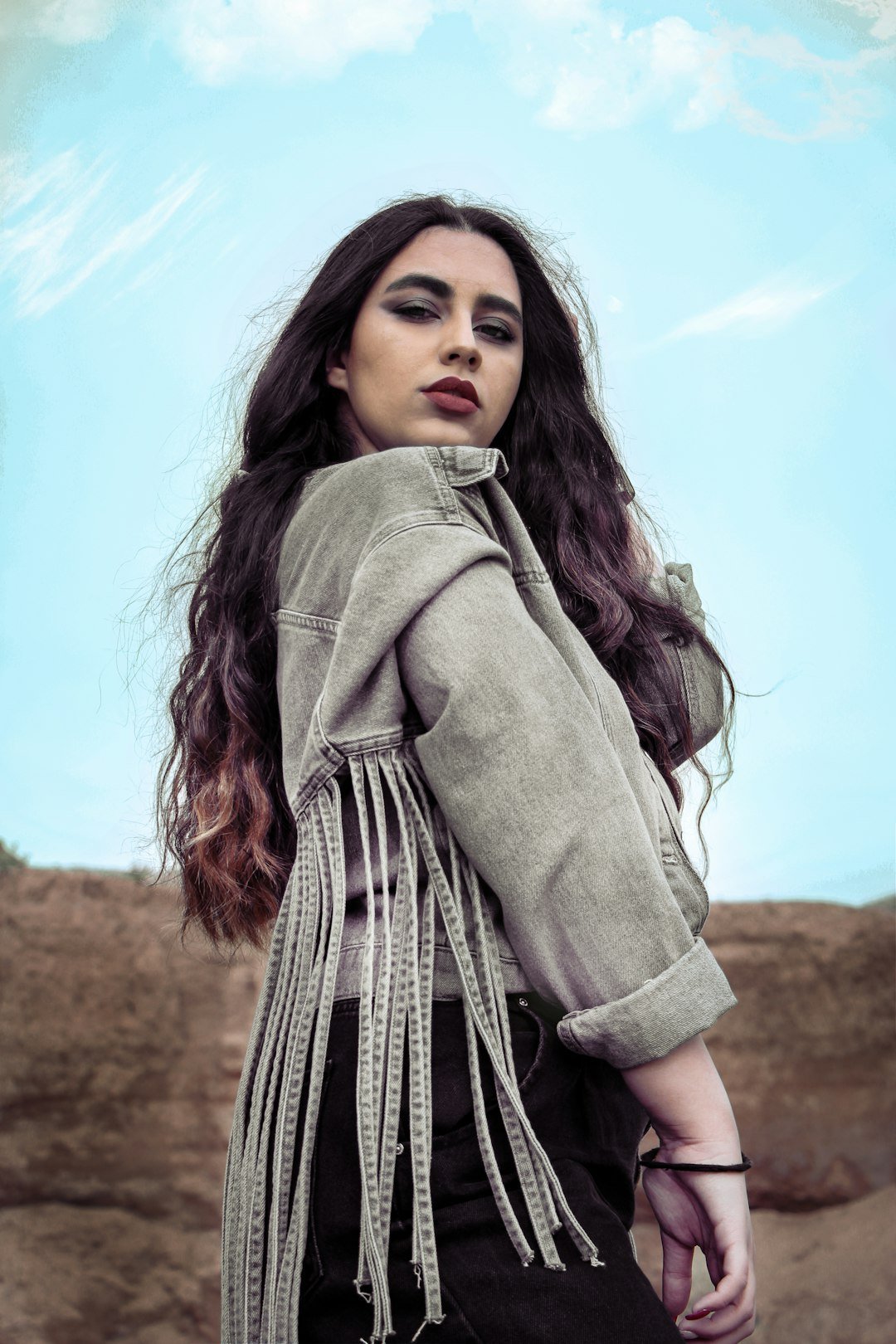
Fringe first appeared on suede vests and jackets during the mid 1960s when musicians and festivalgoers wanted movement and texture that echoed Native American and Western influences. The material aged naturally with wear, giving each piece a lived in quality that matched the era’s emphasis on authenticity over polish.
Contemporary designers now recreate these details in lighter, vegan friendly versions that hold up better during long days outdoors. Shoppers at recent festivals pair the updated fringe with simple denim or flowy dresses, showing how the original rugged look adapts to today’s lighter fabrics and ethical standards.
Tie Dye Patterns
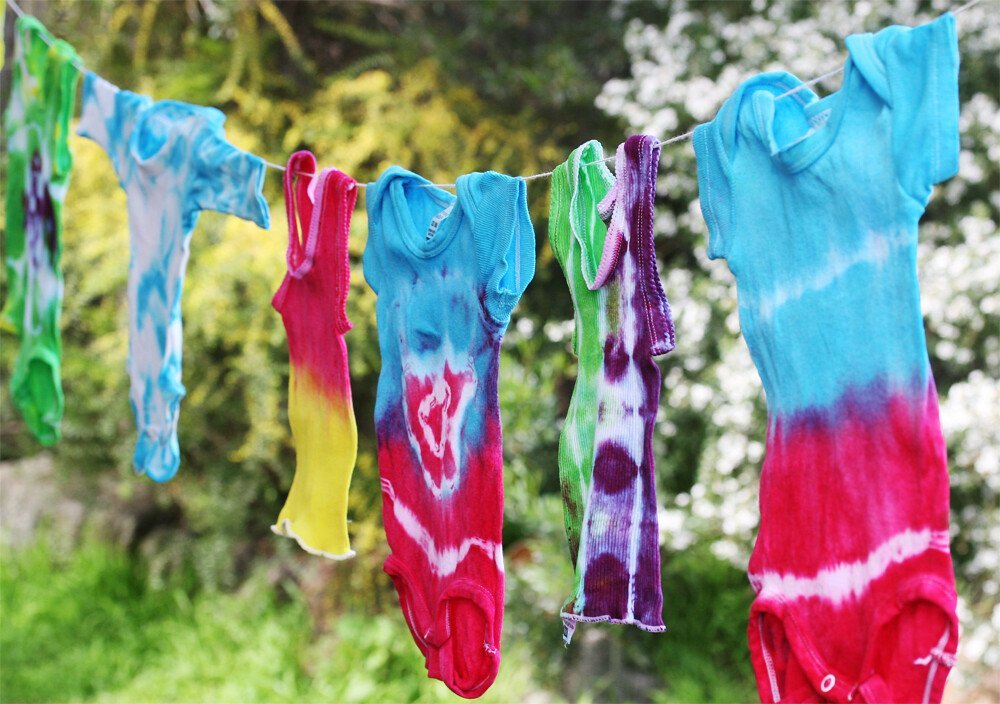
Tie dye gained popularity in the late 1960s as a hands on craft that allowed individuals to create unique shirts and dresses without relying on mass production. The swirling colors captured the psychedelic spirit of the time and required little skill beyond basic household supplies.
Modern versions use improved dyes that resist fading after multiple washes, making the technique practical for repeated festival use. Many brands now offer pre tied pieces in softer palettes that coordinate with neutral basics, keeping the playful energy while fitting current color trends.
Bell Bottom Jeans
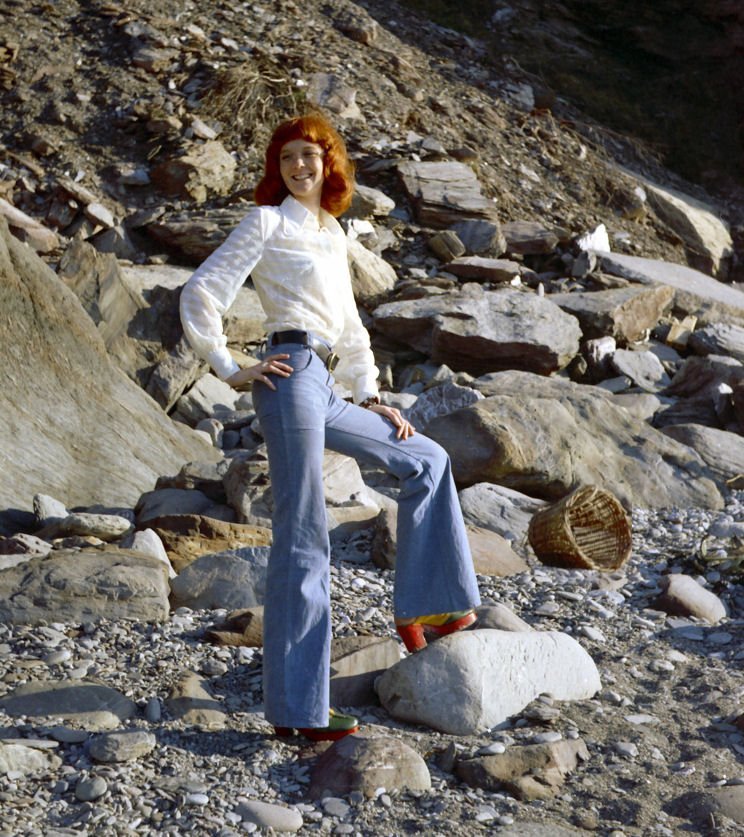
Bell bottoms emerged around 1965 as an extension of sailor pants and quickly became a staple for both men and women attending outdoor concerts. The wide leg allowed easy movement during dancing and provided a dramatic silhouette when paired with fitted tops.
Today’s high waisted versions incorporate stretch denim for all day comfort and often feature subtle distressing that nods to vintage wear without looking overly worn. Festival attendees combine them with cropped tops or oversized shirts, proving the silhouette remains versatile across body types and weather conditions.
Flower Crowns and Headpieces
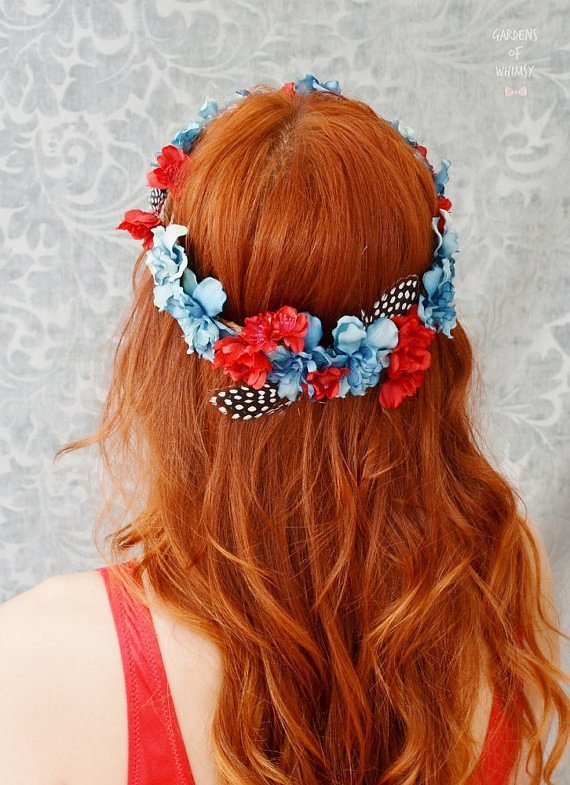
Flower crowns became iconic in the late 1960s when attendees at large gatherings adorned their hair with fresh blooms and ribbons to celebrate nature and peace. The handmade quality turned each crown into a personal statement rather than a uniform accessory.
Current festival versions rely on durable silk or preserved flowers that last through heat and travel, often mixed with metallic accents for evening events. Wearers frequently choose smaller, more wearable sizes that sit comfortably during hours of movement, updating the original idea for practical daily use.
Psychedelic Prints
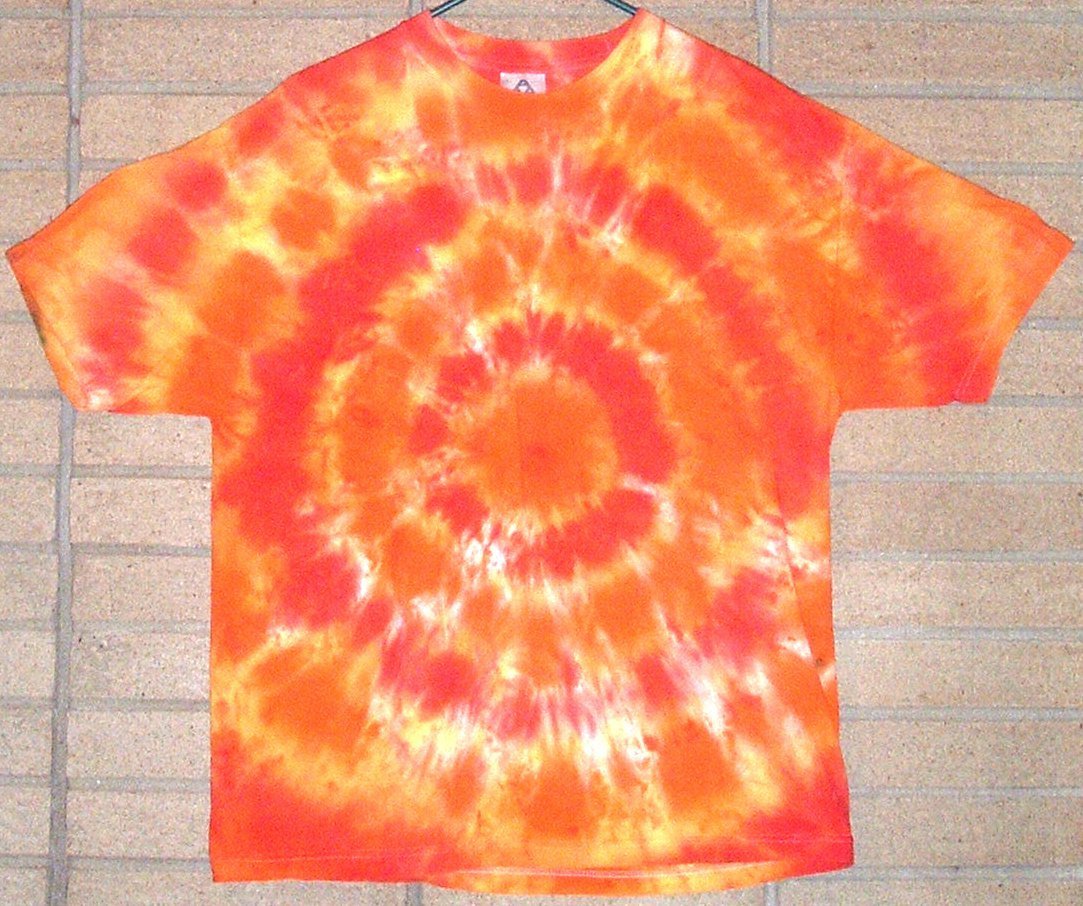
Psychedelic prints exploded in popularity after 1966 with swirling patterns and optical illusions printed on shirts, pants, and even tents at music festivals. Artists drew inspiration from emerging light shows and mind expanding visuals to create clothing that felt alive under stage lights.
Modern prints tone down the intensity with smaller motifs and softer color combinations that photograph well on social media. Brands apply these designs to breathable fabrics suitable for warm weather, allowing the original visual energy to translate into comfortable everyday festival wear.
Go Go Boots
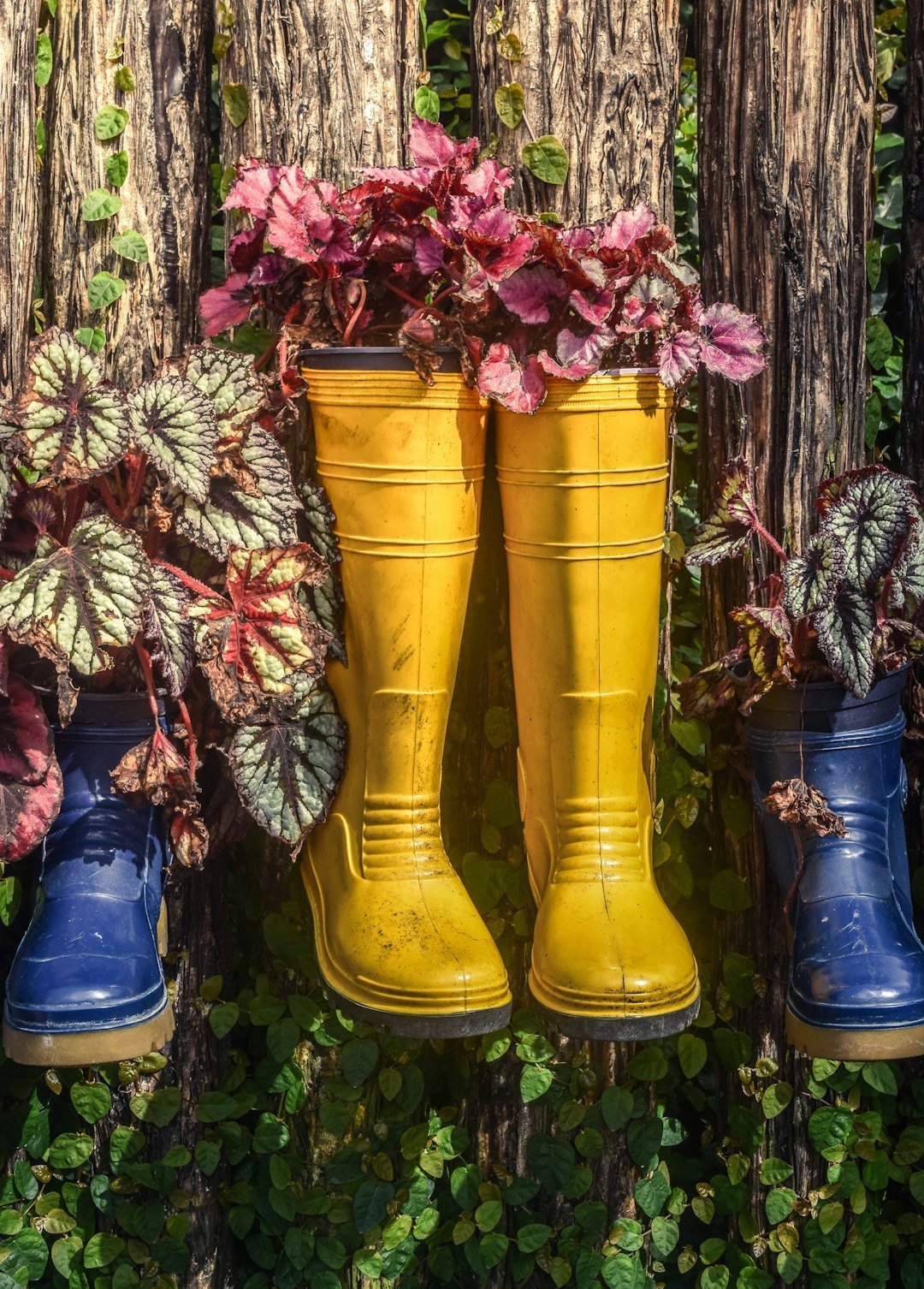
Go go boots rose to prominence in the mid 1960s as knee high white or colored vinyl footwear that offered both style and protection from muddy festival grounds. Their flat heel and easy pull on design made them practical for dancing long into the night.
Updated versions appear in matte leather or recycled materials with added cushioning for extended walking. Festivalgoers now style them with shorts or midi skirts, showing how the original bold shape pairs with a wider range of contemporary outfits.
Mini Dresses and Skirts

Mini lengths became acceptable festival attire after 1965 when hemlines rose dramatically in response to youth culture movements. The short cut allowed freedom of movement and expressed the era’s rejection of restrictive clothing norms.
Current minis often include built in shorts or bike shorts underneath for comfort during active days. Designers use lightweight, quick dry fabrics that maintain the playful proportion while addressing practical needs like sun protection and ease of layering.
Crochet and Macrame Tops
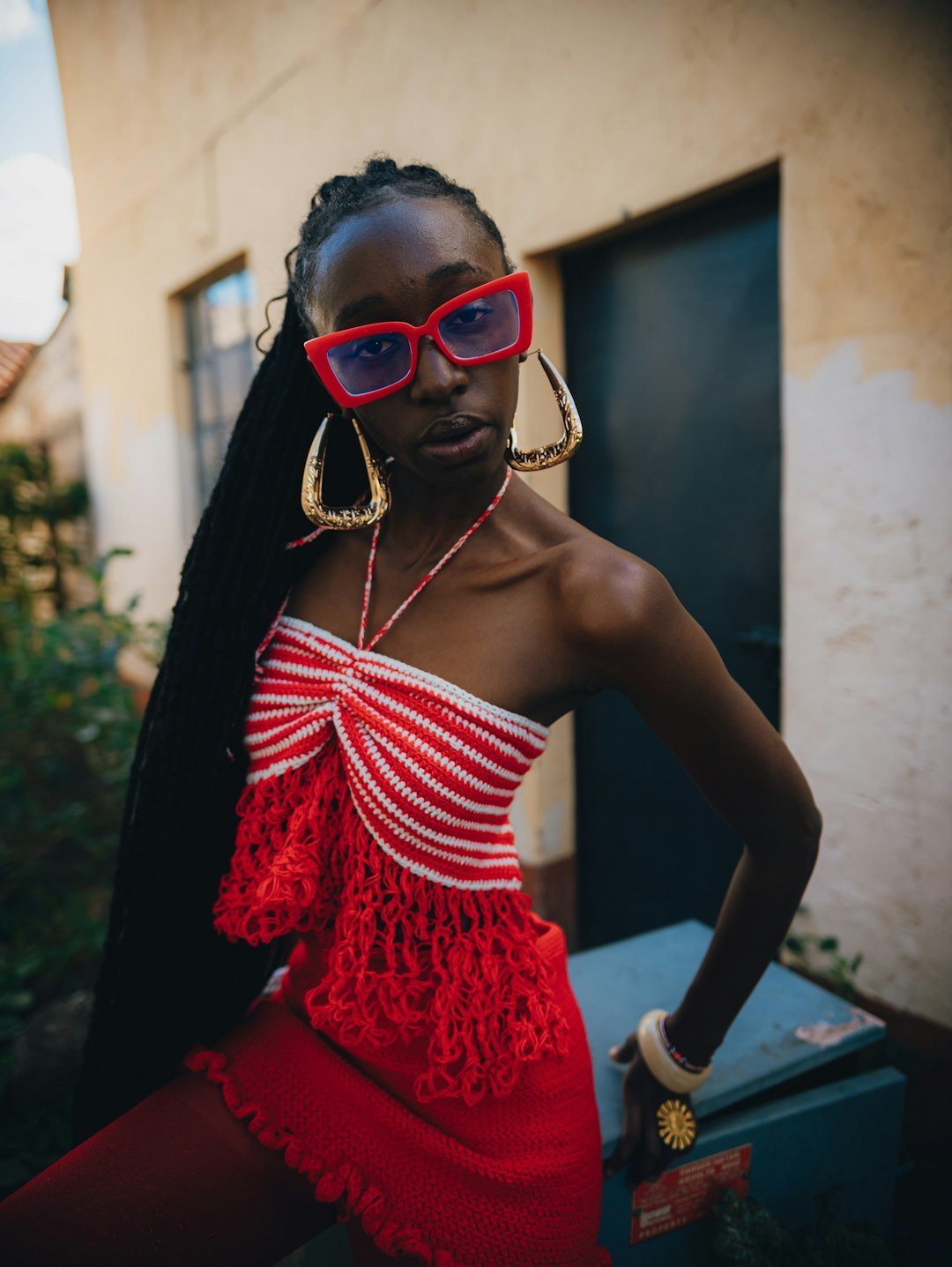
Crochet tops entered festival scenes in the late 1960s as lightweight, breathable layers handmade from cotton or wool. The open stitch created natural ventilation and allowed skin to show through in a modest yet expressive way.
Today’s versions use finer yarns and modern patterns that reduce bulk while keeping the handmade texture. Many include adjustable straps or built in linings, making the style suitable for varied body types and longer wear times at outdoor events.
Bandana Headbands
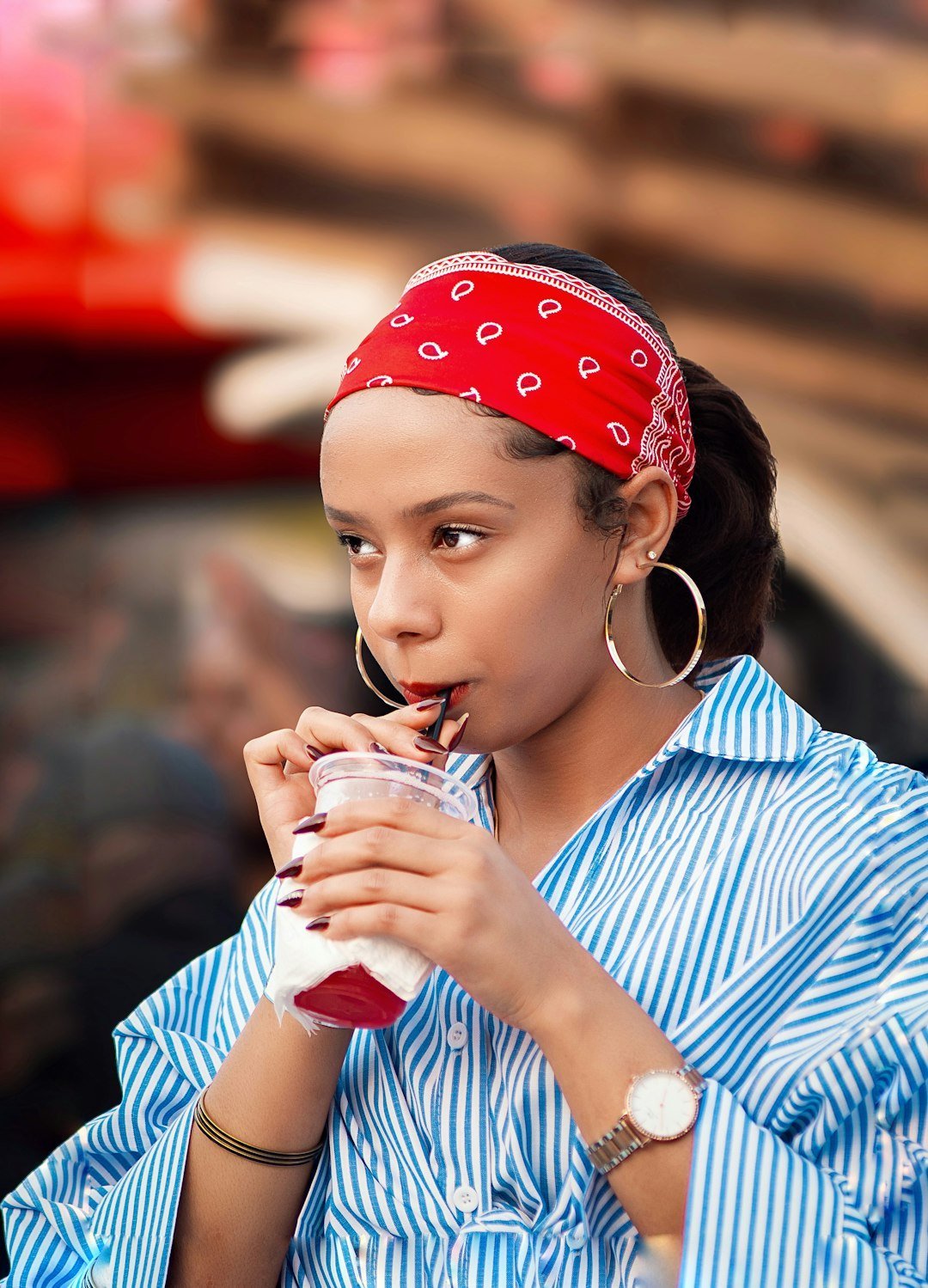
Bandanas served multiple purposes in the 1960s as head coverings, neck scarves, and even makeshift bags during long festival weekends. Their low cost and versatility made them essential for anyone traveling light to remote concert sites.
Modern adaptations appear in softer cotton blends with updated prints that coordinate with current color stories. Wearers fold them into thinner headbands or use them as hair ties, preserving the original utility while fitting neatly into streamlined festival packing lists.
Peace Sign Jewelry and Patches
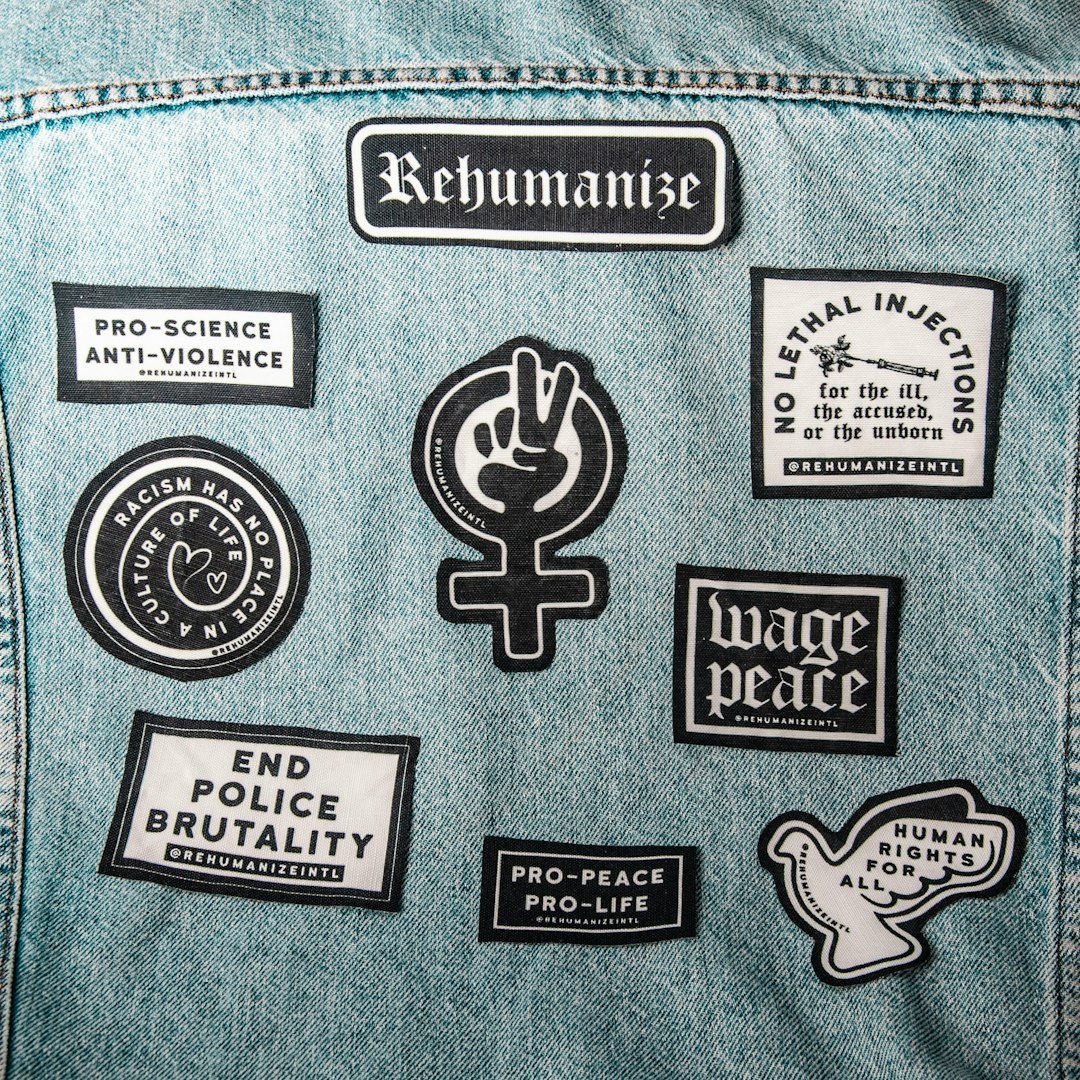
Peace signs became widespread symbols on clothing and accessories after 1967 as festivals grew into larger statements of social values. The simple graphic appeared on everything from buttons to embroidered patches, turning personal style into quiet activism.
Contemporary pieces use recycled metals and enamel for durability against daily wear. Festival attendees mix the symbols with minimalist chains or place patches on denim jackets, keeping the original message visible without overwhelming an otherwise neutral outfit.
The Enduring Pull of 60s Festival Style
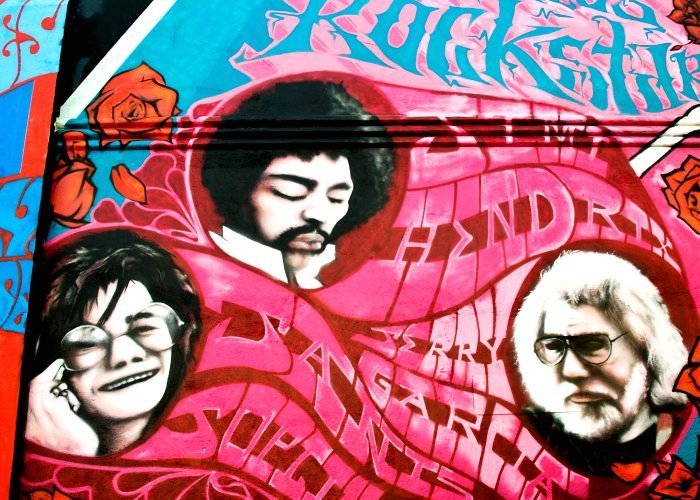
These ten elements continue to shape how people approach festival dressing because they balance visual impact with genuine comfort. The original choices grew from a desire for self expression during a time of social change, and that core appeal remains relevant decades later.
Designers and wearers alike keep returning to the decade’s ideas because they adapt easily to new fabrics, ethics, and lifestyles. The result is a style language that feels both nostalgic and forward looking, ready for whatever the next gathering brings.

Besides founding Festivaltopia, Luca is the co founder of trib, an art and fashion collectiv you find on several regional events and online. Also he is part of the management board at HORiZONTE, a group travel provider in Germany.
