


- Iconic Cultural Moments Are Not Planned; They Simply Erupt and Resonate. - August 31, 2026
- 10 Classic TV Commercials That Are More Memorable Than the Products They Sold - August 31, 2026
- The Echoes of Past Eras Resurface in Our Modern World in Surprising Ways. - August 30, 2026
Many listeners enjoy their favorite tracks for the melody or the chorus that sticks in the head. Yet behind those familiar sounds often lie unexpected origins that shift the entire experience once revealed.
These details come from the artists own accounts and documented moments in music history. They turn casual listens into something more layered and personal.
Smells Like Teen Spirit by Nirvana
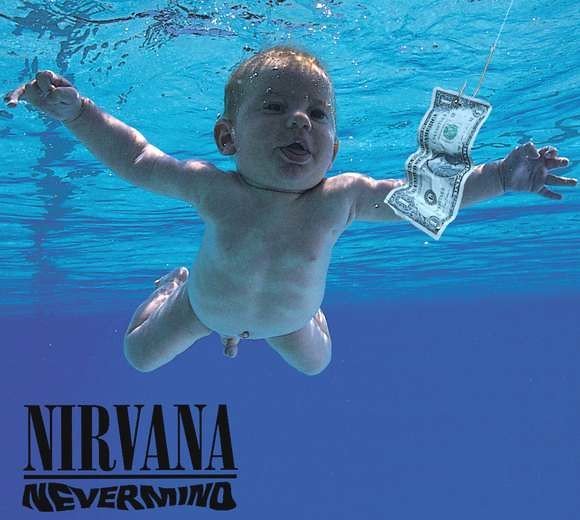
The title of this 1991 anthem traces back to a simple joke between friends. Kurt Cobain’s bandmate Kathleen Hanna spray painted the phrase on his wall after noting that he smelled like a popular women’s deodorant brand worn by his girlfriend at the time.
Cobain took the words at face value as a bold statement about youth rebellion. That misunderstanding fueled the raw energy of the track and gave it an edge that still resonates in live performances today.
Bohemian Rhapsody by Queen
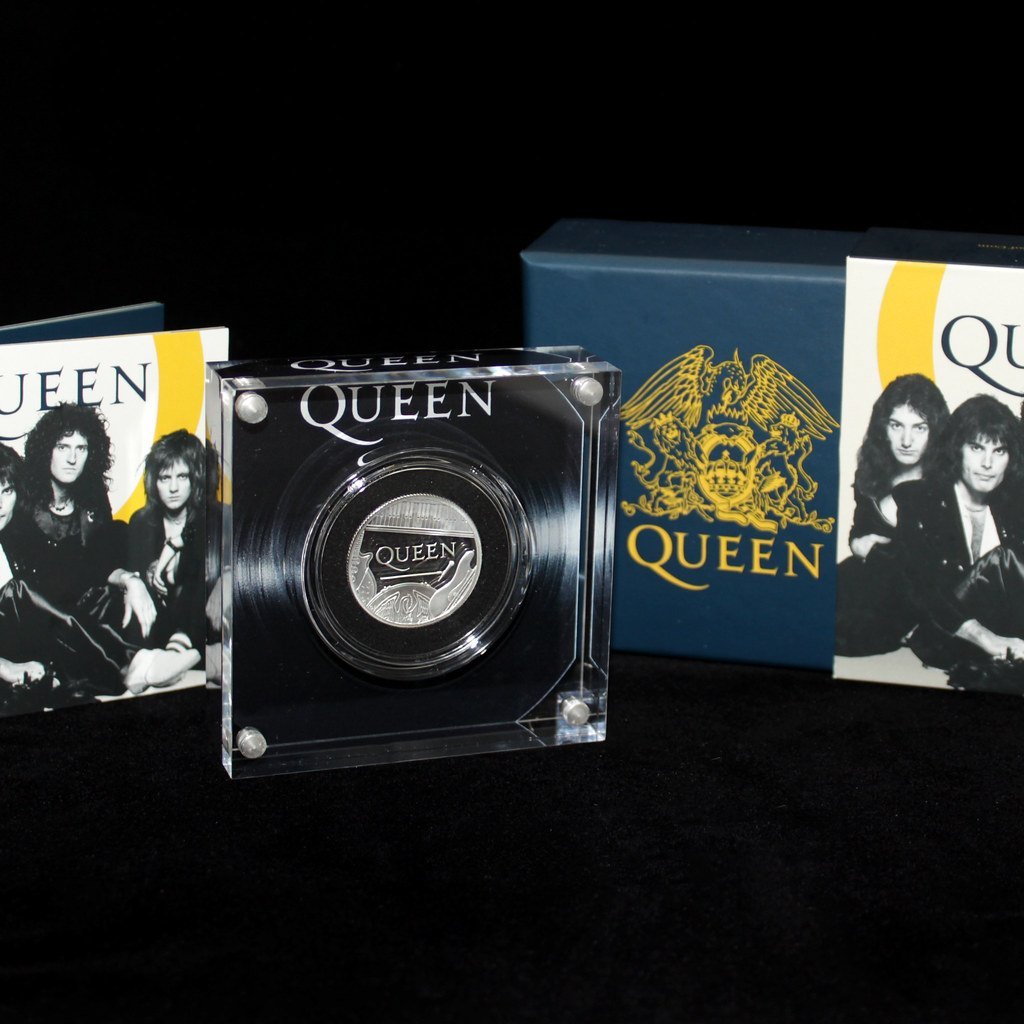
Freddie Mercury kept a piano right at the head of his bed. He would often wake in the middle of the night and work out ideas for songs whenever inspiration hit.
This habit helped shape the complex structure of the six minute epic. Knowing that detail makes the operatic shifts feel even more like fragments of a restless creative mind rather than a polished studio product.
Imagine by John Lennon
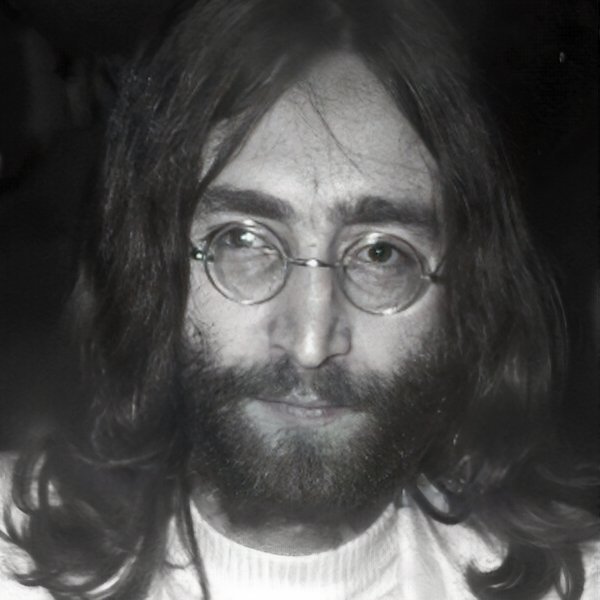
John Lennon drew from political ideas when crafting the lyrics. The song envisions a world without borders or possessions in a way that echoes certain ideological views from the era.
Listeners often treat it as pure optimism. The underlying commentary adds weight to lines about unity and makes repeated plays feel like quiet calls for reflection instead of simple feel good anthems.
Hotel California by the Eagles
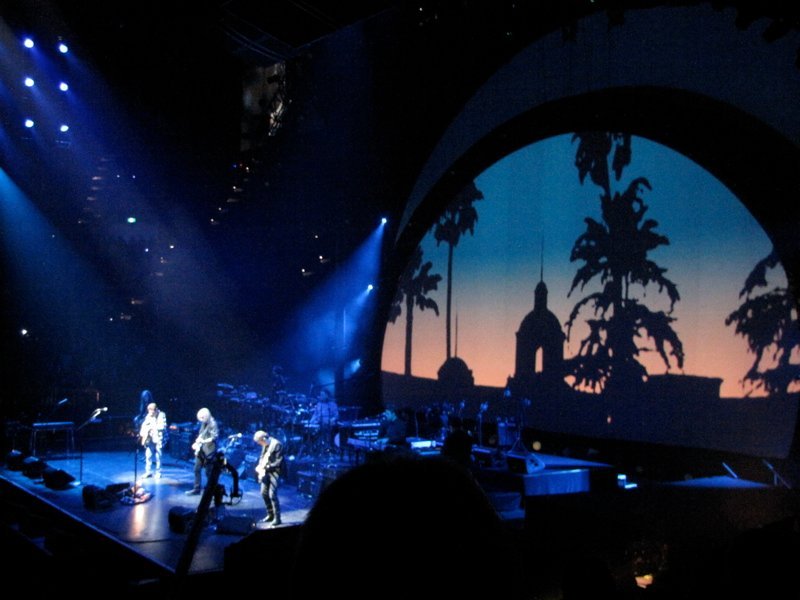
The track captures the excesses of life in Los Angeles during the 1970s. Band members have described it as a commentary on the seductive yet trapping nature of fame and indulgence in that scene.
Once that context settles in the final guitar solo takes on a darker tone. The song moves from a catchy rock staple to a subtle warning about the cost of chasing certain dreams.
Hallelujah by Leonard Cohen
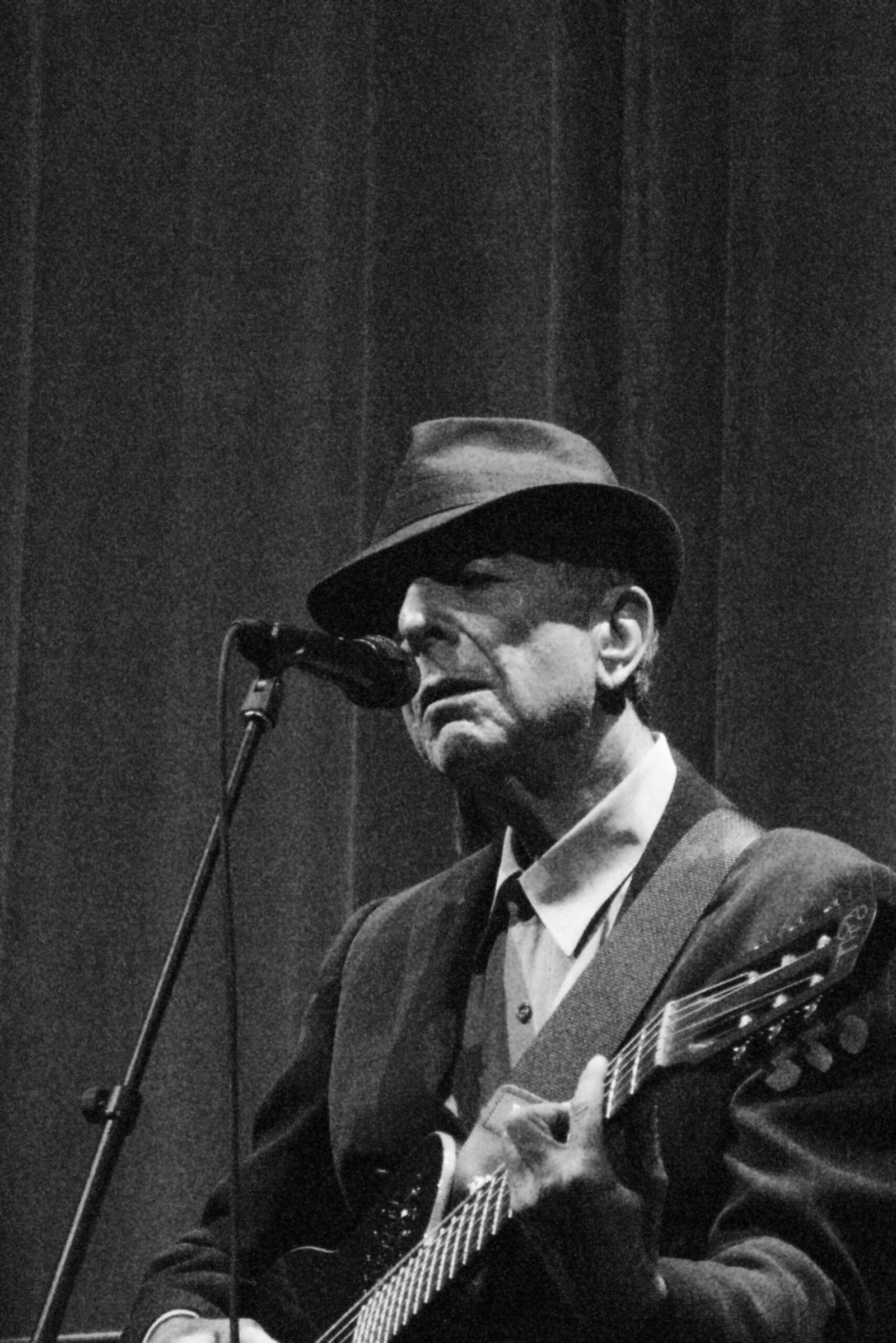
Leonard Cohen based parts of the song on a real encounter with Janis Joplin. The two crossed paths at a New York hotel and that brief meeting influenced some of the raw emotion in the verses.
The many cover versions gain extra depth when this personal thread surfaces. The lyrics shift from abstract poetry to something rooted in lived moments of connection and loss.
Wonderwall by Oasis

Noel Gallagher wrote the entire song in about thirty minutes on an acoustic guitar. He later said the melody and words flowed out almost without effort during a quiet session.
That quick creation explains the straightforward yet memorable hook. Fans who know the story often hear the track as a snapshot of spontaneous inspiration rather than a labored hit.
Yesterday by the Beatles
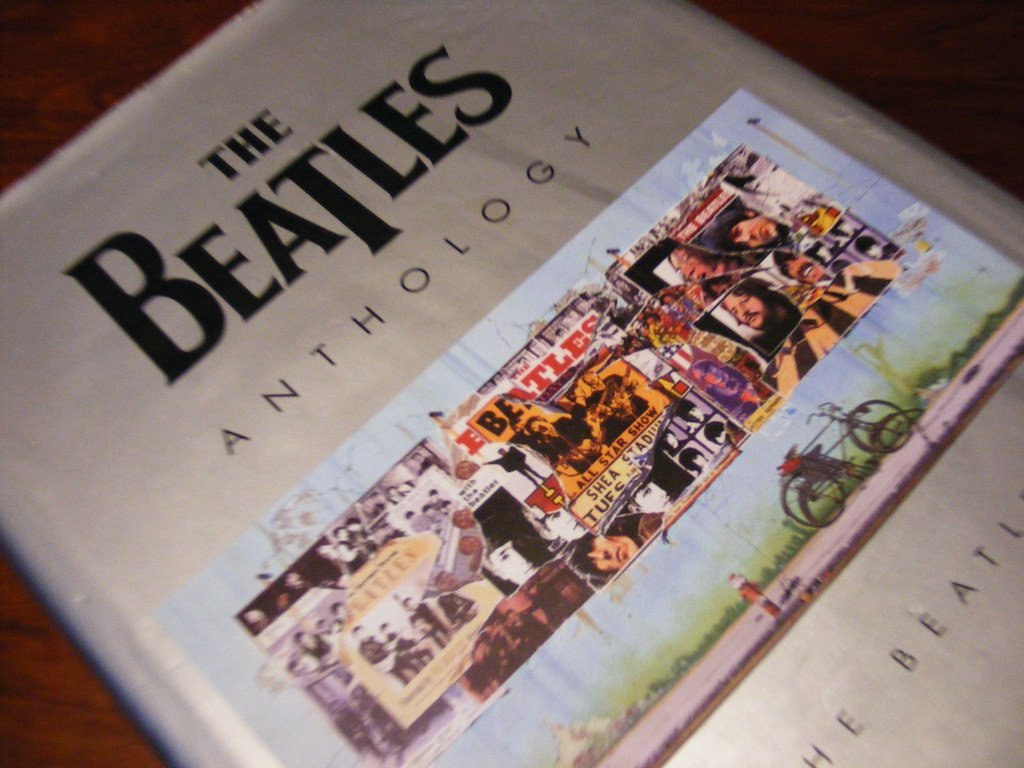
Paul McCartney woke up one morning with the melody already in his head. He spent weeks asking friends if they recognized the tune because he feared he had simply remembered someone else’s work.
The string quartet arrangement came later in the studio. This origin story turns the gentle ballad into evidence of how songs can arrive fully formed from the subconscious.
The Sound of Silence by Simon and Garfunkel
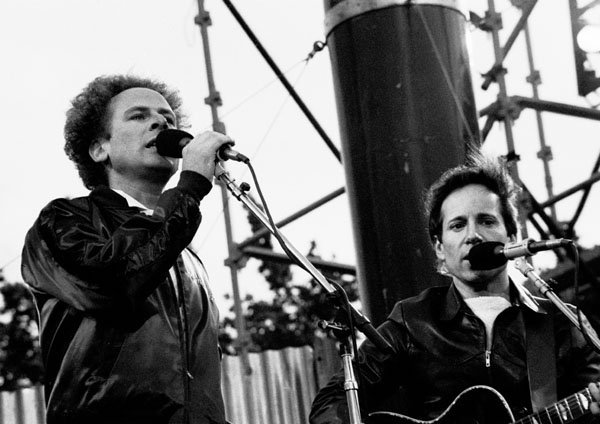
The song grew out of a period when the duo felt disconnected from the world around them. Paul Simon wrote it after a late night walk through an empty city street that left him pondering isolation.
Its quiet build and echoing production mirror that sense of distance. The track becomes less about nostalgia and more about the universal search for genuine connection in modern life.
Like a Rolling Stone by Bob Dylan
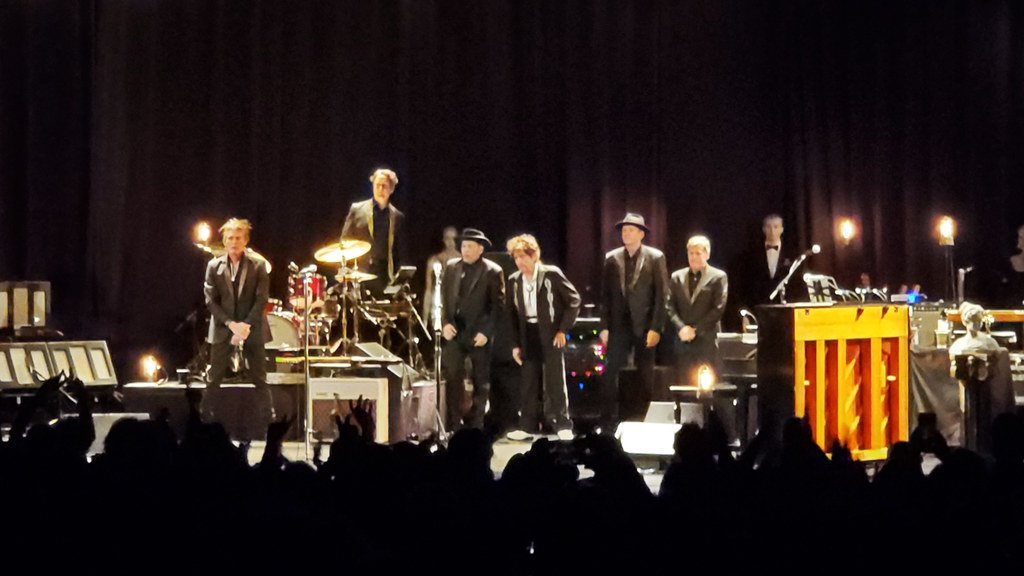
Bob Dylan recorded the song after a motorcycle accident that forced him to slow down. The long take captured a raw energy that reflected his changing perspective on fame and freedom.
The six minute length was unusual for radio at the time. Hearing it now highlights how the track pushed boundaries and invited listeners to confront their own assumptions about success.
Purple Rain by Prince
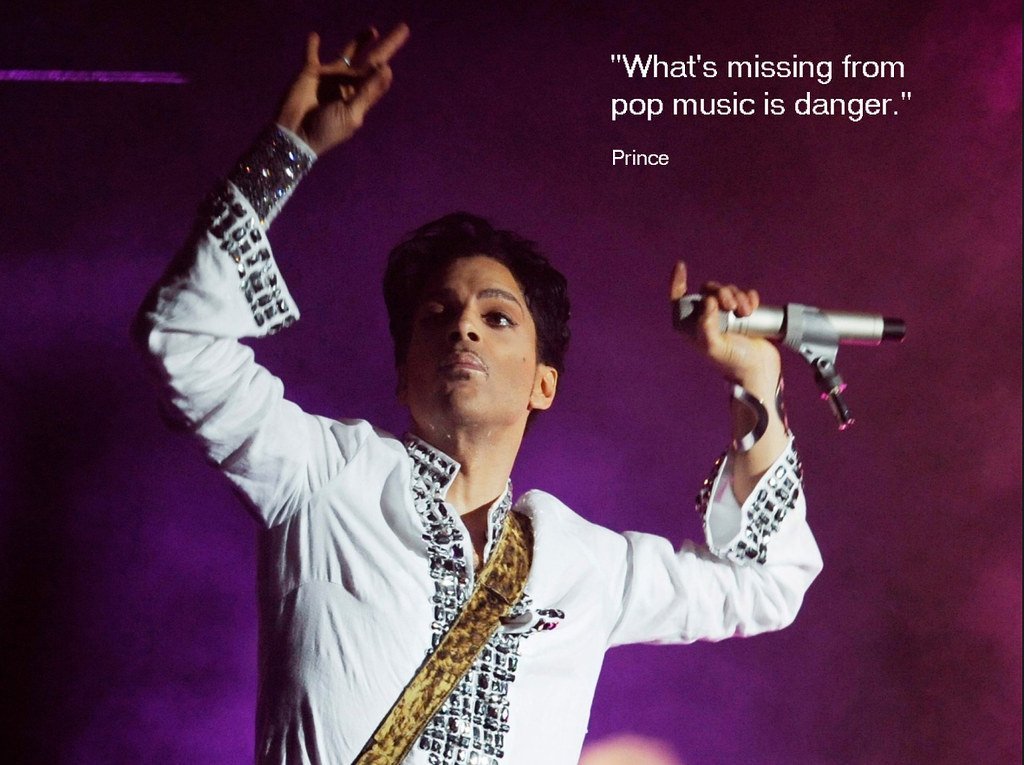
Prince developed the song during a time of personal and professional transition. He drew from gospel influences and his own experiences with loss to create the sweeping emotional arc.
The live performances often stretched the track into extended jams. That background makes the studio version feel like a condensed moment of catharsis rather than just a power ballad.
Sweet Child o’ Mine by Guns N’ Roses
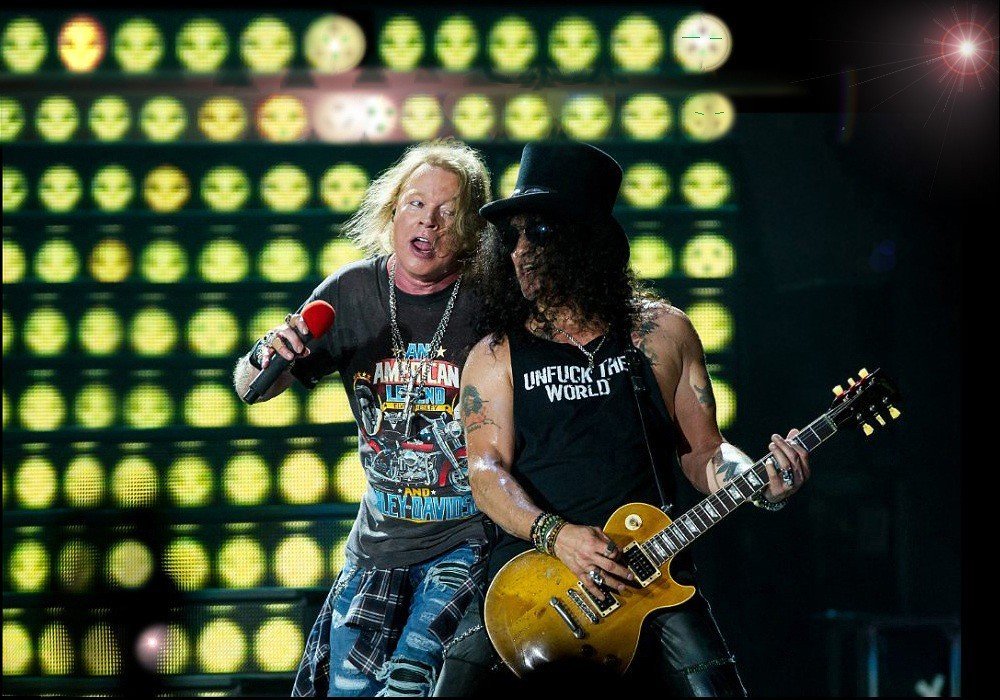
The iconic guitar riff started as a warm up exercise between Slash and Izzy Stradlin. They built the rest of the song around that playful pattern during a casual rehearsal.
The lyrics came from Axl Rose’s relationship at the time. Knowing the casual start turns the soaring chorus into a reminder of how small ideas can grow into lasting anthems.
Losing My Religion by R.E.M.
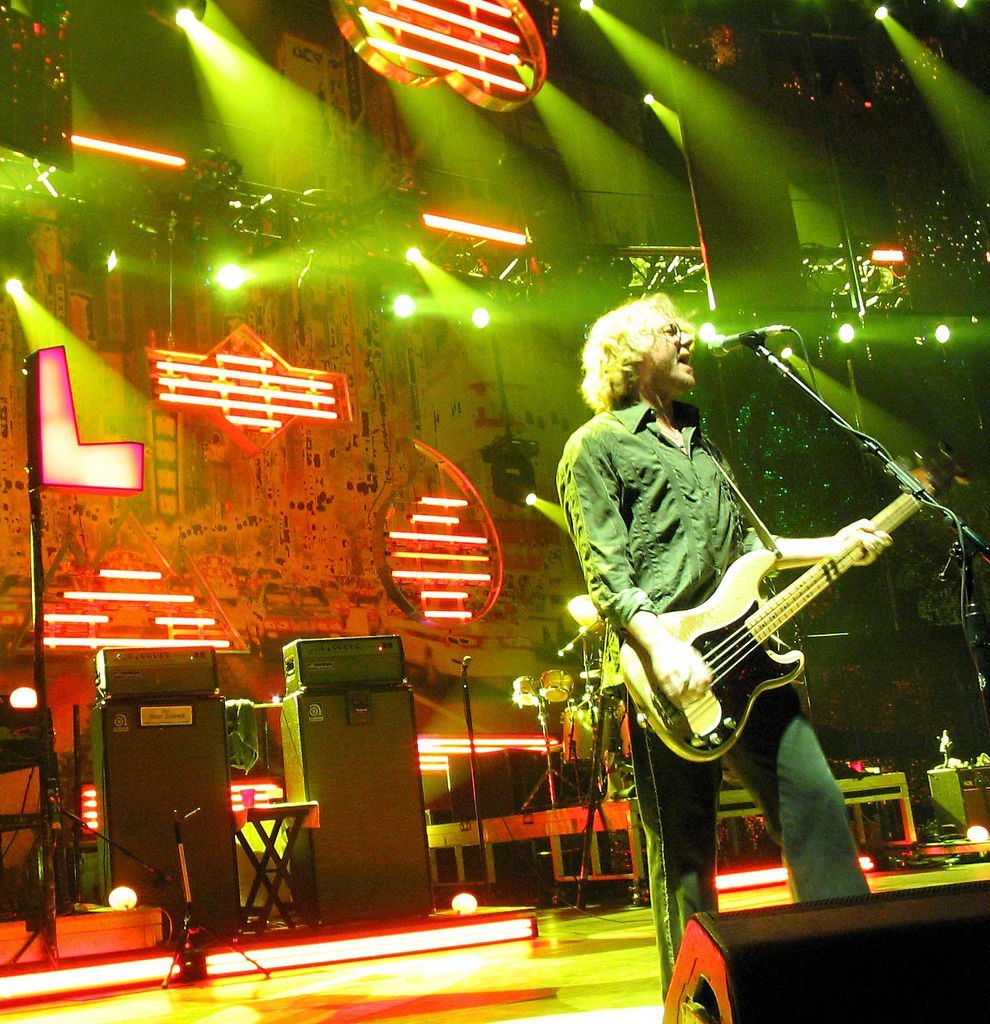
The phrase refers to an old Southern expression for frustration rather than any religious crisis. Michael Stipe used it to capture the feeling of losing patience in a strained relationship.
The mandolin driven sound adds an unexpected folk layer. This detail shifts the song from a mysterious hit to a clear portrait of emotional unraveling.
Blackbird by the Beatles
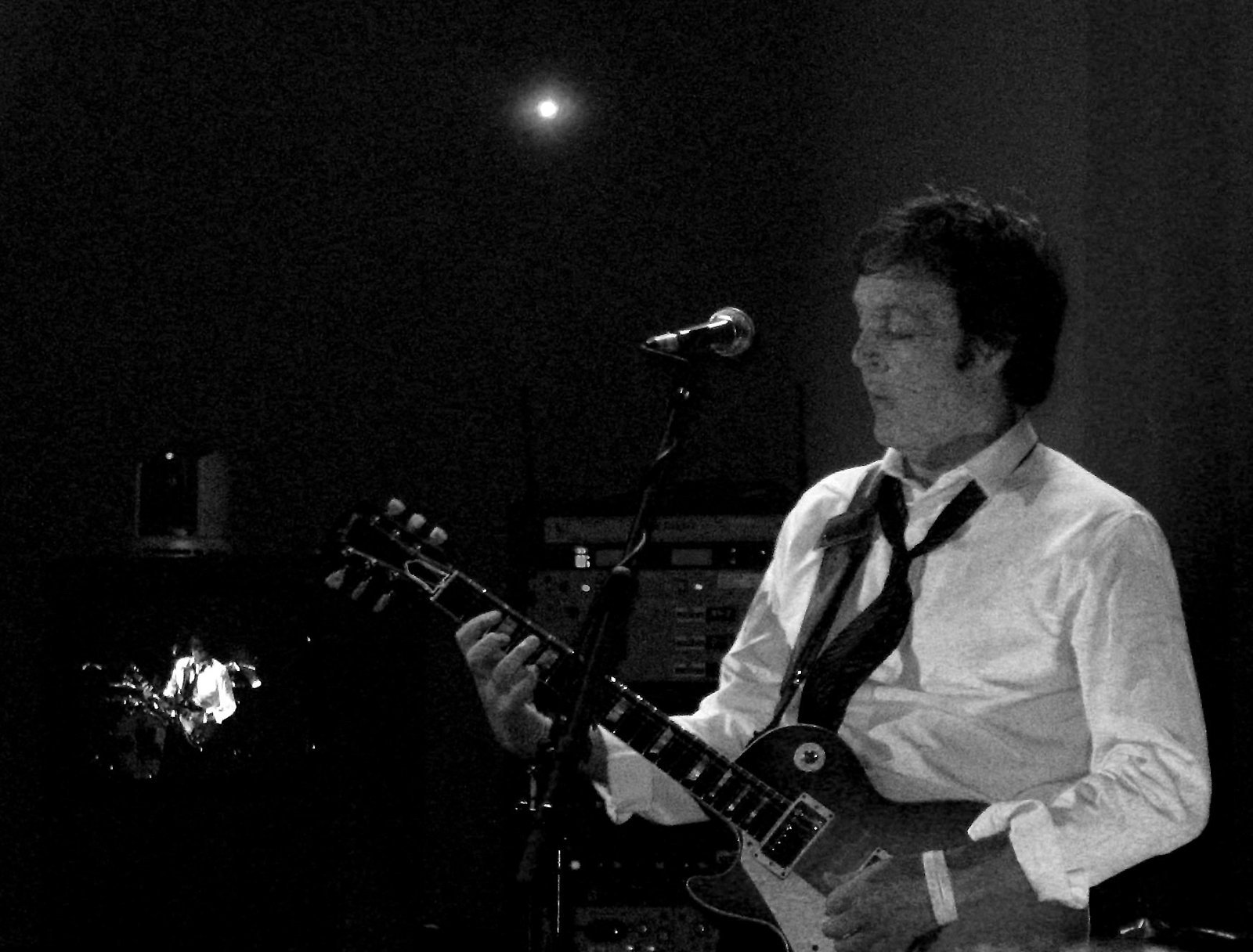
Paul McCartney wrote the song in response to civil rights struggles in the United States. He drew inspiration from news reports about the challenges facing Black Americans during that period.
The simple acoustic arrangement keeps the focus on the message. Listeners who catch this context often find new layers of hope and resilience in the gentle melody.
The Dock of the Bay by Otis Redding
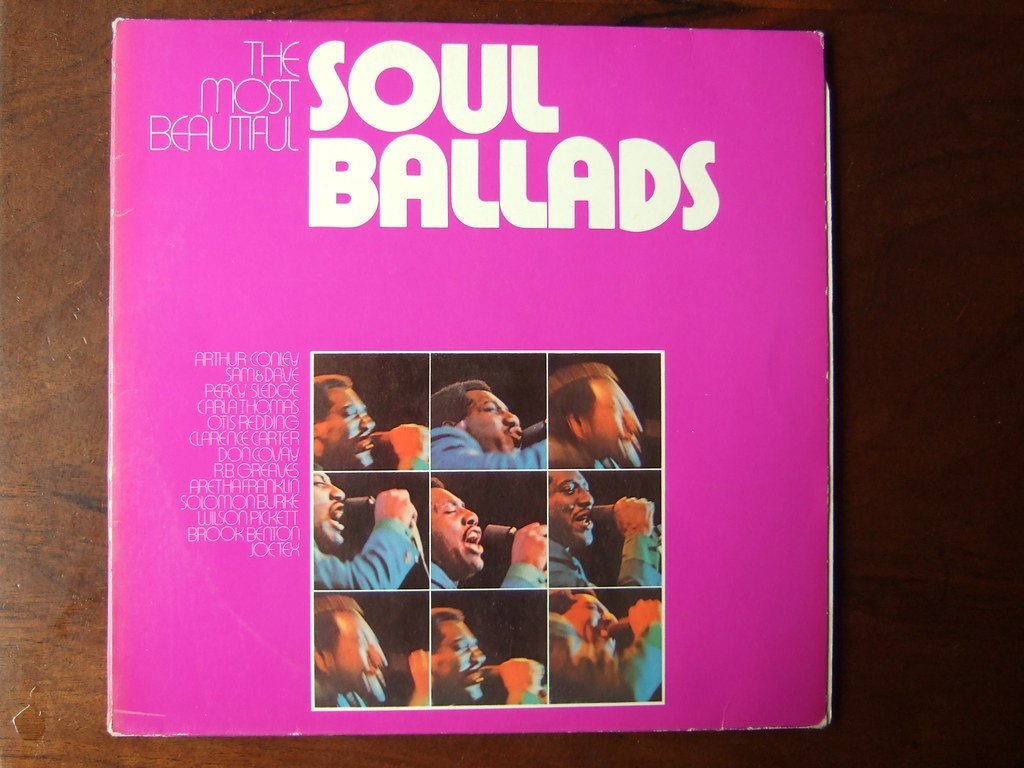
Otis Redding wrote the song after throat surgery that changed his voice. He wanted something that suited his new range and recorded it shortly before his death.
The whistling at the end was a placeholder that stayed in the final mix. That unplanned element gives the track a wistful quality that feels even more poignant with the full story.
Closing Time by Semisonic
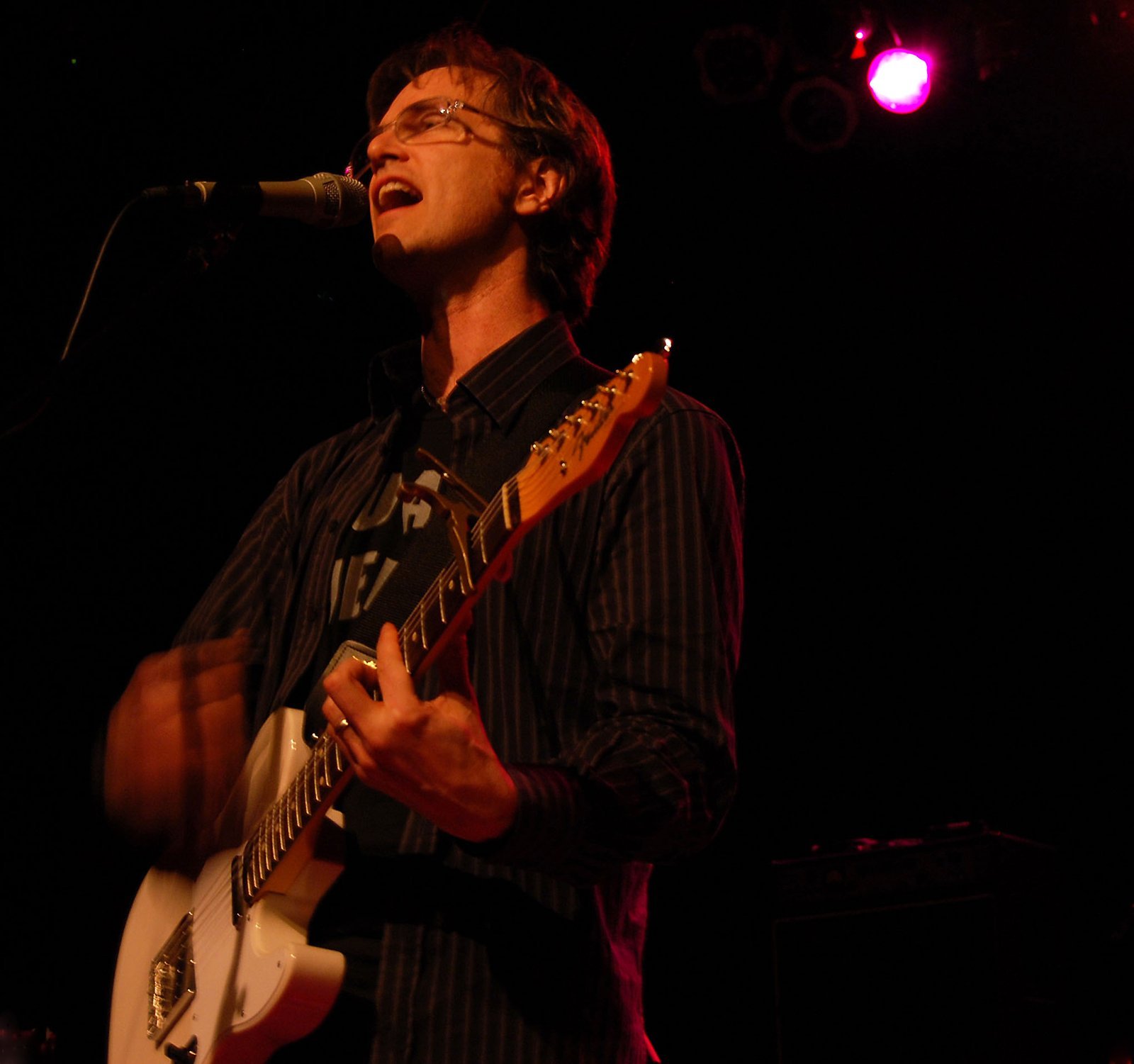
Dan Wilson wrote the song about the birth of his daughter rather than a bar closing. The lyrics use the idea of leaving one place for another as a metaphor for new beginnings.
Its use in clubs and parties came later. The original intent adds a tender dimension that makes the upbeat rhythm feel like quiet celebration instead of just a party staple.
Conclusion

These stories show how songs carry layers that go beyond the surface. A single detail can turn a familiar tune into a richer experience that rewards repeated listens.
Over time that added context builds a deeper connection to the music. It reminds listeners that every track holds its own quiet history waiting to be noticed.

Besides founding Festivaltopia, Luca is the co founder of trib, an art and fashion collectiv you find on several regional events and online. Also he is part of the management board at HORiZONTE, a group travel provider in Germany.
