
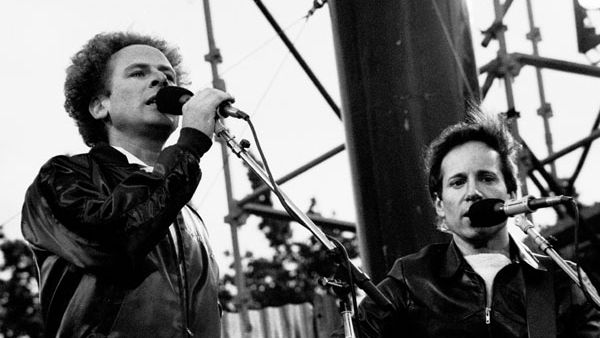
Many songs from the 1960s through the 1980s arrived with catchy hooks and radio play that made them instant favorites. Listeners at the time often took the surface story at face value, humming along without catching the sharper edges underneath. Only later, with more years behind them, did the fuller picture come into focus.
Born in the U.S.A. by Bruce Springsteen
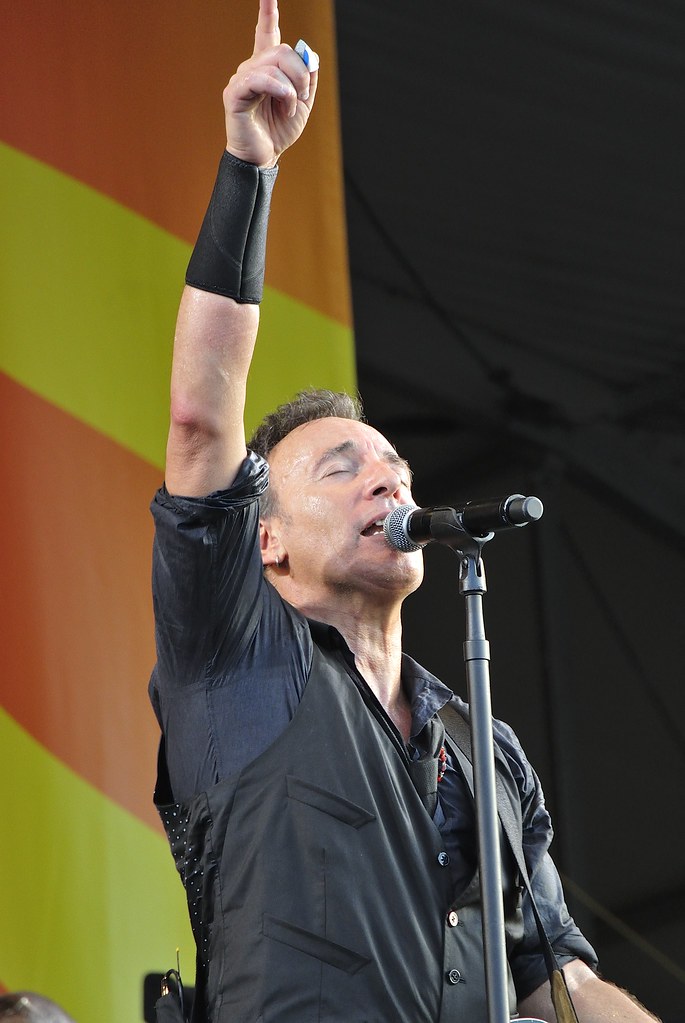
At first many heard the pounding chorus as a straightforward celebration of American pride. The driving beat and repeated title line fit right into parades and rallies without much question. Springsteen wrote it after meeting veterans who returned from Vietnam broken and forgotten.
The verses lay out the story of a working class man sent to war, then left with no job and lasting scars. That contrast turns the song into a pointed look at how the country treats its own. Hearing it now reveals a raw frustration that still lands with anyone who has watched promises fall short.
American Pie by Don McLean
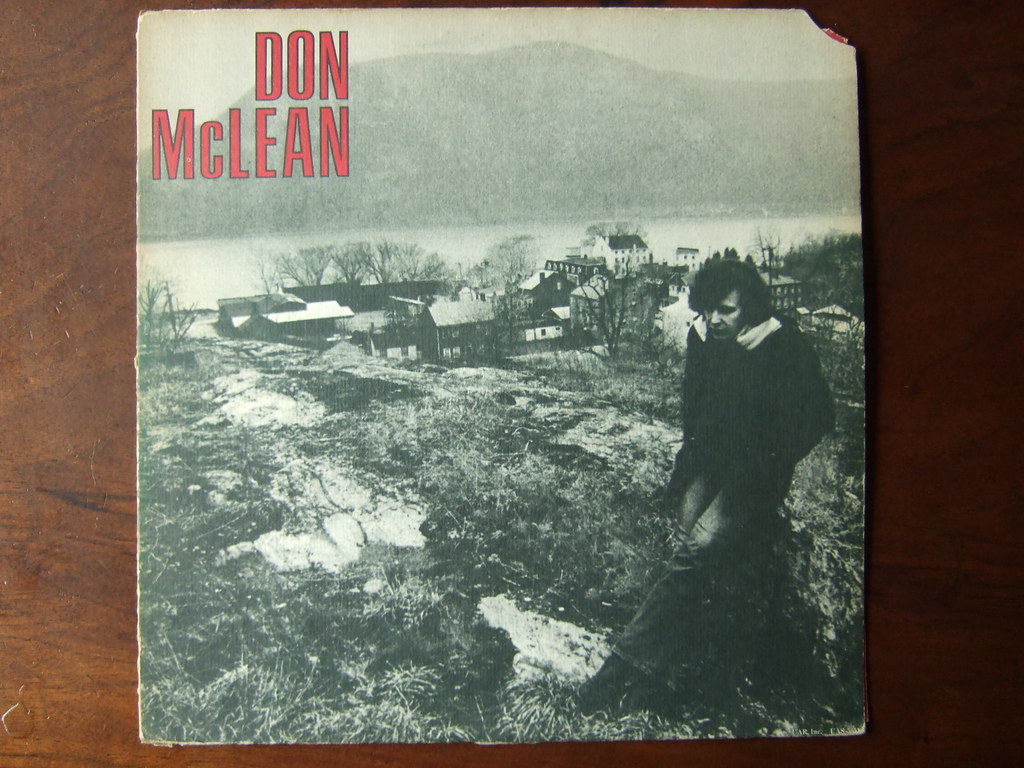
Most people sang along to the long story about a plane crash and the end of an era. The melody felt like a campfire sing along that captured a shared sense of loss. McLean packed the lyrics with references to Buddy Holly, the Beatles, and the cultural shifts of the late 1960s.
Underneath sits a meditation on how innocence gave way to cynicism and commercial excess. The “day the music died” line stretches far beyond one accident. Today the track feels like a quiet warning about how quickly good things can slip away.
Hotel California by the Eagles
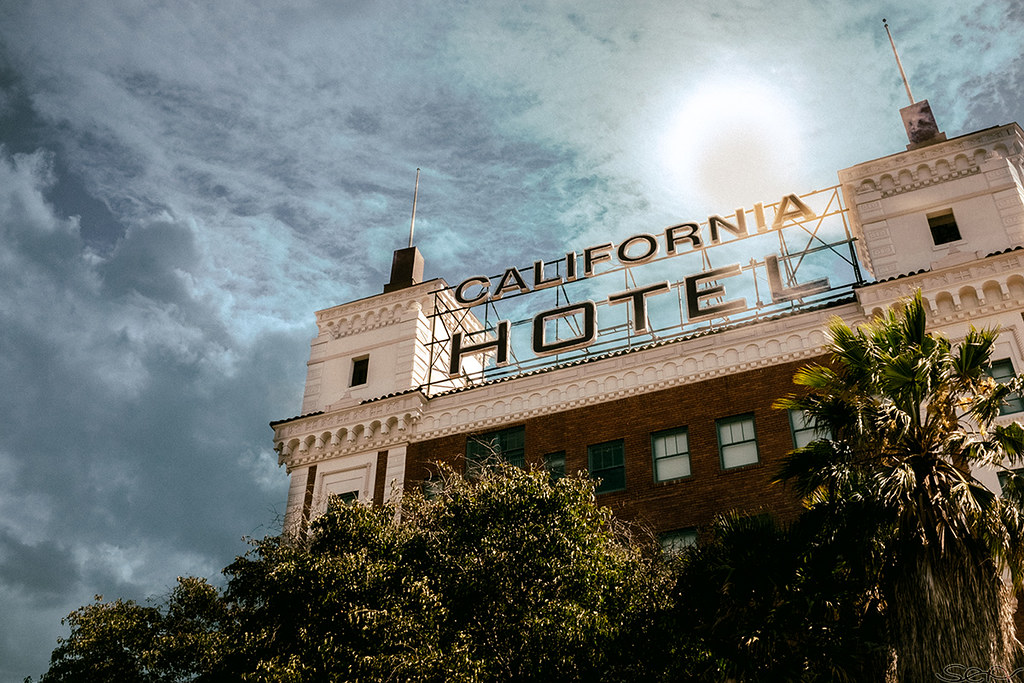
Listeners often pictured a mysterious desert resort with a great guitar solo. The story of checking in and never leaving sounded like a spooky travel tale. The band drew from their own experiences with fame and the excesses of Los Angeles life.
The deeper thread points to addiction and the trap of chasing endless pleasure. Once inside, escape becomes impossible. Revisiting the song now adds a layer of caution about the cost of certain lifestyles.
Imagine by John Lennon
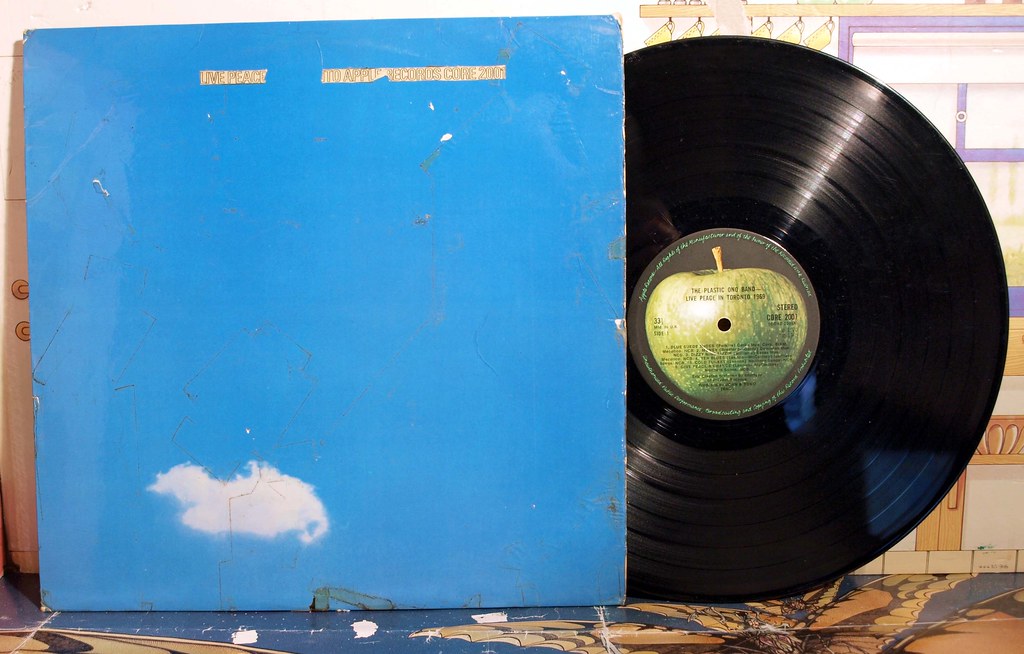
The gentle piano and hopeful chorus made it feel like a simple wish for peace. Crowds sang it at events as a feel good anthem for unity. Lennon drew from his interest in a world without borders or possessions.
The lyrics carry a sharper critique of organized religion and nationalism. They ask listeners to picture a different kind of society. With time the track reads as both idealistic and quietly radical.
Fortunate Son by Creedence Clearwater Revival
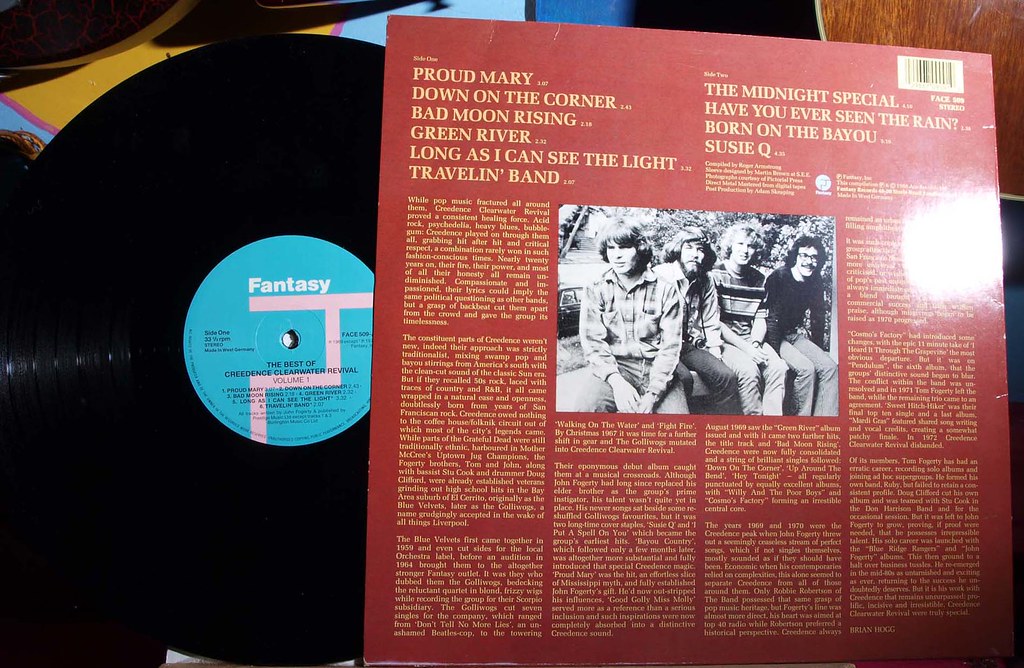
The raw energy and shouted chorus made it a staple at parties and protests alike. Many took it as a general anti war rocker. John Fogerty wrote it after seeing how the draft spared the wealthy while sending others overseas.
The song highlights the unfairness of who actually fights in conflicts. It calls out privilege without apology. Today it still resonates whenever questions of equity in service arise.
The Sound of Silence by Simon and Garfunkel
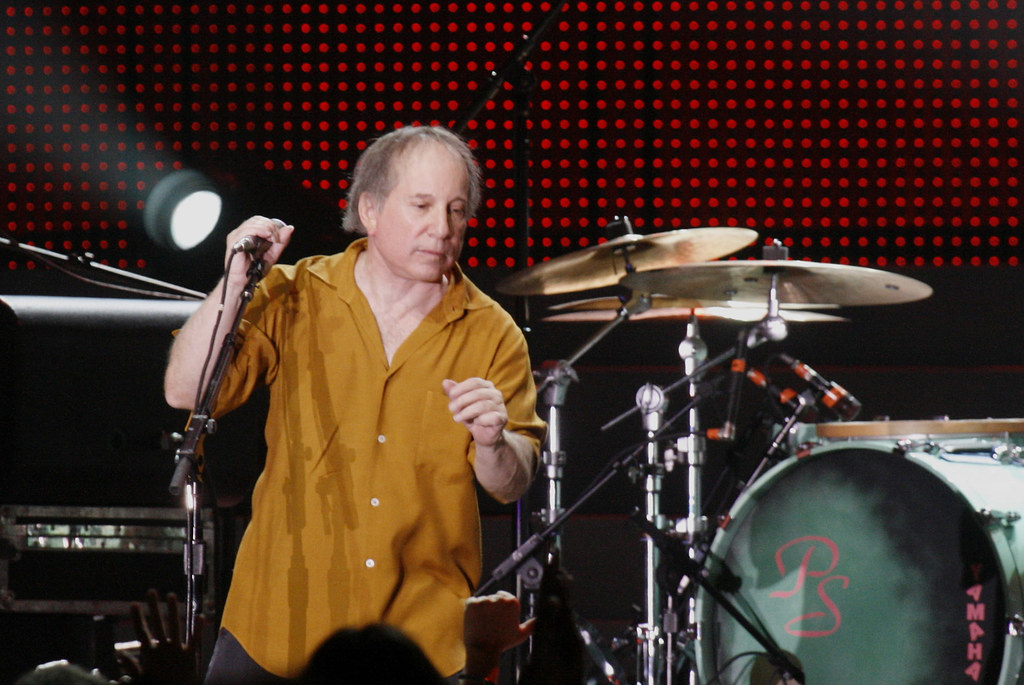
Early listeners enjoyed the haunting melody and poetic lines about darkness. It felt like a moody folk ballad about loneliness. Paul Simon crafted it as a comment on how people stop truly communicating.
The verses describe a world where words lose meaning and isolation grows. The “sound of silence” becomes a warning about superficial talk. Later hearings bring out that quiet alarm more clearly.
Blowin’ in the Wind by Bob Dylan
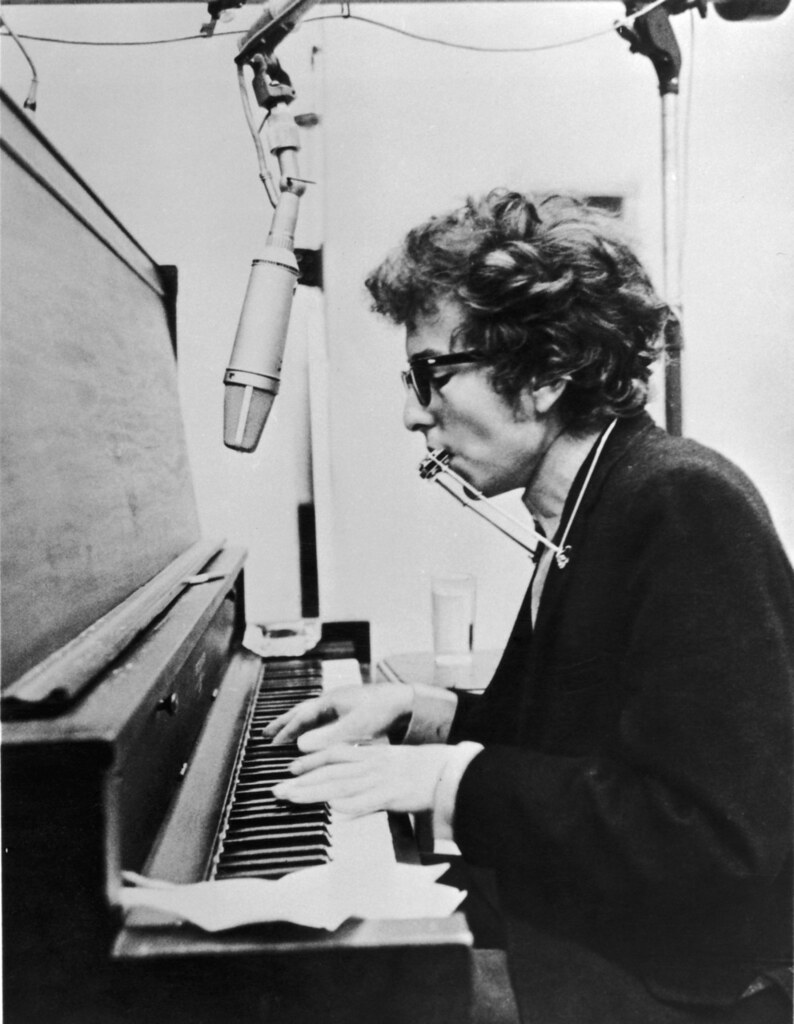
The simple questions and folk arrangement turned it into a sing along for marches. Many saw it as a gentle call for answers. Dylan packed it with references to civil rights struggles and the cost of war.
Each line points to issues that still lack easy solutions. The wind carries those questions forward without resolution. The song gains weight when heard against ongoing debates about justice.
Like a Rolling Stone by Bob Dylan
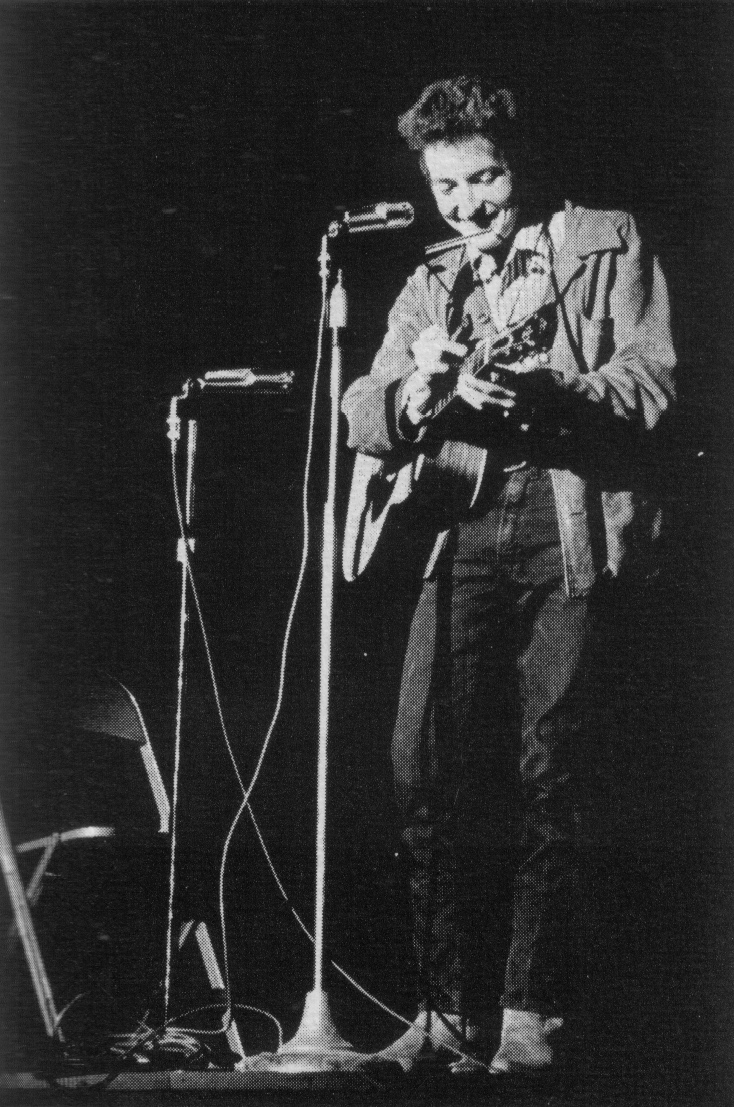
The organ riff and long verses made it a radio favorite despite its length. Listeners often focused on the story of someone falling from grace. Dylan aimed it at the emptiness that can follow sudden loss of status.
The track explores how quickly comfort can vanish and what remains afterward. It serves as both a portrait and a caution. Over time the lyrics feel more like a mirror than a simple tale.
Sympathy for the Devil by the Rolling Stones
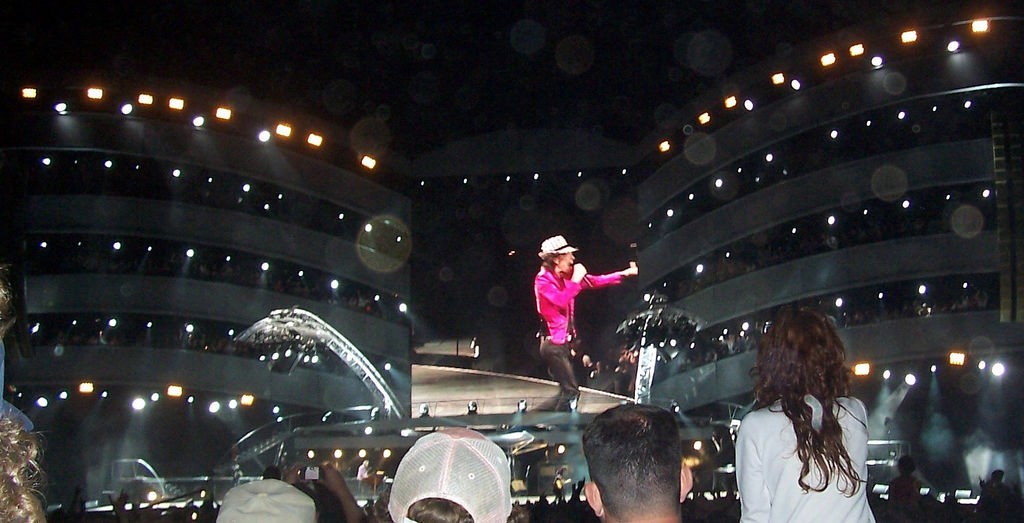
The driving rhythm invited dancing and sing alongs at concerts. Many treated it as another edgy rock number. Mick Jagger wrote it from the perspective of history’s darker forces.
The lyrics trace violence and upheaval across centuries. They suggest that evil often wears a familiar face. Hearing it now adds a layer of reflection on recurring human patterns.
Gimme Shelter by the Rolling Stones
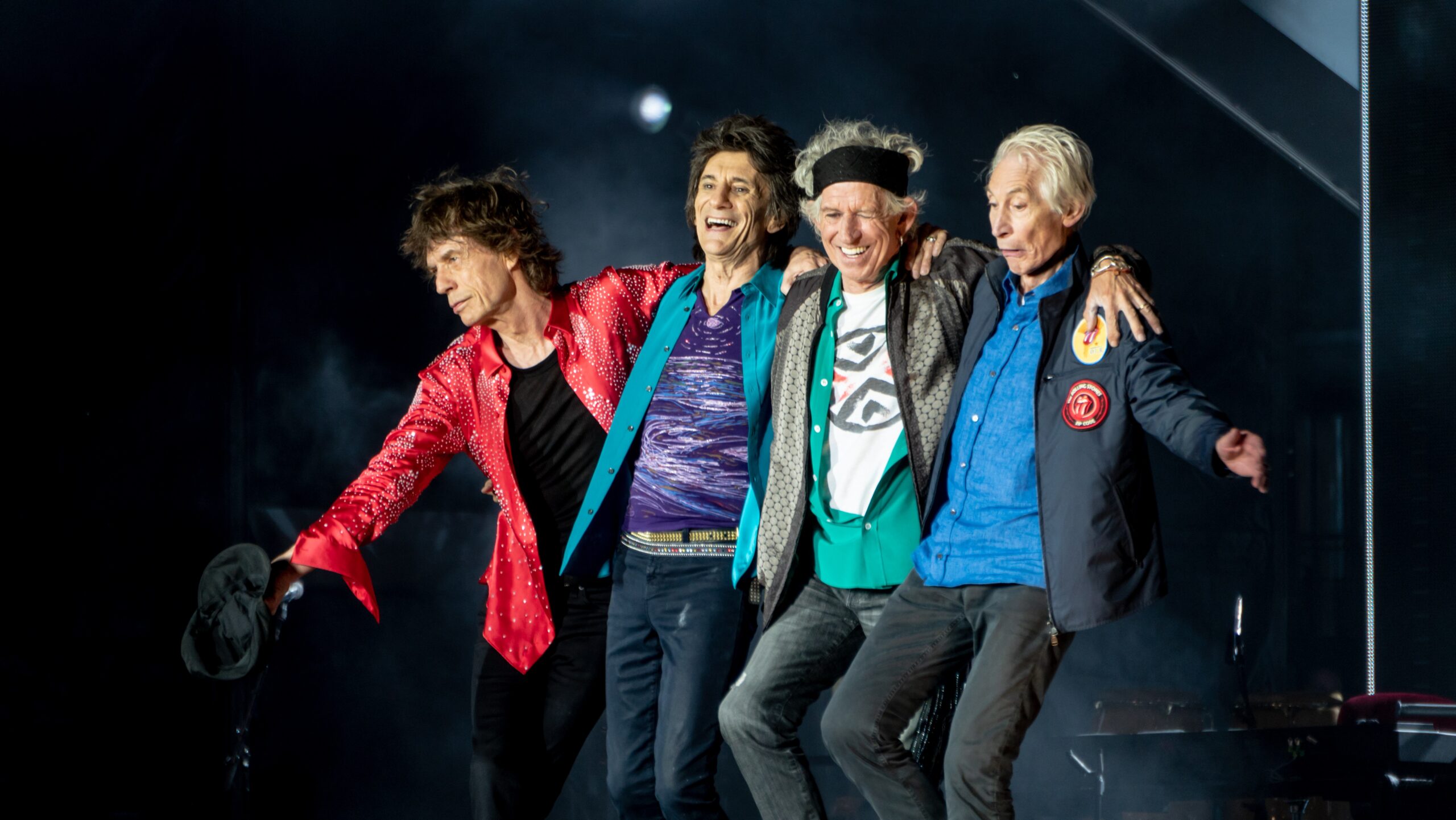
The urgent vocals and stormy sound fit the era’s unrest. Listeners heard it as a plea during turbulent times. The band captured fears around war, riots, and social breakdown.
The repeated call for shelter speaks to a need for safety amid chaos. It reflects real anxieties of the late 1960s. Today the urgency still feels relevant in uncertain moments.
War Pigs by Black Sabbath
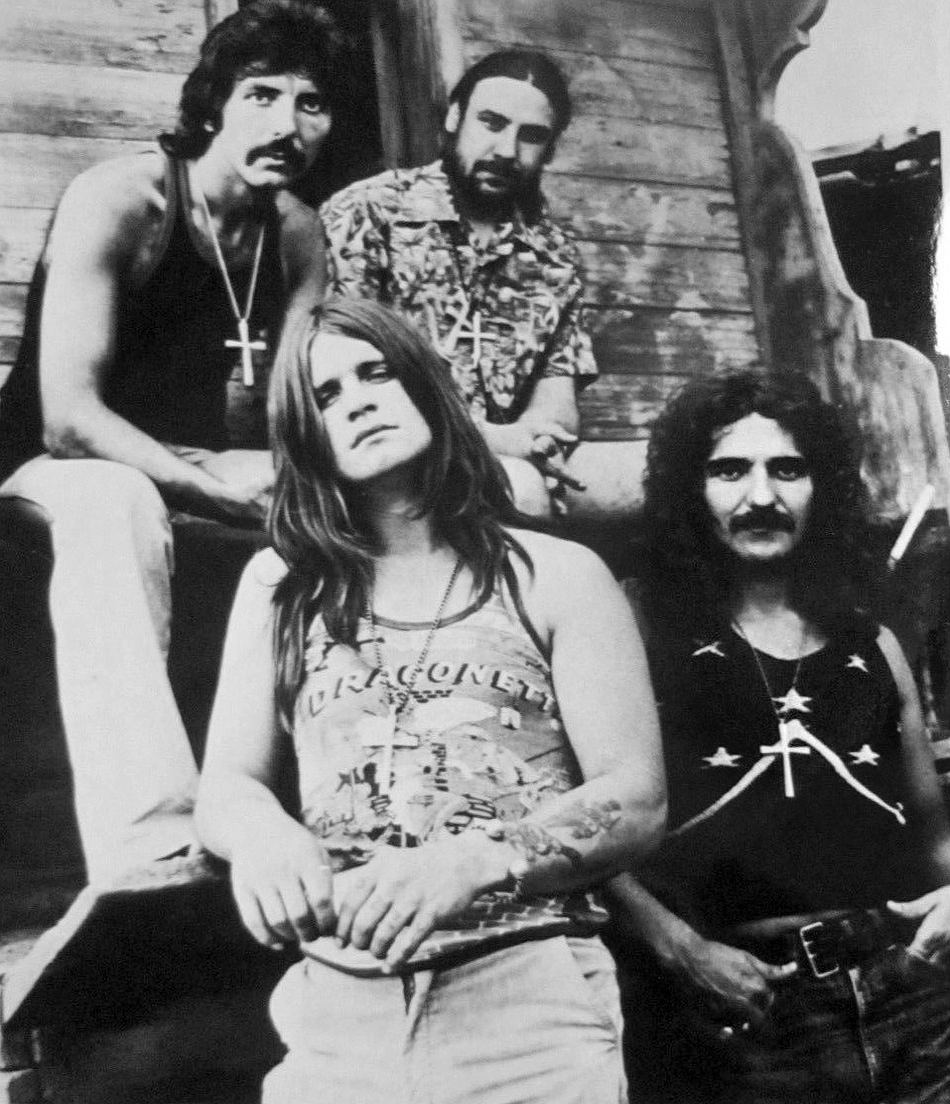
The heavy riff and dramatic lyrics made it a metal staple. Many enjoyed the powerful sound without digging deeper. The song condemns leaders who send others to fight while staying safe themselves.
It draws from the band’s observations of conflict and power. The pigs represent those who profit from war. Later listens reveal a clear anti war stance that holds steady.
The Times They Are A Changin’ by Bob Dylan
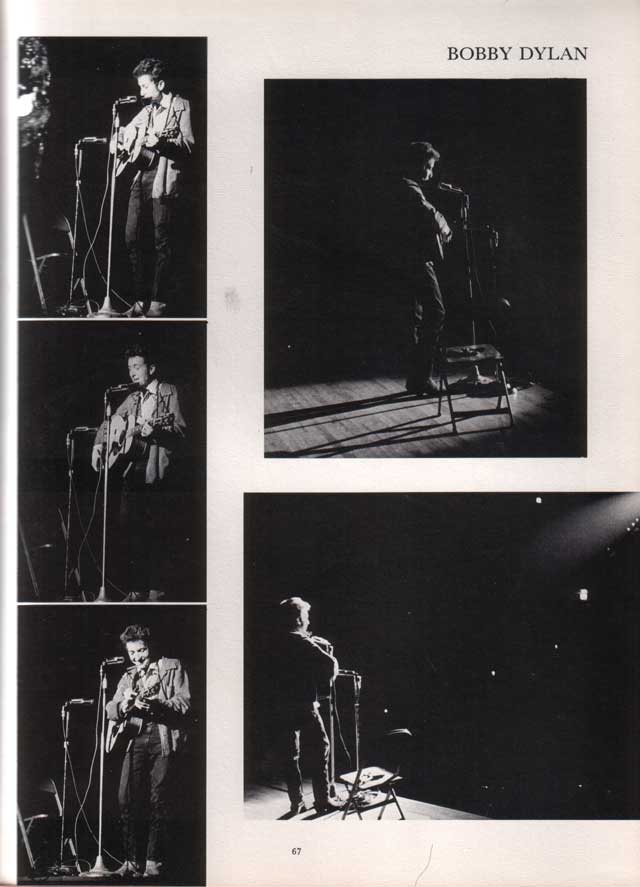
The folk style and direct address made it an anthem for change. Crowds sang it as encouragement during social movements. Dylan wrote it to mark shifting cultural ground.
The verses warn those in power that their time may be ending. It captures both hope and tension in transition. With distance the song reads as a snapshot of a pivotal era.
Ohio by Crosby, Stills, Nash and Young
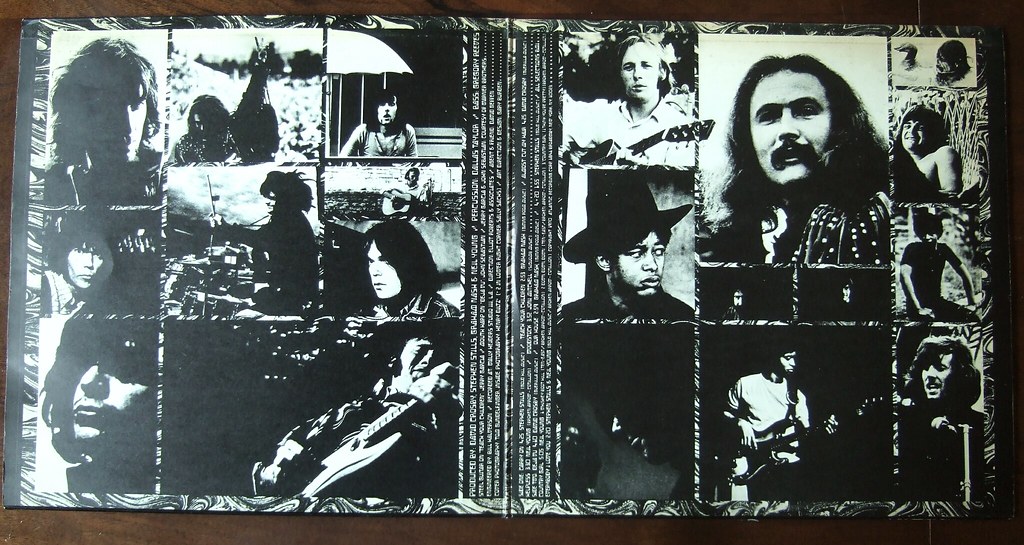
The raw emotion and quick release turned it into an instant protest song. Listeners connected it to campus unrest. Neil Young wrote it right after the Kent State shootings.
The lyrics name the event and the soldiers involved. They express immediate grief and anger. Hearing it now keeps that moment of loss vivid.
Big Yellow Taxi by Joni Mitchell
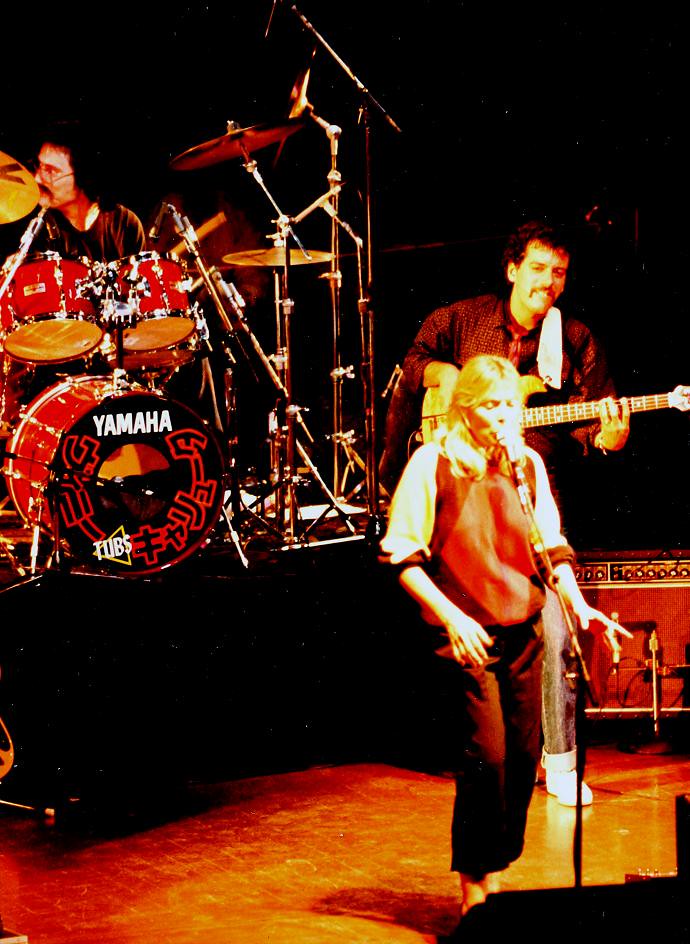
The upbeat melody hid the environmental message for many. People sang the catchy chorus about paving paradise. Mitchell wrote it after seeing urban sprawl replace nature.
The song points to the everyday loss of green spaces. It asks what gets sacrificed for convenience. Today the warning feels even more pressing amid climate concerns.
A Day in the Life by the Beatles
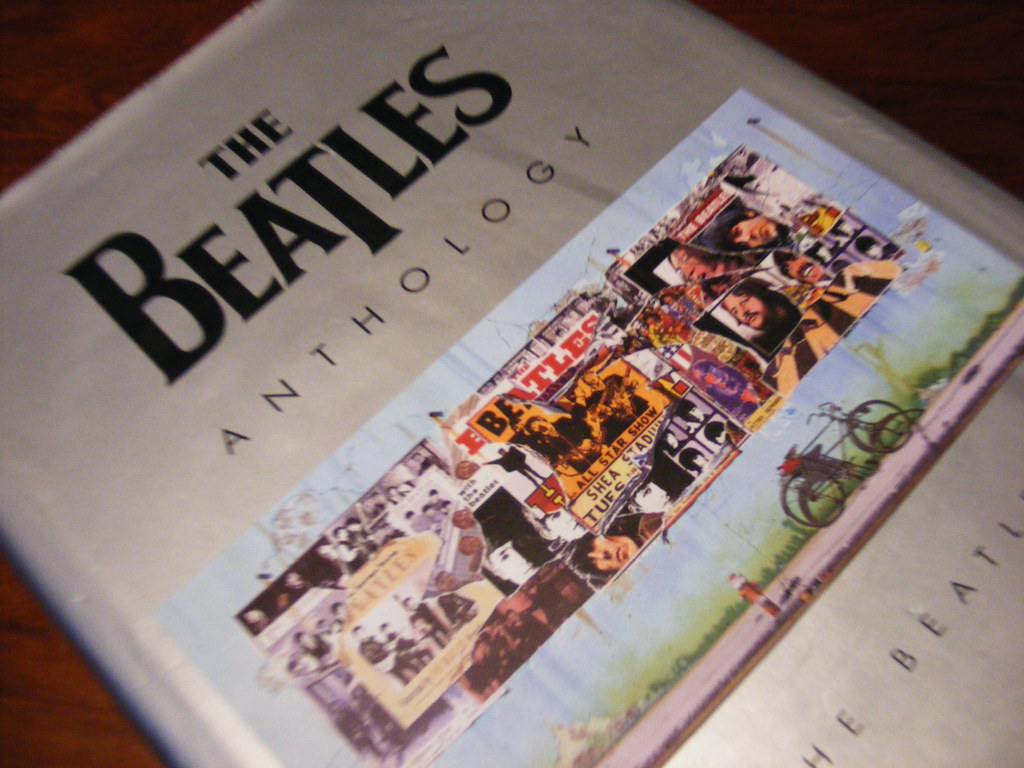
The orchestral swell and contrasting sections made it a studio marvel. Listeners often focused on the musical journey. John Lennon and Paul McCartney drew from news stories and personal reflections.
The lyrics touch on death, media, and everyday disconnection. The famous final chord leaves questions hanging. Later appreciation brings out the quiet unease beneath the surface.
Puff the Magic Dragon by Peter, Paul and Mary
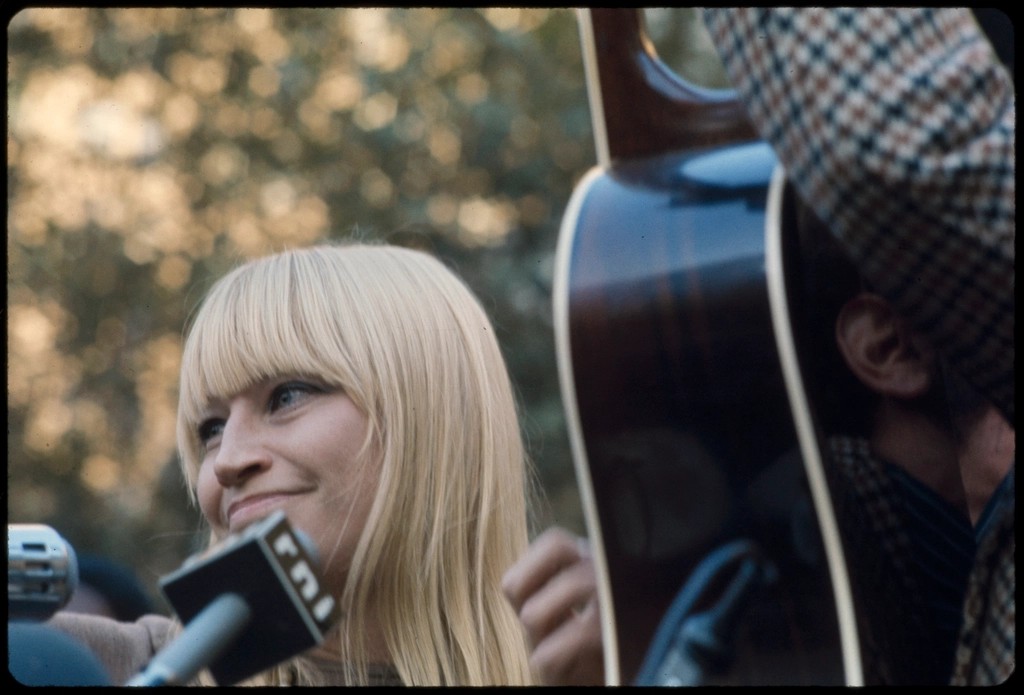
The gentle story of a boy and his dragon charmed children and adults. Many took it as a simple fantasy tale. The writers based it on a poem about growing up and leaving childhood behind.
The dragon represents innocence that fades with time. The song quietly marks the end of an era in a child’s life. Revisiting it adds a bittersweet note to the melody.
We Gotta Get Out of This Place by the Animals
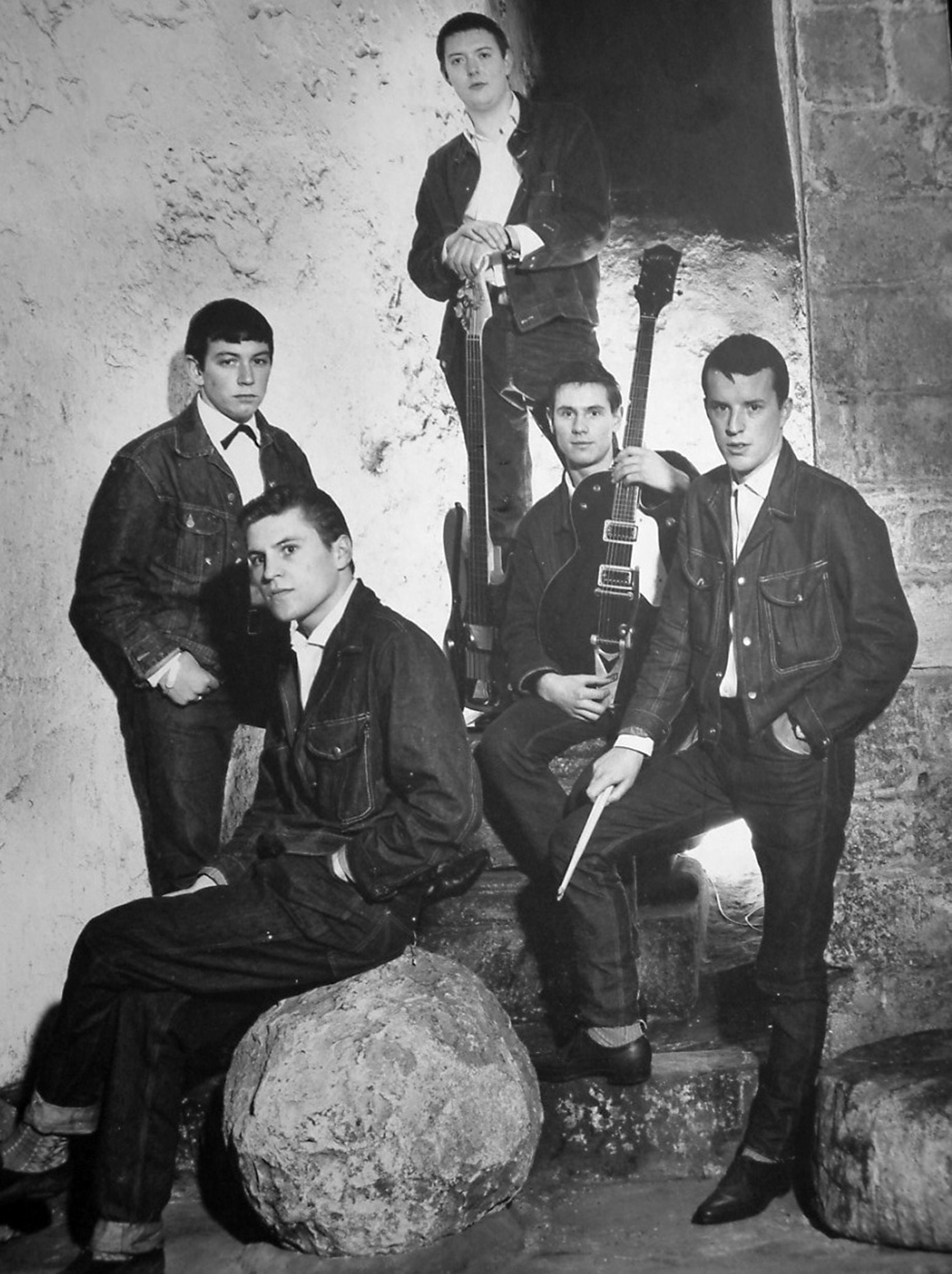
The urgent chorus made it a favorite for anyone feeling stuck. Listeners used it as an escape anthem. The band drew from working class frustrations in industrial towns.
The lyrics capture a desire to break free from limited options. It resonated with soldiers heading to Vietnam as well. Today it still speaks to anyone dreaming of a different path.
For What It’s Worth by Buffalo Springfield
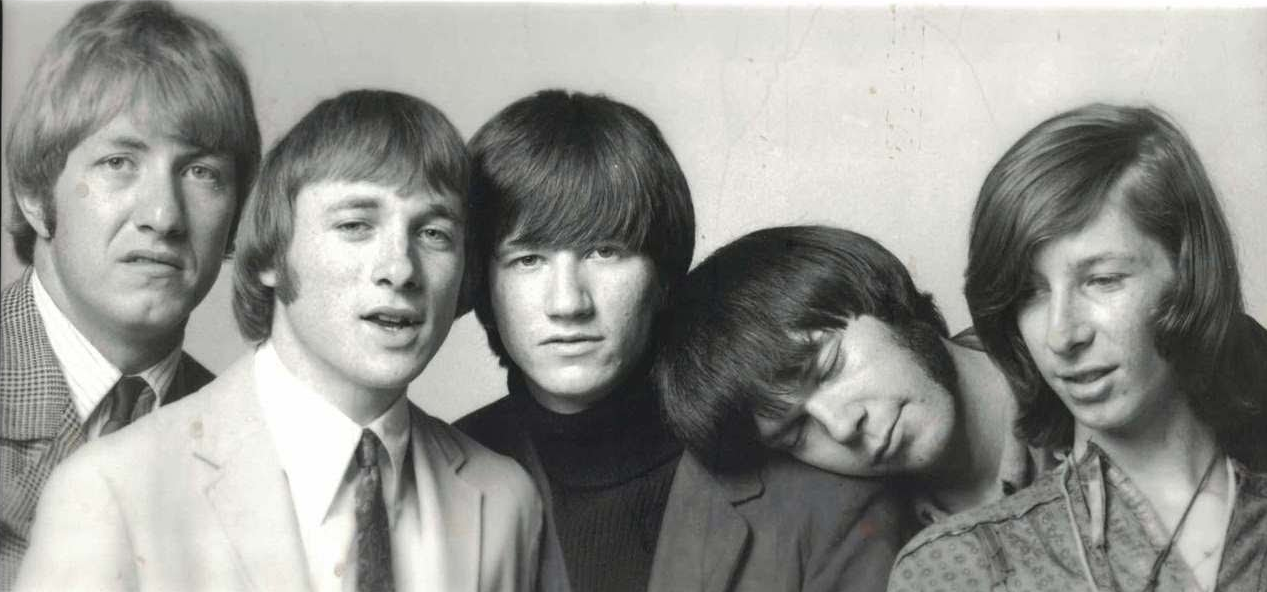
The steady groove and repeated line turned it into a protest staple. Many heard it as a general call against conflict. Stephen Stills wrote it after clashes on the Sunset Strip.
The song describes tension between authorities and young people. It captures a moment when lines were drawn. Later hearings highlight how such divides recur.
Mrs. Robinson by Simon and Garfunkel
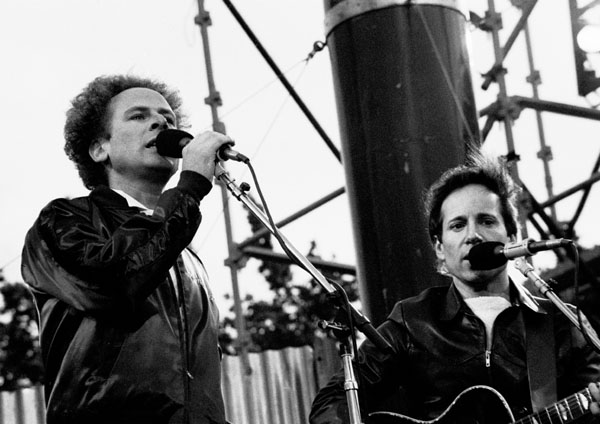
The playful rhythm and film tie in made it widely popular. Listeners enjoyed the story of a mysterious older woman. The song comments on fading ideals and generational gaps.
References to Joe DiMaggio point to lost heroes and changing values. It sketches a portrait of quiet disappointment. With time the track feels more like social observation than just a movie song.
The Night They Drove Old Dixie Down by the Band
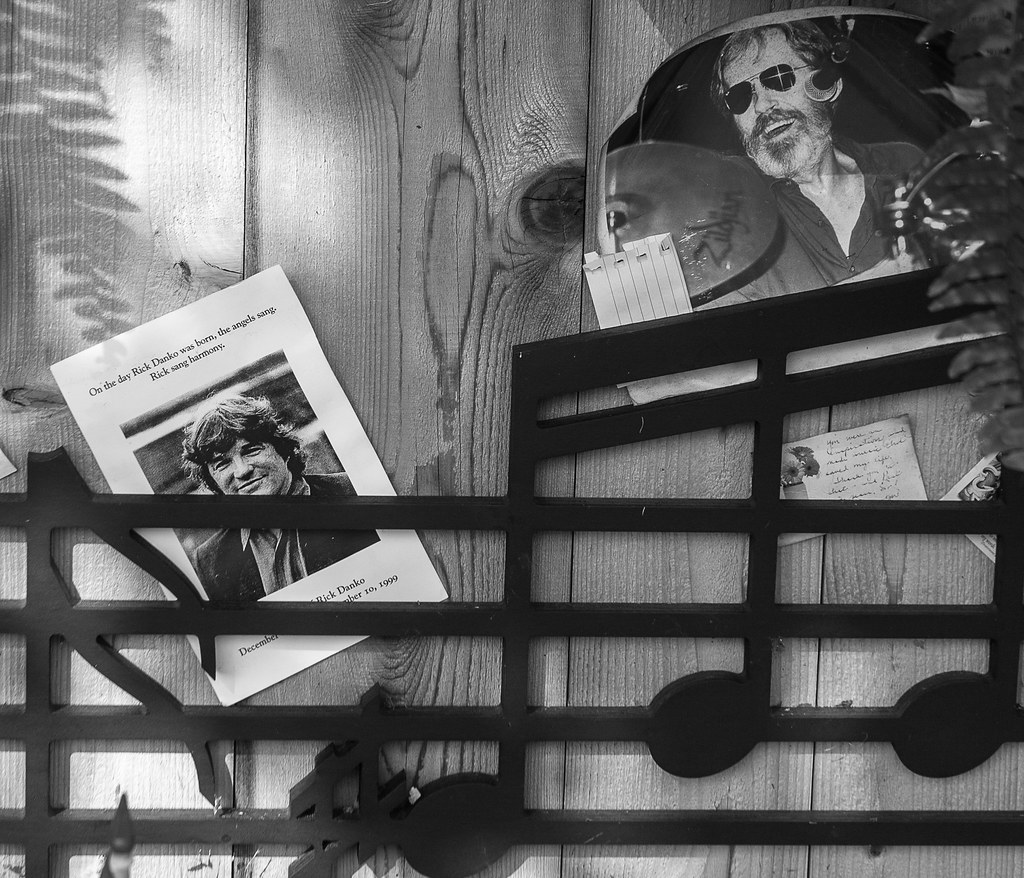
The storytelling and Southern setting gave it broad appeal. Many enjoyed the historical tale without deeper scrutiny. Robbie Robertson wrote it from the viewpoint of a Confederate soldier after the Civil War.
The lyrics explore defeat, pride, and the weight of history. They avoid simple judgment. Hearing it now invites reflection on how the past still shapes memory.
Revolution by the Beatles
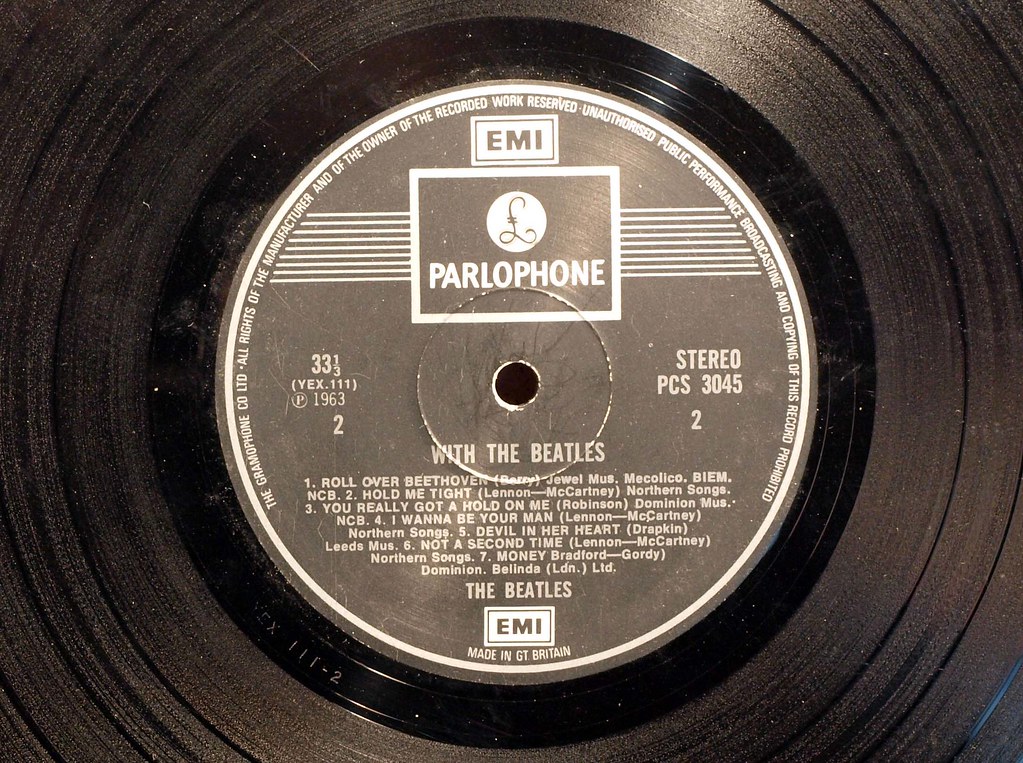
The upbeat version and political timing made it a conversation starter. Listeners debated whether it supported or questioned radical change. John Lennon wrote it amid real world unrest and calls for action.
The lyrics caution against violence while acknowledging the need for progress. They reflect internal conflict about how to move forward. Today the song reads as a measured response to turbulent times.
Music stays with people long after the first listen. Over decades the same tracks can shift from background noise to something that quietly mirrors lived experience. That slow reveal is part of what keeps certain songs alive across generations.

- 37 Songs From the ’60s and ’70s With Meanings No One Caught the First Time - August 31, 2026
- 12 Legendary Concert Venues That Witnessed Unforgettable Musical Moments - August 31, 2026
- 10 Iconic Speeches That Dramatically Shaped Modern History - August 31, 2026

