
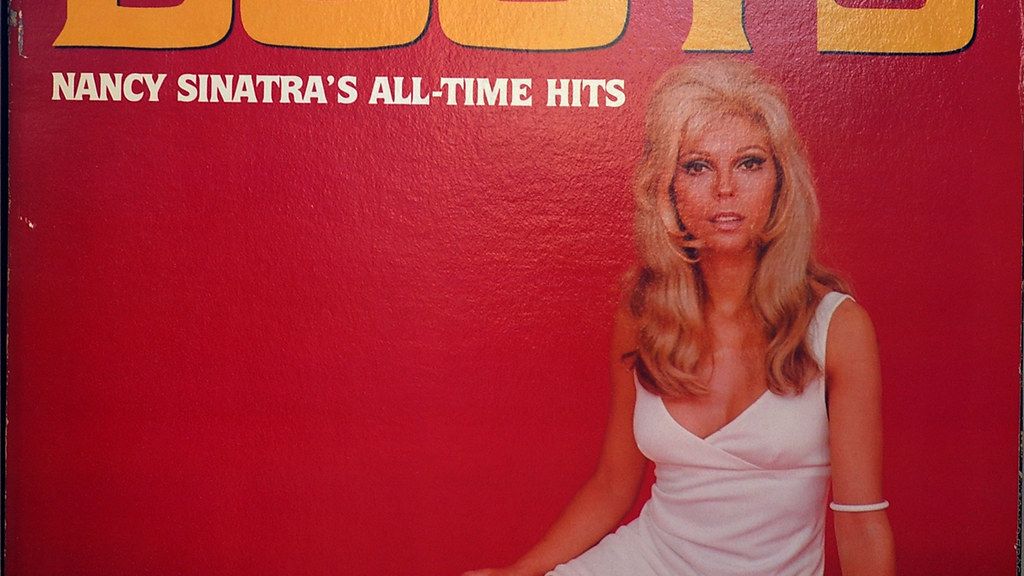
Many older songs from the 1950s through the 1970s came across as lighthearted or playful on the surface. Their upbeat melodies and simple phrasing made them easy to sing along with at family gatherings or on the radio. Yet beneath those cheerful exteriors often lay references to romance, substances, or social taboos that slipped past most listeners at the time. The gap between what people heard and what the words actually suggested grew wider as decades passed and cultural norms shifted. What once seemed harmless now reveals layers that feel surprisingly bold or pointed.
1. Puff the Magic Dragon by Peter, Paul and Mary
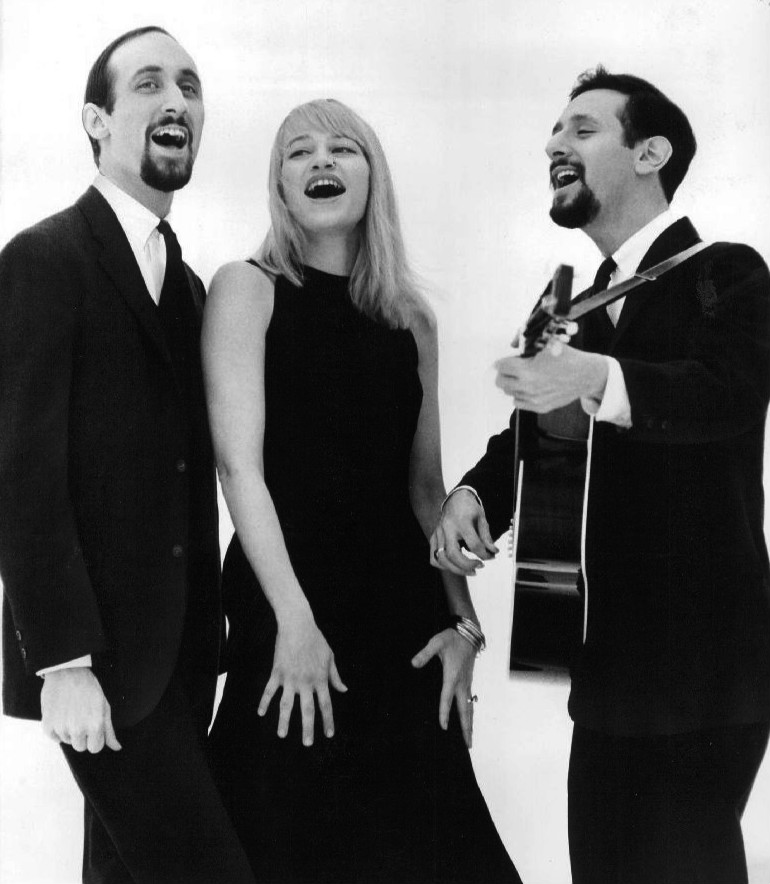
The gentle tale of a boy and his dragon who frolic by the sea captured generations of children with its whimsical storybook feel. Listeners focused on the friendship and the dragon’s eventual sadness when the boy grows up. The melody stayed soft and inviting, which helped the song climb the charts in 1963 without raising eyebrows.
Many now connect the dragon’s name and the boy’s “autumn mist” adventures to marijuana references that were common slang in folk circles. The writers always denied any drug intent and pointed to a poem about childhood loss instead. Radio stations played it freely because the surface story felt pure and the delivery stayed wholesome.
2. Lucy in the Sky with Diamonds by The Beatles
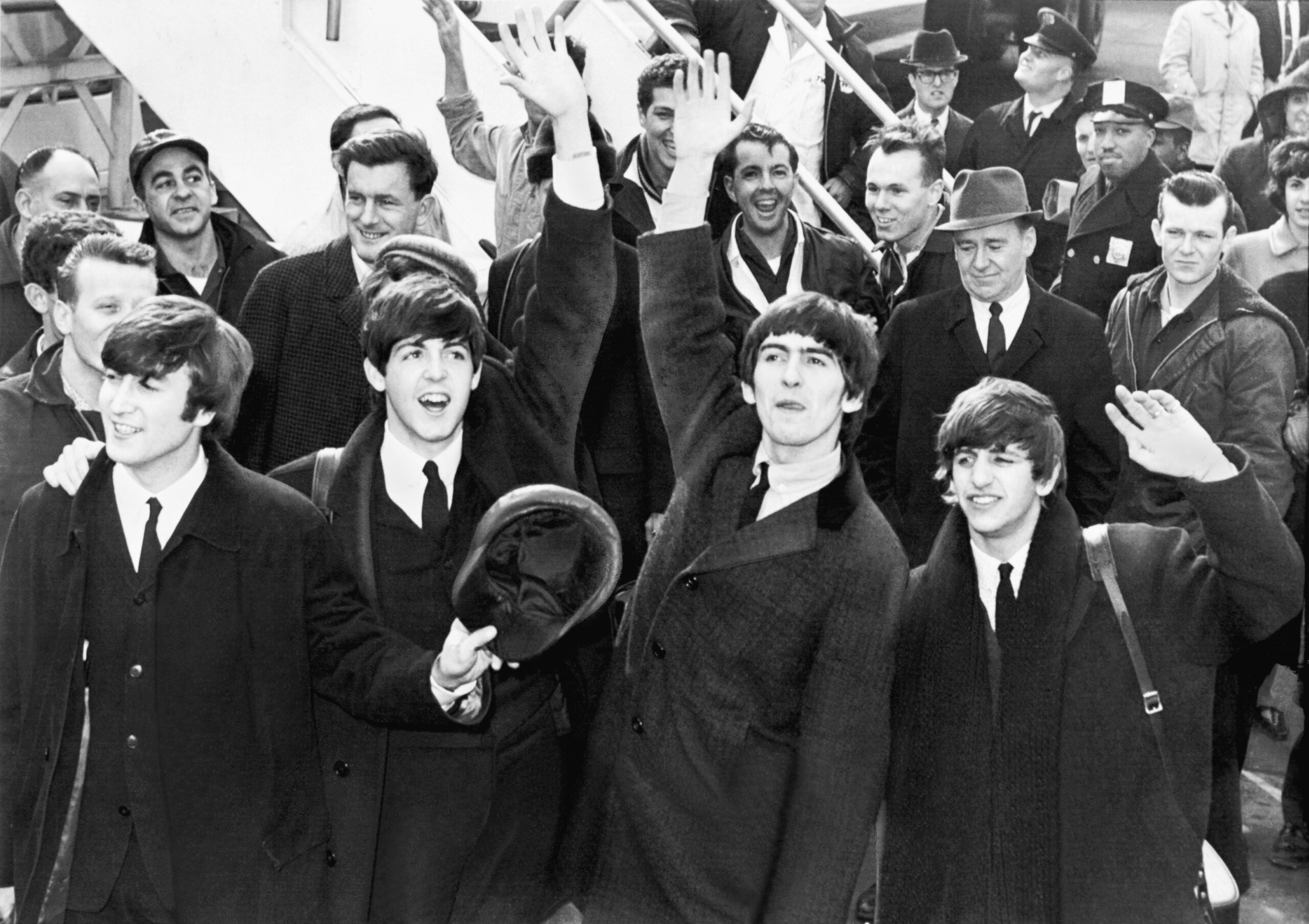
John Lennon described the title as coming straight from his son’s drawing of a classmate named Lucy. The swirling imagery of tangerine trees and marmalade skies sounded like pure fantasy to most ears in 1967. Families bought the record for its colorful album art and dreamy production.
Over time the initials L S D stood out clearly to anyone familiar with the era’s drug culture. Lennon later admitted the song drew from his own experiences with the substance even if he never set out to write an anthem. The psychedelic sound masked the reference so well that parents never questioned it on first listen.
3. Louie Louie by The Kingsmen
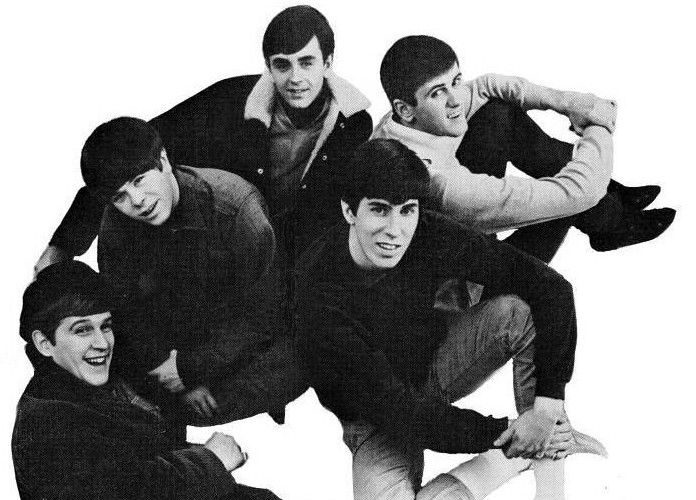
The raw garage rock energy and mumbled vocals made this 1963 hit feel like a simple party chant about a sailor missing his girl. Crowds shouted along without catching every word, and the song became a staple at dances and sports events. Its chart success came despite the primitive recording quality.
Investigations later revealed the original lyrics contained explicit sexual content that the band had garbled beyond recognition. The FBI even looked into whether the record violated obscenity laws, yet nothing stuck because no one could prove the words. Listeners missed it because the delivery turned the song into background noise rather than something to dissect.
4. Squeeze Box by The Who
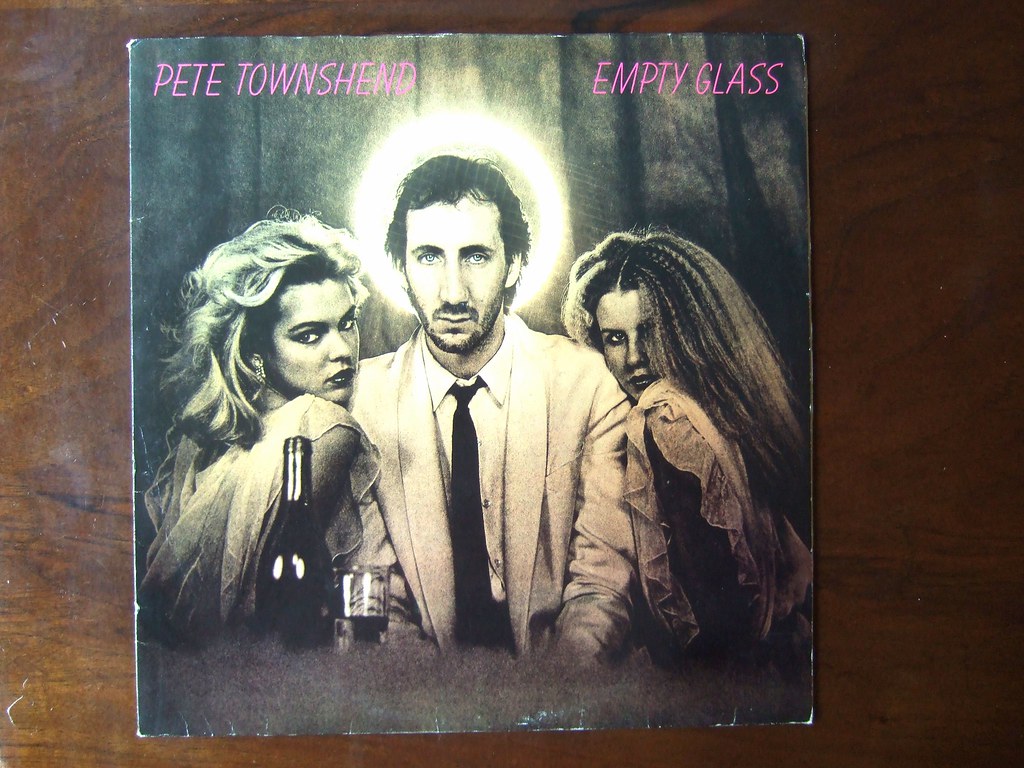
Pete Townshend wrote this 1975 track as a light folk ditty about a mother who plays an accordion every night. The bouncy rhythm and repetitive chorus made it sound like harmless family entertainment. Radio stations embraced it as another upbeat single from the band.
The accordion quickly became a stand in for something far more intimate once listeners paid attention to the lines about the father never sleeping. Townshend leaned into the double meaning on purpose to poke fun at censorship. At the time most people heard only the surface story because the music stayed so cheerful and the band had a reputation for rock anthems rather than subtlety.
5. Brand New Key by Melanie
Melanie’s 1971 hit told the story of a girl on roller skates trying to catch the attention of a boy with her shiny new key. The innocent delivery and sing along melody turned it into a summer radio favorite for kids and teens alike. Sales soared because it felt like pure youthful longing.
The key and the roller skates soon read as clear sexual metaphors once the song gained wider attention. Melanie herself acknowledged the innuendo in later interviews while insisting the original spark came from a real childhood memory. Listeners overlooked it because her high sweet voice and the light production kept everything sounding playful and childlike.
6. Along Comes Mary by The Association
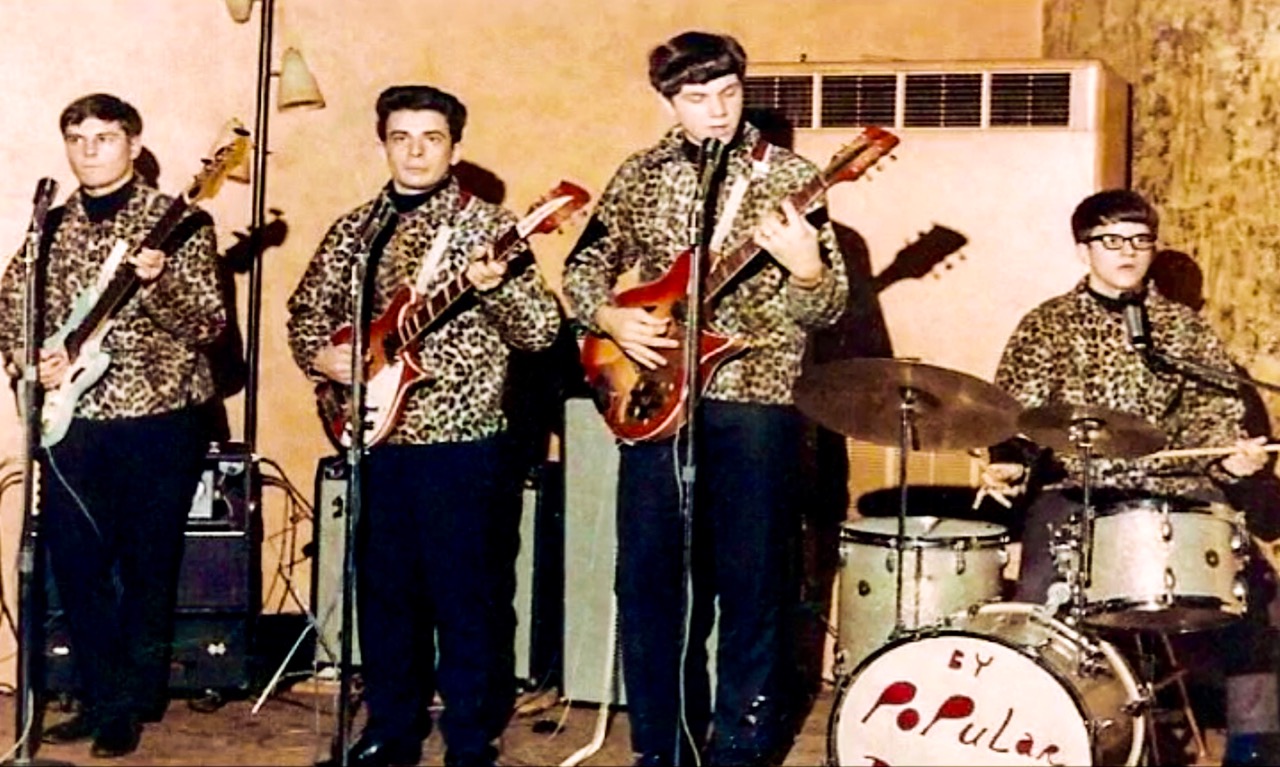
This 1966 track described a mysterious girl who brings excitement and change to the narrator’s life. The harmonious vocals and upbeat tempo made it a perfect soundtrack for beach parties and car radios. It reached the top ten without any public controversy.
Mary quickly became recognized as slang for marijuana in certain circles, turning the song into a subtle ode to getting high. The band and their label pushed back against the interpretation to protect airplay. Most fans missed the reference because the lyrics stayed poetic enough to pass as a simple love story at first hearing.
7. Eight Miles High by The Byrds
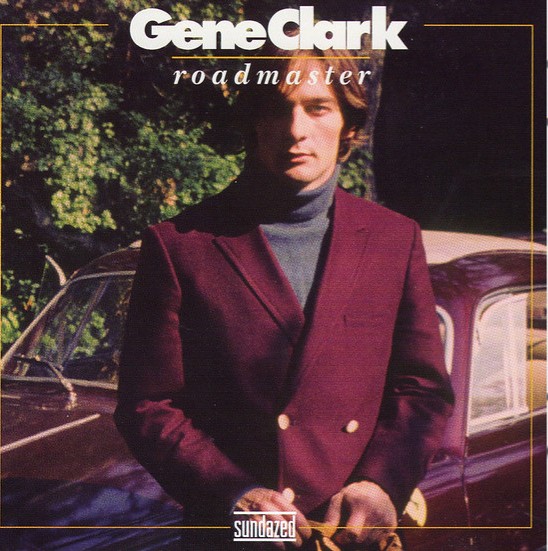
The 1966 single opened with jangling guitars and a story of travel and new experiences that felt adventurous rather than alarming. Fans enjoyed the exotic Eastern influences in the music and the sense of escape it created. It became a concert staple for years.
The title and lines about touching down in a strange place pointed directly to a drug fueled flight for those in the know. The band faced radio bans in some markets once the connection spread. Listeners at the time focused on the sonic innovation and missed the subtext because the song sounded more like a travelogue than a confession.
8. Honky Tonk Women by The Rolling Stones
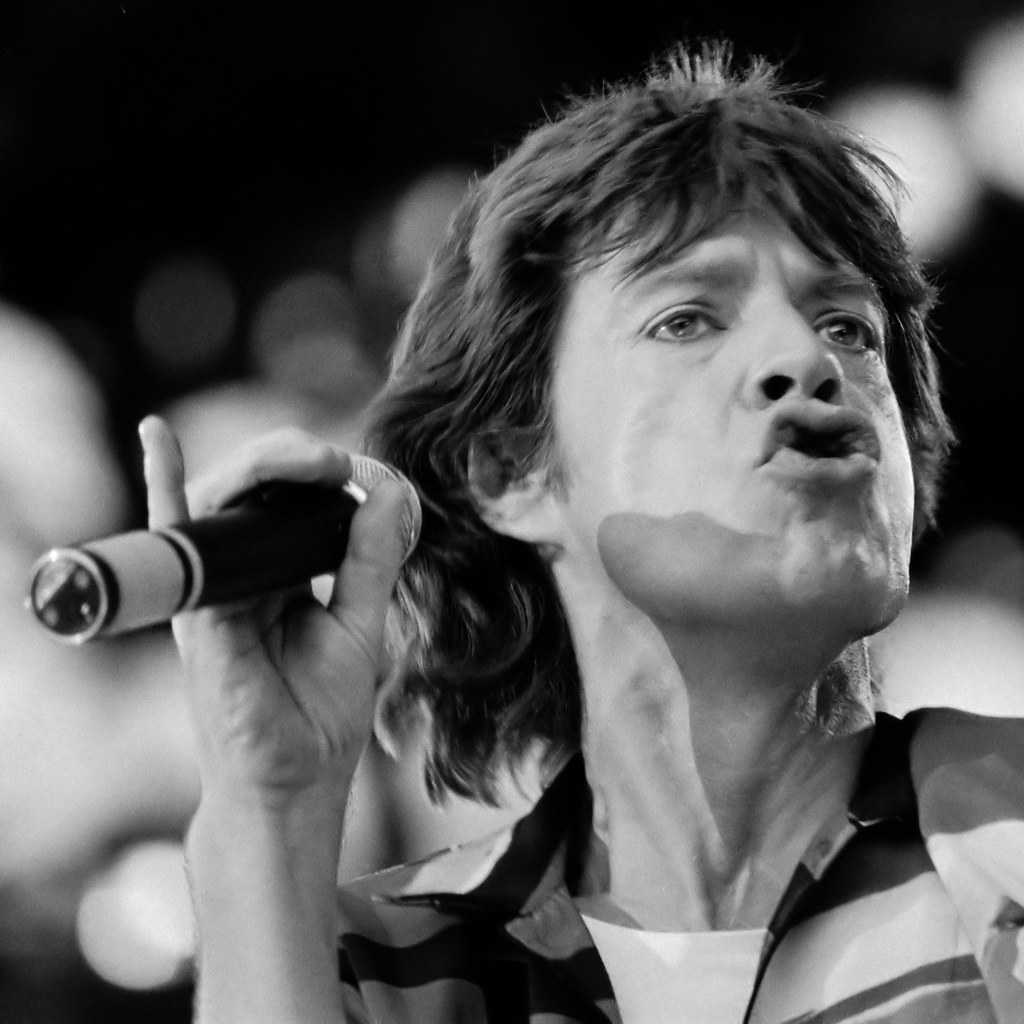
Mick Jagger sang about meeting colorful characters in bars and on the road in this 1969 number one hit. The gritty guitar riff and sing along chorus made it an instant classic at parties. Radio played it constantly as another rowdy Stones anthem.
The women in the story quickly revealed themselves as prostitutes once the verses were examined closely. The band never hid the theme but the energetic delivery let it slide past casual listeners. Many heard only the fun of a night out because the music stayed so raucous and the title sounded like a simple barroom tale.
9. Walk This Way by Aerosmith

Steven Tyler’s rapid fire delivery in 1975 told the story of a young man learning the ways of the world from an older woman. The driving beat and memorable guitar line turned it into a rock radio staple. Crowds loved shouting the chorus at shows.
The lessons described in the verses carried clear sexual undertones that became obvious on closer inspection. The band leaned into the innuendo without ever spelling it out directly. Listeners missed the details because the fast pace and heavy guitars kept the focus on the energy rather than the words.
10. Brown Sugar by The Rolling Stones
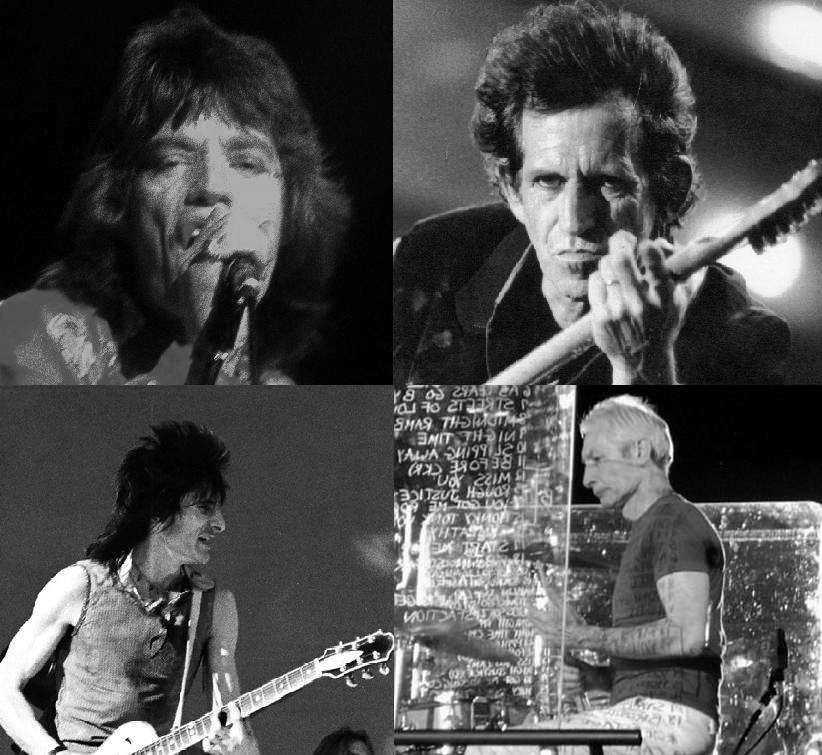
The 1971 track opened with a tale of a slave owner and his attraction to a young woman on a plantation. The funky riff and Jagger’s swagger made it another dance floor favorite. It climbed the charts quickly despite its subject matter.
The lyrics mixed historical references with explicit sexual content that many found troubling even at the time. The band later expressed mixed feelings about the song but kept performing it for years. Casual listeners caught the groove and missed the darker layers because the music felt so celebratory and the words came fast.
11. Light My Fire by The Doors

Jim Morrison’s 1967 hit used fire as a metaphor for desire in a way that sounded poetic and intense. The organ solo and hypnotic rhythm helped it become one of the band’s signature songs. Radio embraced the track for its dramatic flair.
The request to light a fire carried an unmistakable sexual charge once the verses were considered. Morrison’s reputation for pushing boundaries made the meaning clearer in hindsight. At release most fans heard only the passion and missed the direct invitation because the delivery stayed so theatrical.
12. White Rabbit by Jefferson Airplane
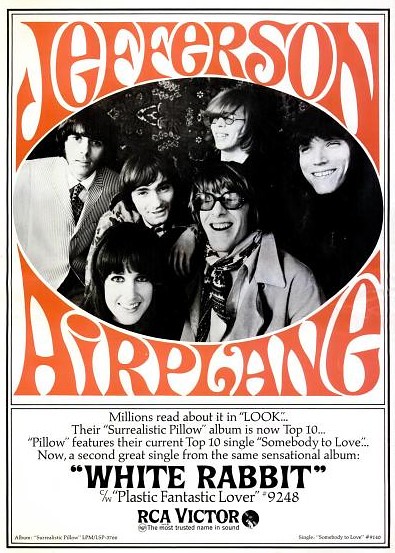
Grace Slick’s 1967 song drew on Alice in Wonderland imagery to create a trippy narrative about pills and growing tall. The driving beat and Eastern influences gave it an otherworldly feel that fit the psychedelic era. It became a concert highlight.
The pills and the shrinking and growing quickly read as references to LSD and other substances. Slick later confirmed the song was written as a warning about drug use rather than an endorsement. Listeners at the time often took the story at face value because the literary references kept the surface innocent enough for airplay.
13. Let’s Spend the Night Together by The Rolling Stones

The 1967 single invited a partner to stay over in language that felt bold for its era. The piano driven arrangement and Jagger’s delivery turned it into another hit. Some radio stations edited the title to play it safely.
The direct suggestion of an overnight stay carried obvious romantic and sexual intent that parents quickly recognized. The band refused to change the words for television appearances. Many younger listeners missed the controversy because the music sounded exciting and the phrase felt like simple youthful rebellion at first.
14. Good Lovin’ by The Young Rascals
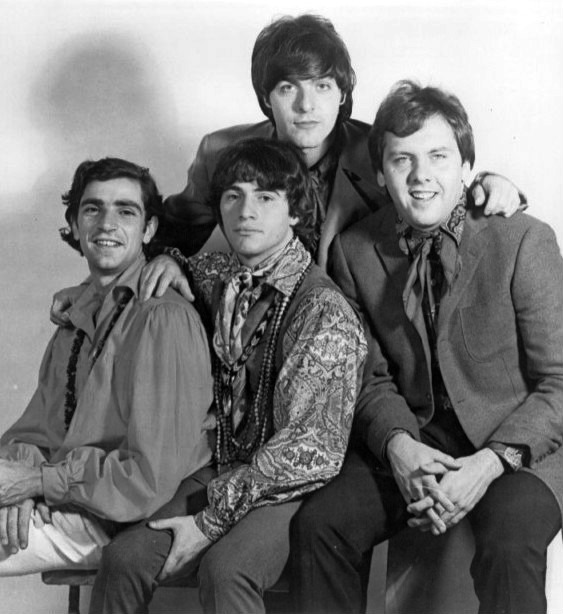
This 1966 number one hit described a man seeking comfort from his partner after a hard day. The upbeat horns and call and response vocals made it a feel good classic. Families sang along without a second thought.
The kind of loving requested soon revealed itself as something more physical than emotional comfort. The band kept the energy high so the innuendo stayed playful. Listeners overlooked it because the song’s cheerful tone and danceable rhythm masked the request entirely on first hearing.
15. I Want You by Bob Dylan
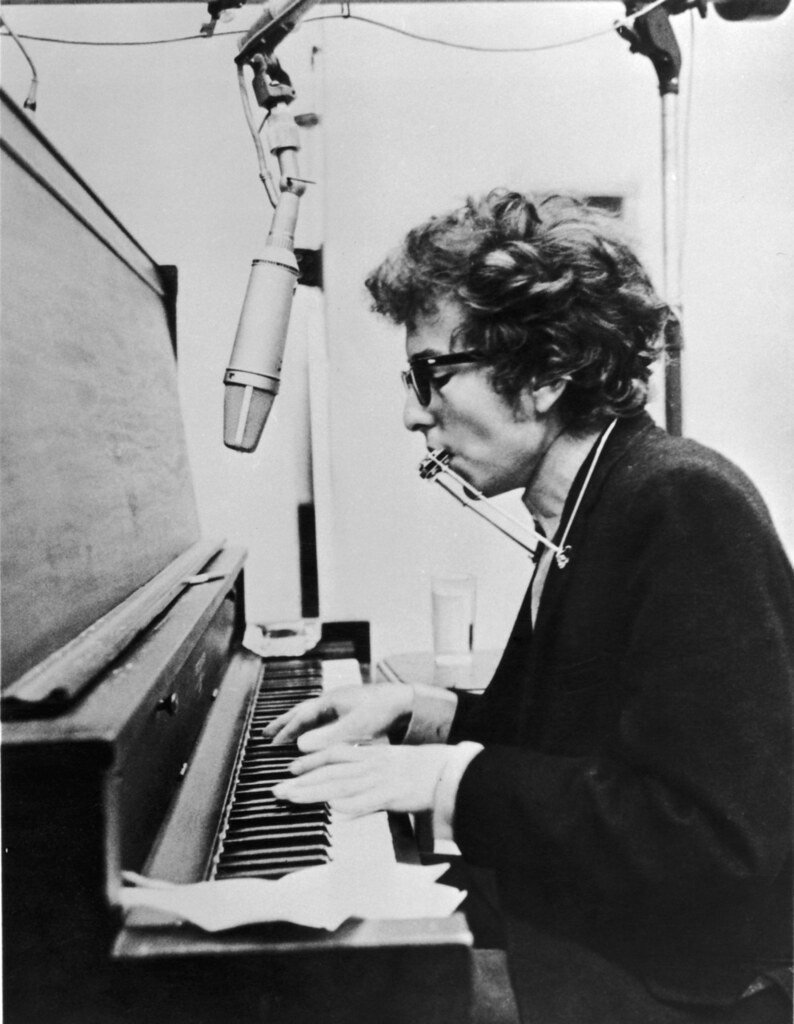
Dylan’s 1966 track expressed longing in abstract images that sounded like poetry rather than a straightforward plea. The organ and guitar created a hypnotic atmosphere that suited the era. Fans analyzed the words for deeper literary meaning.
The repeated insistence on wanting someone carried a raw physical desire that became clearer with repeated listens. Dylan never explained the song in detail, leaving room for interpretation. Most early listeners focused on the artistic style and missed the direct emotional urgency because the language stayed so elliptical.
16. The Lion Sleeps Tonight by The Tokens

The 1961 hit used African inspired sounds to tell a simple story about a lion resting in the jungle. The high harmonies and catchy chorus made it a worldwide favorite for all ages. It appeared in countless commercials and films.
The original South African lyrics carried different cultural meanings that got lost in the English version. The song’s creators faced later disputes over royalties and origins. Listeners missed the layers because the English adaptation sounded purely whimsical and the melody stayed so memorable.
17. My Boyfriend’s Back by The Angels

This 1963 girl group hit warned a rival that the singer’s boyfriend would return to set things straight. The sassy vocals and hand claps gave it a fun, defiant energy. Teens loved the attitude it projected.
The boyfriend’s return carried hints of physical confrontation that added an edge to the otherwise light revenge fantasy. The group presented the story as playful gossip rather than anything serious. Listeners missed the darker undertone because the delivery stayed so peppy and the focus stayed on the catchy chorus.
18. Chapel of Love by The Dixie Cups

The 1964 track celebrated an upcoming wedding with joyful bells and promises of eternal happiness. The bright production and group harmonies made it a wedding staple for years. Radio played it as pure romantic optimism.
The rush to the altar hinted at circumstances that might not have been entirely traditional for the time. The songwriters kept the tone light so the implication stayed subtle. Most listeners heard only the excitement of young love because the melody felt so celebratory and innocent.
19. Do Wah Diddy Diddy by Manfred Mann
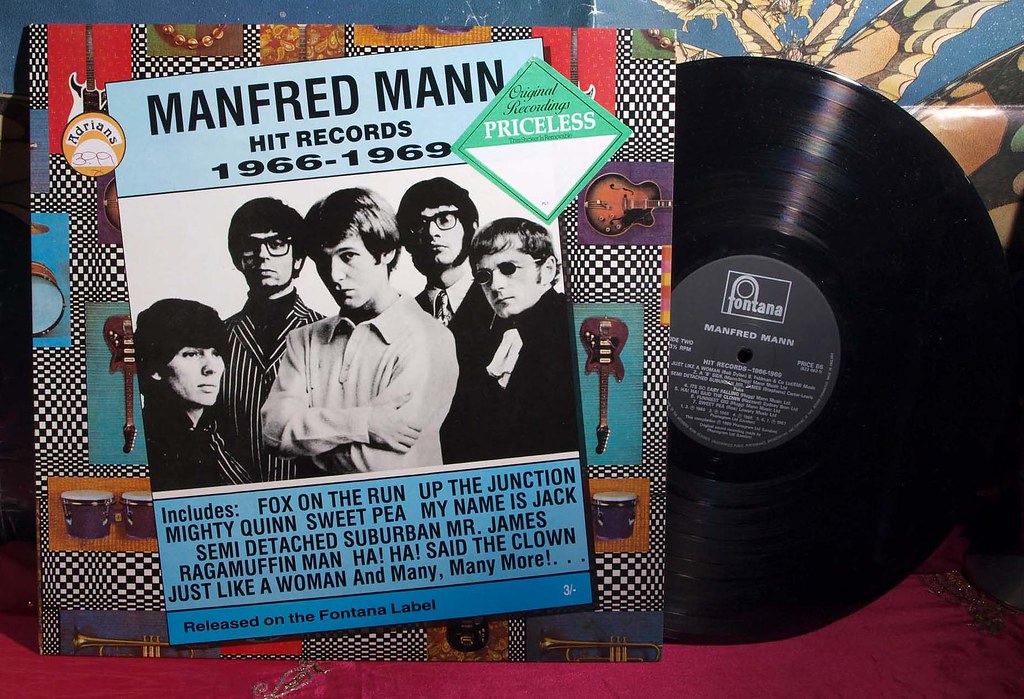
The 1964 hit followed a girl walking down the street in a story that sounded like simple infatuation. The nonsense syllables and marching beat turned it into an instant sing along. It reached number one quickly.
The girl’s effect on the narrator carried clear sexual overtones once the verses were examined. The band leaned into the playful delivery to keep things light. Listeners missed the subtext because the catchy refrain and upbeat tempo kept attention on the fun rather than the details.
20. Leader of the Pack by The Shangri-Las
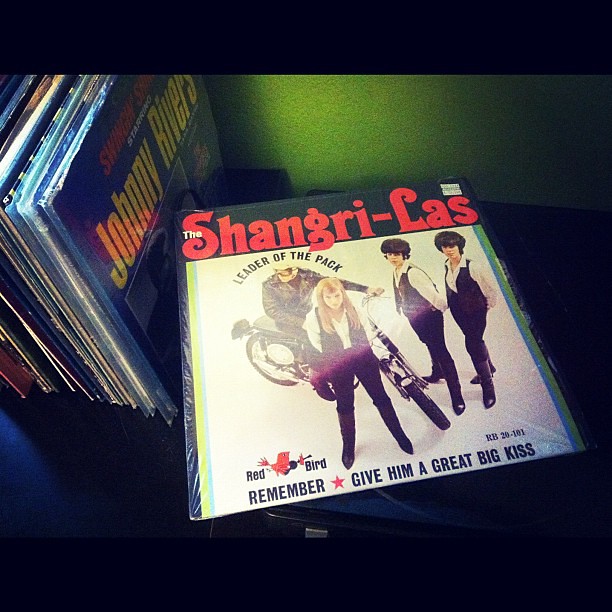
This 1964 spoken word drama told the story of a girl in love with a motorcycle rider who meets a tragic end. The sound effects and emotional delivery made it a dramatic radio favorite. Teens related to the forbidden romance angle.
The boyfriend’s dangerous lifestyle and the parents’ disapproval added layers of social commentary that went beyond simple teen tragedy. The group presented it as a cautionary tale wrapped in soap opera style. Listeners often focused on the heartbreak and missed the class and safety undertones because the production stayed so theatrical.
21. The Birds and the Bees by Jewel Akens

The 1965 single used the old metaphor for explaining reproduction in a lighthearted way. The whistling and gentle rhythm made it feel like a harmless nature lesson. Families enjoyed it as wholesome entertainment.
The explanation quickly turned into a direct conversation about sex once the verses unfolded. The songwriters kept the language playful to avoid any backlash. Listeners missed the adult topic because the title and melody sounded like children’s fare at first glance.
22. Wild Thing by The Troggs
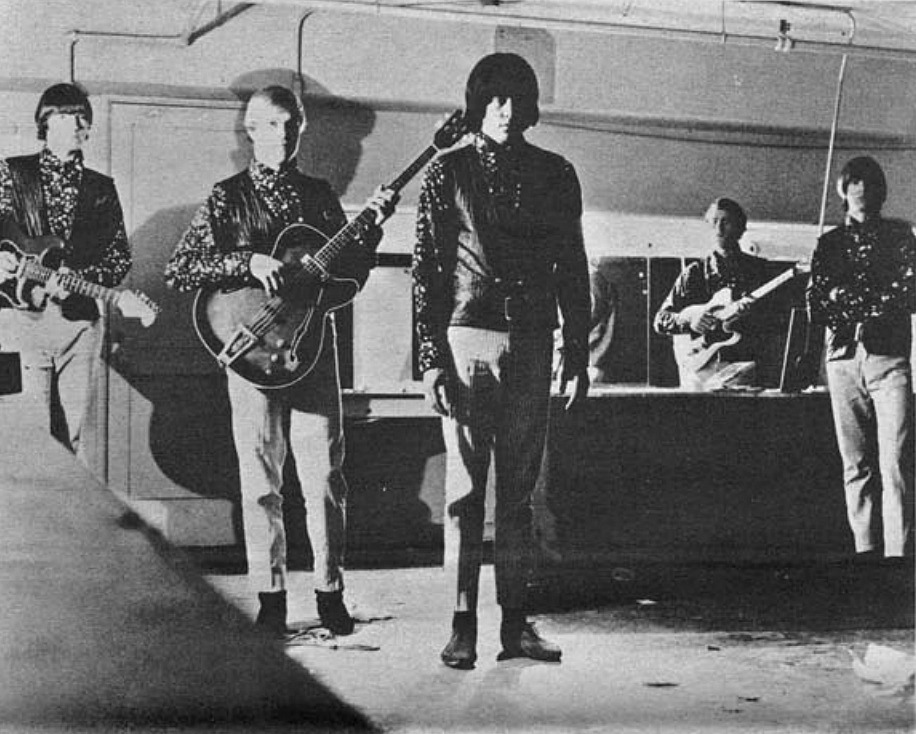
This 1966 hit addressed a free spirited partner with raw energy and simple chords. The primitive sound and shouted chorus made it a garage rock classic. Crowds loved its directness at parties.
The wild thing in question carried obvious sexual connotations that the band never tried to hide. The song’s success came despite or because of its blunt approach. Listeners at the time caught the vibe but often missed the full intent because the delivery stayed so primal and unpolished.
23. I Got You Babe by Sonny and Cher
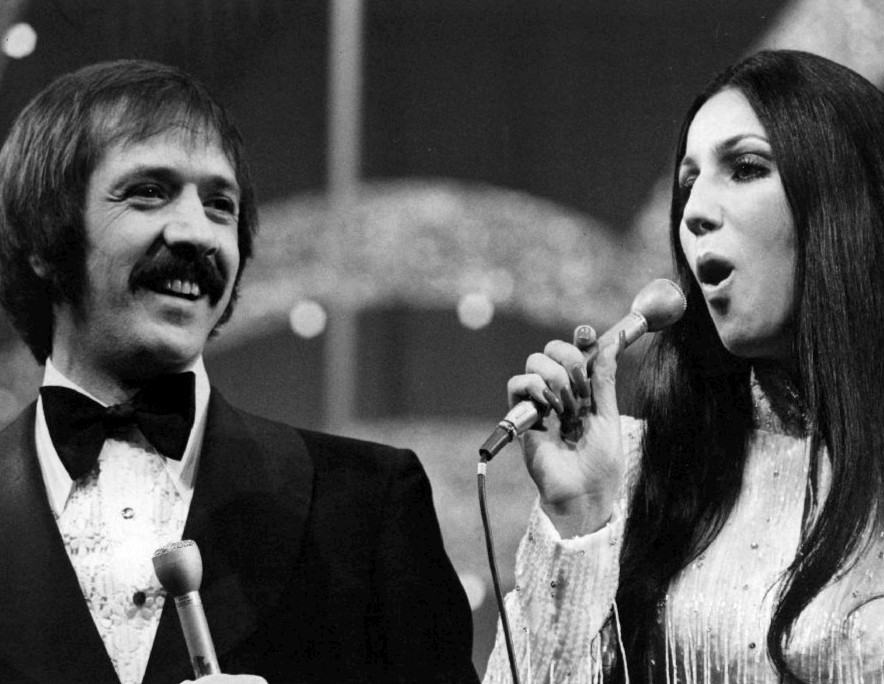
The 1965 duet celebrated young love against the odds with matching outfits and optimistic lyrics. The folk rock arrangement and their chemistry made it a massive hit. Couples adopted it as their anthem.
The lines about not needing much money hinted at a relationship that might have started under unconventional circumstances. The pair later revealed personal details that added context to the song. Listeners missed the subtext because the surface message of devotion felt so pure and the melody stayed so catchy.
24. These Boots Are Made for Walkin’ by Nancy Sinatra
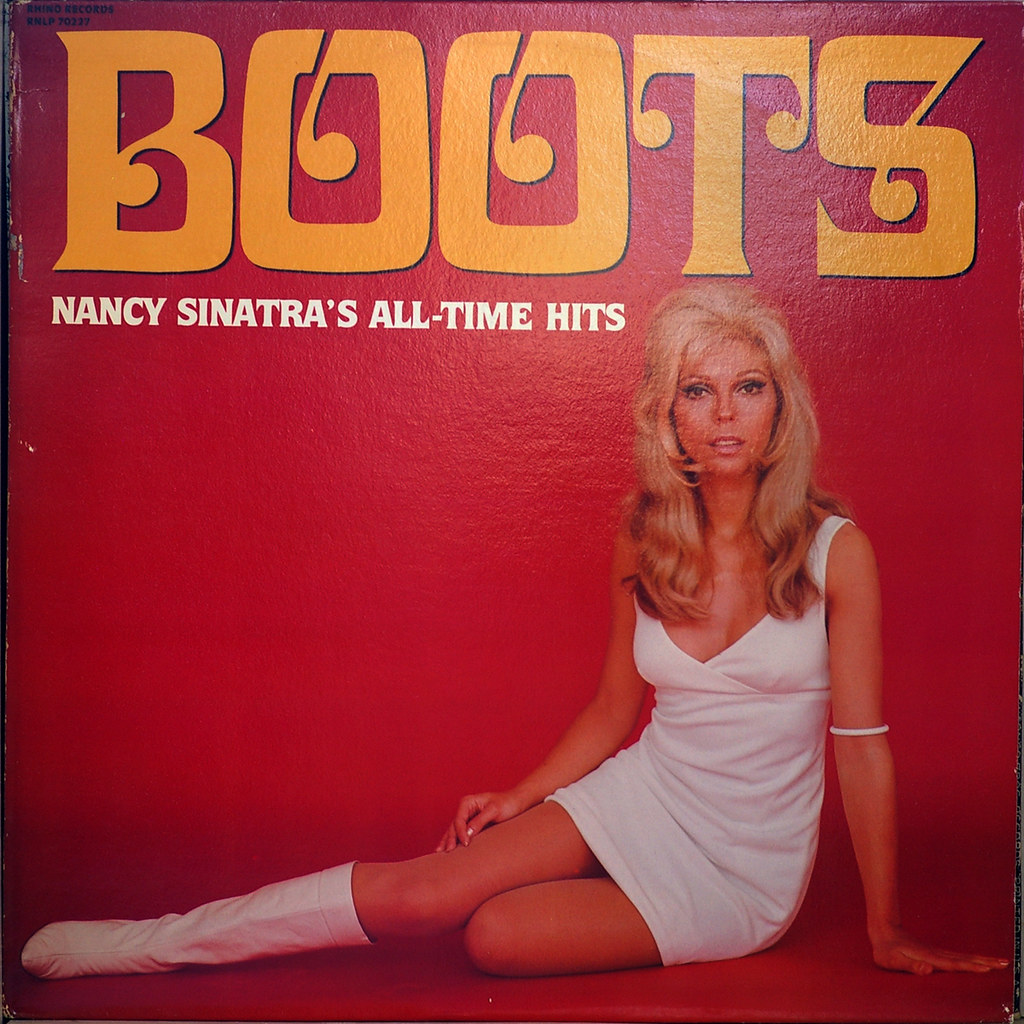
The 1966 track warned a cheating partner that the singer was done putting up with bad behavior. The marching beat and confident delivery turned it into an empowerment anthem. Women especially embraced the attitude.
The boots walking out carried a clear threat of leaving for good that felt bold for the era. Sinatra performed it with a knowing edge that added to the impact. Listeners often heard only the catchy chorus and missed the full resolve because the production stayed so stylish and fun.
25. Respect by Aretha Franklin
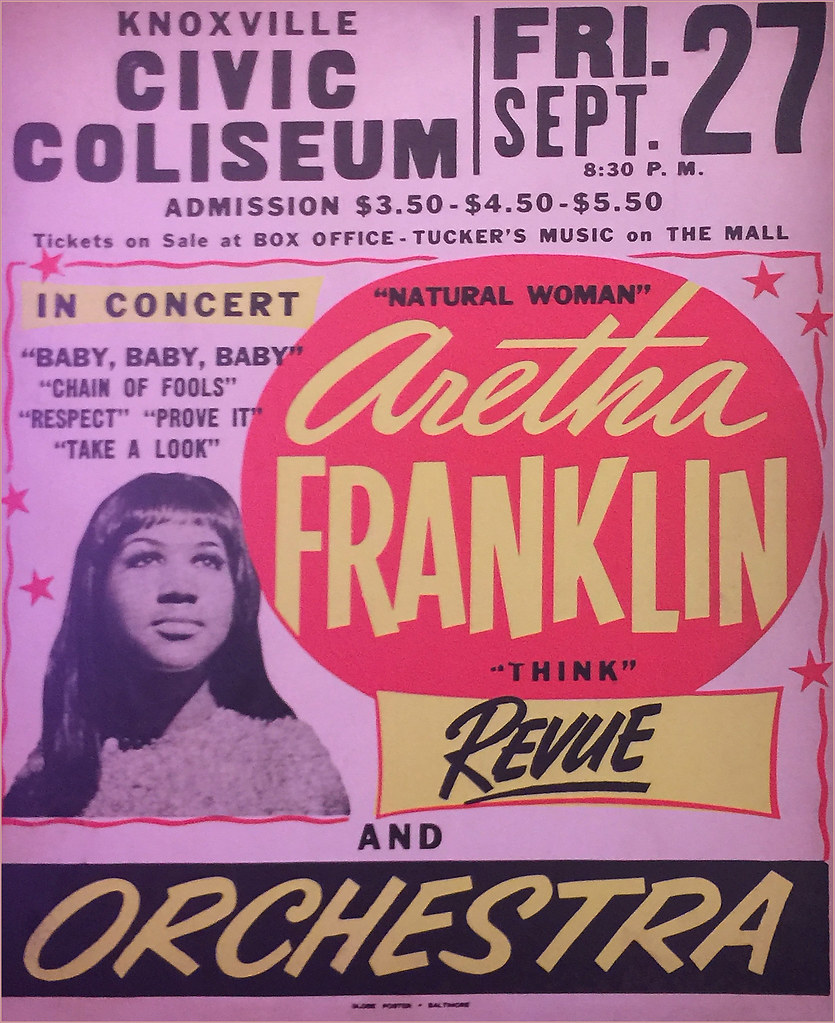
Franklin’s 1967 version demanded respect from a partner in no uncertain terms. The powerful vocals and horn driven arrangement made it an instant classic. It became a rallying cry for many listeners.
The spelled out demand for R E S P E C T carried layers of personal and social meaning that went beyond a simple relationship plea. Franklin transformed Otis Redding’s original into something more assertive. Listeners caught the strength but sometimes missed the deeper context because the song felt like pure celebration on the surface.
Old songs continue to reveal new sides as listeners bring fresh perspectives to familiar melodies. What once passed without comment now sparks conversations about intent and timing. The gap between first impression and later understanding keeps these tracks interesting long after their original release.

- 37 Songs From the ’60s and ’70s With Meanings No One Caught the First Time - August 31, 2026
- 12 Legendary Concert Venues That Witnessed Unforgettable Musical Moments - August 31, 2026
- 10 Iconic Speeches That Dramatically Shaped Modern History - August 31, 2026

