

- Iconic Speeches Possess an Undeniable Power to Shape Public Opinion and History. - September 1, 2026
- The Golden Age of Television Delivered Stories That Still Captivate Us Today. - September 1, 2026
- Great Fashion Is Not Just Clothing; It’s a Bold Statement of Identity. - September 1, 2026
Many radio staples from the 1970s arrived with bright melodies and singalong choruses that filled cars and living rooms. Listeners often absorbed the surface energy without pausing to consider what the words actually described. Over time, though, the deeper layers in these tracks have become clearer to those who look back.
Hotel California by the Eagles
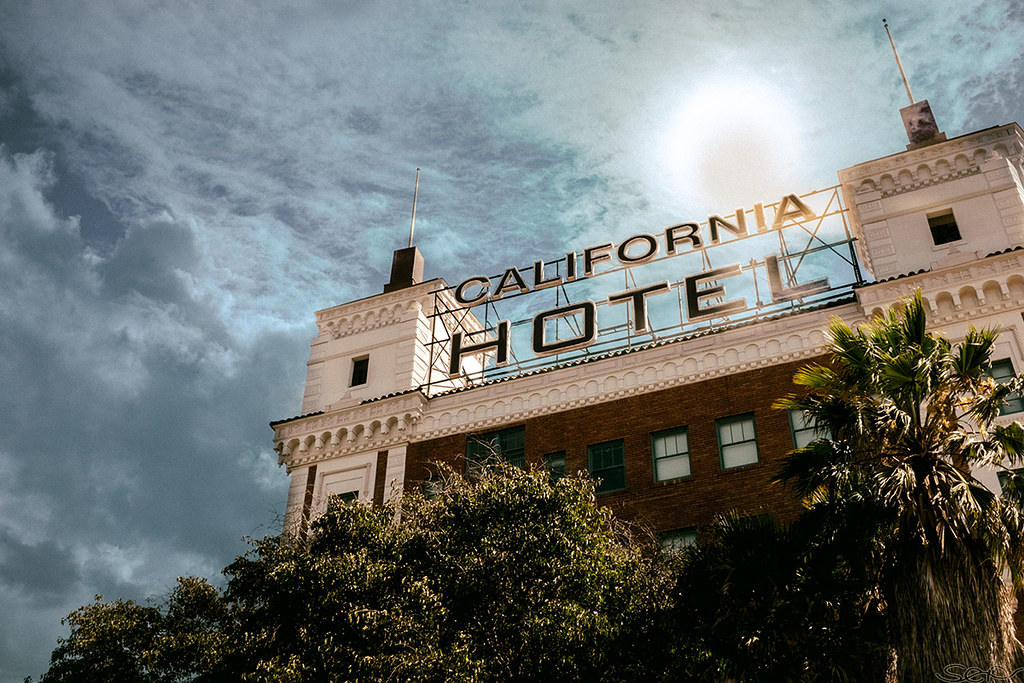
The line about checking out anytime but never leaving struck most people as a simple hotel mystery. In reality the song paints a portrait of 1970s Los Angeles excess, where fame and indulgence trap people in cycles they cannot escape. The band drew from their own experiences with the music industry and the city’s seductive underbelly.
Radio play focused on the guitar solo and the catchy hook, so the critique of materialism stayed in the background. Only later interviews revealed how the writers intended the hotel as a metaphor for a lifestyle that promises everything yet delivers isolation. The upbeat arrangement helped the darker commentary slip past casual listeners for years.
American Pie by Don McLean

Listeners treated the chorus as a nostalgic singalong about the day the music died. The verses actually chronicle the loss of 1960s innocence through references to Buddy Holly’s plane crash and the cultural shifts that followed. McLean packed the track with symbols of political upheaval and changing youth culture.
Its eight-minute length meant most stations played edited versions that highlighted the melody over the storytelling. The song’s folk-rock style and upbeat delivery masked the underlying sadness about a generation’s shattered dreams. Only dedicated fans who studied the lyrics uncovered the full historical narrative.
You’re So Vain by Carly Simon
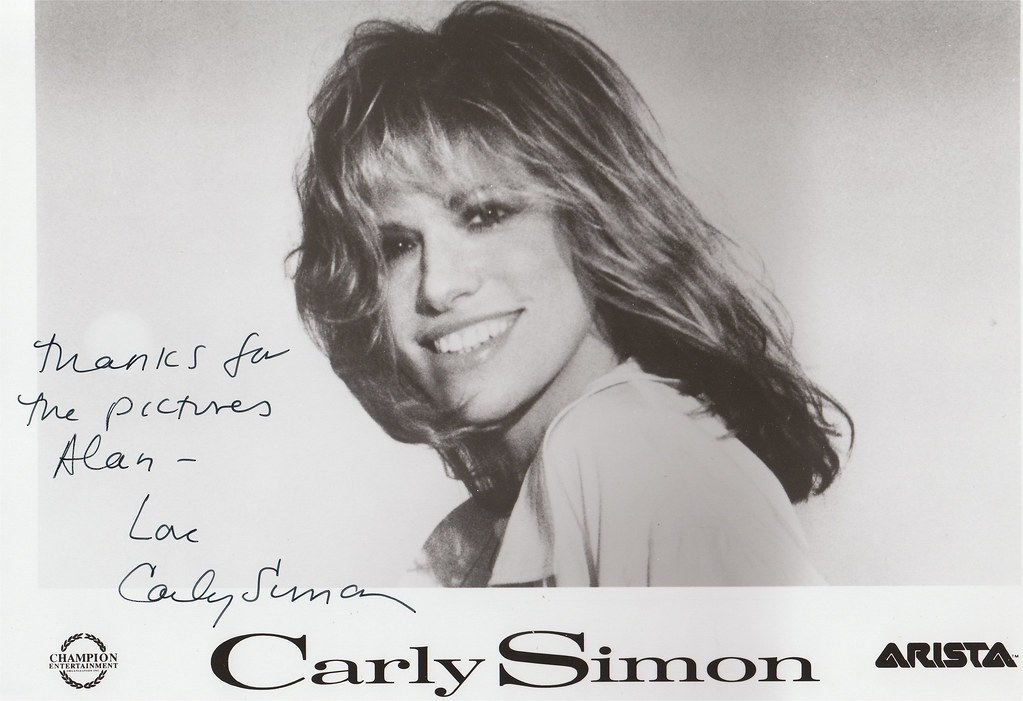
The repeated accusation of vanity sounded like a fun jab at an ex. Simon later confirmed the song draws from several self-absorbed men she encountered, with one prominent figure often linked to actor Warren Beatty. The lyrics expose how such people center everything on themselves while ignoring others.
Its glamorous production and memorable chorus kept the focus on the melody rather than the pointed social observation. Radio audiences enjoyed the mystery of the subject’s identity more than the critique of ego. The track’s chart success came from its catchy hook, not its commentary on celebrity behavior.
Stairway to Heaven by Led Zeppelin
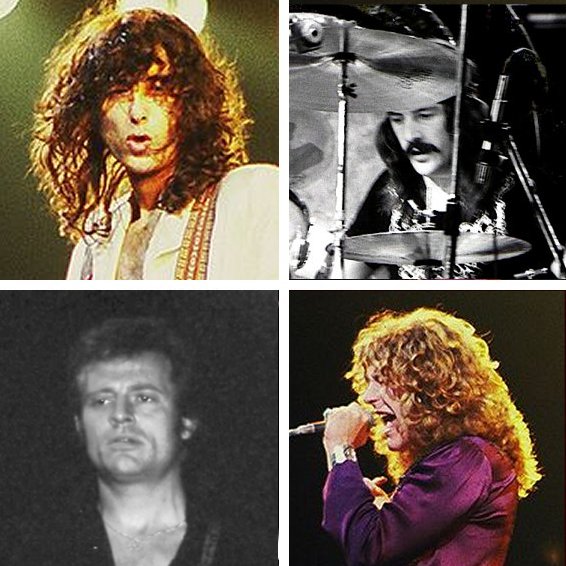
Many heard the song as a mystical journey toward enlightenment. The lyrics actually warn against chasing material wealth at the expense of spiritual growth, using the image of a woman who believes money can buy her way to heaven. Robert Plant drew from broader themes of greed and illusion.
The epic length and intricate guitar work overshadowed the cautionary tale for most radio listeners. Backmasking rumors later distracted from the straightforward message in the verses. The band’s reputation for rock excess further distanced casual fans from the song’s reflective core.
Bohemian Rhapsody by Queen
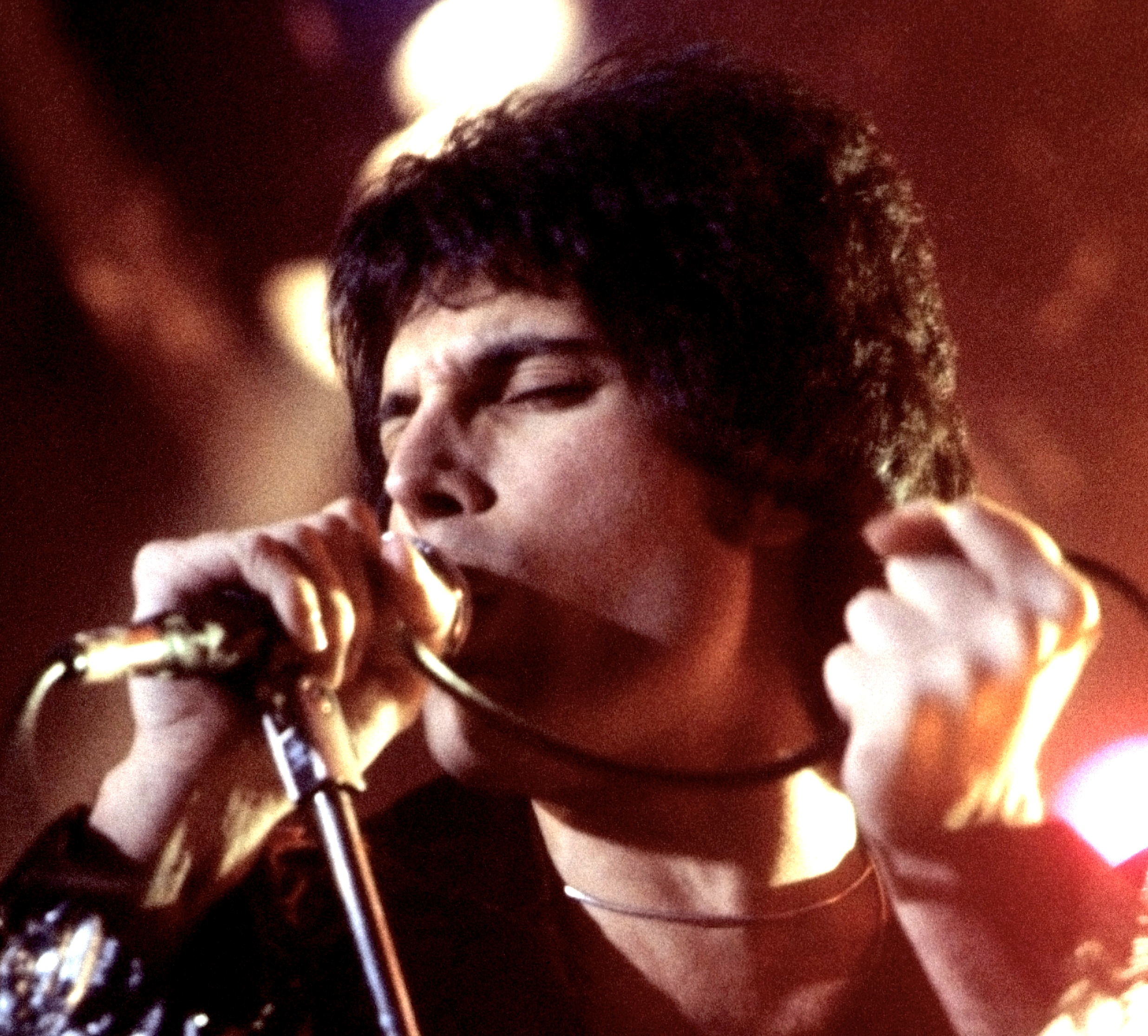
The operatic sections and head-banging finale made the track feel like pure theatrical fun. Beneath the surface lies a story of a man confessing to murder and grappling with guilt, regret, and possible suicide. Freddie Mercury crafted the narrative as a personal fantasy drawn from his own emotional struggles.
Its six-minute structure and genre shifts kept radio programmers focused on the spectacle rather than the plot. Listeners sang along to the nonsense syllables without noticing the darker confession in the verses. The song’s enduring popularity as a party anthem further buried its introspective origins.
Seasons in the Sun by Terry Jacks

The breezy melody and farewell chorus gave the impression of a lighthearted goodbye. The lyrics describe a young man facing death and reflecting on lost youth, based on a French poem about suicide and final wishes. Jacks adapted the material after personal losses in his life.
Its chart-topping status came from the singable refrain that masked the terminal illness theme. Radio listeners embraced the emotional delivery without connecting it to real mortality. The song’s simple arrangement hid the weight of its subject matter from most casual audiences.
Vincent by Don McLean
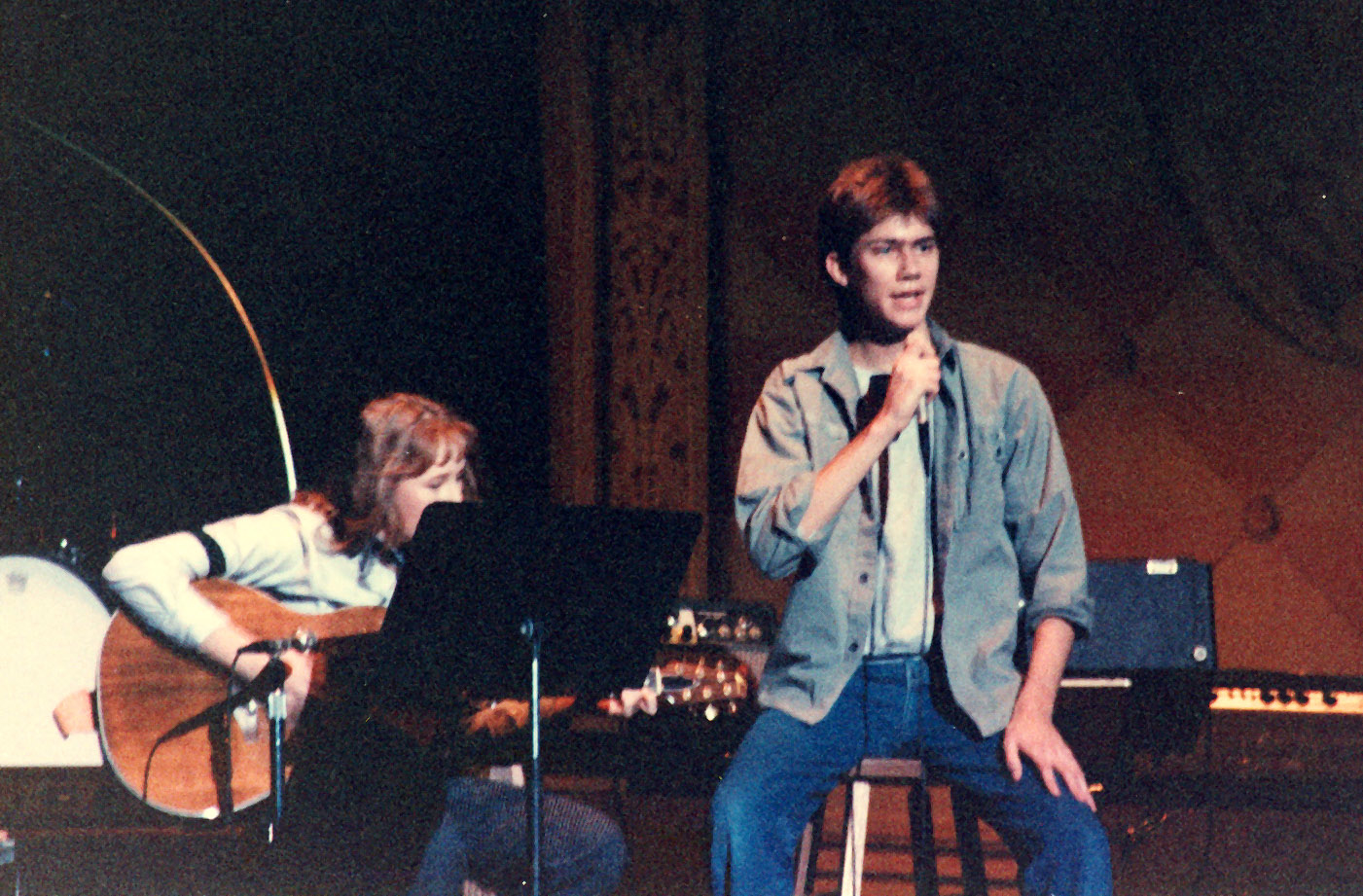
The gentle acoustic style suggested a tender tribute to the artist. McLean actually explores Vincent van Gogh’s mental anguish, isolation, and eventual suicide through references to his paintings and troubled life. The lyrics highlight how society failed to understand his genius.
Its folk arrangement and poetic language kept the focus on beauty rather than tragedy for radio play. Listeners often appreciated the melody without grasping the commentary on mental health and artistic struggle. The song’s chart performance relied on its melodic appeal over its somber message.
The Logical Song by Supertramp
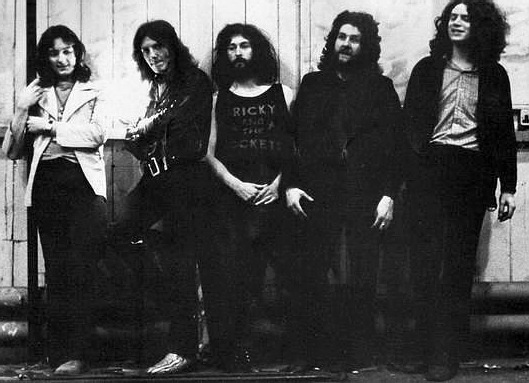
The upbeat piano and saxophone made the track sound like a cheerful reflection on life. The lyrics lament how education and society strip away childhood wonder, leaving adults cynical and disconnected. Roger Hodgson wrote it from his own boarding-school experiences.
Its radio-friendly length and catchy chorus directed attention to the instrumentation instead of the critique of conformity. Listeners sang the title phrase without considering the loss of innocence it describes. The band’s progressive rock reputation further distanced casual fans from the personal core.
Don’t Fear the Reaper by Blue Öyster Cult
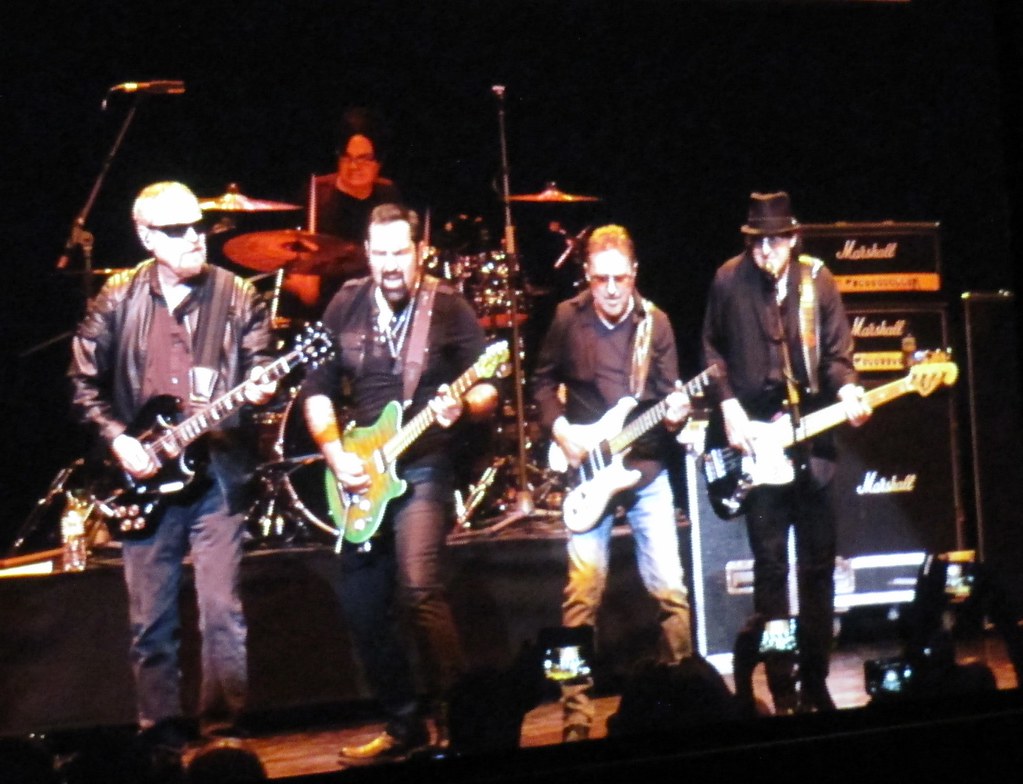
The cowbell-driven riff and romantic imagery suggested a love song about eternal devotion. The lyrics actually address suicide as a way for lovers to stay together beyond death, inspired by a poem about a couple’s pact. The band intended it as a meditation on mortality rather than encouragement.
Its rock energy and memorable hook overshadowed the darker premise during heavy rotation. Radio audiences focused on the melody and the band’s image rather than the subject of choosing death. Later cultural references as a Halloween staple reinforced the surface-level enjoyment.
Cat’s in the Cradle by Harry Chapin
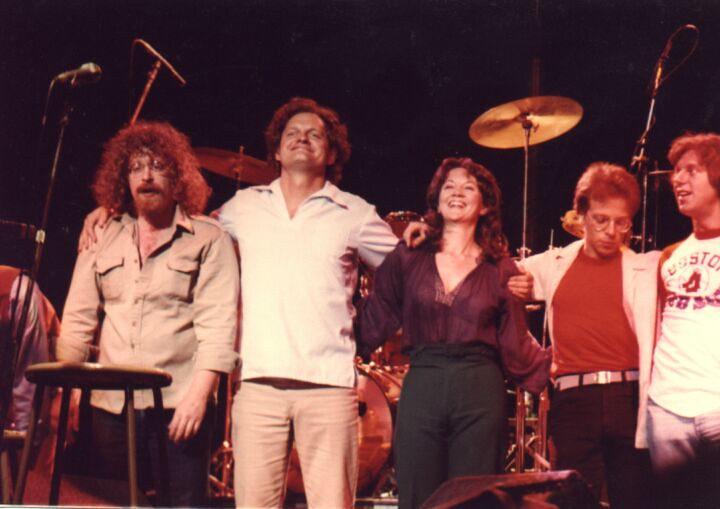
The folk storytelling style framed the song as a simple father-son tale. Chapin drew from his own life to show how a busy father misses his child’s growth, only to face the same neglect later. The lyrics serve as a warning about prioritizing work over family.
Its narrative structure and acoustic arrangement kept radio play centered on the emotional delivery. Listeners often related to the melody without fully absorbing the regretful message about generational patterns. The song’s chart success came from its relatable hook rather than its cautionary depth.
The Wreck of the Edmund Fitzgerald by Gordon Lightfoot
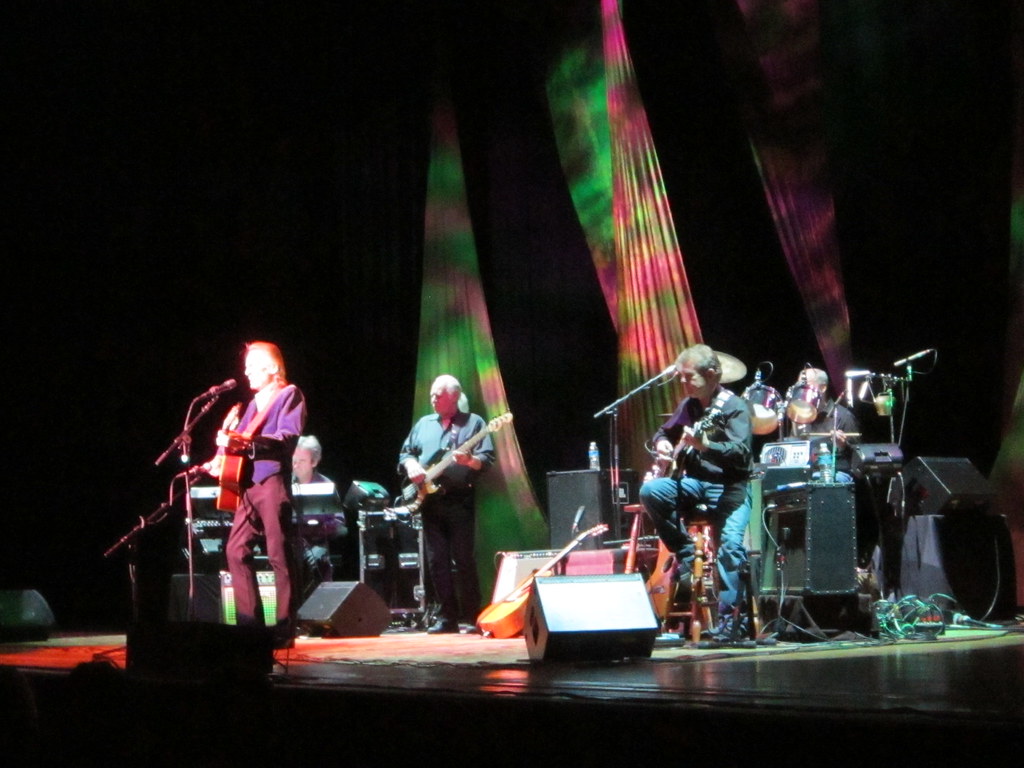
The somber folk melody hinted at a historical recounting. Lightfoot based the lyrics on the real 1975 sinking of the freighter, detailing the storm, the crew’s fate, and the unanswered questions. The song preserves the memory of the twenty-nine men lost.
Its length and storytelling focus meant most radio versions emphasized the melody over the factual tragedy. Listeners appreciated the tribute without researching the maritime disaster behind it. The track’s enduring play came from its respectful tone rather than any sensationalism.
Imagine by John Lennon
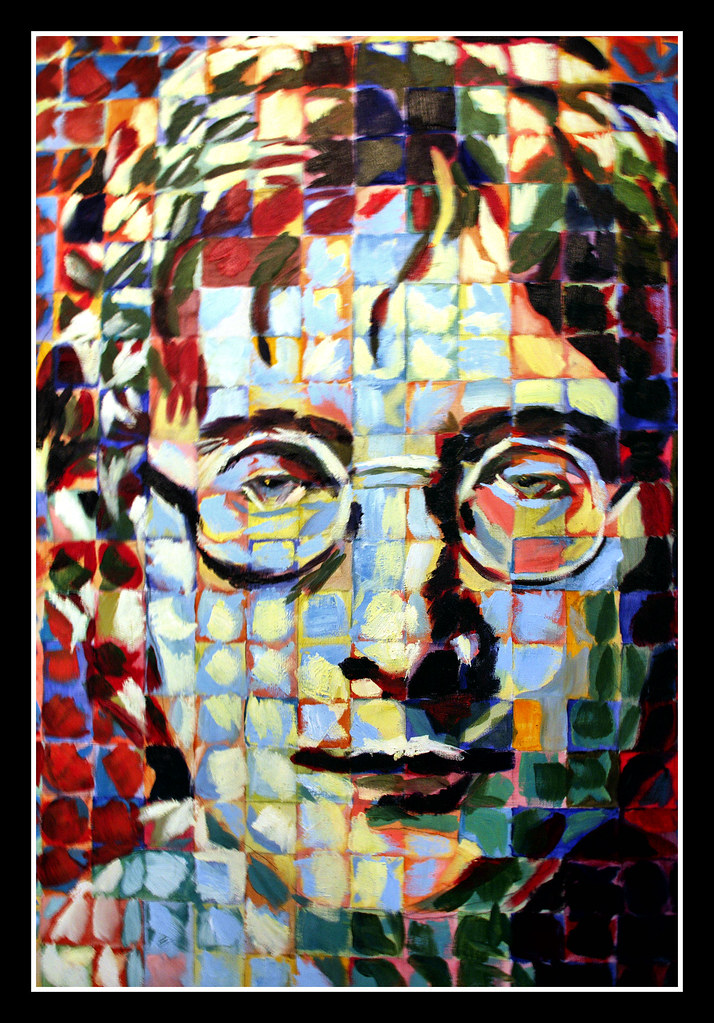
The piano ballad and hopeful chorus made the song feel like a universal peace anthem. Lennon actually calls for the abolition of borders, religion, and possessions to achieve true unity, drawing from his own political and philosophical views. The lyrics challenge listeners to envision a radically different world.
Its gentle delivery and broad appeal kept radio stations focused on the inspirational surface. Many sang along without engaging the provocative ideas about materialism and nationalism. The song’s legacy as a feel-good classic further softened its original radical intent.
Time by Pink Floyd

The ticking clocks and soaring guitars gave the track an atmospheric quality. The lyrics confront the passage of time and the regret of wasted years, reflecting the band’s experiences with fame and personal loss. Roger Waters wrote it as a reminder to live deliberately.
Its progressive structure and extended solos directed attention to the music rather than the existential message. Radio listeners often enjoyed the soundscape without internalizing the warning about fleeting life. The album context helped bury the individual song’s pointed reflection.
Another Brick in the Wall by Pink Floyd
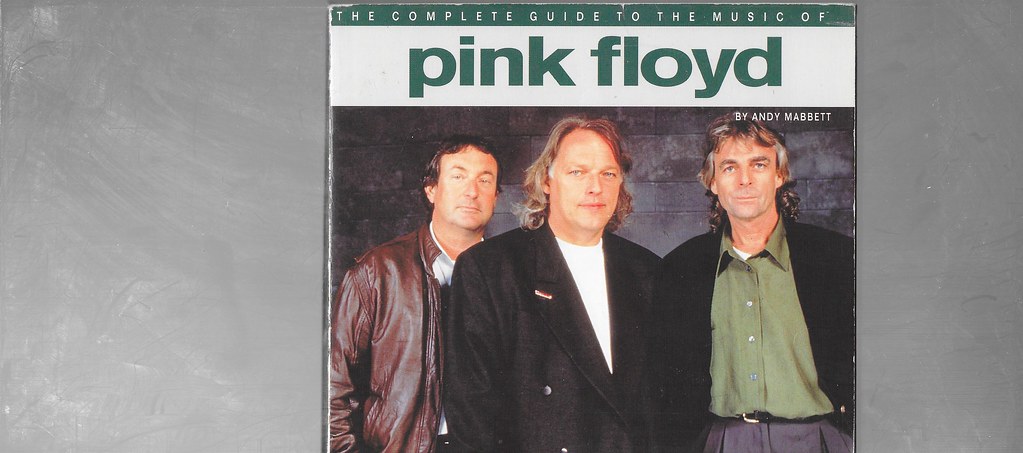
The disco beat and children’s choir made the track sound like an anti-authority anthem. The lyrics criticize rigid education systems that crush creativity, drawn from Waters’ own unhappy school experiences. The repeated refrain underscores how institutions build emotional barriers.
Its danceable rhythm and chant-like chorus kept radio play centered on the groove. Listeners chanted the hook without connecting it to broader themes of conformity and alienation. The song’s chart success relied on its catchy production over its social critique.
Running on Empty by Jackson Browne
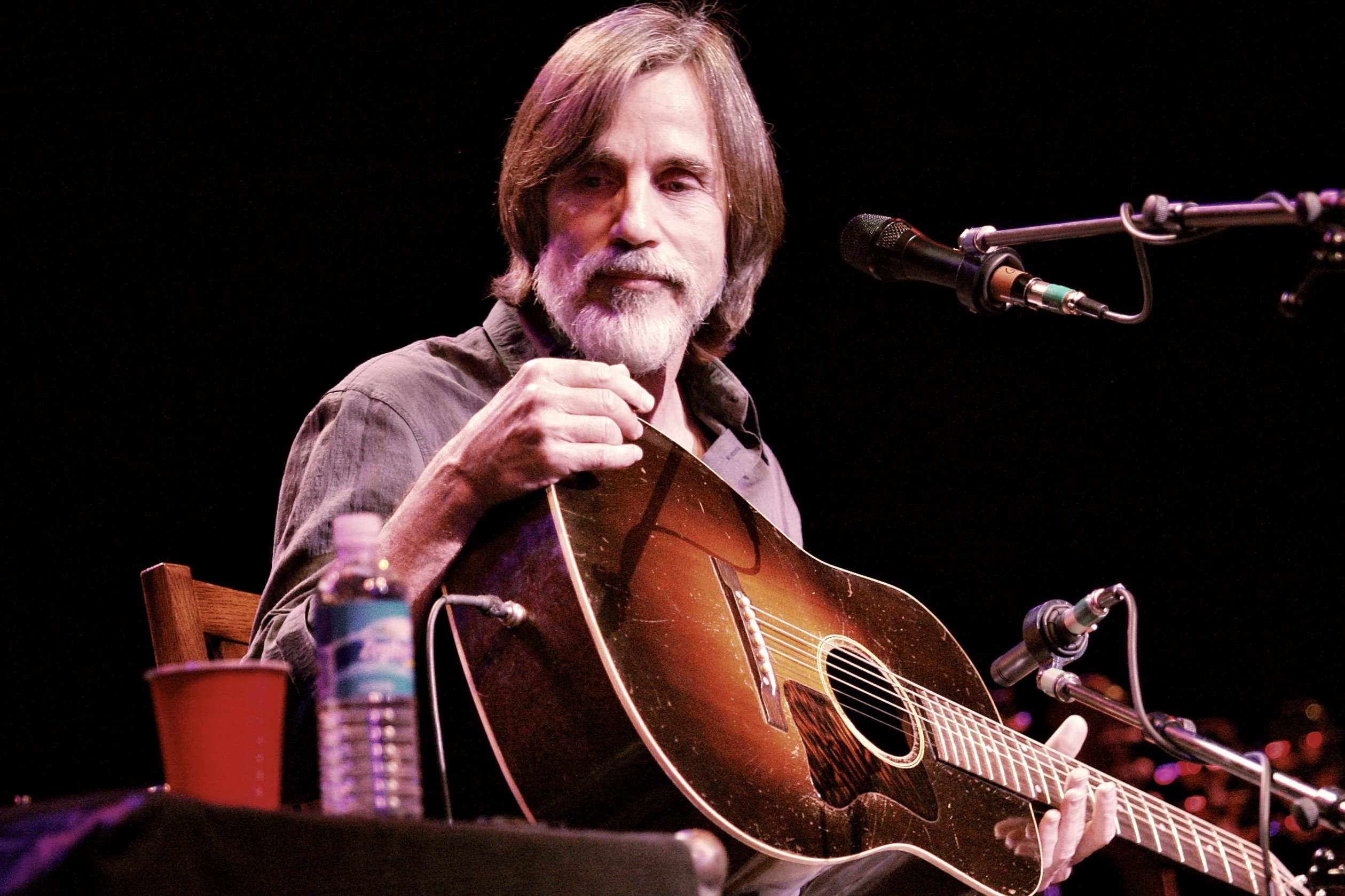
The driving rock energy suggested a song about constant motion and adventure. Browne actually explores the exhaustion of life on the road and the emptiness that follows endless touring. The lyrics reflect his own struggles with fame and personal relationships.
Its upbeat tempo and road-trip vibe overshadowed the underlying fatigue for most radio audiences. Listeners focused on the melody without noticing the commentary on burnout and disconnection. The track’s popularity came from its energetic delivery rather than its introspective core.
Year of the Cat by Al Stewart

The smooth jazz-rock arrangement framed the song as a romantic travelogue. The lyrics describe a fleeting encounter in an exotic city and the sense of drifting through life without direction. Stewart drew from personal experiences of chance meetings and aimless wandering.
Its sophisticated production and saxophone solo kept radio attention on the atmosphere. Listeners enjoyed the dreamy quality without grasping the theme of transience and missed connections. The song’s chart performance stemmed from its polished sound rather than its subtle narrative.
Goodbye Yellow Brick Road by Elton John
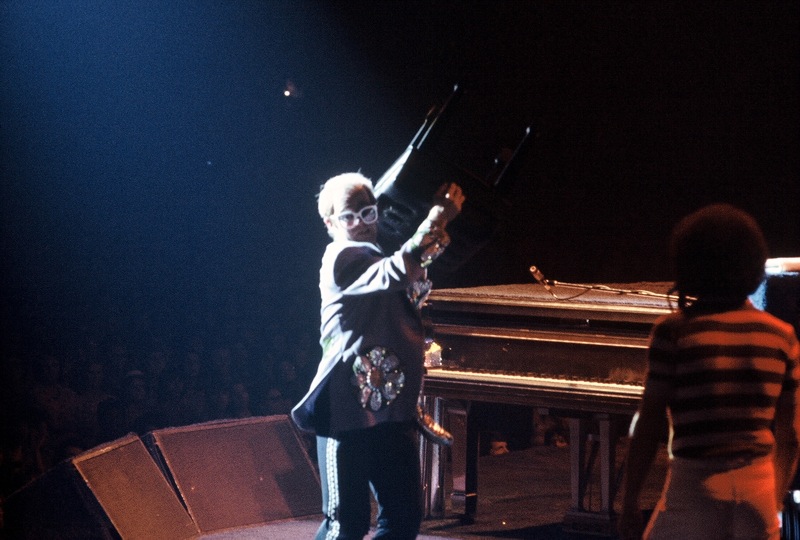
The theatrical melody and dramatic build suggested a grand farewell. The lyrics express a desire to escape fame and return to simpler roots, inspired by Bernie Taupin’s feelings about sudden stardom. The song critiques the artificiality of celebrity life.
Its epic production and memorable chorus directed focus to the performance over the message. Radio listeners embraced the emotional delivery without considering the rejection of glamour. The track’s success came from its theatrical flair rather than its personal disillusionment.
Hidden meanings in mainstream hits remind us that popular music often carries more than meets the ear. These tracks from the 1970s continue to reward closer listening with layers of social observation, personal reflection, and cultural commentary that radio play rarely highlighted at the time.

Besides founding Festivaltopia, Luca is the co founder of trib, an art and fashion collectiv you find on several regional events and online. Also he is part of the management board at HORiZONTE, a group travel provider in Germany.
