
Live music thrives on more than just the artists on stage. Venues themselves mold the experience, turning ordinary nights into cultural touchstones through their acoustics, atmosphere, and history. A cramped basement club fosters raw energy, while a vast arena amplifies spectacle.
These spaces witness pivotal shifts in genres and careers. They host debuts, breakthroughs, and farewells that echo for decades. Fans return not just for shows, but for the shared legacy built brick by brick.
Madison Square Garden
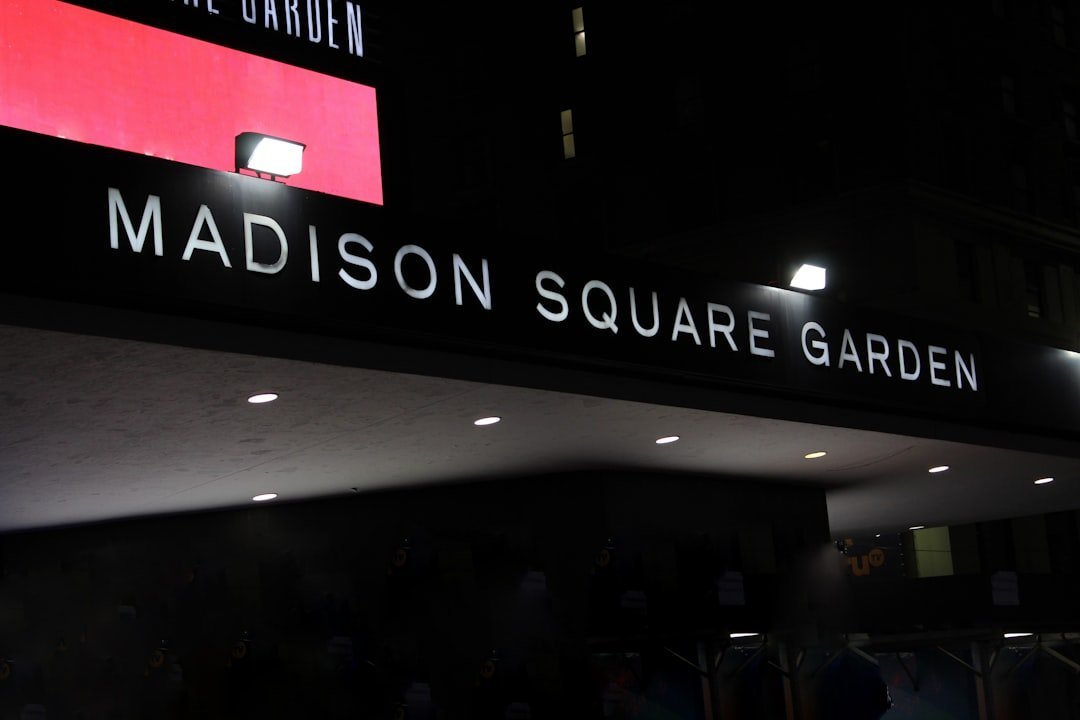
Situated in New York City, New York, this arena stands as the pinnacle for major acts.[1][2] Legends like Billy Joel held long residencies here, while Led Zeppelin and Bruce Springsteen delivered career-defining sets. Elton John and the Rolling Stones also left indelible marks with high-energy performances.
The Garden earns its title as the world’s most famous arena by validating artists at the grandest scale.[3] It hosts everything from rock spectacles to benefit concerts, blending sports and music in a bustling Manhattan hub. This mix cements its role in shaping global live music culture.
The Fillmore Auditorium
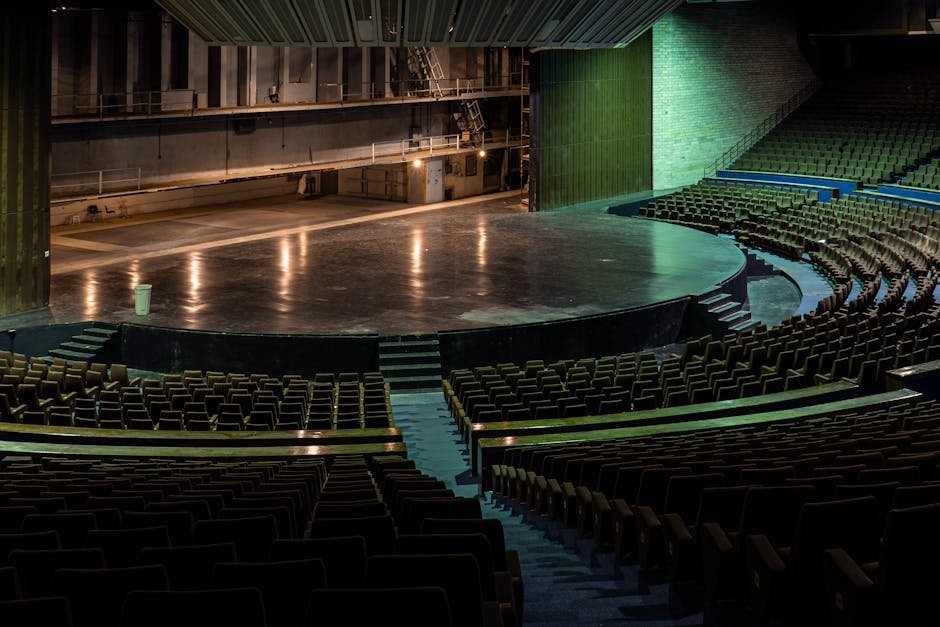
Found in San Francisco, California, the Fillmore epitomizes the 1960s psychedelic scene.[1] Jimi Hendrix, Janis Joplin, and the Grateful Dead performed groundbreaking shows amid light shows and improvisation. Jefferson Airplane and Led Zeppelin added to the counterculture vibe with genre-blending bills.
Promoter Bill Graham turned it into a hub for youth experimentation and communal energy.[2] Though it closed in 1968, its legacy lives in live albums and the spirit of authentic rock. The venue redefined concerts as immersive cultural events.
Apollo Theater
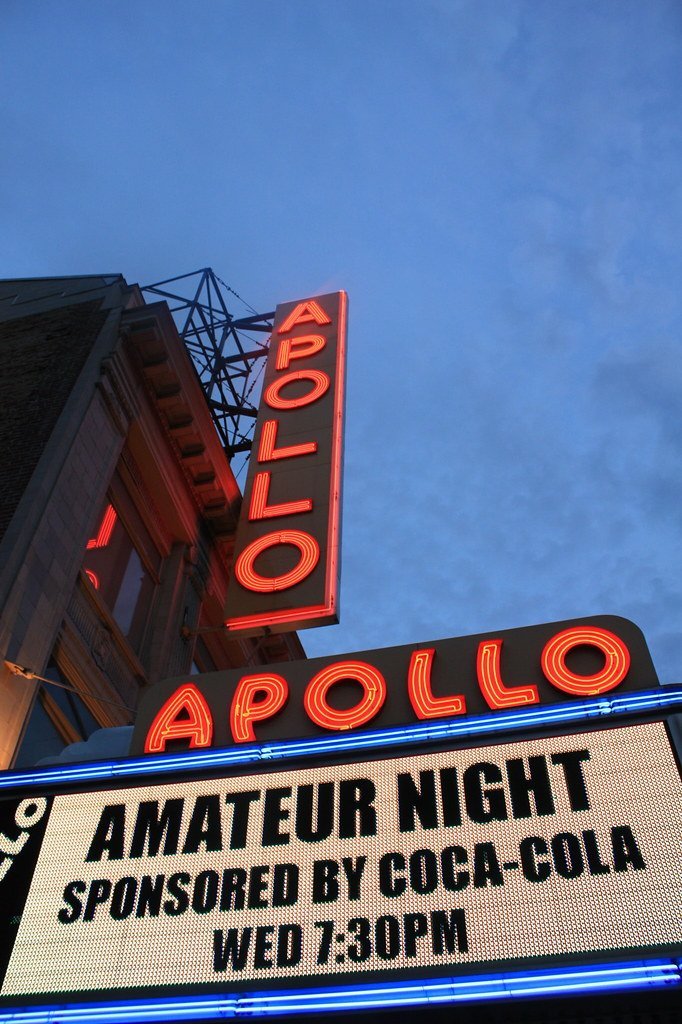
Located in Harlem, New York City, the Apollo has been central to Black music since 1913.[1] James Brown recorded his seminal live album here, with Aretha Franklin and Stevie Wonder also shining on its stage. Amateur Night launched countless careers amid jazz, R&B, and soul.
It provided a vital platform during segregation, fostering resilience and artistry.[4] The “log” onstage, touched for luck, symbolizes generations of performers. Today, it remains a powerhouse for hip-hop and beyond.
CBGB
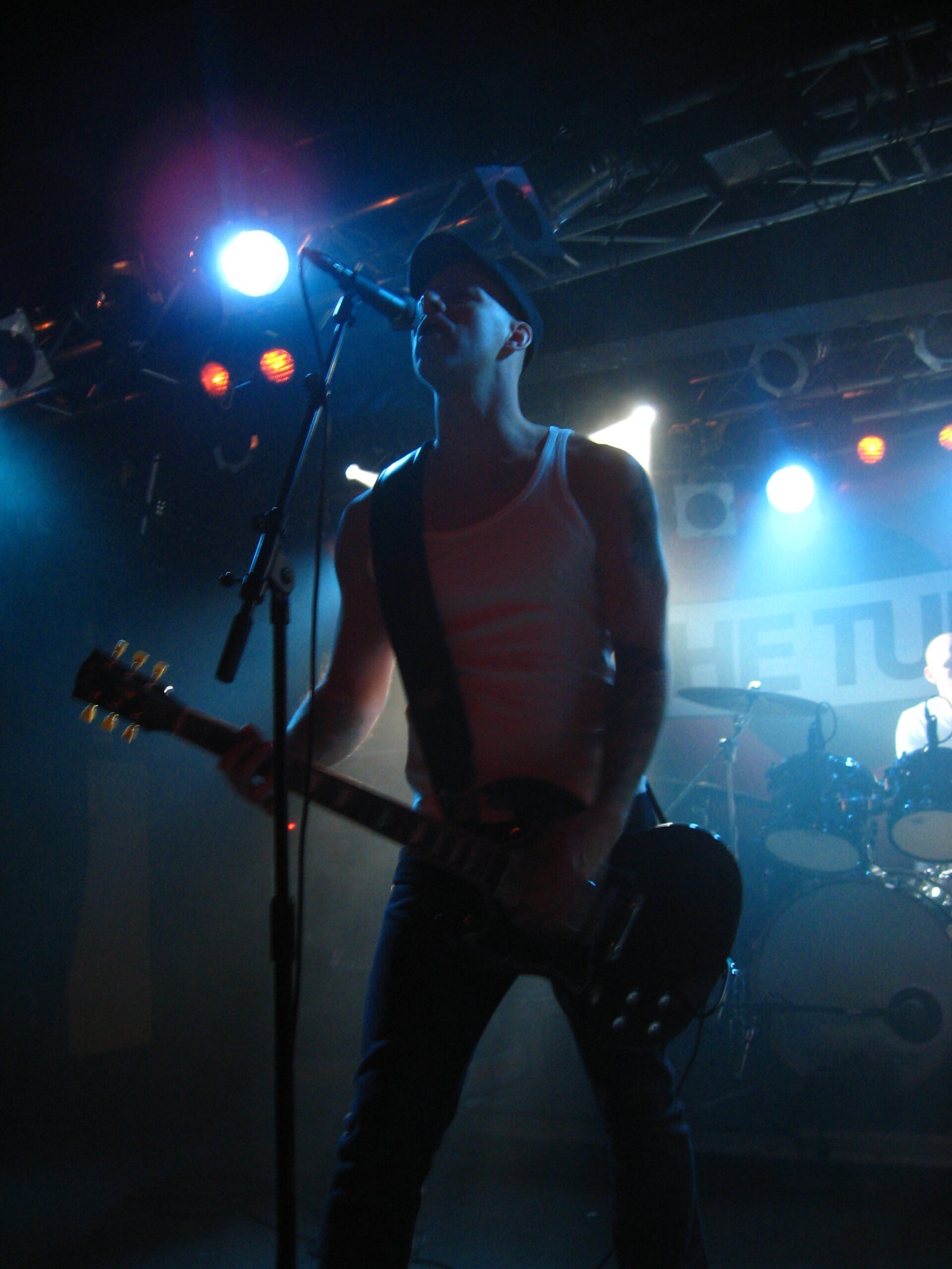
This East Village spot in New York City birthed punk from 1973 to 2006.[1] The Ramones debuted their blistering sets, joined by Talking Heads, Blondie, and Patti Smith. Television and the Police cut their teeth in its gritty confines.
Hilly Kristal’s no-frills club championed DIY creativity over arena polish.[2] Graffiti walls and raw sound reshaped rock, influencing global scenes. Its closure marked the end of an era, but punk’s spirit endures.
Royal Albert Hall
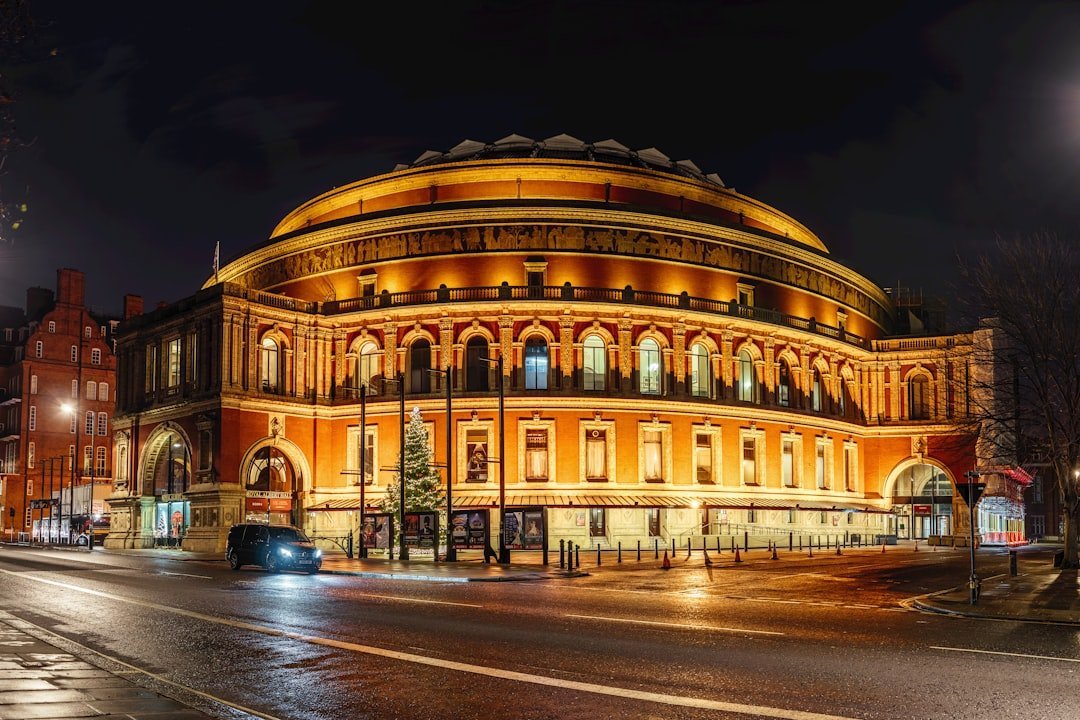
In London, UK, this Victorian gem opened in 1871 and spans genres.[1] Led Zeppelin filmed “The Song Remains the Same” here, with The Who and Eric Clapton delivering amplified spectacles. Adele and Pink Floyd later filled its dome with modern flair.
Renowned acoustics elevate everything from classical Proms to rock giants.[2] It bridges tradition and innovation, hosting over 390 events yearly. The hall stands as a bucket-list stage for musicians worldwide.
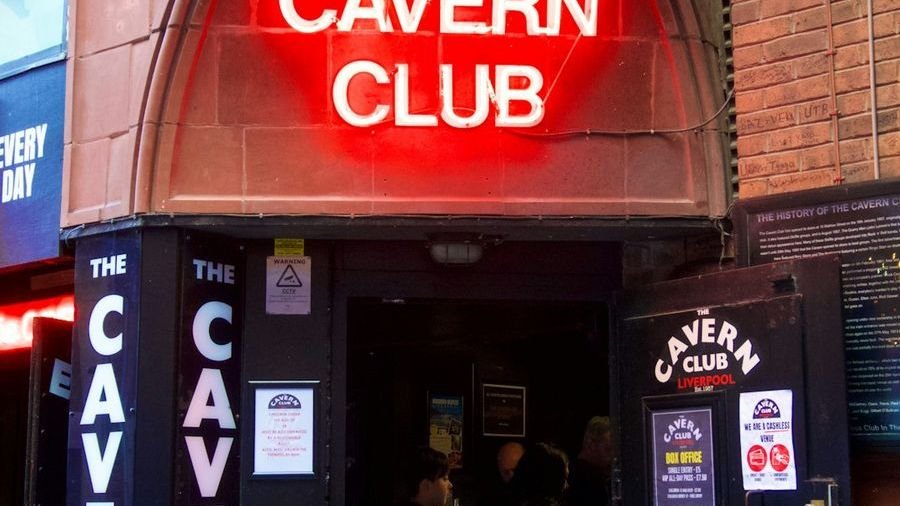
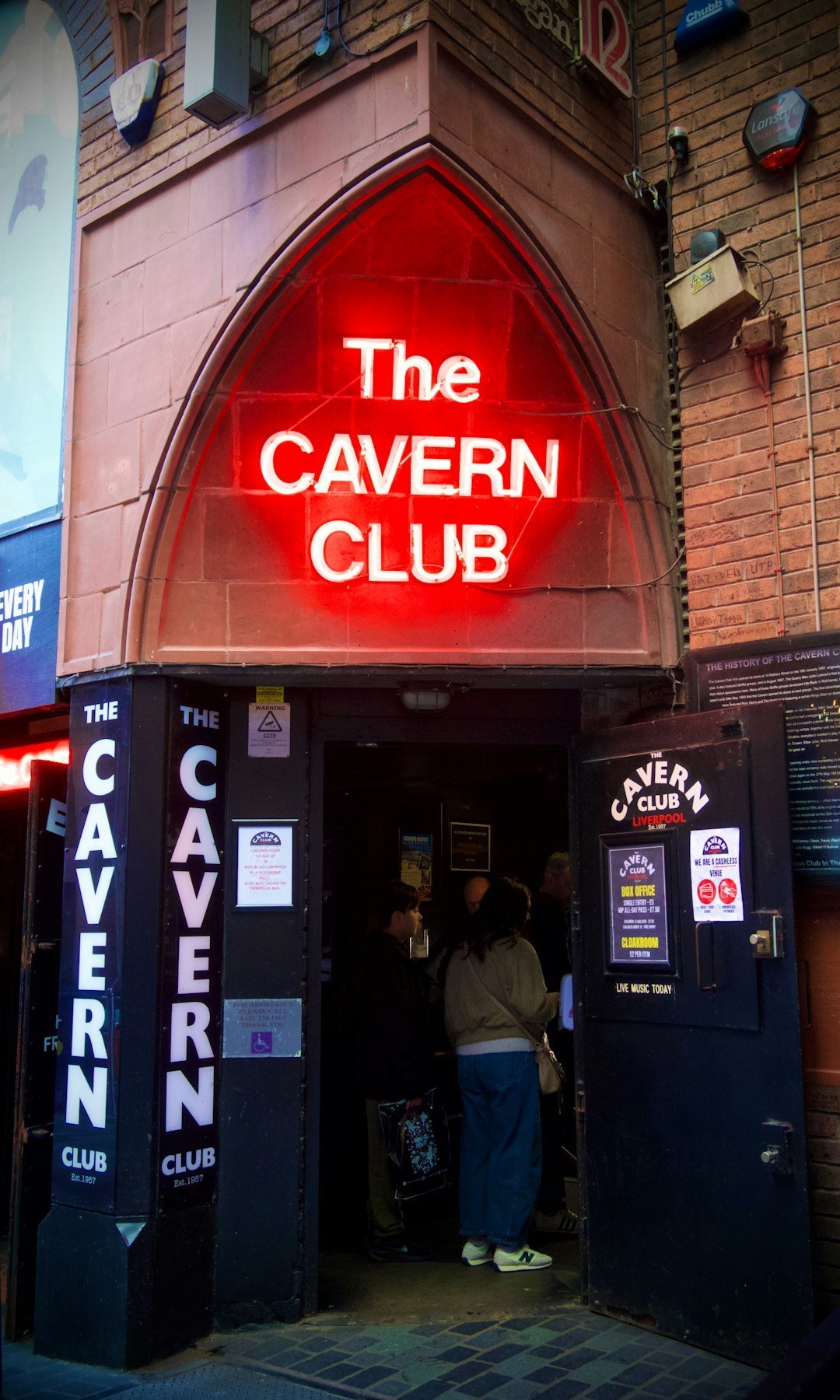
Cavern Club
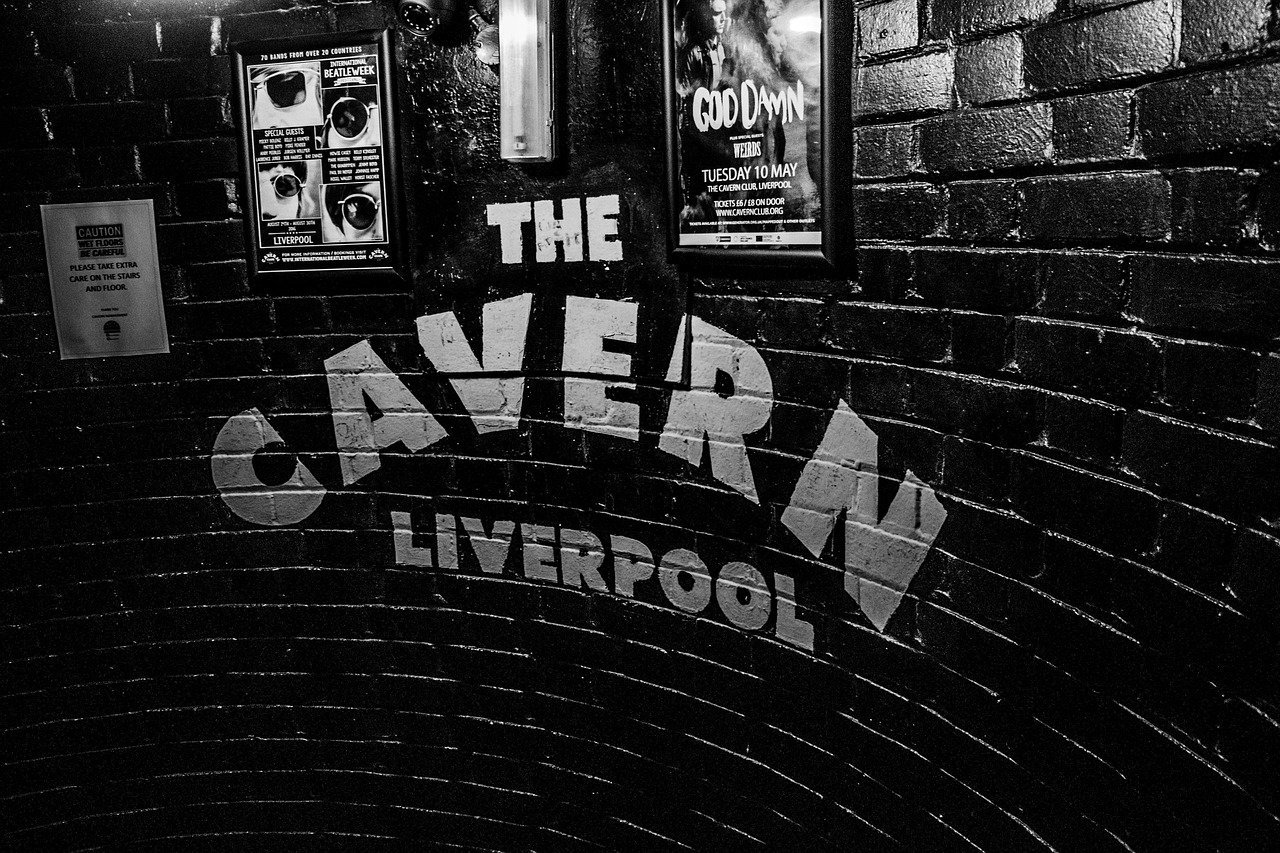
The Liverpool, UK, basement club fueled the British Invasion.[1] The Beatles played nearly 300 sweaty lunchtime gigs from 1961 to 1963. Early Rolling Stones and others honed their craft in its jazz-to-rock evolution.
As the Beatles’ birthplace, it refined their sound before global fame.[2] Rebuilt after demolition, it draws pilgrims to Merseybeat’s heart. The venue captures rock’s raw origins.
Hollywood Bowl
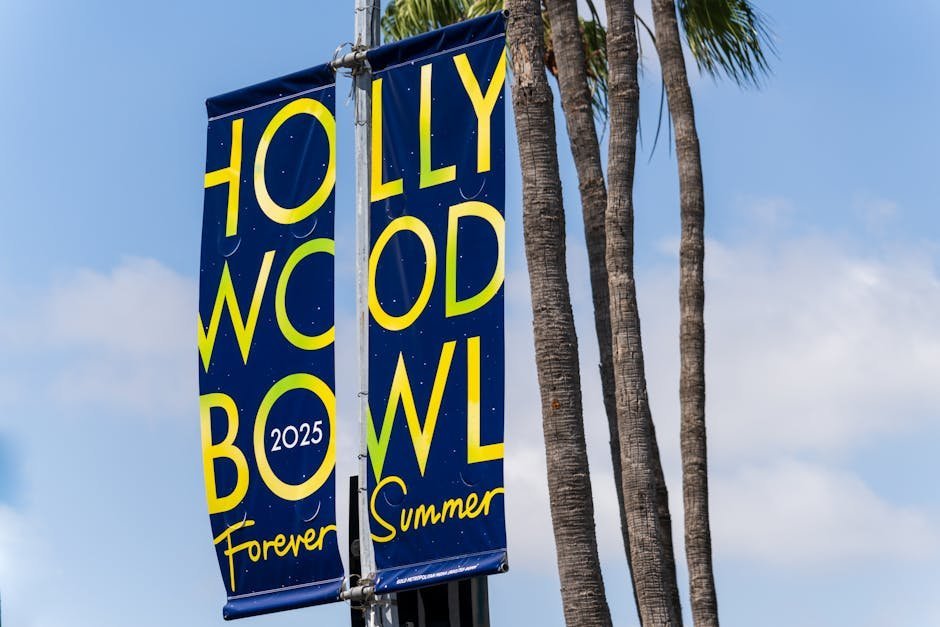
Nestled in Los Angeles’ Hollywood Hills, this outdoor amphitheater dazzles since 1922.[1] The Beatles’ 1964 shows were captured on a live album, with Frank Sinatra and the Beach Boys following. Jimi Hendrix and the Doors expanded its rock reach.
From orchestras to pop icons, it blends natural beauty with stellar sound.[4] Ranked among America’s best, it hosts diverse acts under the stars. The setting elevates every performance.
Red Rocks Amphitheatre
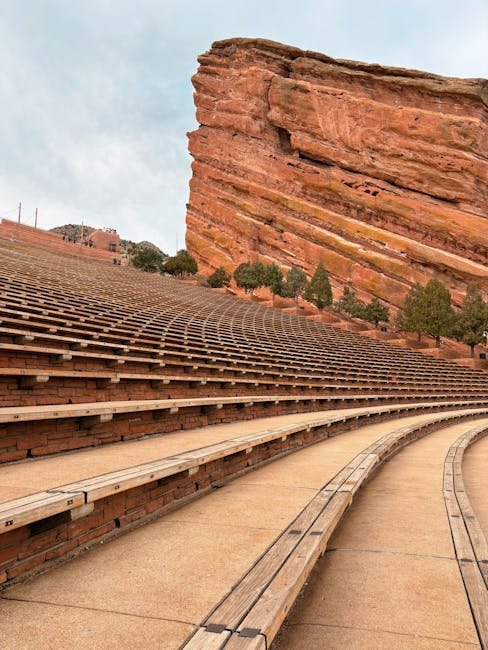
Near Morrison, Colorado, Red Rocks uses natural rock formations for epic shows since 1947.[3] The Beatles rocked it first in 1964, followed by Jimi Hendrix and U2. Live albums from Johnny Cash and others preserve its magic.
Perfect acoustics and views create transcendent experiences.[4] It draws crowds for rock, jam bands, and more amid stunning vistas. The venue feels alive with the mountains.
Ryman Auditorium
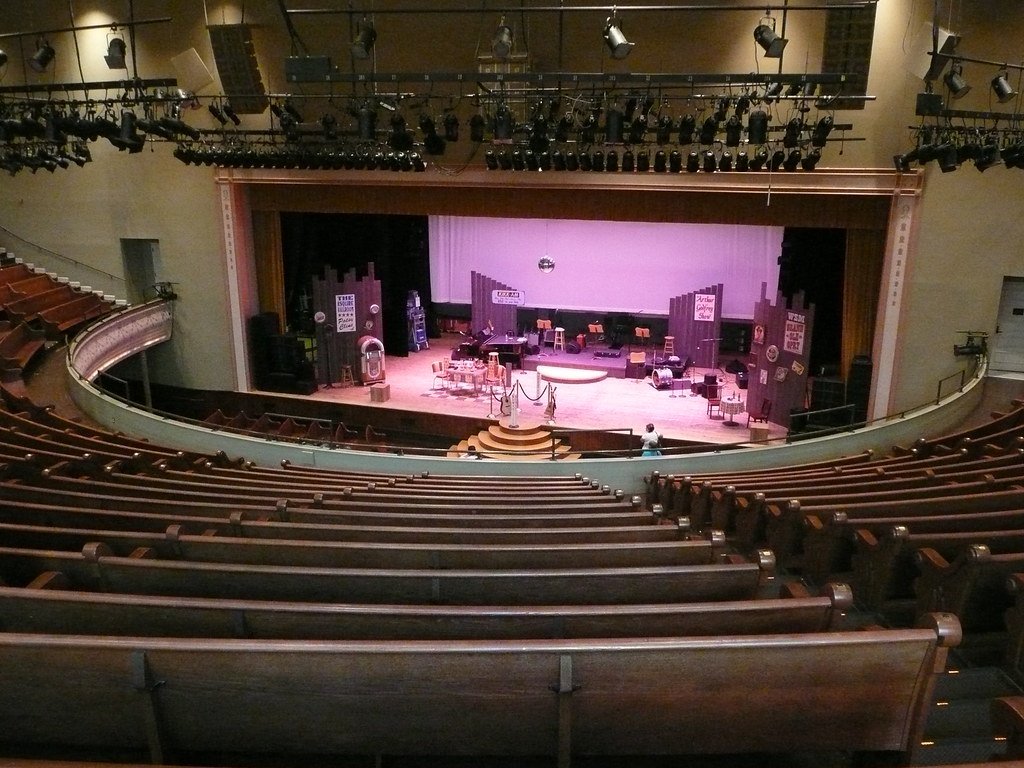
In Nashville, Tennessee, the Ryman reigns as country music’s mother church since 1892.[1] Johnny Cash recorded live here, with Elvis Presley and Dolly Parton gracing its stage. It hosted the Grand Ole Opry for decades.
Legendary acoustics amplify twang and soul alike.[4] Saved from demolition, it now welcomes diverse acts like Bob Dylan. Its pews hold country’s sacred history.
The Troubadour
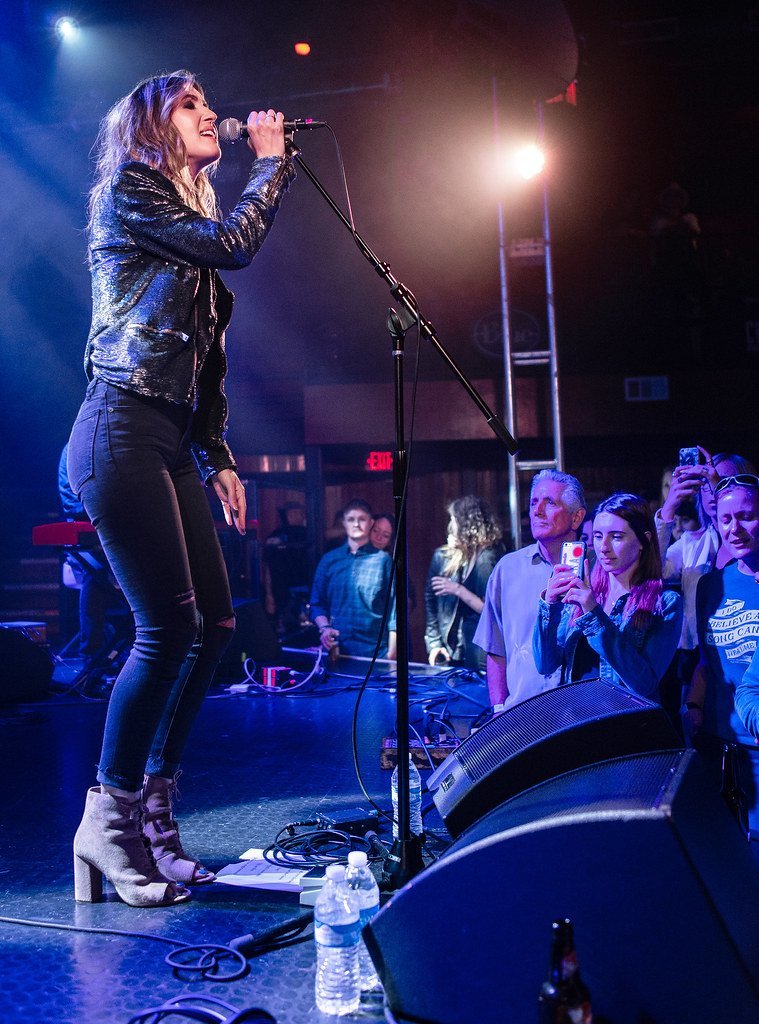
On West Hollywood’s Sunset Strip, California, this intimate spot thrives since 1957.[1] Elton John’s U.S. debut electrified crowds, alongside Joni Mitchell and the Eagles. Carole King previewed “Tapestry” material here.
It nurtured the 1970s singer-songwriter boom up close.[3] Capacity crowds witness stars in the making. The club persists through eras, fostering discovery.
Whisky a Go Go
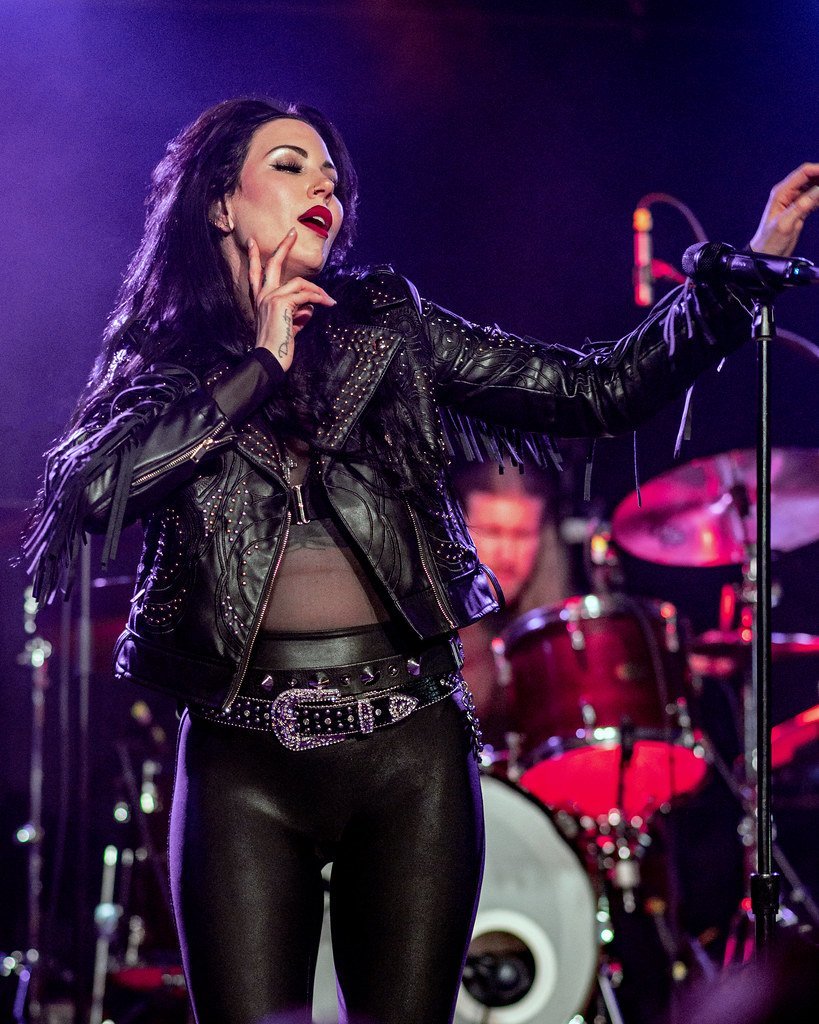
Also on L.A.’s Sunset Strip, the Whisky launched West Coast rock.[2] The Doors served as house band in 1966, with Janis Joplin and Led Zeppelin igniting nights. Guns N’ Roses later carried the torch.
Go-go dancers and British Invasion acts defined its glamorous edge.[2] It symbolizes L.A.’s influential scene. Careers ignited amid its electric chaos.
Sydney Opera House
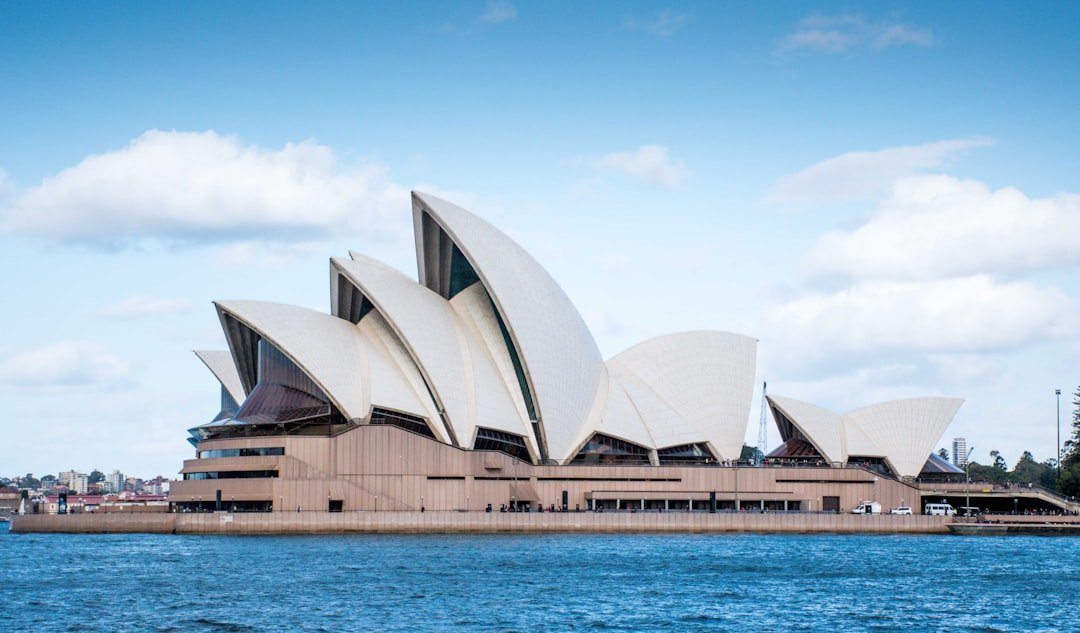
This architectural marvel in Sydney, Australia, hosts rock amid sails.[3] Radiohead and Florence + the Machine delivered intimate sets in its halls. It blends opera with contemporary sounds.
A UNESCO site, it represents Australian cultural pride.[3] Global acts elevate its prestige. The venue marries beauty and bold music.
Why Venues Become Historic Landmarks
Venues etch into history through unforgettable alchemy of place and performance. They nurture genres, launch icons, and capture cultural pulses in real time. Acoustics, intimacy, or grandeur amplify moments into myths.
Preservation honors shared joy and innovation. These spaces remind us music binds communities across generations. Their walls whisper stories that new crowds continue.


