

For any feedback please reach out to info@festivalinside.com
- 12 Literary Feuds So Intense, They Changed the Course of Literature - August 11, 2026
- 10 Mysterious Disappearances of Famous Figures That Still Puzzle Experts - August 11, 2026
- 10 Foods We Thought Were American But Were Actually Invented Somewhere Else. - August 11, 2026
Science slips into our daily routines without fanfare. We wake to electric lights, grab a quick meal from the fridge, and reach for medicine when sickness strikes. These moments owe much to pivotal discoveries that bridged lab experiments and everyday convenience.
Over centuries, quiet insights have stacked up to reshape how we live, work, and stay healthy. From warding off infections to powering devices, their effects linger in homes worldwide.[1][2]
1. Penicillin by Alexander Fleming (1928)
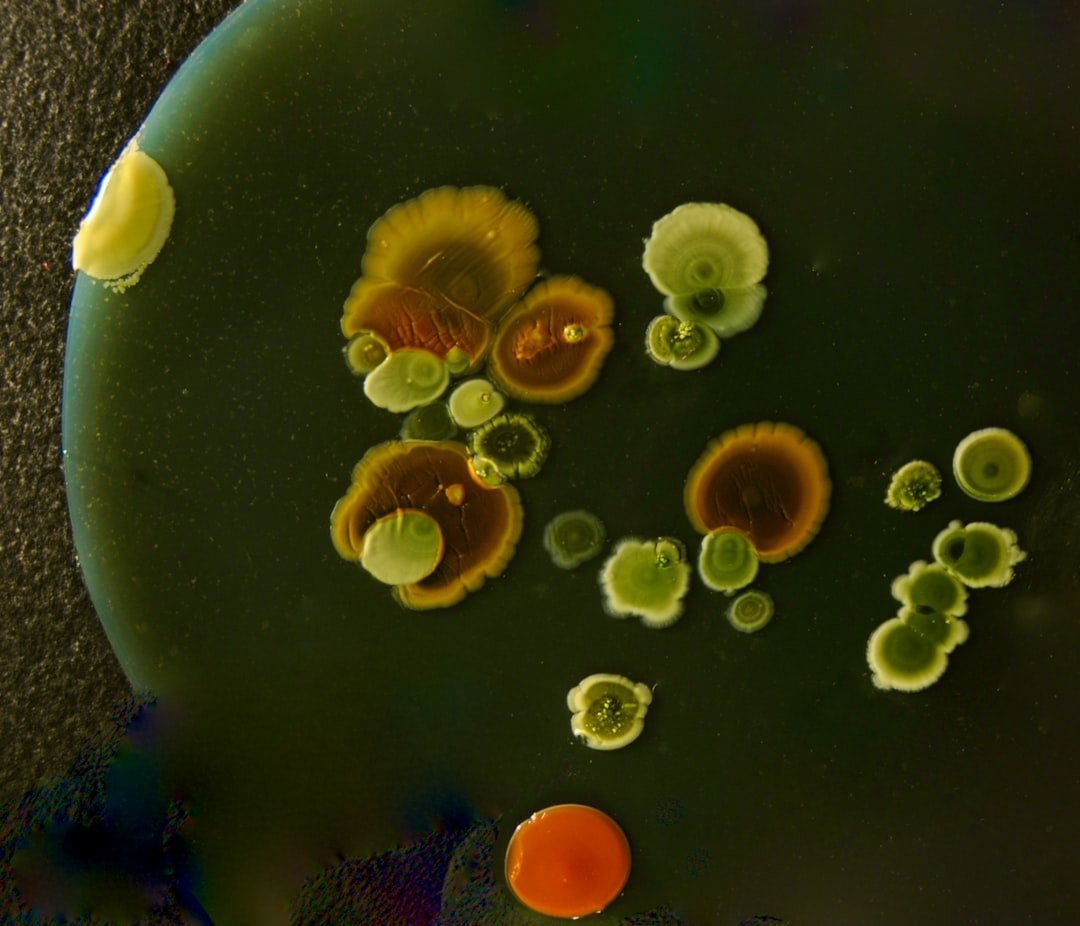
Alexander Fleming noticed mold killing bacteria in a petri dish left out by accident. This Scottish bacteriologist identified penicillin as the active compound. That chance observation in 1928 marked the birth of antibiotics.
Today, these drugs treat everything from sore throats to surgical wounds. Countless lives have been saved since, turning deadly infections into routine recoveries. Hospitals rely on them daily, proving one overlooked dish changed medicine forever.[1][2]
2. Germ Theory by Louis Pasteur (1860s)
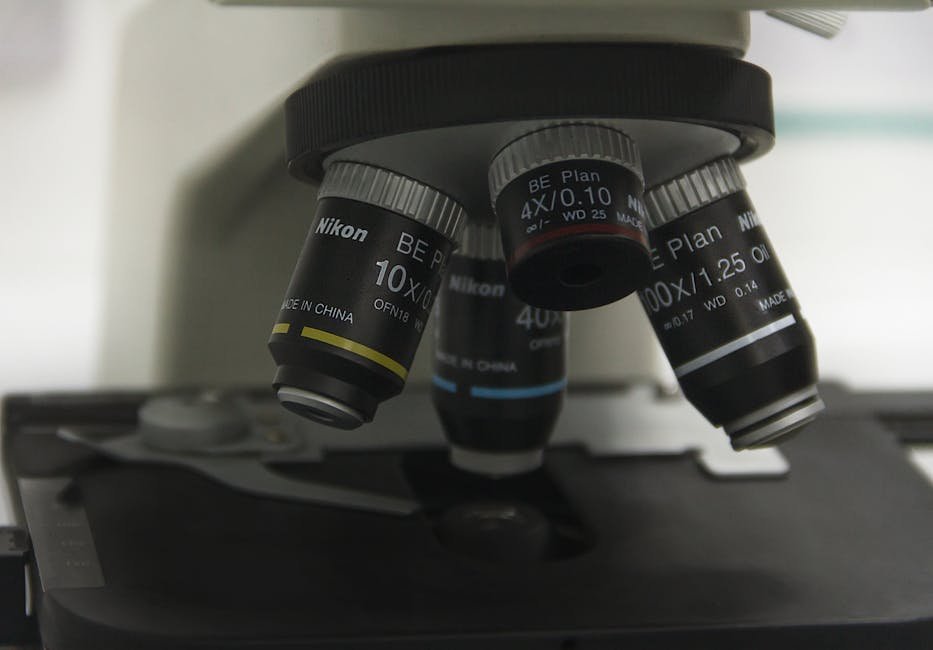
Louis Pasteur proved microbes cause disease through clever experiments with swan-necked flasks. In the 1860s, he showed fermentation and spoilage came from living organisms in the air. His work demolished the idea of spontaneous generation.
Handwashing and sterilization became standard in homes and hospitals. Food safety improved with pasteurization, keeping milk fresh longer. This shift slashed infection rates and laid groundwork for modern hygiene.[1]
3. X-rays by Wilhelm Röntgen (1895)
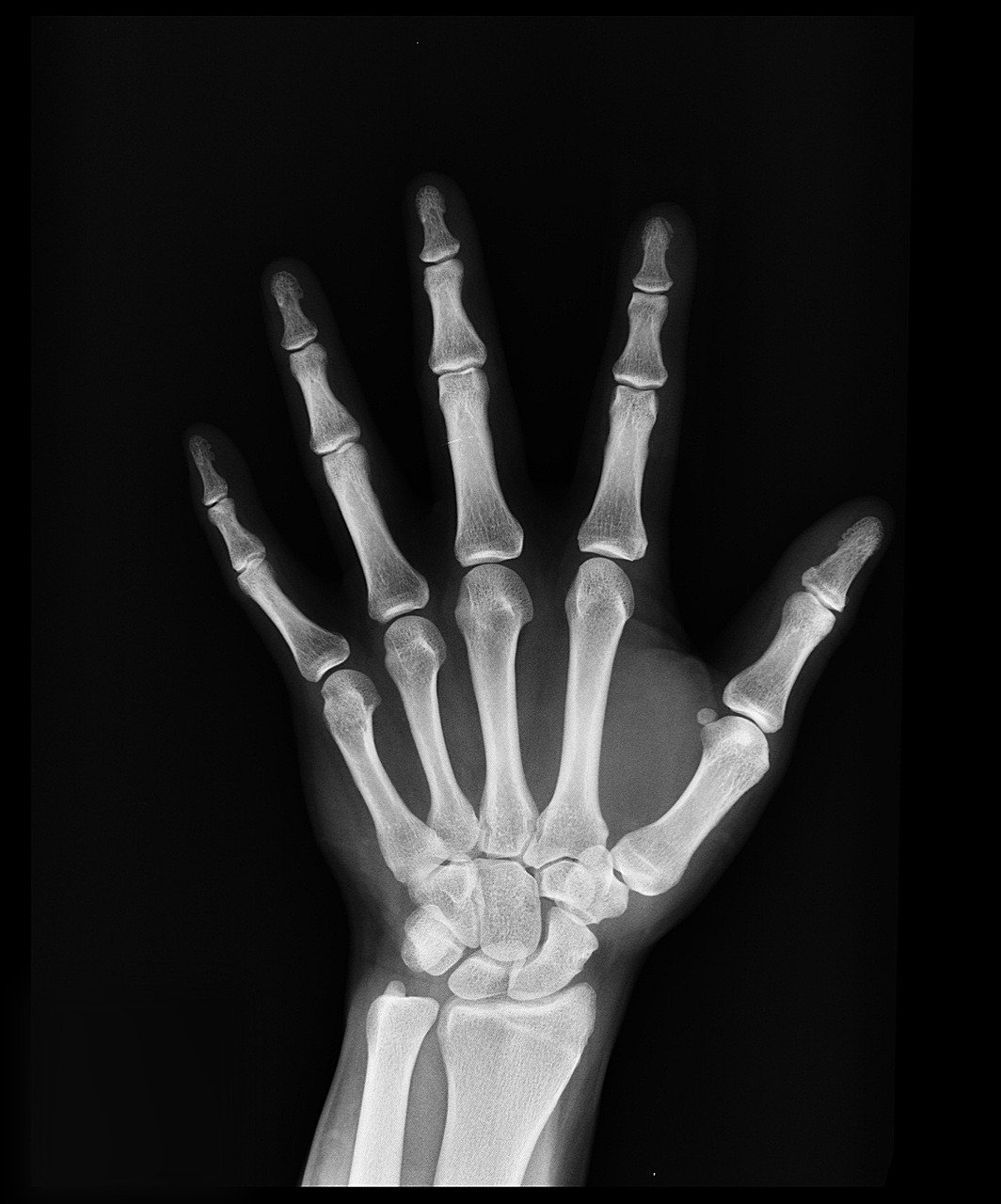
Wilhelm Röntgen stumbled on X-rays while experimenting with cathode rays in 1895. A glowing screen across the room revealed invisible rays passing through objects. He captured the first image of his wife’s hand, bones stark against flesh.
Doctors now peer inside bodies without surgery. Broken bones, tumors, and dental issues get diagnosed swiftly. This tool speeds treatment and saves lives in emergencies every day.[3]
4. Insulin by Frederick Banting and Charles Best (1921)
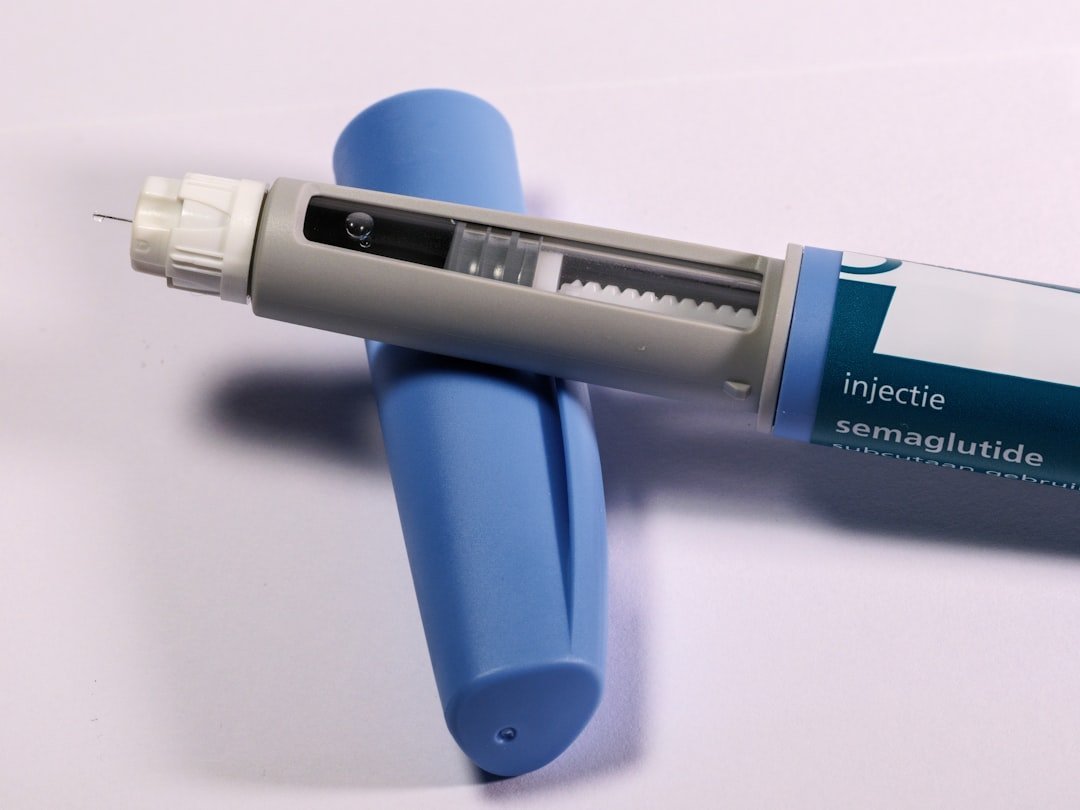
Frederick Banting and medical student Charles Best extracted insulin from dog pancreases in 1921. Their Toronto lab work offered hope to diabetics dying from blood sugar spikes. Human trials followed quickly, with stunning results.
Millions manage diabetes through injections or pumps rooted in this find. Daily monitoring and diet pair with it for normal lives. Without insulin, type 1 diabetes remained fatal.
5. DNA Structure by James Watson, Francis Crick, and Rosalind Franklin (1953)
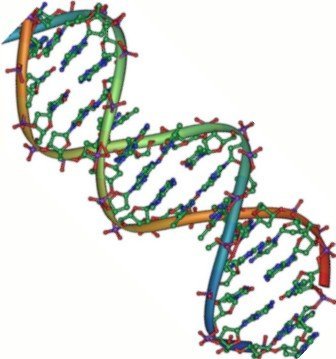
James Watson and Francis Crick built the double helix model in 1953, drawing on Rosalind Franklin’s X-ray images. This Cambridge revelation unlocked life’s genetic code. It explained how traits pass down generations.
Home DNA tests trace ancestry and health risks today. Gene therapies target diseases like cancer. Forensics solves crimes with genetic fingerprints.[1]
6. The Transistor by John Bardeen, Walter Brattain, and William Shockley (1947)
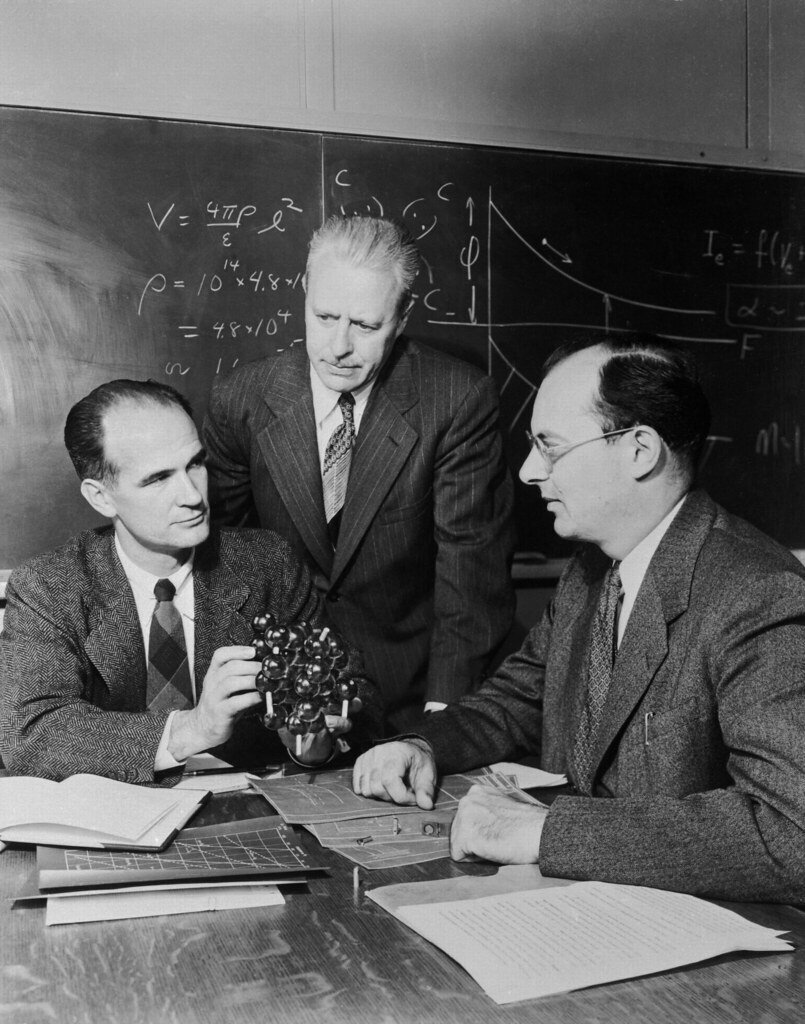
At Bell Labs in 1947, John Bardeen, Walter Brattain, and William Shockley crafted the first transistor. This tiny semiconductor amplified signals, replacing bulky vacuum tubes. It shrank electronics dramatically.
Smartphones, laptops, and TVs stem from it. Computers fit in pockets now. Global connectivity hums through transistor-powered chips.
7. Polio Vaccine by Jonas Salk (1955)
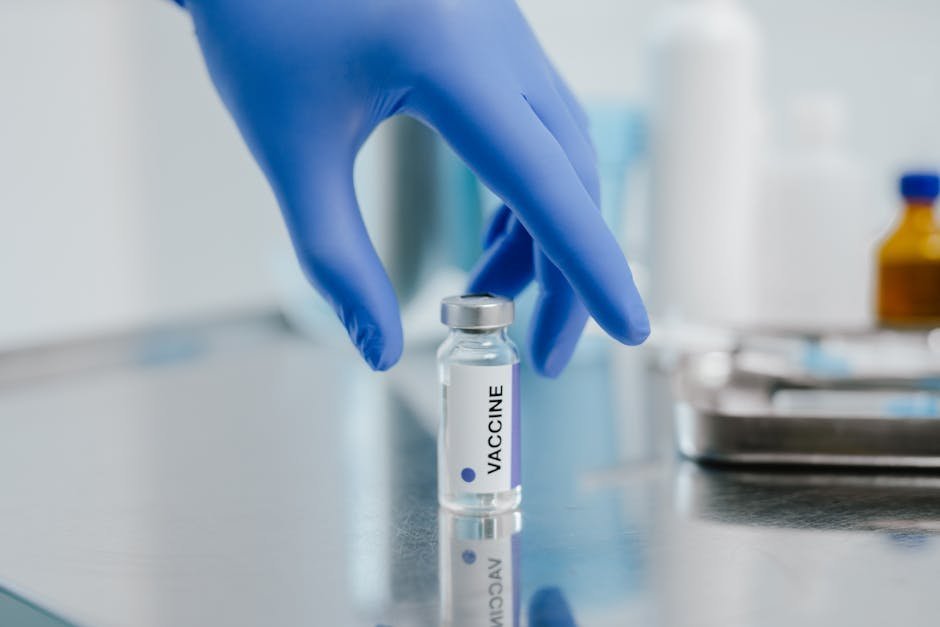
Jonas Salk developed an inactivated polio vaccine in the early 1950s, testing it on millions. Approved in 1955, it halted the virus crippling children worldwide. Cases plummeted soon after widespread use.
Swimming pools and summer play returned without fear. Routine shots protect kids today. Near-eradication shows vaccines’ quiet power.[4]
8. Electromagnetic Induction by Michael Faraday (1831)
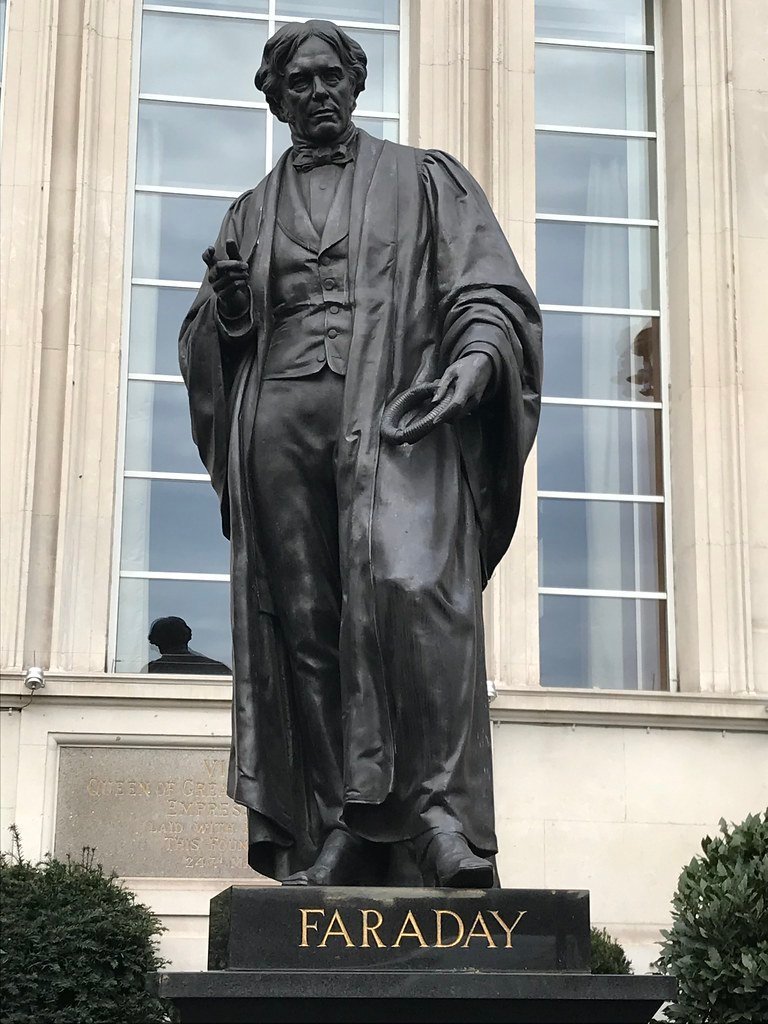
Michael Faraday demonstrated electromagnetic induction in 1831 by moving magnets near coils. This generated electric current without batteries. His London lectures sparked the electric age.
Power plants and generators supply homes with it. Motors run fans, fridges, and cars. Outlets deliver endless convenience.
9. Smallpox Vaccine by Edward Jenner (1796)
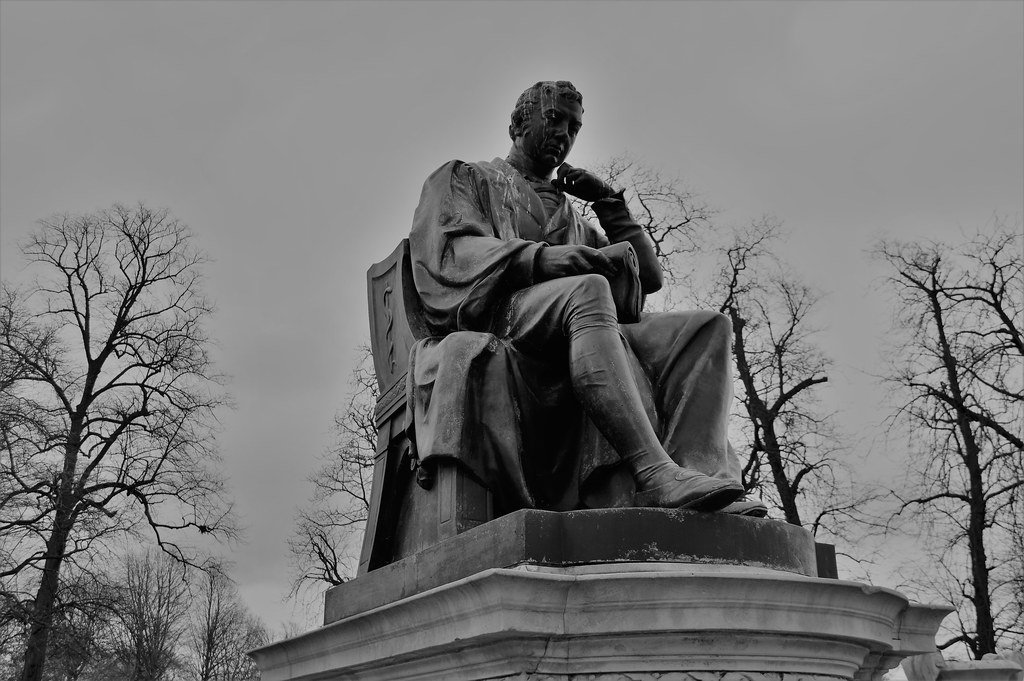
Edward Jenner observed milkmaids immune to smallpox after cowpox exposure. In 1796, he inoculated a boy with cowpox, then smallpox, proving protection. This birthed vaccination.
Smallpox vanished globally by 1980. Routine shots guard against measles and flu. Herd immunity shields communities daily.
10. Microwave Effect by Percy Spencer (1945)
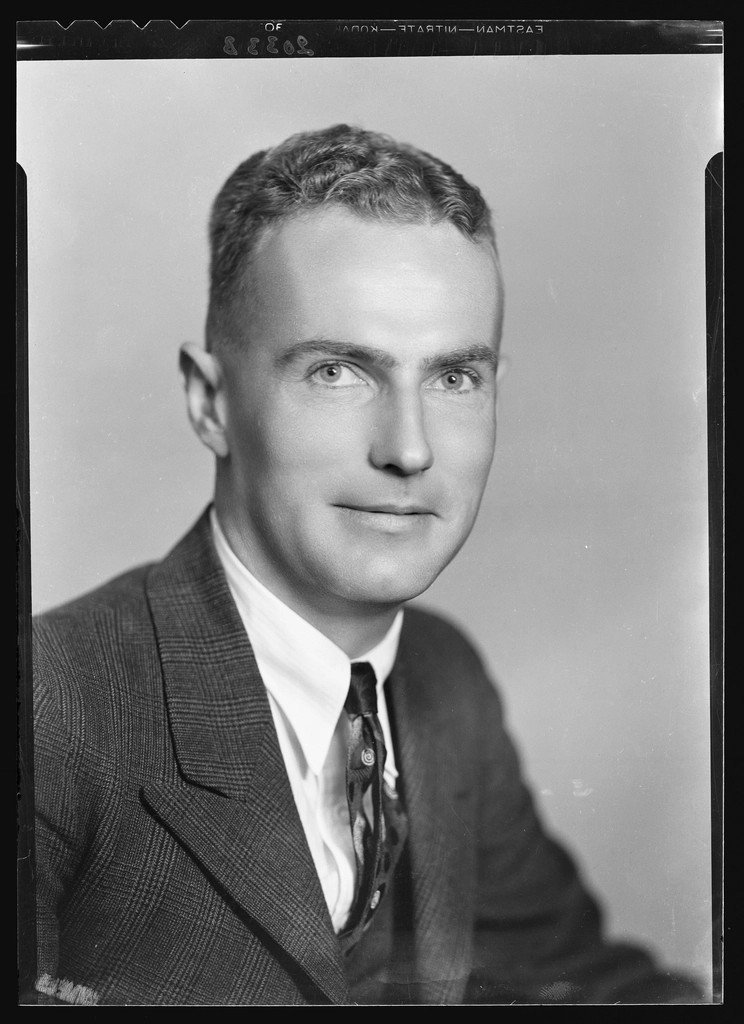
Percy Spencer felt a chocolate bar melt near magnetron tubes in 1945. This Raytheon engineer realized microwaves cooked food fast. The first oven followed in 1947.
Meals heat in minutes now. Busy families defrost and reheat effortlessly. Kitchens transformed by this serendipity.[3]
The Foundation of Modern Life
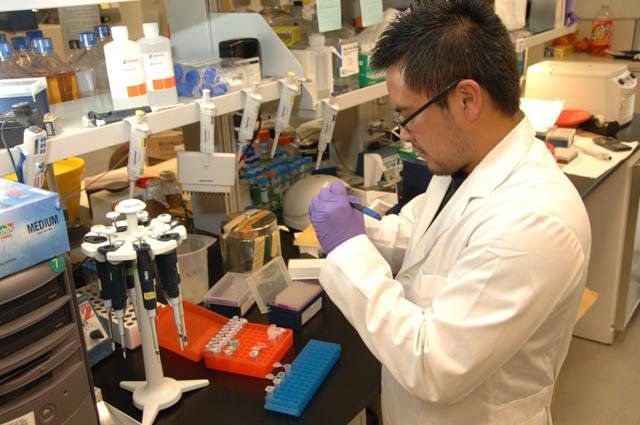
These discoveries stack like building blocks under our world. They turned peril into precaution and isolation into instant connection. Science keeps evolving, promising more seamless integration into tomorrow.
Next time you flick a switch or swallow a pill, trace it back. Quiet persistence in labs fuels the lives we take for granted. That steady progress holds the real revolution.

Christian Wiedeck, all the way from Germany, loves music festivals, especially in the USA. His articles bring the excitement of these events to readers worldwide.
For any feedback please reach out to info@festivalinside.com
