
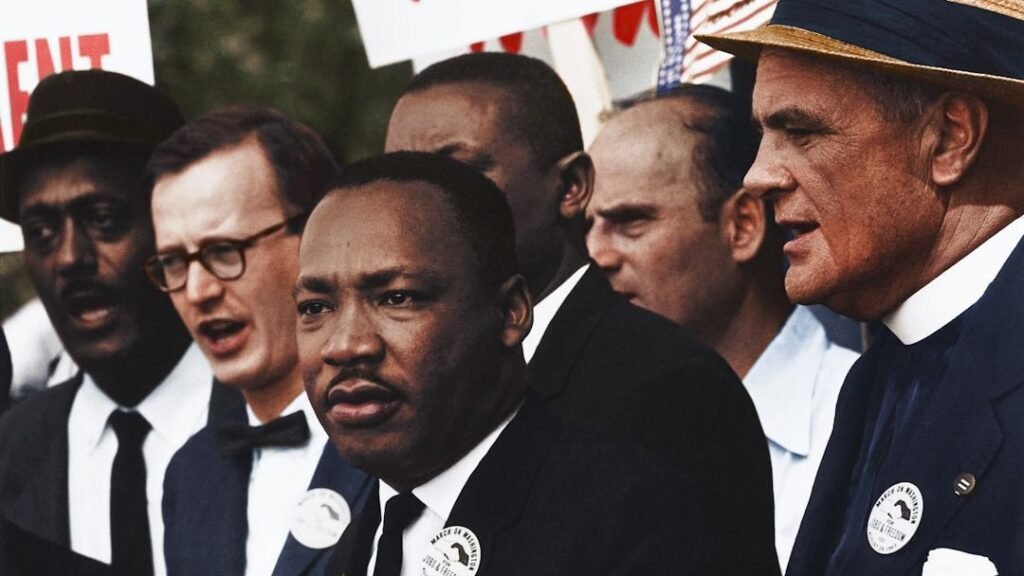
Speeches have long served as turning points in history. They capture a moment, rally crowds, and shift the course of events by tapping into shared emotions and aspirations.
Leaders use words to inspire action, challenge injustices, or unite nations during crises. These addresses often echo through time, influencing public opinion and sparking lasting change.[1][2]
Winston Churchill’s “We Shall Fight on the Beaches” (1940)
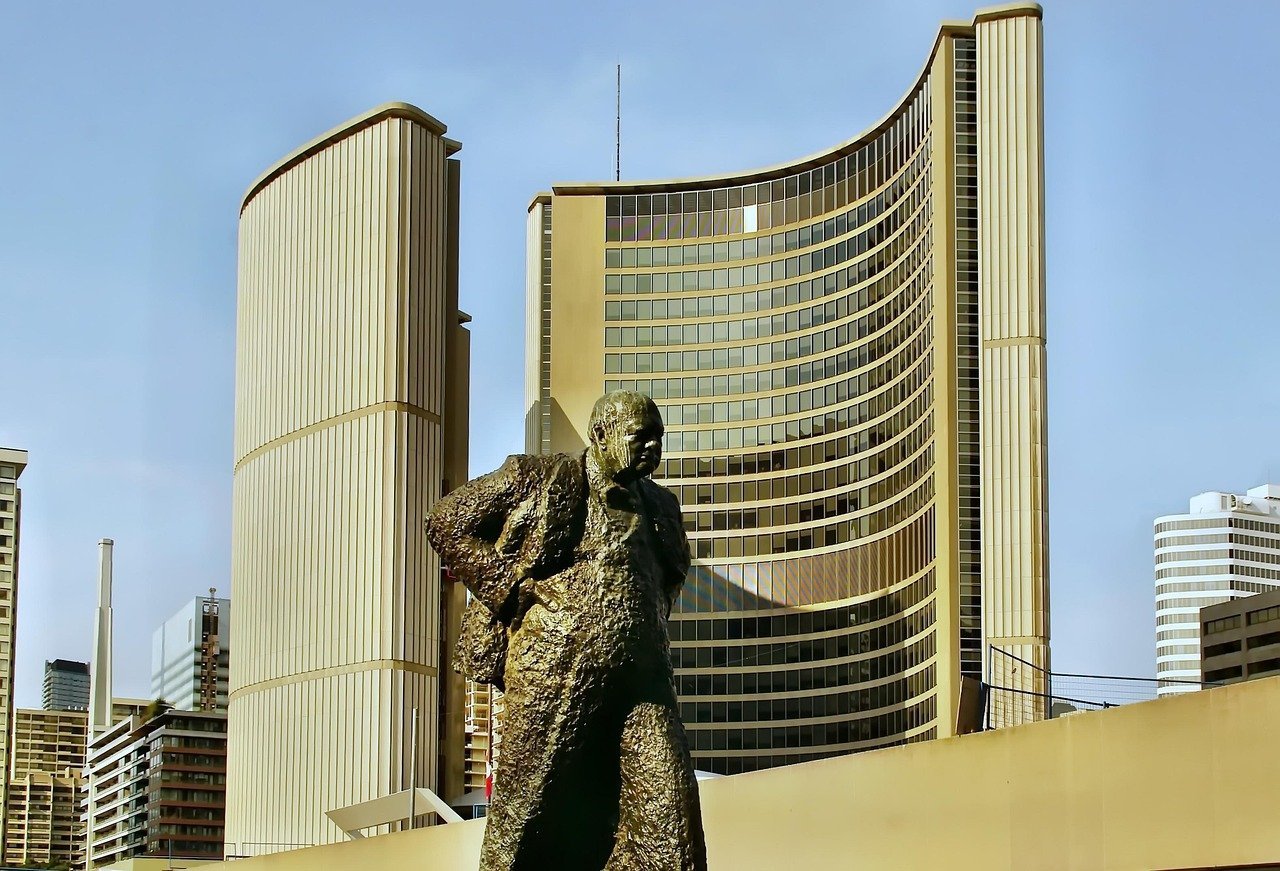
Speaker: Winston Churchill. Year: 1940. In the dark days of World War II, Britain faced the aftermath of the Dunkirk evacuation, with Nazi forces threatening invasion.
Churchill addressed Parliament to steel British resolve against surrender. His words boosted morale across the nation and allies, framing the fight as a noble stand for freedom. This speech helped sustain resistance through the Battle of Britain and beyond, marking a pivot in the war effort.[3]
Franklin D. Roosevelt’s “Day of Infamy” Address (1941)
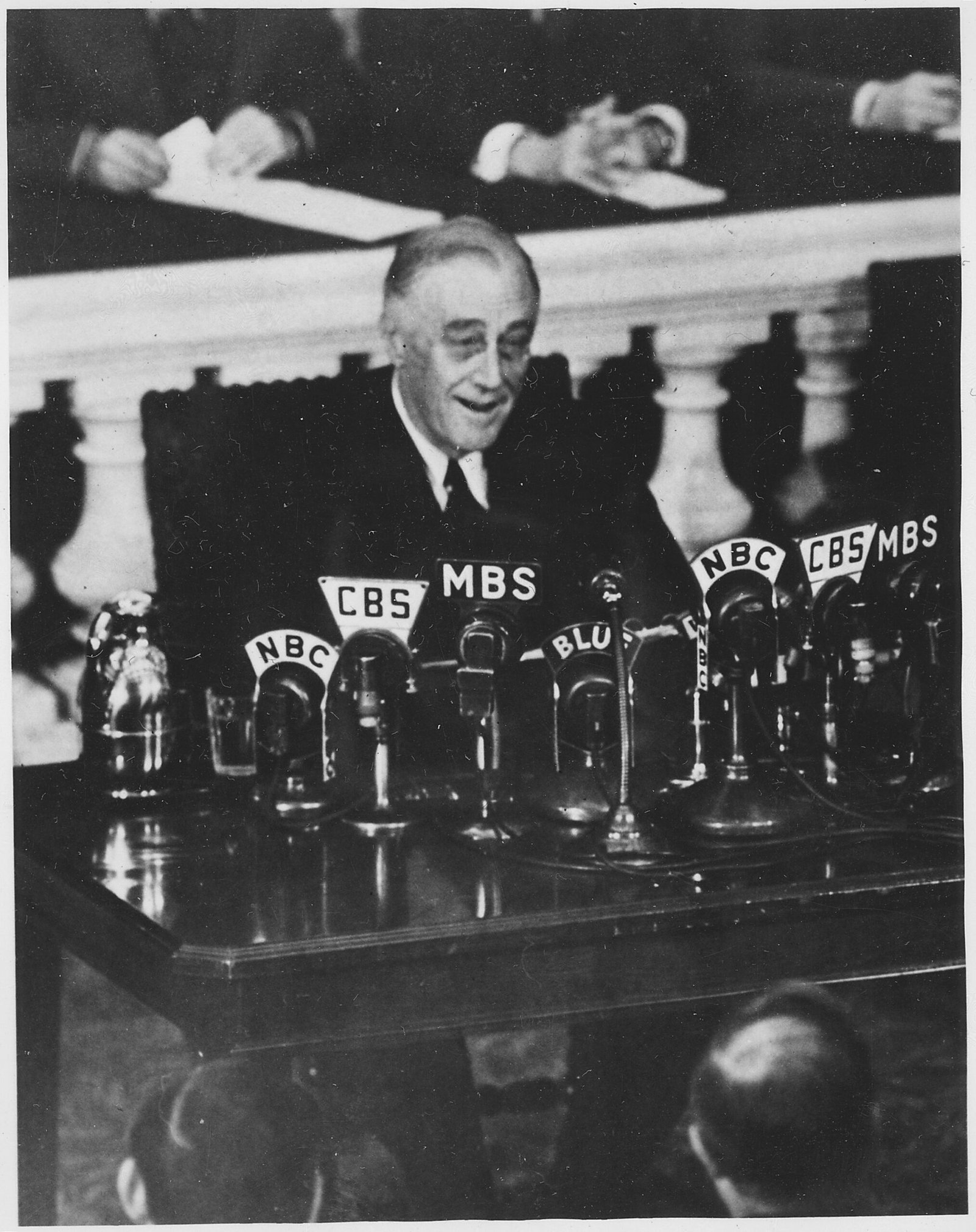
Speaker: Franklin D. Roosevelt. Year: 1941. Japan had just attacked Pearl Harbor, killing thousands and destroying much of the U.S. Pacific fleet.
Roosevelt spoke to a joint session of Congress the next day, seeking a declaration of war. His direct language unified a divided public, propelling America into World War II. The address solidified national commitment, leading to massive mobilization and eventual Allied victory.[4]
The speech’s stark framing of the event as treachery resonated deeply, shaping U.S. foreign policy for decades.
Mahatma Gandhi’s “Quit India” Speech (1942)
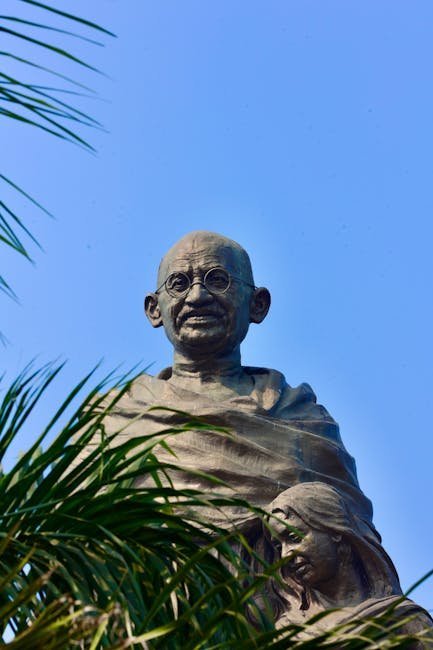
Speaker: Mahatma Gandhi. Year: 1942. India simmered under British colonial rule amid global war, with Gandhi pushing for immediate independence.
He called on Indians to demand Britain leave, launching the Quit India Movement. Mass protests and arrests followed, weakening imperial control. This pressure contributed to India’s freedom in 1947, inspiring anti-colonial struggles worldwide.[5]
Gandhi’s nonviolent call mobilized millions, proving rhetoric could challenge empires without arms.
Franklin D. Roosevelt’s First Inaugural Address (1933)
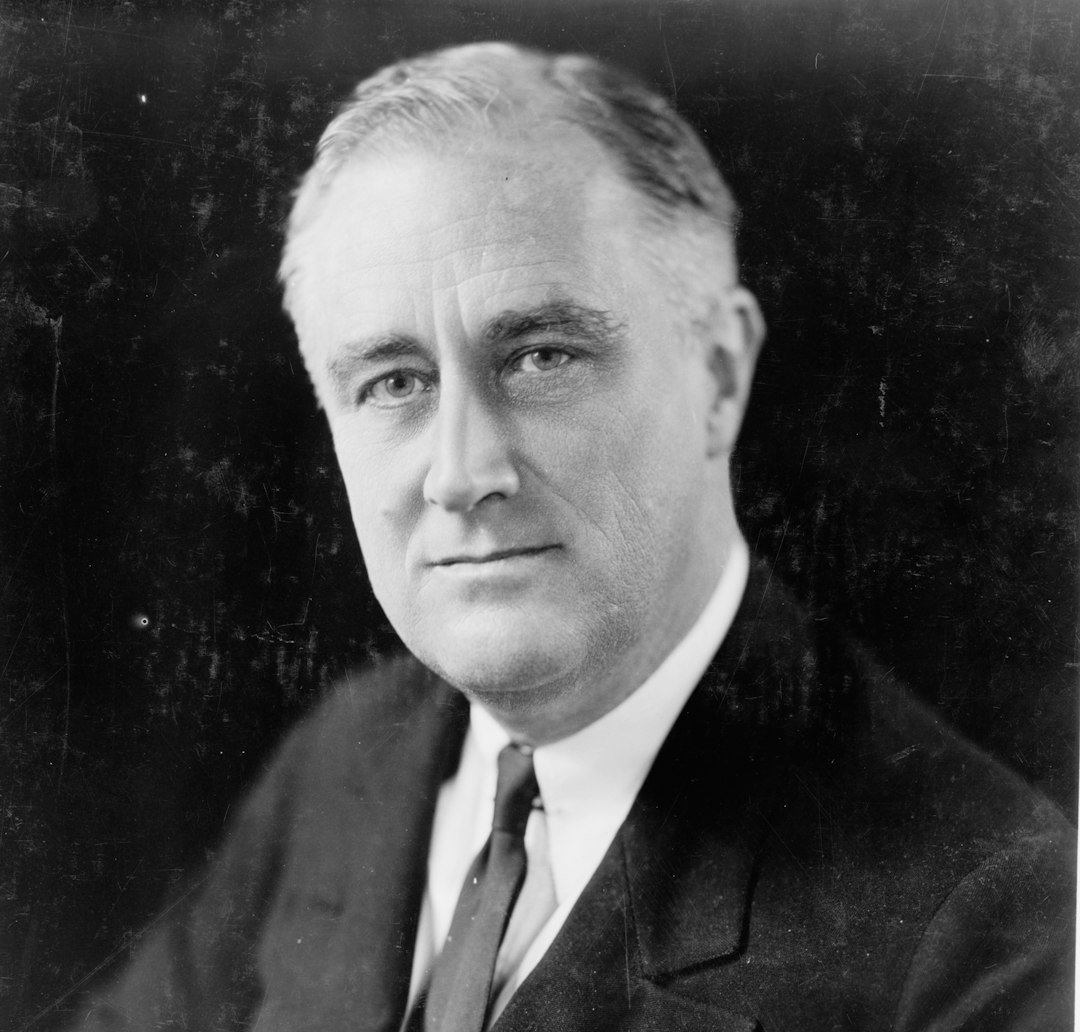
Speaker: Franklin D. Roosevelt. Year: 1933. The Great Depression gripped the U.S., with banks failing and unemployment soaring near a quarter of the workforce.
Roosevelt urged bold action and calm in his first speech as president. He laid groundwork for the New Deal, a series of reforms that revived the economy. This address restored confidence, shifting policy from laissez-faire to government intervention.[6]
John F. Kennedy’s Inaugural Address (1961)
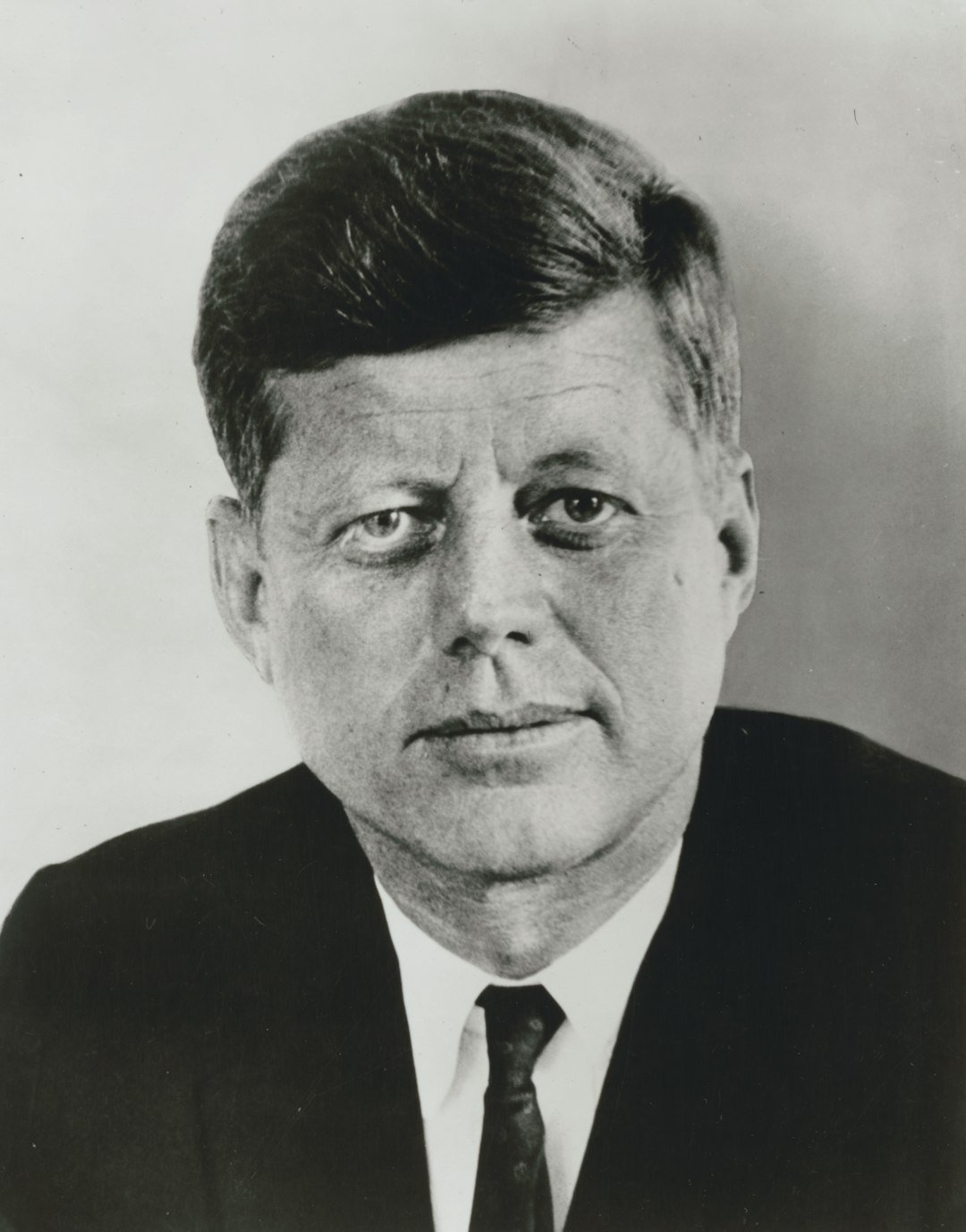
Speaker: John F. Kennedy. Year: 1961. The Cold War chilled U.S.-Soviet relations, with nuclear fears and space races defining the era.
Kennedy challenged citizens to contribute to national service amid global tensions. His optimistic vision fostered the Peace Corps and spurred civil rights momentum. The speech embodied youthful vigor, influencing a generation toward public engagement.[1]
It set a tone for American idealism during turbulent times.
Martin Luther King Jr.’s “I Have a Dream” (1963)
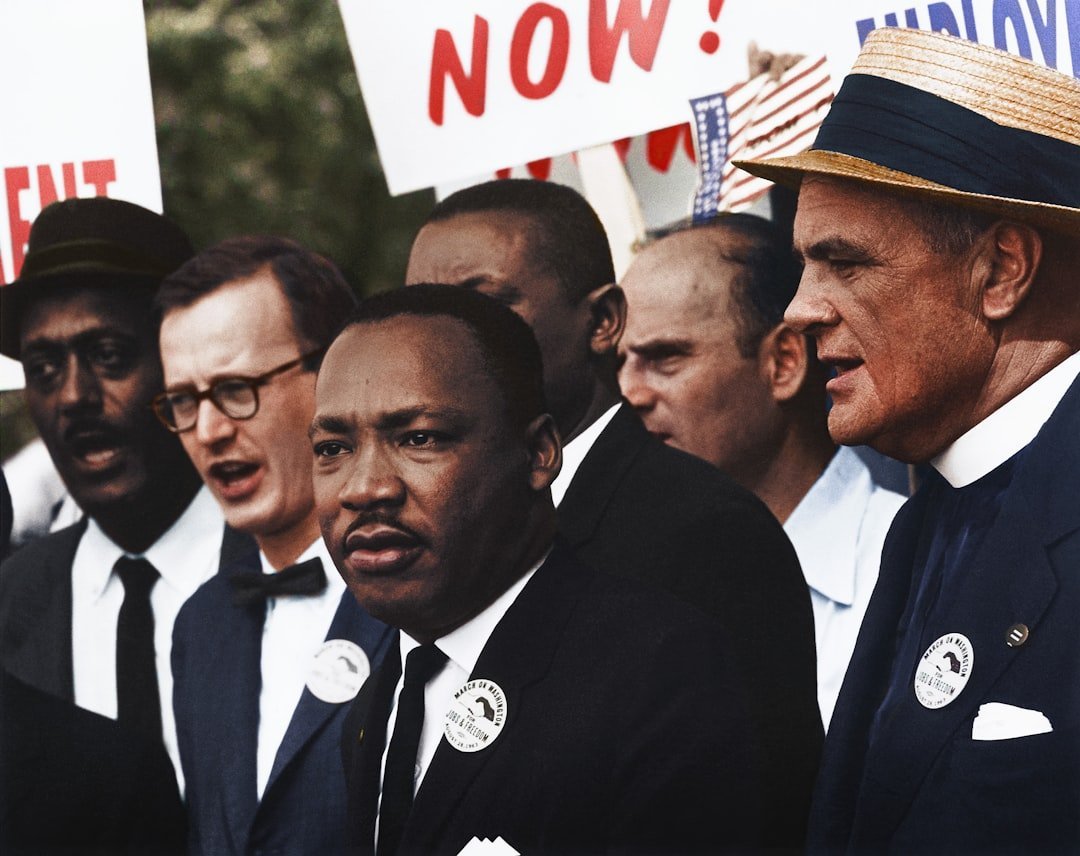
Speaker: Martin Luther King Jr. Year: 1963. The Civil Rights Movement peaked with the March on Washington, amid segregation and violence against Black Americans.
King envisioned racial harmony before a quarter-million listeners. His message amplified demands for equality, pressuring passage of the Civil Rights Act a year later. It became a cornerstone of the struggle, quoted in laws and protests ever since.[1]
The speech humanized the fight, bridging divides through vivid hope.
Nelson Mandela’s “I Am Prepared to Die” (1964)
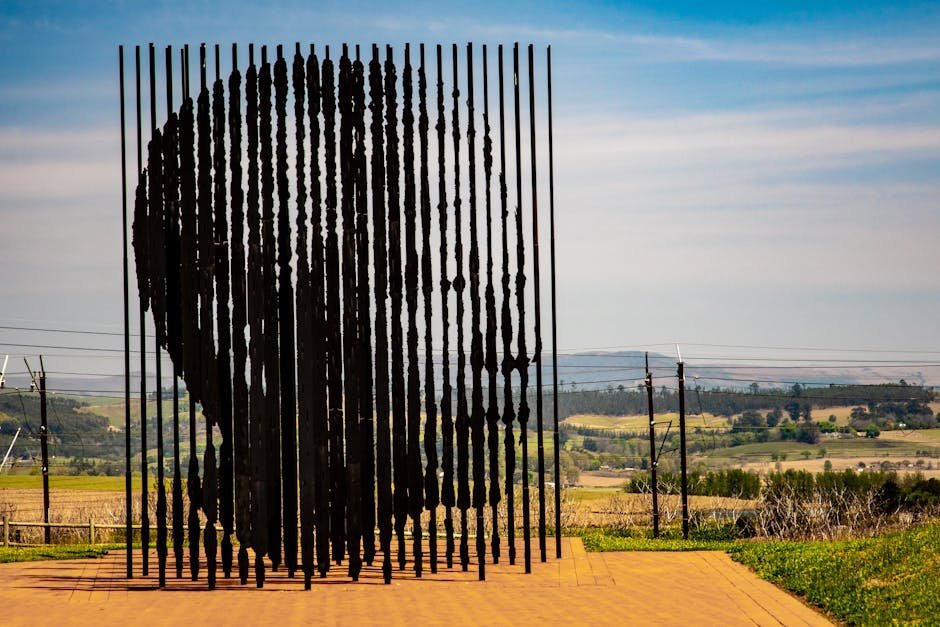
Speaker: Nelson Mandela. Year: 1964. Facing trial for sabotage against apartheid in South Africa, Mandela defended his armed resistance.
He outlined a democratic vision worth dying for during the Rivonia Trial. The speech exposed apartheid’s brutality globally, galvanizing international sanctions. It paved Mandela’s path to presidency, ending white minority rule.[2]
Ronald Reagan’s “Tear Down This Wall” (1987)
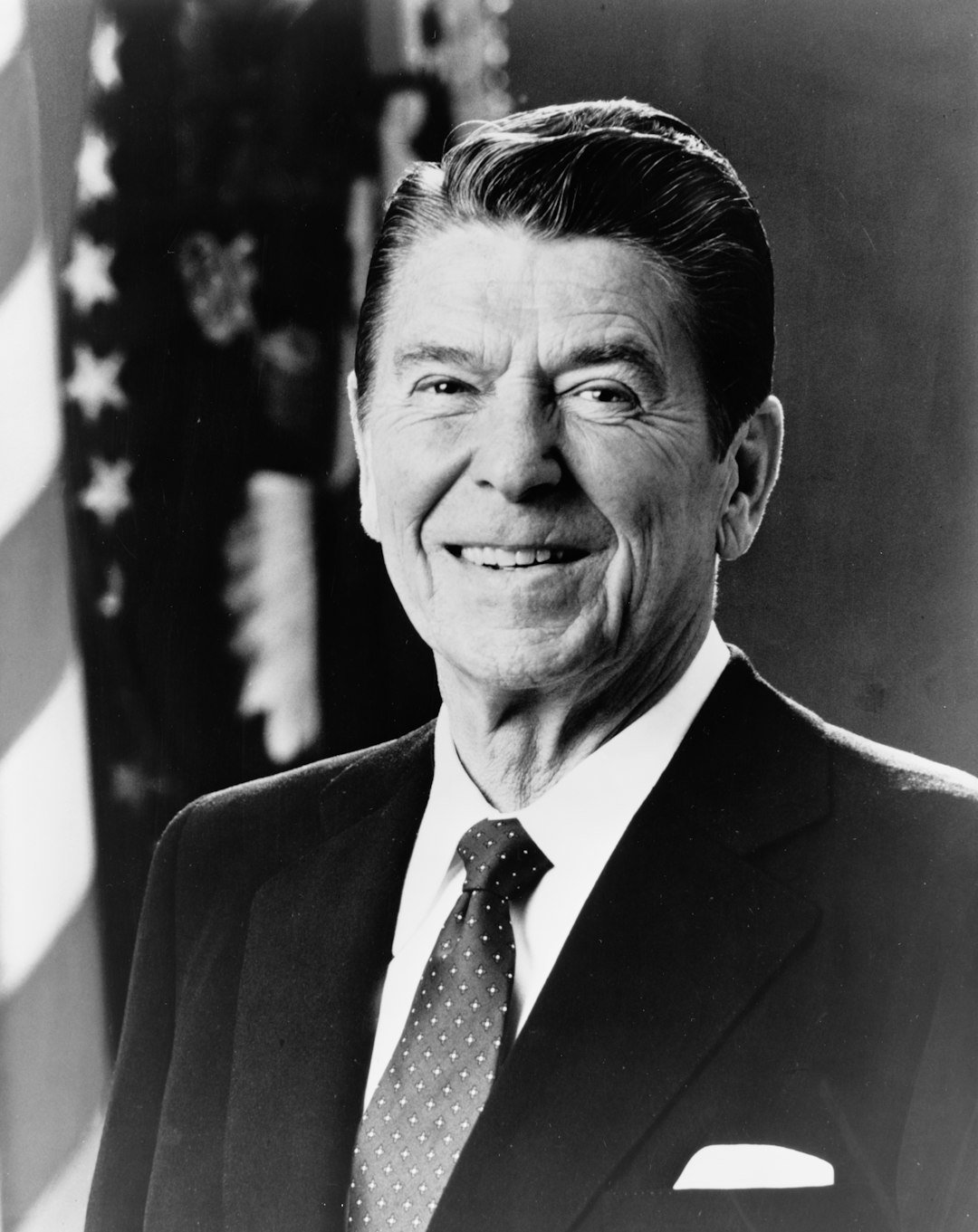
Speaker: Ronald Reagan. Year: 1987. The Berlin Wall symbolized Cold War division, with East-West tensions lingering decades after WWII.
Reagan directly challenged Soviet leader Gorbachev before the wall. His bold stance emboldened dissidents and signaled U.S. resolve. Two years later, the wall fell, hastening the Soviet collapse and European reunification.[2]
The address marked rhetoric’s role in ending an ideological era.
Jawaharlal Nehru’s “Tryst with Destiny” (1947)
![Jawaharlal Nehru's "Tryst with Destiny" (1947) ([1], Public domain)](https://festivaltopia.com/wp-content/uploads/2026/04/1777494918770_1777494909262_jawaharlal_nehru_delivering_his_-22tryst_with_destiny-22.jpeg)
Speaker: Jawaharlal Nehru. Year: 1947. India neared independence after centuries of British rule, amid partition violence.
As first prime minister, Nehru addressed the assembly on the eve of freedom. His words framed India’s future as a global force for peace. It inspired nation-building, influencing postcolonial movements across Asia and Africa.[7]
Lyndon B. Johnson’s “We Shall Overcome” (1965)
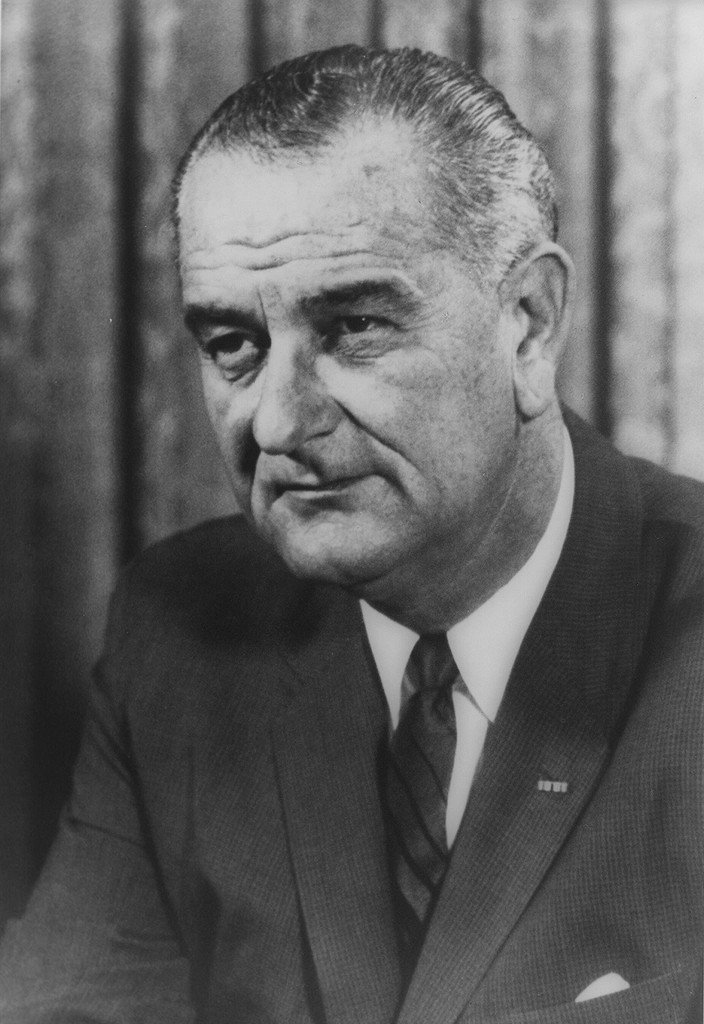
Speaker: Lyndon B. Johnson. Year: 1965. Selma marches highlighted voting barriers for Black Americans, sparking national outrage.
Johnson urged Congress to pass voting rights legislation, borrowing movement language. The speech accelerated the Voting Rights Act’s passage that summer. It bridged presidential power with grassroots activism, expanding democracy.[8]
The Lasting Power of Rhetoric
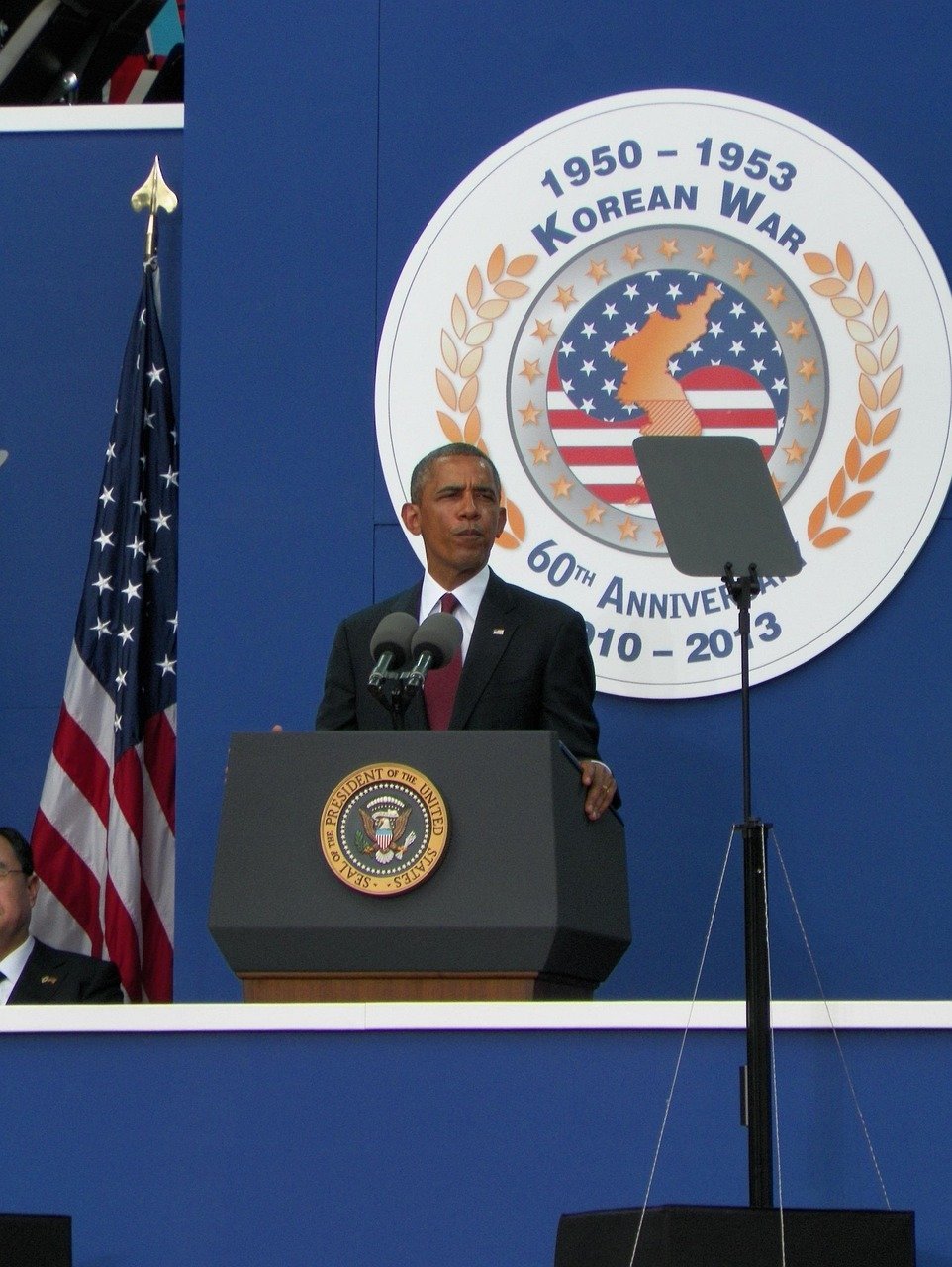
These speeches remind us how words can ignite change. They turned personal conviction into collective action, reshaping societies.
Rhetoric endures because it speaks to timeless human drives. In 2026, amid new challenges, their lessons on courage and unity still guide us forward.[9]


