
- 8 Gardening Hacks That Will Make Your Roses Bloom Like Never Before - August 11, 2026
- 8 Incredible Beaches Around the World You Won’t Believe Are Real - August 11, 2026
- 10 Classical Music Masterpieces That Will Transport You Through Time - August 11, 2026
Scientific breakthroughs over the last hundred years have transformed everyday life in profound ways. From life-saving medicines to tools that connect the globe, these advances have extended human lifespans and expanded our grasp of the cosmos.[1][2]
They reshaped industries, sparked new technologies, and altered our view of reality itself. What follows are ten pivotal discoveries that stand out for their enduring influence.[3]
Penicillin: The First Antibiotic (1928)
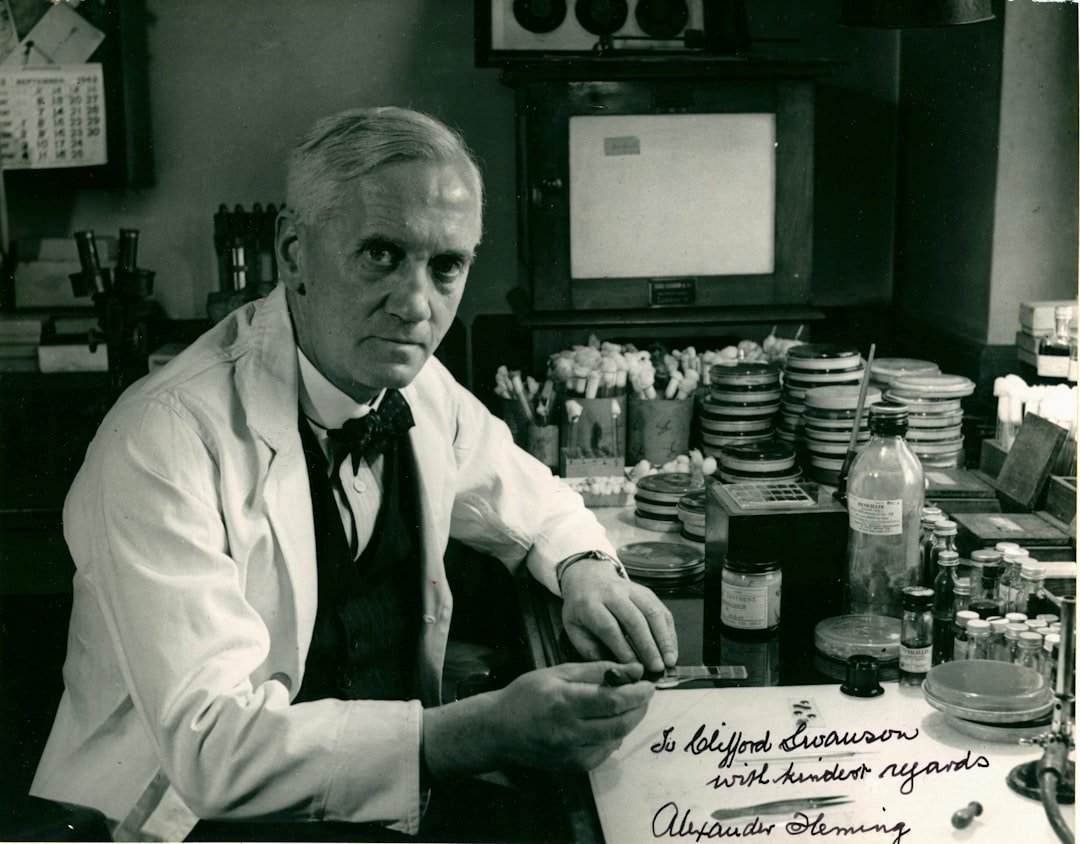
Alexander Fleming noticed mold killing bacteria in a petri dish left out by chance. This led to the isolation of penicillin, the world’s first antibiotic, which proved effective against deadly infections. Mass production during World War II made it widely available, saving countless soldiers’ lives.[4][5]
Before penicillin, common wounds often turned fatal from bacterial overgrowth. Today, antibiotics derived from this discovery treat bacterial diseases routinely, though resistance poses new challenges. It marked the dawn of modern antimicrobial medicine and boosted global life expectancy significantly.[2]
The Transistor (1947)
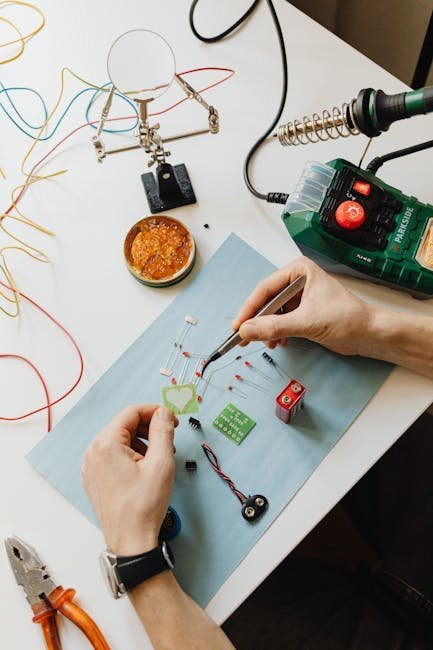
John Bardeen, Walter Brattain, and William Shockley at Bell Labs created the transistor, a tiny semiconductor device that amplified and switched electrical signals. It replaced bulky vacuum tubes, enabling smaller, more efficient electronics. This breakthrough powered the computing revolution from its earliest days.[6]
Without transistors, modern computers, smartphones, and the internet would not exist in their current form. They shrank devices dramatically while boosting speed and reliability. Industries from telecommunications to consumer gadgets owe their scale to this invention, which earned a Nobel Prize in 1956.
DNA Double Helix Structure (1953)
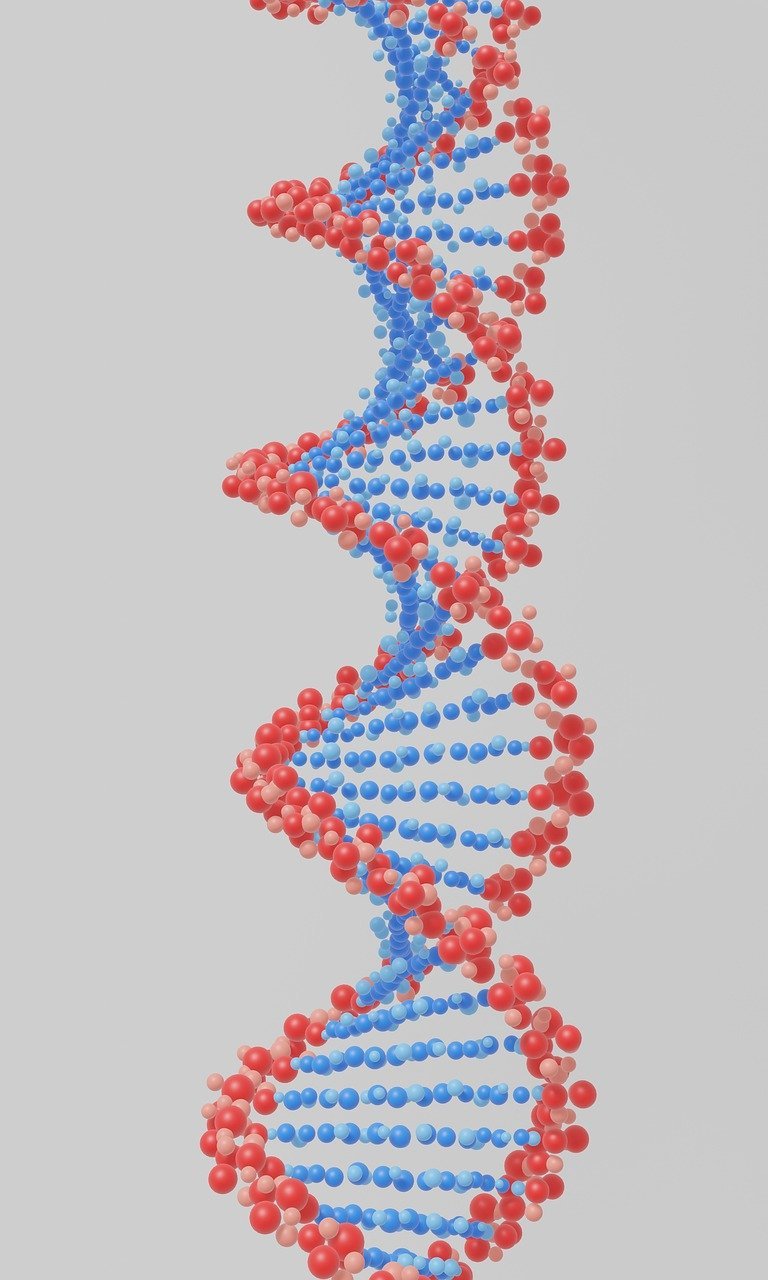
James Watson and Francis Crick, building on Rosalind Franklin’s X-ray images, proposed the double helix model of DNA. This elegant twist revealed how genetic information stores and replicates in living organisms. It unlocked the molecular basis of heredity.[1]
The discovery fueled biotechnology, from genetic engineering to forensics. It laid groundwork for personalized medicine and understanding diseases at the gene level. Today, it underpins fields like genomics, transforming agriculture and healthcare alike.[3]
Polio Vaccine (1955)

Jonas Salk developed the first effective polio vaccine using inactivated virus, tested on millions. It dramatically curbed outbreaks that paralyzed thousands yearly, especially children. Field trials confirmed its safety and potency quickly.[2]
Polio cases plummeted worldwide after widespread vaccination campaigns. This success inspired eradication efforts, nearly wiping out the disease in most regions. It demonstrated vaccines’ power against viruses, paving the way for measles, mumps, and later COVID-19 shots.
Plate Tectonics Theory (1960s)
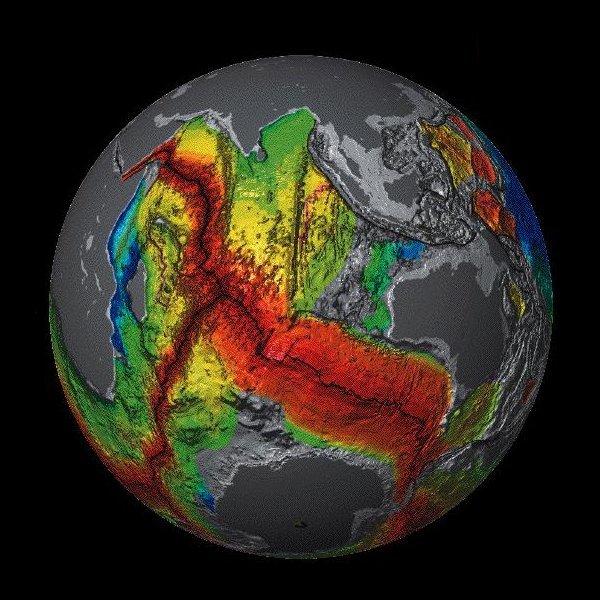
Harry Hess and others revived continental drift with seafloor spreading evidence from ocean ridges. Magnetic stripes on the ocean floor showed Earth’s crust moves in plates. This unified geology, explaining earthquakes, volcanoes, and mountain formation.[3]
The theory reshaped resource exploration and disaster prediction. It revealed Earth’s dynamic surface, influencing climate models over eons. Modern GPS confirms plate motions daily, aiding navigation and hazard assessment.
Cosmic Microwave Background (1965)
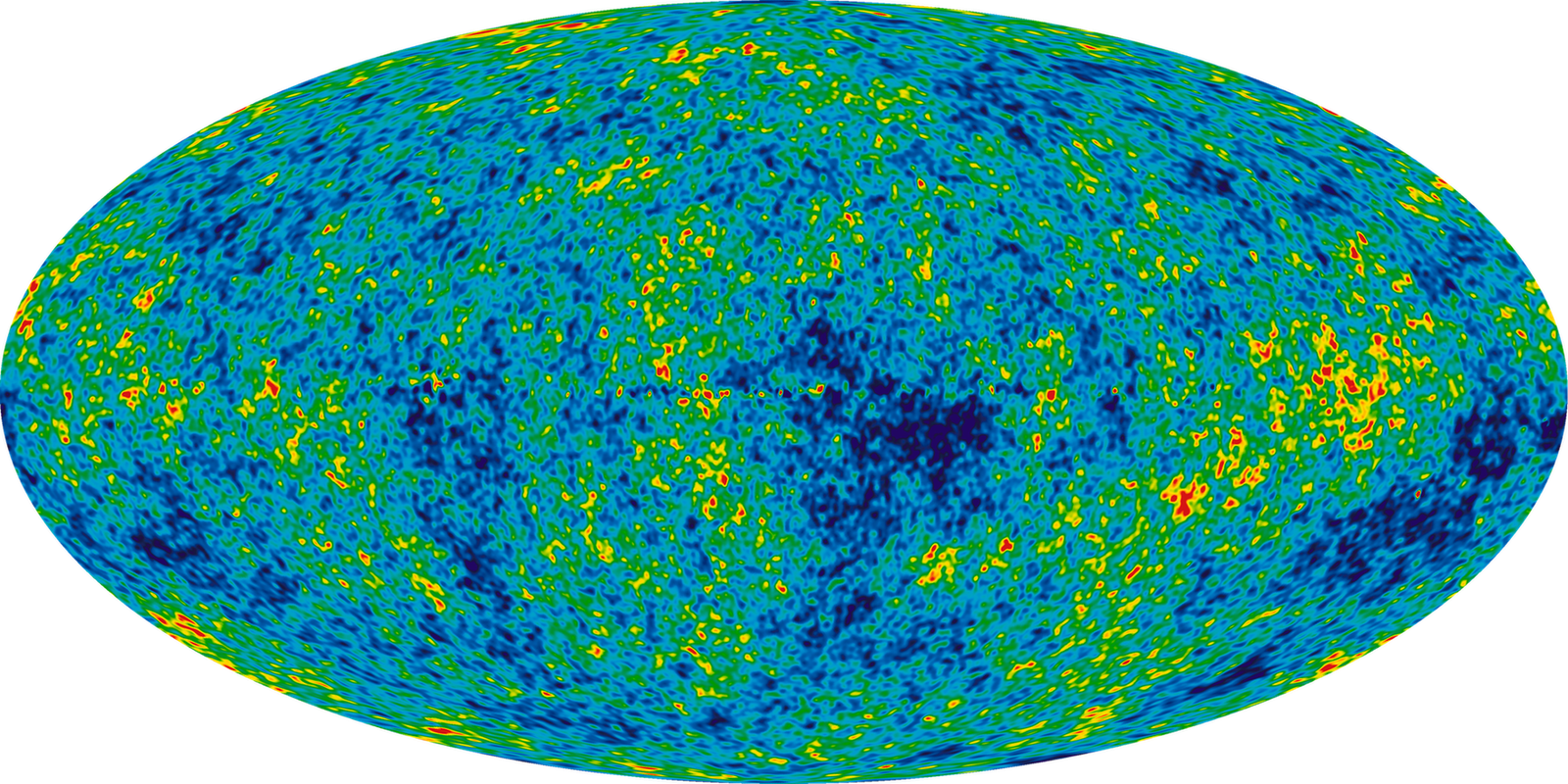
Arno Penzias and Robert Wilson detected faint microwave radiation everywhere in the sky. This glow matched predictions of the Big Bang’s afterglow, confirming the universe’s hot, dense origin. It provided a snapshot of the cosmos at 380,000 years old.[6]
The finding solidified the Big Bang model over rivals. Satellites like COBE and Planck mapped its tiny fluctuations, seeding galaxy formation. It anchors cosmology, revealing the universe’s age, composition, and evolution.
Human Genome Project (2003)
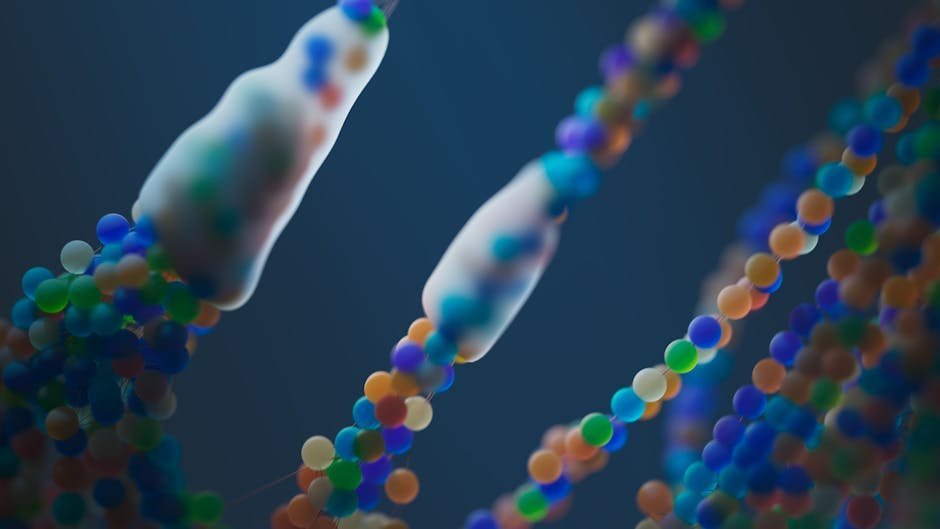
An international effort sequenced the entire human genome, mapping three billion DNA base pairs. Costing far less than anticipated, it created a reference for all humanity. This public project accelerated genetic research globally.[7]
Insights now drive cancer treatments, ancestry tests, and rare disease cures. It enabled large-scale studies linking genes to traits and illnesses. Precision medicine, tailoring drugs to individuals, stems directly from this milestone.
CRISPR-Cas9 Gene Editing (2012)
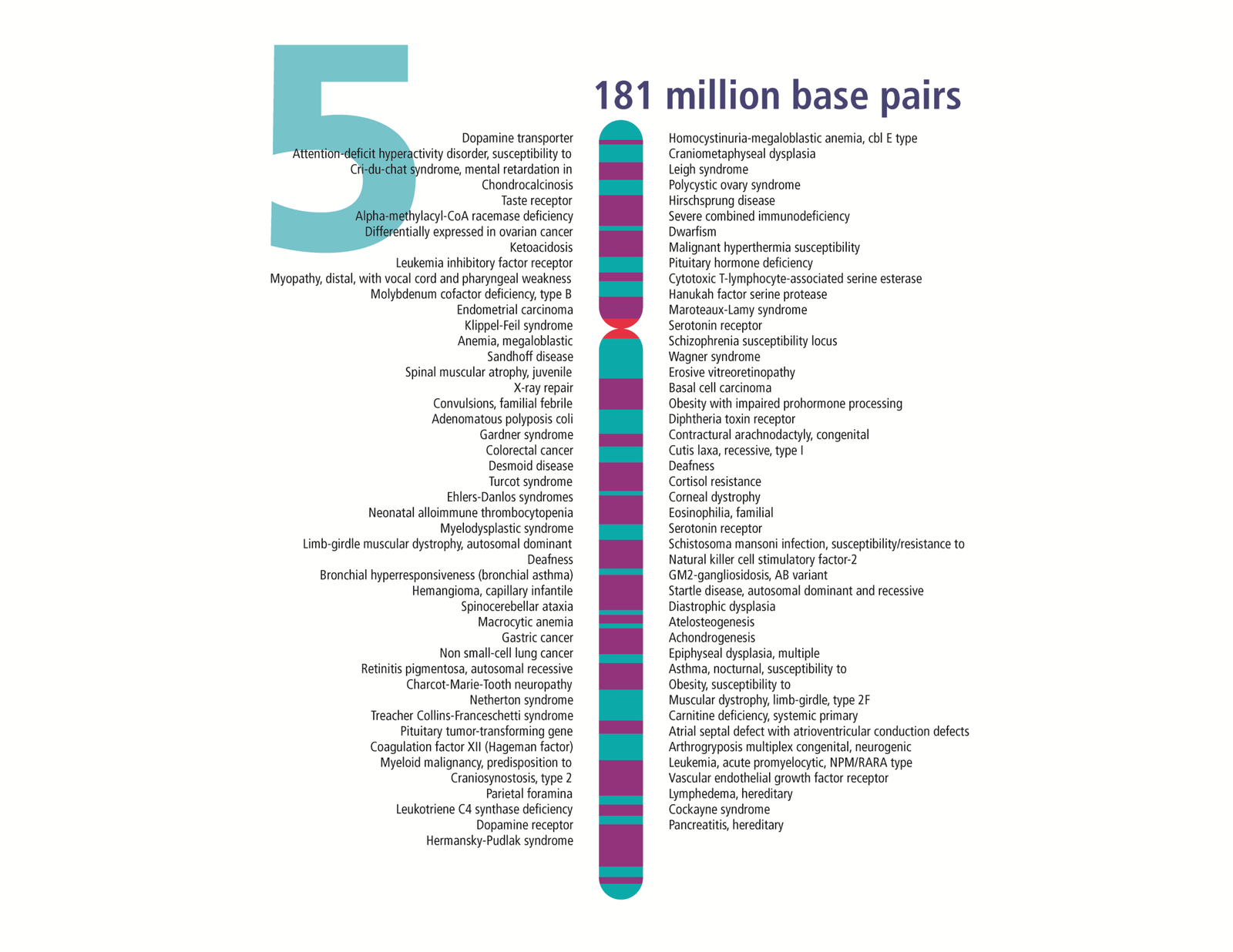
Jennifer Doudna and Emmanuelle Charpentier harnessed bacterial immune systems for precise DNA cuts. CRISPR acts like molecular scissors, targeting specific genes easily. Labs worldwide adopted it swiftly for experiments.[7][8]
It promises cures for genetic disorders like sickle cell anemia, with first approvals in 2023. Agriculture benefits from pest-resistant crops too. Ethical debates continue, but its precision revolutionizes biology.
Higgs Boson Discovery (2012)
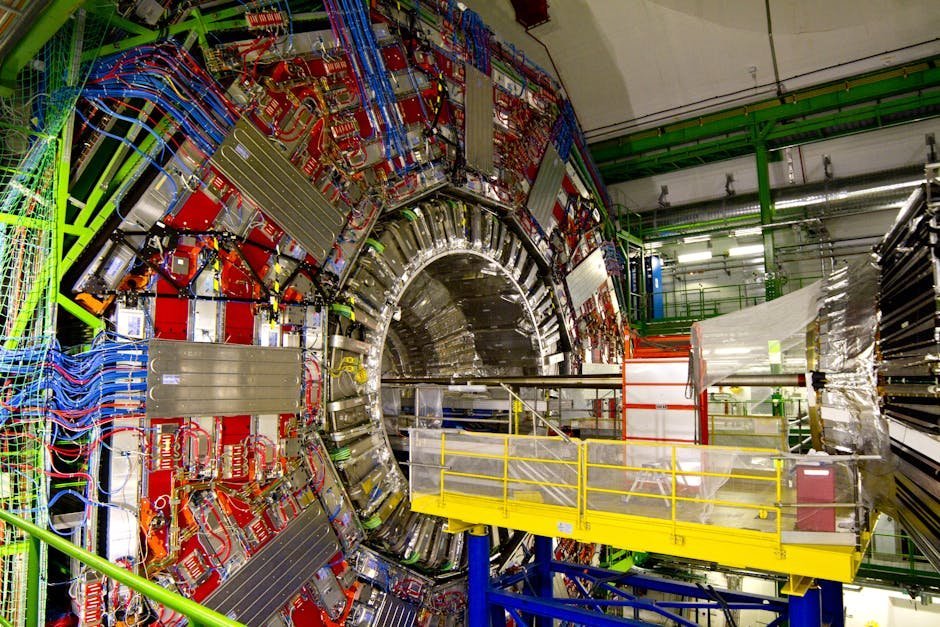
CERN’s Large Hadron Collider confirmed the Higgs boson, the particle giving mass to others. Predicted decades earlier, its detection completed the Standard Model of particle physics. Protons smashed at high energies revealed it.[7]
This validated electroweak theory, earning 2013 Nobels. It deepens understanding of matter’s origin post-Big Bang. Future colliders may probe beyond, seeking dark matter clues.
Gravitational Waves Detection (2015)
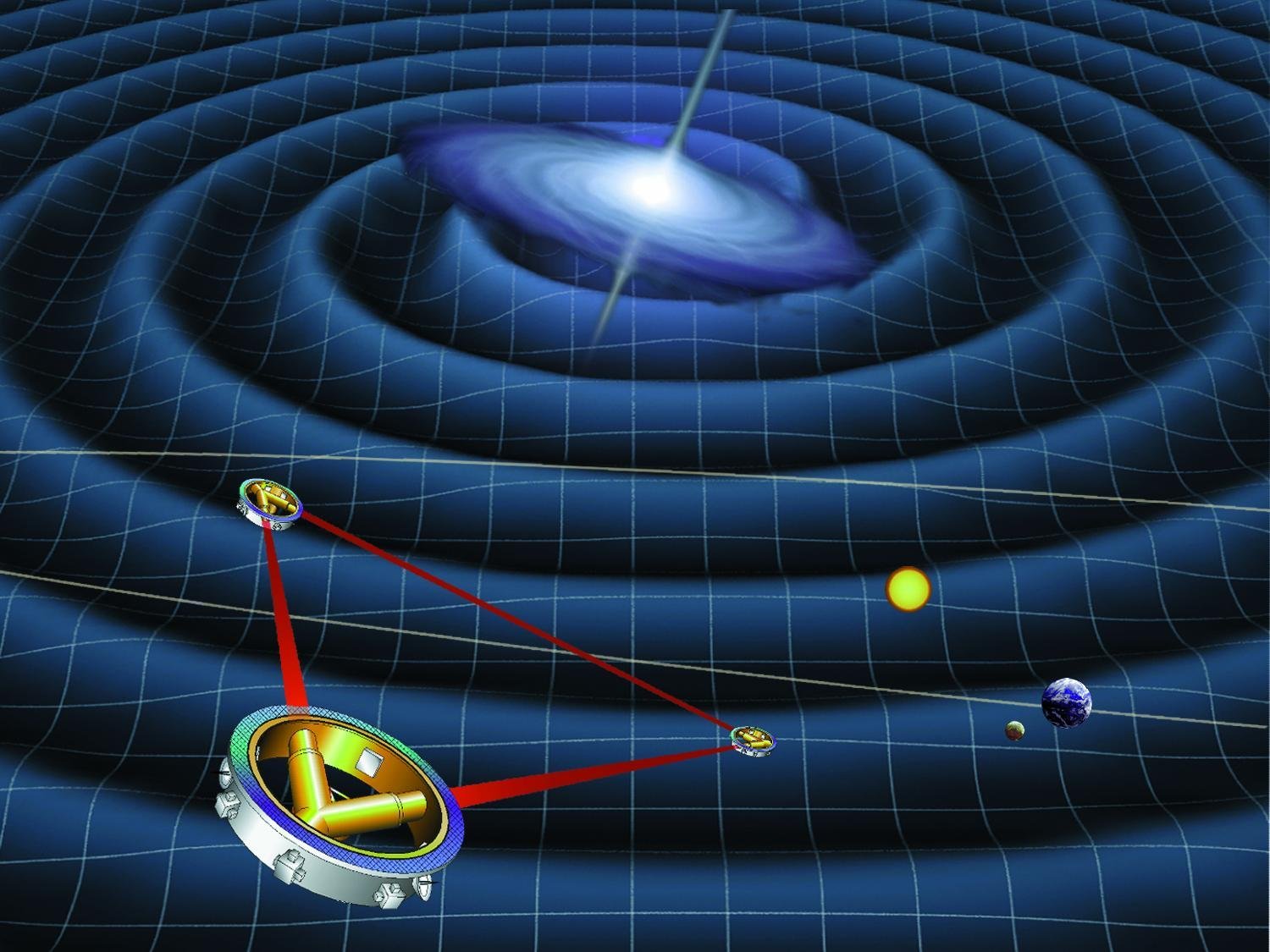
LIGO observed ripples in spacetime from merging black holes, 1.3 billion light-years away. Einstein’s 1915 prediction proved real after a century. Upgraded lasers sensed stretches smaller than atoms.[9]
Waves now reveal neutron star collisions and cosmic events invisible to light. They open multimessenger astronomy, combining waves with telescopes. This verifies general relativity in extremes, hinting at new physics.
The Future of Scientific Innovation
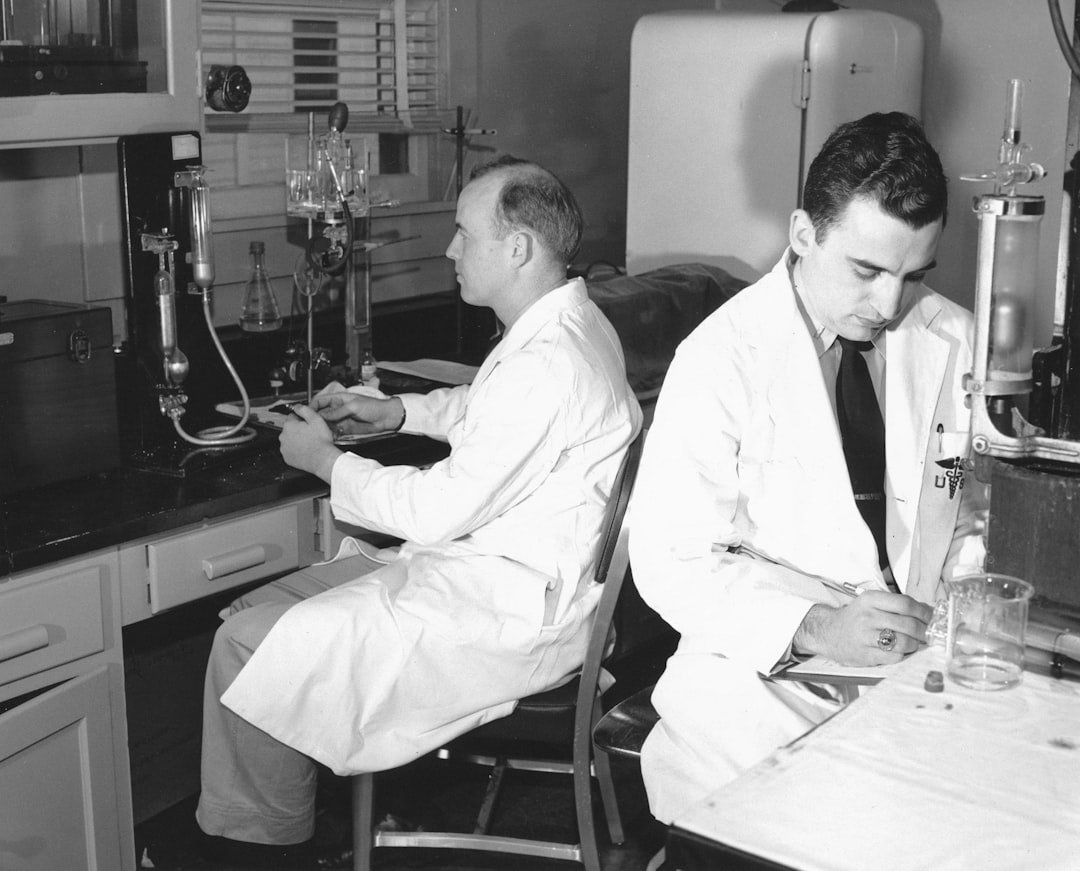
These discoveries built on each other, accelerating progress exponentially. Quantum computing and AI now tackle problems once impossible, from drug design to climate simulation.
Challenges like pandemics and energy needs drive collaboration. As tools grow sharper, ethical stewardship ensures benefits outweigh risks. The next century promises even greater leaps, grounded in this foundation.[10]

Besides founding Festivaltopia, Luca is the co founder of trib, an art and fashion collectiv you find on several regional events and online. Also he is part of the management board at HORiZONTE, a group travel provider in Germany.
