
Architecture stands as a silent witness to the past. Structures crafted centuries ago capture the essence of their builders’ world, from the materials they chose to the symbols they etched into stone.
These masterpieces preserve social values through their designs, reflect political priorities in their scale, showcase artistic trends in their details, and highlight technological achievements in their engineering. They offer a tangible link to bygone eras, allowing us to walk through history without a single word spoken.
Great Pyramid of Giza
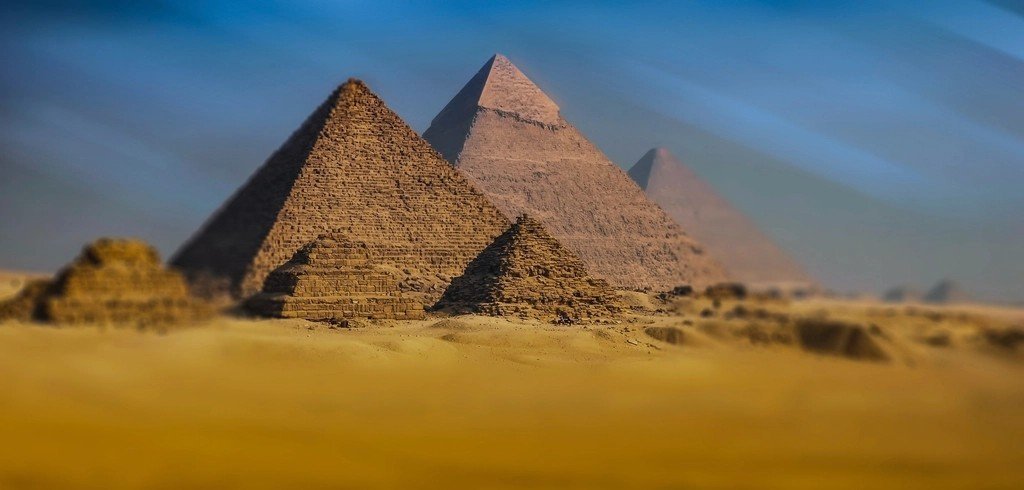
The Great Pyramid of Giza rose around 2580–2560 BCE during Egypt’s Fourth Dynasty under Pharaoh Khufu. Workers quarried millions of limestone blocks from nearby sites and hauled them into place using ramps and levers, a feat that took about 20 years. This structure served as Khufu’s tomb, part of a larger complex with temples and smaller pyramids for queens. Its precise alignment with the cardinal directions demonstrates advanced astronomical knowledge.
The pyramid reveals ancient Egypt’s obsession with the afterlife and divine kingship. Society poured immense resources into these monuments, signaling a centralized state capable of mobilizing vast labor forces without modern machinery. The smooth casing stones, now mostly gone, once gleamed white, symbolizing the sun god Ra and eternal purity. It underscores a civilization where religion intertwined with governance and technology pushed human limits.
Parthenon
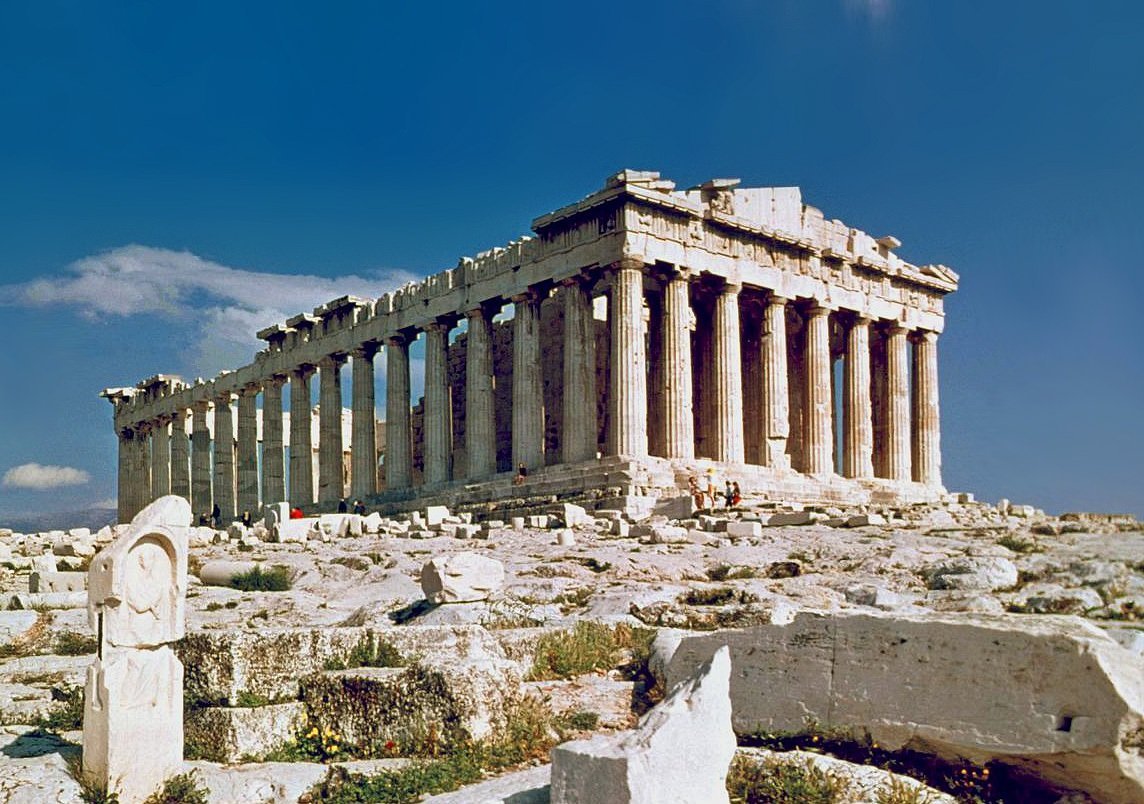
Perched on Athens’ Acropolis, the Parthenon was completed in 438 BCE as a temple to Athena, the city’s patron goddess. Architect Ictinus and sculptor Phidias oversaw its construction from Pentelic marble during the height of the Golden Age under Pericles. Funded by the Delian League treasury, it replaced an earlier temple destroyed by Persians. Doric columns and intricate friezes depicted mythological battles and civic processions.
This temple embodies classical Greek ideals of democracy, beauty, and harmony. Its optical refinements, like curved columns to counter visual distortion, show a deep understanding of perception and math. Athens invested in such grandeur to assert cultural dominance after victories over Persia. The structure captures a society’s confidence in reason, proportion, and the human form as divine reflection.
Colosseum
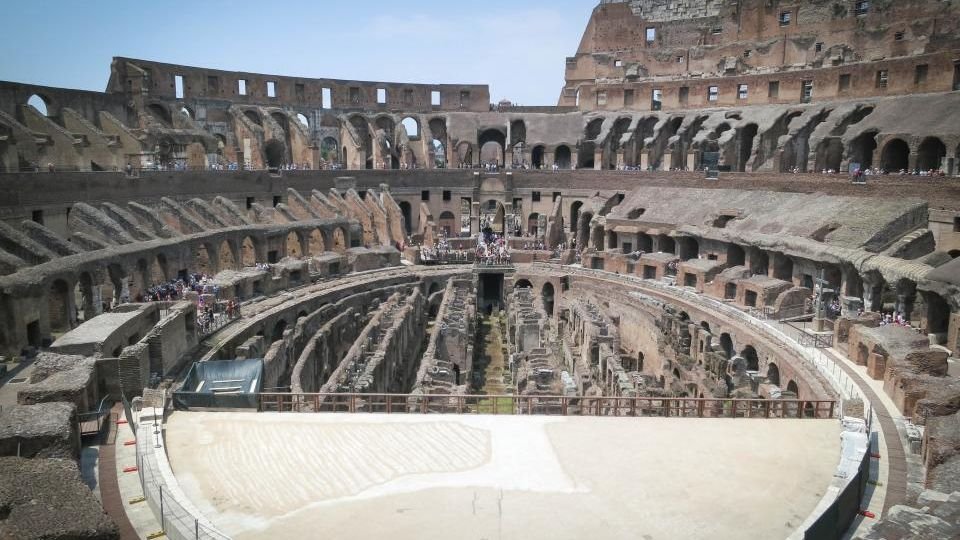
Rome’s Colosseum, or Flavian Amphitheatre, opened in 80 CE under Emperor Titus after eight years of construction. Vespasian initiated the project on the site of Nero’s lake, using concrete, travertine, and tufa for its massive elliptical form seating 50,000. Underground tunnels, or hypogeum, housed animals and gladiators lifted by elevators. It hosted gladiatorial contests, hunts, and mock sea battles.
The amphitheater mirrors the Roman Empire’s emphasis on spectacle and imperial power. Free games distracted the populace while reinforcing social hierarchies through tiered seating. Engineering innovations like arches and vaults enabled unprecedented scale and durability. It reflects a civilization blending brutality with ingenuity, where entertainment served political stability.
Taj Mahal
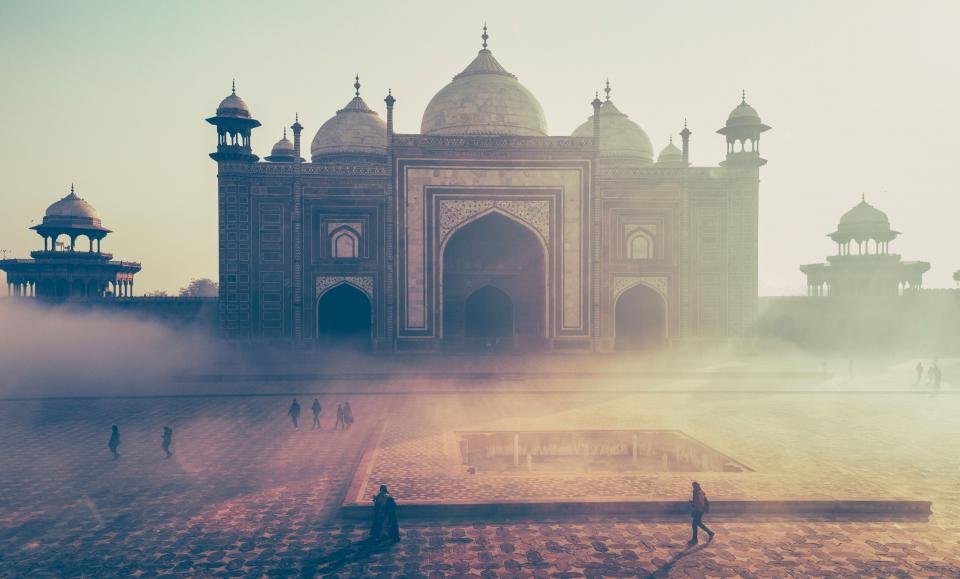
Commissioned in 1632 by Mughal Emperor Shah Jahan, the Taj Mahal in Agra honors his wife Mumtaz Mahal, who died in childbirth. Over 20,000 artisans from across Asia labored for 22 years, blending Persian, Islamic, and Indian styles in white marble inlaid with semi-precious stones. Gardens and reflecting pools enhance its symmetry, viewed best at dawn or dusk. Minarets frame the central dome, symbolizing paradise.
This mausoleum reveals the Mughal Empire’s wealth, romantic devotion, and artistic peak. Shah Jahan’s grief fueled opulent patronage, drawing talents from afar. Intricate jali screens and Quranic calligraphy highlight spiritual depth amid material splendor. It captures a society’s fusion of love, faith, and technical mastery in stonework and optics.
Stonehenge
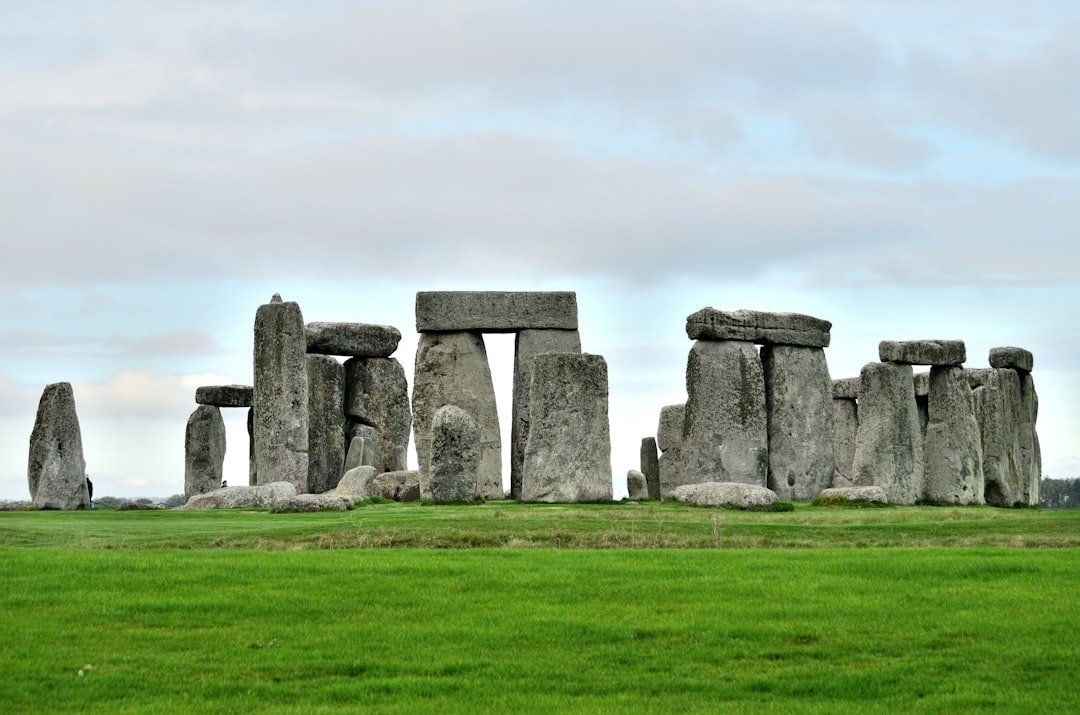
Stonehenge evolved over 1,500 years, starting around 3000 BCE in England’s Salisbury Plain during the Neolithic period. Early earthworks gave way to massive sarsen stones, some weighing 50 tons, transported from 20 miles away. Bluestones came from Wales, 150 miles distant, arranged in a circle aligned with solstices. It likely served ceremonial purposes for prehistoric communities.
The monument speaks to early Britain’s communal efforts and celestial awareness. Without metal tools or wheels, builders demonstrated sophisticated organization and quarrying. Burial goods nearby suggest links to ancestors and the cosmos. It preserves a time when ritual landscapes defined social bonds and seasonal cycles guided life.
Petra
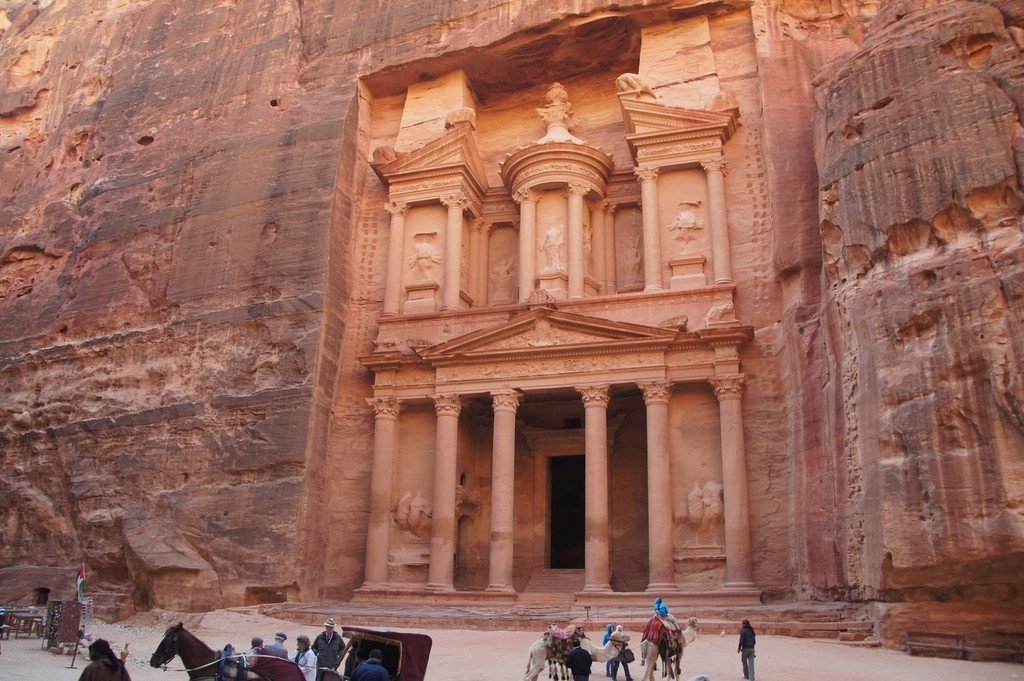
Carved into Jordan’s rose-red cliffs by the Nabataeans around the 1st century BCE, Petra served as a trade hub on incense routes. The city featured rock-cut tombs like the Treasury, or Al-Khazneh, with Hellenistic facades blending local and Greek influences. Cisterns and dams managed scarce water, supporting a population of 20,000. It thrived until Roman annexation in 106 CE.
Petra illustrates a nomadic people’s transformation into prosperous traders. Engineering for water in the desert shows adaptive ingenuity and economic savvy. Elaborate facades masked simple interiors, prioritizing impression over utility. The site reflects a civilization mastering environment, commerce, and cultural exchange at empire crossroads.
Hagia Sophia
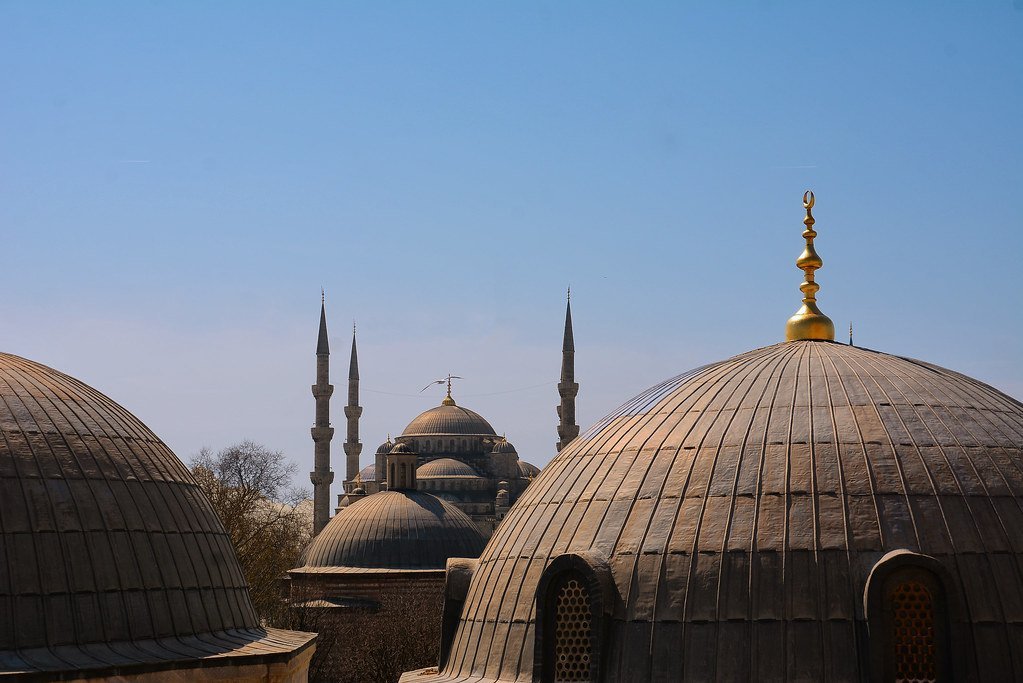
Emperor Justinian I dedicated Hagia Sophia in 537 CE in Constantinople after five years of intense building. Architects Anthemius of Tralles and Isidore of Miletus used pendentives to support a vast dome over a square base, revolutionizing church design. Mosaics of Christ and saints adorned interiors, blending Roman engineering with Christian symbolism. It stood as the world’s largest cathedral for nearly 1,000 years.
The basilica embodies Byzantine Empire’s fusion of faith, power, and innovation. Justinian aimed to outshine Solomon’s Temple, pouring state resources into spiritual prestige. The dome’s light-flooded space evoked heaven on earth. It captures a society’s resilience post-plague and war, where architecture bridged earthly rule and divine order.
Conclusion
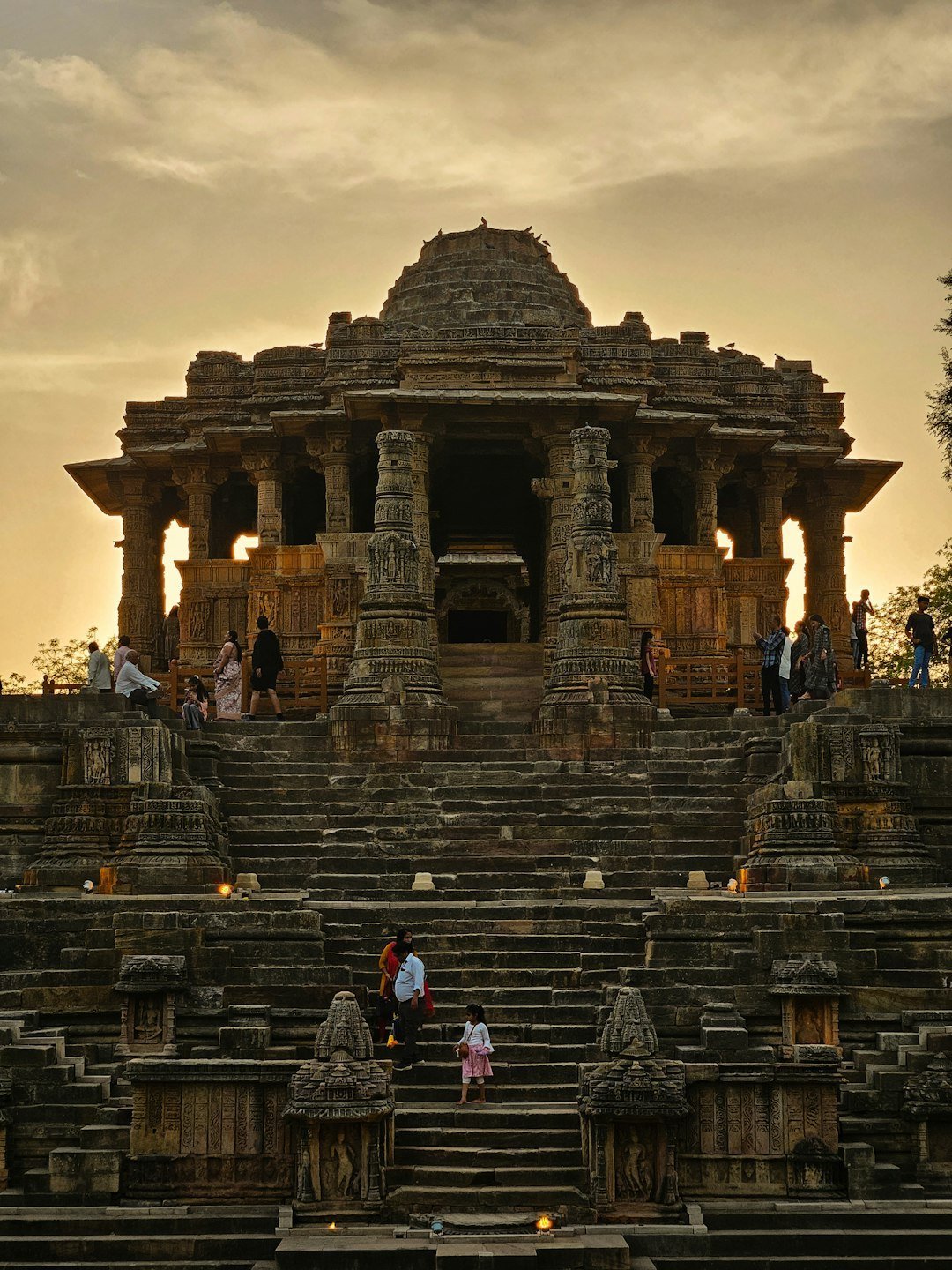
These enduring structures transcend stone and mortar. They encapsulate the dreams, struggles, and triumphs of their creators, offering lessons etched in time.
Architecture remains humanity’s most honest chronicle, unfiltered by words or bias. As we stand before them today, they remind us that every era leaves its mark, waiting for future eyes to decipher.


