
Musical instruments have always been more than tools for sound. They shape the styles that capture a time, influencing how melodies flow and rhythms pulse across cultures.
From ancient rituals to modern stages, these creations drive innovation in genres and leave lasting marks on societies. Their evolution reflects human creativity pushing against limits.
Mesopotamian Lyre
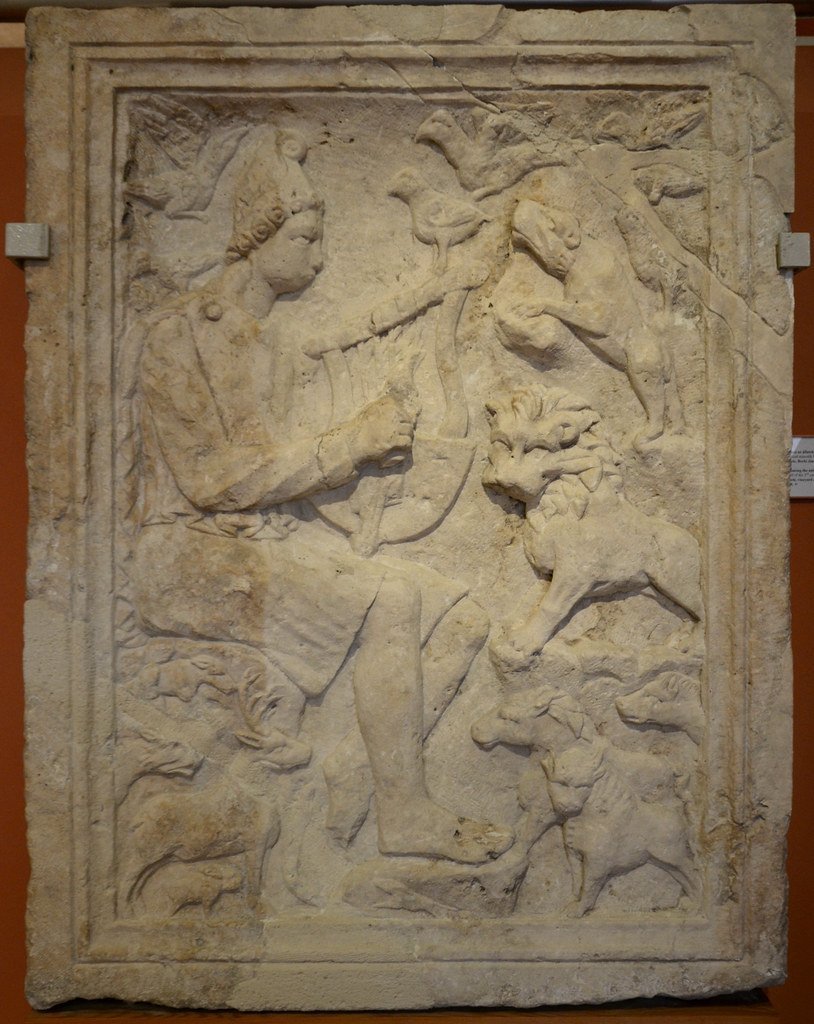
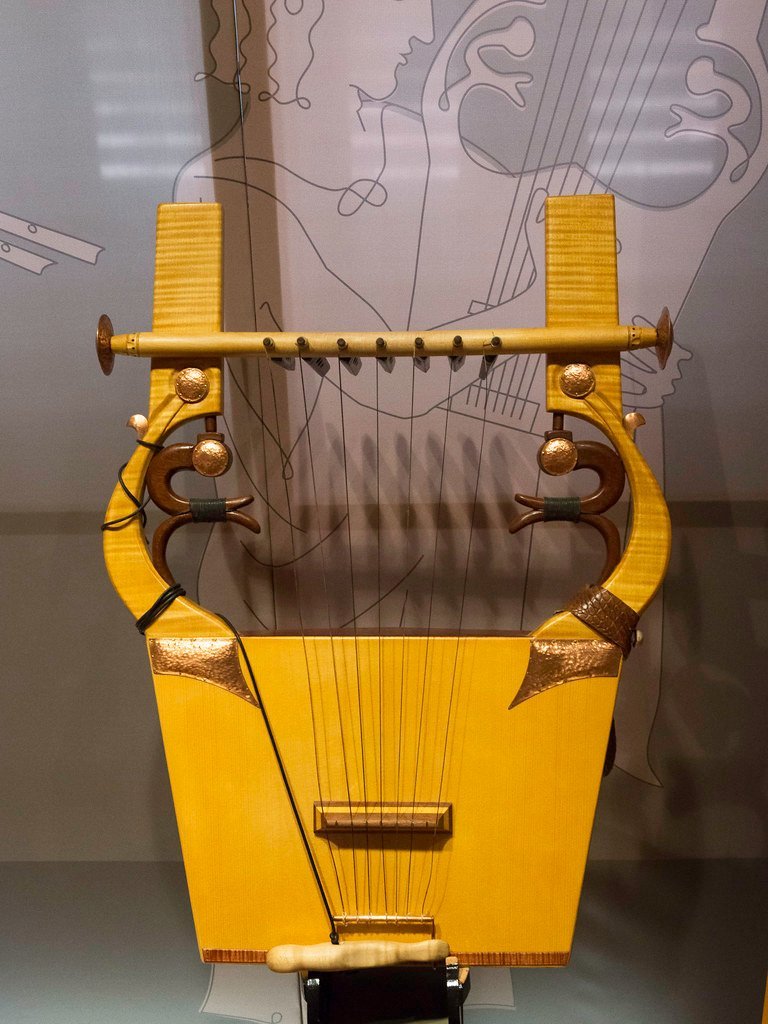
The lyre emerged around 2600 BC in Mesopotamia, southern Iraq.[1] It played key roles in celebratory and ritual music, setting early patterns for stringed harmony.
This lavishly decorated instrument influenced ancient Near Eastern genres, blending melody with spiritual expression. Its cultural reach extended through trade routes, inspiring later string designs in Europe and beyond.[1]
Ancient Egyptian Harp
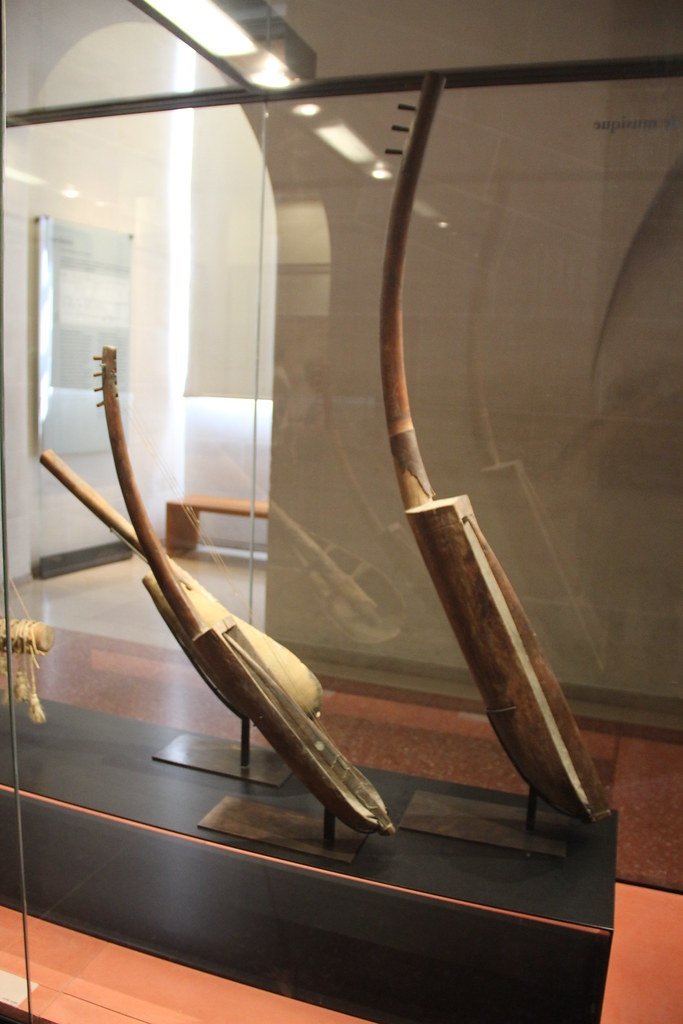
Dating to 1550-1070 BC in Thebes, Egypt, the harp graced banquets and religious dedications.[1] Players plucked strings in pairs, accompanying singers and other instruments like lutes.
It shaped courtly and sacred music, emphasizing grandeur in New Kingdom styles. Archaeologists found these ornate harps in tombs, highlighting their role in eternal afterlife beliefs and elite culture.[1]
Arabian Lute (Oud)
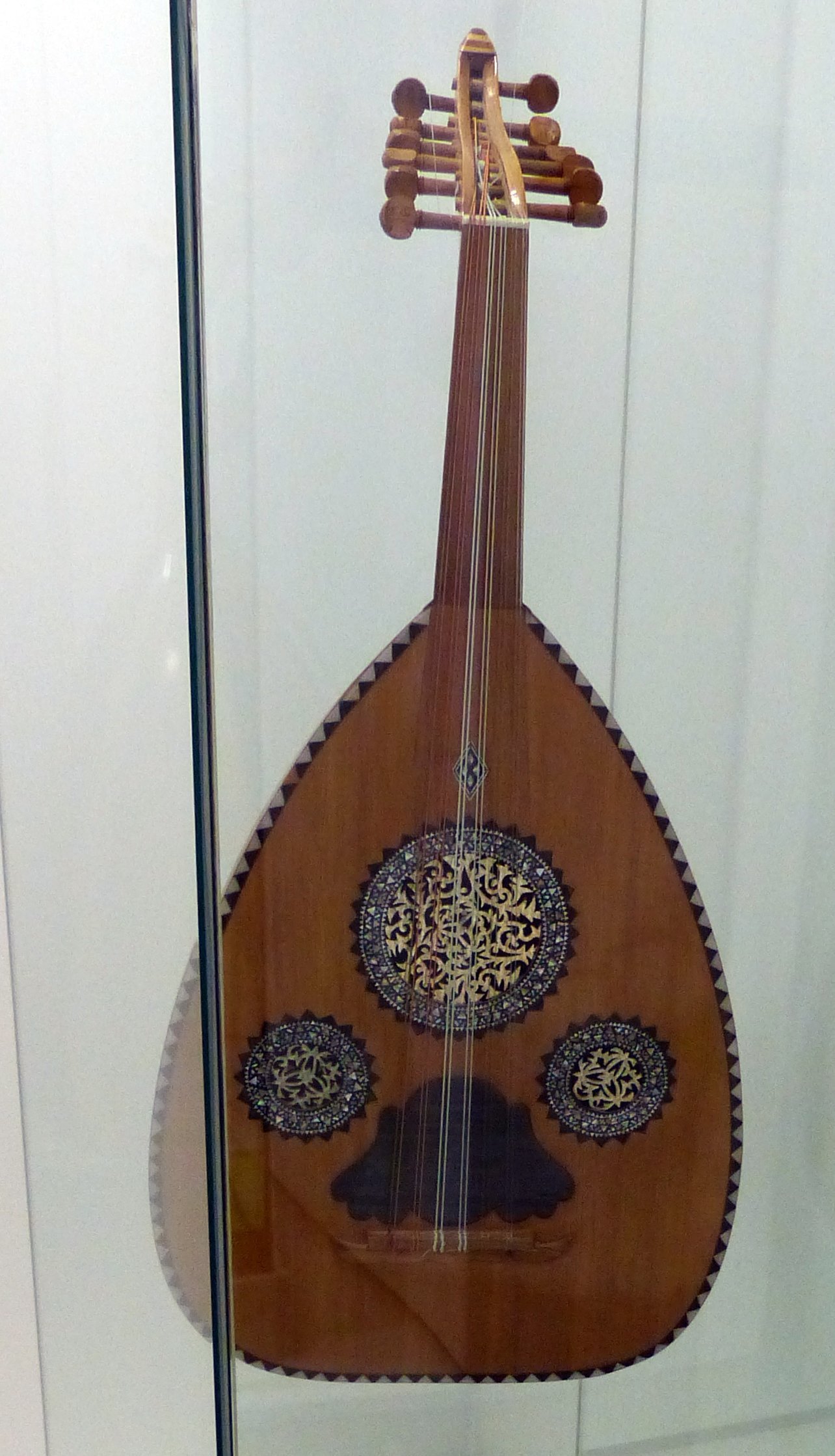
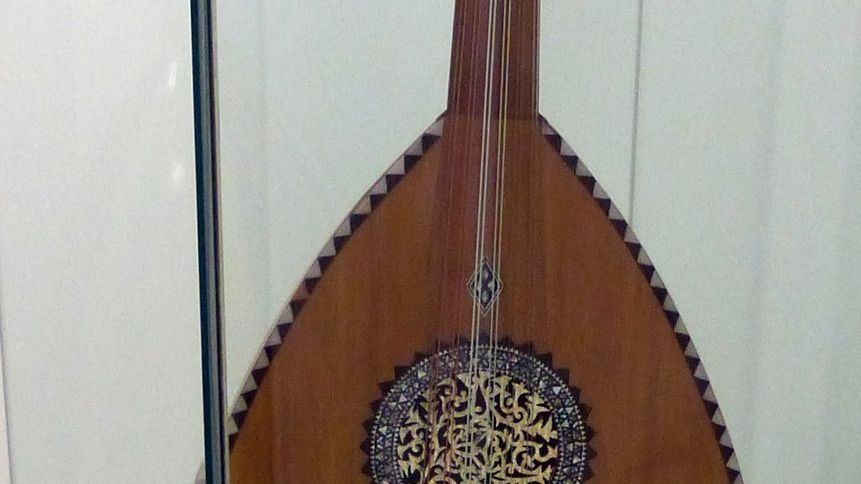
The lute, or oud, traces roots to ancient Arabia, with modern examples from Iraq showcasing cedar and rosewood builds.[1] Central to Middle Eastern music, it defined melodic frameworks in maqam traditions.
Its influence spread via Islamic expansions, impacting Renaissance Europe and folk genres worldwide. The name “lute” derives from “al-oud,” underscoring its foundational cultural weight in storytelling and poetry accompaniment.[1]
Medieval Citole
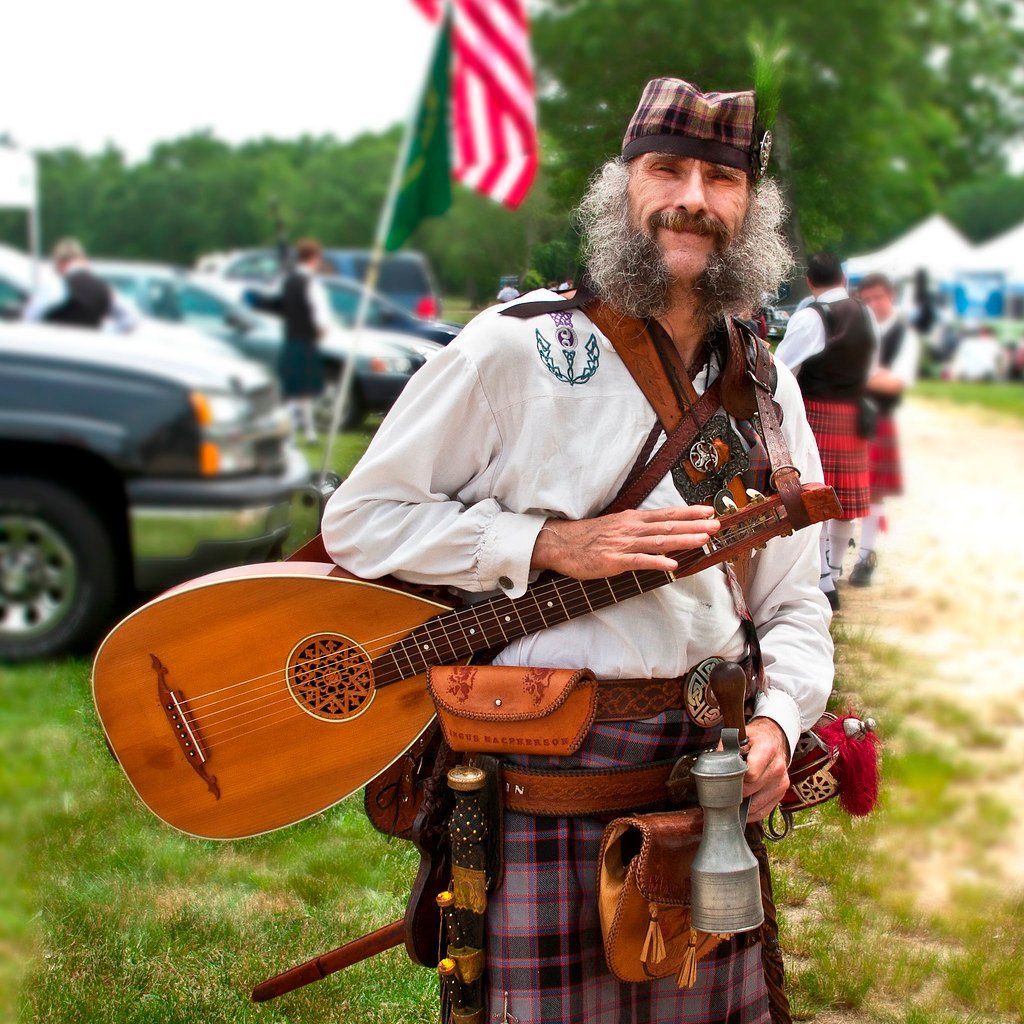
Crafted around 1280-1330 in England, the citole resembled an early guitar with four strings.[1] It fueled medieval secular music, evolving into violins later on.
Rich carvings and royal associations marked its prestige in courtly entertainment. This plucked string instrument bridged folk and aristocratic styles, influencing the development of fretted instruments across Europe.[1]
Ancient Greek Aulos
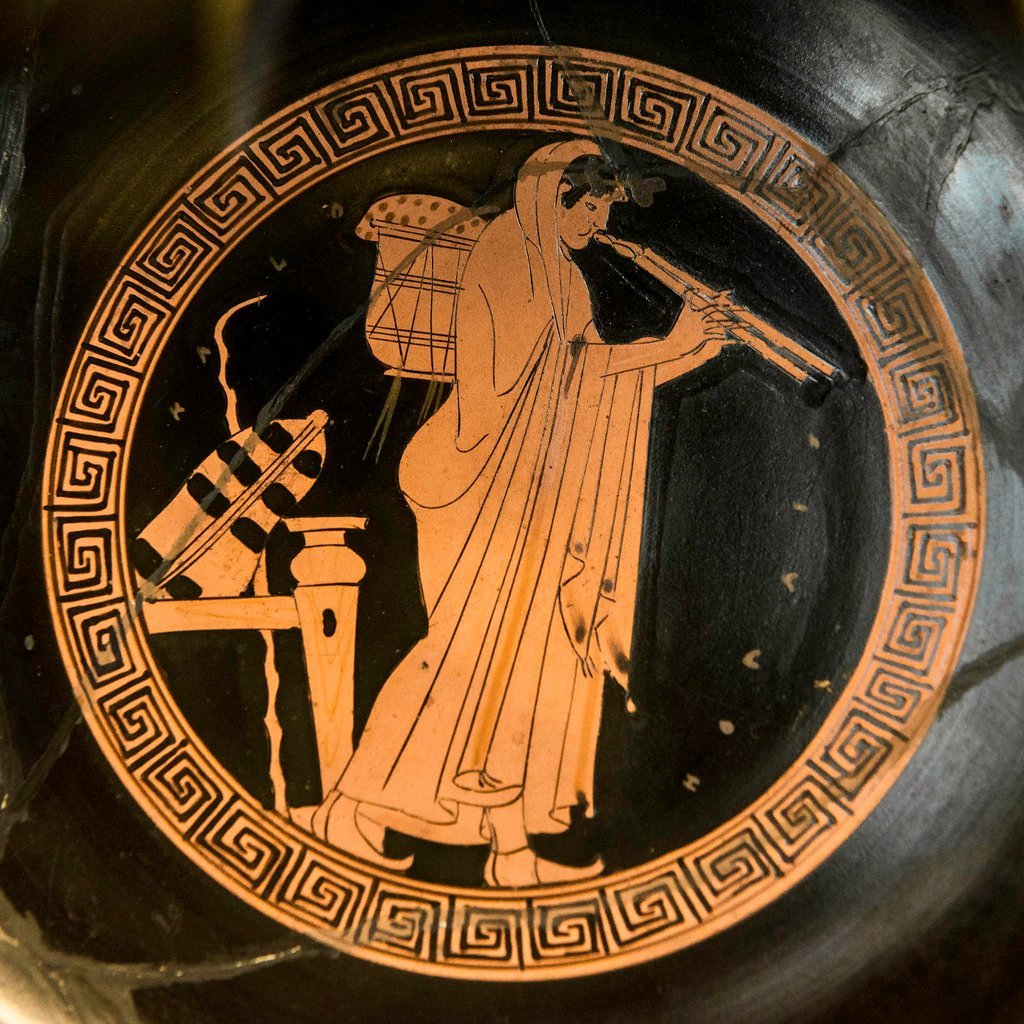
The aulos, double wooden pipes from 5th-4th century BC Athens, accompanied theater and daily labors.[1] Reeds produced piercing tones for drama, songs, and rituals.
It defined classical Greek genres, from tragedy to harvest chants. Socially versatile, the aulos wove into community life, shaping early wind music traditions that echoed in later European orchestras.[1]
Roman Water Organ (Hydraulis)
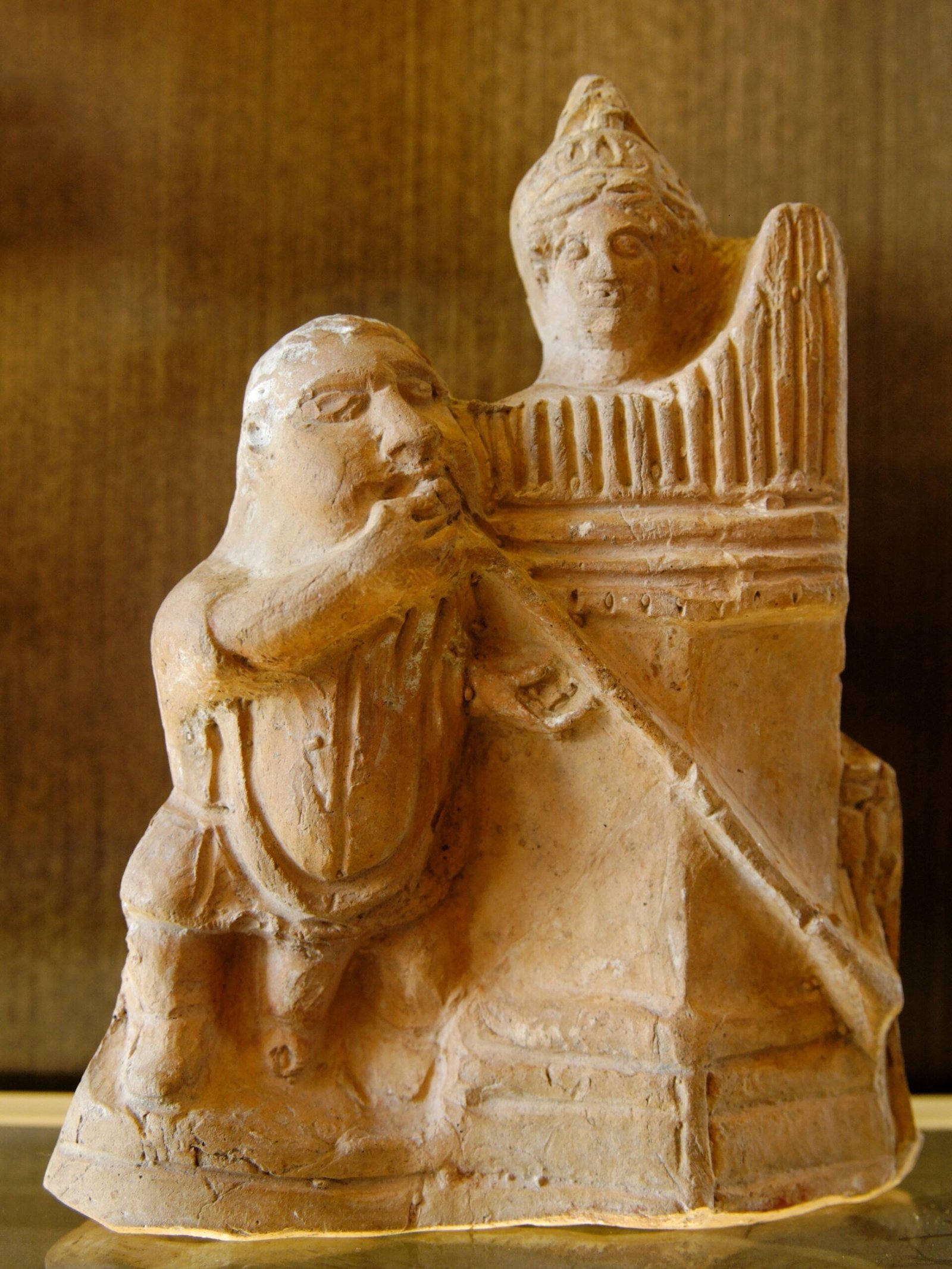
Invented in the 3rd century BC and peaking in 4th-5th century AD Roman use, the hydraulis powered pipes with water pressure.[1] It thrilled gladiator crowds and later church services.
This early keyboard precursor influenced organum and sacred music evolution. Requiring teams for operation, it symbolized engineering prowess and grand public spectacles in antiquity.[1]
Violin
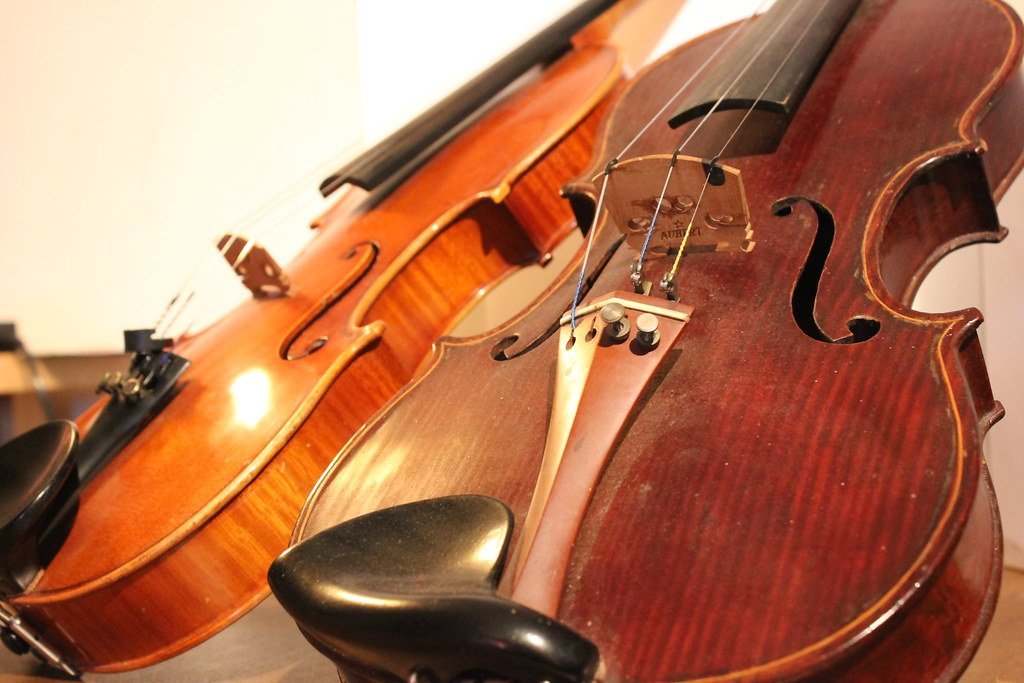
Developed in 16th-century Italy, the violin brought unmatched agility and vocal-like expressiveness.[2] It dominated Baroque and Classical chamber music.
Genres from Vivaldi concertos to folk fiddling owe their emotional depth to it. Globally adopted, the violin fostered virtuosity and cross-cultural fusions, remaining a solo star today.[2]
Its tonal range captured human pathos, reshaping ensemble dynamics.
Harpsichord
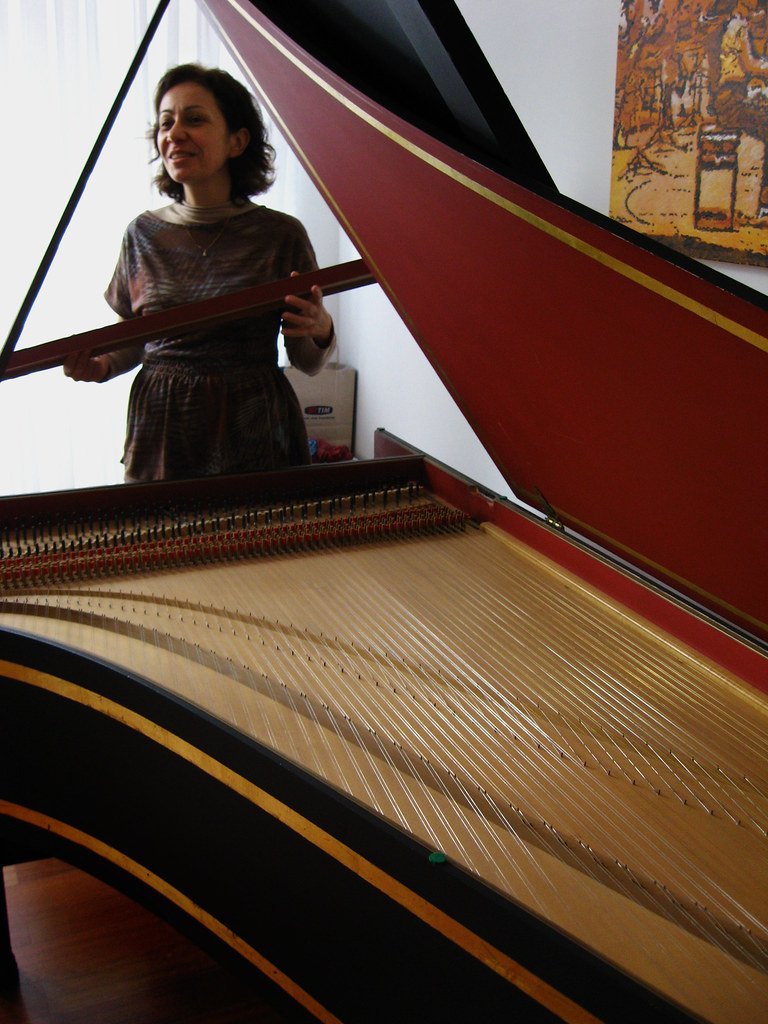
Prominent in the Baroque era (1600-1750), the harpsichord used plucked strings for continuo in orchestras.[3] Double manuals allowed complex polyphony.
It defined the ornate styles of Bach and Handel, influencing keyboard traditions. Culturally, it anchored court and church music, paving the way for piano dynamics.[3]
Piano
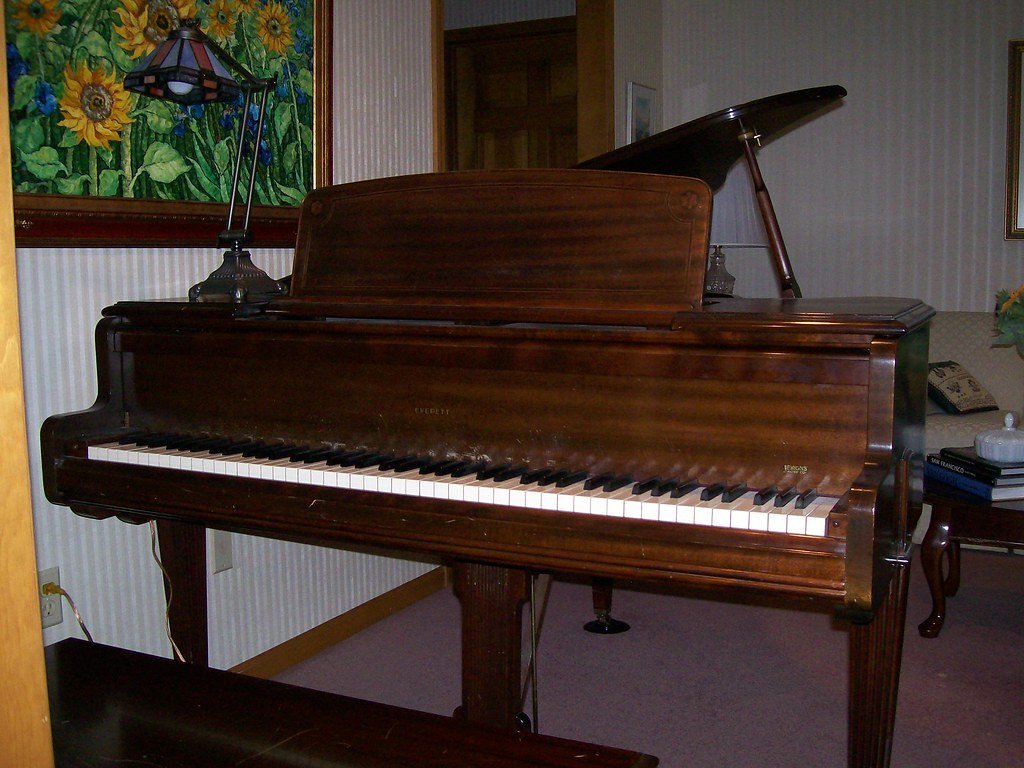
Invented early 18th century by Bartolomeo Cristofori, the piano allowed dynamic control via hammers.[2] It revolutionized Classical and Romantic expression.
Central to Beethoven and Chopin works, it spanned jazz to pop. As a theory tool, the piano democratized composition, embedding itself in homes worldwide.[2]
Drum Kit
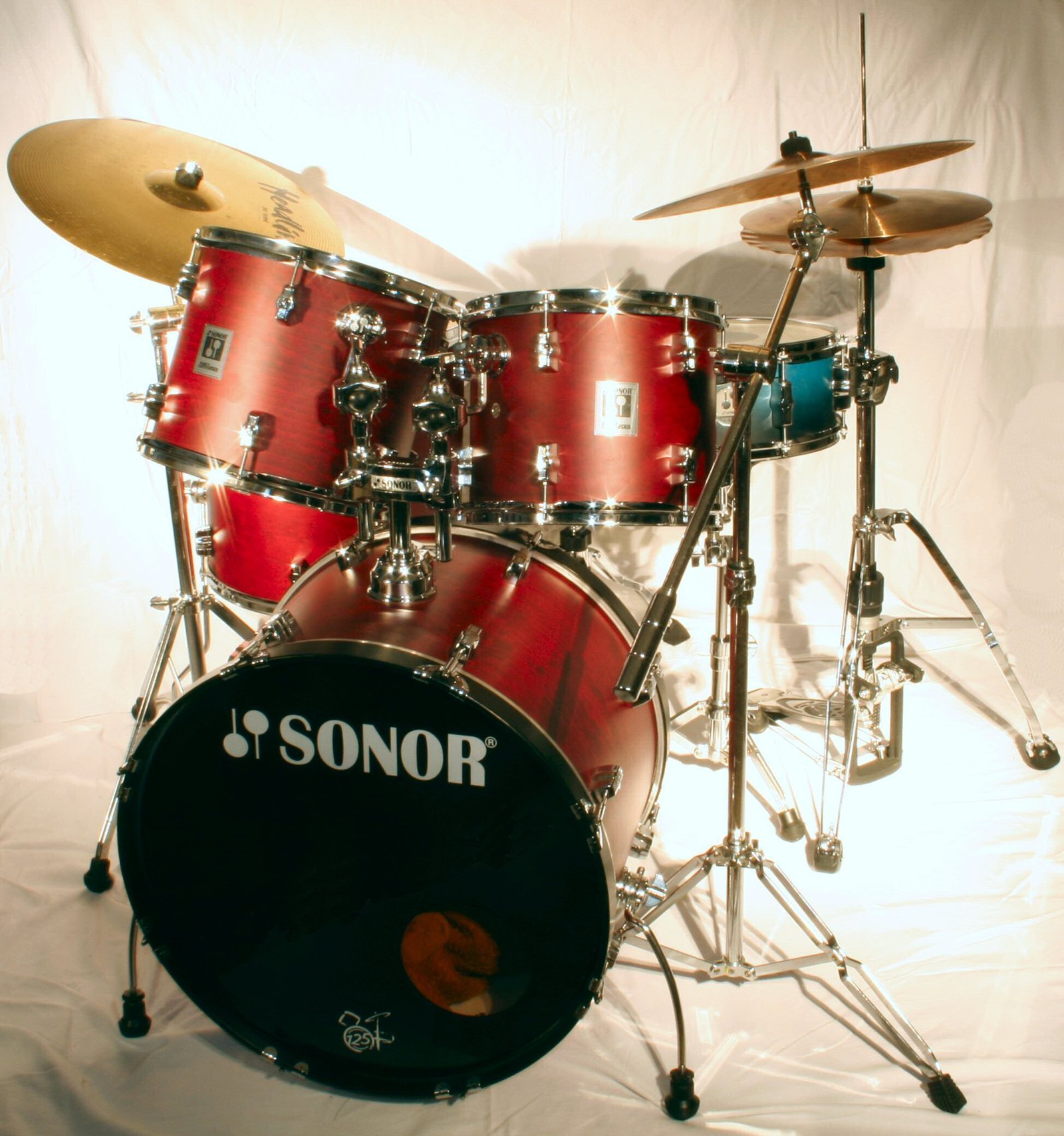
Consolidated in the early 20th century, the drum kit let one player handle multiple percussion roles.[2] It drove jazz and rock rhythms.
African influences met Western bands, creating backbeats for swing and heavy grooves. Icons like Buddy Rich elevated it, making rhythm a lead force in popular music.[2]
Saxophone
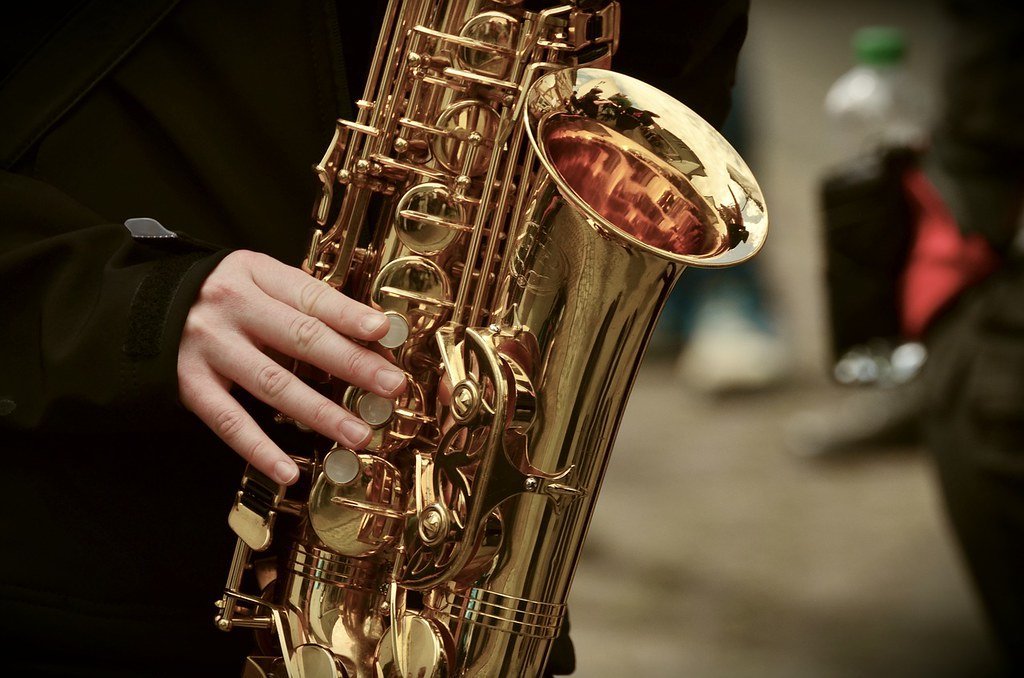
Patented in 1840 by Adolphe Sax in Belgium, the saxophone blended woodwind and brass tones.[4] It ignited jazz in the early 1900s.
From New Orleans bands to big bands, its wail defined improvisation. Culturally, it symbolized urban nightlife and emotional release in 20th-century America.[5]
Electric Guitar
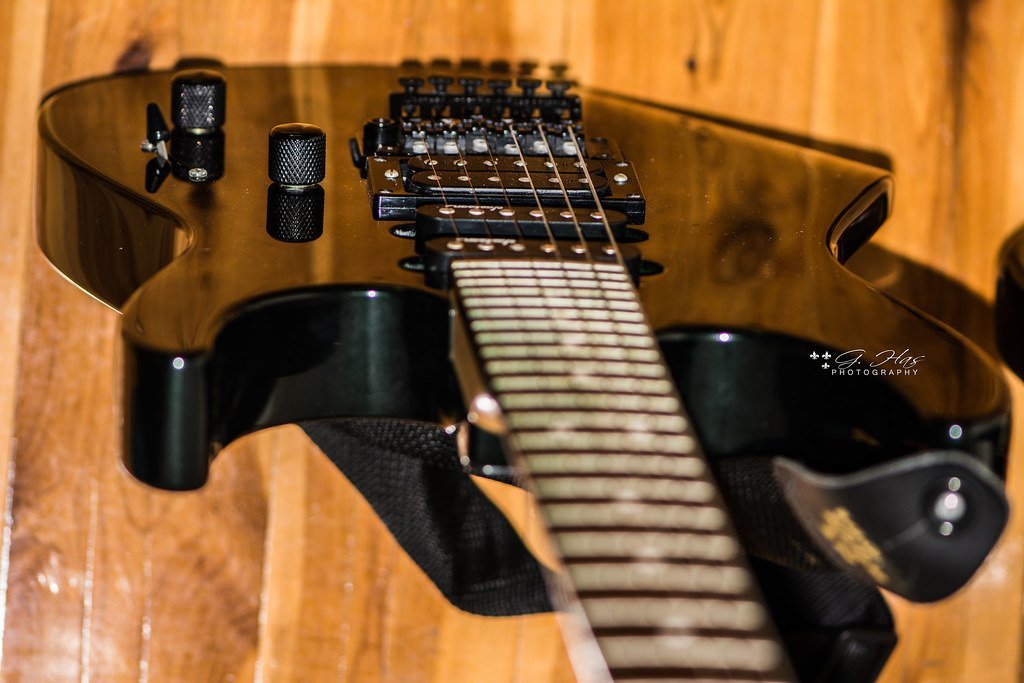
Emerging in the 1930s with pickups for amplification, it transformed guitars into leads.[2] Rock ‘n’ roll exploded with its distortion.
Blues to metal, it voiced rebellion and solos. Figures like Les Paul made it a cultural icon of youth and innovation.[2]
Synthesizer
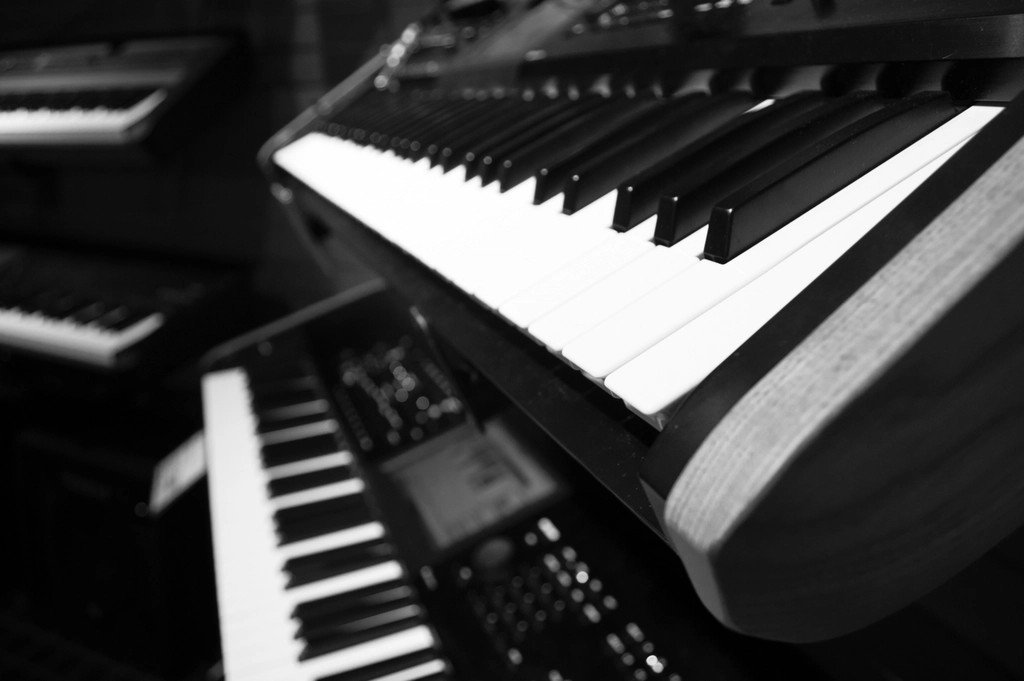
Mid-20th century electronic wizardry created novel timbres beyond acoustics.[2] It birthed synth-pop and EDM.
From Moog modules to digital workstations, it fueled experimentation. Solo producers gained orchestral power, reshaping pop production landscapes.[2]
Turntable
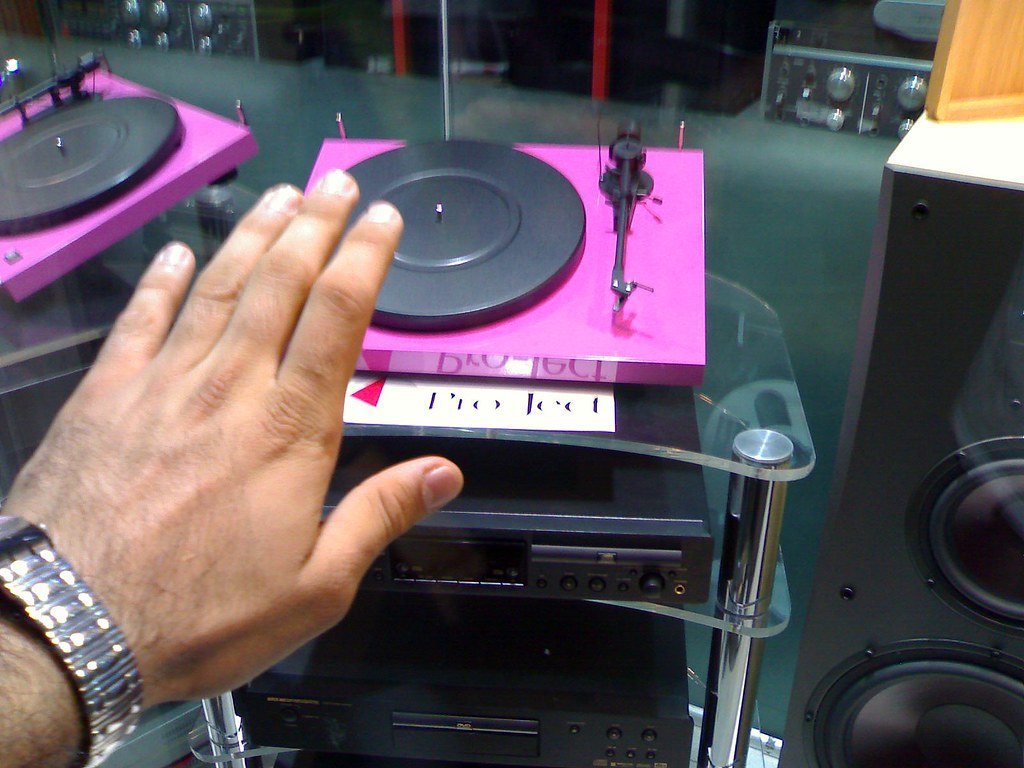
Adapted in the 20th century by DJs, turntables became instruments via scratching and mixing.[2] Hip-hop culture sprang from it.
Breakbeats and remixes redefined performance. It shifted music from static playback to live creation, influencing global dance scenes.[2]
Tabla
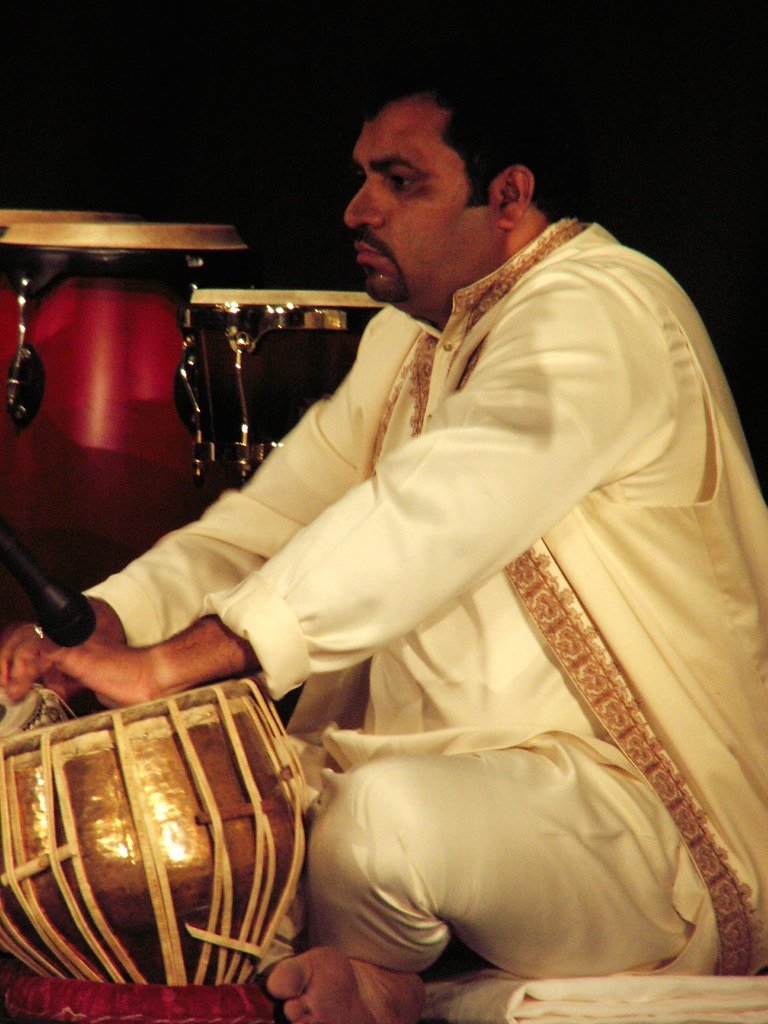
Ancient roots in Indian classical music, the tabla pair delivers intricate talas.[2] It anchors Hindustani improvisation.
Fusion with jazz and world music expanded its reach. As a hand drum, it preserves tradition while inspiring rhythmic complexity everywhere.[2]
Instruments as Drivers of Innovation
These 15 instruments didn’t just play notes. They redefined possibilities, blending cultures and sparking genres that still resonate.
Looking ahead, new tech will continue this legacy. Yet the core thrill remains: a simple tool igniting human expression across time.


