


There is something quietly heartbreaking about the idea that a structure standing for centuries, maybe even millennia, could disappear in a generation. Wars, floods, neglect, pollution, and the relentless pressure of mass tourism have all taken their toll on the world’s greatest architectural treasures. Throughout history, countless landmarks have stood as silent witnesses to the triumphs and tragedies of human civilization, yet many of these irreplaceable treasures have teetered on the brink of destruction, threatened by wars, natural disasters, and the slow decay of time.
One of the most important reasons a site is restored is because of its cultural significance. Certain sites are tied to a nation’s identity, making them more valuable for what they provide to a culture than if they were demolished. The stories behind these ten wonders are not just about crumbling stone and faded frescoes. They are about human will, political courage, and the deep refusal to let the past be swallowed whole. Let’s dive in.
1. Machu Picchu, Peru – The Inca Citadel That Tourism Almost Undid
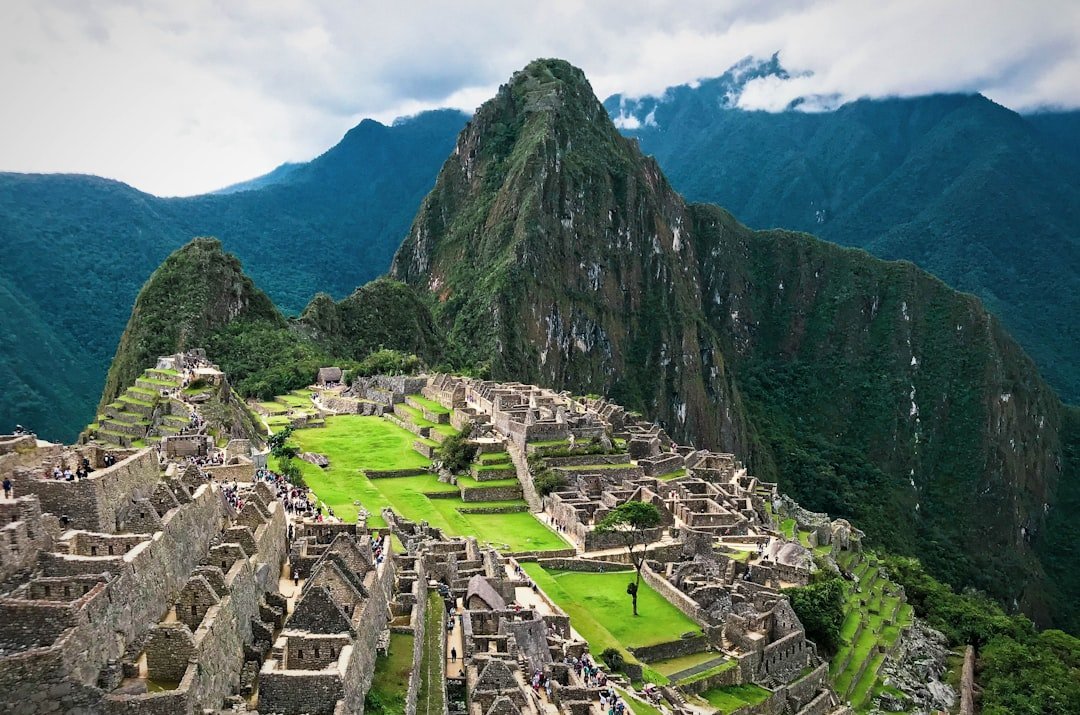
When American explorer Hiram Bingham III stumbled upon Machu Picchu in 1911, the Inca citadel had been sleeping in the Andean clouds, untouched for centuries. Built in the 15th century, it was lost to the Spanish for years, until Bingham’s rediscovery sparked a new fascination with the Inca Empire. Honestly, that is one of history’s most extraordinary second acts. A civilization’s crown jewel, hidden in plain sight for hundreds of years.
The conservation of Machu Picchu presents numerous challenges. The pressure of mass tourism, natural erosion, and climate change are factors that threaten the stability and preservation of the site. Beyond tourism, there are also forest fires around Machu Picchu, landslides and mudslides during the rainy season, and solid waste generated by visitors.
The number of tourists allowed to visit the site on a daily basis is now restricted, a no-fly zone has been established over the location, and UNESCO has suggested that measures be taken to create a buffer zone between Machu Picchu and surrounding urban development. The preservation of Machu Picchu is getting a boost from new conservation technologies, including 3D mapping and digital documentation. A place this extraordinary deserves every bit of that effort.
2. Angkor Wat, Cambodia – A Temple Swallowed by Jungle and War
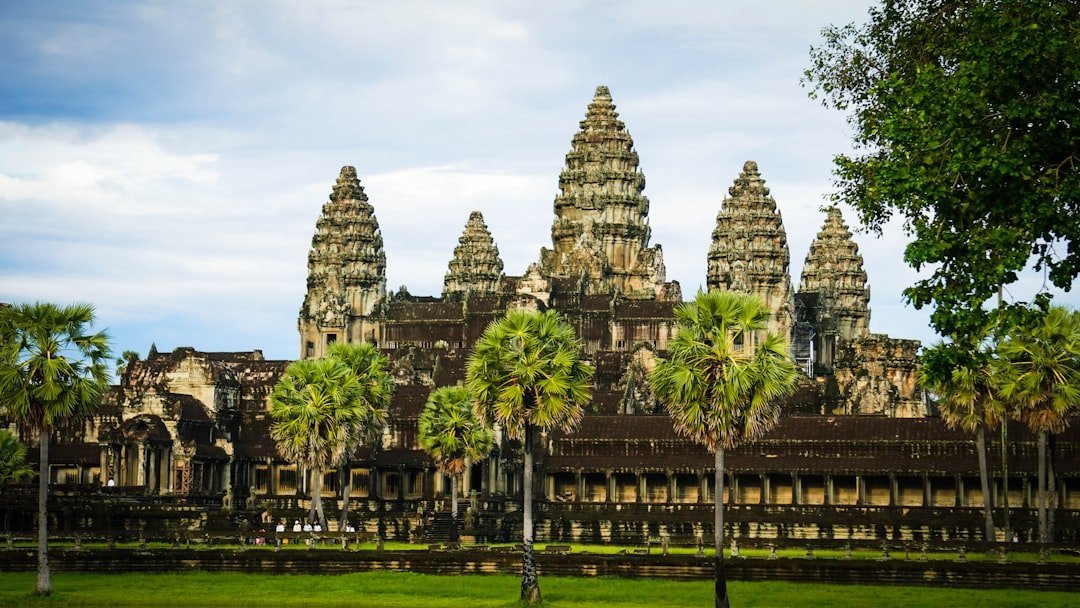
Angkor Wat is the world’s largest religious structure, covering some 400 acres, and marks the high point of Khmer architecture. Yet this colossus nearly ceased to exist. In the 20th century, various restoration programs were undertaken, but they were suspended amid the political unrest that engulfed Cambodia in the 1970s. When work resumed in the mid-1980s, the required repairs were extensive, and notably, sections had to be dismantled and rebuilt.
The restoration of Angkor Wat came to a halt in the 1970s and 1980s following the civil war in Cambodia and the Khmer Rouge regime. Despite the war, very little damage was done to the temple, as Angkor Wat’s history is considered sacred in the Khmer psyche. Overall, the Angkor temples were abandoned to the jungle for almost twenty years.
In 1992, the Angkor complex was designated a World Heritage site by UNESCO and was immediately added to the list of World Heritage in Danger. In the ensuing years, restoration efforts increased, and Angkor was removed from the danger list in 2004. Restoration was coordinated by the International Coordinating Committee for the Safeguarding and Development of the Historic Site of Angkor, established in 1993 under UNESCO, with major contributors including France, Japan, India, Germany, the United States, South Korea, China, and Italy.
3. Notre-Dame de Paris, France – Fire, Stone, and Resurrection
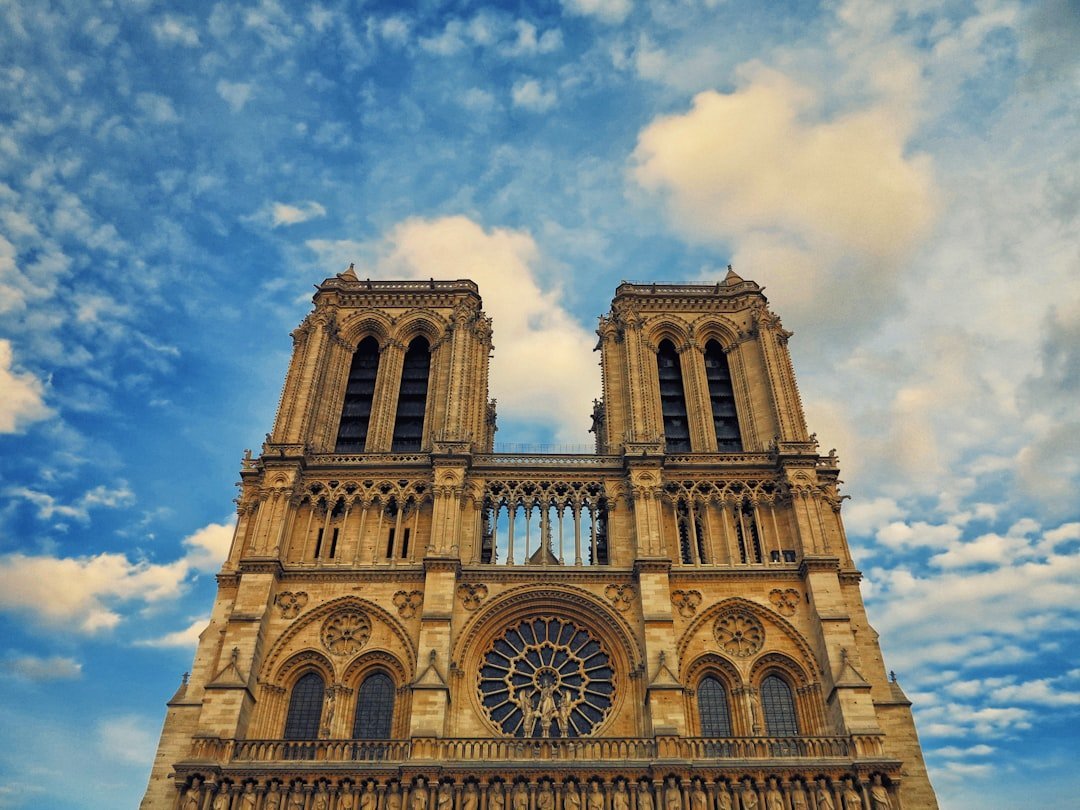
Let’s be real: watching Notre-Dame’s spire collapse on live television in April 2019 was one of those genuinely gut-punch moments that reminded the world just how fragile even the mightiest structures can be. Notre-Dame de Paris, which was constructed between 1163 and 1260, is a medieval Catholic cathedral located in France and is considered one of the most well-known examples of French Gothic architecture, characterized by its iconic rib vault, beautiful rose windows, and abundant sculptural designs.
The fire that occurred on 15 April 2019 caused significant damage to the roof and wooden structures, including the destruction of the cathedral’s spire. The immediate aftermath saw an incredible surge of international support, with experts and citizens alike rallying to save this Parisian icon. Thanks to rapid conservation efforts and generous donations, the cathedral’s full restoration is now underway.
The restoration utilizes modern technology, including digital modeling and innovative materials, to ensure accuracy and durability. These techniques are crucial in restoring the cathedral to its former glory. Long-term plans include implementing fire prevention measures and continuous monitoring of the structure, with the goal of preserving Notre-Dame as a symbol of French heritage and resilience. It is a restoration story that the entire world is watching with cautious hope.
4. The Taj Mahal, India – White Marble Under Siege
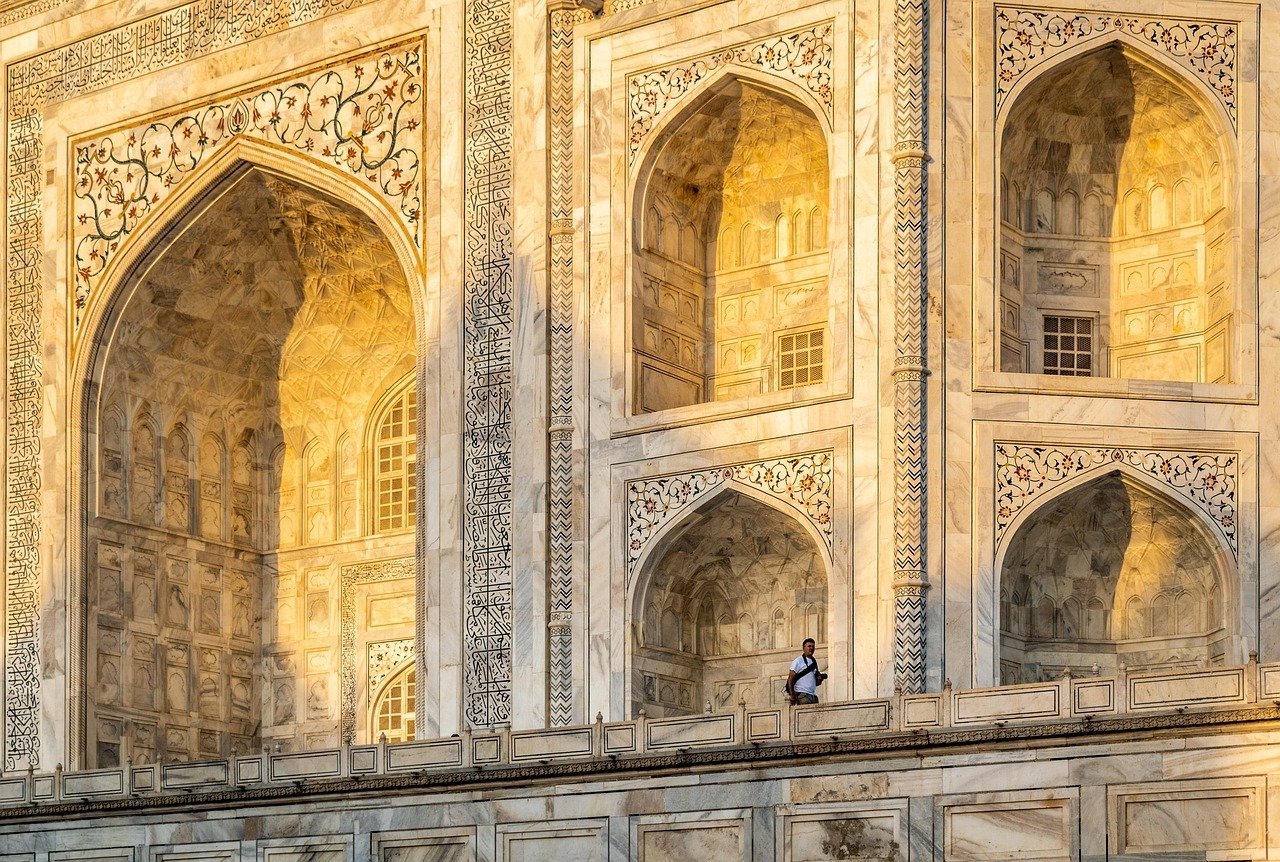
The Taj Mahal, built in the 17th century by Mughal Emperor Shah Jahan, is a masterpiece of Indo-Islamic architecture, constructed as a mausoleum for his beloved wife, Mumtaz Mahal. Few buildings on earth carry so much emotional weight packed into their walls. Yet this monument to eternal love has been fighting a very earthly battle against pollution, decay, and neglect for decades.
The Indian press has been filled with reports that the latest government efforts to control pollution around the Taj are failing and that the gorgeous white marble is deteriorating, a possible casualty of India’s booming population, rapid economic expansion, and lax environmental regulations. Preservationists believed that plant emissions were causing acid rain, which was eating away at the stone of the monument, what some have called “marble cancer.”
In 1996, the Supreme Court ruled in favor of conservationists, and the foundries around Agra were closed, relocated, or compelled to switch to natural gas. Conservation strategies have included the use of mud-pack therapy to clean the marble and the implementation of pollution control measures around the site, which have helped maintain the monument’s condition. Still, the work is far from over.
5. The Hiroshima Peace Memorial (Genbaku Dome), Japan – Almost Demolished Twice Over
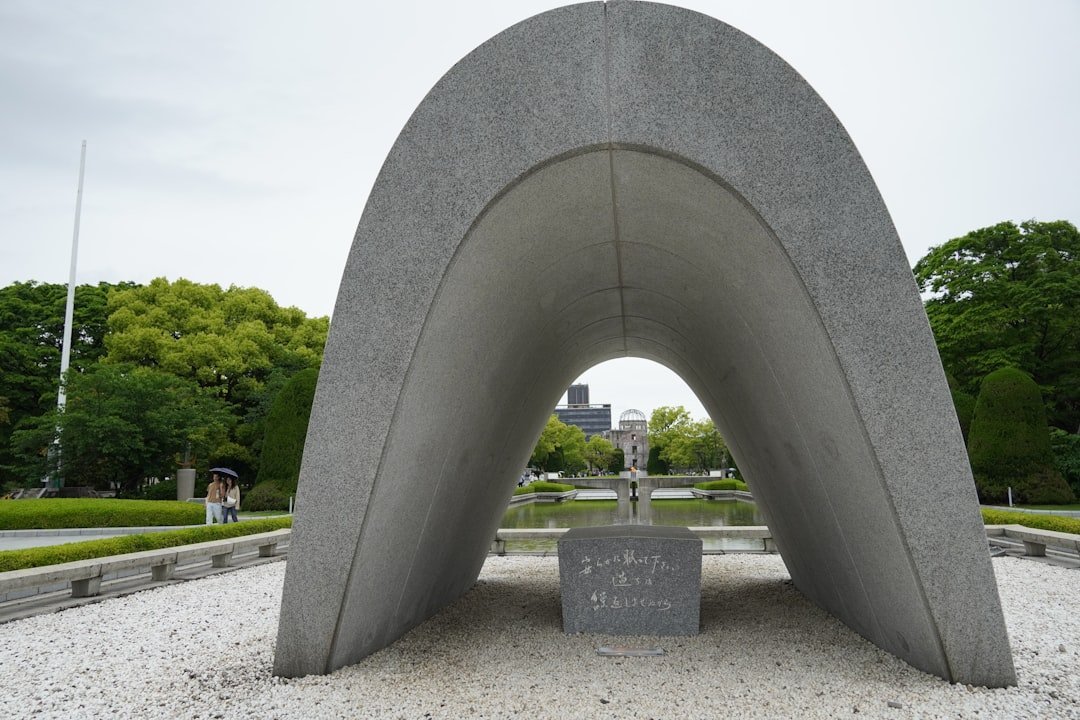
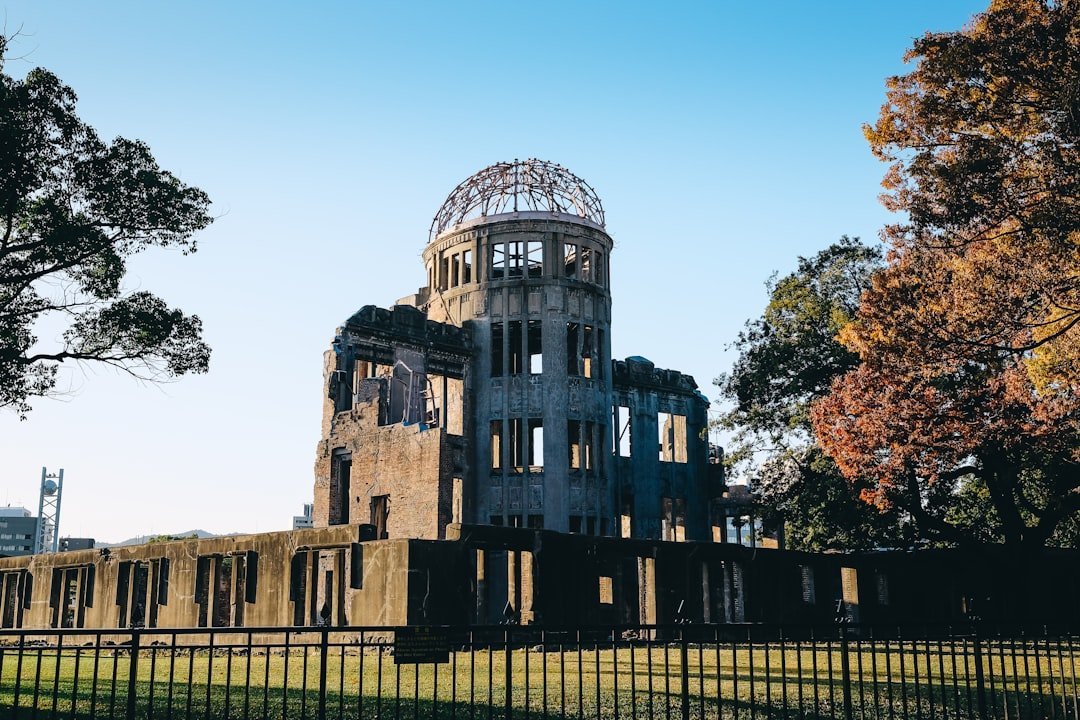
Here is a story that still astonishes me. Many visitors are unaware that this structure was initially scheduled to be demolished with the rest of the ruins in the area during the reconstruction of the city. These plans were delayed, and Hiroshima was rebuilt around the dome. Think about that. The very ruin that today stands as one of the world’s most powerful symbols of peace was nearly erased.
Soon commonly called the Genbaku Dome, the structure was scheduled to be demolished with the rest of the ruins, but most of the building was still intact, delaying demolition plans. The dome became a subject of controversy, with some locals wanting it torn down while others wanted to preserve it as a memorial of the bombing and a symbol of peace. Ultimately, when the reconstruction of Hiroshima began, the building’s skeletal remains were preserved.
The Hiroshima Peace Memorial was the only structure left standing in the area where the first atomic bomb exploded on 6 August 1945. Through the efforts of many people, including those of the city of Hiroshima, it has been preserved in the same state as immediately after the bombing. Not only is it a stark and powerful symbol of the most destructive force ever created by humankind, it also expresses the hope for world peace and the ultimate elimination of all nuclear weapons. Although the atomic bomb dome has been well preserved, it requires regular reinforcement and repair with steel beams and resin infusions, and seismic assessments and soundness surveys are frequently carried out.
6. Petra, Jordan – A Rose-Red City Crumbling from Within
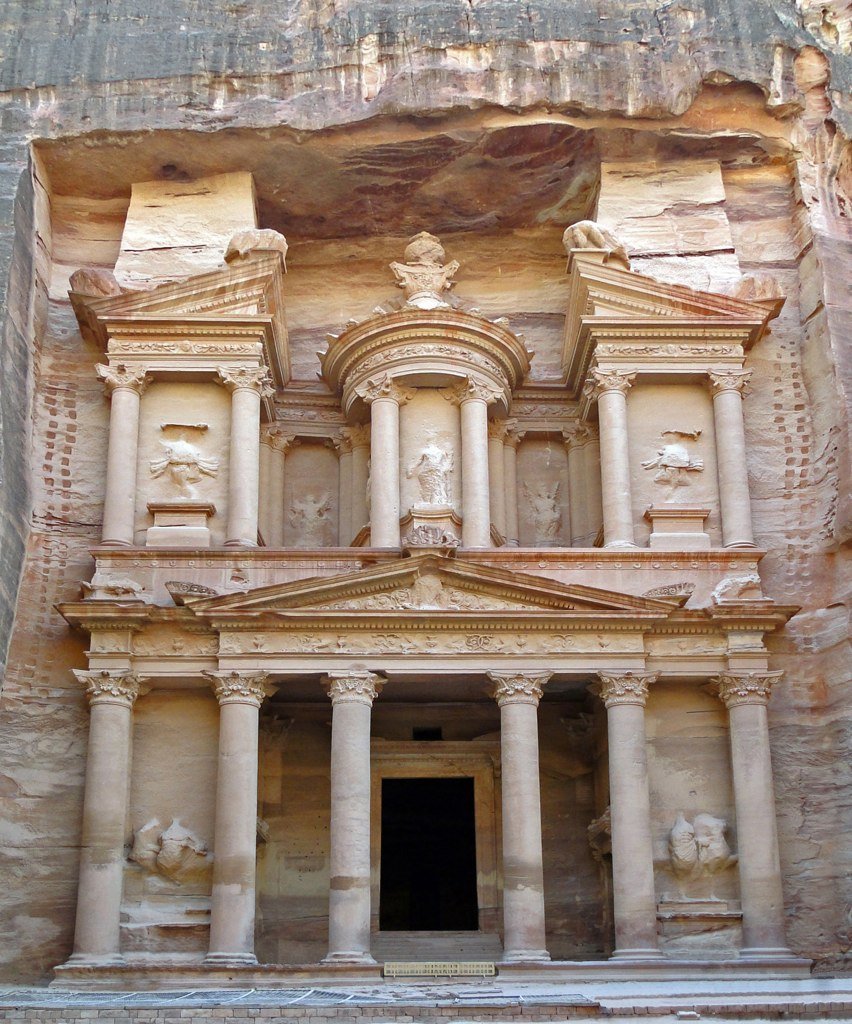
Carved directly into rose-colored sandstone cliffs, Petra is one of those places that seems almost impossible, like something dreamed up rather than built. Ancient sandstone facades rise from the rugged cliffs of Petra, Jordan, revealing the timeless beauty of this rock-carved city. The ancient city has faced relentless threats from earthquakes and natural erosion, which have chipped away at its stunning facades and intricate tombs. The very material that makes Petra beautiful, soft sedimentary rock, is also its greatest vulnerability.
What is less known is that Petra sat largely forgotten by the Western world until the early 19th century, and the intervening centuries of abandonment allowed water infiltration, flash floods, and erosion to do serious damage. Salt crystallization within the stone walls remains an active conservation headache even today. Think of it like damp rot inside a wooden house, but at a monumental scale.
Thanks to recent conservation initiatives led by UNESCO and Jordanian experts, crucial sections are being stabilized and preserved, ensuring Petra remains an awe-inspiring wonder for generations to come. The collaboration between international teams and local communities has been key. It is a delicate business, preserving something that nature itself seems determined to reclaim.
7. The Alhambra, Spain – From Royal Wonder to Forgotten Ruin
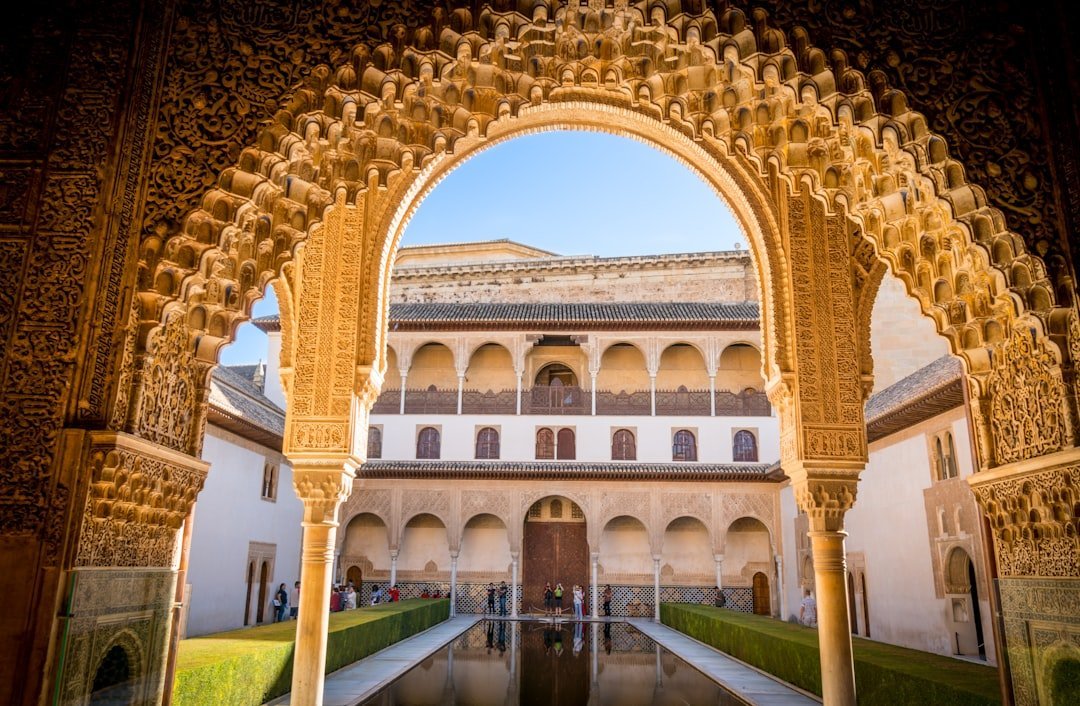
The Alhambra is the kind of place that makes you stop mid-step and stare. Intricate geometric tilework, murmuring fountains, and shadow-play through carved plaster screens. But this Moorish palace complex in Granada came terrifyingly close to permanent ruin. The majestic Moorish arches and intricate tilework of the Alhambra stand proudly against the sunlit hills of Spain. After the fall of Granada, the Alhambra suffered years of neglect and vandalism, putting its exquisite Moorish architecture at great risk. By the 19th century, much of this palace complex was crumbling.
Napoleon’s troops famously occupied and then attempted to blow up sections of the Alhambra when retreating in 1812. A brave Spanish soldier, it is said, defused some of the explosives himself. Whether legend or fact, the near-miss is hard to overstate. The explosion of even a portion of the palace would have been catastrophic beyond measure.
Restoration efforts, sparked by renewed appreciation for its beauty, breathed new life into the Alhambra, saving it from near ruin. Today it is one of Spain’s most visited sites. The turnaround is remarkable. From near-abandoned ruin to national treasure, all within the span of roughly two centuries.
8. The Pyramids of Giza, Egypt – Ancient Giants Facing Modern Threats
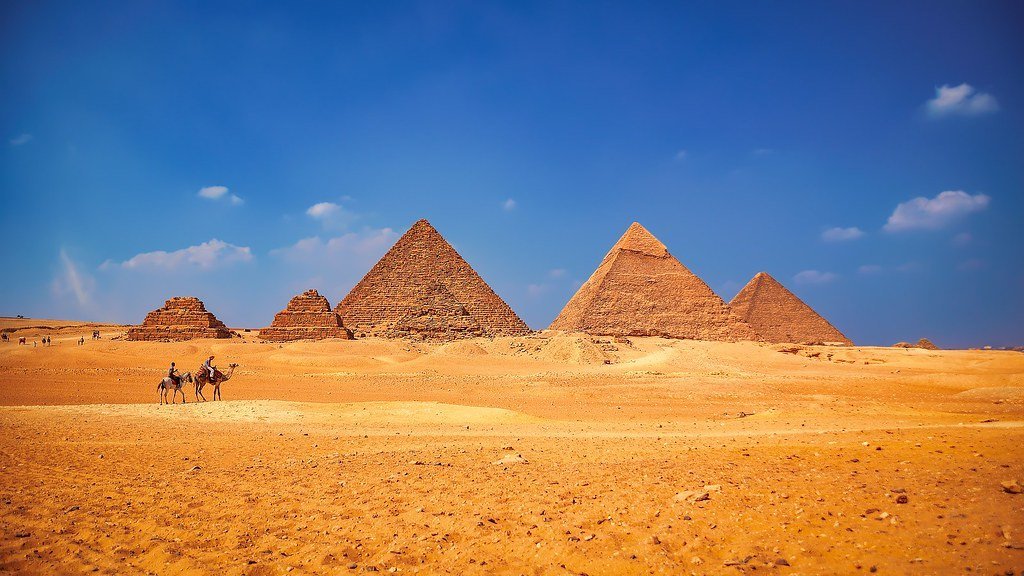
The Pyramids of Giza are the only surviving members of the original Seven Wonders of the Ancient World. They have outlasted empires, religions, and entire civilizations. But even they are not immune to the pressures of the modern age. Once isolated in the desert, the Pyramids of Giza have faced new threats from urban sprawl, relentless pollution, and the intense pressures of mass tourism. These ancient wonders were in danger of being engulfed by the modern world.
The problem is almost tragicomically mundane. A civilization that built monuments meant to endure forever is now seeing those same monuments threatened by car exhaust, noise, and the sheer proximity of a sprawling megacity. Cairo has crept ever closer to the plateau, and the vibrations from traffic and construction are not trivial concerns for millennia-old stone.
Through modern conservation techniques and strict site management, Egyptian authorities are now working to protect the pyramids for future generations. The preservation of the Pyramids is a continuous process, and despite challenges, successful conservation has maintained their status as one of the world’s most iconic monuments. It is hard to say for sure how long current efforts will be enough, but the intention is unmistakably serious.
9. Mont-Saint-Michel, France – The Island That Was Becoming a Peninsula
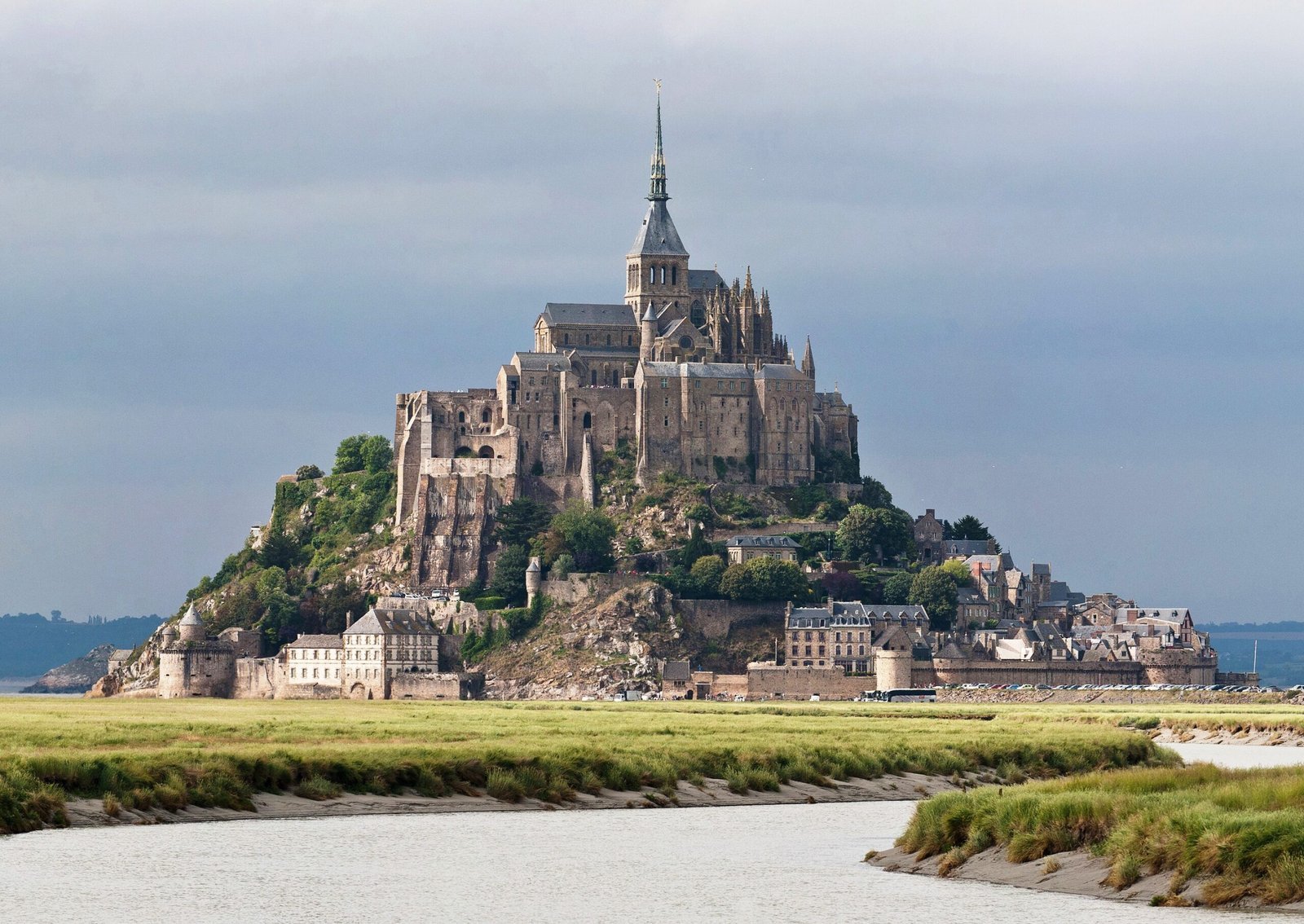
Mont-Saint-Michel is one of those architectural visions so dramatic it barely seems real. A Gothic abbey rising from a tidal island off the Normandy coast, ringed by water at high tide. Except, for most of the 20th century, it was no longer truly an island at all. The enchanting Mont-Saint-Michel once faced losing its island identity due to silting, which threatened to permanently connect it to the mainland. Centuries of sediment accumulation were slowly turning it into just another peninsula.
The silting problem had been accelerated by a causeway built in the 19th century that blocked the natural tidal flow. Over decades, the bay gradually filled in around it. The risk was not just aesthetic, though the loss of the dramatic water-surrounded silhouette would have been a tragedy. The structural stability of the mount itself was affected by altered drainage patterns. It was a slow emergency, but an emergency nonetheless.
To save this iconic site, ambitious engineering projects were launched, reversing silt buildup and restoring its tidal surroundings. Today, Mont-Saint-Michel remains a captivating island fortress, thanks to these preservation efforts. The solution involved replacing the old causeway with a slender bridge that allowed tidal water to flow freely again. Nature, once redirected, is slowly reclaiming the bay. That is a genuine engineering triumph worth celebrating.
10. The Colosseum, Rome – From Quarry to Icon
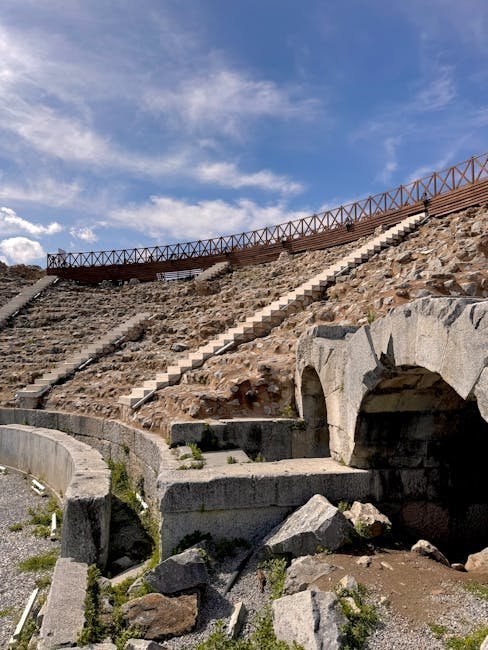
I think a lot of people assume the Colosseum has always been treated as a sacred monument. The truth is far more alarming. For much of the medieval and Renaissance period, the Colosseum was treated essentially as a construction quarry. Stone, metal clamps, and marble were stripped from it for centuries to build other Roman structures, including, ironically, parts of St. Peter’s Basilica. Nearly two thirds of the original structure disappeared this way.
Earthquakes in 847 and 1349 caused major collapses of the outer wall, and the interior arena became a rubbish dump, a graveyard, a fortress, and eventually a garden. It was only in the 18th century, when Pope Benedict XIV consecrated the site in memory of Christian martyrs, that demolition work finally stopped. The concept of the Colosseum as something to be protected rather than cannibalized was shockingly recent in historical terms.
The success of the Colosseum’s conservation is due to meticulous planning, continuous funding, and the integration of modern technology. The use of laser scanning and 3D modeling has allowed for precise restorations, ensuring the monument’s longevity. Today, the Colosseum draws millions of visitors annually and stands as one of the most recognized buildings on earth. The gap between its near-destruction and its current iconic status is almost impossible to comprehend.
Why Saving These Wonders Is About More Than Just Stones and Mortar
Historical site preservation is an investment in the essence of the community, not just a conservation measure. When we look at all ten of these structures, what is striking is not just the threats they faced, but the human determination that stepped in at the crucial moment. Every single one of them required someone, some community, some government or international body, to decide that the past was worth fighting for.
When a building is demolished, what is lost cannot be measured. That is not just poetic language. It is literally true. The craftspeople who carved Petra’s facades, who laid the Taj Mahal’s marble inlay, who cut Angkor Wat’s bas-relief walls, are long gone. Their techniques, their materials, their specific knowledge, much of it cannot be fully recreated. Once a structure of this kind is gone, it is gone forever. Think of it like a language with no remaining speakers.
Heritage sites confront challenges including climate change, urban transformation, disaster, shifting social needs, and the gradual erosion of material fabric. Revitalization and restoration projects respond to these conditions by positioning architectural and spatial practice as an active mediator between preservation and the contemporary world. In current practice, conservation is understood as a creative process of adaptation and reinterpretation that serves both communities and inhabitants.
The fight to preserve architectural heritage is far from over. In fact, with climate change accelerating, sea levels rising, and urbanization intensifying, the next decades may prove more challenging than anything in the past. What gives reason for optimism is exactly what we see reflected in these ten stories: when humans decide something matters enough, remarkable things become possible. Which of these near-losses surprised you most?

Besides founding Festivaltopia, Luca is the co founder of trib, an art and fashion collectiv you find on several regional events and online. Also he is part of the management board at HORiZONTE, a group travel provider in Germany.
