


- “20 Books That Became Cult Classics by Accident” - September 24, 2026
- 20 Stories That Were Inspired by a Single Sentence - September 24, 2026
- 20 Books That Start in Silence and End in Chaos - September 24, 2026
There is something almost primal about thousands of strangers standing together in a field, all moving to the same beat, under the same sky. Music festivals are not just concerts. They are rituals of youth, coded with the politics, the fashion, the fears, and the dreams of their era. Think about it: people don’t just remember the songs they heard at a festival. They remember who they were when they heard them.
The evolution of music festivals mirrors the shifting landscapes of societal trends and music preferences. These festivals have transcended their origins as simple gatherings for music enthusiasts, growing into cultural zeitgeists that reflect and shape the ethos of their times. From muddy fields in New York to sun-drenched California deserts, festivals have always been where generations discover themselves. Let’s dive into the 15 that changed everything.
1. Woodstock (1969) – The One That Started the Mythology
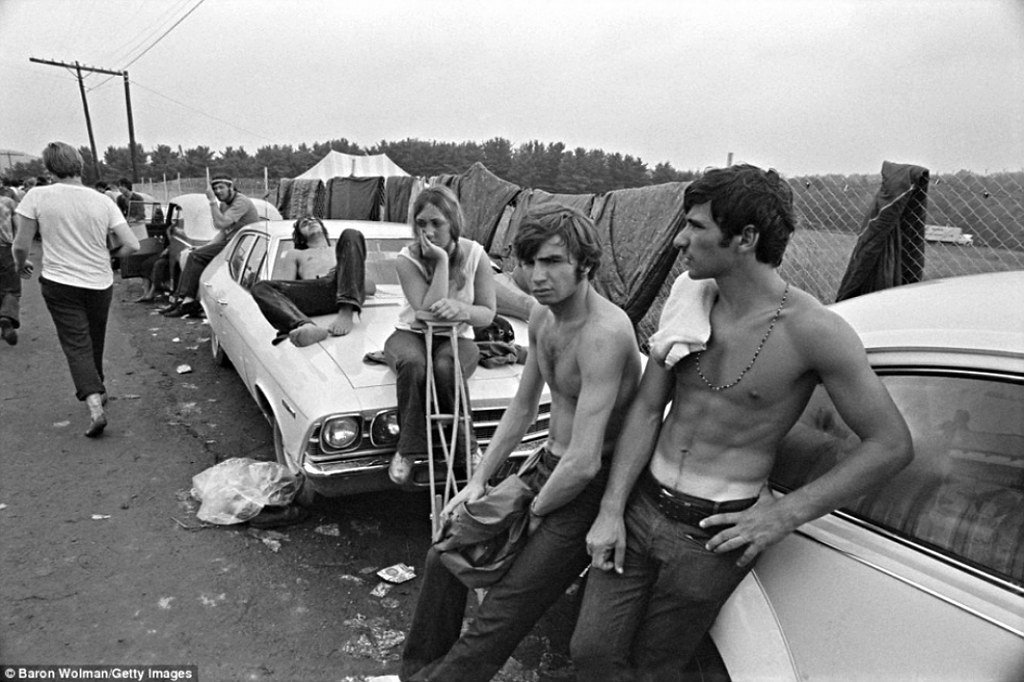
Here’s the thing about Woodstock: the chaos was the point. Woodstock was more than just a music festival. Held from August 15 to 18 on Max Yasgur’s farm in Bethel, New York, it became a symbol of peace, love, and unity during one of the most turbulent decades in American history. The mud, the food shortages, the rains – none of it mattered. Over nearly half a million people showed up anyway, somehow turning logistical disaster into collective transcendence.
Torrential rain turned the grounds into a sea of mud, and food shortages threatened to derail the event. Yet rather than descending into chaos, attendees shared what they had and supported one another, creating a living example of peace and cooperation. The U.S. military even intervened, not with force, but with aid – providing medical support and airlifting supplies. This unique collaboration reflected the festival’s spirit of unity and compassion.
It was one of the largest music festivals in history and would become the peak musical event to reflect the counterculture of the 1960s. The festival has become widely regarded as a pivotal moment in popular music history, as well as a defining event for the silent and early baby boomer generations. Decades later, it is still the measuring stick against which every other festival is judged.
2. Monterey Pop Festival (1967) – The Blueprint Before Woodstock
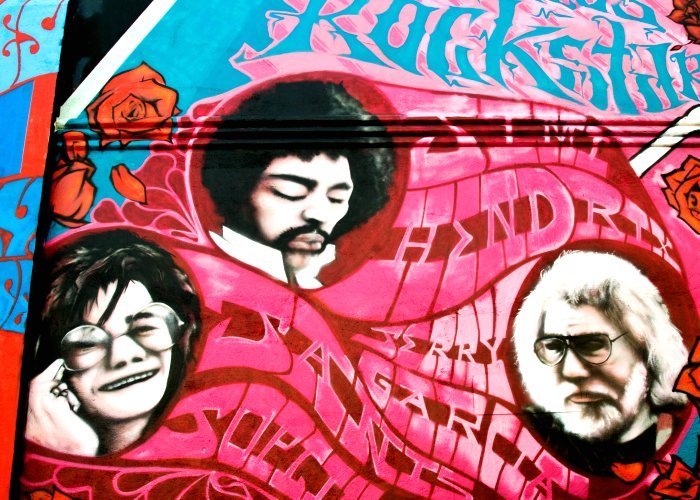
Most people forget that before Woodstock, there was Monterey. Honestly, Monterey may have been even more important in architectural terms. The Monterey International Pop Festival, held in June 1967, is regarded as a pivotal event in the history of American rock music. Organized by key figures including John Phillips from the Mamas and Papas, it aimed to highlight prominent musical acts while donating its proceeds to charity. The sheer idealism of that gesture set a tone that still echoes.
The festival is remembered for the first major American appearances by the Jimi Hendrix Experience, the Who, and Ravi Shankar, the first large-scale public performance of Janis Joplin, and the introduction of Otis Redding to a mass American audience. The festival embodied the theme of California as a focal point for the counterculture and is generally regarded as one of the beginnings of the Summer of Love in 1967.
Because Monterey was widely promoted and heavily attended, featured historic performances, and was the subject of a popular theatrical documentary film, it became an inspiration and a template for future music festivals, including the Woodstock Festival two years later. Without Monterey, there simply is no Woodstock. Consider it the rough draft of a generation’s defining masterpiece.
3. Newport Folk Festival (1954–present) – Where History Was Made With an Electric Guitar
Newport is in many ways the oldest player on this list, and perhaps the most underrated. The Newport Jazz Festival, which takes place in Newport, Rhode Island, has been actively running since 1954. It may arguably be the most historically significant jazz festival in existence. Over the years, Newport evolved into the epicenter of folk music, and its stages became platforms for cultural reckoning.
In the 1960s, the festival became a platform for artists who played a substantial part in the civil rights and anti-war movements, including Pete Seeger, Arlo Guthrie, Joan Baez, Tom Paxton, Sweet Honey in the Rock, and the Staple Singers. It was not just a concert. It was a front line. Then came 1965, the moment everything cracked open.
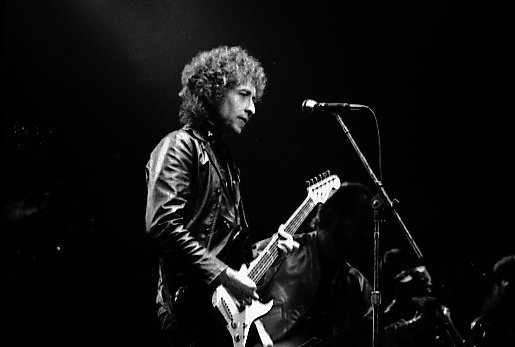
Bob Dylan’s 1965 performance where he took folk electric at Newport Folk Festival is widely considered a watershed moment in rock music history, signaling the end of folk’s revival and helping to pioneer the rock and roll swing of the late 1960s and early 1970s. I think it’s fair to say that one performance changed music more profoundly than almost any other single act in festival history.
4. Isle of Wight Festival (1970) – Britain’s Answer to Woodstock
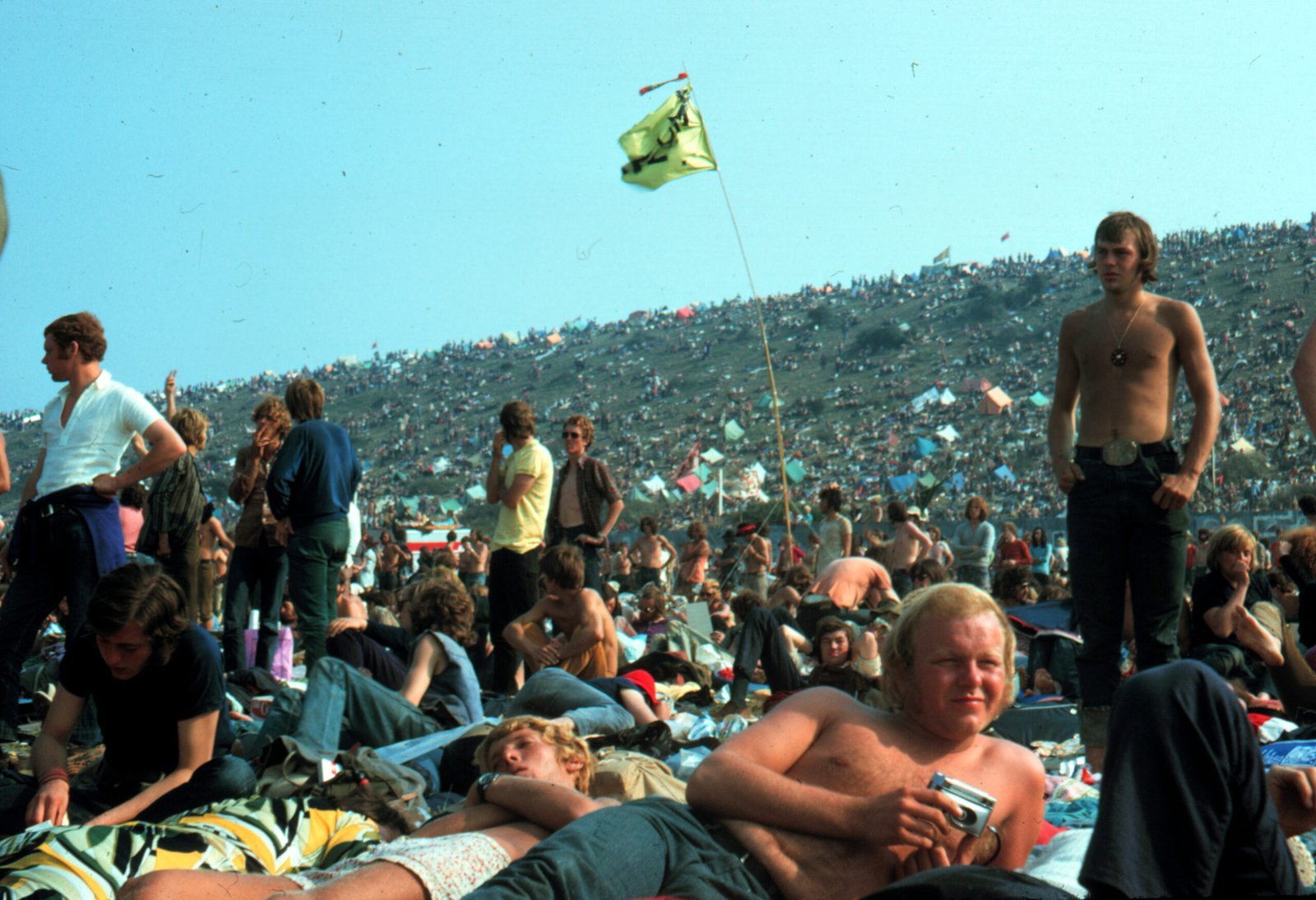
For a brief and blazing moment, a small island off the southern coast of England became the center of the world. With 600,000 attendants, the 1970 Isle of Wight Festival was at the time one of the largest human gatherings in the world. Artists of the festival included Chicago, The Who, Joni Mitchell, and The Jimi Hendrix Experience. The festival was captured by future Academy Award-winner Murray Lerner. Think about that number. Six hundred thousand people crowded onto an island.
The 1970 Isle of Wight Festival carried a weight few events ever have. It came right at the seam between the idealism of the 1960s and the disillusionment that would follow. Jimi Hendrix performed – one of his very last shows before his death just three weeks later. In the 21st century, the legendary Isle of Wight Pop Festival was resurrected in 2002, carrying forward that remarkable legacy into a new era for a new generation of fans.
5. Glastonbury Festival (1970–present) – The Grandmaster of European Festivals
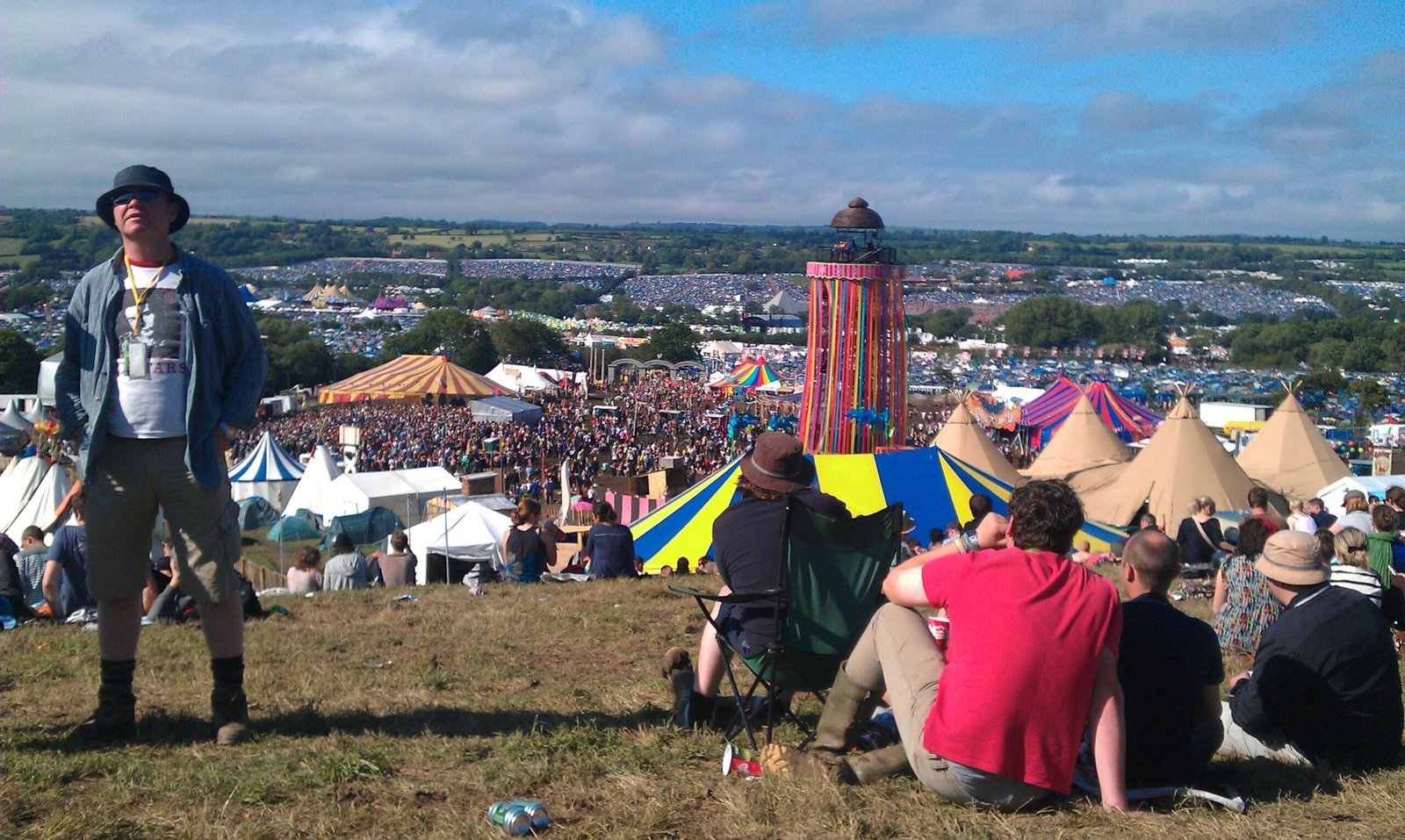
If Woodstock was a lightning bolt, Glastonbury is the slow-burning fire that never went out. Inspired by Woodstock, the Glastonbury Festival emerged in 1970 in Pilton, Somerset, England. Founded by Michael Eavis, the festival initially attracted 1,500 people who paid one pound each for entry, which included free milk from the farm. Over the decades, Glastonbury has evolved into one of the world’s largest and most iconic music festivals, renowned for its diverse lineup and commitment to social causes.
Glastonbury, held annually in Somerset, England, has hosted an array of legendary acts, from David Bowie to Beyoncé. But Glastonbury isn’t just about the music. It’s a celebration of arts, culture, and activism, with its Green Fields and Leftfield stages offering platforms for social and environmental discourse. There’s something strangely moving about a festival that started with 1,500 people and a pound coin and became a home for hundreds of thousands.
Glastonbury Festival has a capacity of about 275,000 spectators, but has “fallow years” roughly every five years, so it is the biggest non-annual greenfield festival in the world. Each gap year only seems to make the reunion sweeter. Honestly, Glastonbury has become less a music festival and more a state of mind.
6. New Orleans Jazz & Heritage Festival (1970–present) – America’s Musical Soul on a Stage
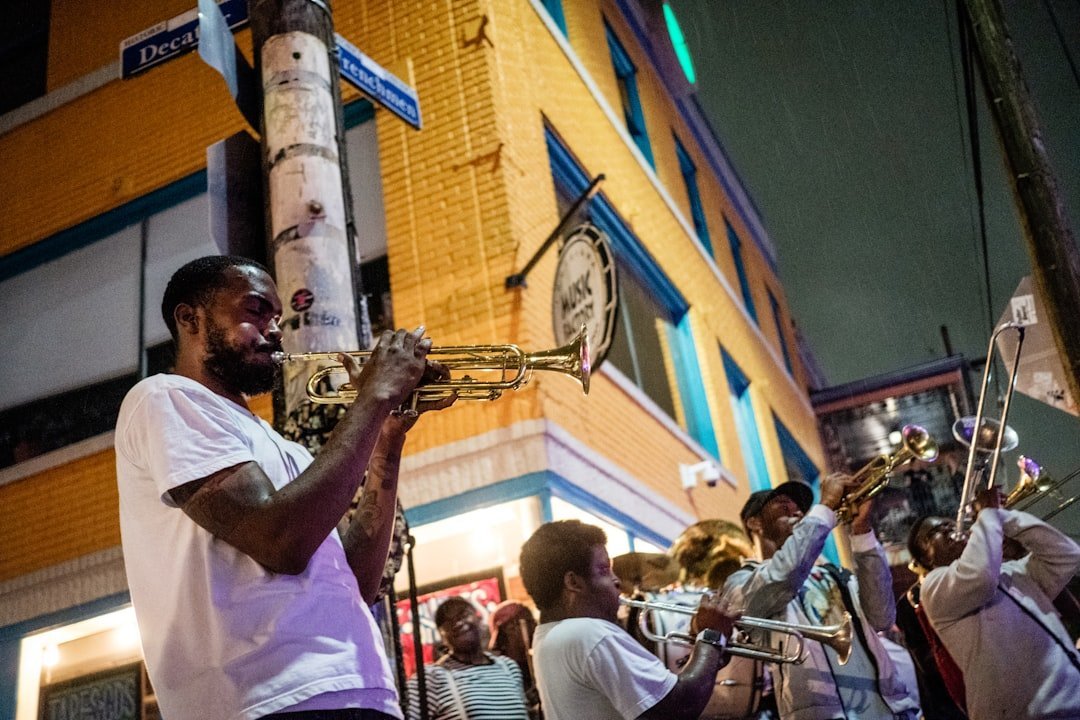
Not every legendary festival is about rock and rebellion. Some are about roots. The New Orleans Jazz and Heritage Festival, fondly called Jazz Fest, is something else entirely – a love letter to American musical DNA. Commonly referred to as Jazz Fest, the 1970 New Orleans Jazz and Heritage Festival featured artists including Duke Ellington, Pete Fountain, and Louisiana native Mahalia Jackson. The festival still runs to this day as a cultural experience to showcase Louisiana music, art, and cuisine.
What makes Jazz Fest remarkable is its refusal to be simply a music event. It is a full sensory immersion into an entire culture. The food, the crafts, the second-line parades, the gospel tents – you can’t experience Jazz Fest and remain unchanged. It captures something essential about New Orleans itself: the way the city has always absorbed grief and turned it into something beautiful, something rhythmic, something alive.
7. Reading Festival (1971–present) – A British Rite of Passage
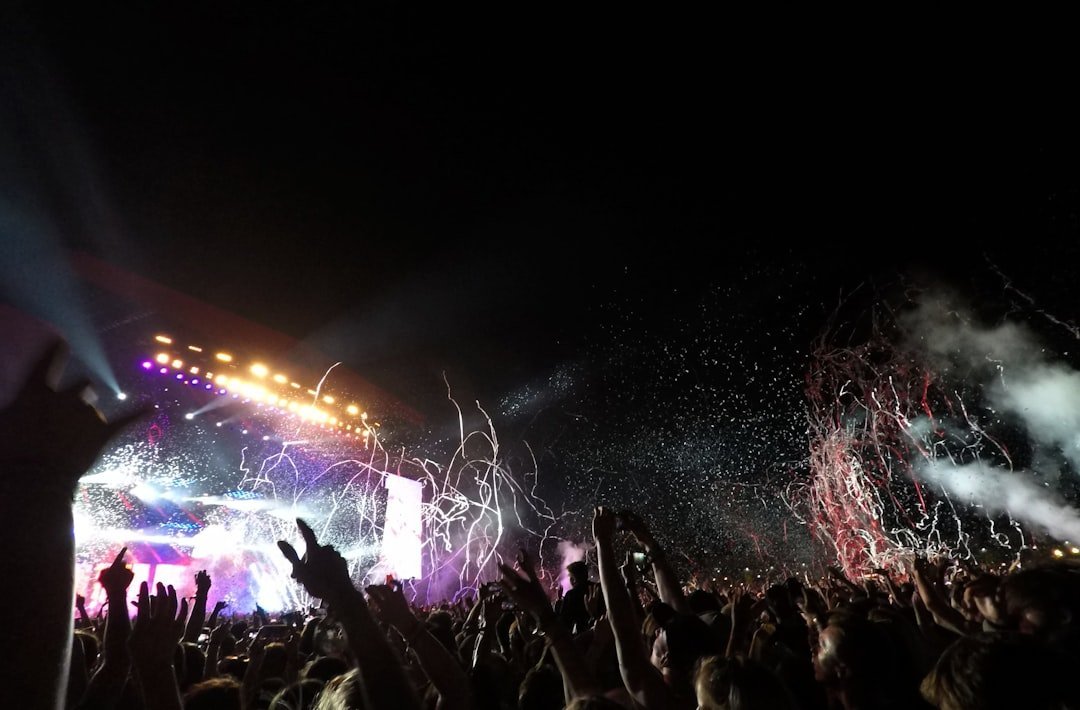
There is a particular kind of misery unique to Reading Festival: warm lager, squelching mud, and the feeling that your tent might collapse at any moment. I say that with enormous affection. Twin festivals held simultaneously in England, Reading and Leeds have become staples of the UK’s music scene since their inception in 1971. Known for their rock-centric lineups, these festivals have seen legendary performances from bands like Nirvana, The Rolling Stones, and Arctic Monkeys. In recent years, Reading and Leeds have expanded their musical offerings to include genres like hip-hop and electronic music, attracting diverse audiences while retaining their rock roots.
For generations of British teenagers, Reading was the unofficial graduation ceremony of adolescence. The lineup over the decades reads like a who’s who of modern rock history. Kurt Cobain famously wheeled himself onto the Reading stage in a wheelchair, mocking rumors about his health, before launching into a blistering Nirvana set that became the stuff of legend. That moment alone tells you everything you need to know about what Reading represents.
8. Roskilde Festival (1971–present) – Denmark’s Generous Rock Giant
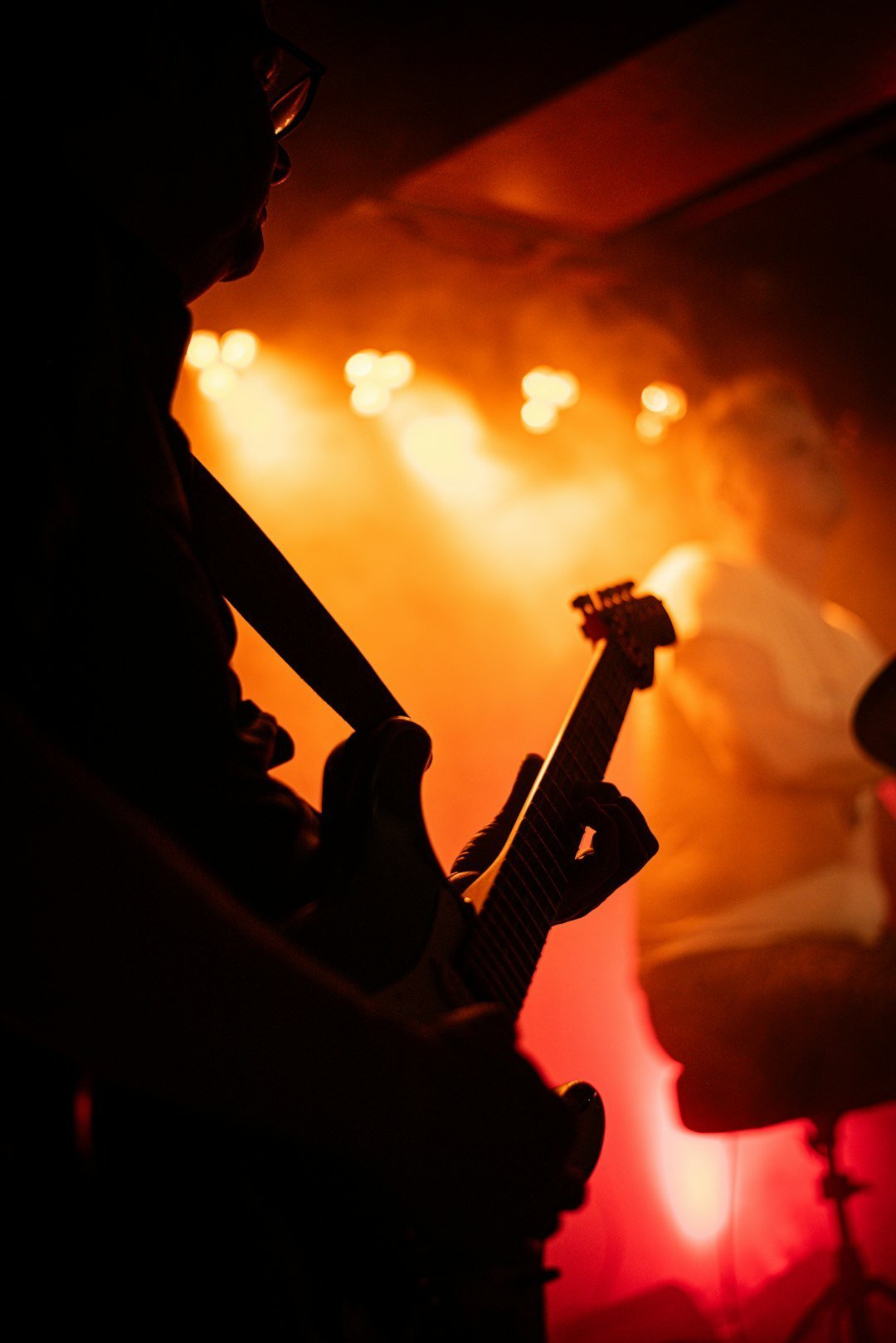
Here’s a festival that most Americans have never heard of but absolutely should know. The first Roskilde Festival was held on August 28 and 29, 1971, originally named the Sound Festival. It was created by two high schoolers, Mogens Sandfær and Jesper Switzer Møller, and promoter Carl Fischer. Two teenagers. Think about the audacity of that.
In 1972, the festival was taken over by the Roskilde Foundation, which has since run the festival as a non-profit organization for development and support of music, culture and humanism. That detail alone separates Roskilde from nearly every other festival on this list. It is not driven by profit. It never was. What sets Roskilde apart is its nonprofit status, with all profits donated to cultural and humanitarian causes. Over the years, Roskilde has featured performances from a diverse array of artists spanning rock, pop, hip-hop, and beyond. Beyond the music, Roskilde fosters a sense of community and activism, with its famed Orange Stage serving as a platform for both established acts and emerging talent.
9. Lollapalooza (1991–present) – The Alternative Generation Finds Its Voice
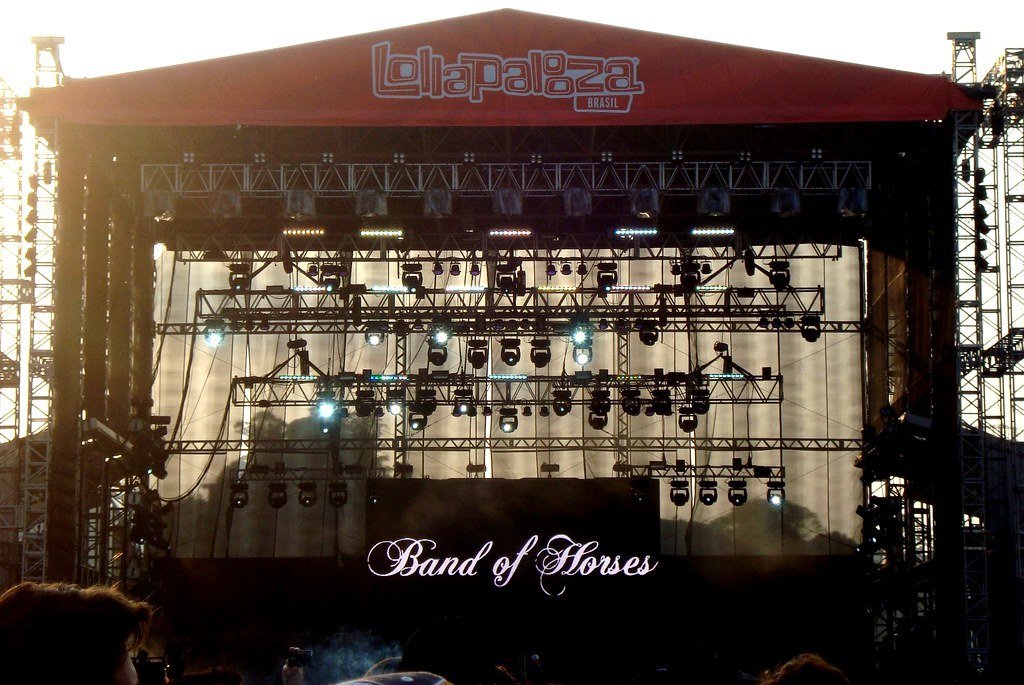
Lollapalooza arrived at exactly the right moment: the early 1990s, when alternative rock was bubbling up from clubs and underground scenes and suddenly needed a bigger stage. Originating as a farewell tour for Jane’s Addiction in 1991, Lollapalooza has since transformed into one of the most iconic music festivals in the United States. Founded by Perry Farrell, the festival initially toured North America before finding its permanent home in Chicago’s Grant Park.
The 1980s and 1990s saw the rise of genre-specific festivals like Lollapalooza, which began as a touring festival in 1991. It brought alternative rock and grunge to the forefront, capturing the angst and spirit of a new generation. There was nothing sanitized about early Lollapalooza. It felt genuinely transgressive. It felt like something your parents would not approve of, which, of course, made it irresistible.
Beyond the music, Lollapalooza showcases art installations, culinary experiences, and sustainability initiatives, making it a multifaceted celebration of creativity and culture. With its expansion to international locations like Berlin, Paris, and Santiago, Lollapalooza has cemented its status as a global phenomenon, uniting music lovers from around the world in the spirit of discovery.
10. Rock in Rio (1985–present) – Latin America’s Thunderous Arrival
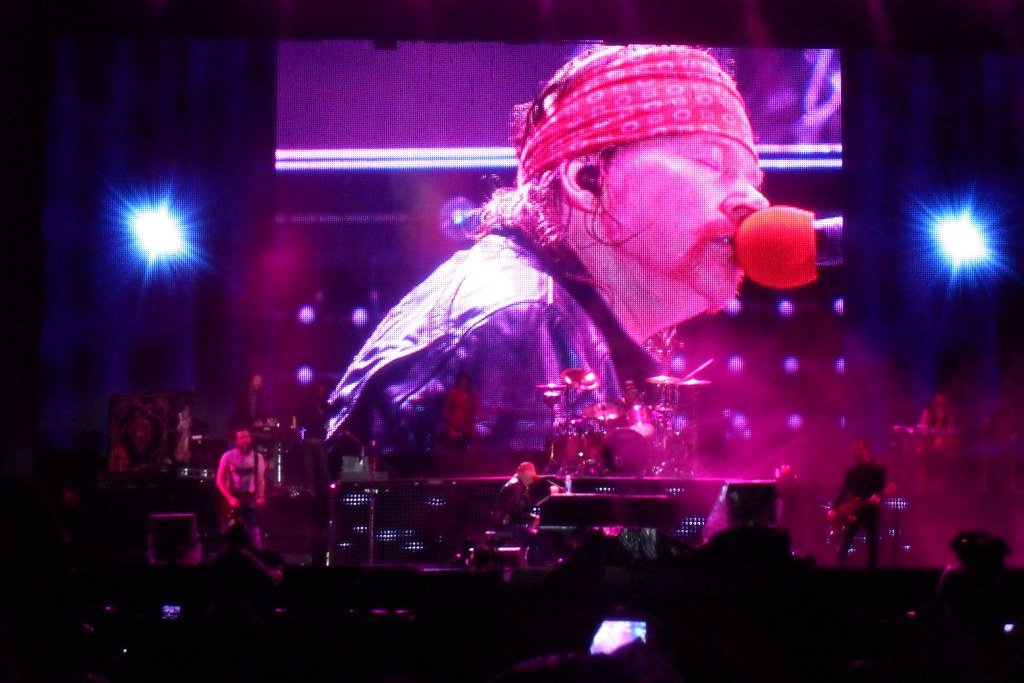
Let’s be real: when Rock in Rio launched in 1985, few people outside Brazil could have predicted what it would become. This was the first Rock in Rio multi-day concert in Rio de Janeiro, lasting 10 days and attracting more than 1 million people. Headlining acts included Iron Maiden, Queen, Ozzy Osbourne, Rod Stewart, and James Taylor. Ten days. Over a million people. That’s not a music festival. That’s a small country.
In Brazil the Rock in Rio festival, inaugurated in Rio de Janeiro in 1985, not only draws a crowd of more than one million to the city but has also been held in other locations around the world, including Lisbon and Las Vegas. It is one of the biggest music festivals in the world and has hosted legendary performances, including Queen’s 1985 set. Although its name suggests a focus on rock music, the festival embraces other genres like pop and electronic. Queen performing to hundreds of thousands of Brazilians remains one of the most extraordinary spectacles in live music history.
11. Coachella (1999–present) – Where Pop Culture Goes to See and Be Seen
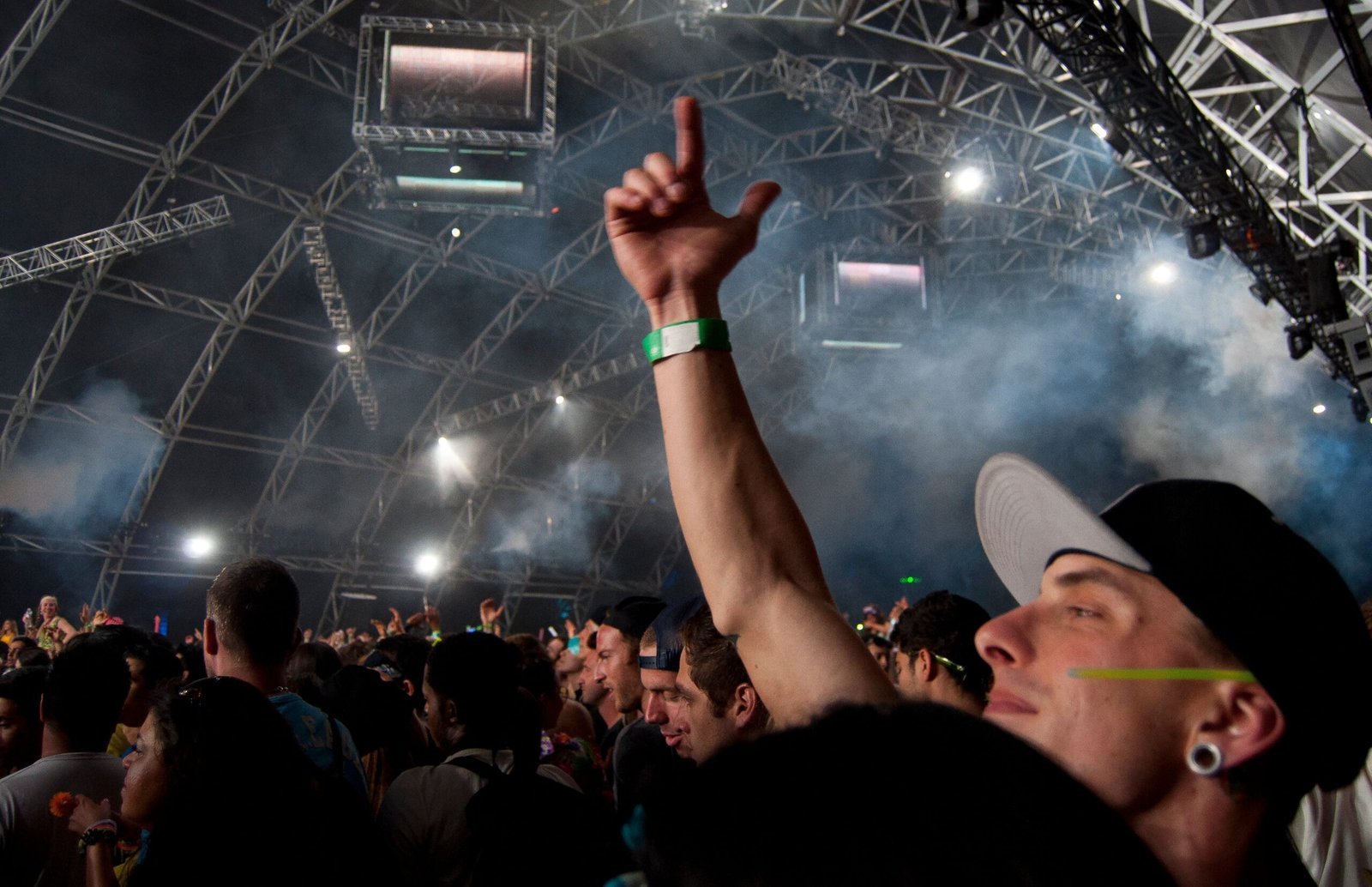
Coachella is a fascinating paradox. It is simultaneously the most influential and the most criticized festival in modern history. Ironically, the festival was indirectly started by Pearl Jam, who always had a mixed relationship with huge events and rock stardom. During their early 1990s feud with Ticketmaster, the band opened up the Empire Polo Club in Indio, California, as an alternative concert space. This worked so well that Coachella made its debut in October 1999.
Since its inception in 1999, Coachella Valley Music and Arts Festival has emerged as a cultural juggernaut, drawing crowds from across the globe to the California desert. Known for its star-studded lineup and extravagant art installations, Coachella has become a symbol of music, fashion, and celebrity culture. From Prince’s legendary performance in 2008 to Beyoncé’s groundbreaking set in 2018, Coachella continually raises the bar for festival experiences, setting trends and shaping pop culture along the way.
It’s hard to say for sure whether Coachella is ultimately a music festival or a fashion event, but perhaps that tension is precisely what makes it so culturally potent. Coachella has become a cultural trendsetter, influencing fashion, music, and social media trends. The festival’s embrace of technology and interactive art installations has set a new standard for festival experiences.
12. Tomorrowland (2005–present) – The Electronic Dreamworld
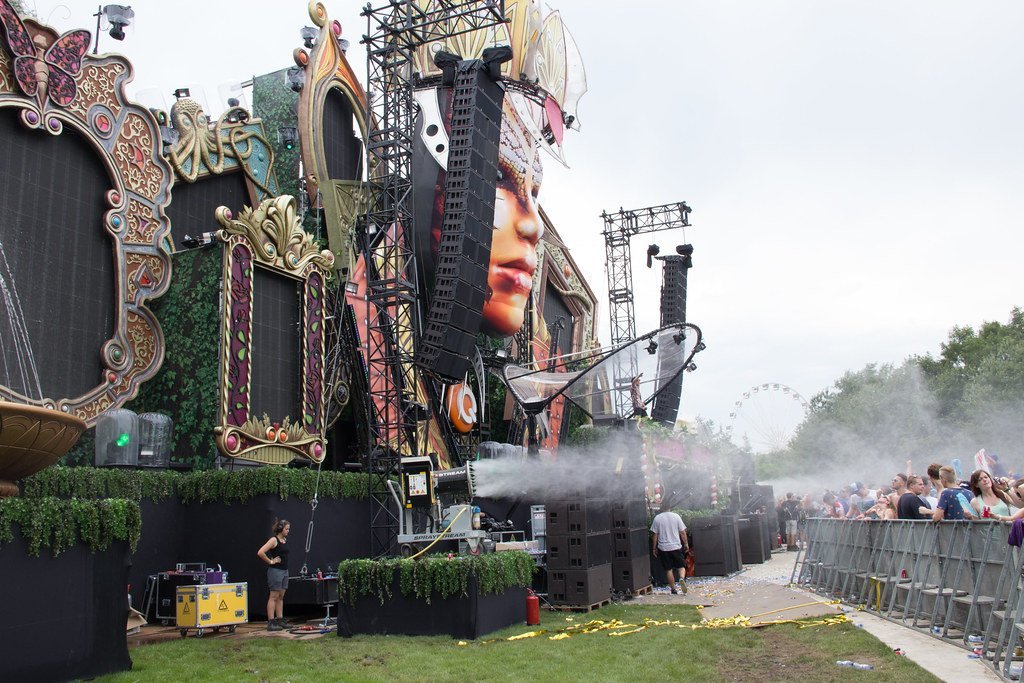
Nothing on this list looks quite like Tomorrowland. If Woodstock was built on mud and idealism, Tomorrowland is built on spectacle and wonder. Tomorrowland, which takes place in Boom, Belgium, is the most significant electronic dance music festival worldwide. Since its inception in 2005, it has rapidly grown into a juggernaut of the festival scene. With its fairytale-inspired stage designs and a lineup featuring the best EDM DJs, Tomorrowland offers an immersive, magical experience. The festival captures the vibrant spirit of youth, pioneering music, and the unity of different cultures.
Launched in 2005, it quickly grew into one of the world’s biggest electronic music festivals. With its elaborate fantasy themes and high-energy performances from top DJs, Tomorrowland brings fans from over 200 countries together, creating a magical experience each year. In terms of pure production value, Tomorrowland exists in a category entirely of its own. Attending it feels less like going to a concert and more like stepping inside a dream someone else designed specifically for you.
13. Bonnaroo (2002–present) – Tennessee’s Jam Band Paradise Grows Up
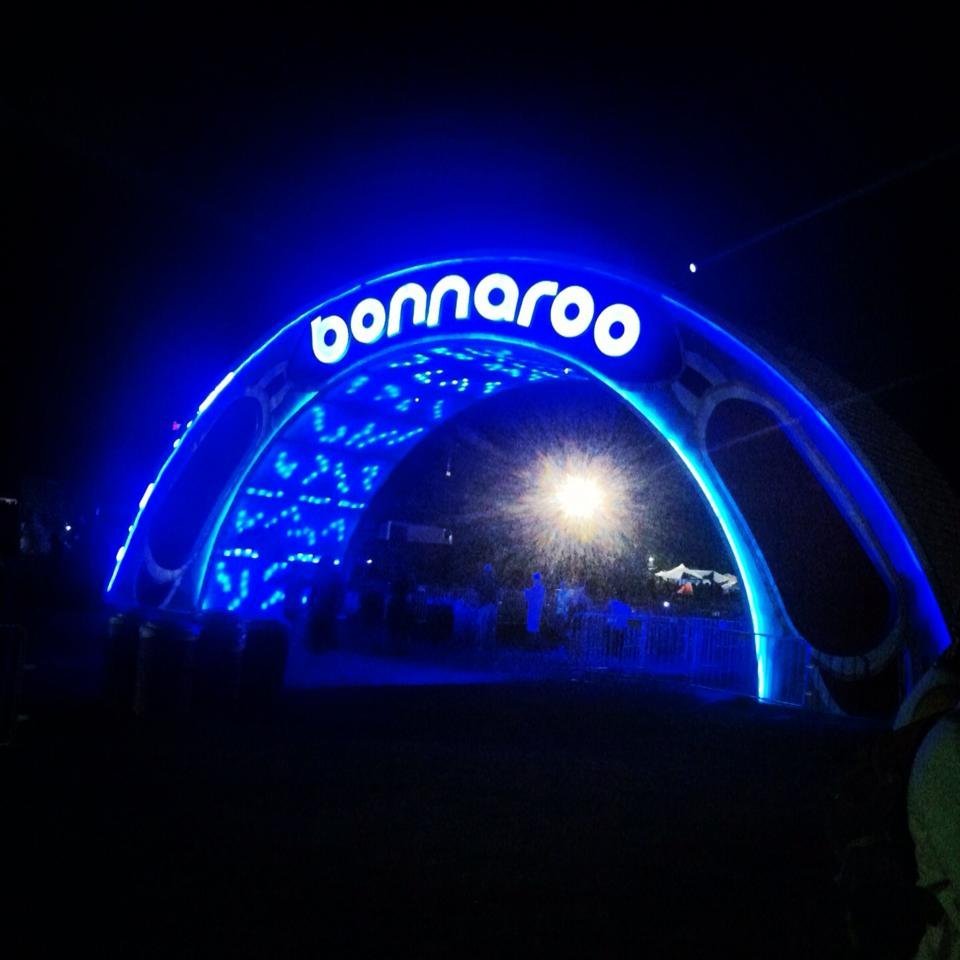
Bonnaroo was born in a Tennessee field and grew into something nobody fully expected. The 2002 Bonnaroo Concert was held at the Great Stage Park in Manchester, Tennessee. It was the first annual Bonnaroo Concert and drew a crowd of 70,000 people. Artists included Widespread Panic, Jack Johnson, Ben Harper, and The Disco Biscuits. From those humble jam-heavy roots, something remarkable started to take shape.
It may have only started in 2002, but Bonnaroo’s influence over subsequent music fests changed rock and roll for the better. With its multiple stages set up over acres upon acres of Tennessee farmland and its musical guests from a wide variety of genres, it’s a unique event where you can party until 4 in the morning. Expanding from its jam band-only origins, the festival also offers arts and crafts, comedy, and film-related entertainment. Bonnaroo became proof that you don’t need a California desert or a Belgian castle to create genuine magic.
14. Fuji Rock Festival (1997–present) – Japan’s Gift to the World
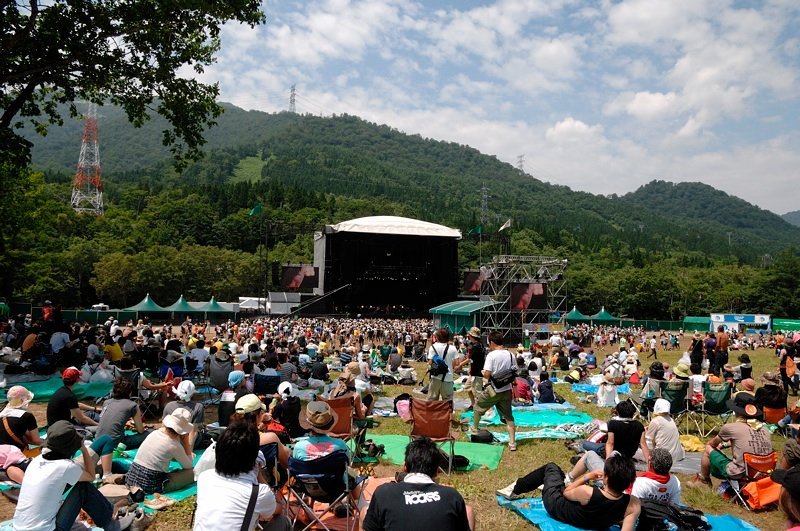
Fuji Rock is the kind of festival that makes you rethink everything you assumed about what a festival needs to be. The Fuji Rock Festival, held in the shadow of Japan’s Mount Fuji since 1997, showcased a selection of domestic and international acts. The setting alone is worth the flight. Imagine wandering between stages through ancient forests, rivers running alongside walkways, mountains visible above it all. It feels less like a festival and more like a pilgrimage.
The Fuji Rock Festival is the biggest music festival in Japan. It includes a variety of genres from both international and Japanese artists, making it the perfect global music experience. Fuji Rock has a more relaxed experience due to its scenic setting and dedicated children’s spaces. The festival’s stated aim is to be “the cleanest festival in the world,” with great effort put into recycling. In a world of festivals that leave fields devastated, that commitment is almost radical.
15. South by Southwest (SXSW, 1987–present) – The Festival That Launched a Thousand Careers
SXSW is different from everything else on this list because it’s not really about the headliners. It never was. South by Southwest, or SXSW, started in Austin, Texas, in 1987. While it originally focused on music, it has grown to include film, tech, and more. Today, SXSW is a major platform for new artists and innovative ideas, drawing thousands of musicians and fans to celebrate creativity on a massive scale.
Think of SXSW as the world’s largest talent scout operation wrapped inside a celebration. Entire genres have been discovered here. Artists who played tiny venues one March in Austin went on to fill stadiums the following year. That pipeline from unknown to unstoppable has made SXSW not just culturally relevant but commercially essential. Festivals have survived the test of time to evolve into a mainstream business. Since music is practically free with a minimal subscription-based fee through streaming services, artists can have a hard time making money in record sales. Instead, they financially depend on ticket sales for live performances. SXSW, perhaps more than any other, bridged the old model and the new.
A Final Reflection – Music, Memory, and the Feeling You Can’t Quite Describe
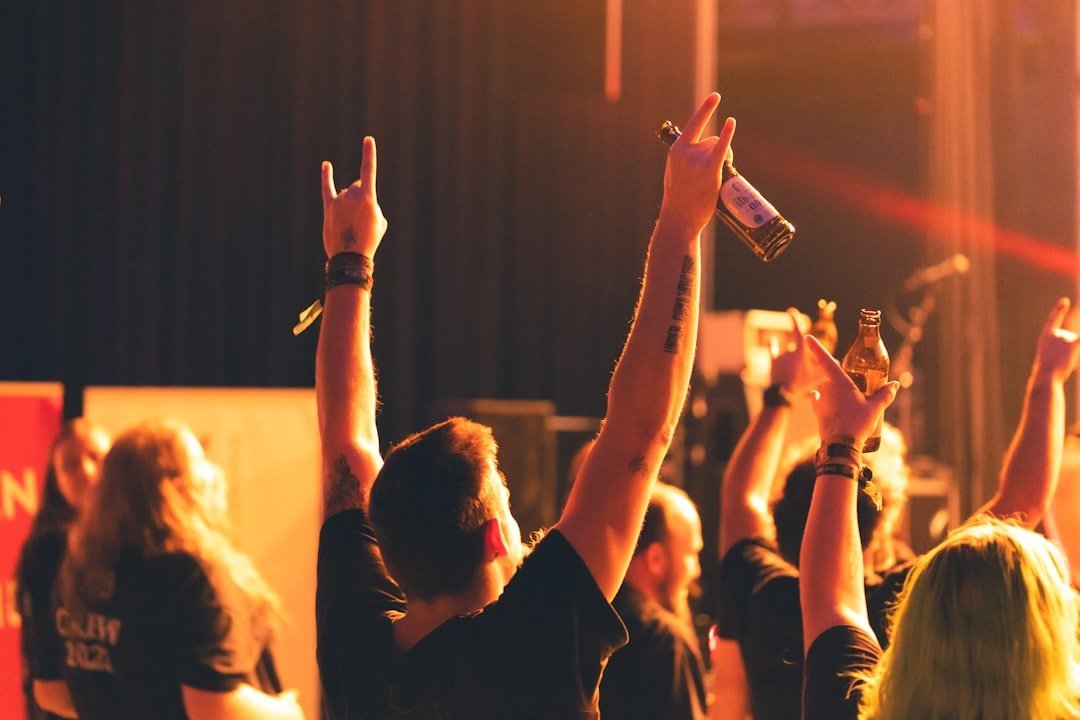
Looking at these fifteen festivals together, it’s striking how each one captured something specific about the moment it arrived in. They weren’t just stages with speakers. They were mirrors held up to their generation’s face. From Woodstock to Coachella, music festivals have chronicled the passage of time, reflecting the aspirations, struggles, and triumphs of generations. They have evolved from simple musical gatherings into complex cultural phenomena, continually adapting to and influencing the fabric of society.
While the landscape may change, one thing remains constant: the enduring power of music to bring people together and create unforgettable memories that last a lifetime. That is the true legacy of every festival on this list, whether it lasted one year or stretched across six decades. The shared experience of music, the stranger beside you singing the same words, the sky turning orange behind a stage – those are the moments that write themselves into who you are.
Every generation deserves a festival that defines them. The ones listed here defined millions. Which ones were yours? Drop your festival memories in the comments – we want to hear every muddy, magical, life-changing story.
CEO-Co-Founder
