


For any feedback please reach out to info@festivalinside.com
- The true stories behind these classic rock anthems are more dramatic than you think. - August 23, 2026
- 10 Hollywood Scandals From The Golden Age That Shocked The Nation - August 22, 2026
- 10 Architectural Wonders Of The Modern World That Defy All Expectations. - August 22, 2026
There is something almost magical about the way a piece of music can transport you back to a single cinematic moment. You hear a few notes, and suddenly you are right there. In a galaxy far away. On a rain-soaked dystopian street. On a sinking ocean liner. Music is not just background noise in cinema. It is the emotional engine that drives the story.
Movie soundtracks hold a special place in the heart of cinema, acting as the invisible thread that weaves together a film’s emotional tapestry. They are not just background music; they are the pulse of the story, bringing life to characters and scenes. Some of these albums crossed over from the silver screen into everyday life, reshaping music history entirely. The best ones transcended their films entirely, becoming cultural phenomena that shaped entire generations. Here are ten of the most iconic, most essential, and most unforgettable movie soundtracks ever committed to tape. Let’s dive in.
1. Star Wars (1977) – John Williams Rewrites the Rules of Cinema
Few moments in film history are as seismic as the one that occurred in the summer of 1977, when the first notes of John Williams’ main title theme blasted out of movie theater speakers. In 1977, Star Wars caused a revolution; Williams brought a new hope to movie soundtracks, reviving the golden age of grand symphonic scores. What makes this even more extraordinary is that it happened against the grain. Accompanying sci-fi music at the time was characterized by a synthetic sound, emphasizing the other-worldliness of the genre, so Williams’s orchestral Star Wars arrangements, harking back to the golden age of Hollywood filmmaking, were originally seen as old-school in the face of a new musical and cinematic era.
Williams built the score on a deeply classical foundation. The idea Williams is best known for drawing from Wagner is the device of the leitmotif: a distinctive musical “voice” for each major character, a melody and arrangement that can be adapted in various ways to complement the evolving story. Think about Darth Vader’s entrance. Watch it with the music on and something happens to Mr. Vader. He instantly becomes the threatening, menacing, villainous monster audiences all know and came to love. As for its commercial impact: it would go on to sell over 4 million copies and become the best-selling symphonic album in history.
Williams’s Star Wars is a milestone because it was instrumental in reviving the musical style of the Golden Age of Hollywood, and was seminal in boosting a new interest for symphonic film music. Its influence on every composer who came after is genuinely impossible to overstate. There’s no denying the impact that the Star Wars phenomenon had on film culture, particularly the influence John Williams’s neoclassical compositional style had on the composers and scores that followed.
2. Saturday Night Fever (1977) – The Soundtrack That Launched a Global Phenomenon
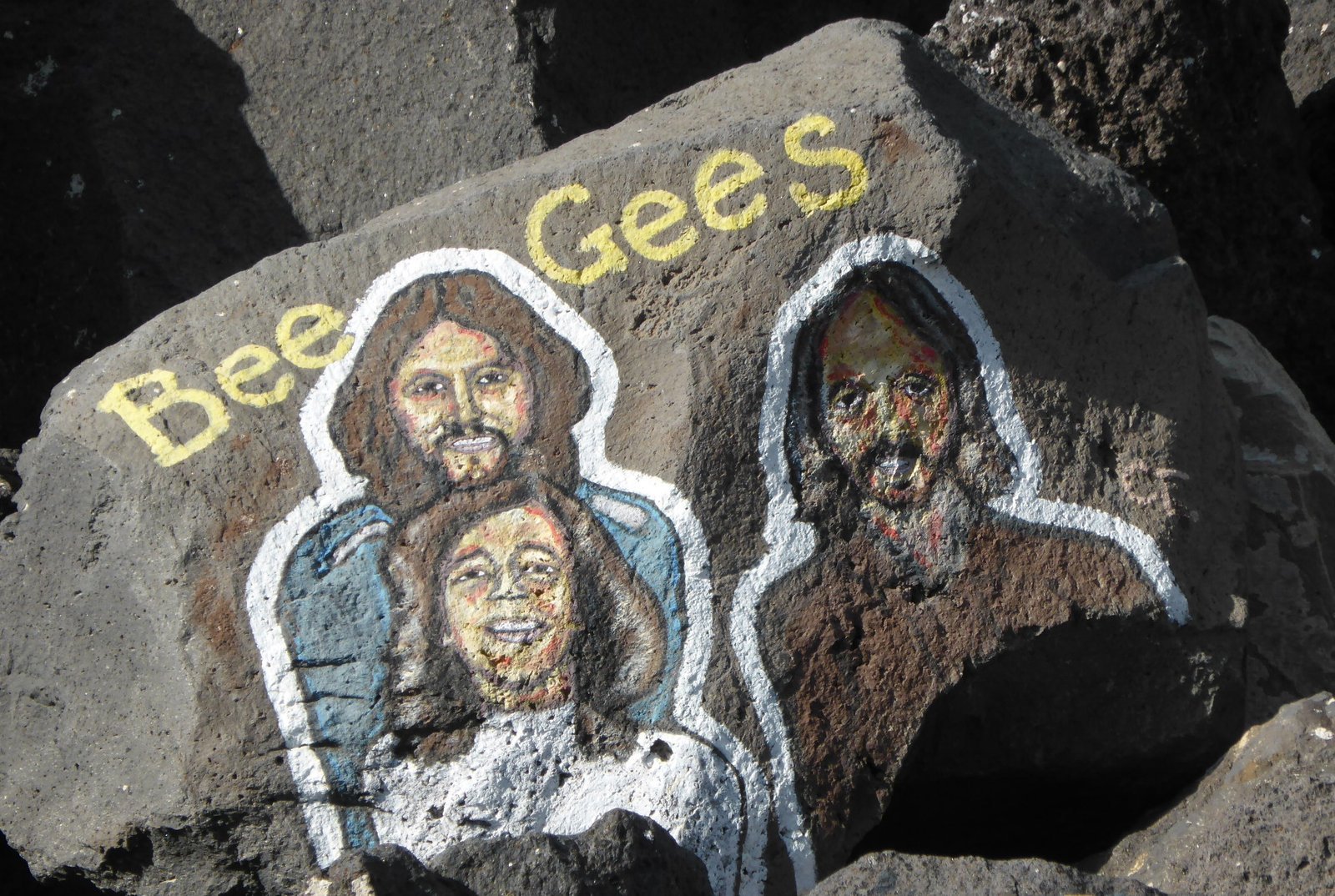
If Star Wars defined the art of the orchestral film score in 1977, Saturday Night Fever defined something equally powerful on the opposite end of the spectrum. The Bee Gees didn’t just write songs for a movie about disco. They created a cultural earthquake. With over 40 million copies sold worldwide, it stayed atop the Billboard charts for 24 straight weeks from January to July 1978.
The Bee Gees’ disco anthems like “Stayin’ Alive” and “Night Fever” sold over 40 million copies, defining late ’70s dance culture and turning nightclubs into global phenomena. Honestly, it is hard to think of another record that so completely captured the zeitgeist of an entire decade. The Bee Gees won the Grammy for Album of the Year for the classic 1977 soundtrack to the John Travolta-starring disco film.
The album’s legacy extends far beyond mere nostalgia. The soundtrack was the highest-selling soundtrack album of all time by a very wide margin, and disco fever was truly viral, infecting everyone and everything it touched. Decades later, streams of these tracks continue to spike whenever a new generation discovers the film. The word “timeless” gets thrown around too easily in music, but here, it actually fits.
3. The Godfather (1972) – Nino Rota’s Haunting Masterpiece
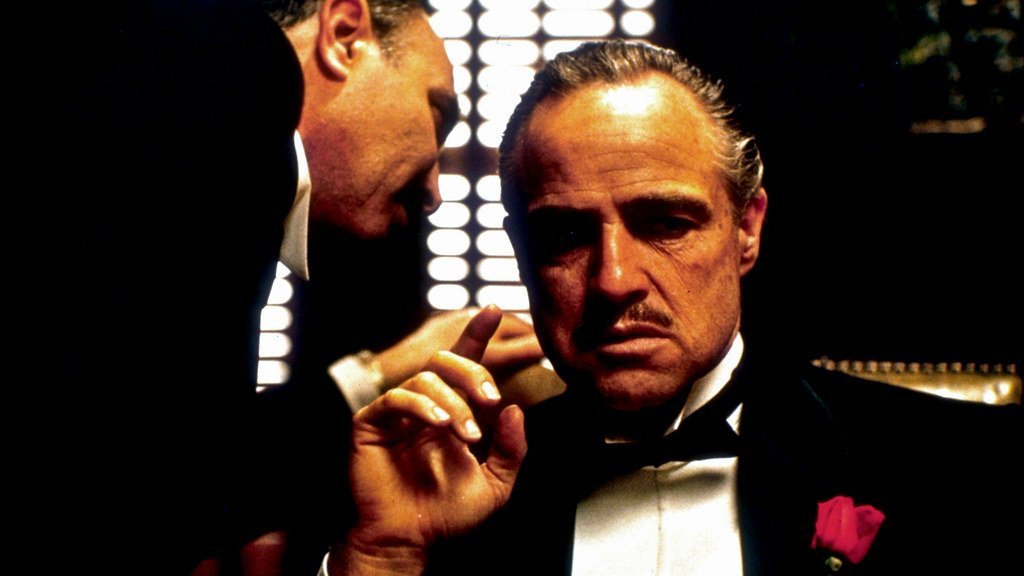
Nino Rota’s score for The Godfather is one of the most unforgettable in cinematic history. The hauntingly beautiful main theme reflects the tragedy, family, and power at the heart of Francis Ford Coppola’s epic saga about the Corleone family. The opening notes of the lone trumpet feel like a door opening onto something deeply dangerous and deeply human, all at once. It is intimate and operatic in the same breath.
At the heart of the score is the Godfather Waltz, a now iconic melody for lone, foreboding trumpet, and the grandiose Love Theme from The Godfather, synonymous now with all things Mafia. Rota’s genius was in keeping things deceptively simple. There is no bombast, no over-orchestration. Just melody, mood, and menace. The music in The Godfather is deeply emotional and melancholy, perfectly capturing the themes of family loyalty and moral decay. The love theme, in particular, has become a symbol of the film’s complex relationships.
The score remains one of the most influential in film history, and its music continues to evoke the same emotional resonance decades after its release. I think what makes it so durable is its restraint. In a film about power, the music never overreaches. It underlines. That’s a rare thing.
4. Blade Runner (1982) – Vangelis Invents the Sound of the Future
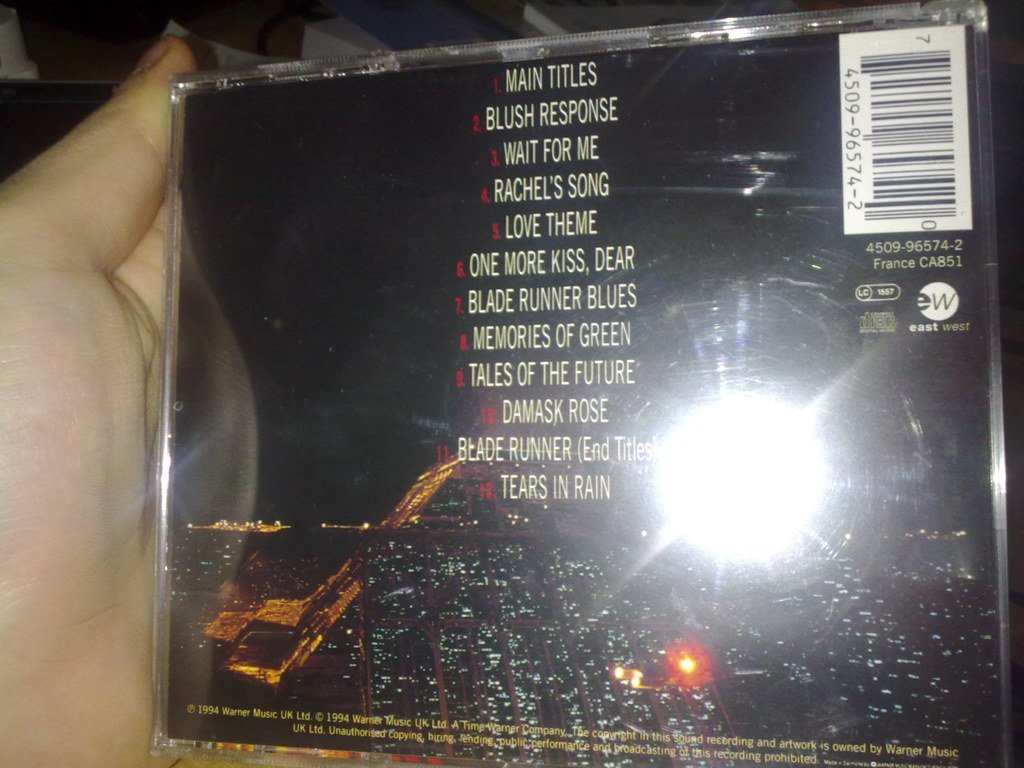
When Ridley Scott was crafting his neo-noir vision of a future Los Angeles, he needed music that felt simultaneously machine-made and achingly human. Vangelis delivered exactly that. The film Blade Runner has an arresting score by Vangelis, considered by some to represent the very essence of Vangelis’ sound, with its shimmering synthesisers, sweeping orchestral passages, and haunting melodies.
The creative process behind the score was as unconventional as the film itself. Vangelis recorded, mixed and produced the score for Blade Runner in his London recording space Nemo Studios in 1982. He crafted the score on an ad-hoc basis by viewing videotapes of scenes from the film in the studio, and then improvising pieces in synchronisation with the images on the screen. The result is music that breathes with the film rather than simply accompanying it.
Blade Runner by Vangelis invented the sound of the future. He used synthesizers to create a rainy, lonely atmosphere. The music feels mechanical but has a human soul underneath. It blurs the line between sound effects and score. It has been described as “influential and mythical,” “incredible and pristine,” “evocative,” and “the pinnacle of synthesiser soundtracks.” Decades on, its DNA can be heard in everything from ambient music to modern electronic film scores. The influence is staggering.
5. Pulp Fiction (1994) – Tarantino Treats Songs Like Dialogue
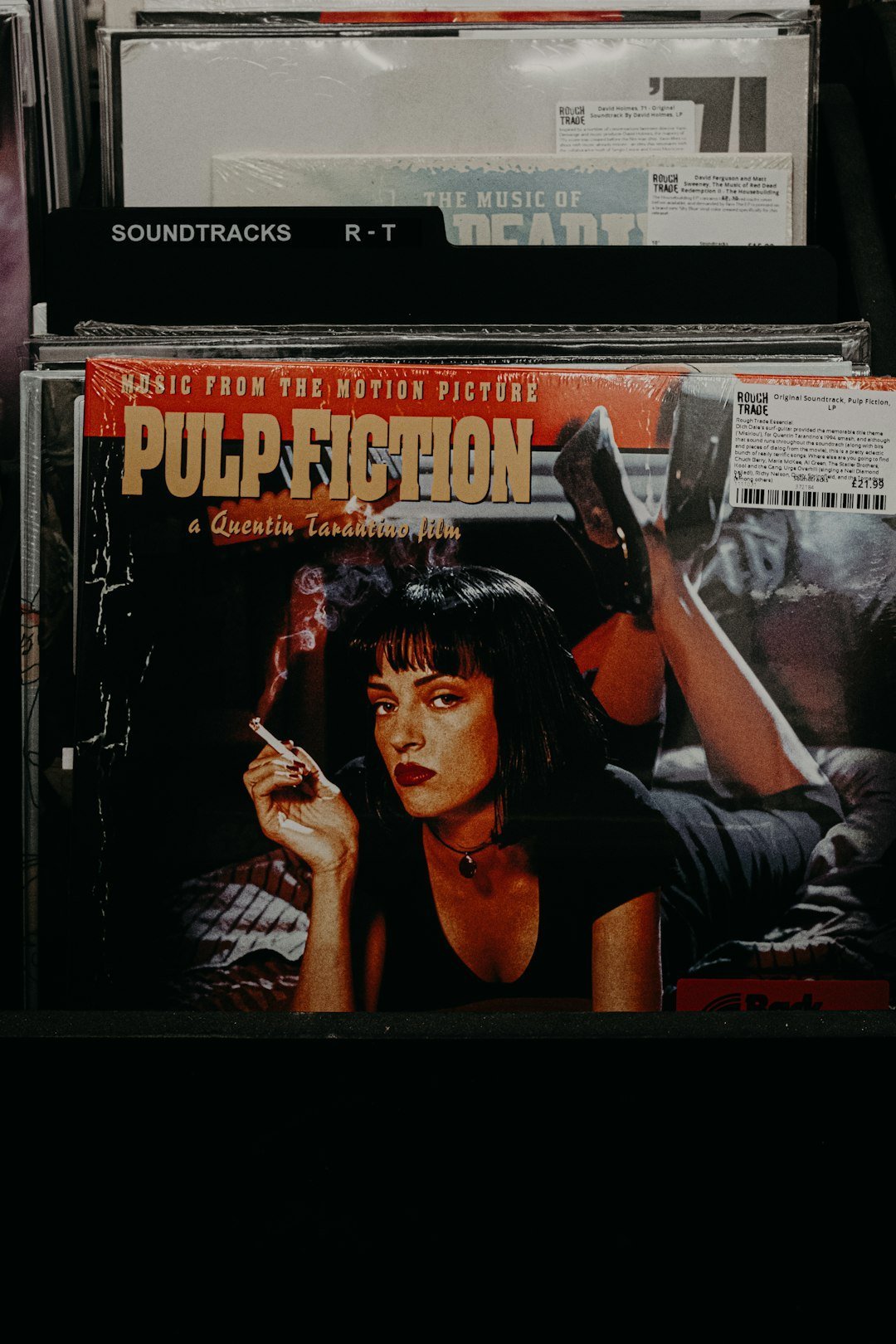
Here’s the thing about Pulp Fiction’s soundtrack: there is no traditional film score in sight. No traditional film score was commissioned for Pulp Fiction. The film contains a mix of American rock and roll, surf music, pop and soul. Tarantino understood something that most filmmakers miss. The right pre-existing song, placed with precision, hits harder than anything composed to order. Tarantino treated pop songs like dialogue. He dug through surf rock and forgotten soul tracks to create a vibe that felt dangerous and cool.
The soundtrack mixed surf rock, soul, and pop in ways that shouldn’t have worked but absolutely did. The album reintroduced forgotten gems to new audiences while creating unexpected connections between different musical eras. “Misirlou” by Dick Dale rips open the film with such raw adrenaline that you are already hooked before the first frame of dialogue lands. What made Quentin Tarantino’s soundtracks special is that many of the tracks were ultra-deep cuts that became iconic after being in his movies.
The Pulp Fiction soundtrack redefined the way filmmakers approached music in film, leading to a wave of soundtracks that serve as an extension of the film’s identity. Movie soundtracks like Pulp Fiction framed the medium as an artistic showpiece. Throughout the ’90s, Tarantino and fellow indie auteurs made music a key character in their films. That ripple effect is still very much alive in how filmmakers curate music today.
6. Titanic (1997) – James Horner’s Ocean of Emotion
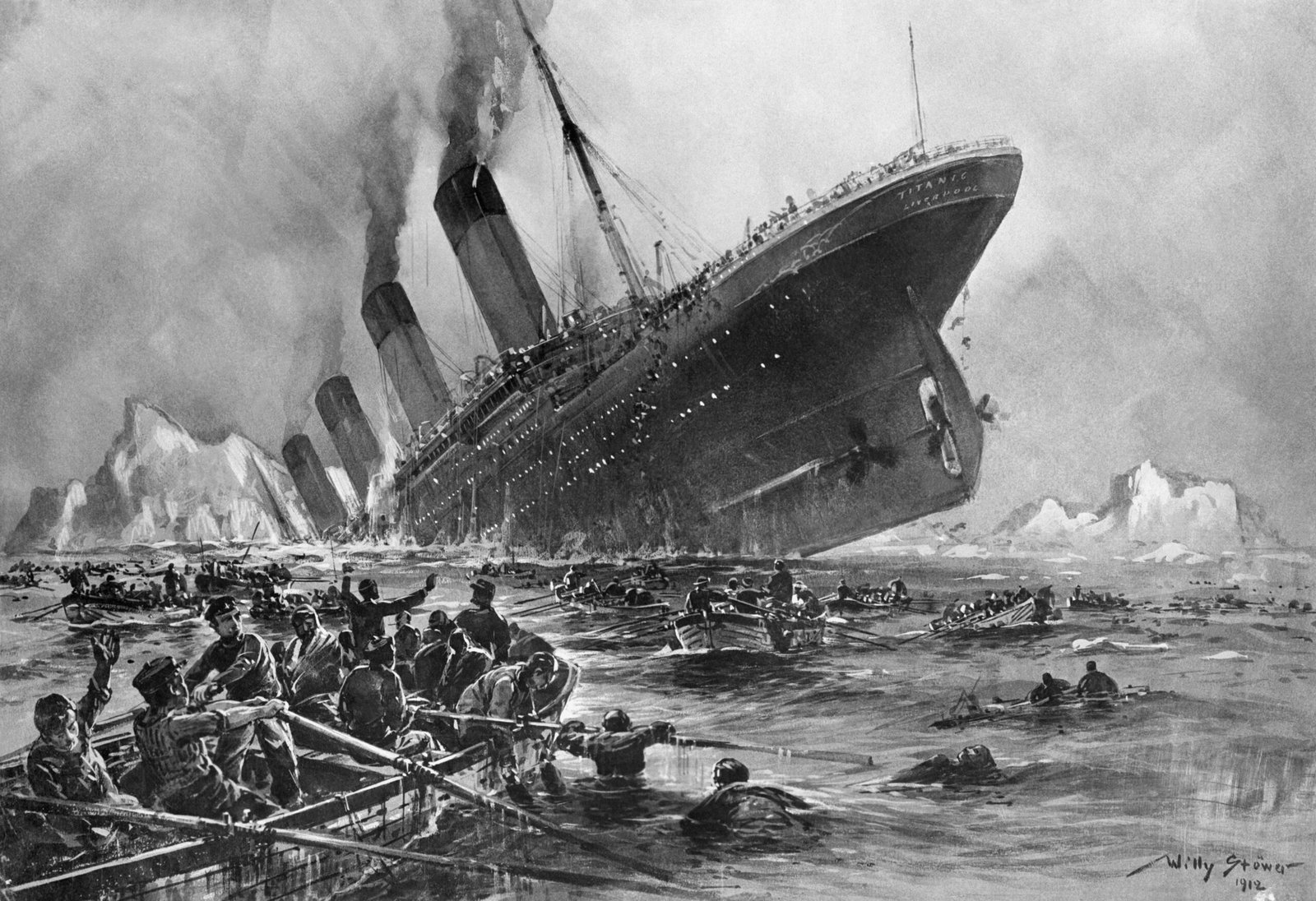
Some soundtracks are inseparable from their films. Others transcend them. Titanic did both. James Horner’s score for Titanic is a poignant blend of orchestral and vocal elements that captures the film’s grandeur and tragedy. The soundtrack’s centerpiece, “My Heart Will Go On,” performed by Celine Dion, is a timeless love song that has become synonymous with the epic romance.
Horner used Celtic vocals and a haunting soprano voice to represent the ocean. The score is soft and tragic. It does not fight the dialogue. It supports the heartbreak. That restraint is everything. A lesser composer would have piled on the drama. Horner understood that the ship sinking was already catastrophic enough. The music needed to be quiet in the right places. This soundtrack is one of the best-selling albums of all time for a reason.
Its success at the Academy Awards and beyond highlights the soundtrack’s significant contribution to the film’s legacy. Titanic remains a defining soundtrack of the late 1990s, resonating with audiences around the world. You could hear this music decades after the film’s release and still feel the weight of that freezing Atlantic water. That is the power of a truly great score.
7. The Bodyguard (1992) – Whitney Houston Rewrites What a Soundtrack Can Be
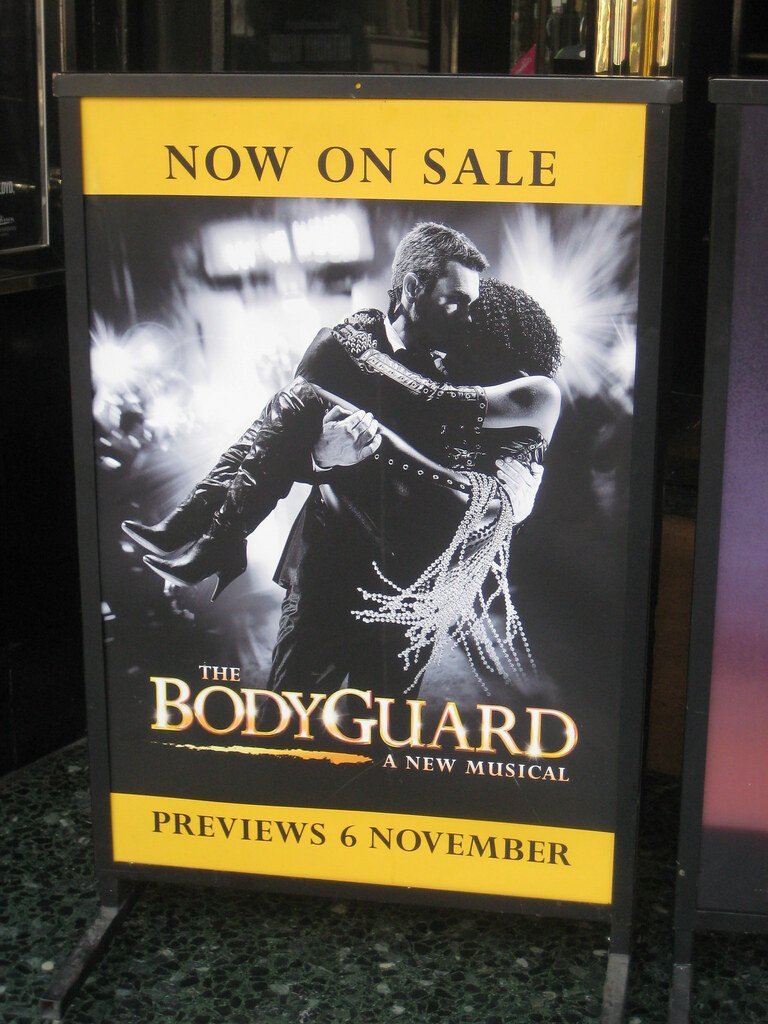
Let’s be real: The Bodyguard, as a film, is a perfectly serviceable thriller. The soundtrack, however, is something else entirely. With a 20-week reign at No. 1, it remains the biggest-selling soundtrack of all time. Whitney Houston performed six songs on the album, including the titanic power ballad “I Will Always Love You.”
Whitney Houston’s cover of “I Will Always Love You” held Billboard’s Hot 100 top spot for 14 weeks straight, a feat unmatched for years. That powerhouse ballad pushed the soundtrack past 18 million sales worldwide, blending R&B drama with cinematic heartbreak. It’s hard to say for sure what made Houston’s vocal performance so jaw-dropping, but I suspect it’s the sheer emotional sincerity she brought to every note. There was nothing calculated about it.
Houston’s music continues to inspire and move listeners worldwide. The Bodyguard soundtrack is a defining piece of the 1990s, showcasing the profound influence of music in shaping a film’s legacy. In a decade full of extraordinary pop moments, this soundtrack stood above them all. Its commercial heights have never been matched by any film soundtrack since.
8. The Good, the Bad and the Ugly (1966) – Ennio Morricone Redefines the Western
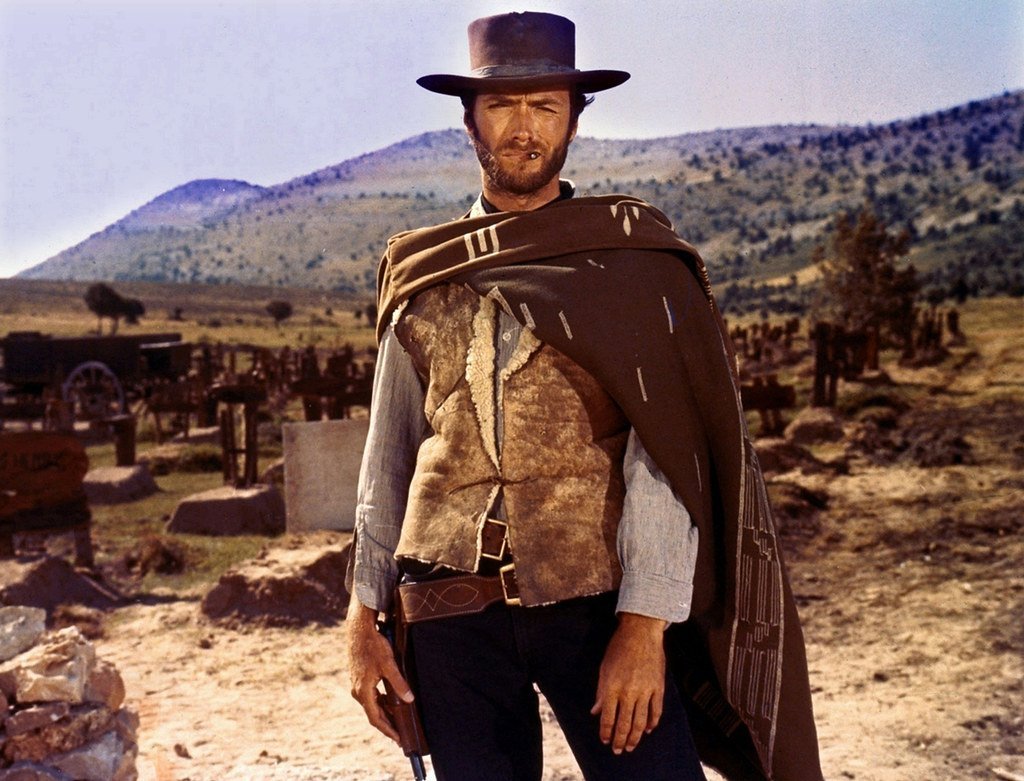
Think of the Old West. Now tell me what you hear. Almost certainly, it is Ennio Morricone. Morricone’s masterpiece dismantled the traditional Western score, replacing orchestral polish with the grit of the frontier. By incorporating unconventional sounds, including coyote howls, whistling, whip-cracks, and electric guitars, he created a sonic vocabulary that felt dangerous and modern.
What separates Morricone from nearly every other composer in film history is this almost theatrical audacity. He didn’t just score scenes; he sculpted them. The legendary “Ecstasy of Gold” elevates the tension of a three-way Mexican standoff to the level of operatic grandiosity. It remains a definitive example of how music can become the primary storyteller in cinematic history. That famous three-note motif is not just recognizable. It is almost primitive in how deeply it lodges itself in your mind.
Ennio Morricone is a master of Western gothic soundtracks and this particular work could not be more singular and attached to his legacy. Thanks to his pioneering work with director Sergio Leone, The Good, the Bad and the Ugly is hands-down the best Western movie score of all time. Decades later, it still appears in concert halls, tribute performances, and pop culture references worldwide. Some music simply refuses to age.
9. The Lord of the Rings Trilogy (2001–2003) – Howard Shore Builds a World in Sound
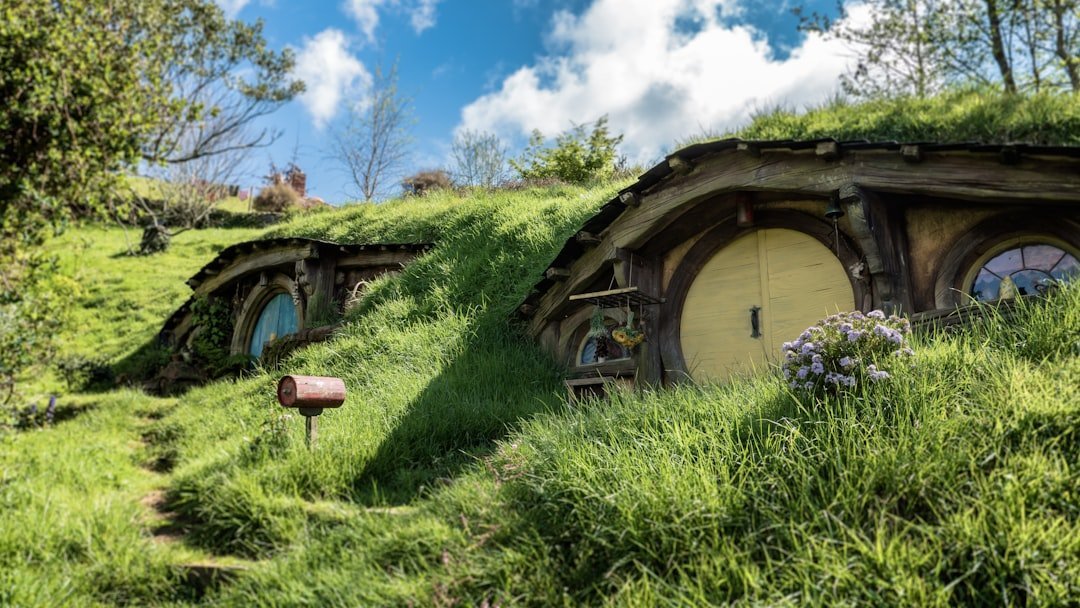
Building a sonic universe from scratch around J.R.R. Tolkien’s Middle-earth was always going to be one of cinema’s most ambitious musical undertakings. Howard Shore did not just rise to the challenge. He created something that might outlast the films themselves. Howard Shore’s music for The Lord of the Rings trilogy is as epic and sprawling as Tolkien’s Middle-earth. From the sweeping landscapes of the Shire to the ominous presence of Mordor, Shore’s score brings depth and beauty to every part of the world.
The sheer structural scale of this score is almost incomprehensible. Shore developed distinct musical languages for each race and region within Middle-earth, a leitmotif system that operates at a level of complexity rarely seen in cinema. Canadian composer Howard Shore may have seemed an unusual choice for the most ambitious production in cinema history, but he triumphed. And the awards followed. The music helped elevate The Lord of the Rings to a cinematic masterpiece and won multiple awards, including the Academy Award for Best Original Score.
What I find genuinely astonishing about Shore’s work here is how emotionally precise it is. The Shire theme is warm and domestic. The Fellowship’s theme is noble and slightly melancholic. Mordor feels like dread made audible. This is world-building at its finest, achieved entirely through sound.
10. Forrest Gump (1994) – A Musical Timeline of American History
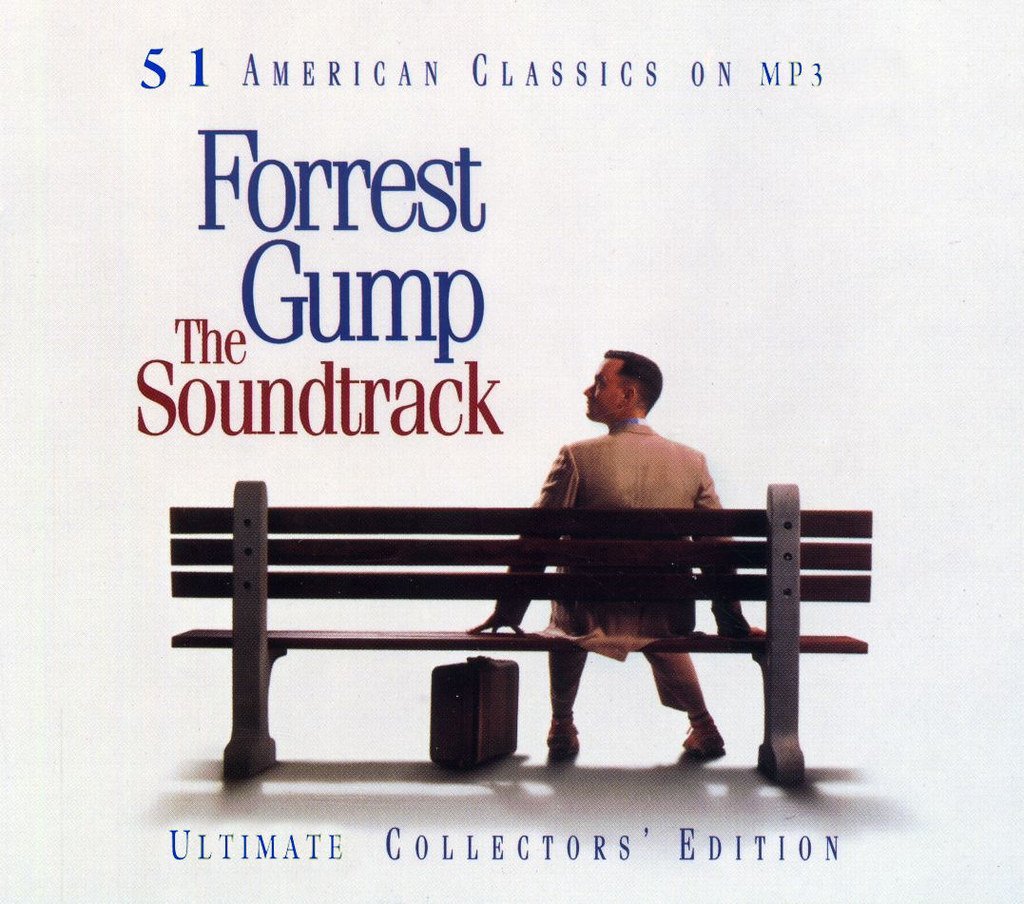
The Forrest Gump soundtrack spans several decades of American music, reflecting the cultural upheavals and historical moments that shaped the life of the title character. The music in Forrest Gump doesn’t just complement the story; it shapes it, offering a musical timeline of the 20th century. This is a radical concept in film scoring, using licensed songs not just for mood, but as narrative timestamps.
The soundtrack serves as a history book. Every song marks a specific year in American history. It anchors the viewer in time instantly. You hear a track and know exactly where you are in the 1960s or 70s. Alan Silvestri’s original score weaves between the licensed tracks like a thread of emotional continuity. Silvestri’s original score is emotional and reflective, adding depth to the film’s historical themes.
There is something genuinely moving about the way this soundtrack operates. You are not just watching a man’s life unfold. You are hearing an entire nation change around him. The soundtrack became one of the best-selling soundtracks of all time and earned multiple awards, cementing its place in cinematic history. It also proved that the curation of existing music could be just as artful as any original composition. That lesson has never been forgotten.
The Lasting Power of a Great Movie Score
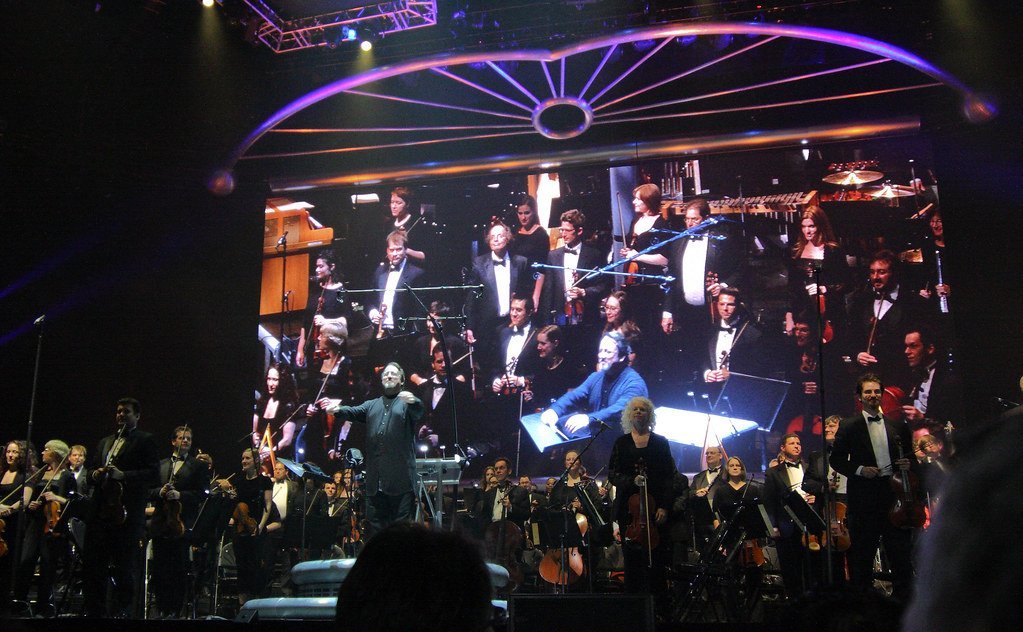
Looking back at these ten soundtracks, the one thing they all share is this: they refused to stay inside the movie. Music can make or break a movie. In a few special cases, it can jump out of the silver screen and take on a life of its own. Each of these albums did exactly that, becoming cultural artifacts in their own right.
Iconic movie soundtracks are more than just musical accompaniments; they are cultural landmarks that define generations. Whether it is the symphonic grandeur of John Williams, the synthesizer poetry of Vangelis, or Tarantino’s perfectly curated jukebox, the common thread is intentionality. Every choice was deliberate. Every note earned its place. Research has revealed the vital role music plays in the enjoyment of a film, with nearly four in five people saying the soundtrack significantly enhances the viewing experience, and nearly as many agreeing a film is more likely to be seen as a classic if it features music that stays with you long after the credits roll.
There is something almost philosophical about that. We go to cinema for stories, yes. But we leave with music. We hum it on the way home. We hear a few bars years later and feel the entire film rush back. That is not background noise. That is art doing its deepest work. Which of these soundtracks has stayed with you the longest? Tell us in the comments.

Christian Wiedeck, all the way from Germany, loves music festivals, especially in the USA. His articles bring the excitement of these events to readers worldwide.
For any feedback please reach out to info@festivalinside.com
